

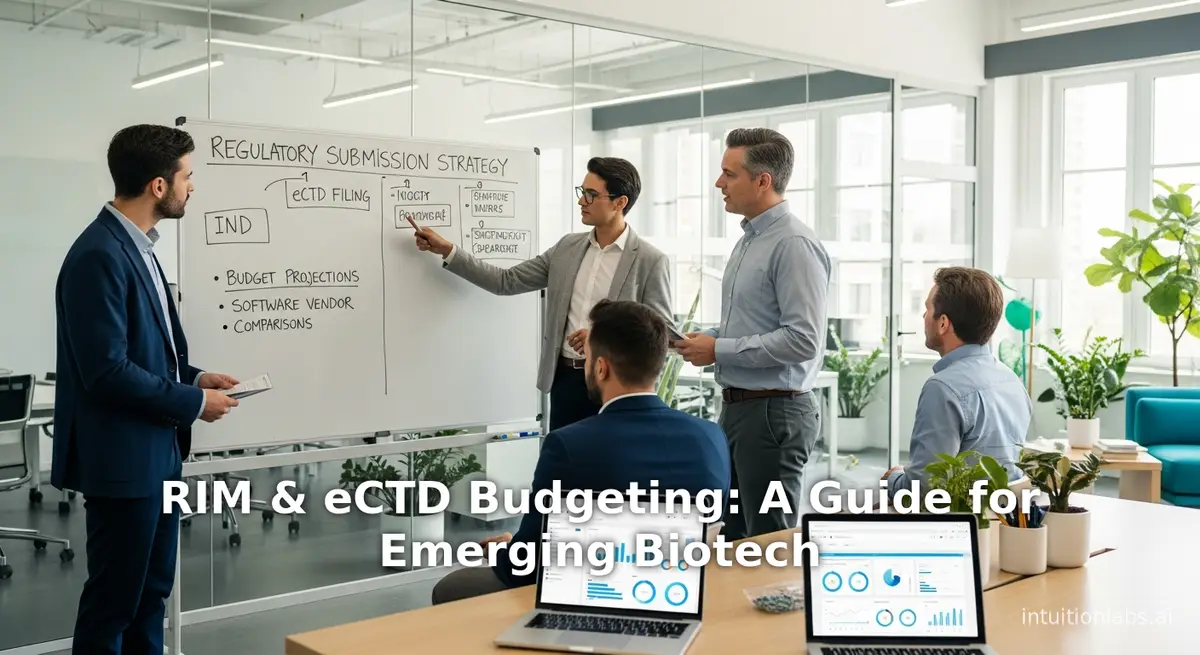
RIM & eCTD Budgeting: A Guide for Emerging Biotech
A guide for emerging biotech on budgeting for Regulatory Information Management (RIM) and eCTD submissions. Covers cost structures, vendor solutions, and compli

IntuitionLabs is now a member of the Claude Partner Network – AI training and upskilling with Claude for pharma and biotech. Book a call.
A guide for emerging biotech on budgeting for Regulatory Information Management (RIM) and eCTD submissions. Covers cost structures, vendor solutions, and compli
An in-depth analysis of eCTD viewer tools for CROs. Explore essential software features, market trends, and preparing for eCTD v4.0 regulatory submissions.
Learn eCTD publishing best practices for compliant regulatory submissions. This guide covers technical standards, validation, and requirements from FDA, EMA, an
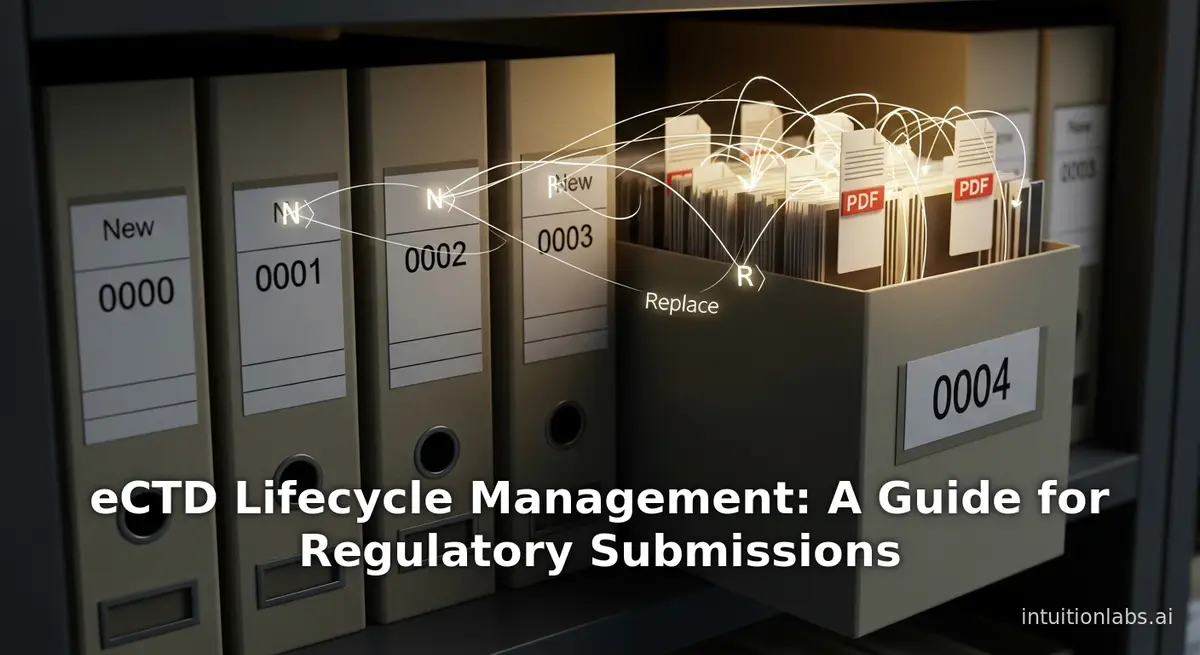
Explore eCTD lifecycle management, the core process for updating regulatory dossiers. Learn about ICH standards, submission sequences, and the shift to eCTD v4.
Learn about the ICH M8 eCTD v4.0 submission specification. This guide covers its technical basis in HL7 RPS, file requirements, and global adoption timelines.
Learn the fundamentals of eCTD sequence management for compliant regulatory submissions. This guide explains sequence numbering, lifecycle operations, and best
Explore the complex pricing of eCTD publishing software. Our analysis covers vendor costs, subscription models, and key factors for regulatory submission planni
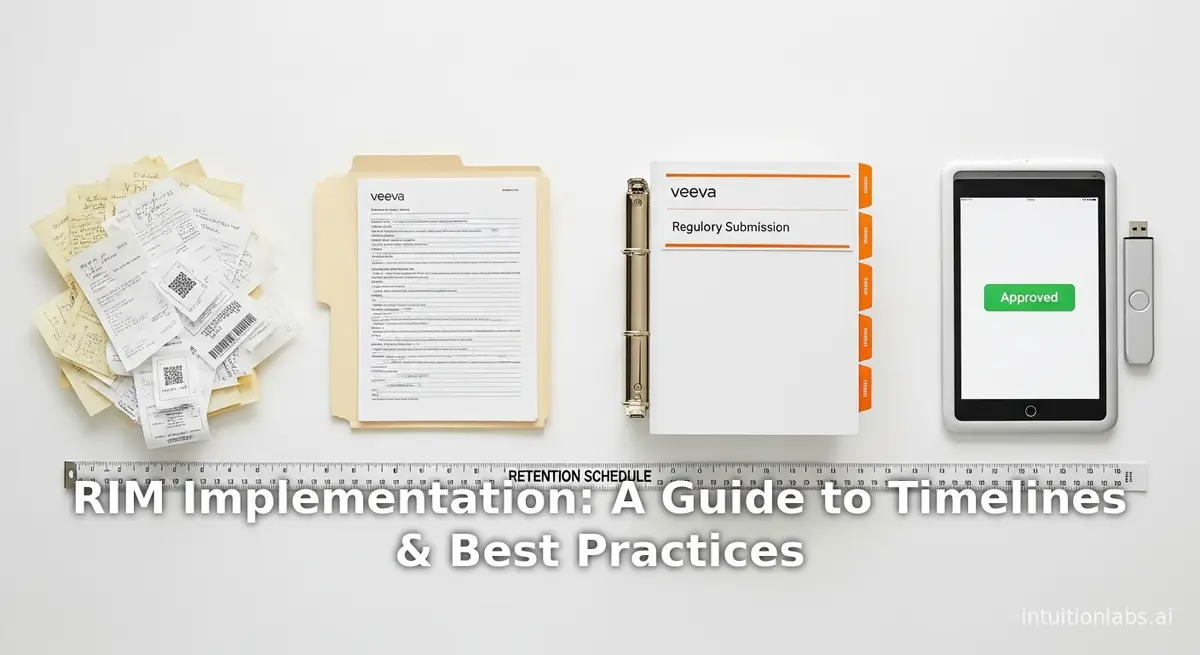
A comprehensive guide to Records and Information Management (RIM) implementation. Explore typical timelines, key phases, and best practices for regulatory compl
Explore cloud-based regulatory submission tools for pharma. This guide covers eCTD software, RIM systems, compliance (21 CFR Part 11), benefits, and challenges.
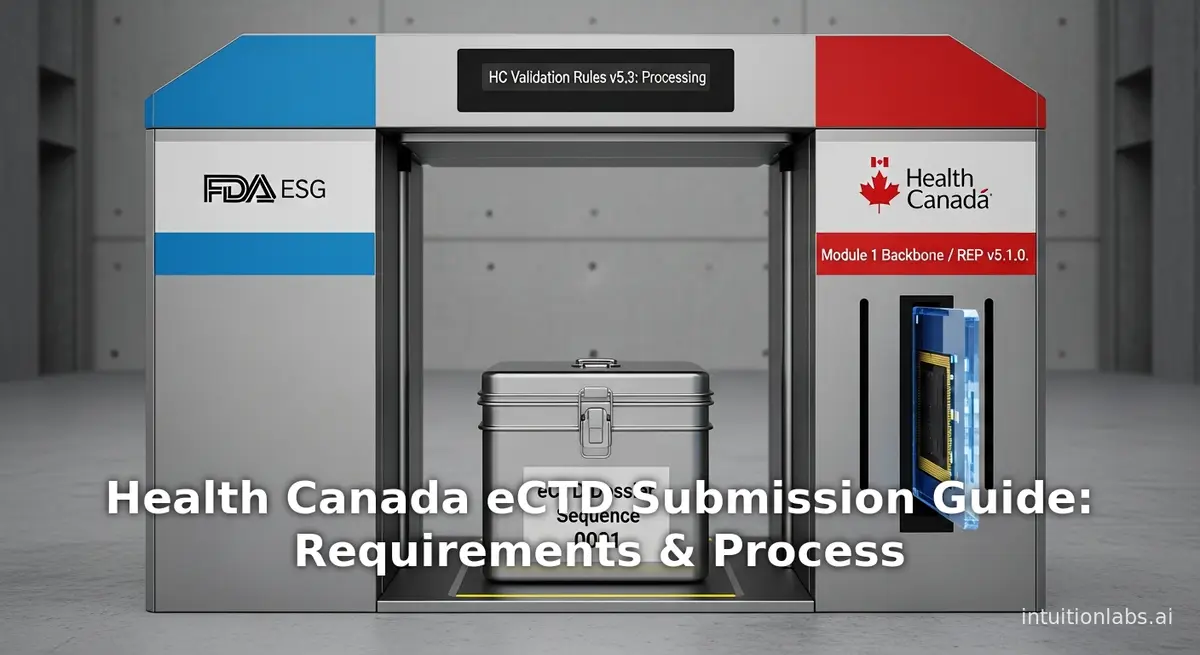
Learn how to prepare a Health Canada eCTD submission. This guide covers mandatory requirements, the CESG gateway, validation rules, and the REP process for drug
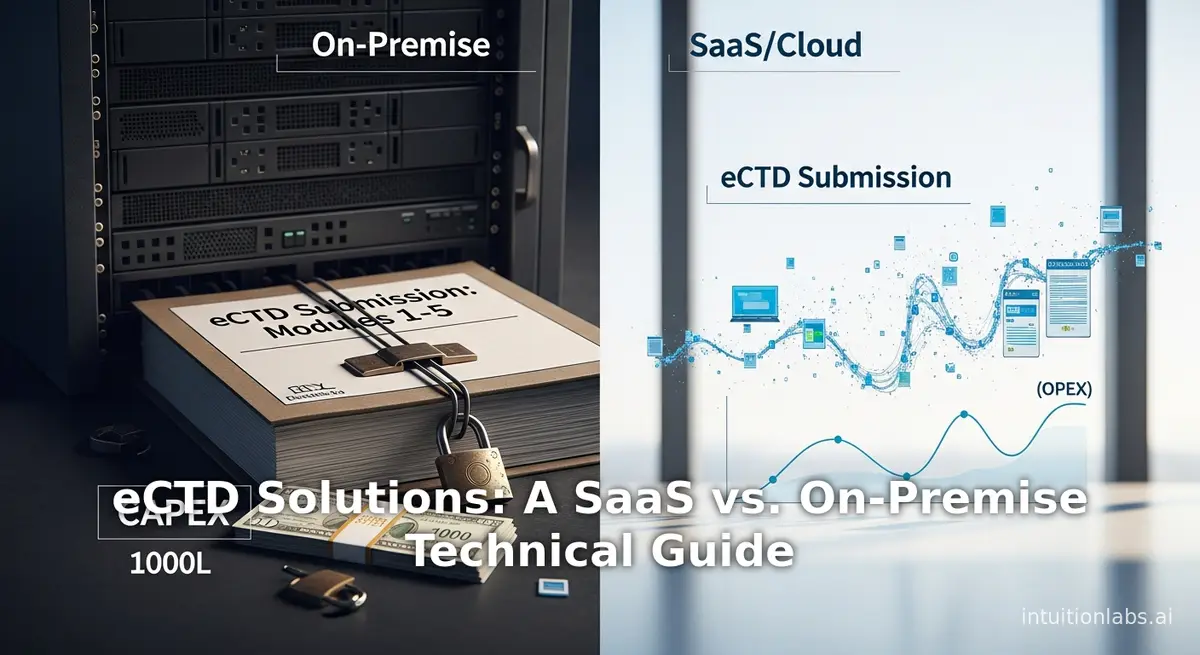
Compare SaaS vs. on-premise eCTD solutions for pharma. This guide analyzes TCO, scalability, GxP compliance (21 CFR Part 11), and security for both models.
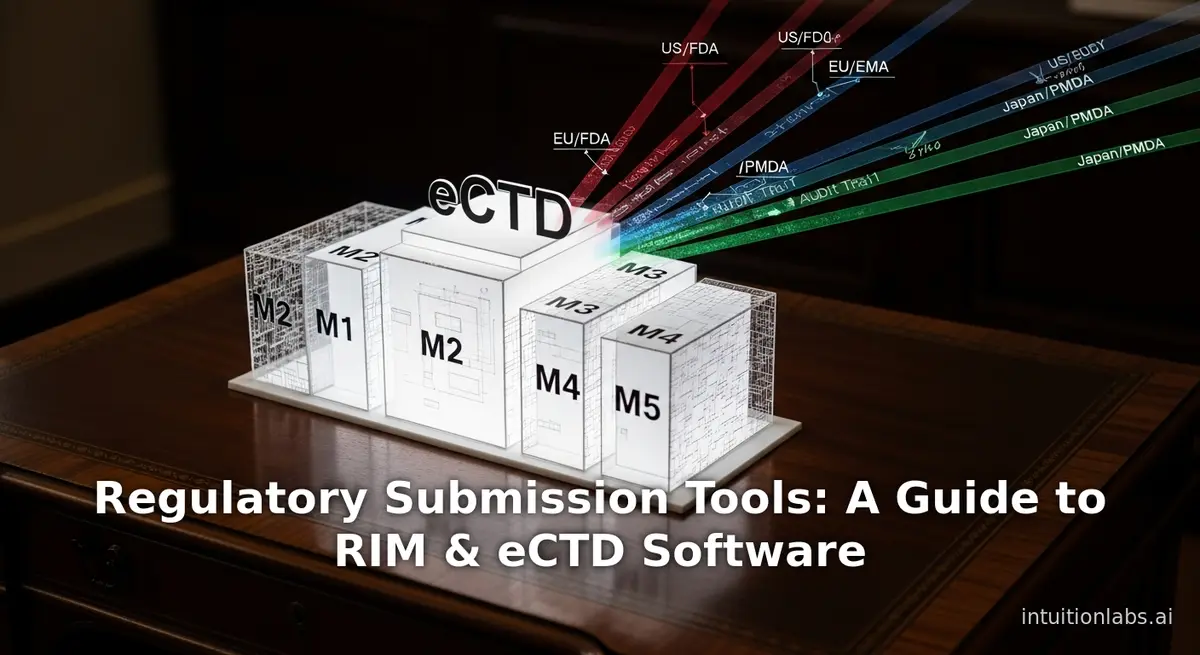
An overview of regulatory submission software for the life sciences. Learn how RIM systems & eCTD publishing tools streamline compliant filings to the FDA & EMA
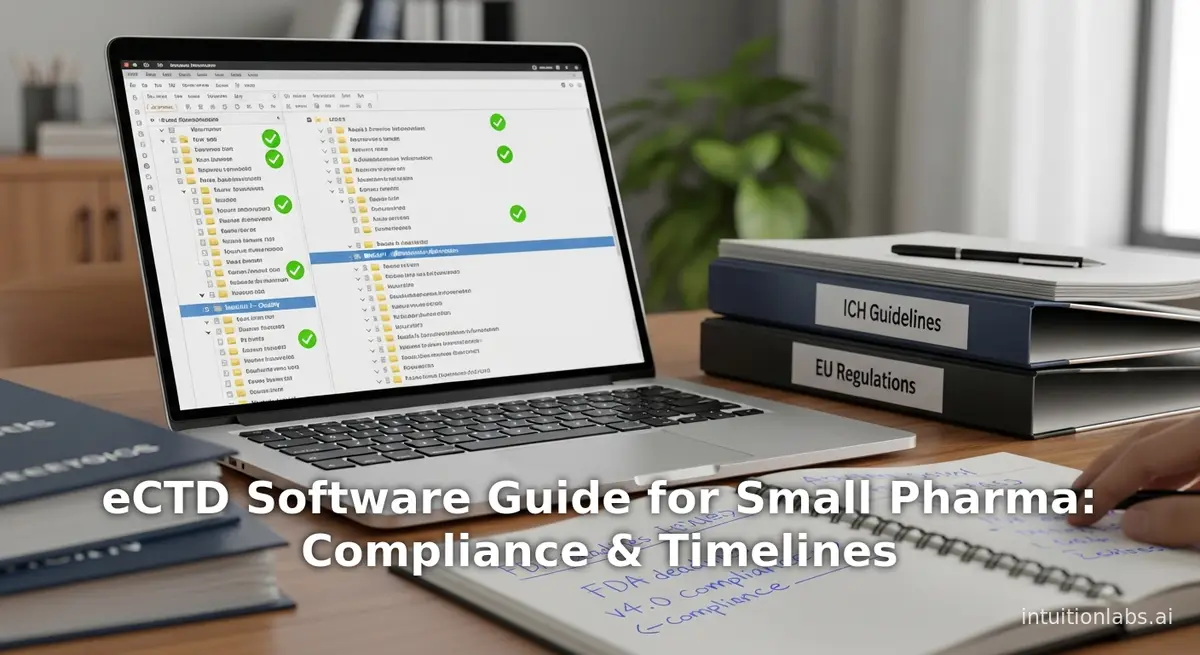
Learn how to choose eCTD software for small pharma. This guide covers regulatory compliance, global submission timelines for FDA & EMA, and eCTD v4.0 updates.
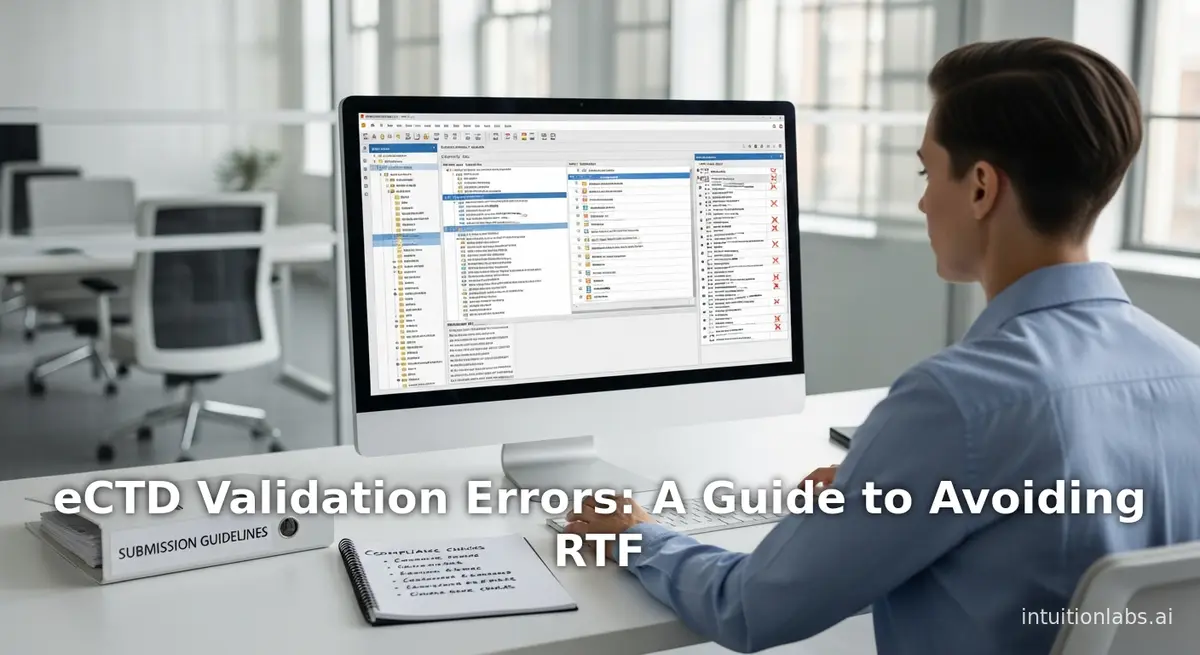
Learn the most common eCTD validation errors that cause Refuse-to-File (RTF) actions. This guide covers structural, XML, and PDF issues for successful submissio
Learn best practices for managing eCTD submissions. This guide covers the eCTD structure, publishing tools, QC processes, and how to avoid common technical erro
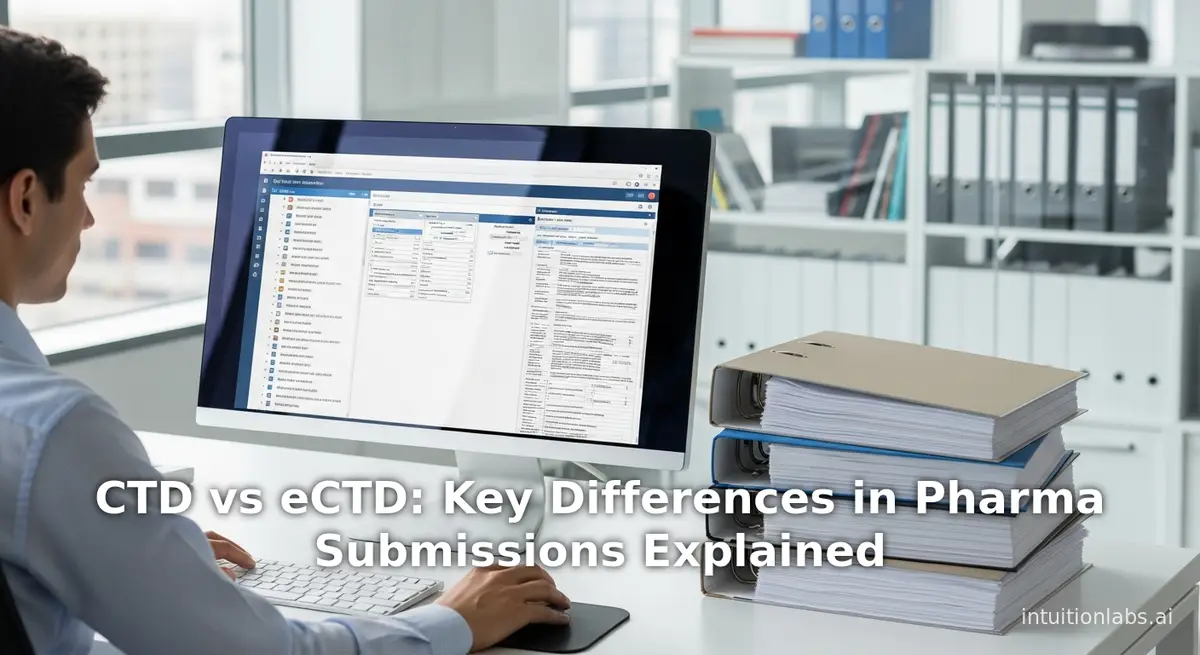
Learn the key differences between the Common Technical Document (CTD) and electronic CTD (eCTD). This guide covers the evolution from paper to the XML-based eCT
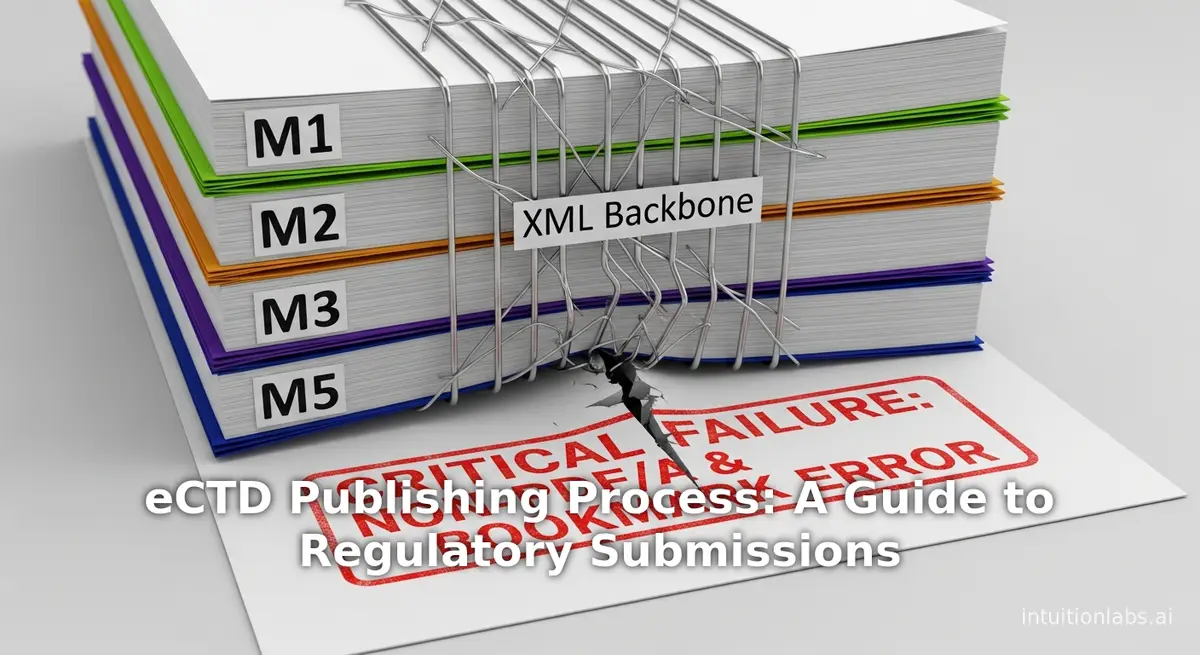
Learn the complete eCTD publishing process for regulatory submissions. Updated May 2026 with the latest eCTD v4.0 milestones (PMDA mandate Apr 2026, EMA optional Dec 2025, FDA voluntary, ANVISA 2026).
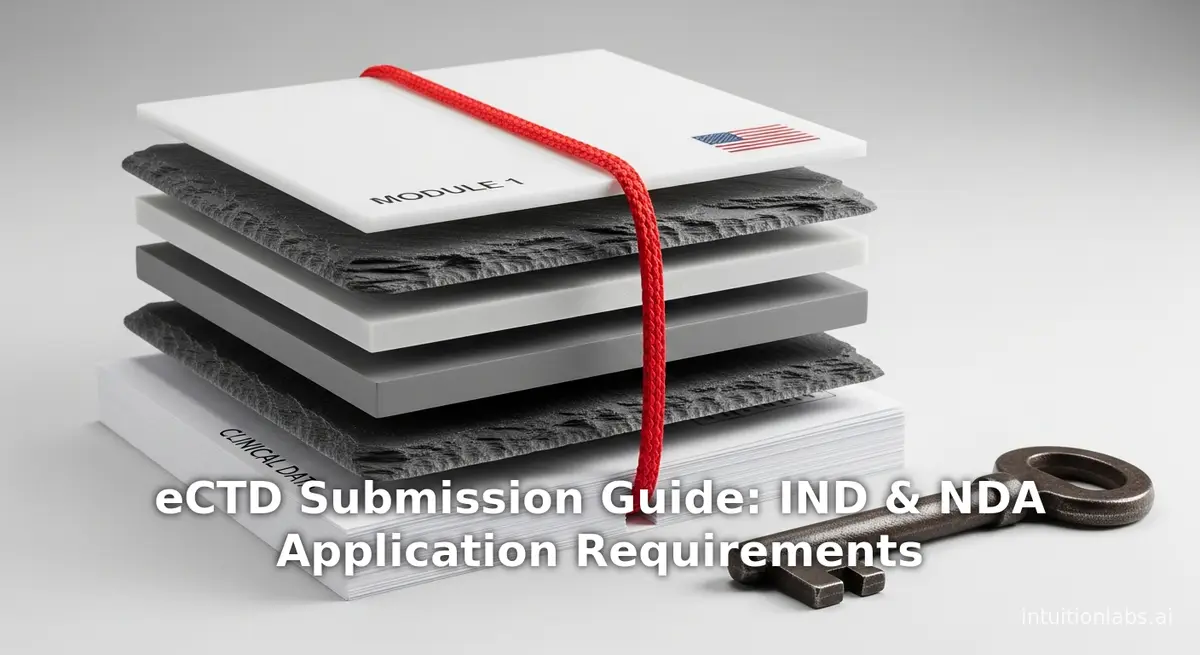
A complete guide to the IND & NDA eCTD submission process. Learn the eCTD format, CTD modules, FDA requirements, and the transition from eCTD v3.2.2 to v4.0.
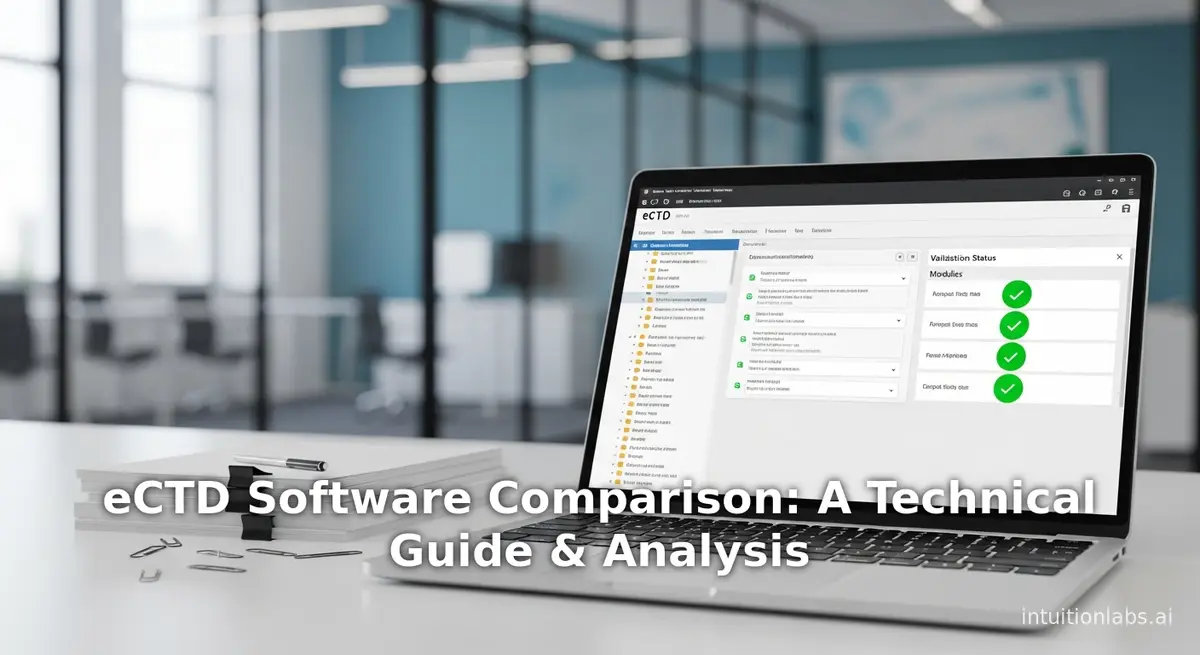
Updated May 2026: in-depth comparison of eCTD software for regulatory submissions, analyzing top platforms (LORENZ/MasterControl, Veeva, EXTEDO, Certara) on features, pricing, and eCTD v4.0 readiness.
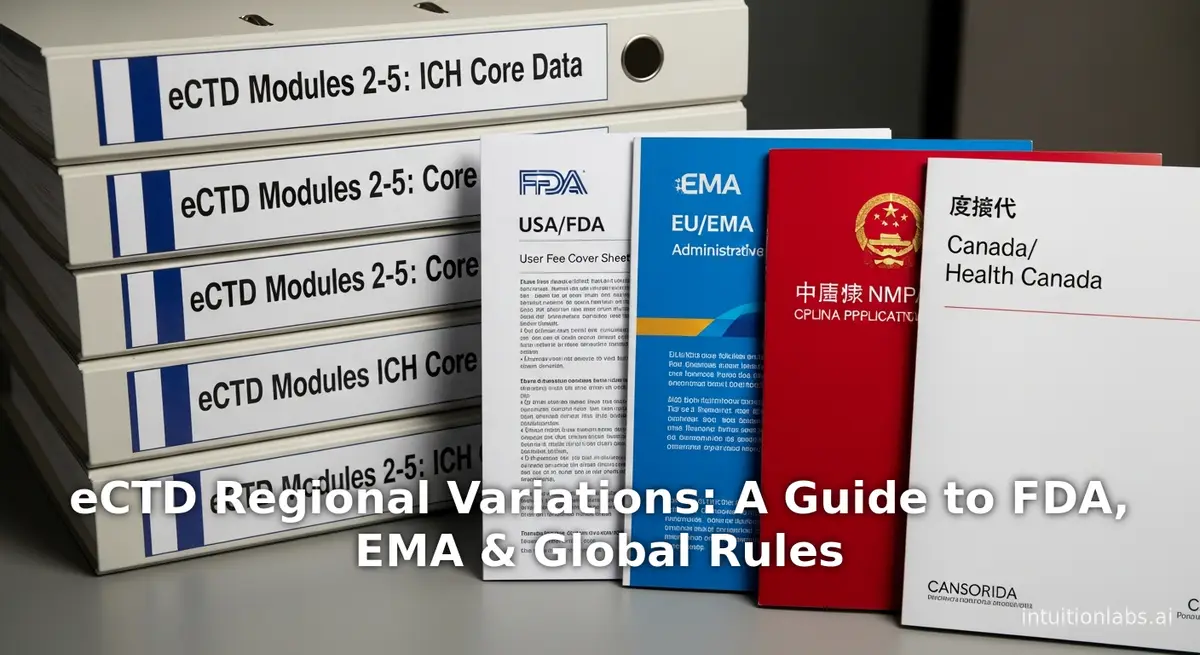
Learn about eCTD regional variations for global regulatory submissions. This guide compares Module 1 requirements from the FDA, EMA, Health Canada, and more.
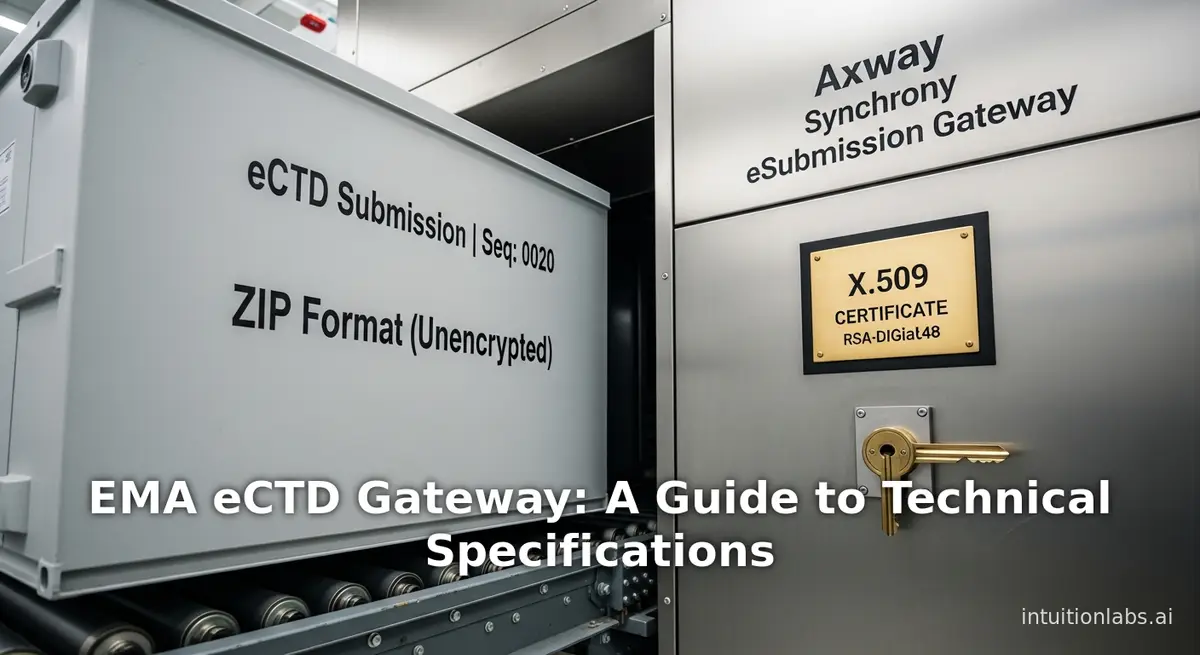
Learn the EMA eCTD Gateway specifications for regulatory submissions. This guide explains the technical architecture, AS2 protocols, validation, and file requir
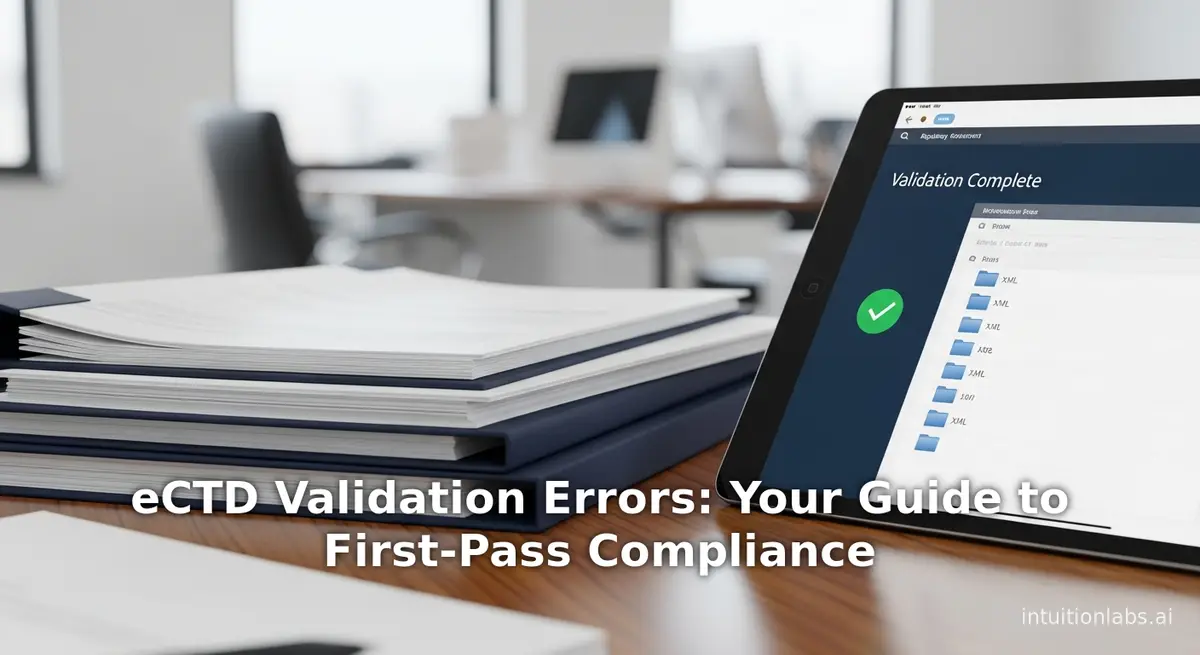
Updated May 2026: Learn about common eCTD validation errors that lead to submission rejection. Covers FDA and EMA rules, eCTD v4.0 rollout, Health Canada Validation Rules v5.3, and strategies for first-pass compliance.
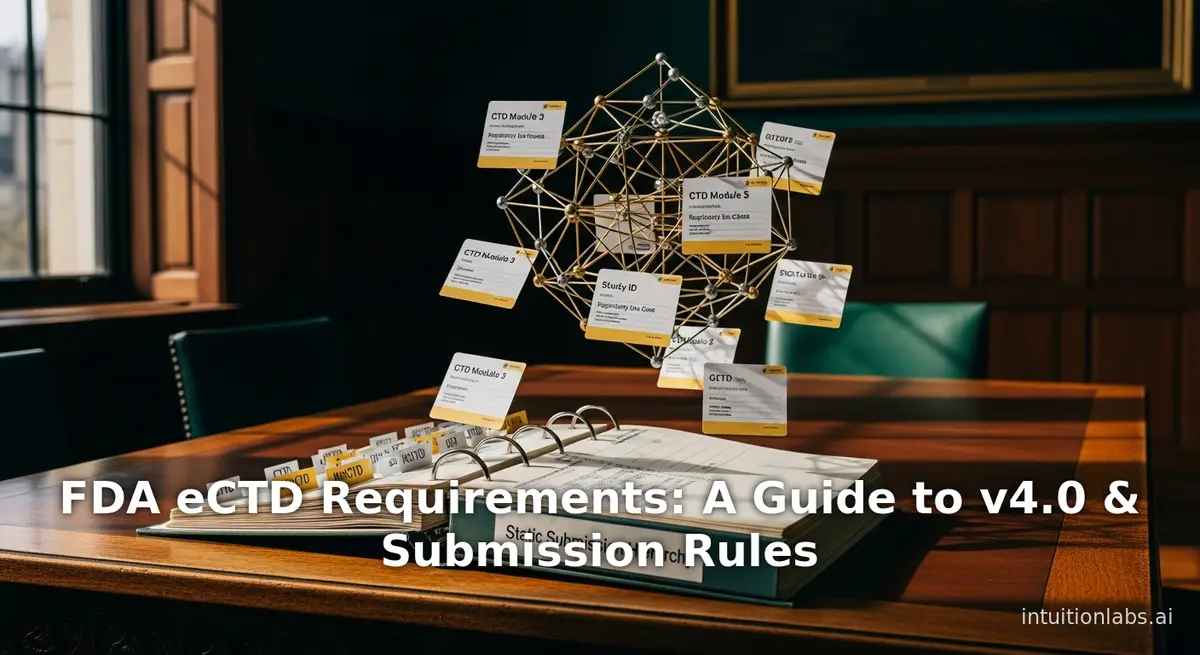
Learn the FDA's mandatory eCTD submission requirements, including key deadlines, technical standards, and the transition from eCTD v3.2.2 to v4.0 for NDAs, BLAs

A guide to regulatory submission quality control (QC). Explore best practices for eCTD dossier checklists to ensure compliance and avoid costly FDA/EMA rejectio
© 2026 IntuitionLabs. All rights reserved.