

Free AI Tools for PubMed and Biomedical Literature Search
Review free AI tools for PubMed and biomedical literature search. Evaluate AI search engines, evidence-based medicine applications, and current limitations.

IntuitionLabs is now a member of the Claude Partner Network – AI training and upskilling with Claude for pharma and biotech. Book a call.
Review free AI tools for PubMed and biomedical literature search. Evaluate AI search engines, evidence-based medicine applications, and current limitations.
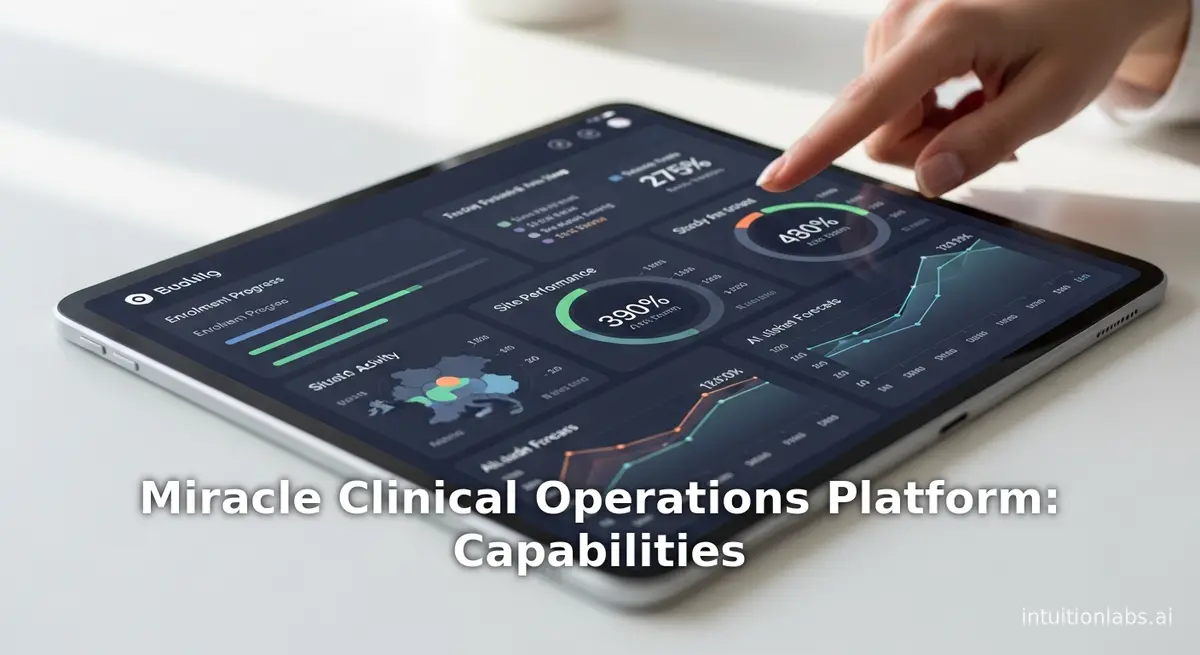
Examine the capabilities of the Miracle clinical operations platform, including automated EDC data integration, AI forecasting, and real-time trial monitoring.
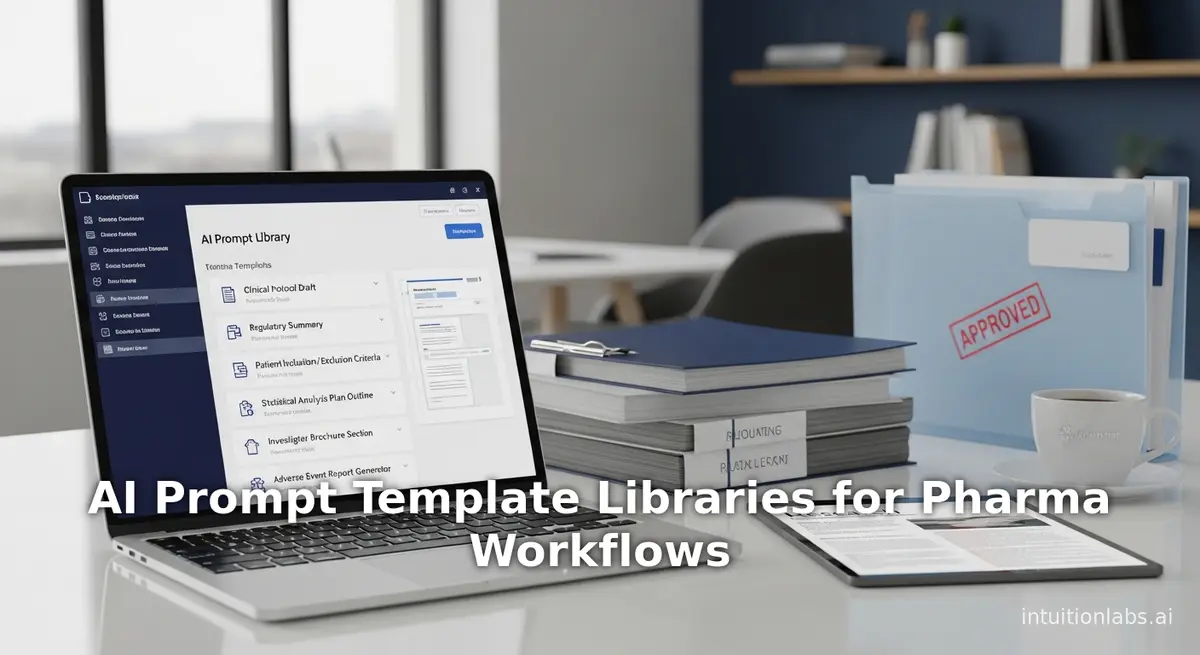
Examine the implementation of AI prompt libraries in pharmaceutical workflows. Review prompt engineering techniques, regulatory compliance, and R&D applications
An in-depth analysis of the draft EU GMP Annex 22 guidelines for artificial intelligence in pharmaceutical manufacturing. Review AI compliance and risk rules.
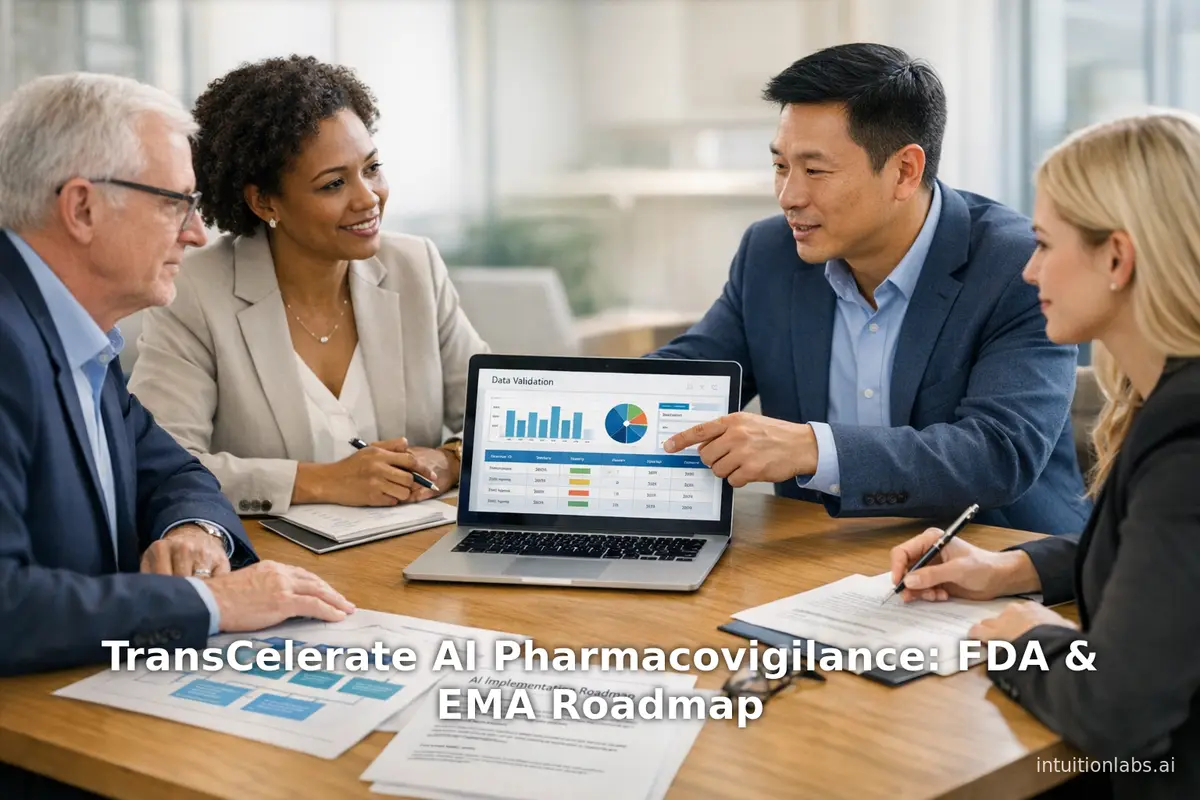
Analyze TransCelerate guidelines for implementing AI in pharmacovigilance. Review a comprehensive roadmap for compliance with FDA and EMA safety regulations.
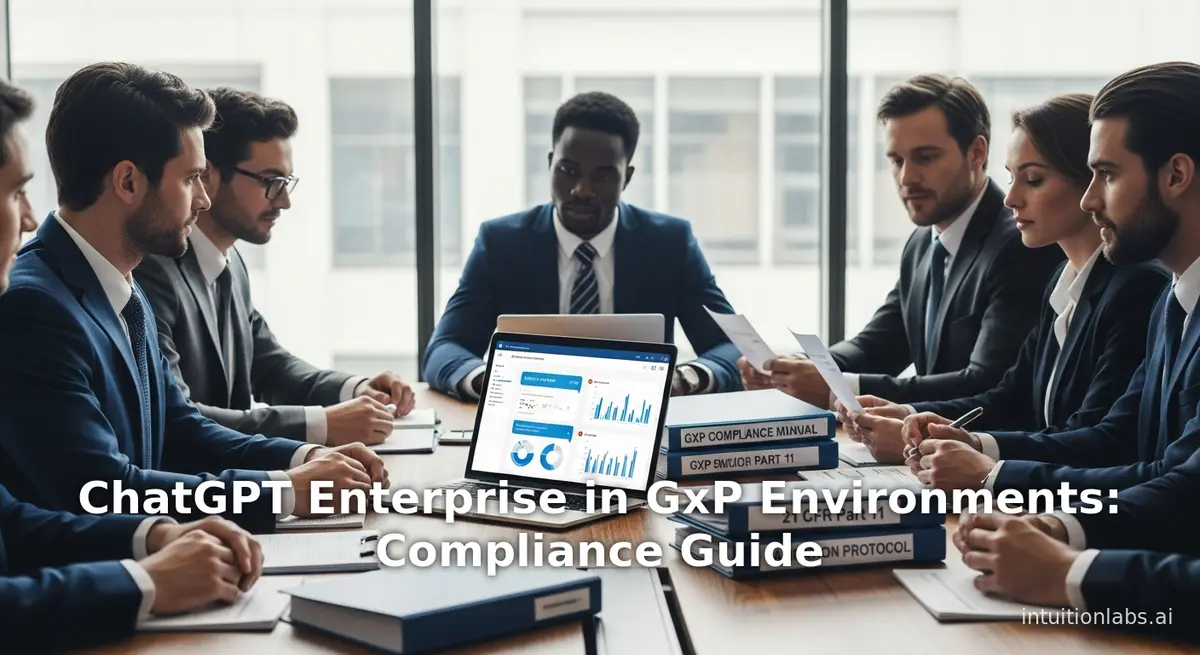
Learn how to deploy ChatGPT Enterprise in regulated GxP environments. This guide covers FDA compliance, 21 CFR Part 11, system validation, and data integrity.
Examine Bristol Myers Squibb's Predict First strategy for drug discovery. Learn how BMS integrates AI to augment scientific decision-making and R&D efficiency.
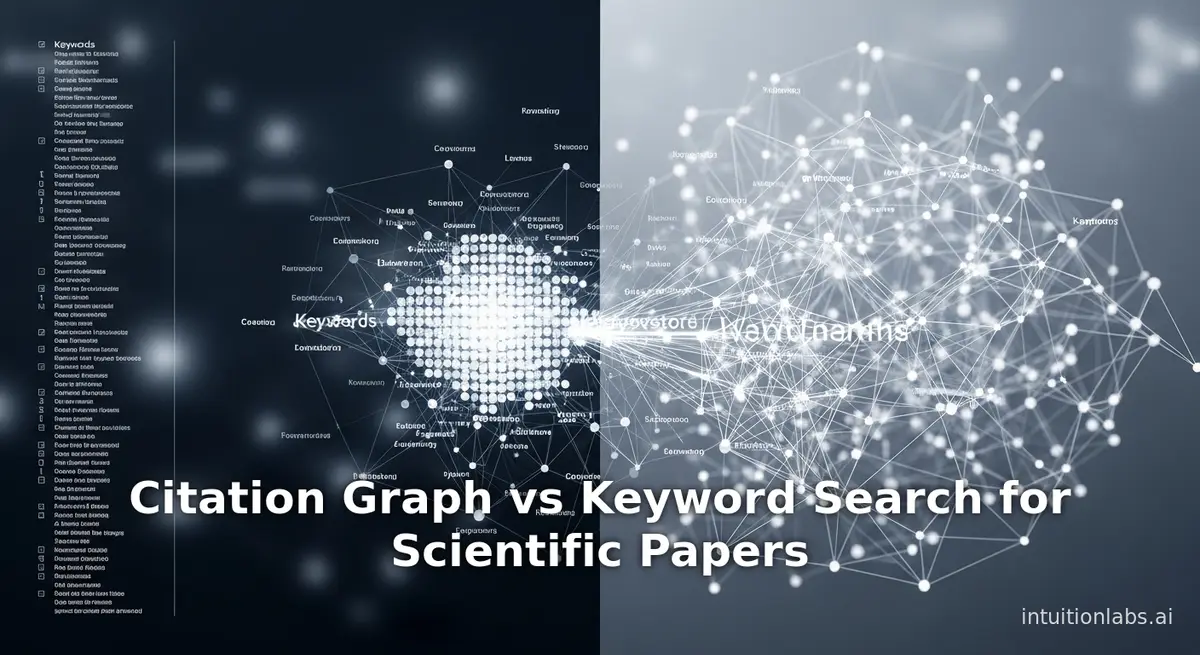
Compare citation graph and keyword search methods for finding scientific papers. Learn the limitations, benefits, and how to combine these research techniques.
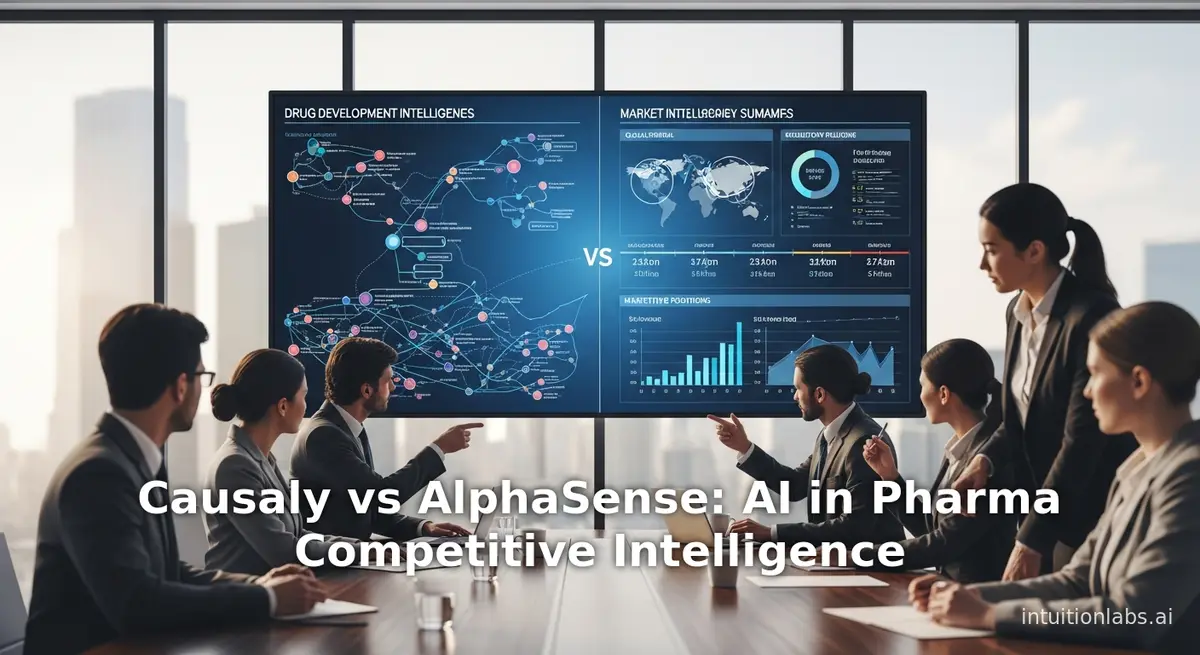
An educational analysis of Causaly vs AlphaSense for pharmaceutical competitive intelligence, comparing AI data coverage, R&D applications, and search methods.
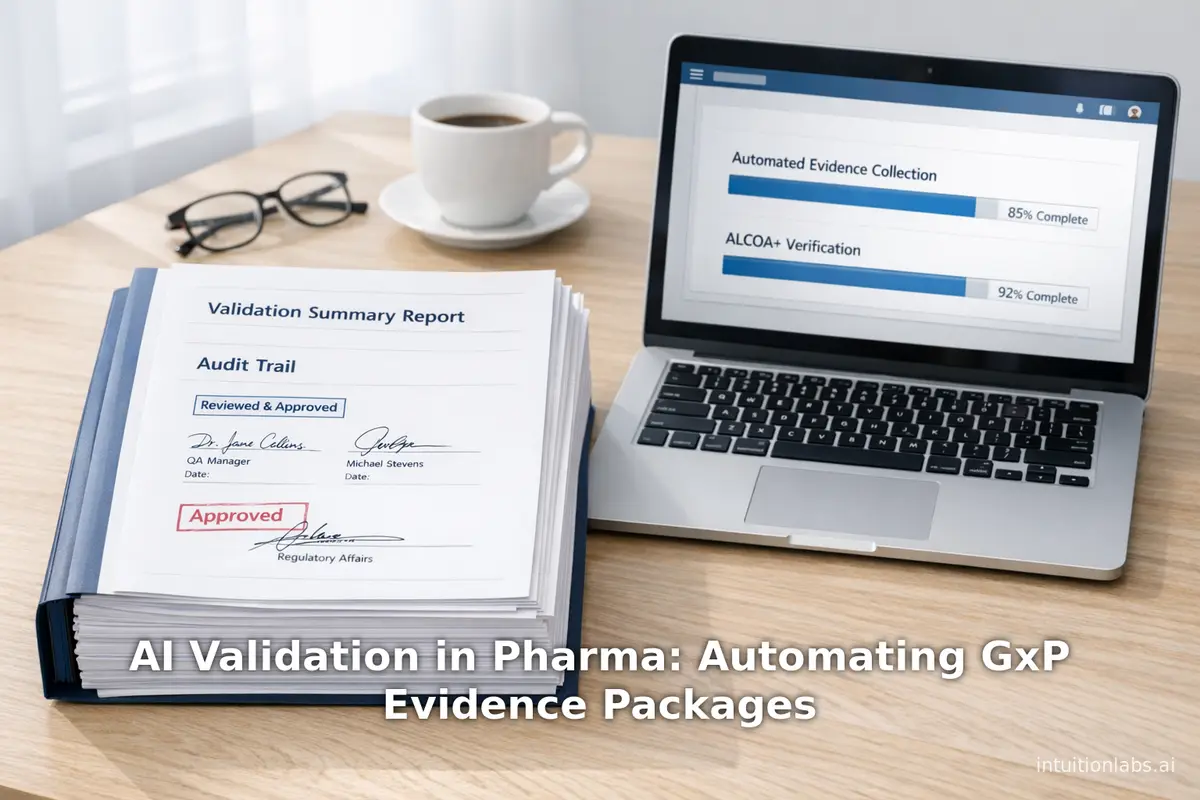
Examine how AI automates GxP evidence packages and compliance workflows. Review regulatory frameworks, ALCOA+ data integrity, and AI system validation methods.

Examine the architectural design and compliance framework for AI governance in pharmacovigilance, including FDA and EU regulatory guidelines for drug safety.
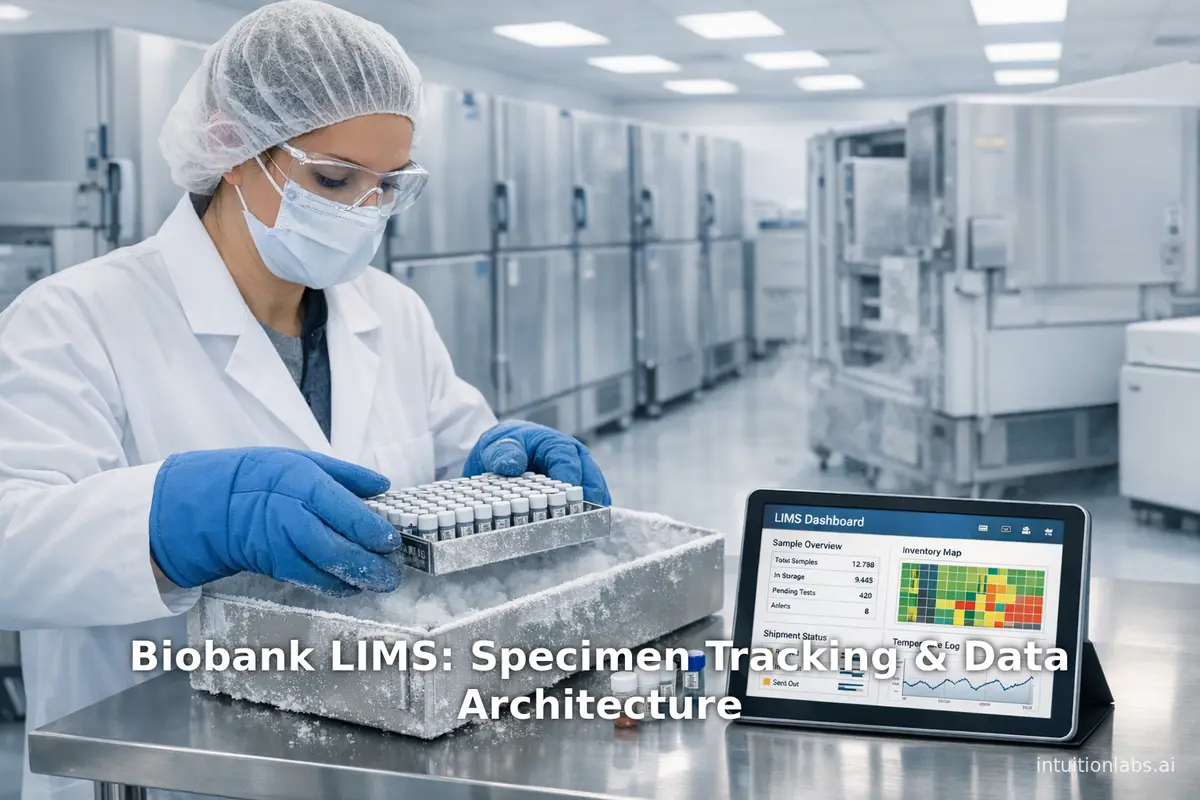
Explore how Biobank LIMS software enables accurate specimen tracking, complex data architecture, and regulatory compliance for modern biorepositories.
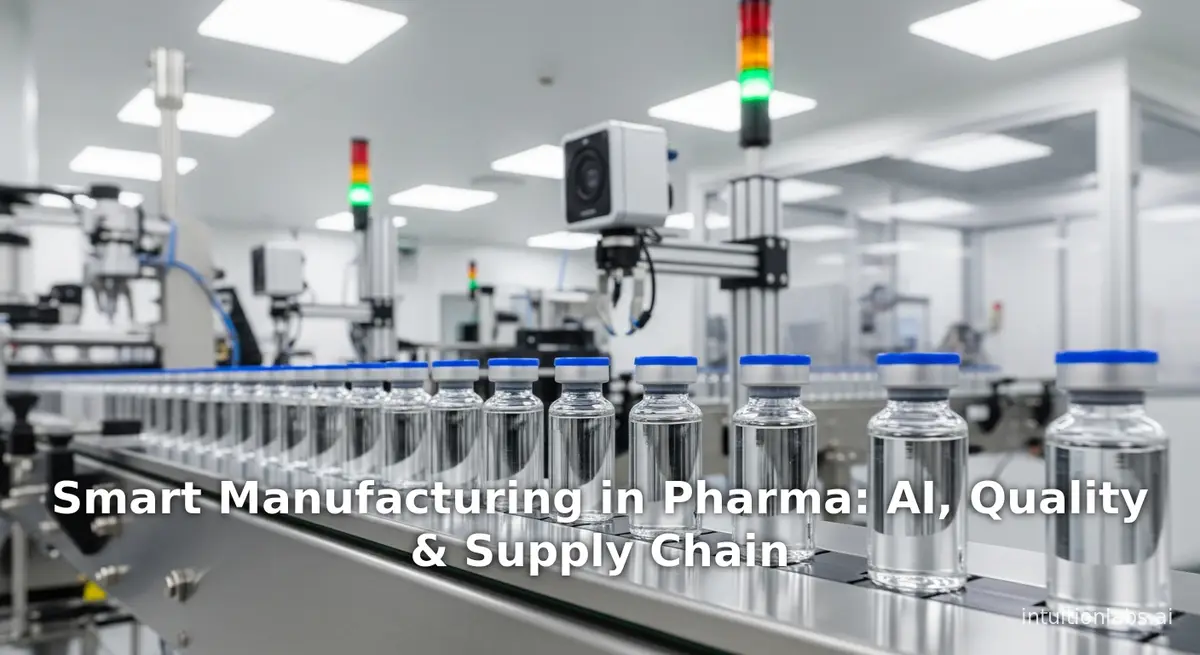
Examine how smart manufacturing in pharma uses AI, digital twins, and IoT to optimize production, quality control, and supply chains using a GSK case study.
Analyze Moderna's AI Academy to understand enterprise-wide AI upskilling. Learn best practices for corporate AI training, curriculum design, and enablement.
Understand how AI literature review tools function. This guide explains the core architecture, including semantic search, RAG pipelines, and LLM summarization.
Explore the transition from traditional keyword queries to AI-driven semantic search in biomedical research. Understand the tools, benefits, and limitations.
Learn to build an AI workflow for research papers using RAG architecture. Move beyond simple PDF chatbots to conduct accurate, systematic literature reviews.
Compare OpenAlex, Semantic Scholar, and PubMed to choose the best academic literature database for your research. Learn their coverage, features, and use cases.
Analyze the FDA AI Credibility Framework and its impact on scientific research tools. Review the 7-step risk-based validation process for drug development.
Examine Sanofi's enterprise AI strategy to understand what AI at scale means in pharma. Learn how AI is integrated across biopharma R&D and manufacturing.
A comprehensive guide to research paper APIs and scientific literature databases in 2026. Learn how to programmatically access scholarly metadata and citations.
Examine responsible enterprise AI practices, including data privacy, misuse prevention, red teaming, and governance frameworks for secure corporate deployment.
Review 10 essential AI tools for pharmaceutical R&D in 2026. This report details platforms for protein structure, generative design, and clinical modeling.
Learn how the Open Scholarly Data Stack uses persistent identifiers like DOIs and ORCIDs to connect research papers, authors, datasets, and citation networks.
© 2026 IntuitionLabs. All rights reserved.