

eCTD Publishing: A Guide to Best Practices & Requirements
Learn eCTD publishing best practices for compliant regulatory submissions. This guide covers technical standards, validation, and requirements from FDA, EMA, and other agencies.

IntuitionLabs is now a member of the Claude Partner Network – AI training and upskilling with Claude for pharma and biotech. Book a call.
Learn eCTD publishing best practices for compliant regulatory submissions. This guide covers technical standards, validation, and requirements from FDA, EMA, and other agencies.
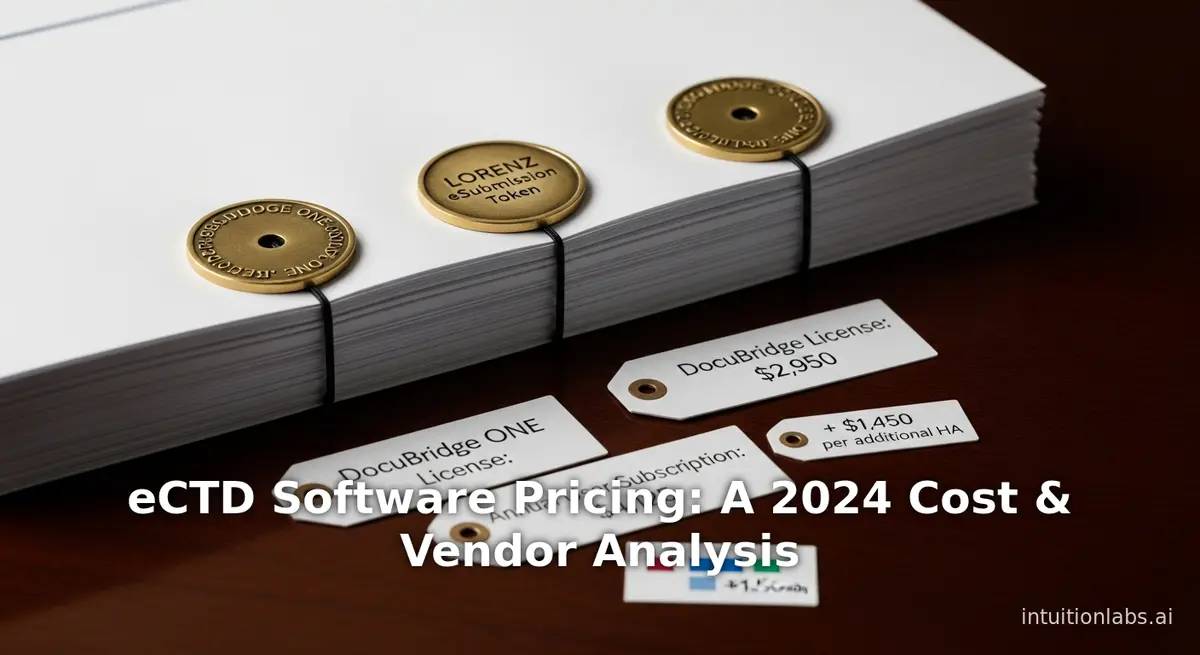
Explore the complex pricing of eCTD publishing software. Our analysis covers vendor costs, subscription models, and key factors for regulatory submission planning.
Learn best practices for managing eCTD submissions: eCTD structure, publishing tools, QC processes, eCTD v4.0 timelines and how to avoid common technical errors.
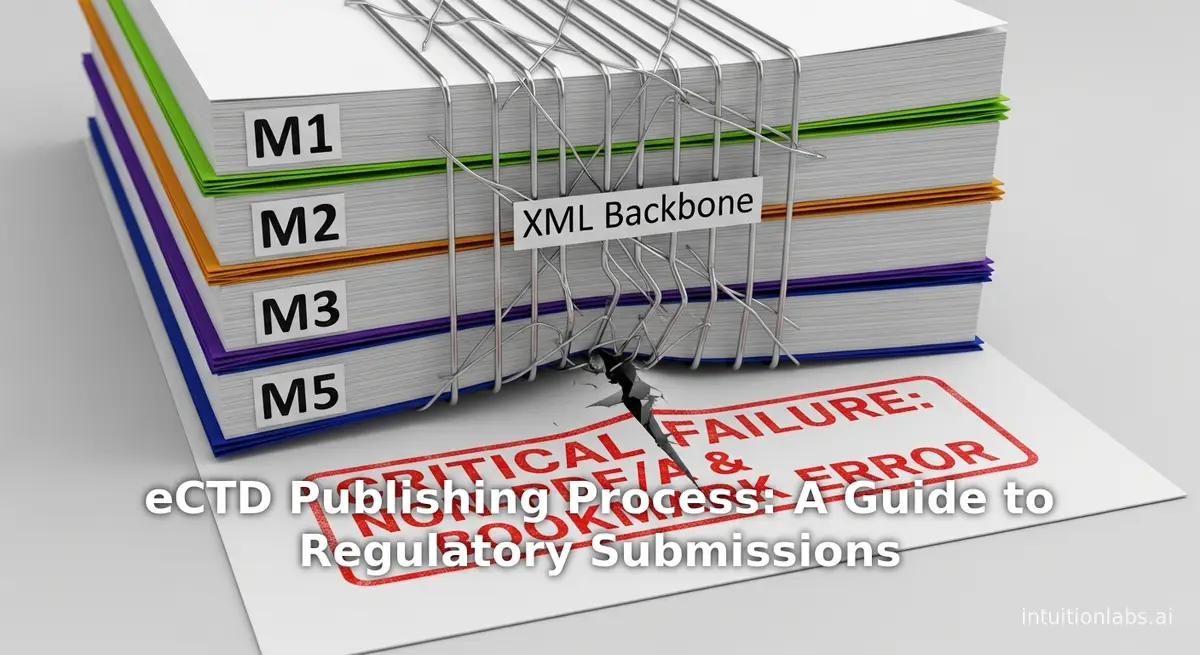
Learn the eCTD publishing process for regulatory submissions, with eCTD v4.0 milestones: FDA optional since Sept 2024, EMA optional since Dec 2025, PMDA new drug applications from Apr 2026.
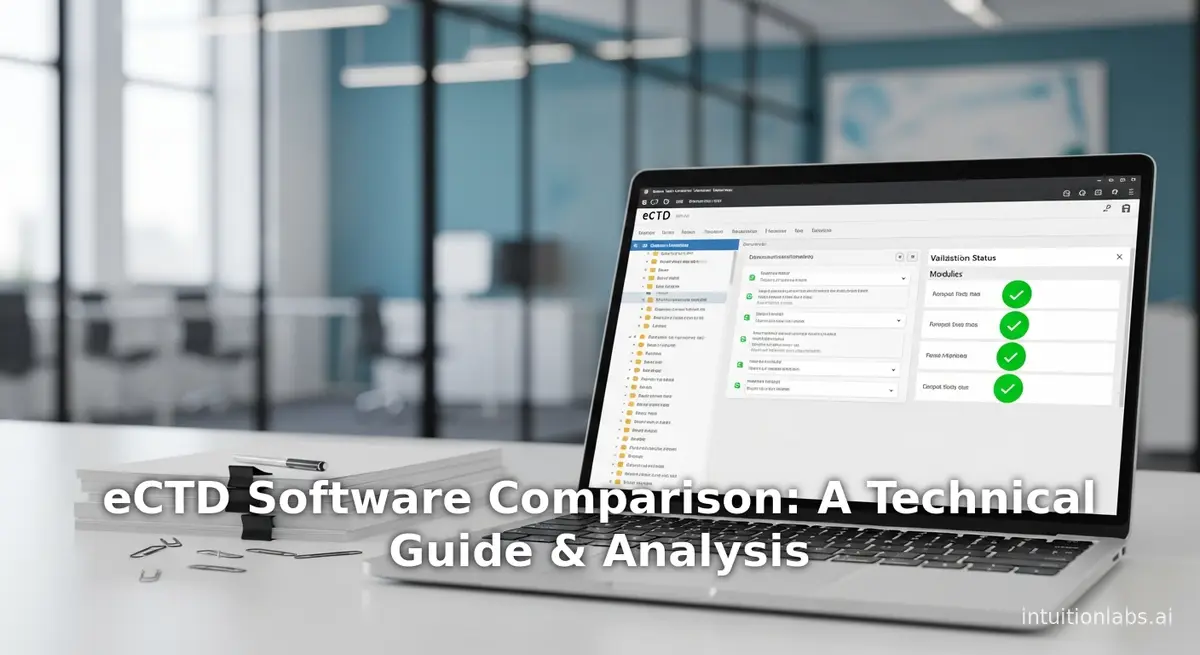
Updated May 2026: in-depth comparison of eCTD software for regulatory submissions, analyzing top platforms (LORENZ, Veeva, EXTEDO, Certara, MasterControl) on features, pricing, and eCTD v4.0 readiness.
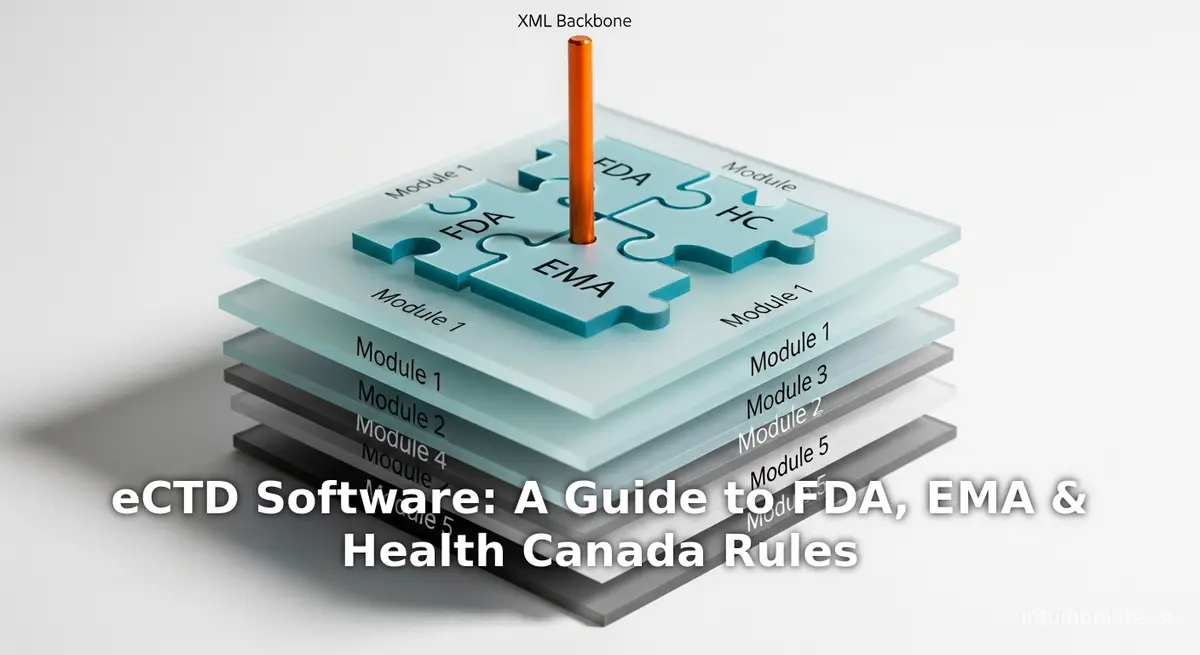
Learn the technical requirements for eCTD software submissions to the FDA, EMA, and Health Canada, including validation, lifecycle management, and how regulators are phasing in eCTD v4.0 for new applications.
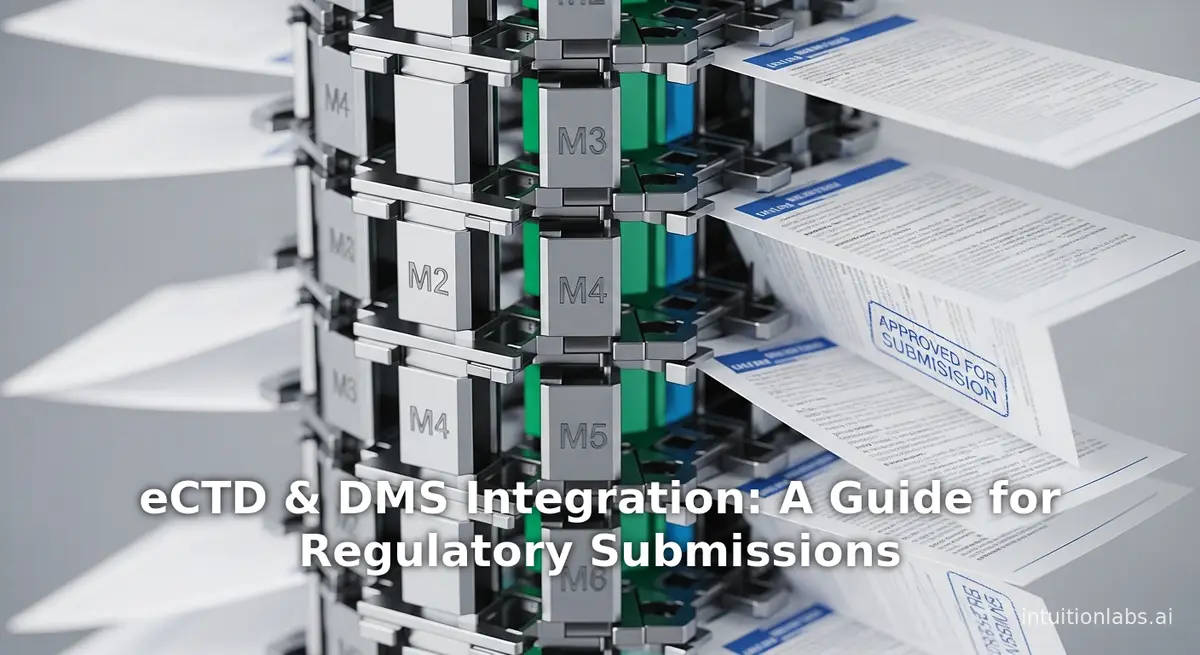
Learn how integrating eCTD publishing software with a Document Management System (DMS) streamlines pharma regulatory submissions, improves data consistency, and supports planning for eCTD v4.0.
Examines the evolution of eCTD systems from specialized publishers for regulatory submissions to enterprise platforms that serve as a unified drug lifecycle archive, including the impact of eCTD v4.0, AI-powered RIM tools, and IDMP compliance.
© 2026 IntuitionLabs. All rights reserved.