A 2026 guide to EMA's real-world data quality framework, covering its determinant hierarchy, 12 source-characterization areas, vendor evidence requests, metric calculations, and fitness-for-use decisions.

IntuitionLabs is now a member of the Claude Partner Network – AI training and upskilling with Claude for pharma and biotech. Book a call.

A 2026 guide to EMA's real-world data quality framework, covering its determinant hierarchy, 12 source-characterization areas, vendor evidence requests, metric calculations, and fitness-for-use decisions.


A 2026 implementation guide to FDA ESG NextGen APIs, covering OAuth, temporary upload credentials, ACK1 to ACK4 reconciliation, validation, and phased cutover controls.

A 2026 implementation guide to EMA ePI FHIR v1.0, covering the resource graph, PLM versus external generation, identifiers, procedure timing, validation, and rollout readiness.

Learn about the FDA's new HALO platform and Elsa 4.0 AI system. This guide covers consolidated eCTD submissions, AI review workflows, and sponsor migration.

Examine the January 2025 FDA draft guidance on AI in drug development. This report details the 7-step credibility framework and excluded AI applications.

Guide to eCTD v4.0 regulatory submissions. Learn about the HL7 RPS message standard, document reuse, and global implementation timelines for FDA and EMA.

Analyze global regulatory submissions, contrasting ICH guidelines with regional requirements. Learn to manage FDA, EMA, and local filing differences.

Learn the key differences in regional eCTD submission guides from the FDA, EMA, & Health Canada. This guide covers Module 1 variations and the shift to eCTD v4.

An in-depth analysis of eCTD viewer tools for CROs. Explore essential software features, market trends, and preparing for eCTD v4.0 regulatory submissions.

Learn eCTD publishing best practices for compliant regulatory submissions. This guide covers technical standards, validation, and requirements from FDA, EMA, and other agencies.

Explore eCTD lifecycle management, the core process for updating regulatory dossiers. Learn about ICH standards, submission sequences, and the shift to eCTD v4.

Learn about the ICH M8 eCTD v4.0 submission specification. This guide covers its technical basis in HL7 RPS, file requirements, and global adoption timelines.

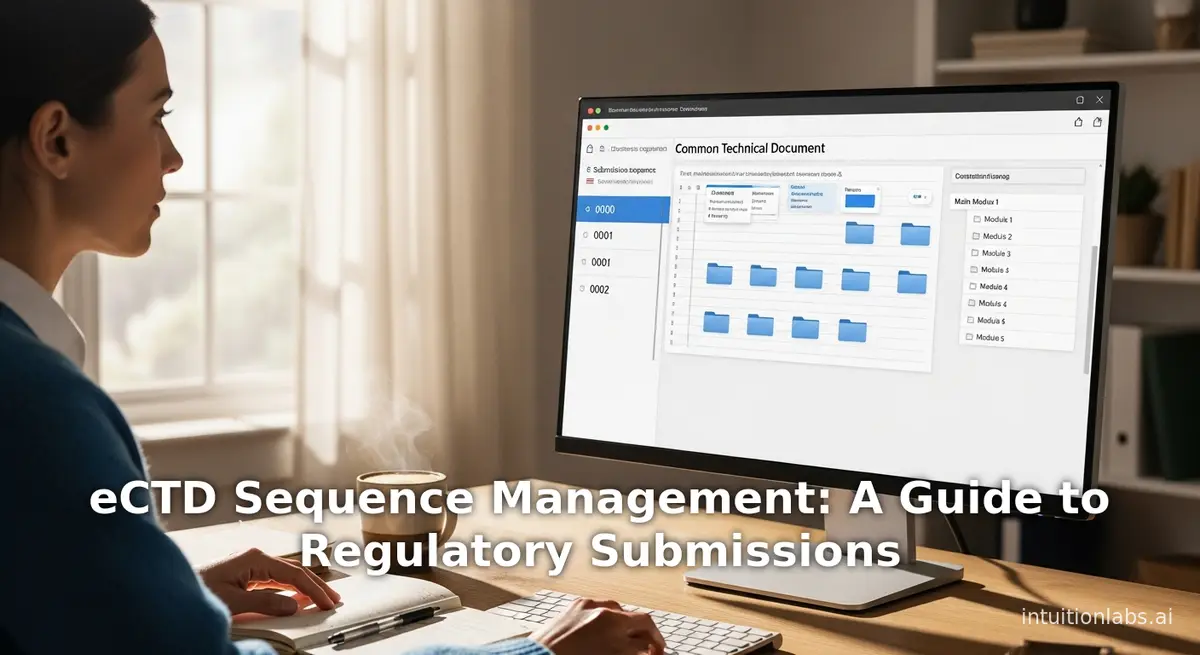
Learn eCTD sequence management for regulatory submissions: sequence numbering, lifecycle operations (new, replace, delete, append), FDA and EU rules, and eCTD v4.0 timelines.

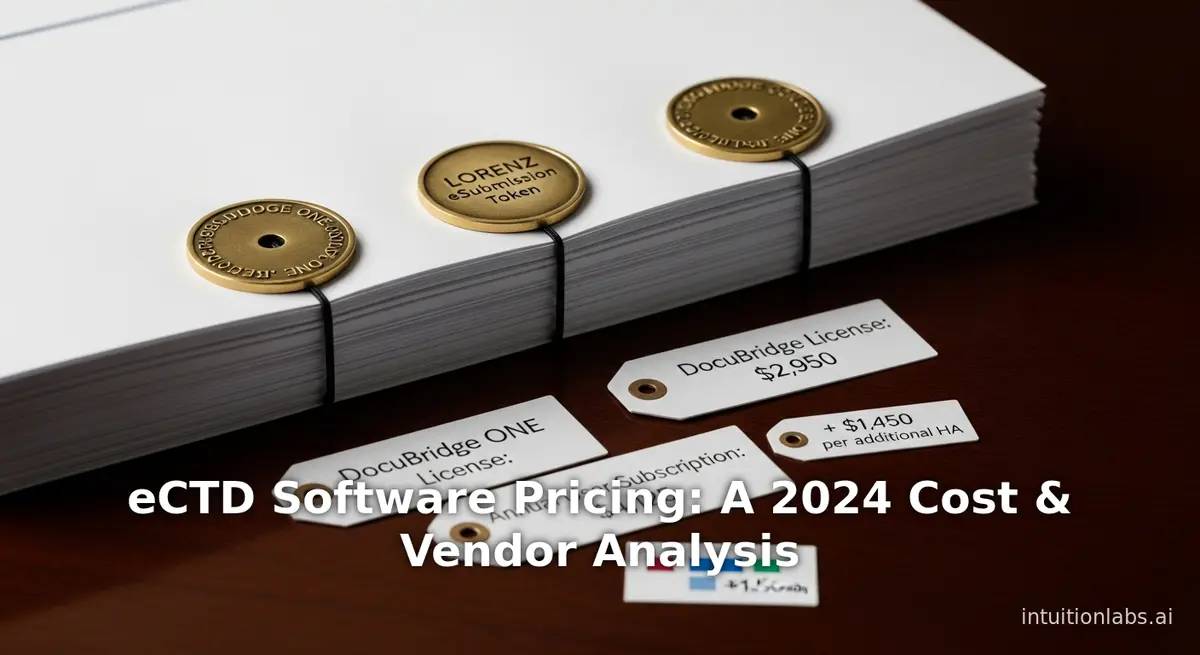
Explore the complex pricing of eCTD publishing software. Our analysis covers vendor costs, subscription models, and key factors for regulatory submission planning.

Explore cloud-based regulatory submission tools for pharma. This guide covers eCTD software, RIM systems, compliance (21 CFR Part 11), benefits, and challenges.

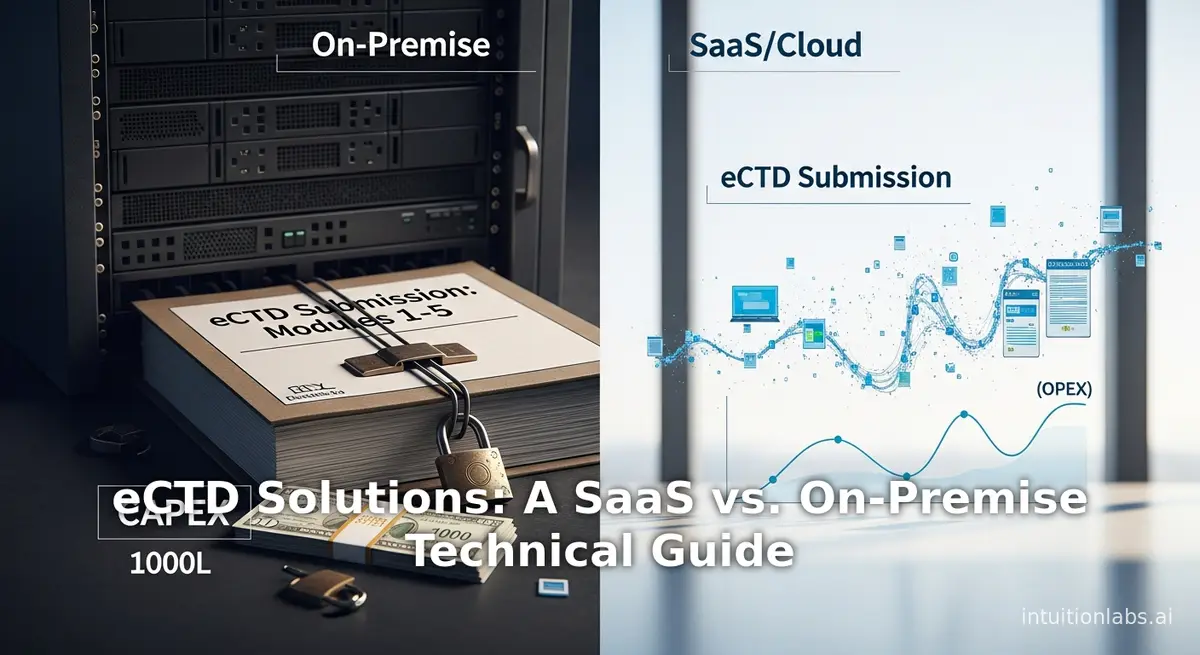
Compare SaaS vs. on-premise eCTD solutions for pharma. This guide analyzes TCO, scalability, GxP compliance (21 CFR Part 11), and security for both models.

Learn how to choose eCTD software for small pharma. This guide covers regulatory compliance, global submission timelines for FDA & EMA, and eCTD v4.0 updates.

Learn the eCTD publishing process for regulatory submissions, with eCTD v4.0 milestones: FDA optional since Sept 2024, EMA optional since Dec 2025, PMDA new drug applications from Apr 2026.

Updated May 2026: in-depth comparison of eCTD software for regulatory submissions, analyzing top platforms (LORENZ, Veeva, EXTEDO, Certara, MasterControl) on features, pricing, and eCTD v4.0 readiness.

Learn about eCTD regional variations for global regulatory submissions. This guide compares Module 1 requirements from the FDA, EMA, Health Canada, and more.

Learn the FDA's mandatory eCTD submission requirements, including key deadlines, technical standards, and the transition from eCTD v3.2.2 to v4.0 for NDAs, BLAs

Learn eCTD validation requirements for FDA, EMA, Health Canada and PMDA submissions: technical specifications, business rules, common errors and validation tools.

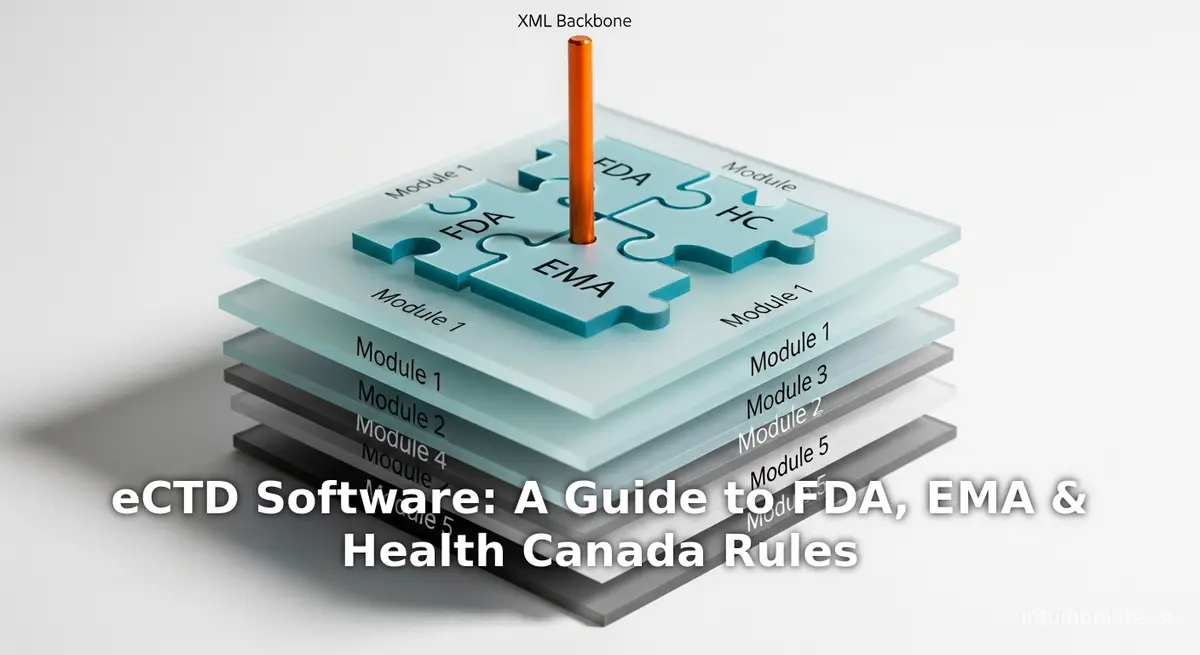
Learn the technical requirements for eCTD software submissions to the FDA, EMA, and Health Canada, including validation, lifecycle management, and how regulators are phasing in eCTD v4.0 for new applications.

Learn how integrating eCTD publishing software with a Document Management System (DMS) streamlines pharma regulatory submissions, improves data consistency, and supports planning for eCTD v4.0.

A technical guide to eCTD publishing software for regulatory submissions. Compare LORENZ, EXTEDO, Veeva and other tools for eCTD v4.0 readiness and validation.

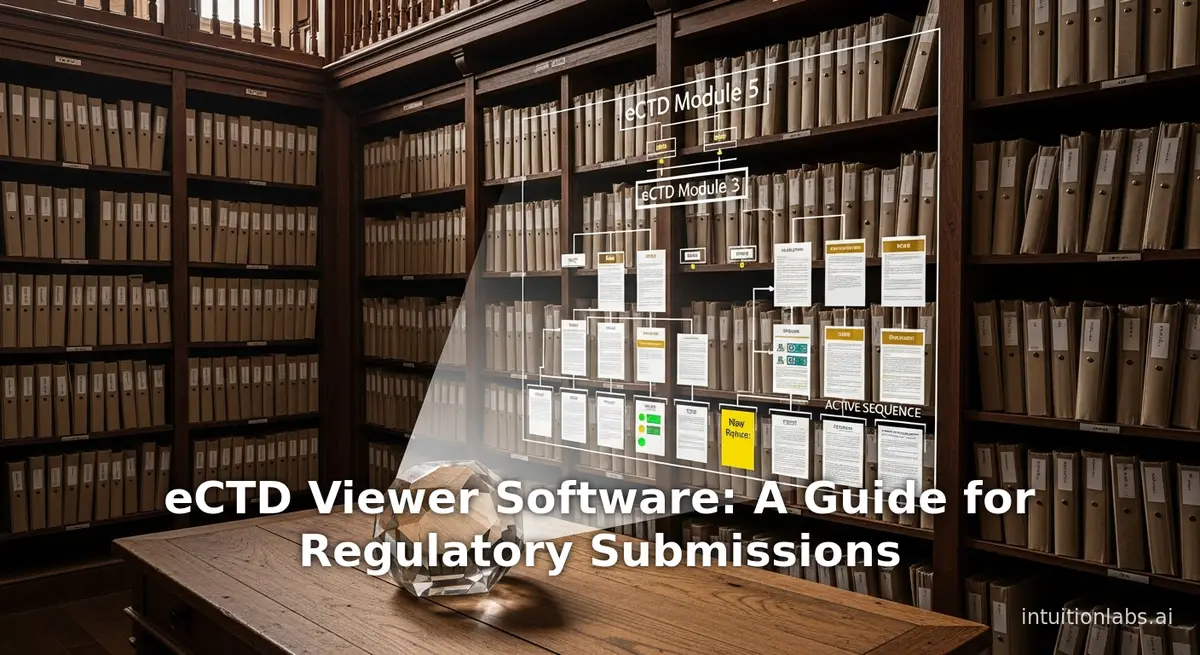
Learn what eCTD viewer software is and why it's critical for regulatory submissions. This guide covers key features, technical capabilities, and tools.

Explore document automation for pharma in 2026. Learn how template-driven assembly, structured content, and agentic AI can cut CSR authoring time by 40-90%, with real-world case studies from Merck, Narrativa, and more

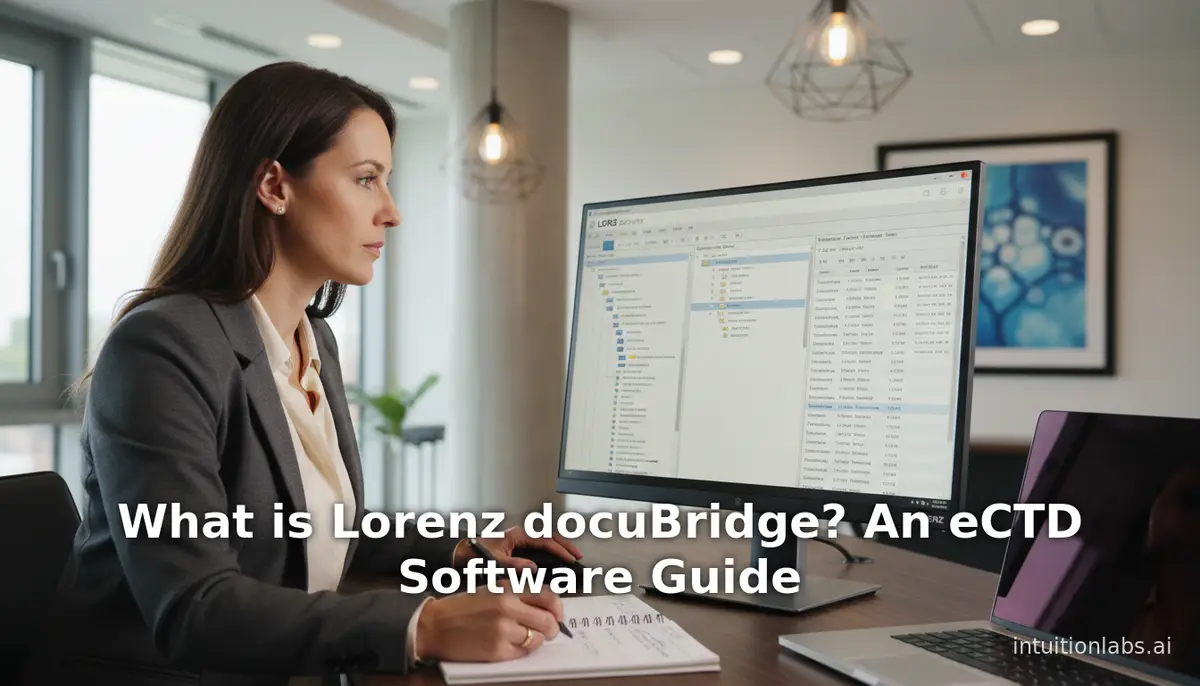
Learn about Lorenz docuBridge, a key eCTD publishing software for biotech. Updated for 2026 with v25.2 features, eCTD v4.0 EU support, verifAI, and 2,000+ installations

An updated analysis of leading Regulatory Information Management (RIM) systems for 2026, covering Veeva Vault RIM, IQVIA SmartSolve RIM, ArisGlobal LifeSphere, Ennov, MasterControl, EXTEDO, and others, with the latest on eCTD 4.0, IDMP compliance, and AI-powered automation.

Examines the evolution of eCTD systems from specialized publishers for regulatory submissions to enterprise platforms that serve as a unified drug lifecycle archive, including the impact of eCTD v4.0, AI-powered RIM tools, and IDMP compliance.

This article explains how AI tools can validate regulatory dossiers, catch technical errors before submission, and minimize rework for emerging biotech companies. Updated with 2025-2026 developments including FDA's ELSA AI assistant, eCTD v4.0 validation updates, McKinsey benchmarks, and the latest Gemini 2.5 vs GPT-5 comparisons.

An analysis of how artificial intelligence is transforming regulatory affairs in pharmaceuticals, from submission preparation to compliance monitoring and regulatory intelligence.
© 2026 IntuitionLabs. All rights reserved.