

Veeva-Salesforce Split: Integration and Data Implications
Analyze the Veeva-Salesforce split impact on pharma CRM. Learn about required changes to integrations, data migration, and customizations by 2030.

IntuitionLabs is now a member of the Claude Partner Network – AI training and upskilling with Claude for pharma and biotech. Book a call.
Analyze the Veeva-Salesforce split impact on pharma CRM. Learn about required changes to integrations, data migration, and customizations by 2030.
Learn QMS requirements for AI/ML medical devices, including FDA regulations, ISO 13485, data lifecycle management, and model validation strategies.
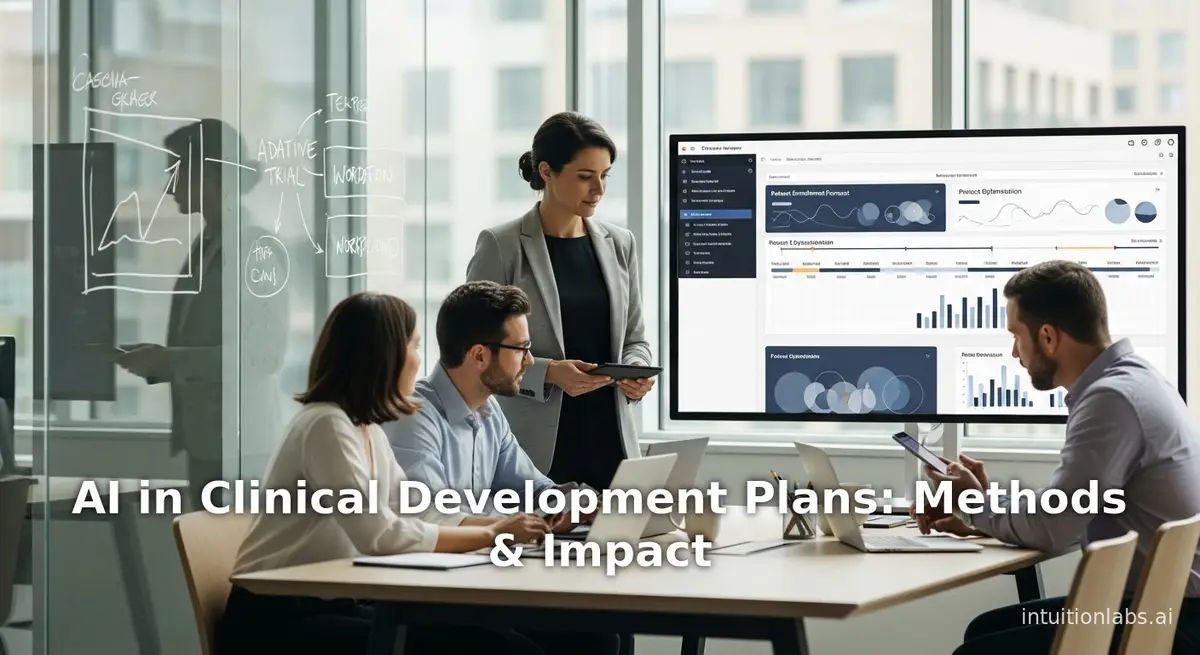
Explore AI applications in clinical development plans, including protocol optimization, synthetic control arms, and patient recruitment strategies for trials.
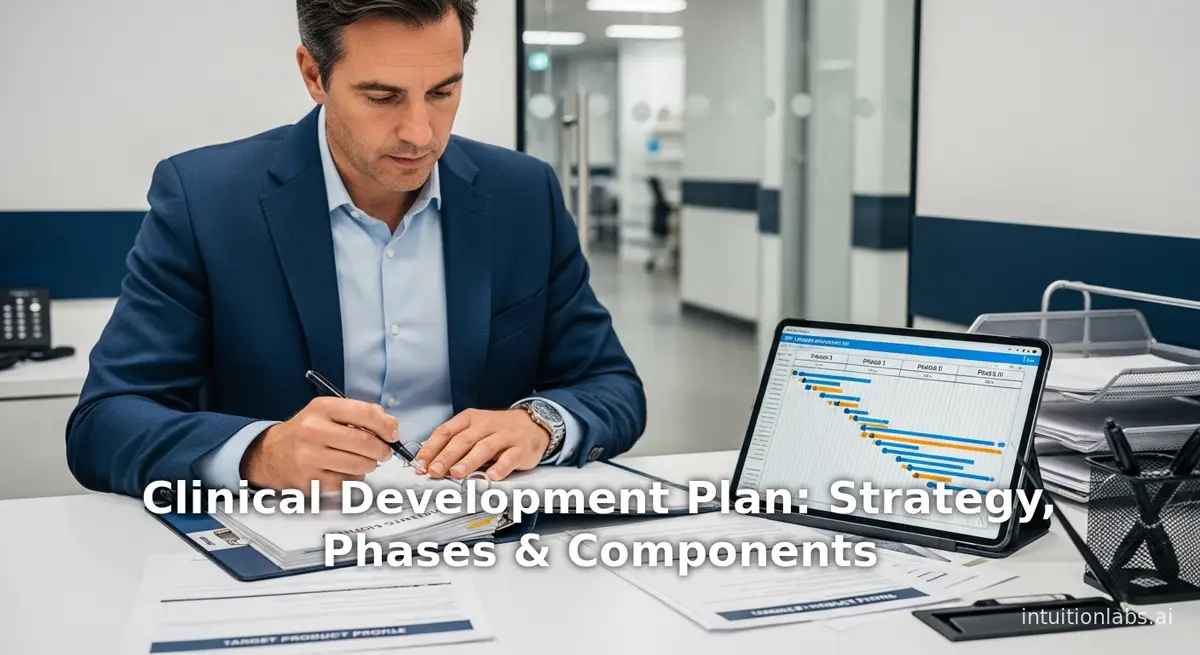
A Clinical Development Plan (CDP) outlines the strategy for drug approval. Learn about trial phases, the Target Product Profile, and regulatory requirements.
What PointClickCare does, who uses it, key modules, and how it captured 60% of the US long-term care EHR market. A plain-English guide for 2026.
Explore the technical and regulatory aspects of Veeva CRM and Epic EHR integration. Covers FHIR standards, HIPAA compliance, and data exchange strategies.
An in-depth analysis of the OpenAI Codex app, a command center for AI coding agents. Learn how it enables multi-agent orchestration and parallel workflows.
Explore Claude for Healthcare and Life Sciences capabilities. Covers HIPAA-compliant AI, Opus 4.5 integration, CMS data connectors, and drug discovery workflows
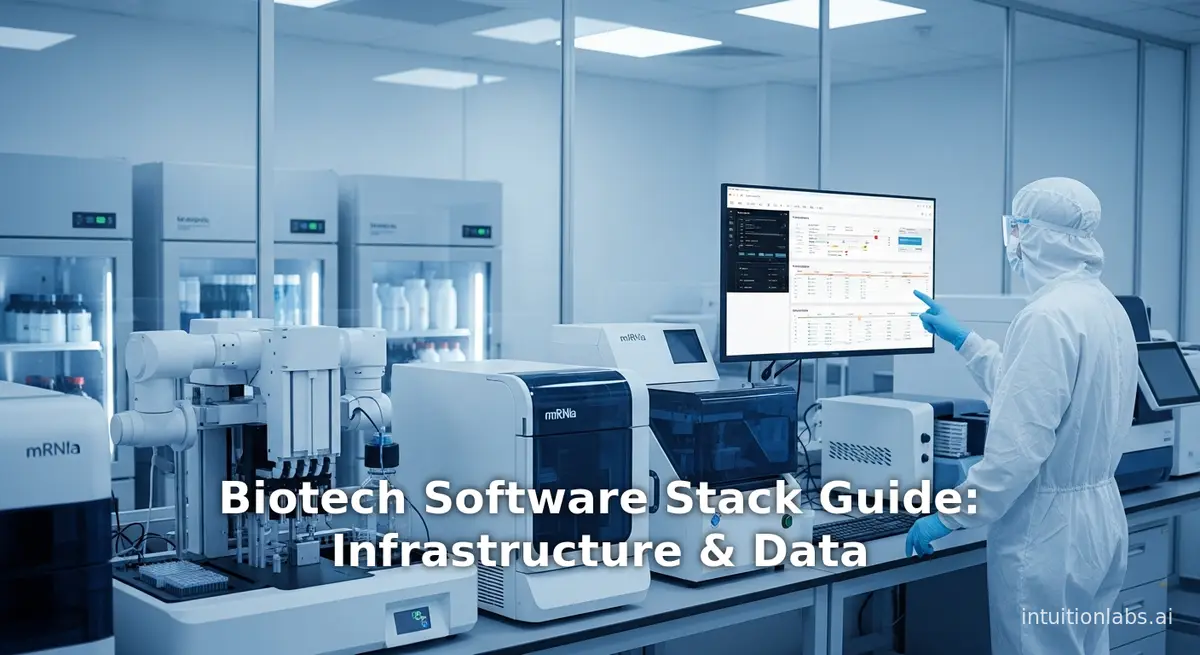
Explore the four layers of a modern biotech software stack—infrastructure, data, apps, and analytics—essential for scaling R&D before Series C funding.
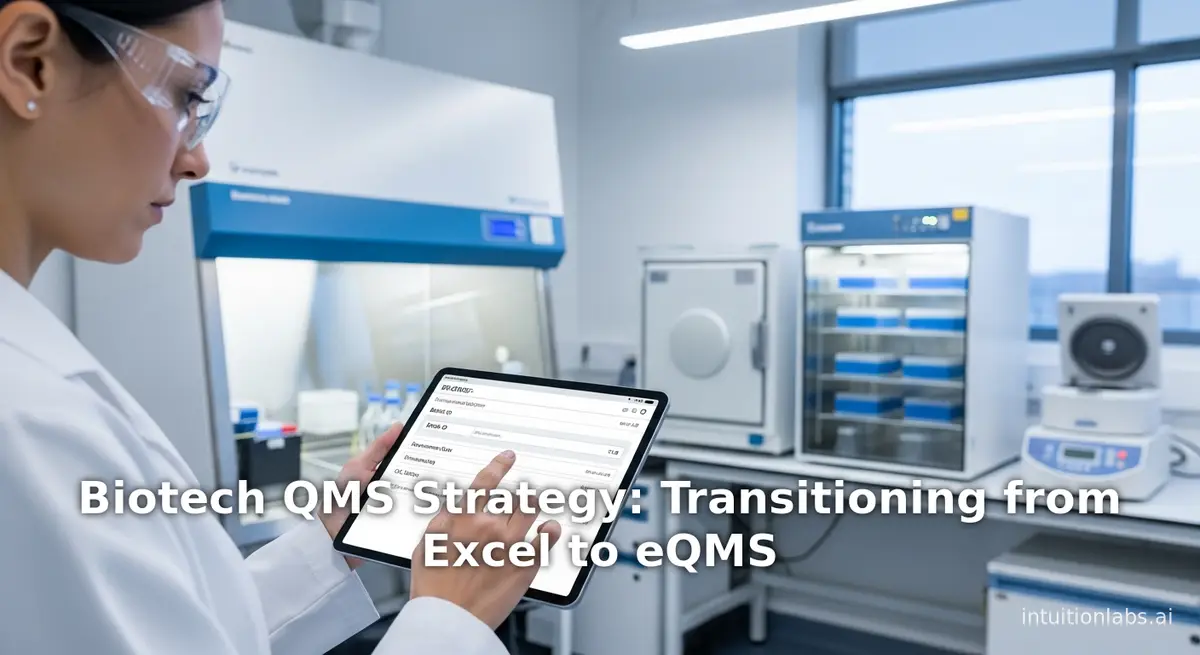
Examine the risks of DIY quality systems in biotech. Learn about FDA Part 11 compliance, data integrity, and when to transition from Excel to eQMS software.
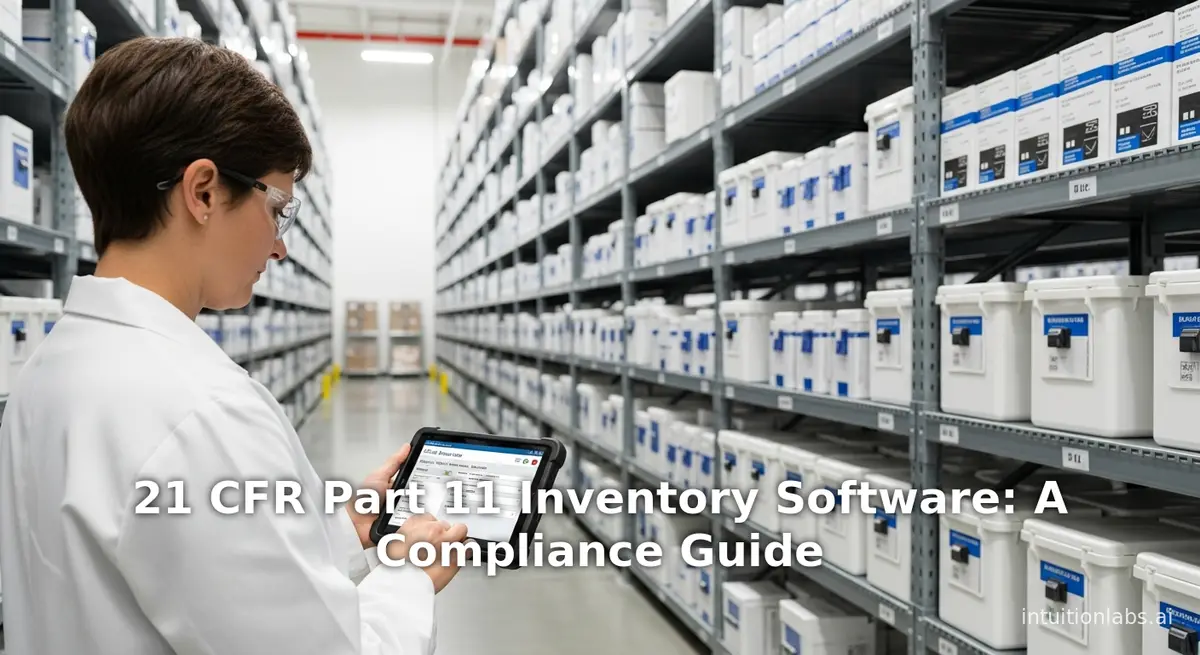
An in-depth review of inventory software meeting 21 CFR Part 11 FDA rules. Explore key requirements like electronic signatures, audit trails, and ALCOA+ princip
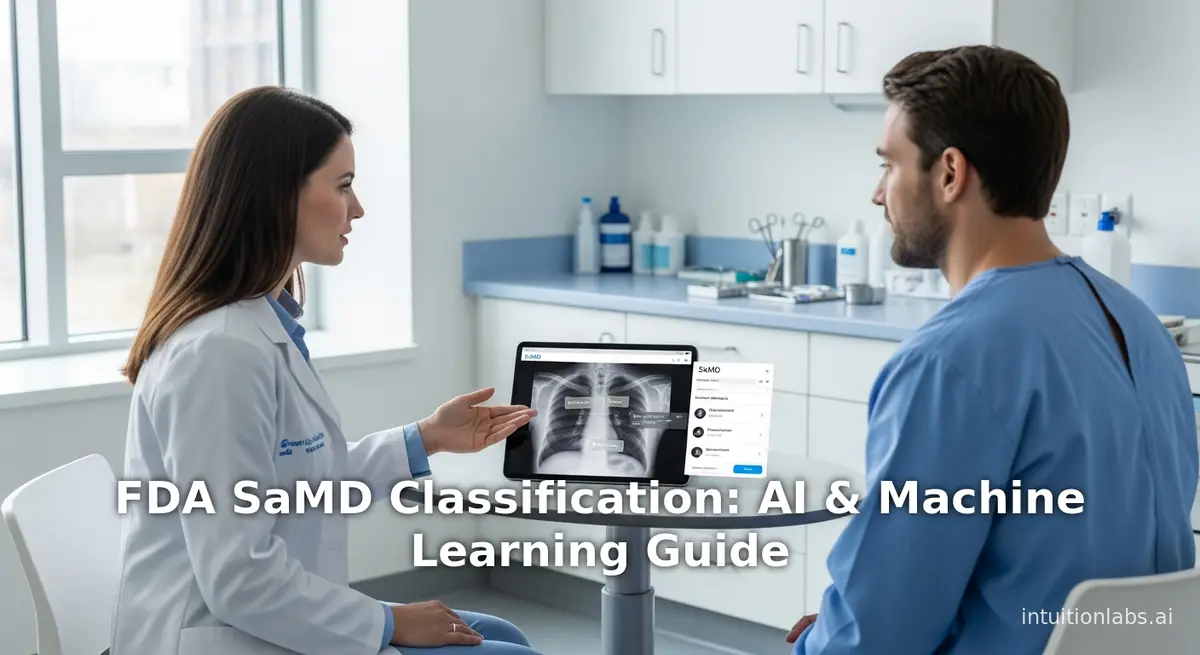
Understand FDA SaMD classification for AI/ML devices. Review risk levels (Class I-III), 510(k) pathways, and regulatory guidelines for medical software.
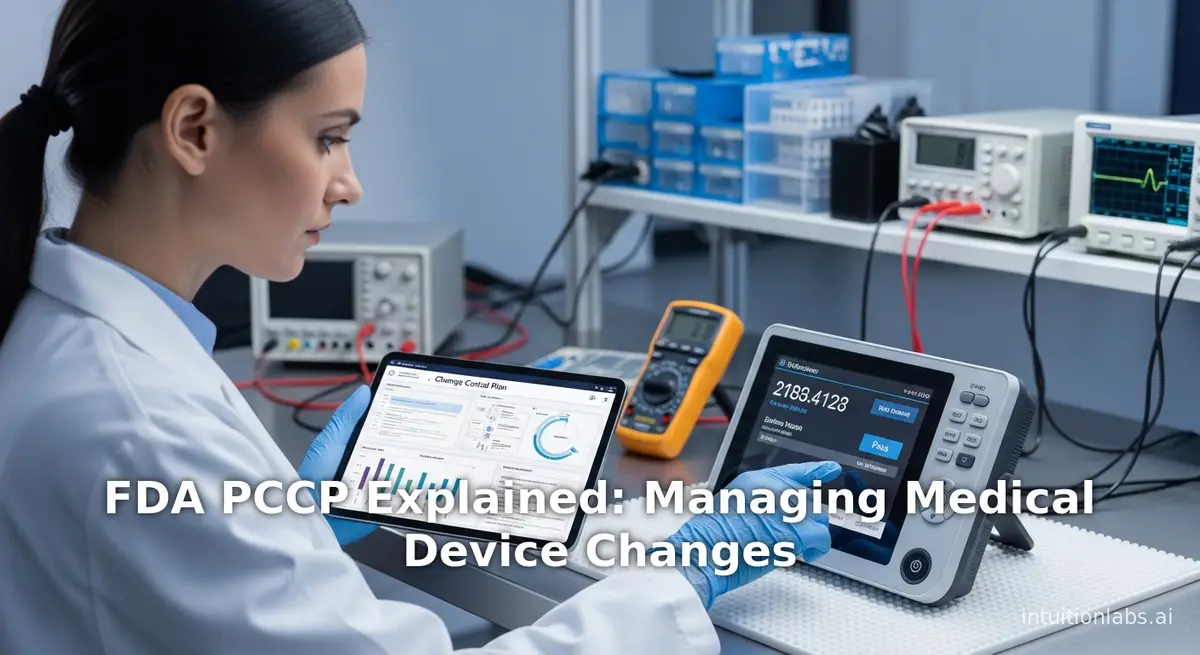
Explore the FDA PCCP framework for medical devices. Understand Section 515C requirements for pre-approving AI/ML software changes without new submissions.
Evaluate TrackWise, MasterControl, Qualio, and QualityOne. Compare biotech eQMS features, FDA compliance, and scalability for startups to enterprises.
Examine evidence for open-source software in GxP environments. Learn how validation strategies enable compliance while eliminating proprietary vendor lock-in.
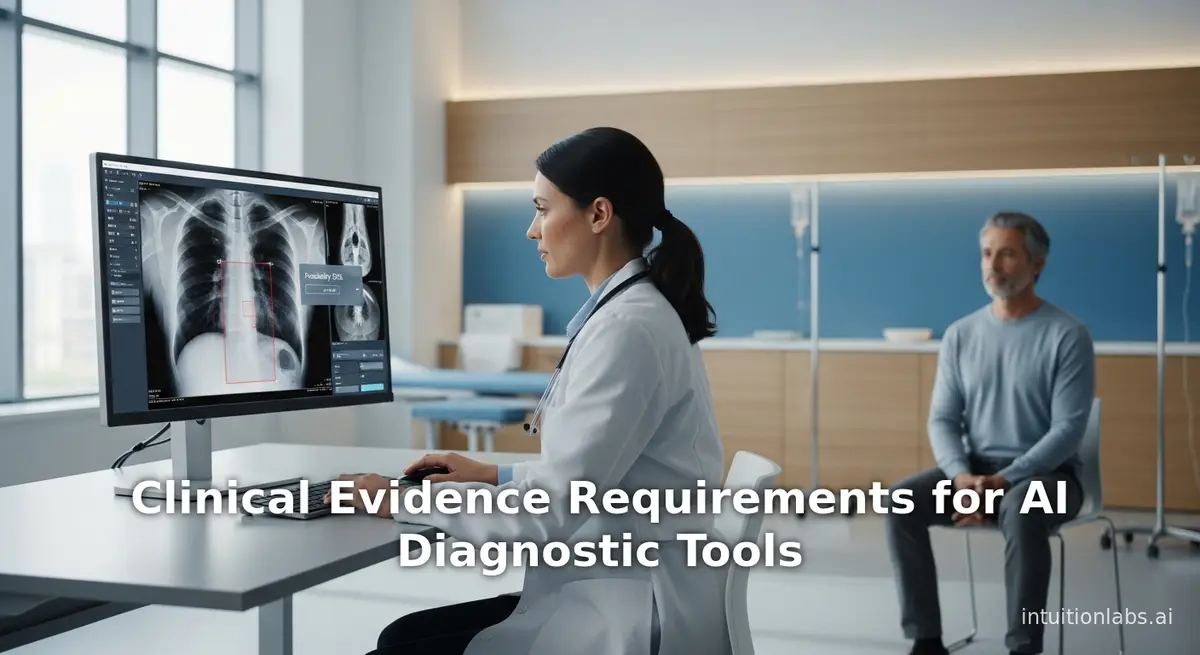
Explore clinical evidence requirements for AI diagnostic tools. Covers FDA/EU regulations, prospective vs. retrospective validation, and performance standards.
Learn 21 CFR Part 11 requirements for electronic records. This guide analyzes cost-effective FDA compliance strategies for small biotechnology startups.
Review the ISPE GAMP AI Guide for validating machine learning in GxP. Learn the risk-based framework for data integrity and regulatory compliance.
Explore AI governance frameworks for pharmaceutical companies. Learn to align AI with GxP, FDA regulations, and data integrity standards for safe adoption.
Compare FDA's Computer Software Assurance (CSA) vs CSV for AI systems. Learn risk-based validation strategies for machine learning in life sciences.
Analyze when biotechs need pharmacovigilance software. Covers FDA safety database requirements, compliance risks, and solution options for clinical trials.
Explore GxP requirements for Electronic Batch Records (EBR) in biotech. Covers FDA 21 CFR Part 11 compliance, validation, and current software options.
Explore risk-based AI validation strategies using ICH Q9 guidelines. Learn to manage machine learning lifecycle risks in regulated pharma environments.
Learn cybersecurity requirements for AI medical devices. Covers FDA guidance, EU regulations, SBOM mandates, and defenses against adversarial AI attacks.
© 2026 IntuitionLabs. All rights reserved.