


Kimi K3 for Life Sciences: Running It on Regulated Data
A July 2026 analyst report on Kimi K3 for life sciences: Moonshot's 2.8T open-weight model, HIPAA and GxP deployment paths, China cross-border data risk, and self-hosting reality.

IntuitionLabs is now a member of the Claude Partner Network – AI training and upskilling with Claude for pharma and biotech. Book a call.
A July 2026 analyst report on Kimi K3 for life sciences: Moonshot's 2.8T open-weight model, HIPAA and GxP deployment paths, China cross-border data risk, and self-hosting reality.

A 2026 analyst report on Chai Discovery's $400M Series C at a $3.8B valuation, covering Chai-3 benchmarks, Lilly, Pfizer, Novartis, and argenx deals, and AI drug discovery megaround trends.

A 2026 compliance analysis of whether life sciences companies can use DeepSeek, Kimi K2/K3, and Qwen, covering GDPR, the US Bulk Data Transfer Rule, PIPL, HIPAA, and FDA AI guidance.
A 2026 guide to what counts as protected health information under HIPAA when using AI tools, covering the 18 Safe Harbor identifiers, Expert Determination, BAA coverage for ChatGPT and Claude, and enforcement cases.
A 2026 guide to the FDA's AI-enabled medical device list: 1,524 entries reviewed this session, 510(k) versus De Novo pathways, radiology's 76 percent share, JAMA Health Forum evidence gaps, and landmark clearances including LumineticsCore and Aidoc CARE.
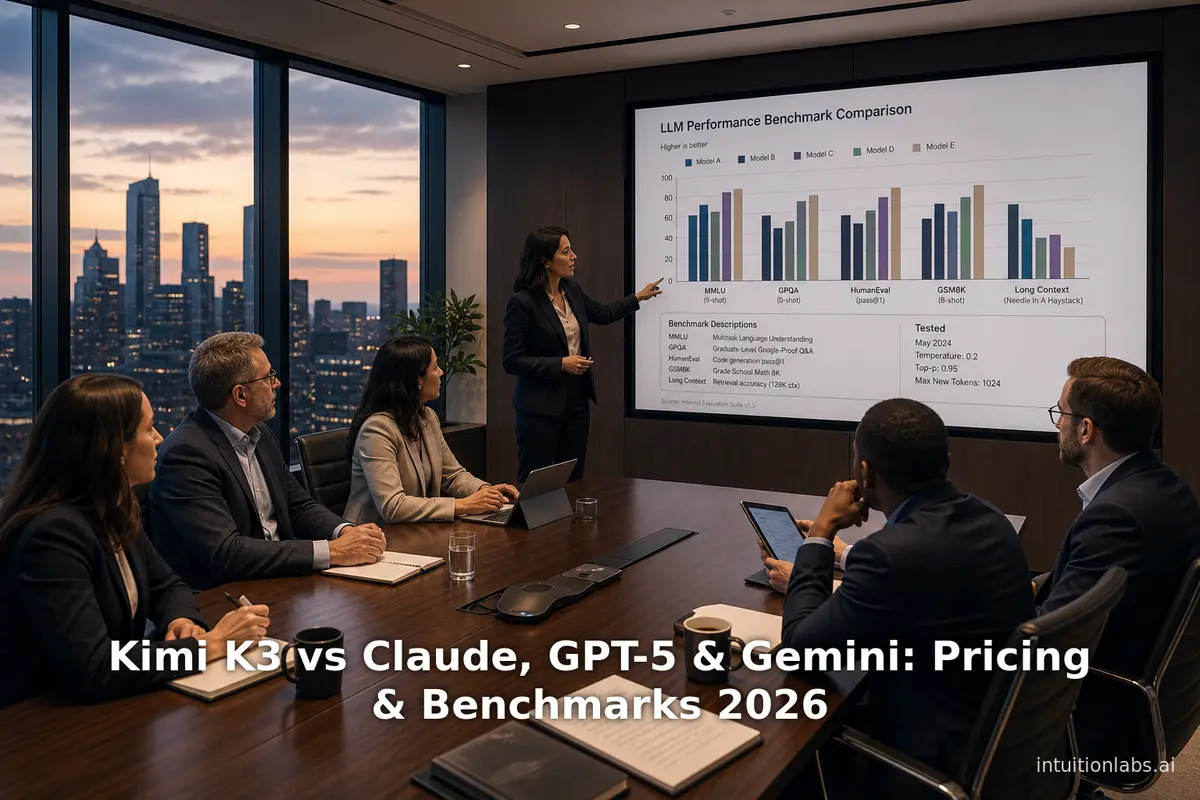
2026 analyst comparison of Kimi K3 vs Claude Fable 5, GPT-5.6, and Gemini 3.1 Pro covering per-token API pricing, GDPval-AA v2 benchmarks, open-source licensing status, and enterprise adoption cases.
A 2026 analyst comparison of Suki, Nuance DAX (Dragon Copilot), Abridge, and Freed covering pricing, KLAS rankings, Epic and Cerner integration, HIPAA compliance, and peer-reviewed accuracy data.
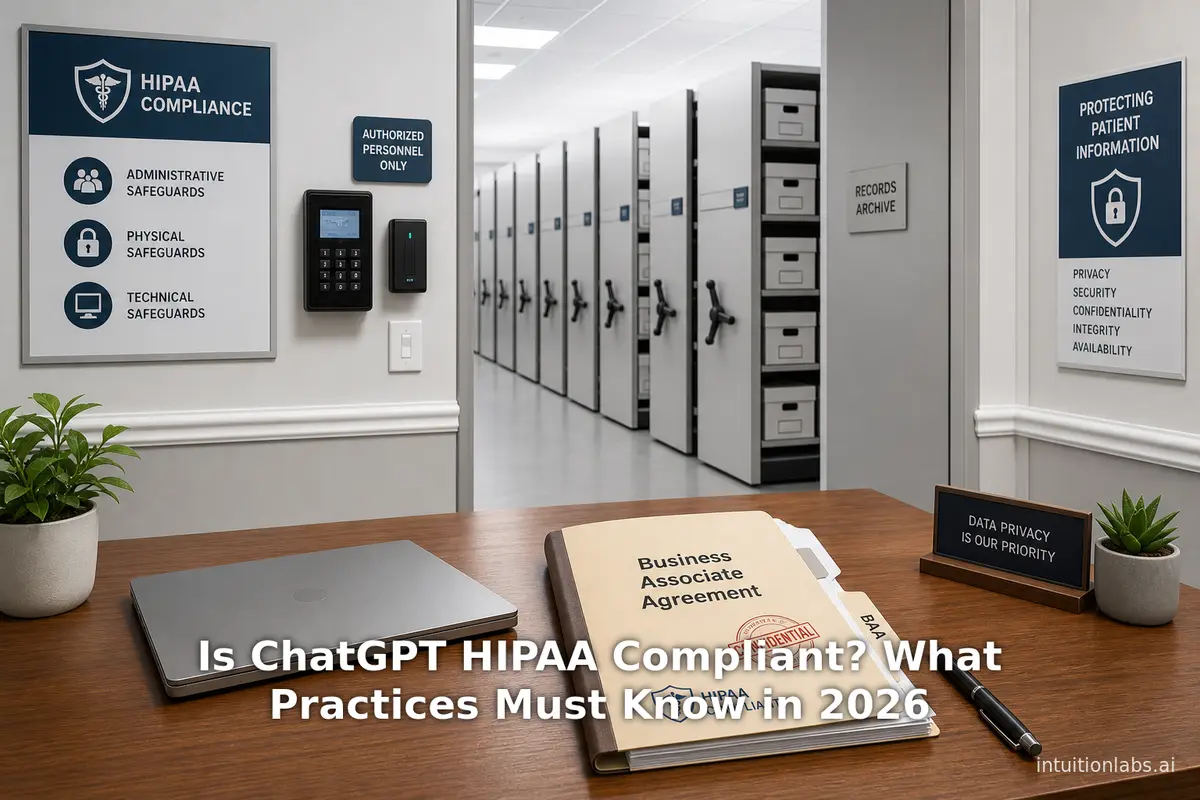
A 2026 guide to whether ChatGPT is HIPAA compliant, covering OpenAI's BAA process, the new ChatGPT for Healthcare product, Azure/Google/AWS alternatives, and HIPAA penalties up to $2.19 million per violation.
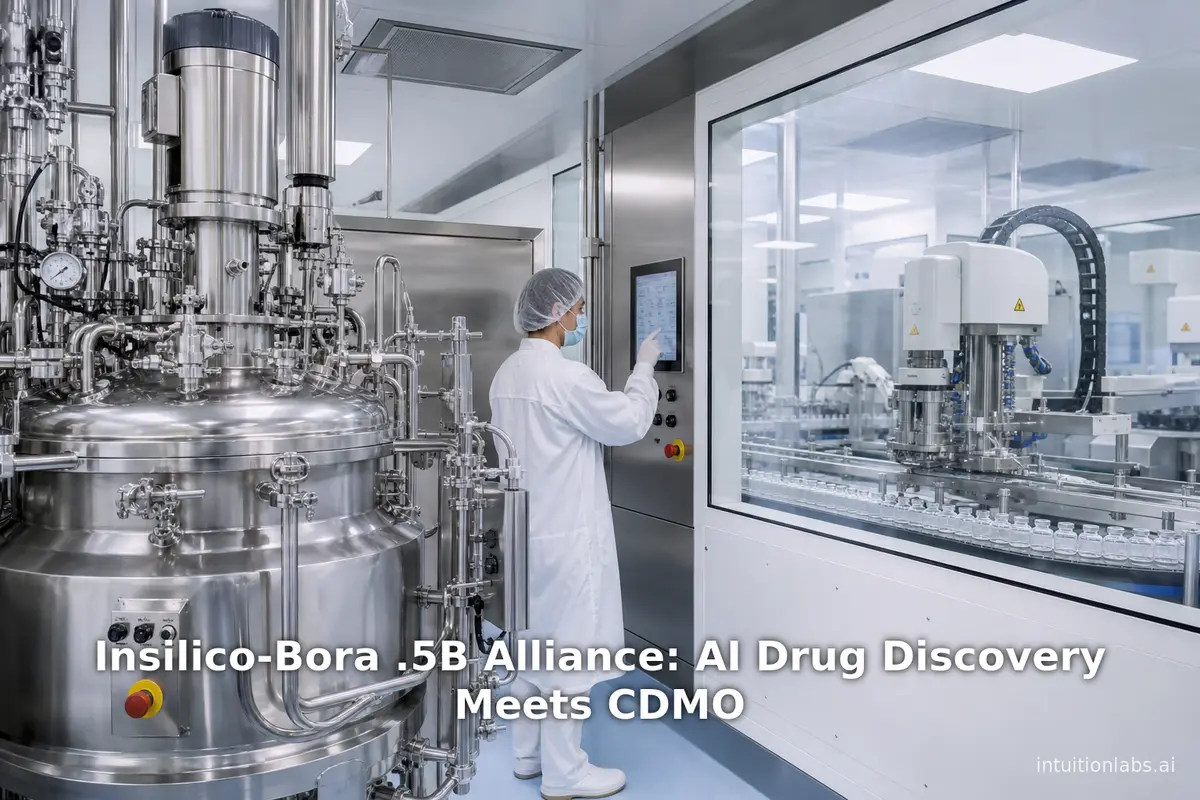
Analyzes the July 2026 Insilico Medicine and Bora Pharmaceuticals $2.5 billion alliance: deal structure, AI-in-CDMO manufacturing shift, AI literacy mandates, and 2026 market data.
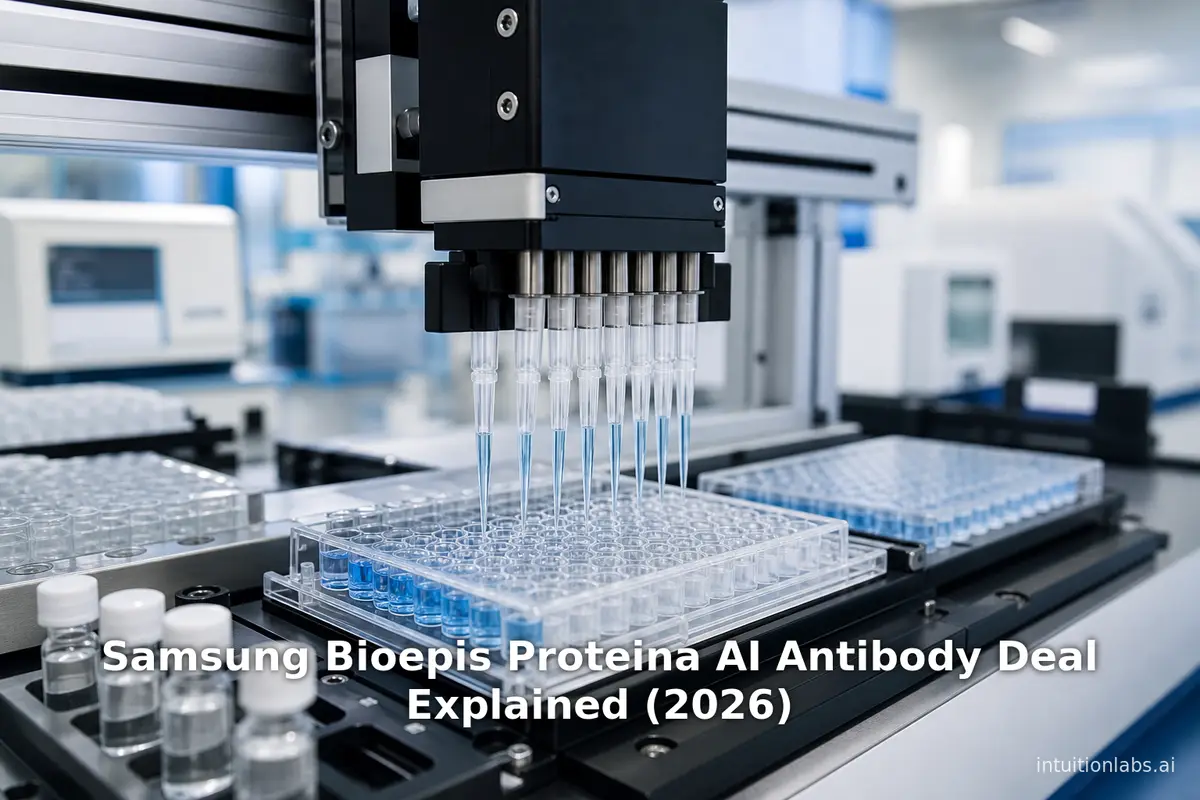
Analyst breakdown of the July 2026 Samsung Bioepis-Proteina AI antibody deal: the option contract structure, SPID scoring, RosettaFold-lineage AbGPT-3D design AI, and comparisons to Jazz-AbCellera and Celltrion-Galux.
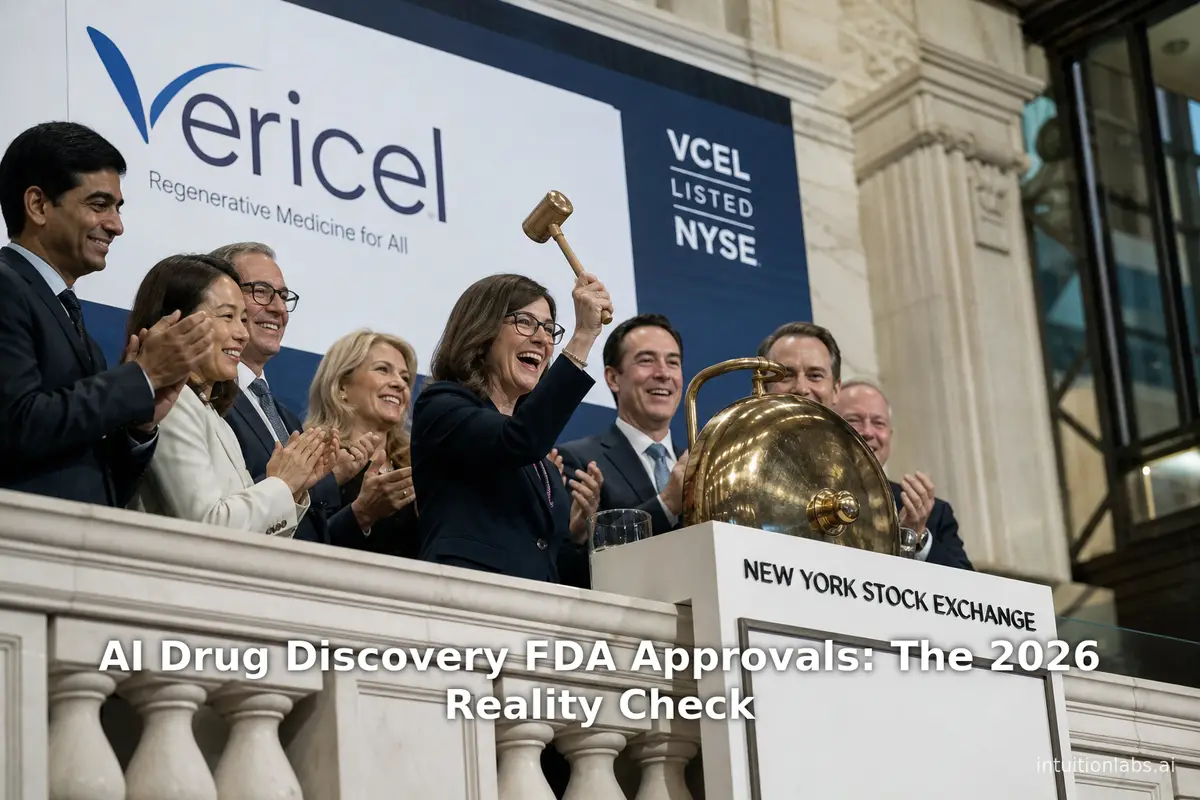
Analyzes whether AI has discovered any FDA-approved drugs as of 2026, covering Insilico Medicine's rentosertib Phase III trial, Takeda's zasocitinib, clinical success rates, and billions in AI drug discovery investment.
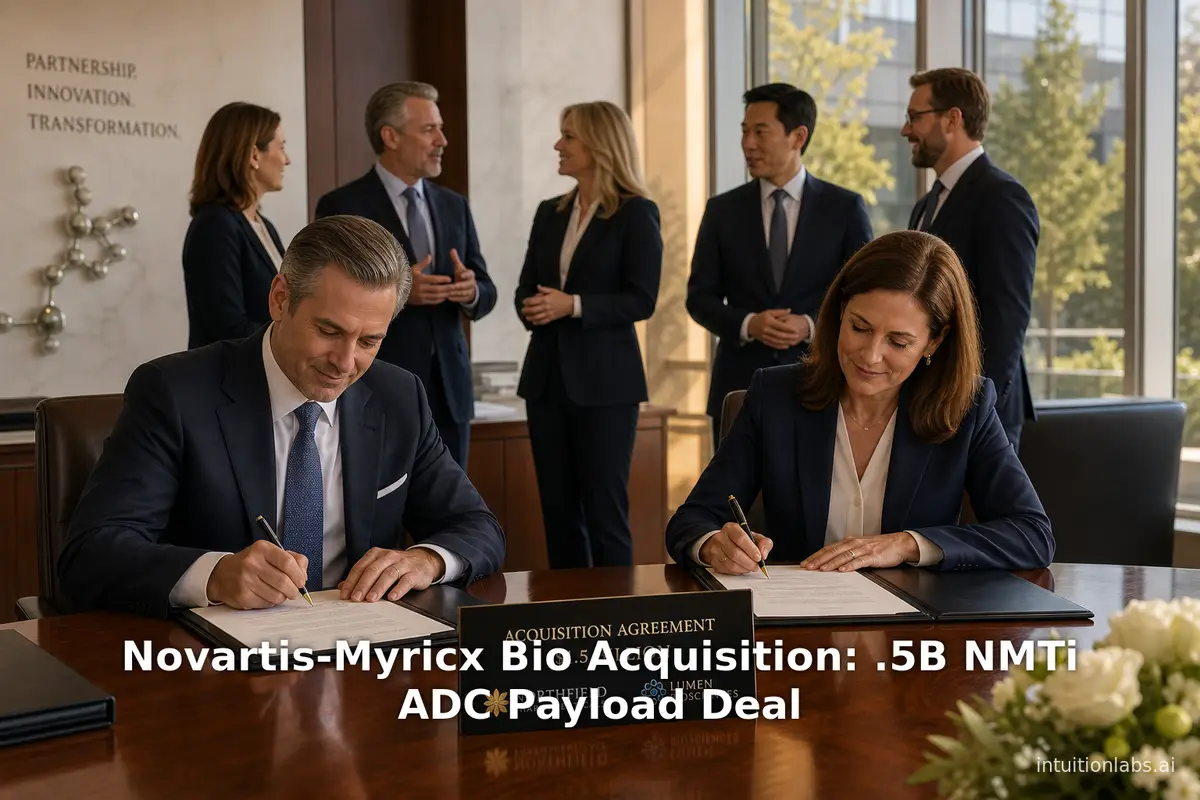
Analysis of Novartis's 2026 up to $1.5B acquisition of Myricx Bio, covering the NMTi ADC payload platform, B7-H3/HER2/TROP2 pipeline, deal terms, leadership, and biopharma M&A context.
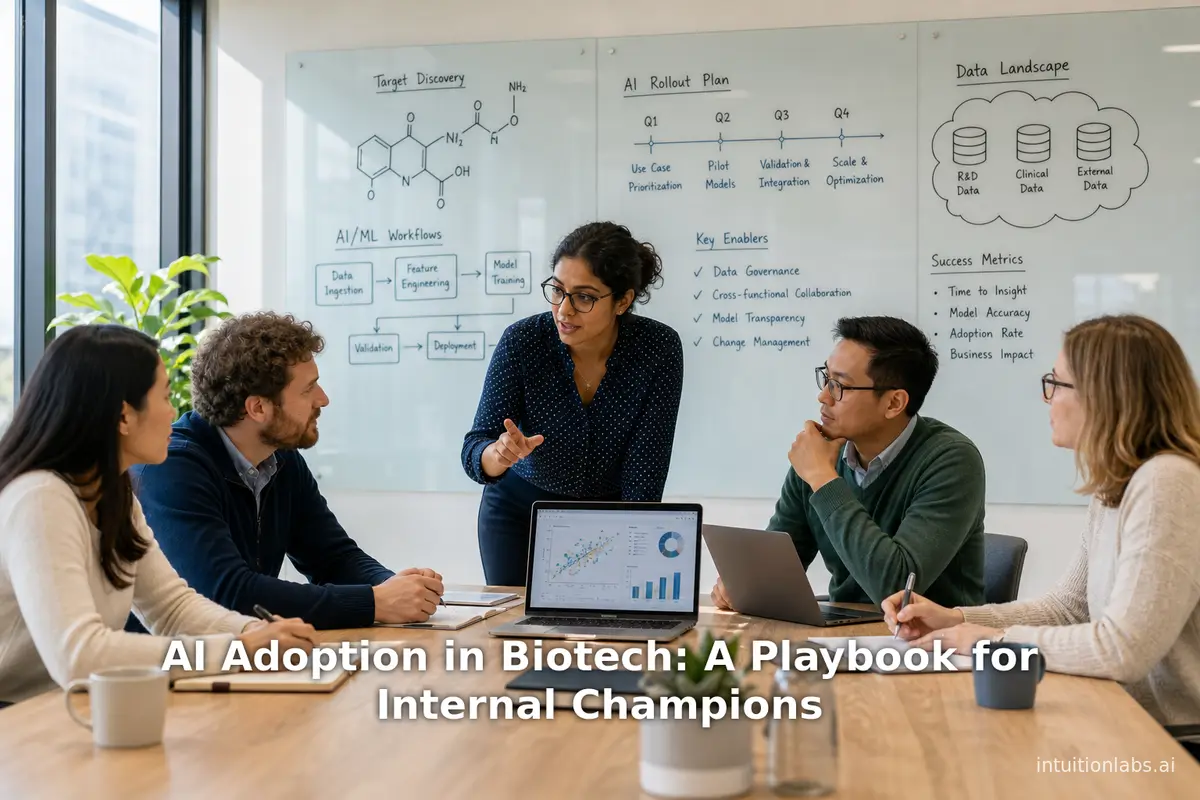
A 2026 data-driven playbook for AI adoption in biotech covering Bain, ZS, KPMG, and Deloitte survey data, change-management frameworks, training programs, and named cases from Moderna, AstraZeneca, Pfizer, and Insilico Medicine.
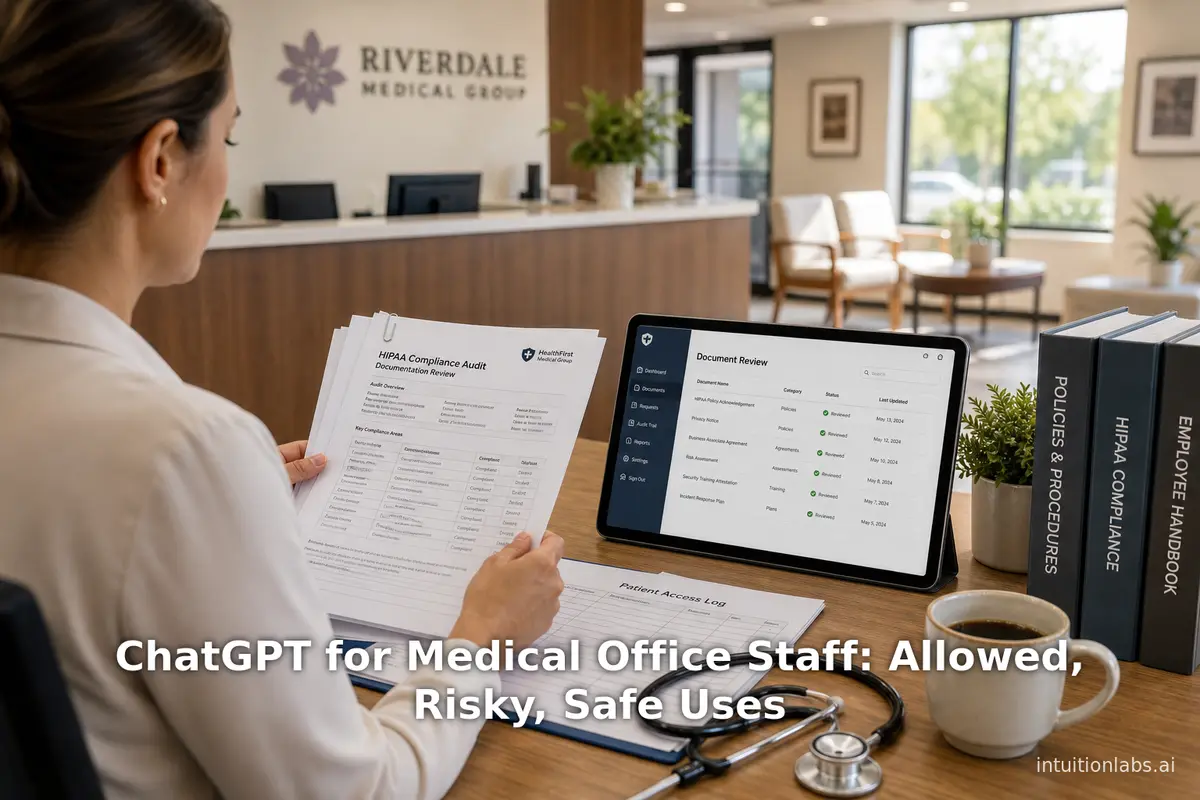
A 2026 compliance guide to ChatGPT in medical offices: which tiers require a signed BAA, HIPAA penalties up to $2.19 million per violation, and HIPAA-ready alternatives like Claude for Healthcare and Doximity.
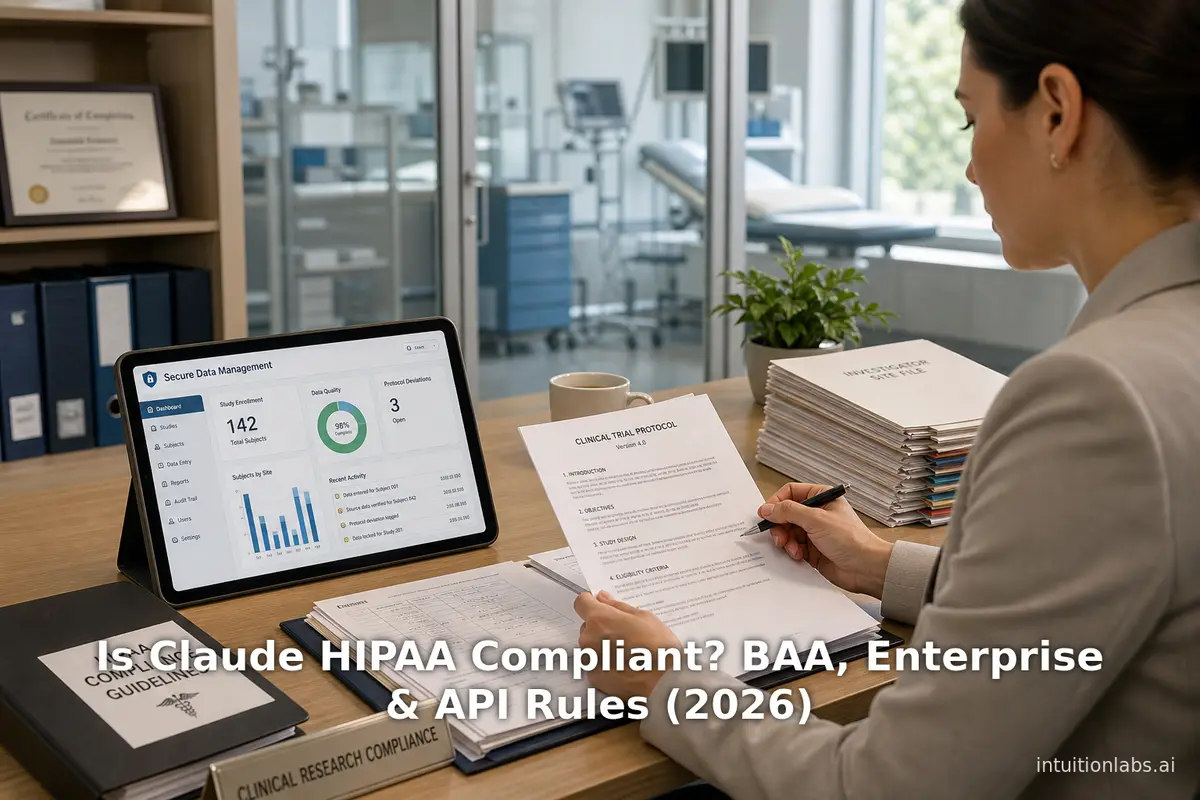
A 2026 analyst breakdown of whether Claude is HIPAA compliant: which plans support a signed BAA, what Claude Enterprise and the API actually cover, and how Claude compares to ChatGPT, Copilot, and Gemini.
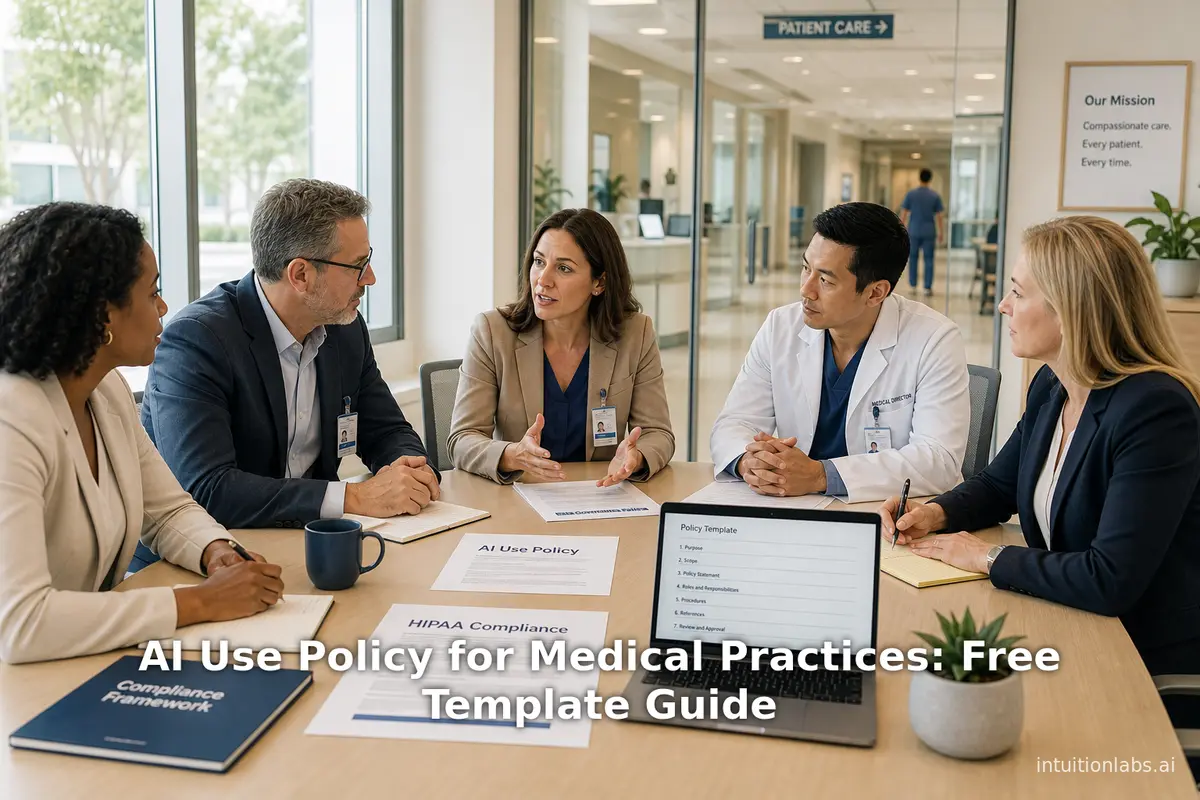
How medical practices build a HIPAA compliant AI use policy in 2026, covering PHI rules, Texas/California/Illinois/Colorado disclosure laws, governance steps, and free templates from CHCANYS, HFMA, and MAIN.
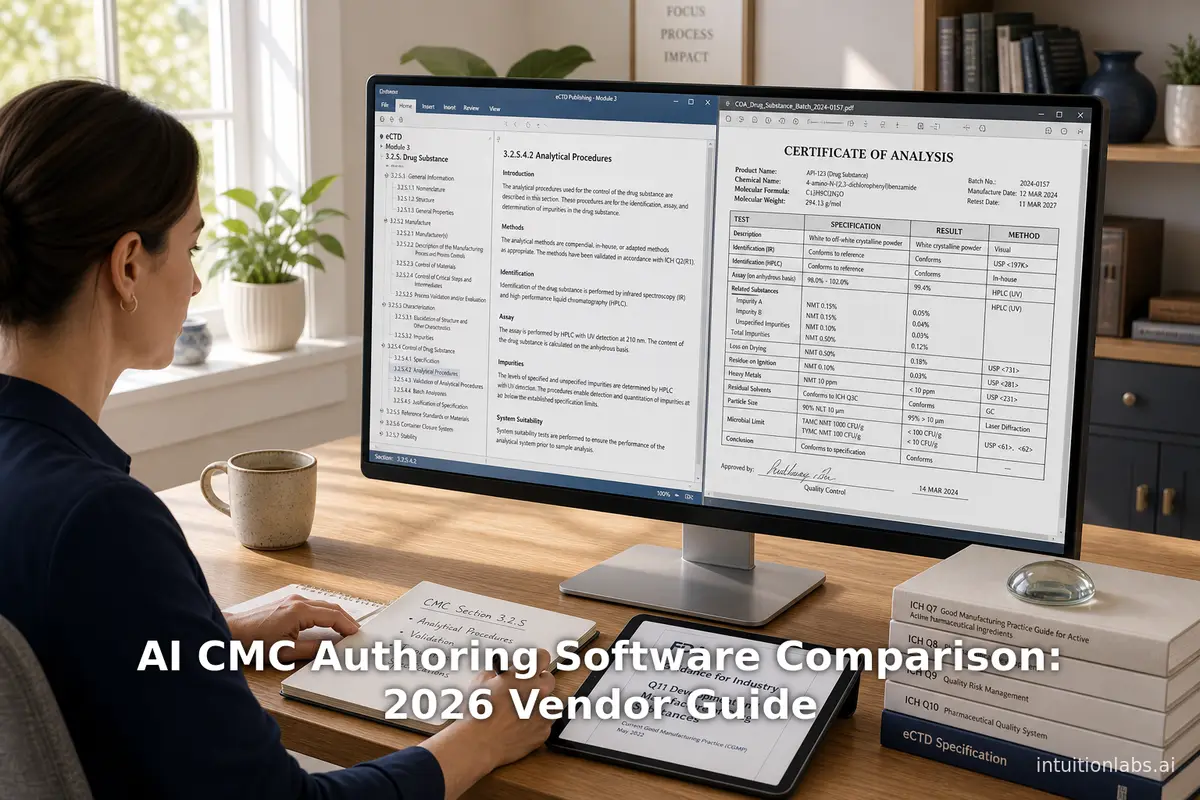
A 2026 comparison of AI CMC authoring software SyncIQ, Weave Bio, Peer AI, and DDi, covering Module 3 and QOS automation, traceability, funding, adoption evidence, and regulatory alignment for life sciences teams.
Analysis of FDA's December 2025 clearance of UpDoc K253281, the first SaMD using patient-facing LLMs in 2026, covering its 510(k) predicate strategy, PCCP, and data on 1,451 AI device clearances.

Compares Microsoft 365 Copilot, Google Gemini Enterprise, ChatGPT Enterprise, Claude Enterprise, and AWS Bedrock plus Veeva Vault AI for pharma GxP validation, pricing, and 21 CFR Part 11 readiness as of 2026.
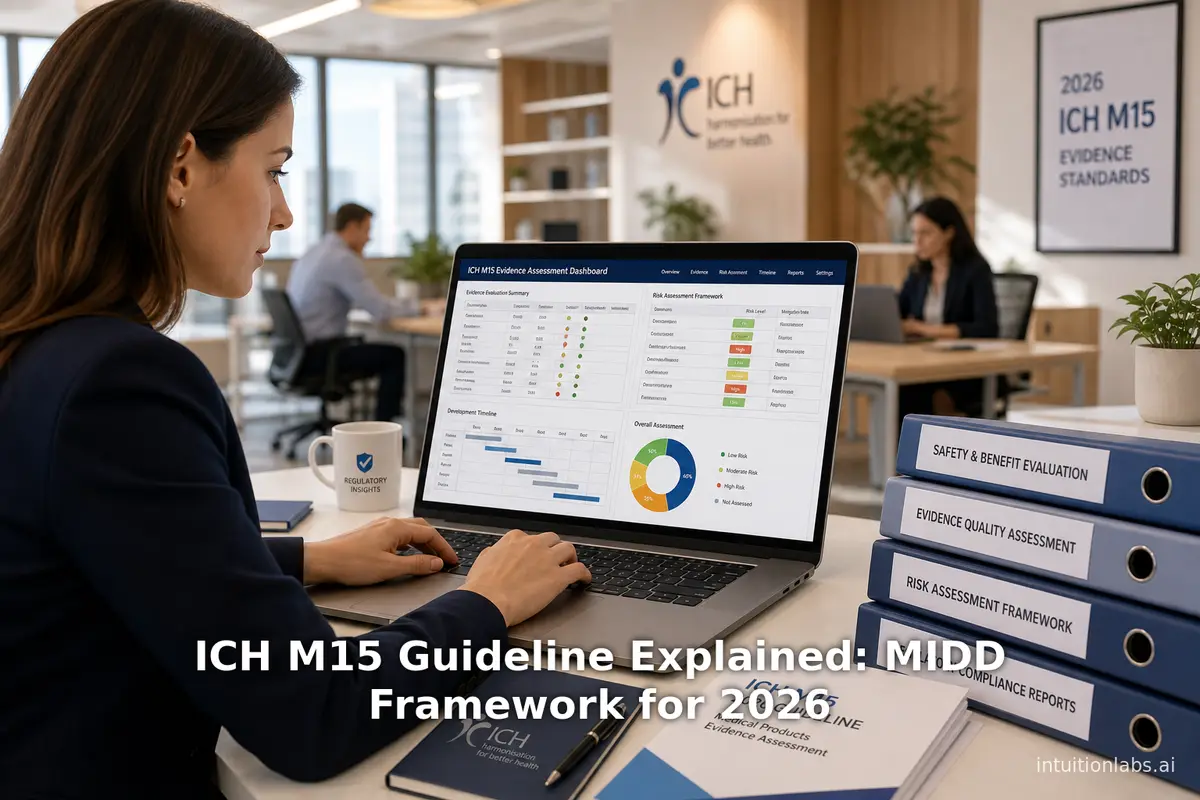
A 2026 analyst guide to the ICH M15 model-informed drug development guideline: the six-element risk framework, FDA and EMA timelines, MAP/MAR requirements, and five real case studies.
An educational guide to the FDA ISTAND program, explaining the DDT qualification process and the regulatory integration of AI-based drug development tools.
How pharma companies meet EU AI Act Article 4 AI literacy rules in 2026: requirements, deadlines, penalties, GxP integration, and named training programs at J&J, Merck, and Samsung Bioepis.
A 2026 guide to building an AI roadmap for biotech: data readiness, use-case sequencing, FDA/EMA and EU AI Act governance, talent, and 5 named case studies including Roche, Novo Nordisk, and Insilico Medicine.
A 2026 analyst comparison of biotech AI enablement programs versus one-time AI workshops, covering pricing bands from $2,500 to $250,000, named cases at J&J, AstraZeneca, Sanofi, and Moderna, and FDA/EU AI Act compliance implications.
© 2026 IntuitionLabs. All rights reserved.