

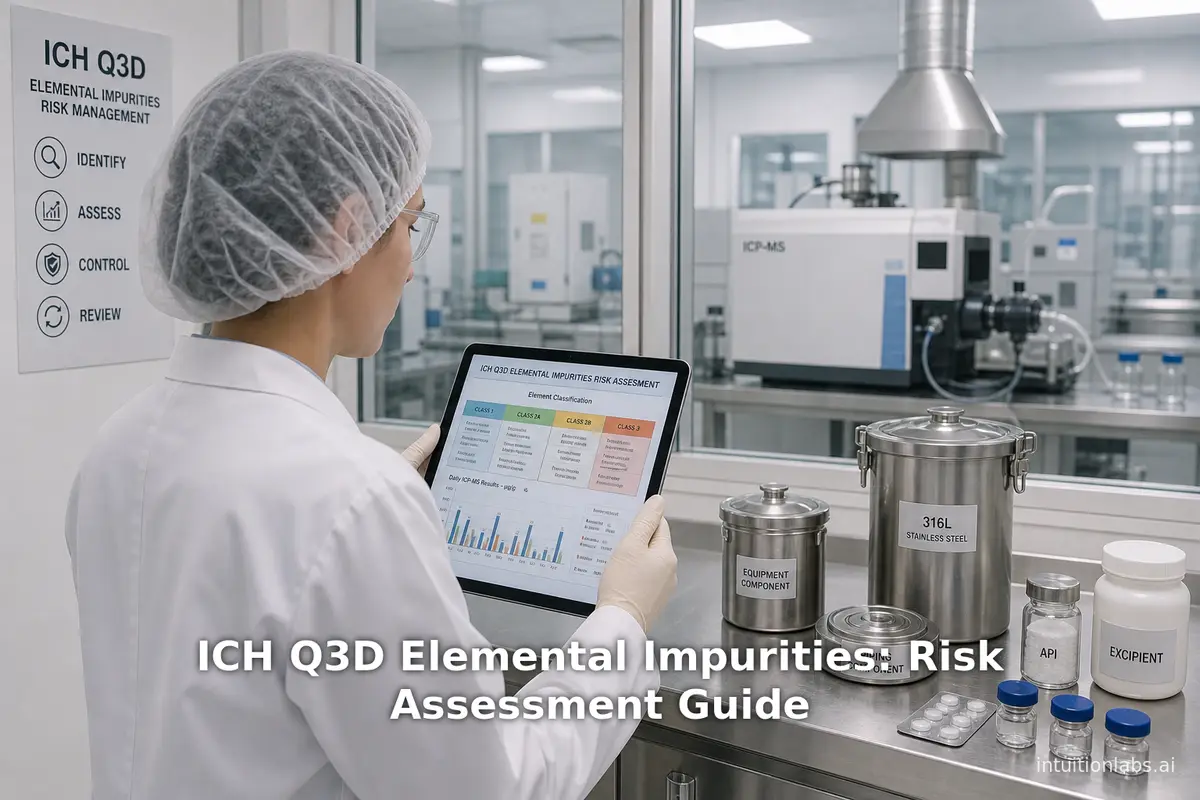
ICH Q3D Elemental Impurities: Risk Assessment Guide
A comprehensive guide to ICH Q3D elemental impurities in pharmaceuticals, detailing risk assessment methodologies, permitted daily exposures, and software.

IntuitionLabs is now a member of the Claude Partner Network – AI training and upskilling with Claude for pharma and biotech. Book a call.
A comprehensive guide to ICH Q3D elemental impurities in pharmaceuticals, detailing risk assessment methodologies, permitted daily exposures, and software.
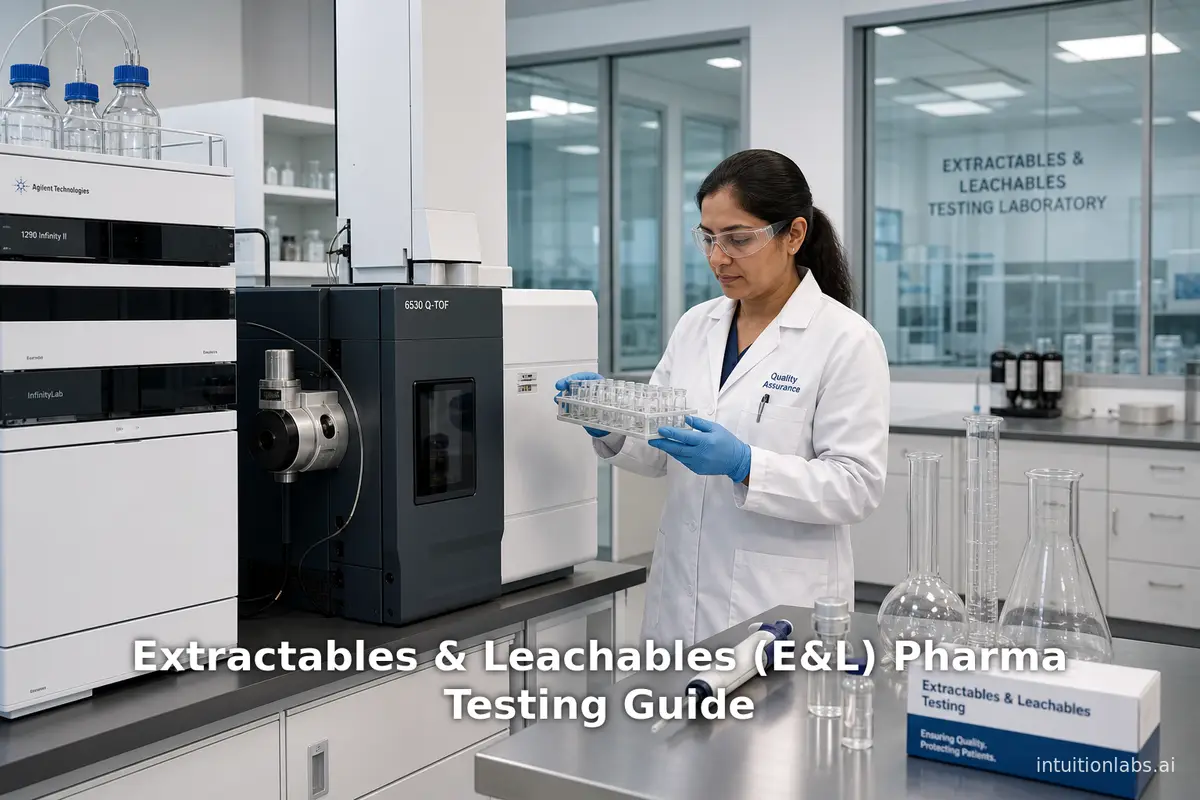
Examine extractables and leachables (E&L) testing in pharmaceuticals. This guide reviews analytical methodologies, risk assessment, and ICH Q3E guidelines.

Examine the Bayer-Perfuse acquisition and the clinical science of PER-001, a novel endothelin receptor antagonist for glaucoma and diabetic retinopathy.
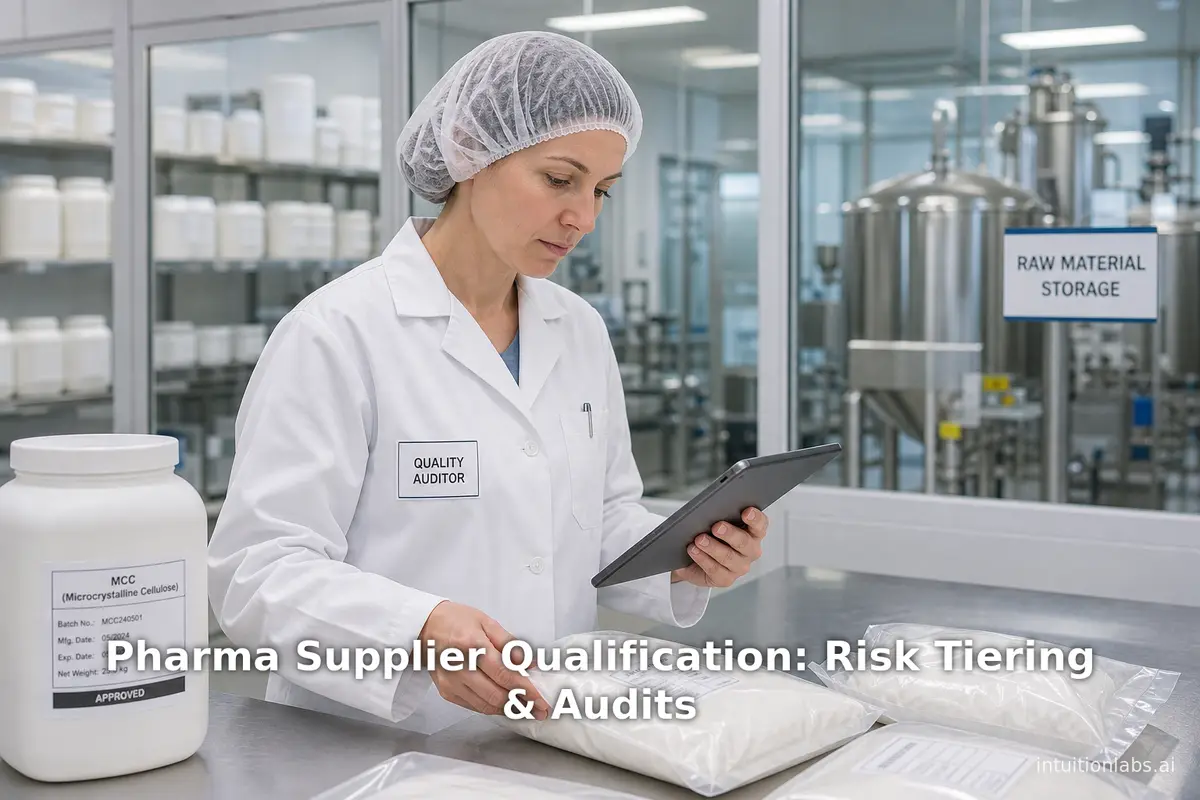
An in-depth review of pharma supplier qualification and vendor audit programs. Examines GMP regulations, risk tiering, and quality management software tools.
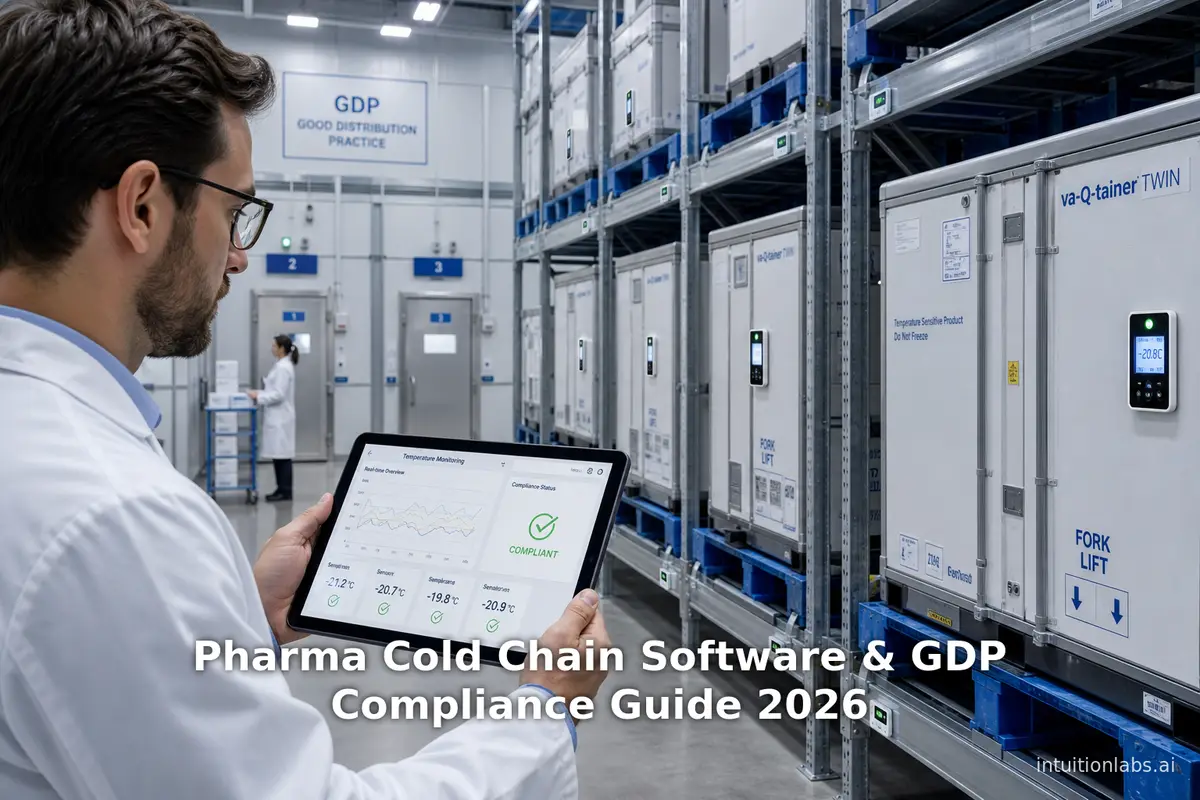
Explore pharmaceutical cold chain management, global GDP compliance standards, and temperature-controlled distribution software systems in this 2026 guide.
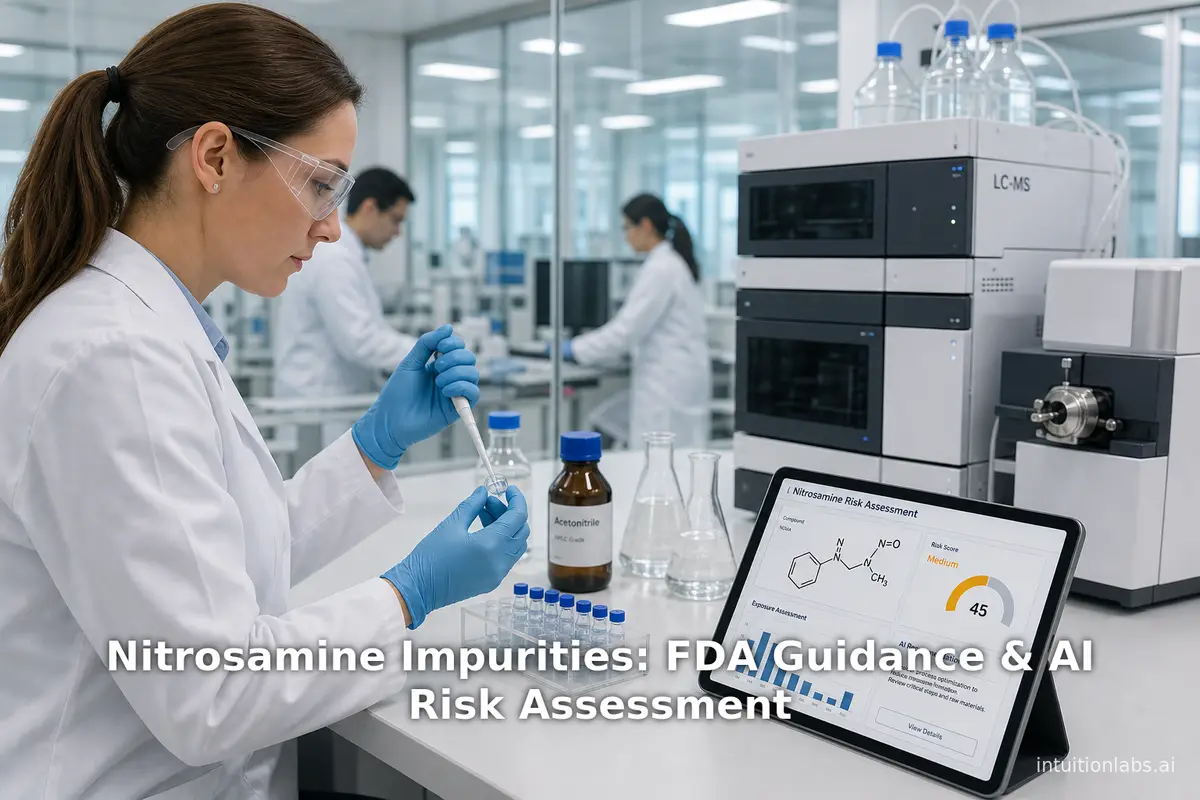
Learn about nitrosamine impurities in pharma, including 2026 FDA guidance, formation mechanisms, acceptable intake limits, and AI risk assessment tools.
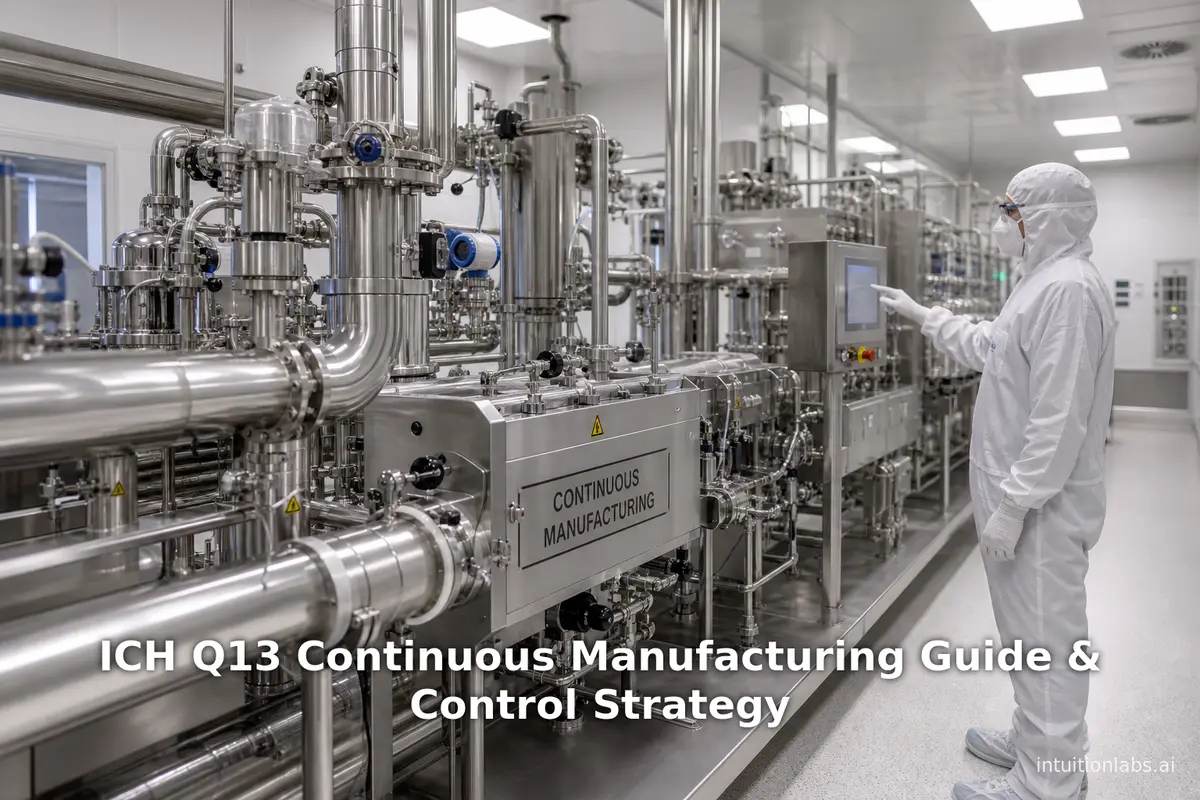
A review of the ICH Q13 continuous manufacturing guideline for pharmaceuticals, covering regulatory frameworks, control strategies, and industry implementation.
Review the 2026 landscape of PBPK modeling and MIDD. This educational report analyzes Simcyp vs GastroPlus, FDA regulatory acceptance, and animal-free NAMs.
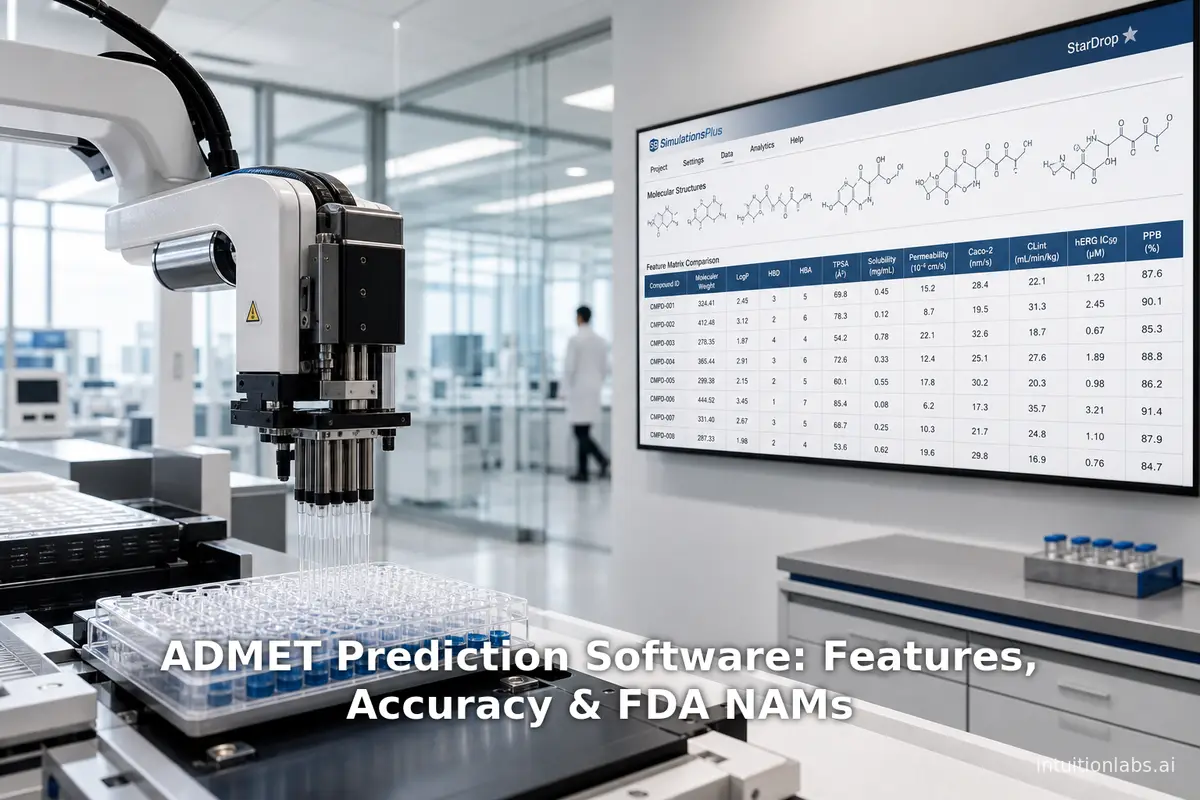
Compare leading in silico ADMET prediction software for drug discovery. Analyze feature matrices, predictive accuracy, and FDA NAM compliance across tools.
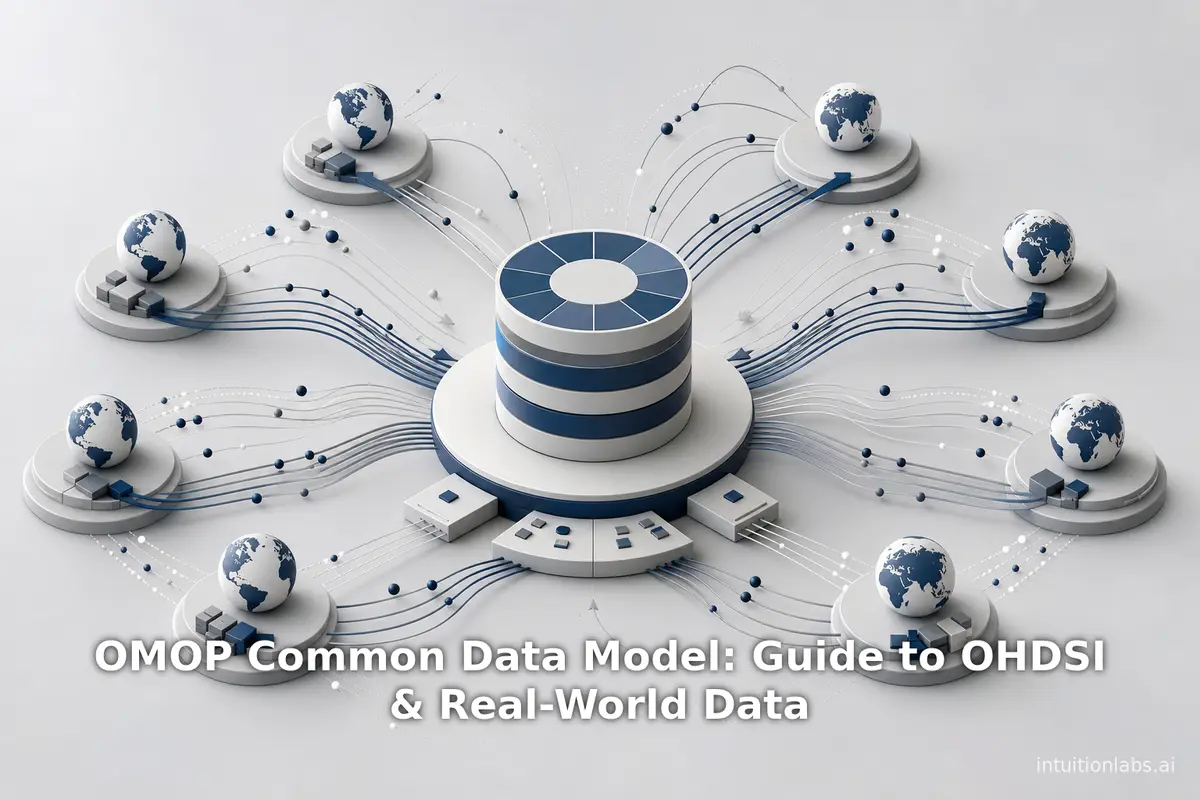
Explore the OMOP Common Data Model (CDM) and OHDSI. This guide explains how standardizing real-world data enables global federated network studies in pharma.
Examine the May 2026 GSK-SiranBio licensing deal for SA-030. Learn how this ALK7-targeting siRNA advances GSK's cardiometabolic and oligonucleotide strategy.
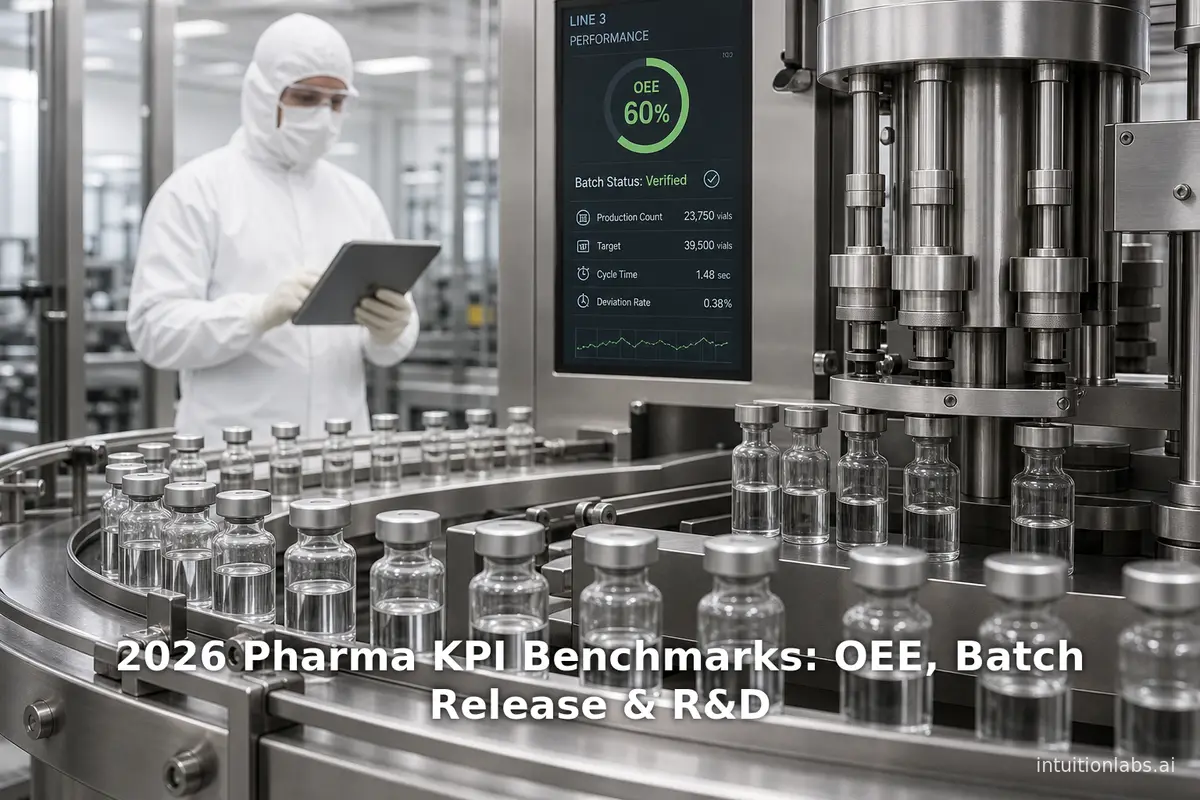
Analyze 2026 pharma KPI benchmarks. Learn industry median targets for manufacturing OEE, batch release cycle times, deviation rates, and R&D productivity.

Review Teva's $700M acquisition of Emalex Biosciences. Explore how ecopipam, a dopamine D1 antagonist, advances pediatric Tourette syndrome and CNS therapies.

Review how Microsoft Teams, SharePoint, Box, Egnyte, Slack, and Veeva Vault handle FDA 21 CFR Part 11 compliance and GxP document control in life sciences.

Analyze Sun Pharma's $11.75B acquisition of Organon. This report examines deal mechanics, the women's health portfolio integration, and biosimilars strategy.
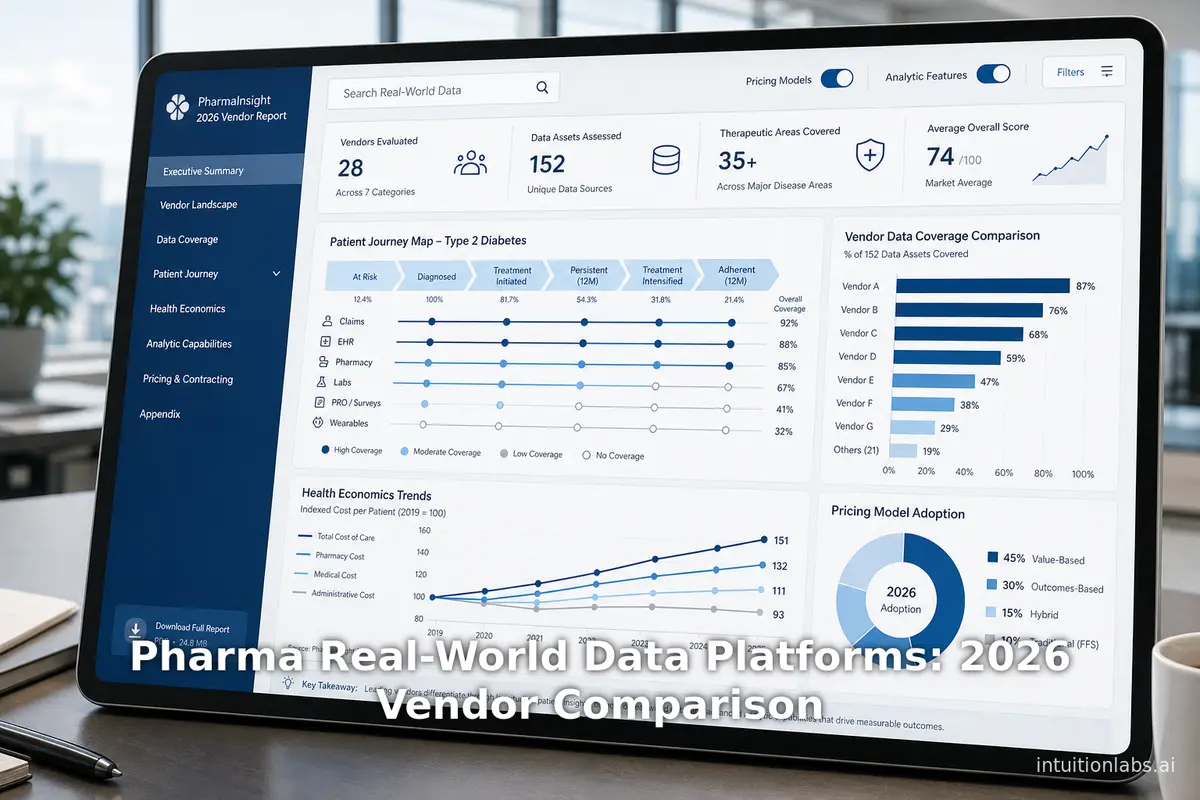
Compare top 2026 pharma real-world data (RWD) platforms like IQVIA, Komodo, and Truveta. Review pricing models, analytic features, and use-case applications.
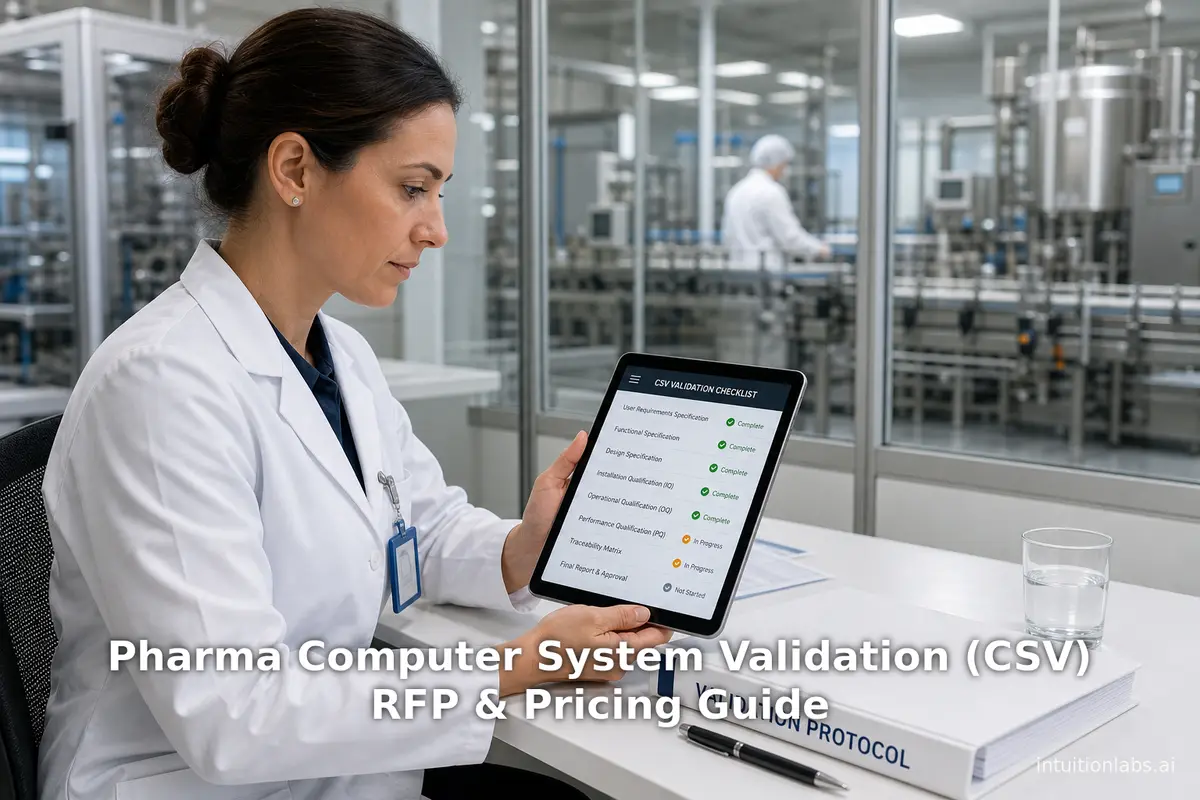
A complete guide to pharmaceutical Computer System Validation (CSV) services. Reviews GxP RFP templates, vendor scorecards, and 2026 pricing benchmarks.
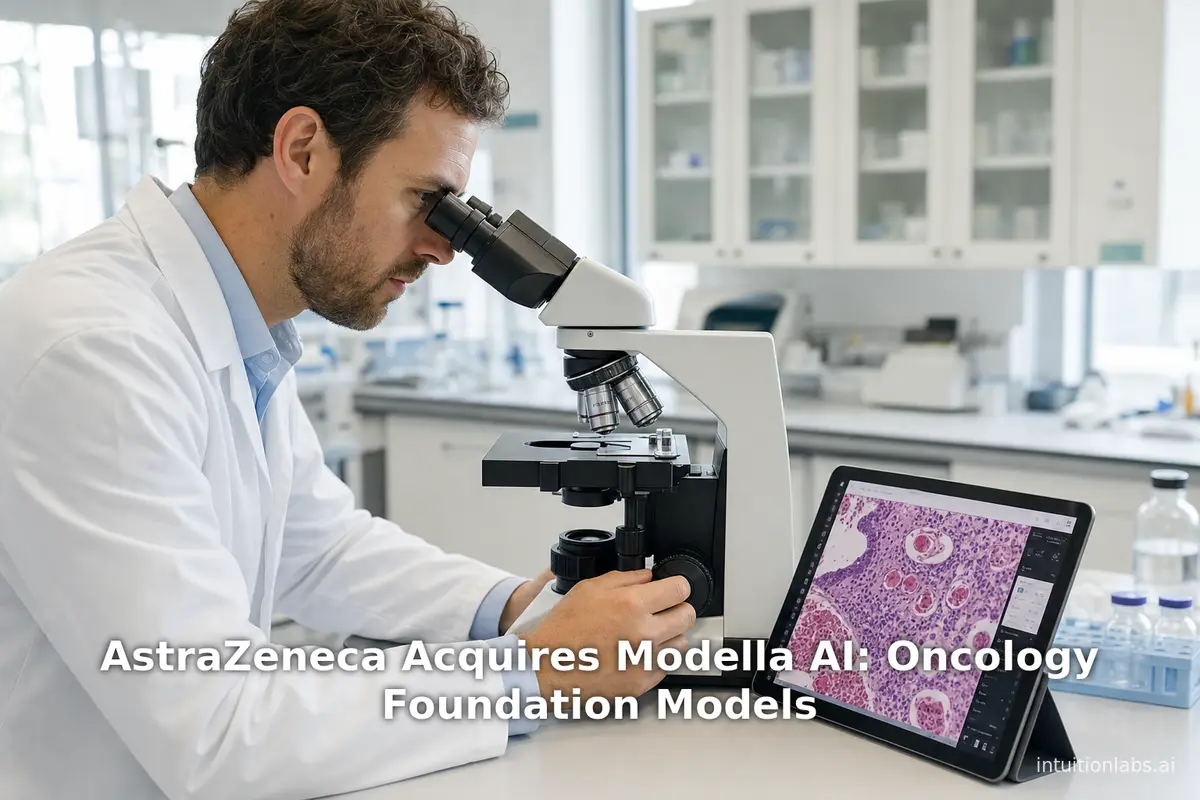
Analyze AstraZeneca's acquisition of Modella AI. Learn how multimodal foundation models integrate into oncology drug discovery and impact pharma AI M&A trends.
Analyze Tempus AI's Q1 2026 nine-figure real-world data (RWD) and AI modeling agreements with Merck and Gilead to understand the evolution of RWD pricing.
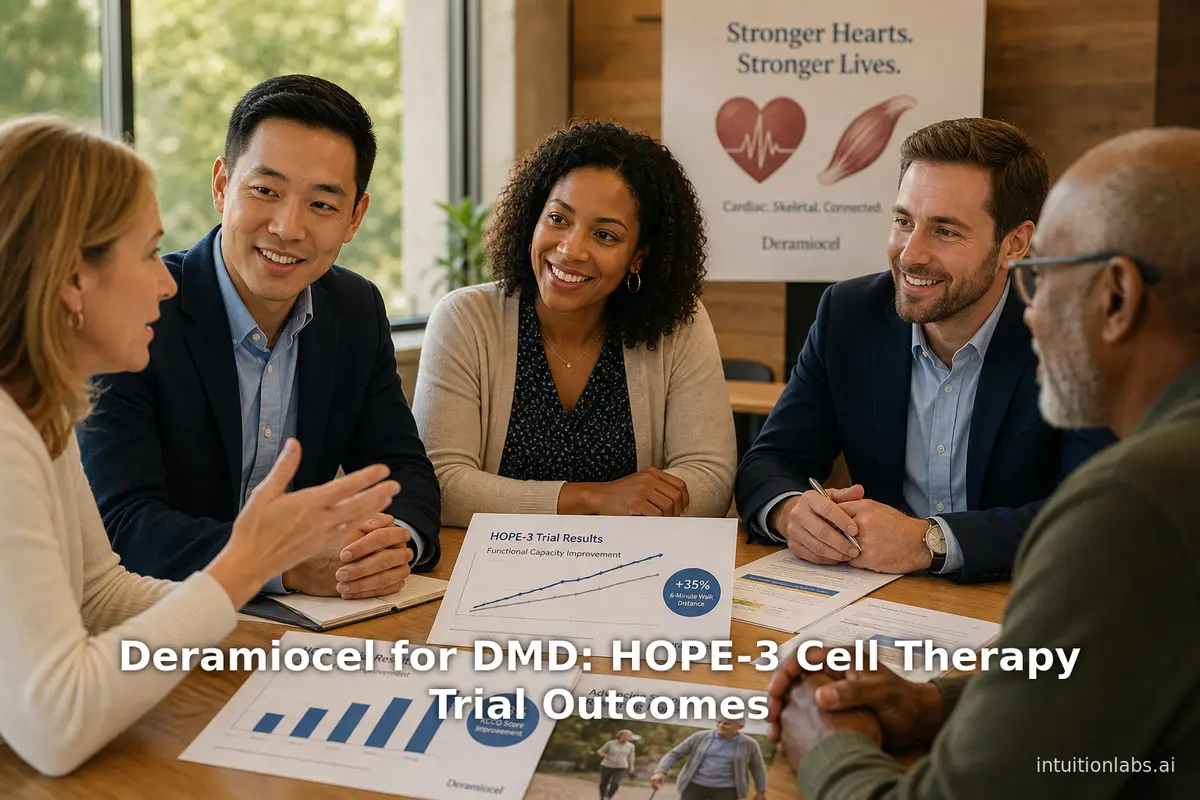
Analyze the HOPE-3 Phase 3 trial results for Deramiocel, an investigational cell therapy for Duchenne muscular dystrophy. Review PUL v2.0 data and FDA status.
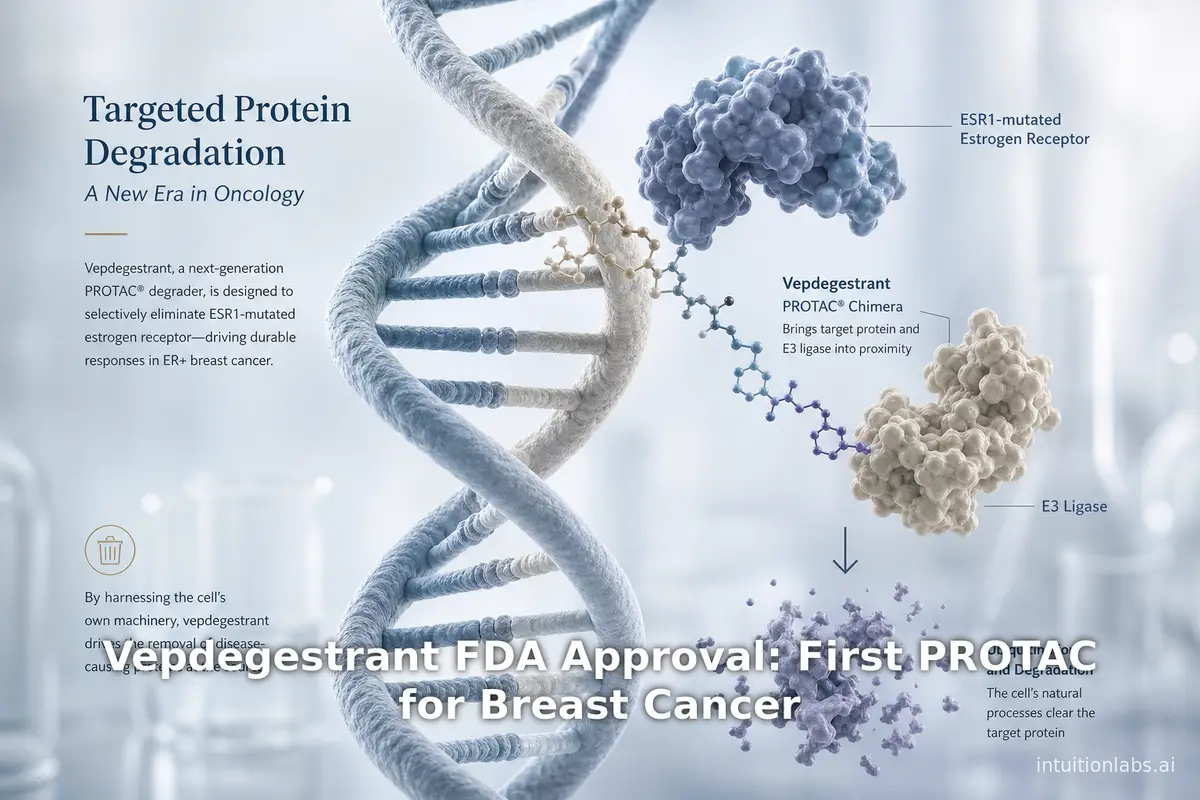
Review the 2026 FDA approval of vepdegestrant (Veppanu), the first PROTAC targeted protein degrader for ESR1-mutated breast cancer, and its clinical data.
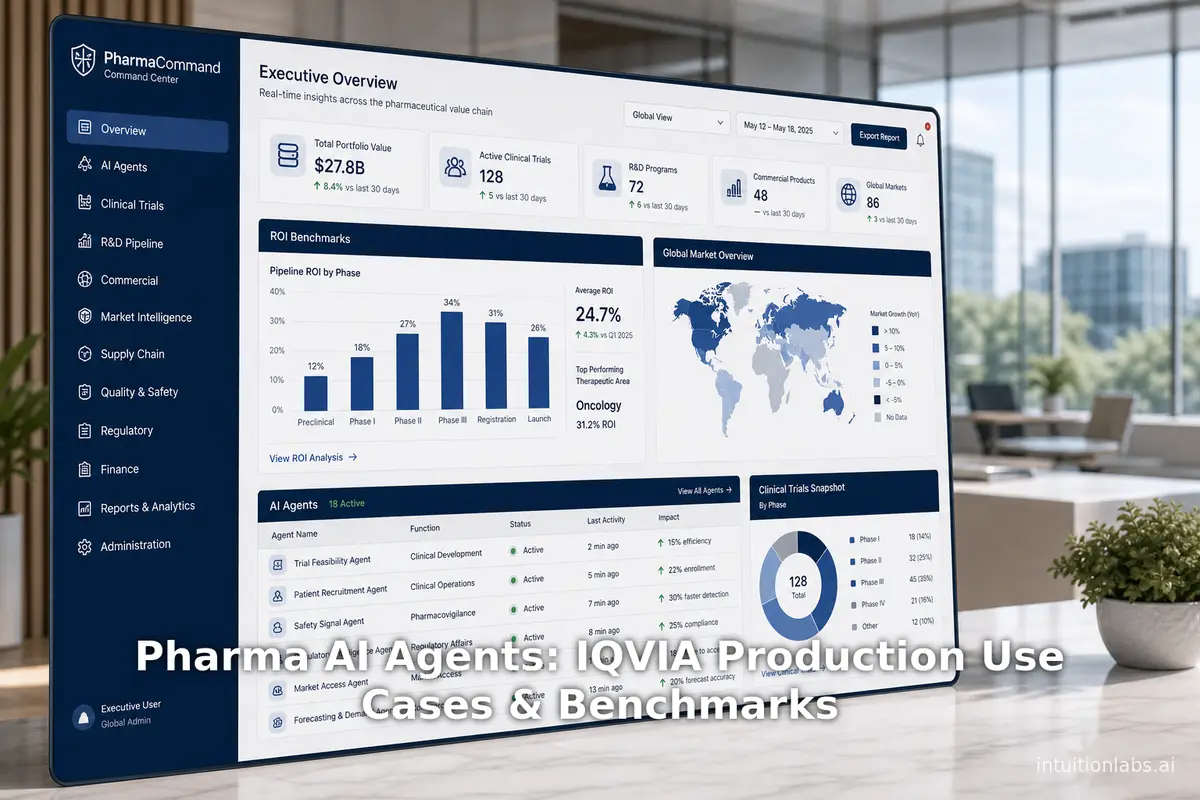
Analyze IQVIA's deployment of 192 pharma AI agents across 64 use cases. Learn how top life sciences CIOs benchmark enterprise AI adoption and ROI in 2026.
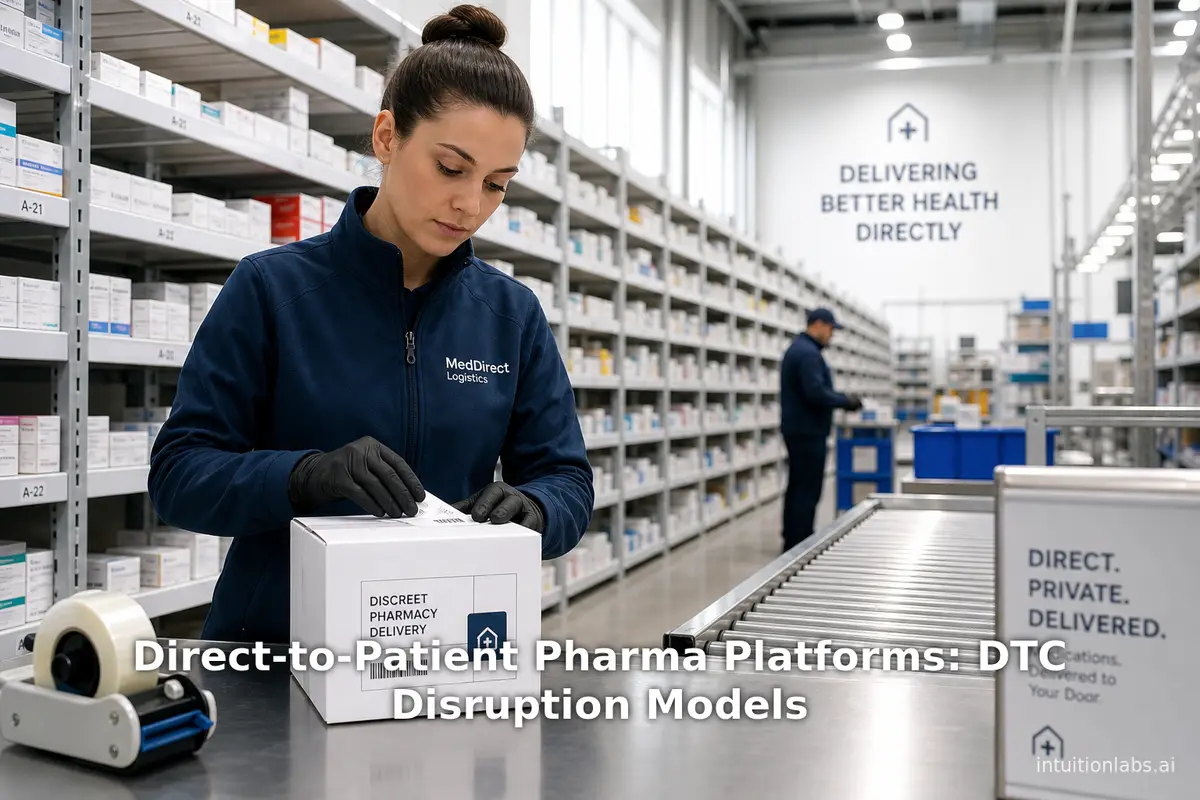
Analyze the rise of direct-to-patient pharma platforms. Learn how DTP models integrate telehealth, bypass PBMs, and disrupt traditional pharmacy supply chains.
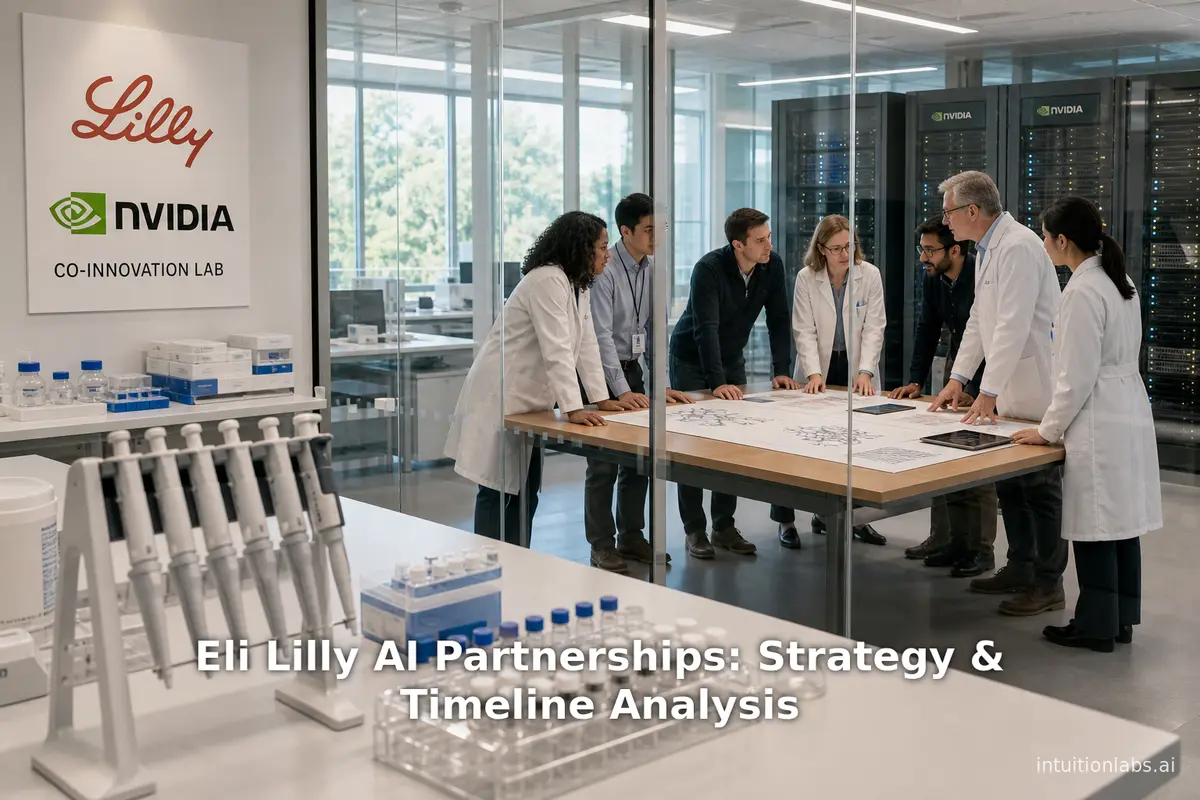
Analyze Eli Lilly's 2026 AI partnership map and co-innovation strategy. Learn how collaborations with NVIDIA, Insilico, and Chai advance drug discovery.
© 2026 IntuitionLabs. All rights reserved.