

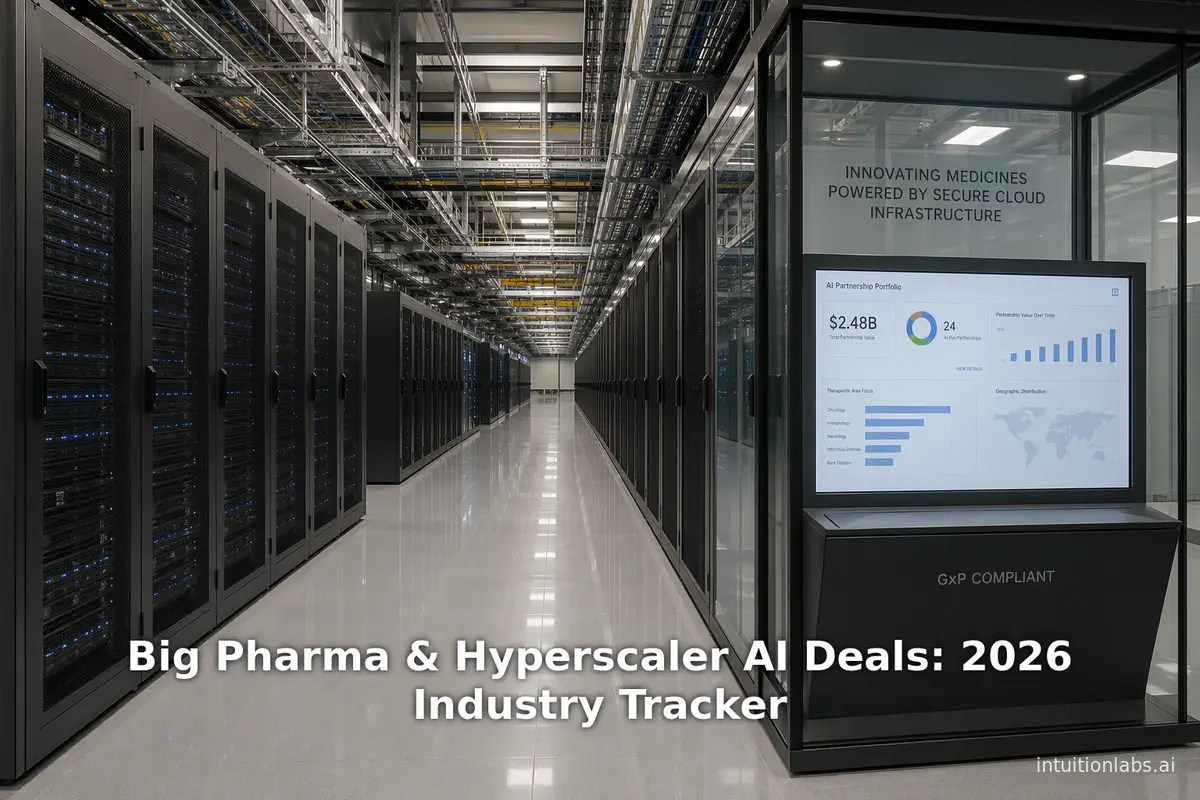
Big Pharma & Hyperscaler AI Deals: 2026 Industry Tracker
Track 2026 Big Pharma and hyperscaler AI deals. This report analyzes enterprise cloud partnerships, infrastructure investments, and GxP compliance trends.

IntuitionLabs is now a member of the Claude Partner Network – AI training and upskilling with Claude for pharma and biotech. Book a call.
Track 2026 Big Pharma and hyperscaler AI deals. This report analyzes enterprise cloud partnerships, infrastructure investments, and GxP compliance trends.
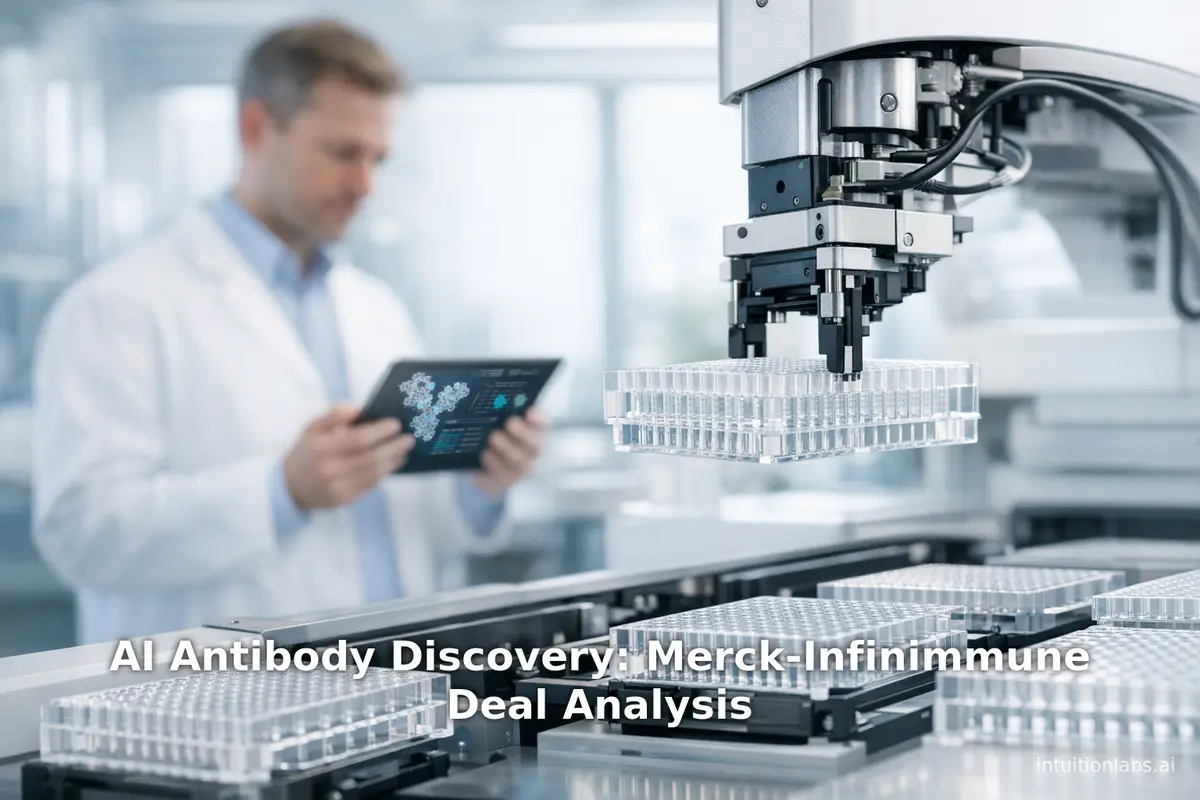
Analyze the $838M Merck-Infinimmune AI antibody discovery deal. Understand how the Anthrobody screening platform and GLIMPSE language model engineer biologics.
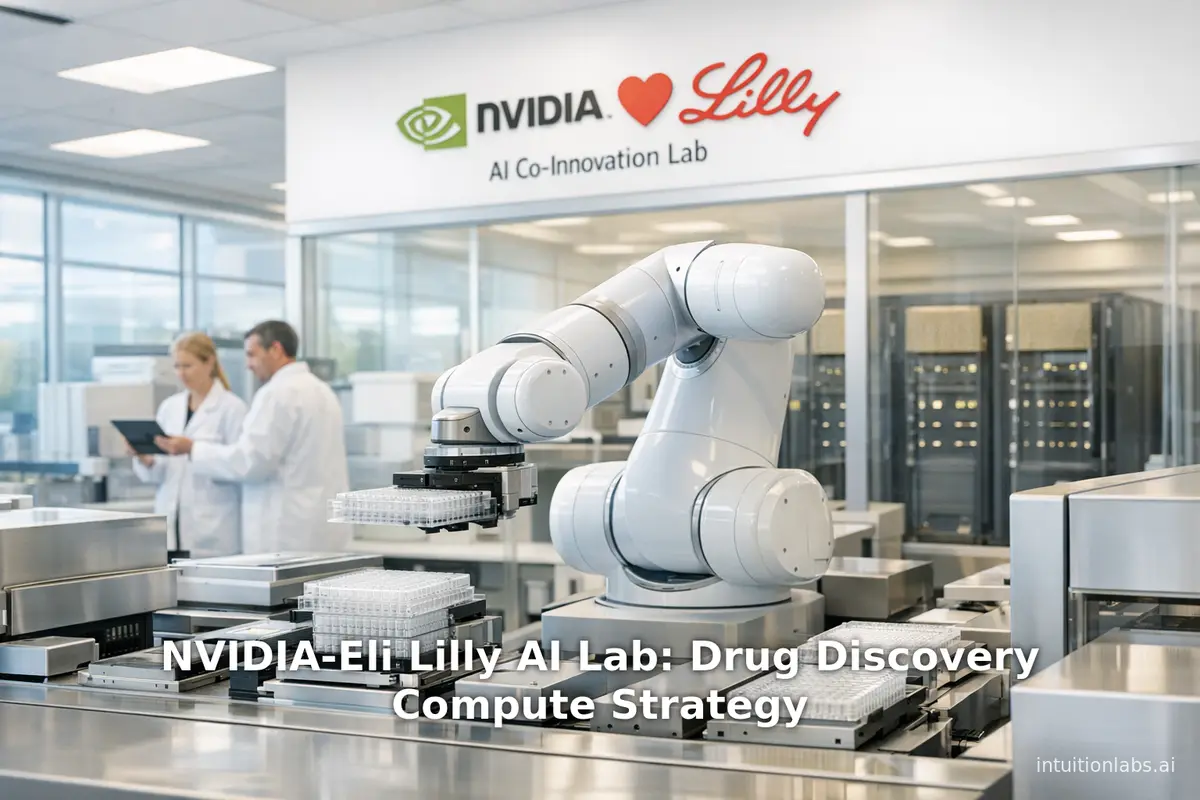
An overview of the $1B NVIDIA-Eli Lilly AI lab, detailing its 5-year compute strategy, DGX SuperPOD infrastructure, and foundation models for drug discovery.
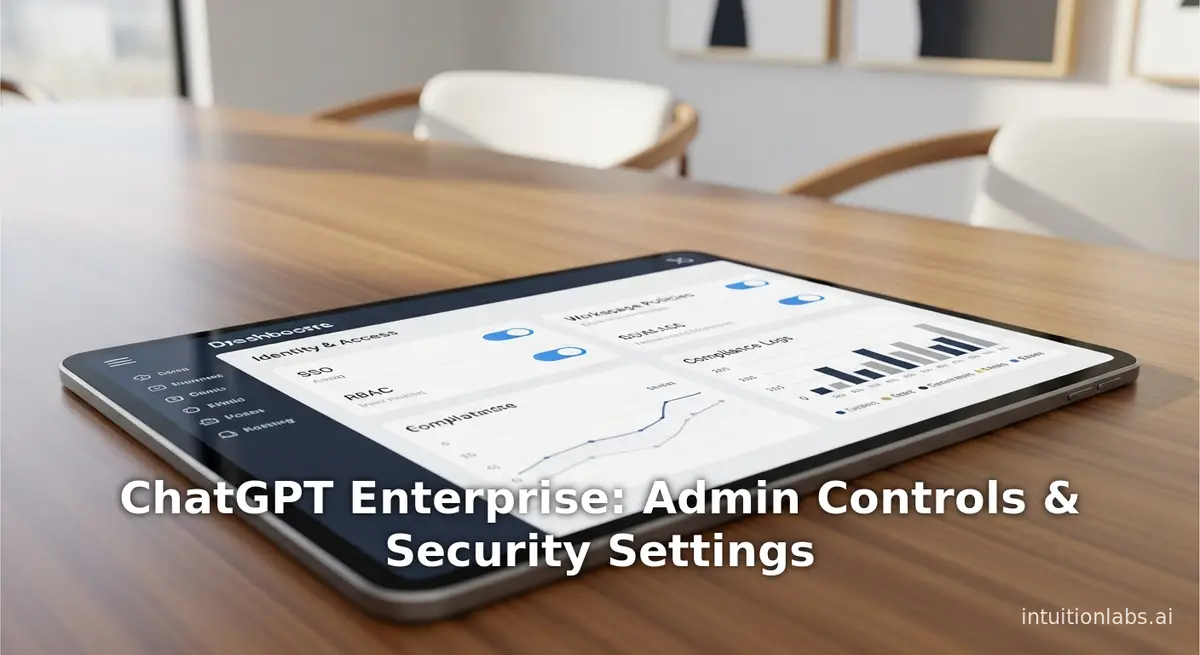
Examine ChatGPT Enterprise admin controls, security settings, and compliance features. This report details SSO, RBAC, data residency, and workspace policies.
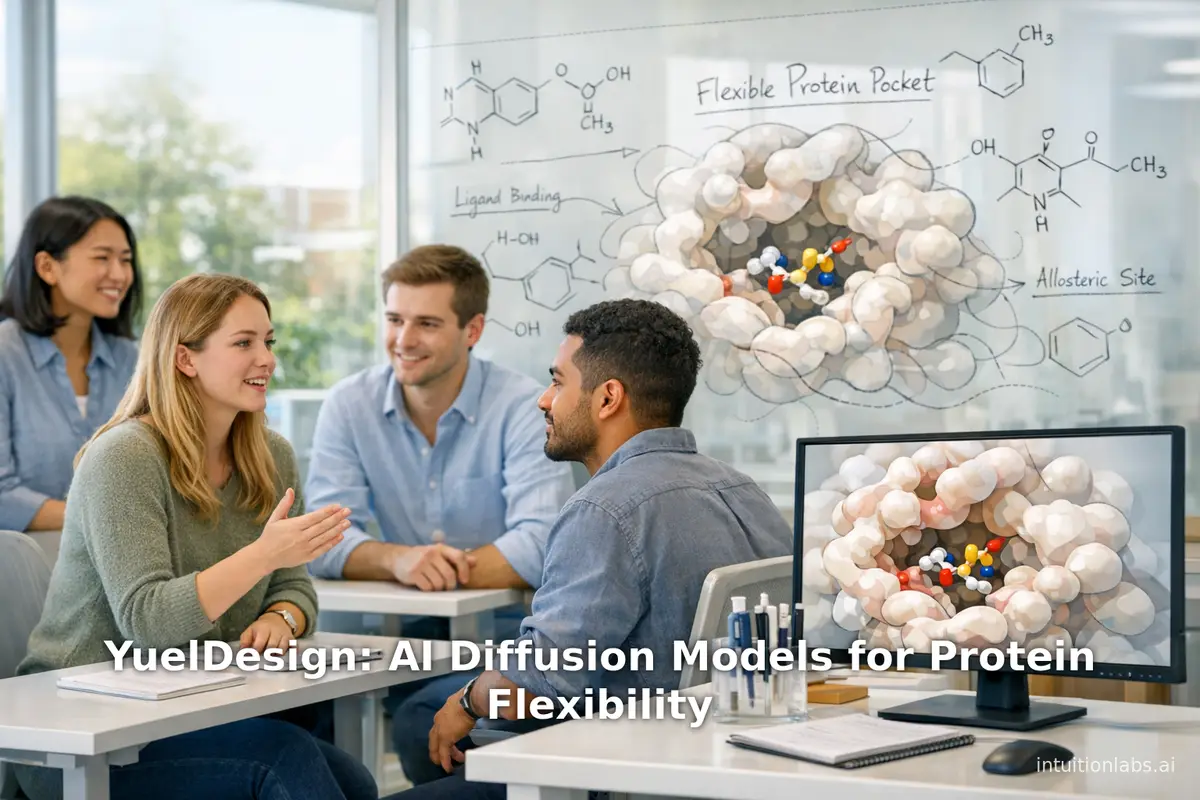
Examine how UVA's YuelDesign uses 3D AI diffusion models in drug discovery. Learn how co-designing ligands with flexible protein pockets improves binding.
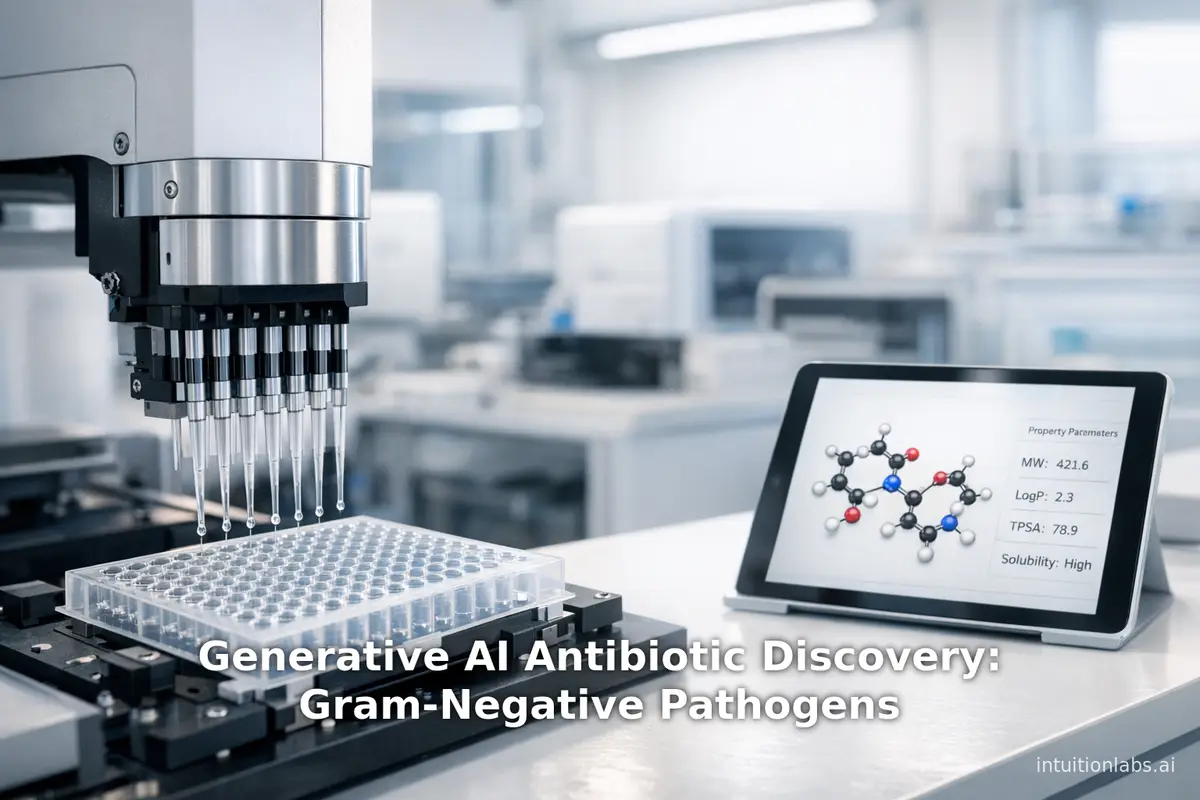
Analyze the application of generative AI in antibiotic discovery. This report examines the Phare Bio-Basilea partnership and Gram-negative drug development.
Analyze OpenAI's GPT-Rosalind, a biochemical reasoning model for life sciences. Learn how Amgen, Moderna, and Thermo Fisher apply this AI to drug discovery.
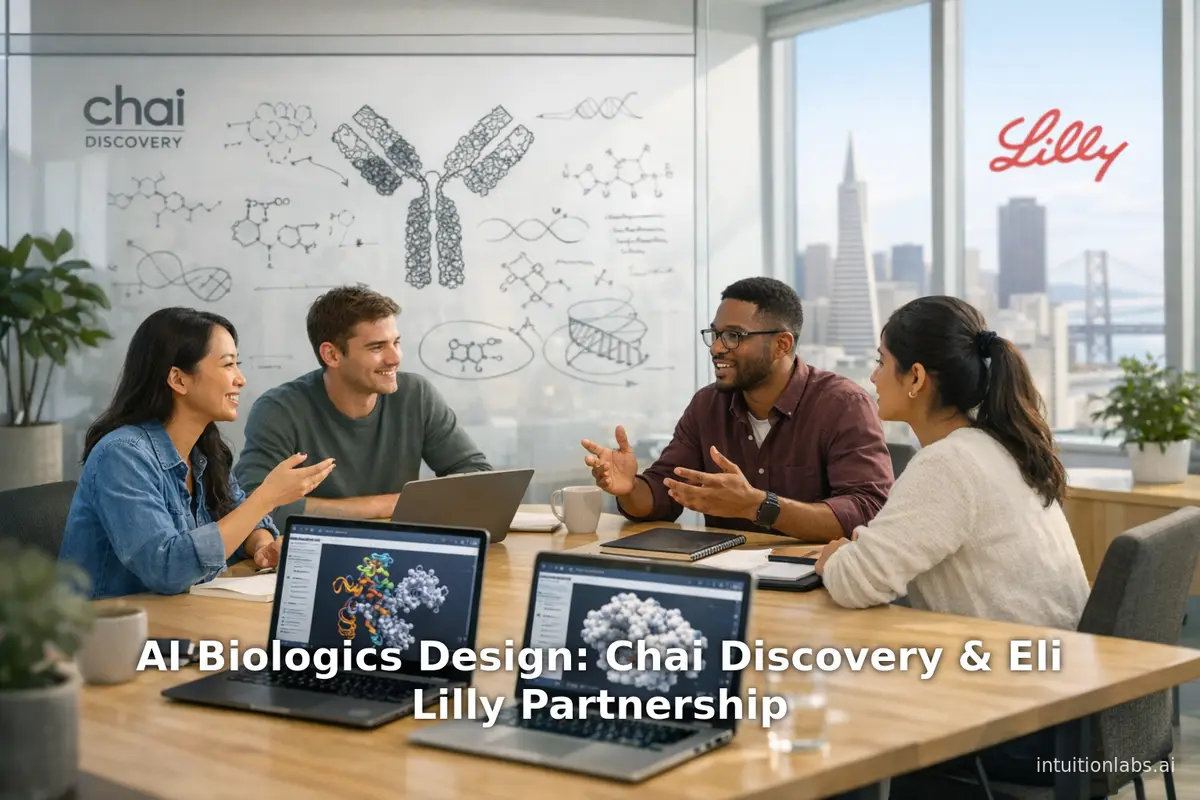
Analyze the Chai Discovery and Eli Lilly partnership in AI biologics design. Examine how generative models like Chai-2 impact antibody drug development.
Examine the $50M GSK-Noetik agreement licensing AI foundation models for oncology. Learn how spatial biology and virtual cells advance R&D and drug discovery.
Analyze the Boltz-Pfizer AI drug discovery partnership. This report examines the application of open-source biomolecular foundation models in pharma R&D.
Analyze Gilead's $5 billion acquisition of Tubulis, examining antibody-drug conjugate (ADC) oncology strategy, market trends, and new clinical platforms.
Review China NMPA drug approval pathways, regulatory strategy, and ICH harmonization. Examine priority, breakthrough, and conditional approval processes.
A detailed analysis of the Takeda-Iambic AI drug discovery partnership. Examine the $1.7B deal terms, NeuralPLexer technology, and AI pharma industry trends.
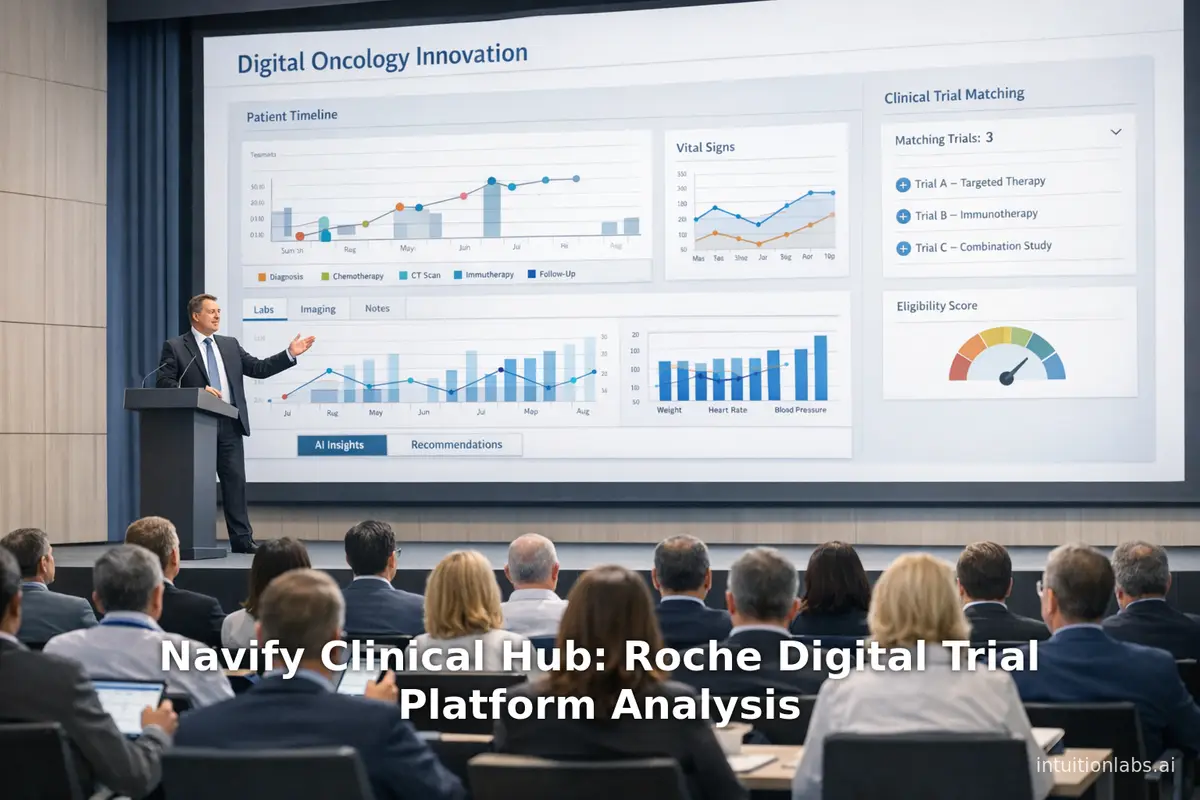
Comprehensive analysis of Roche Navify Clinical Hub, detailing its platform architecture, AI features, oncology tumor board workflows, and trial matching.
Read an analysis of Amazon Bio Discovery, an AWS agentic AI platform integrating biological foundation models and wet-lab workflows for drug development.
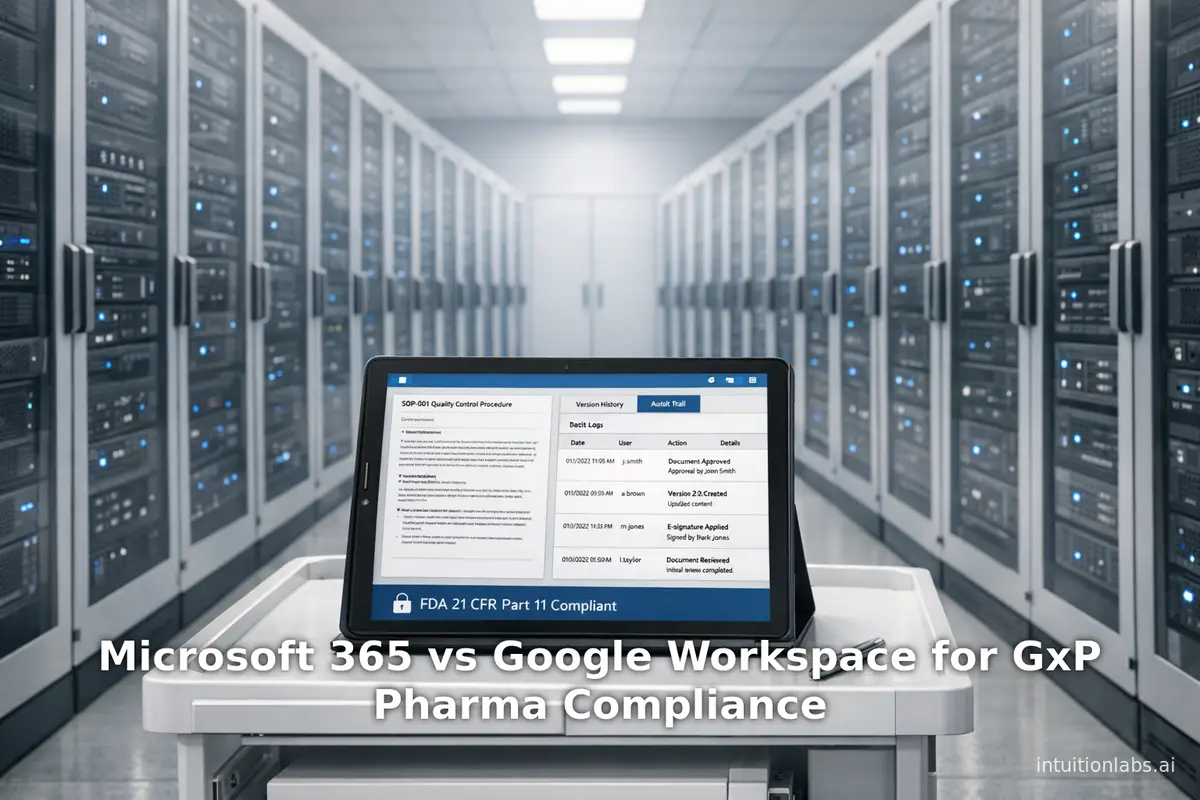
Compare Microsoft 365 and Google Workspace for pharmaceutical GxP compliance. Learn how each cloud platform meets FDA 21 CFR Part 11 and data integrity rules.
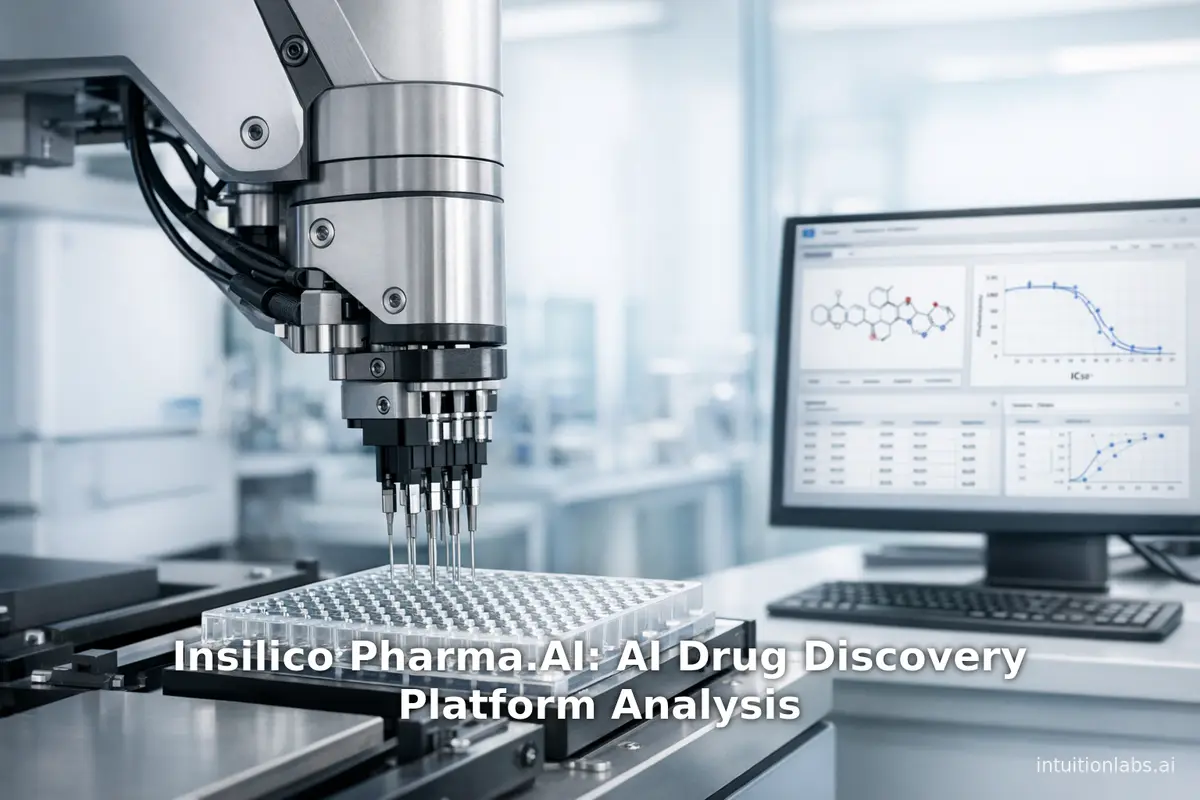
Analyze Insilico Medicine's Pharma.AI platform for AI drug discovery. Learn how PandaOmics, Chemistry42, and MMAI Gym integrate for target and molecule design.
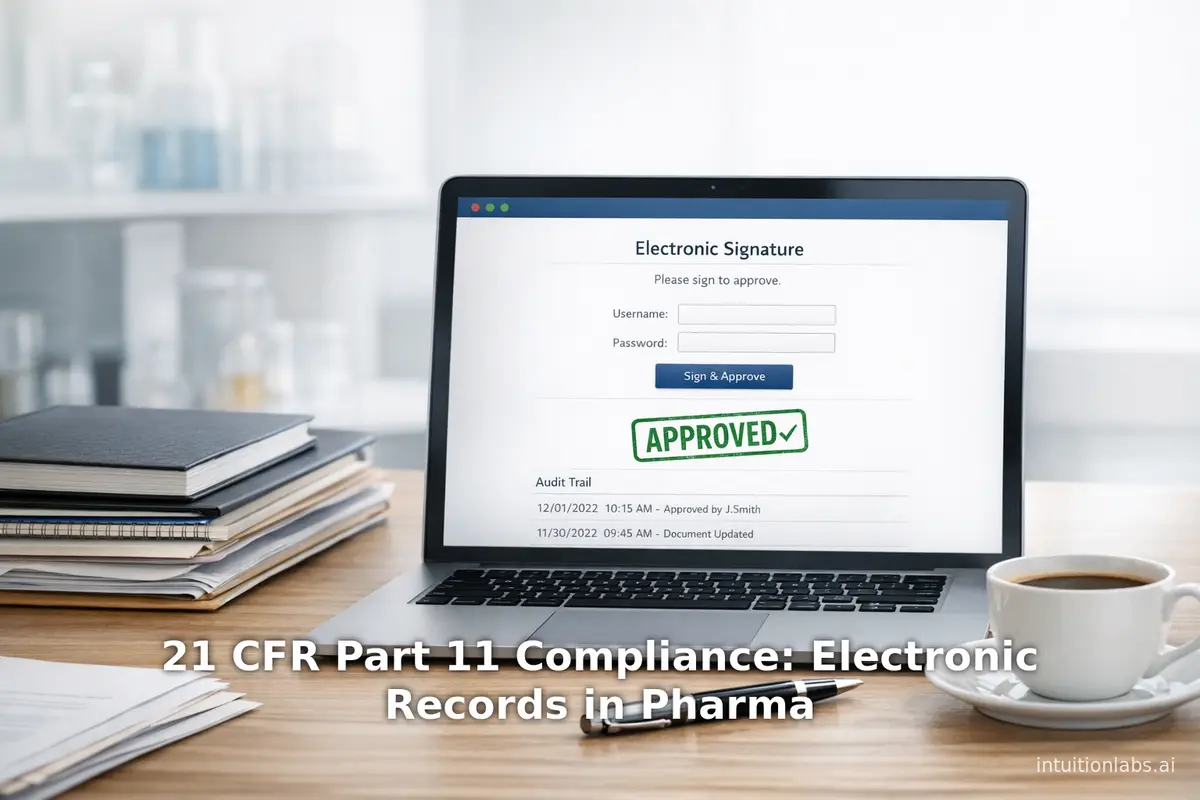
Review the core requirements for 21 CFR Part 11 compliance in pharma. This guide explains FDA electronic records, signatures, ALCOA+, and system validation.
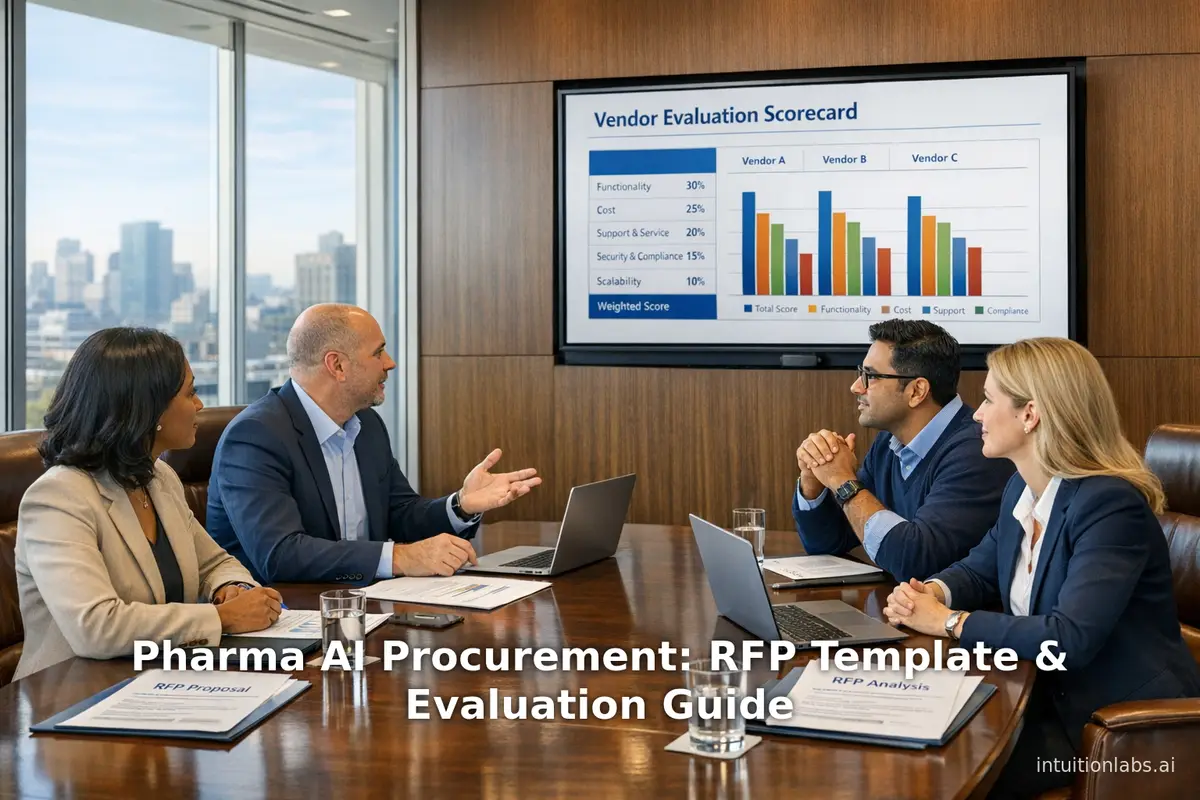
Guide to pharma AI procurement with comprehensive RFP templates and weighted vendor scorecards. Review FDA compliance, data privacy, and GxP criteria.
Understand FDA Predetermined Change Control Plans (PCCPs) for AI/ML Software as a Medical Device. Review Section 515C, FDA guidance, and implementation.
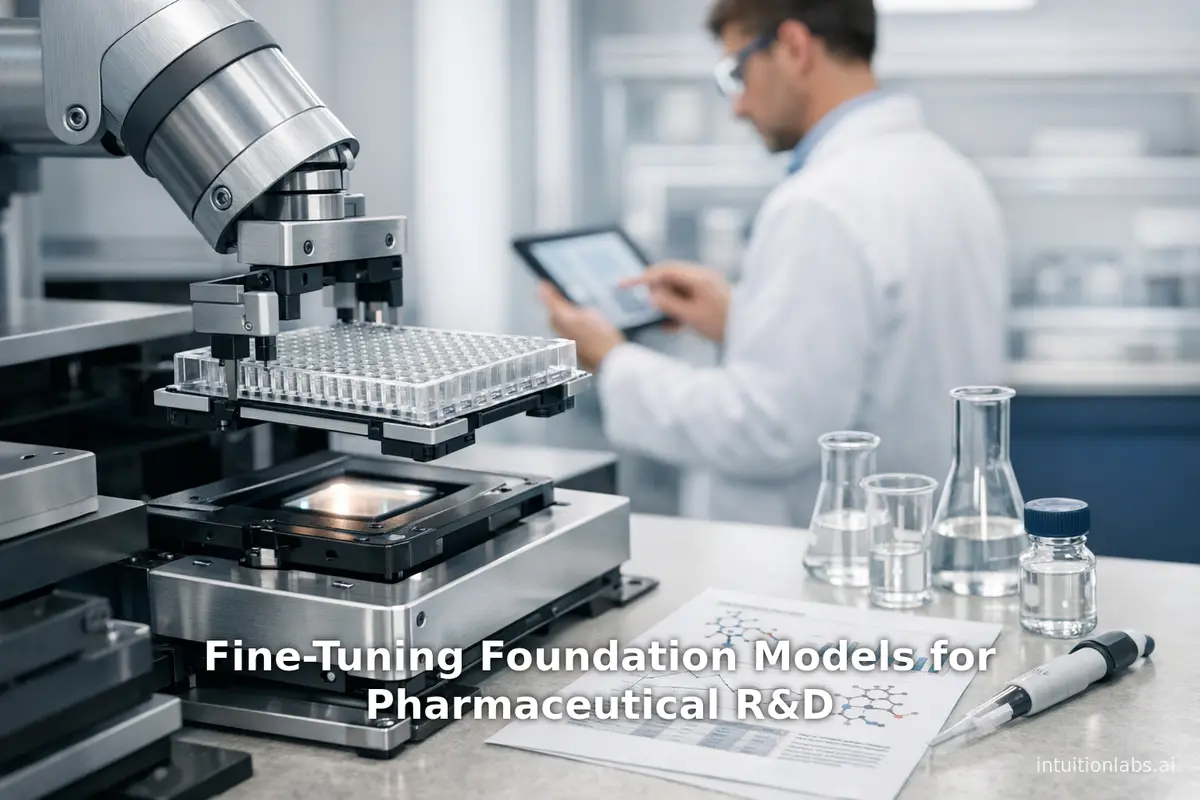
Examine how fine-tuning foundation models and LLMs improves pharmaceutical R&D and drug discovery. Review Insilico's MMAI Gym methodology and AI benchmarks.
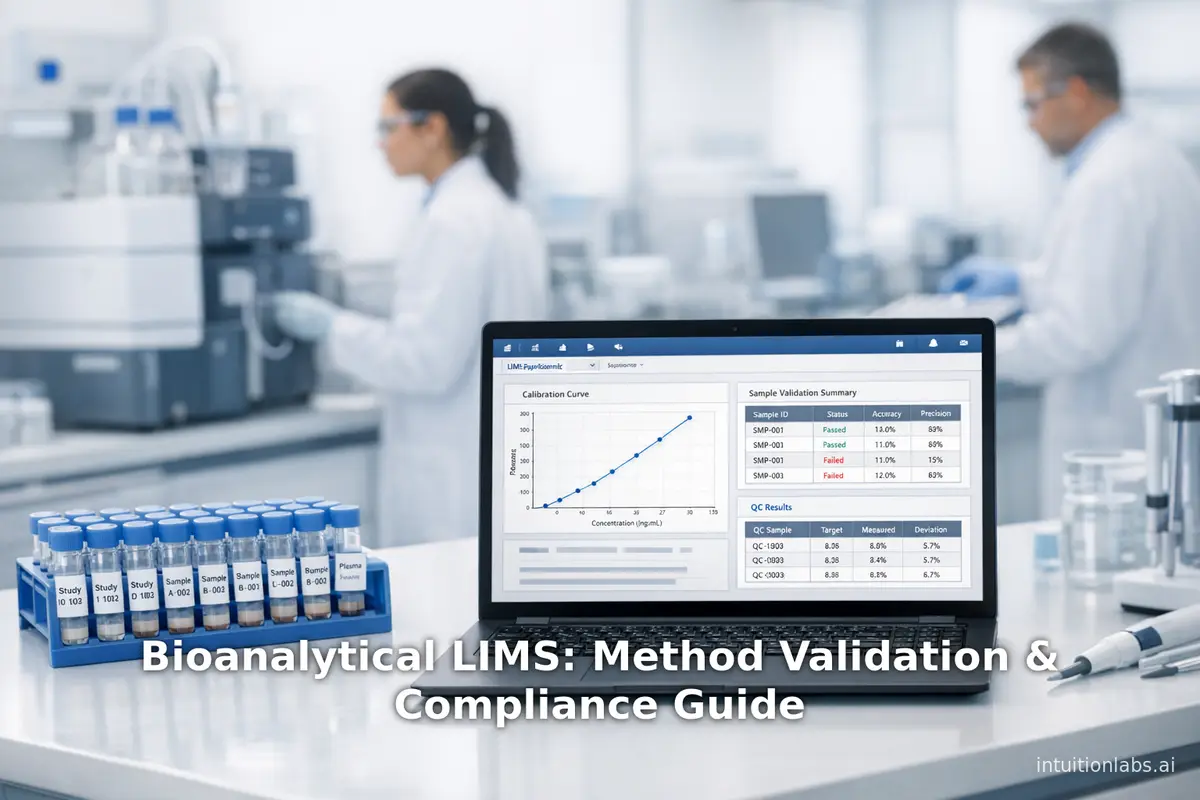
This guide details how bioanalytical LIMS software ensures method validation and regulatory compliance with FDA 21 CFR Part 11, ICH M10, and GLP standards.
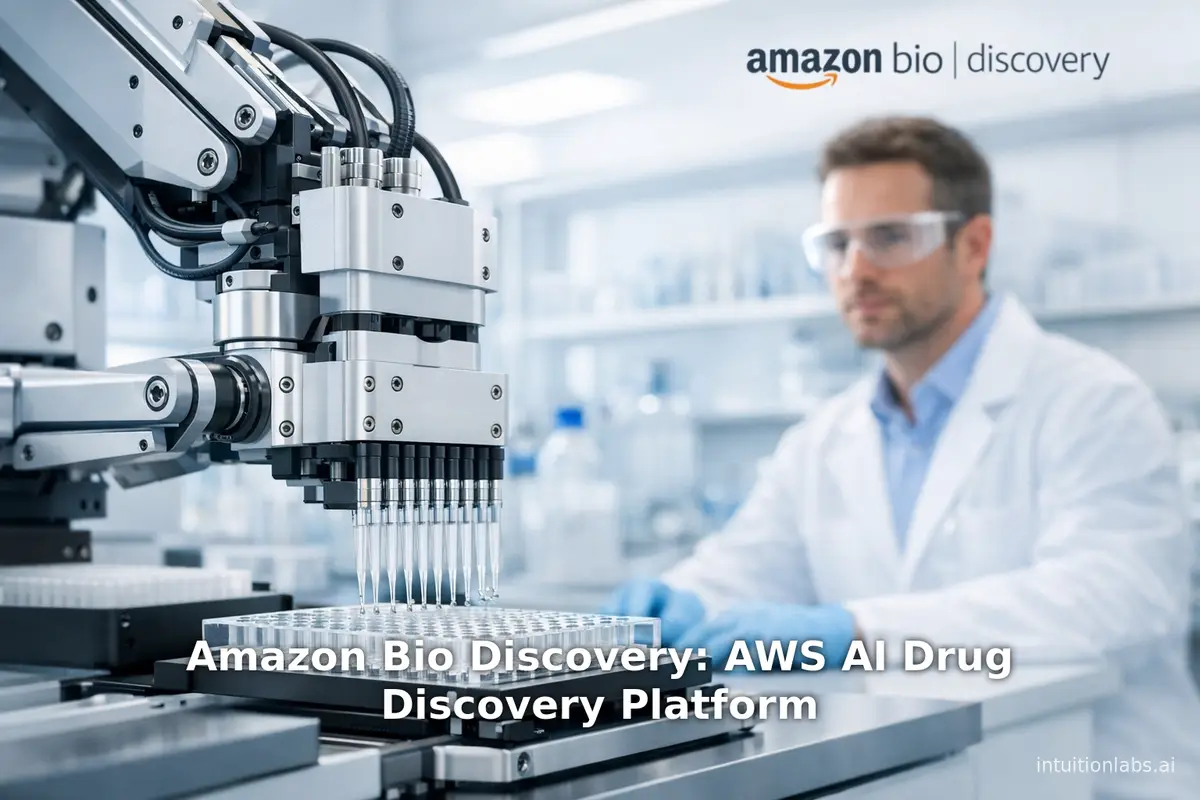
An in-depth analysis of the Amazon Bio Discovery platform. Learn how AWS uses agentic AI, biological foundation models, and integrated wet labs for drug R&D.
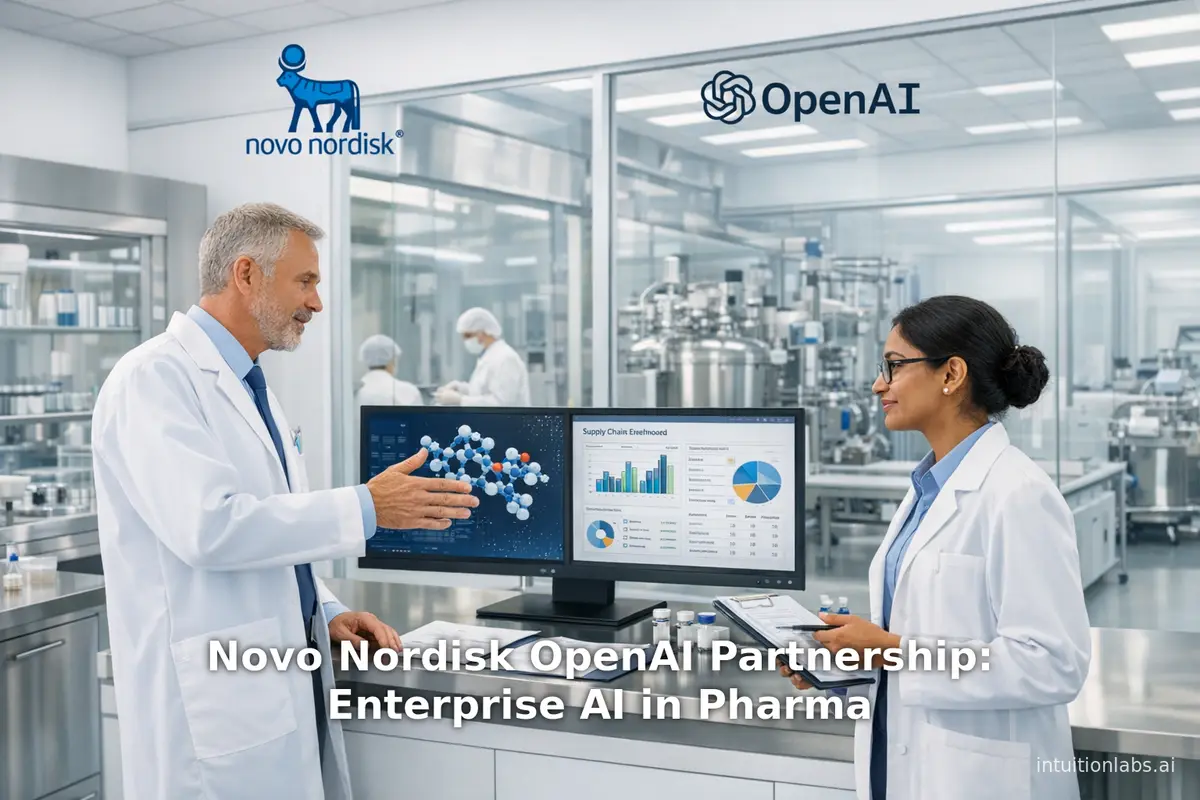
Examine the Novo Nordisk and OpenAI partnership to understand enterprise AI strategy in pharma. Explore generative AI applications in drug R&D and manufacturing
© 2026 IntuitionLabs. All rights reserved.