

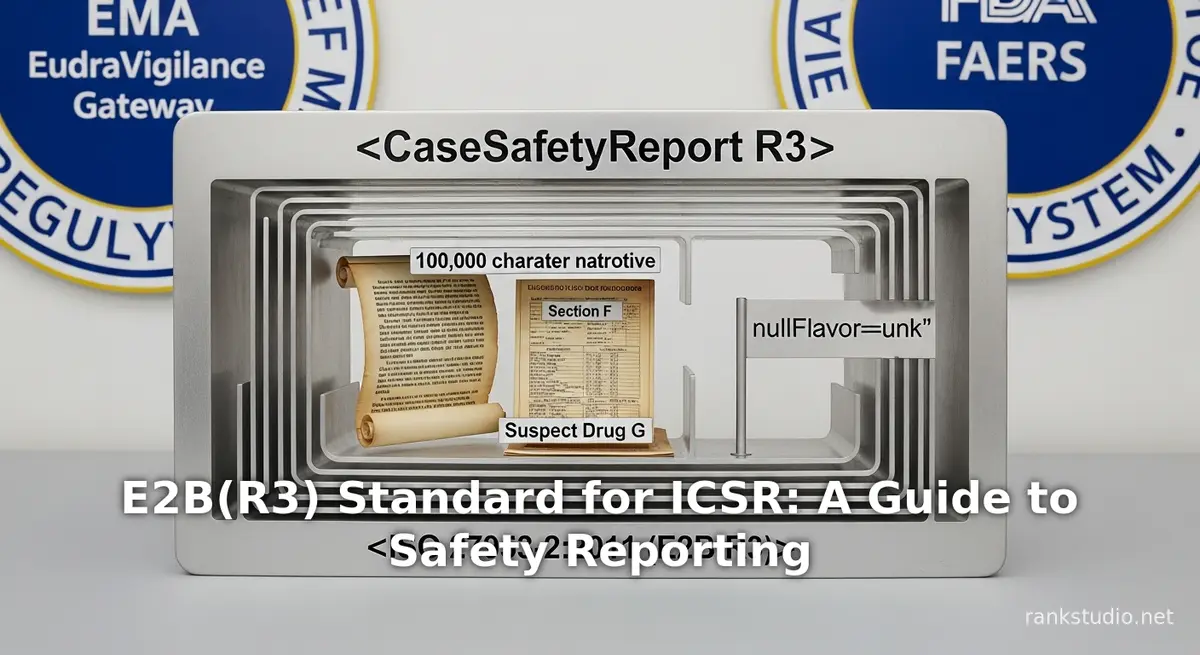
E2B(R3) ICSRs: A Guide to Pharmacovigilance Reporting
An in-depth guide to the ICH E2B(R3) standard for pharmacovigilance. Explore the data structure of ICSRs, electronic reporting rules, and key global systems. Updated April 2026.

IntuitionLabs is now a member of the Claude Partner Network – AI training and upskilling with Claude for pharma and biotech. Book a call.
An in-depth guide to the ICH E2B(R3) standard for pharmacovigilance. Explore the data structure of ICSRs, electronic reporting rules, and key global systems. Updated April 2026.
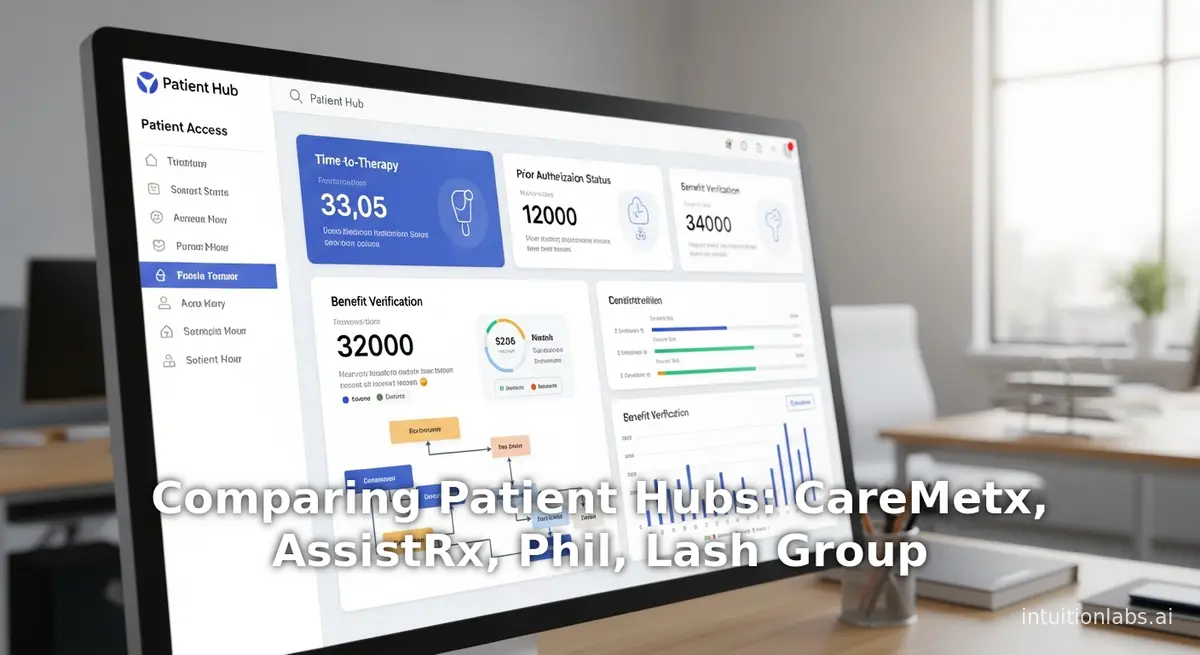
Compare CareMetx, AssistRx, PHIL, and Lash Group (Cencora) patient hub platforms in 2026 — covering technology, services, performance metrics, and the impact of IRA Part D reforms and the Medicare Drug Price Negotiation rollout.
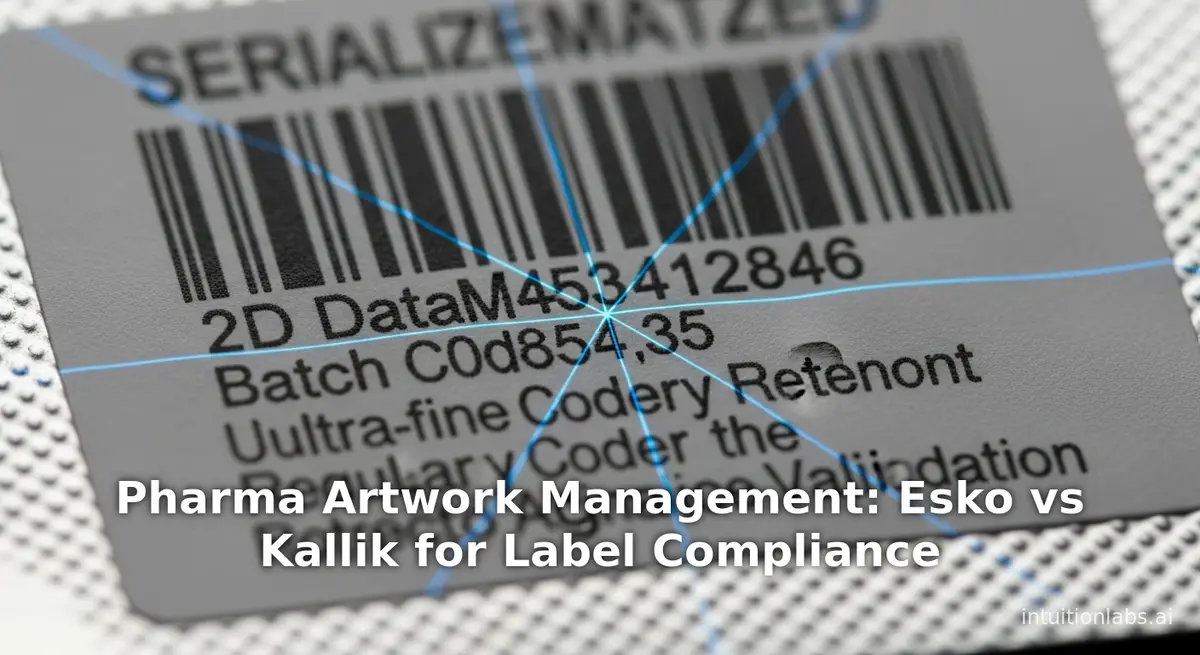
Analyze leading pharmaceutical artwork management systems. This guide compares Esko, Kallik, and Blue Software for pharma label compliance, workflows, and audit
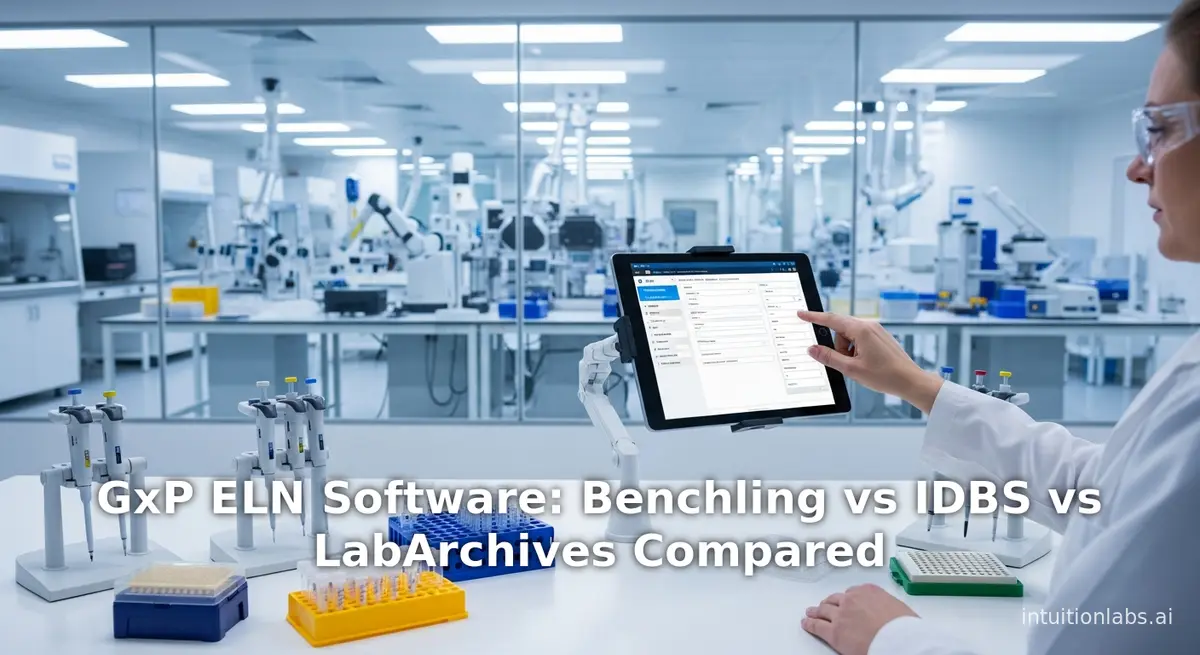
Choosing a GxP ELN? Compare Benchling, IDBS, and LabArchives on features for 21 CFR Part 11 compliance, system validation, and ALCOA data integrity principles.
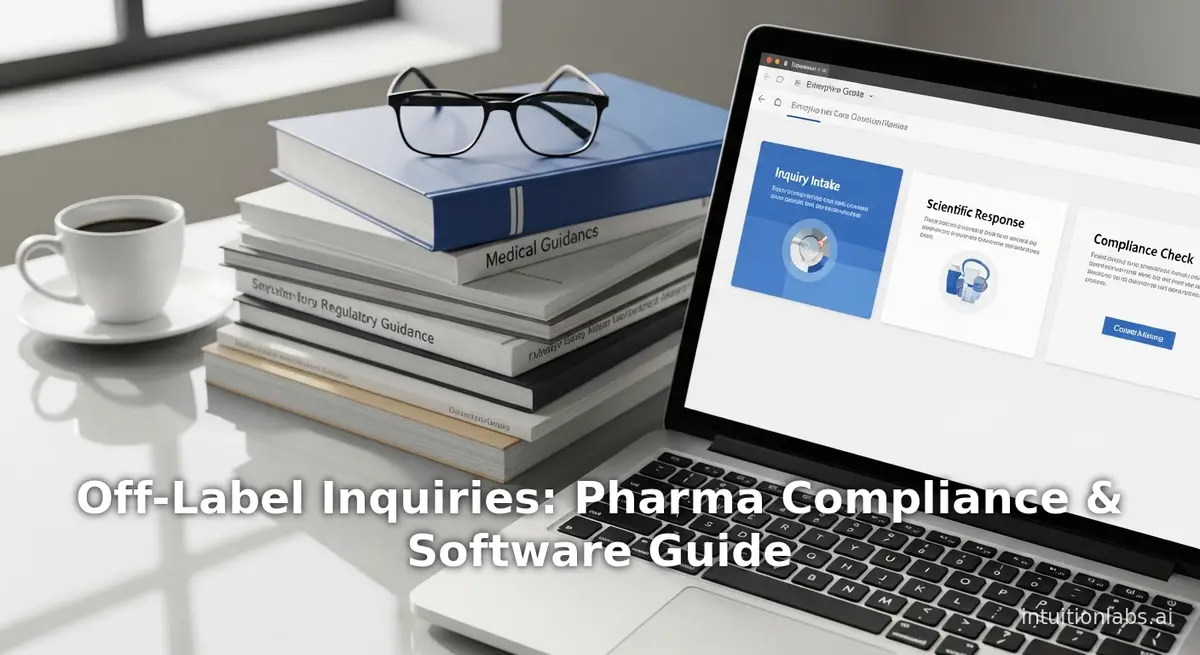
Learn the compliant process for answering off-label HCP inquiries. This guide details FDA guidance, medical information SOPs, and software for case management.
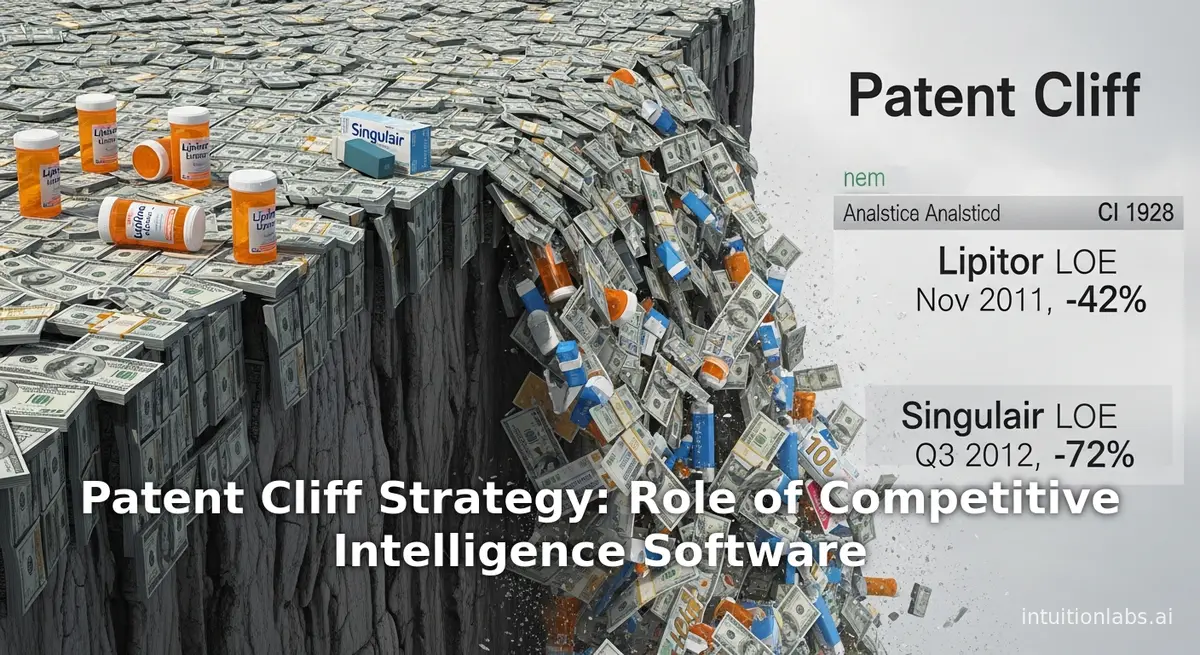
Learn how pharma firms use competitive intelligence software to mitigate patent cliff risks. Updated April 2026 with the Humira/CVS Caremark biosimilar shift, Stelara LOE, and AI-native CI platforms.
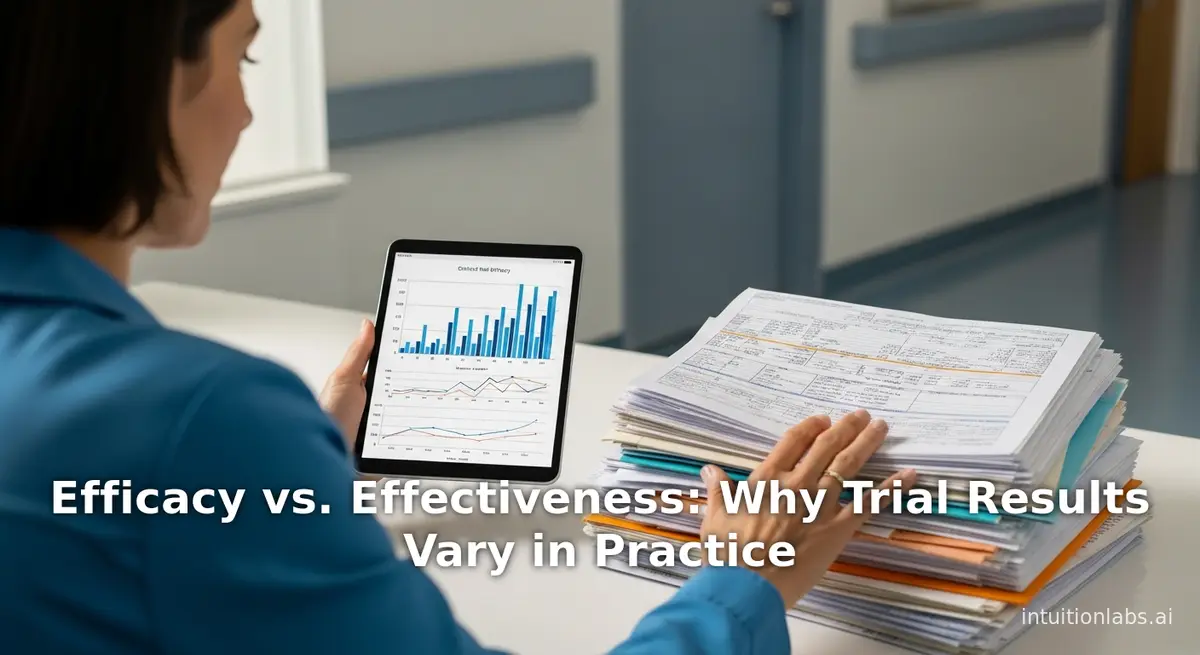
Efficacy in clinical trials often overstates real-world effectiveness. Learn why this gap exists and how HEOR uses real-world evidence (RWE) to correct for it.
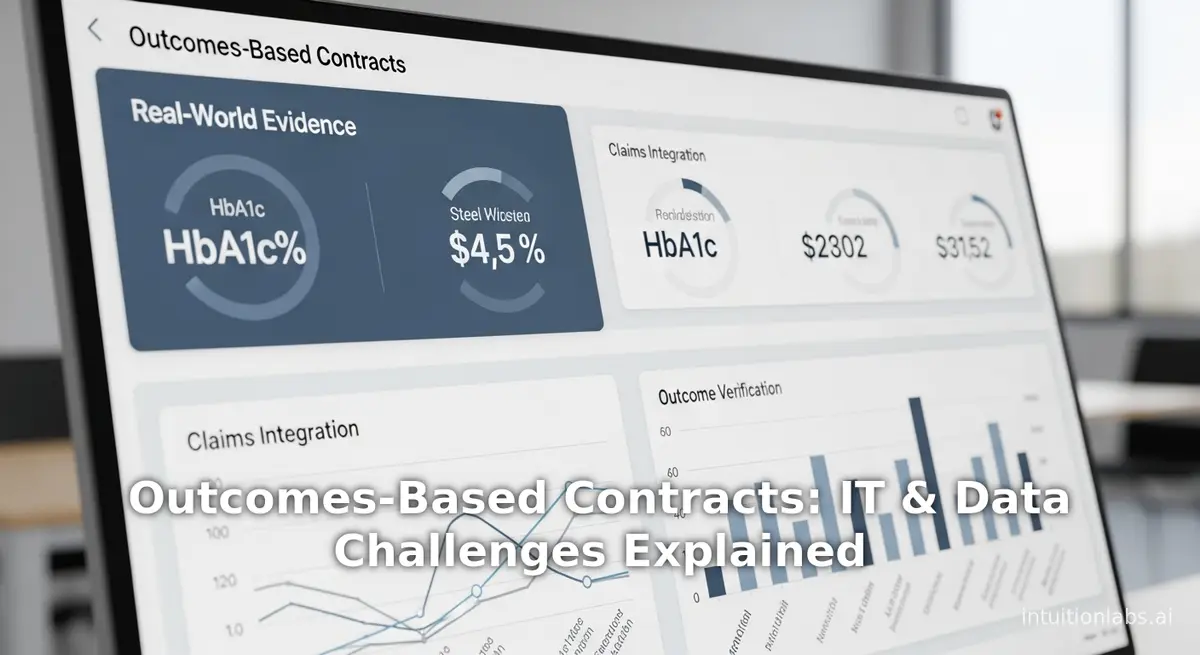
Outcomes-based drug contracts and the IT/data infrastructure needed to track real-world patient outcomes. Updated April 2026 with CMS Multiple Best Prices, CGT Access Model, and IRA impacts.
An educational guide to QALYs and ICERs, the core metrics in health economics. Learn how they measure value and guide cost-effectiveness decisions. Updated April 2026 with NICE's new £25k–£35k/QALY threshold.
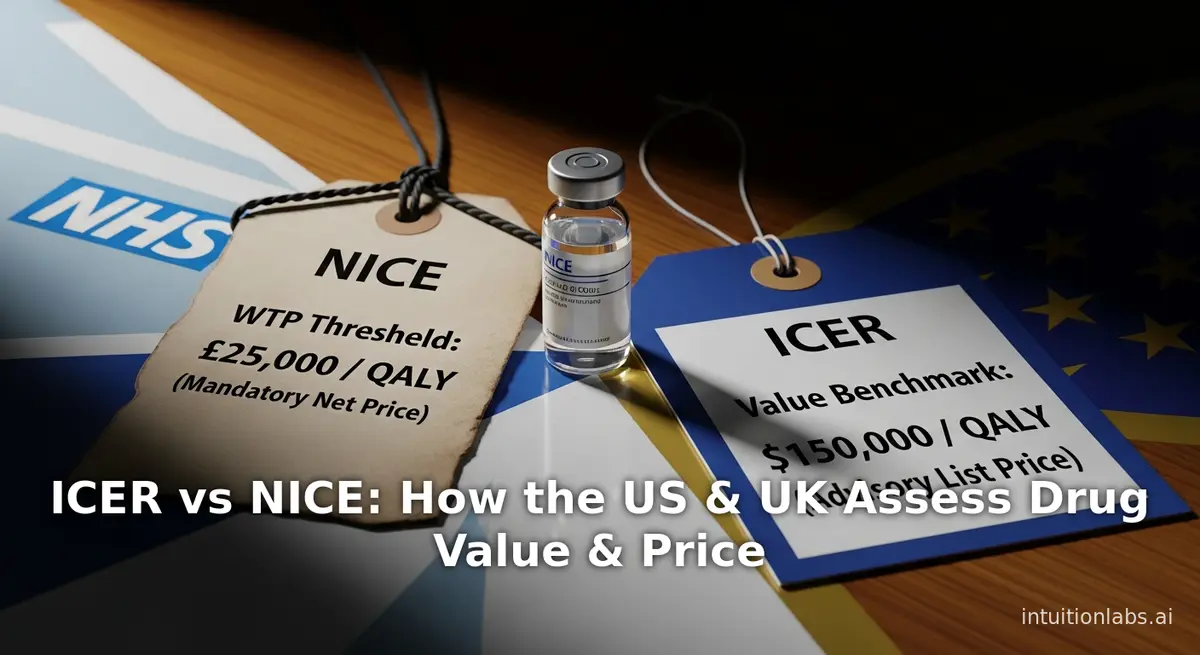
An in-depth comparison of ICER (US) vs NICE (UK). Explore their methods, QALY thresholds, and how they assess drug value to influence global pricing floors.
Learn what must be included in a pharma quality agreement. This 2026-updated guide covers key clauses, sponsor vs. CDMO responsibilities, and GMP regulatory requirements including FDA 2016 guidance, EU GMP Annex 1 (2023), ICH Q9(R1), and DSCSA.
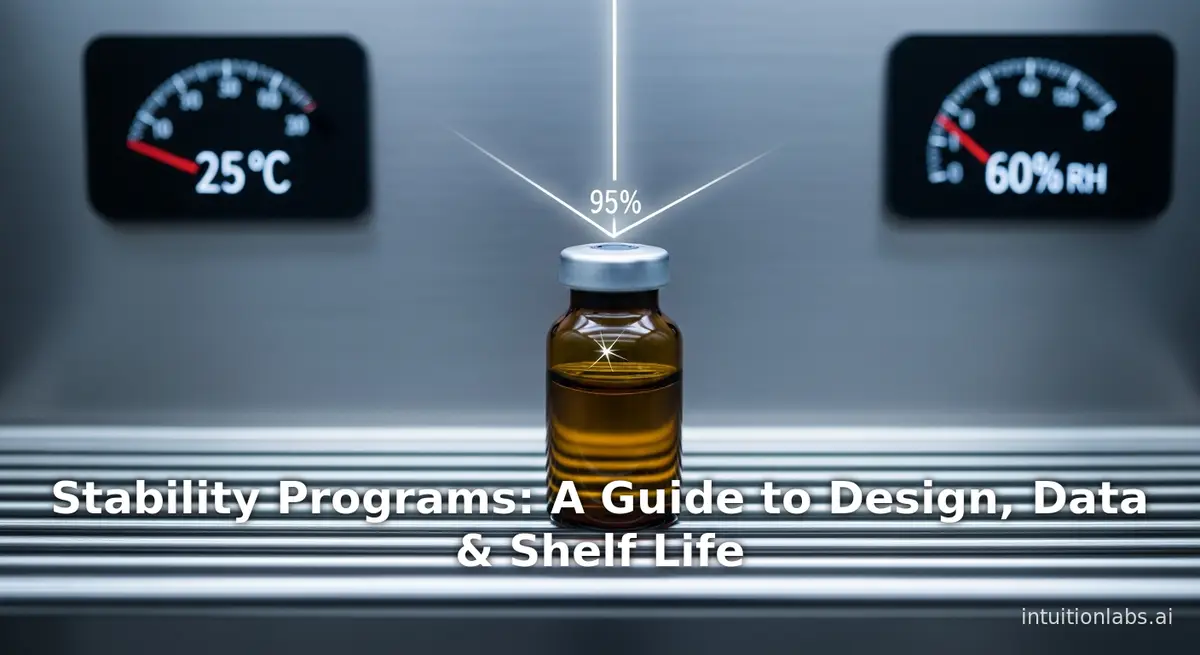
Learn the fundamentals of pharmaceutical stability programs. Covers study design, execution, and data trending per the new consolidated ICH Q1 (2024) and FDA guidelines.
Understand analytical method validation with this deep dive into ICH Q2(R2). Explore validation parameters, documentation, and the new QbD lifecycle approach wi
Lifecycle approach to biotech process validation: PPQ and CPV planning, execution, and monitoring under FDA, EMA Annex 1/15, ICH Q9(R1), Q12, and Q13 guidance.
An educational guide to generic drug patent challenges. Learn about the Hatch-Waxman Act, the ANDA pathway, Paragraph IV certifications, the FDA Orange Book, FTC delisting actions, and the 2024 Teva v. Amneal Federal Circuit ruling.

Learn how pharma companies compliantly fund physician education via unrestricted grants. Explore ACCME standards, the Sunshine Act, and firewalls for ethical CM
Learn how Process Analytical Technology (PAT) uses sensors like NIR & Raman for real-time reaction monitoring in pharmaceutical manufacturing to improve quality
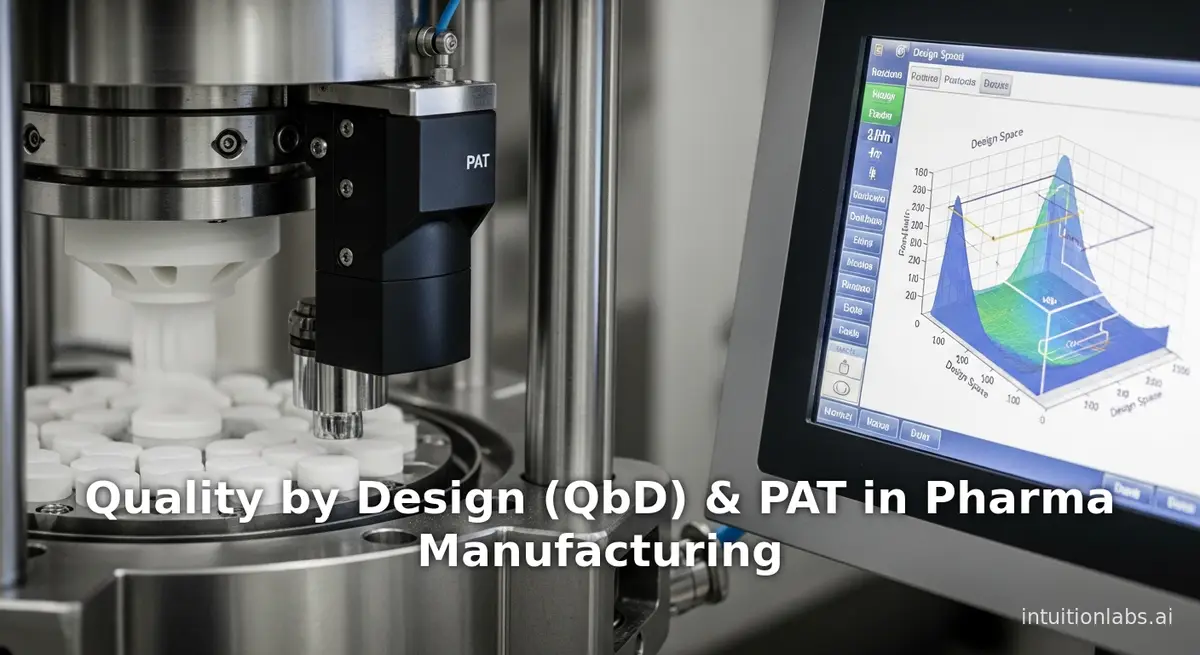
Learn how Quality by Design (QbD) and IT systems are shifting pharma from end-product testing to real-time quality assurance with PAT and data analytics.

Updated April 2026: Million-dollar gene therapy pricing analysis covering Casgevy, Lyfgenia, Lenmeldy, Elevidys (with 2025 safety update), the Roctavian and Beqvez market withdrawals, and CMS's 2025 Cell and Gene Therapy Access Model. Compares one-time cure costs to lifetime chronic care using value-based pricing, ICER QALY thresholds, and outcomes-based contracts.
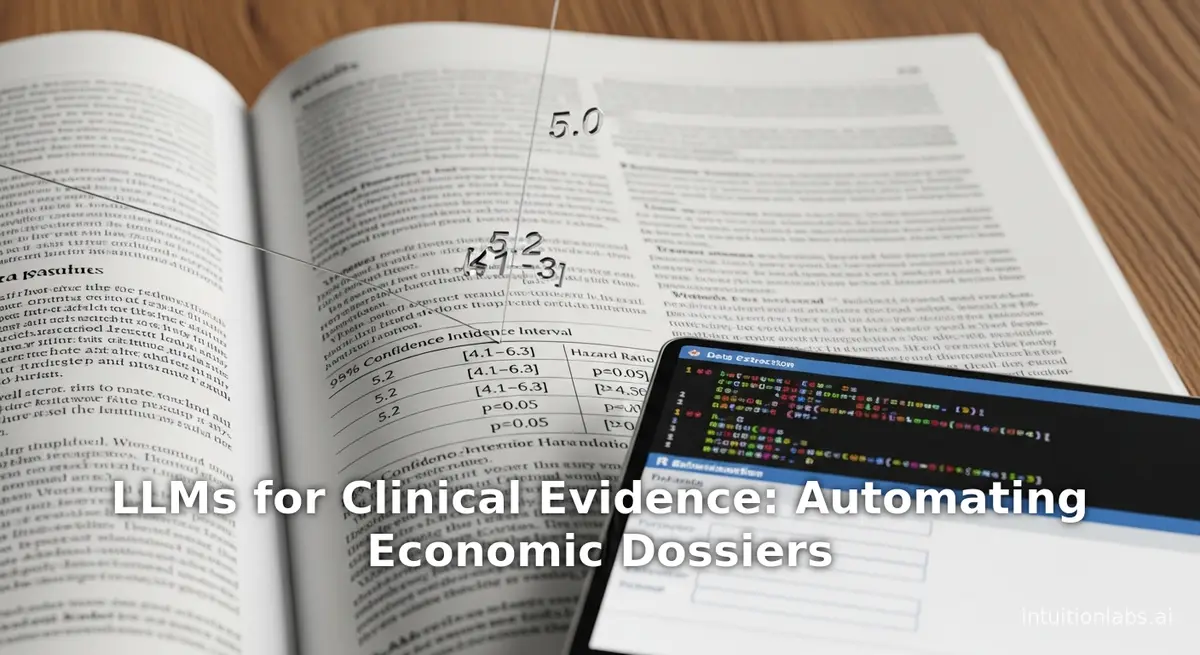
Analysis of how Large Language Models (LLMs) automate clinical evidence collection for HTA economic dossiers. Covers systematic reviews, data extraction, and ch

Learn how patient quality of life (QoL) data is quantified into Quality-Adjusted Life Years (QALYs) to perform cost-effectiveness analysis for specialty drugs.

How real-world data (RWD) and evidence (RWE) validate clinical trial assumptions in post-market economic models. Updated April 2026 with EU JCA, DARWIN EU, FDA finalized RWE guidance, ICH M14 and EHDS developments.
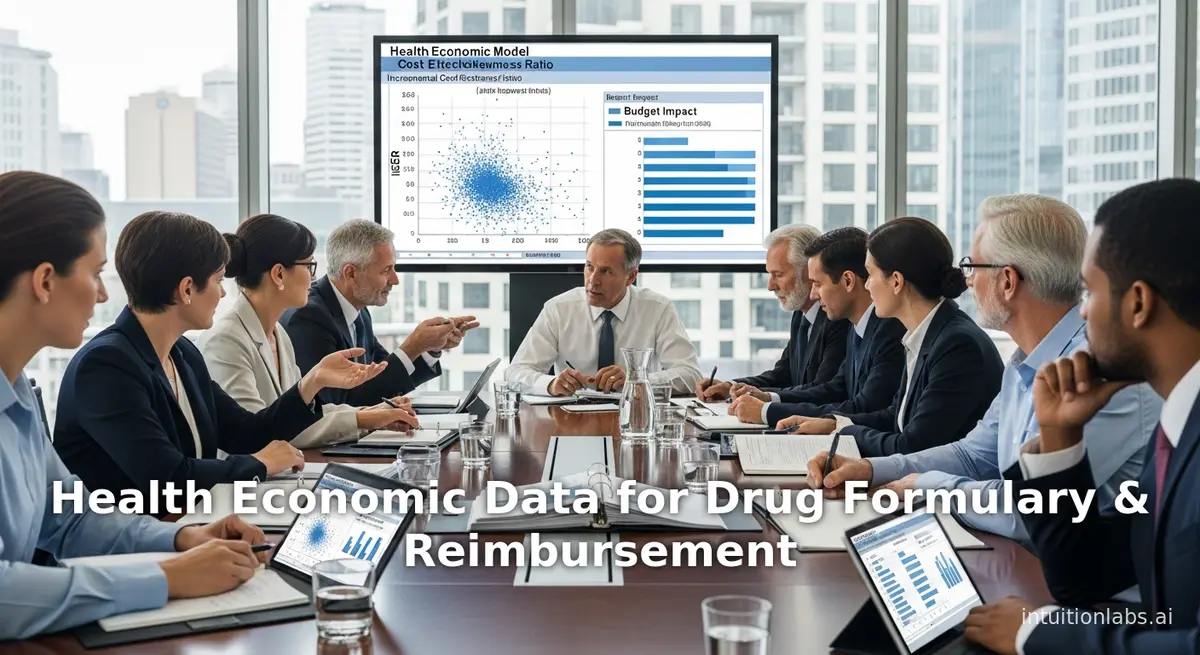
Learn how health economic data like cost-effectiveness analysis is used to secure drug formulary placement and reimbursement from payers and HTA bodies.
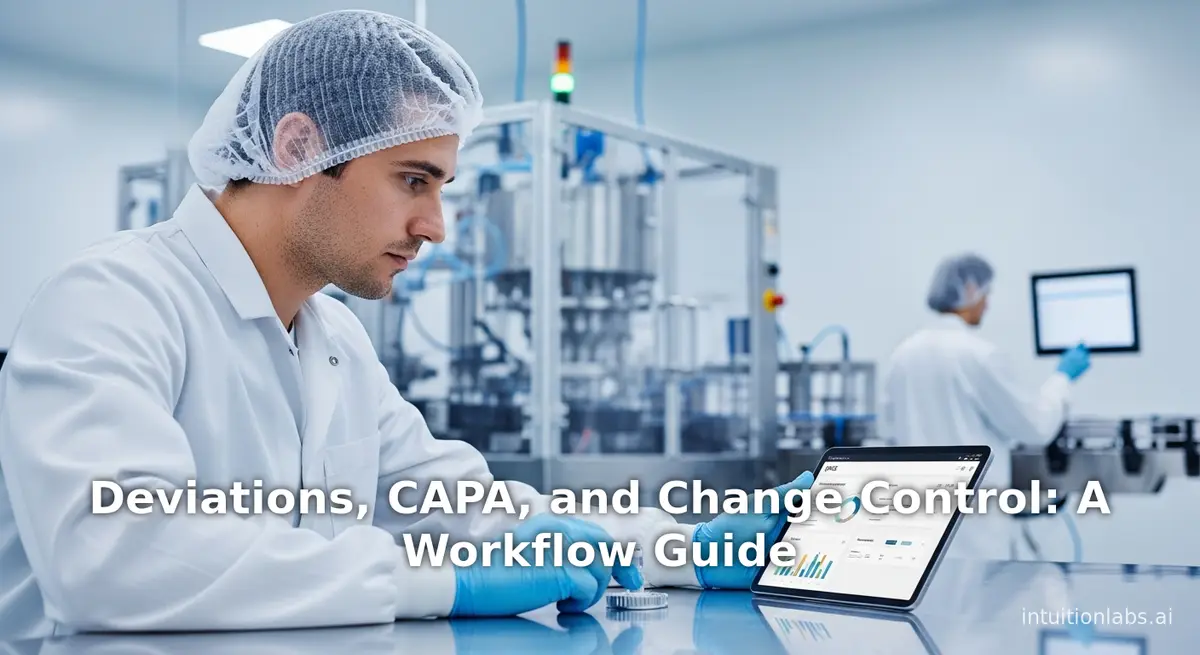
Learn the integrated workflow for manufacturing deviations, CAPA, and change control in GMP. This guide covers regulatory requirements and common inspection pit
© 2026 IntuitionLabs. All rights reserved.