

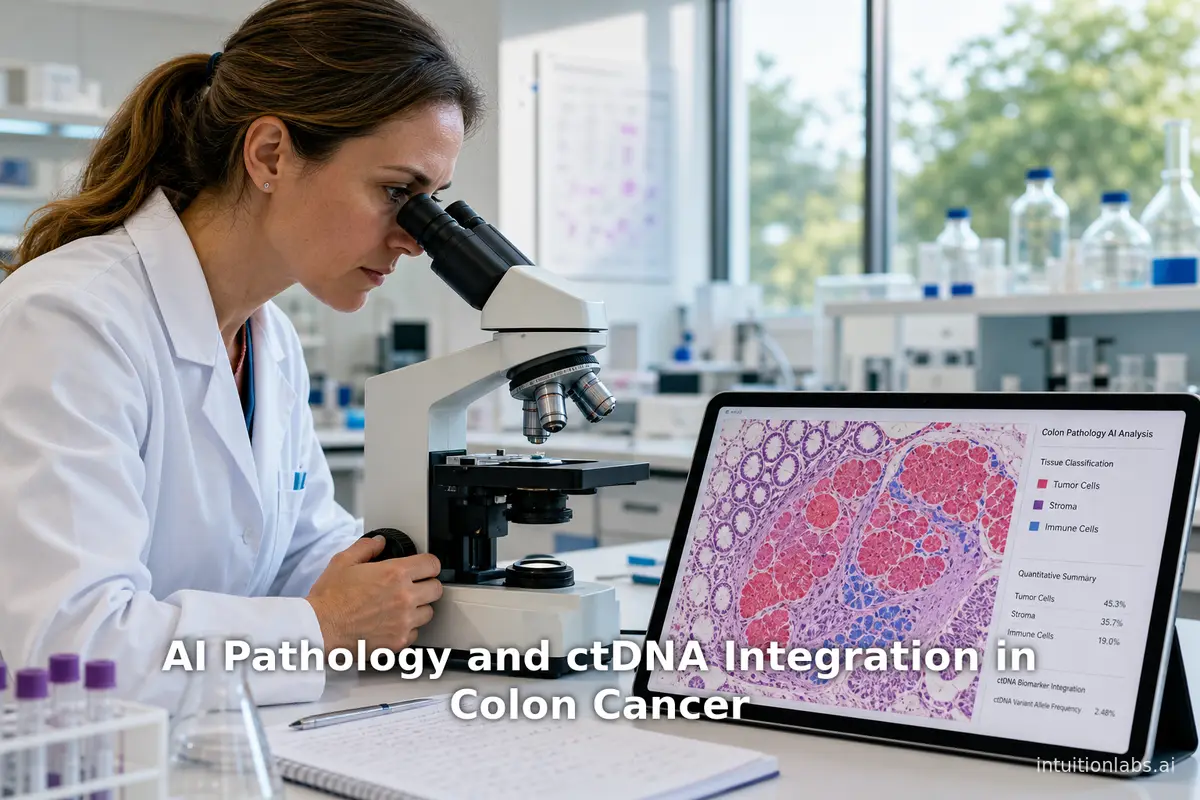
AI Pathology and ctDNA Integration in Colon Cancer
Learn how AI pathology and deep-learning TME quantification link to postoperative ctDNA status and clinical outcomes in stage III colon cancer patients.

IntuitionLabs is now a member of the Claude Partner Network – AI training and upskilling with Claude for pharma and biotech. Book a call.
Learn how AI pathology and deep-learning TME quantification link to postoperative ctDNA status and clinical outcomes in stage III colon cancer patients.
Analyze Google Science Skills and Gemini for Science. Understand how AlphaFold and AlphaGenome integrations impact pharma informatics and vendor evaluation.
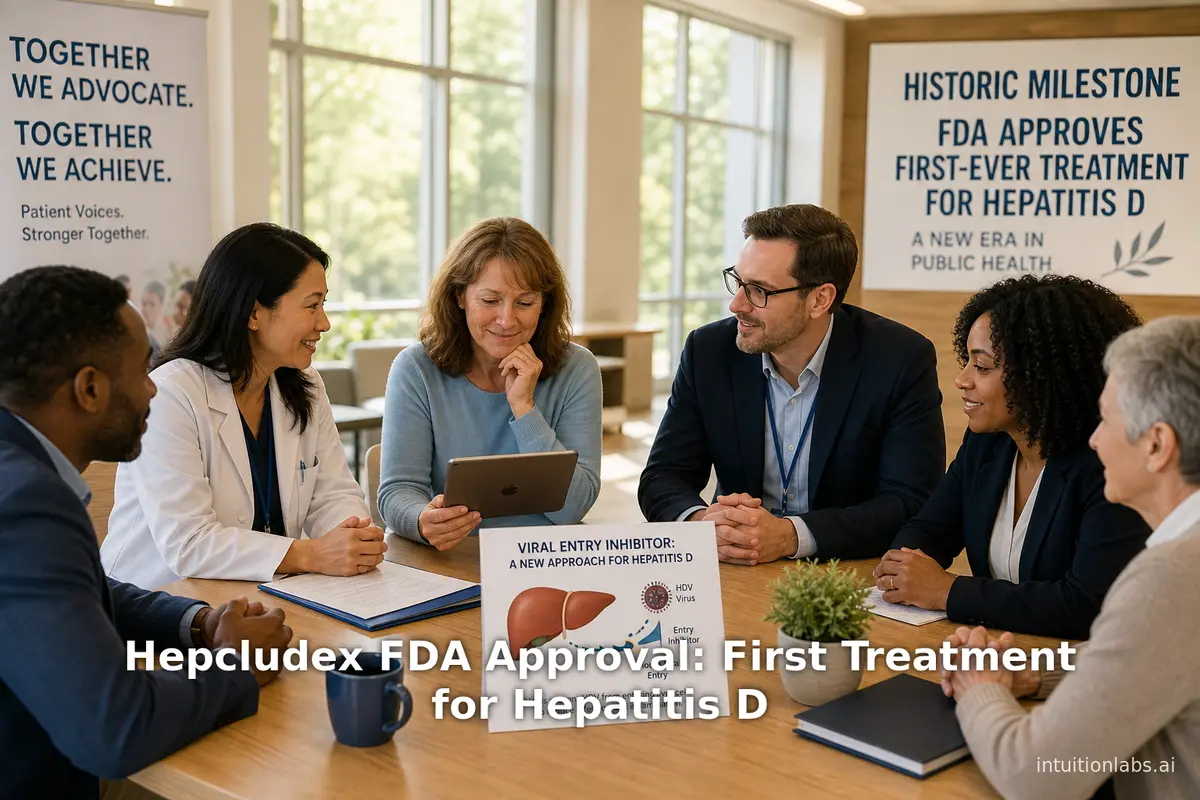
Review the FDA accelerated approval of Hepcludex (bulevirtide) for chronic hepatitis delta virus (HDV), including clinical trial data and public health impact.
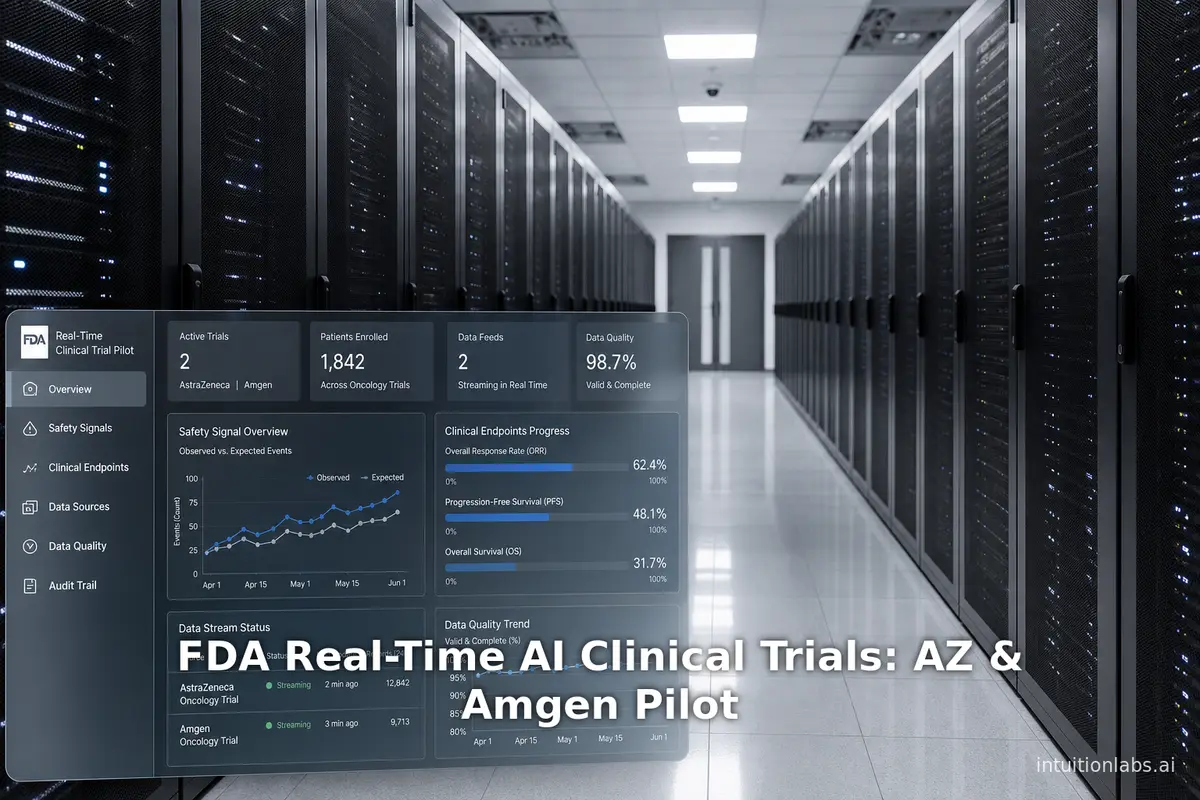
Analyze the FDA real-time AI clinical trial pilot with AstraZeneca and Amgen. Learn how cloud-based continuous monitoring impacts trial duration and workflows.
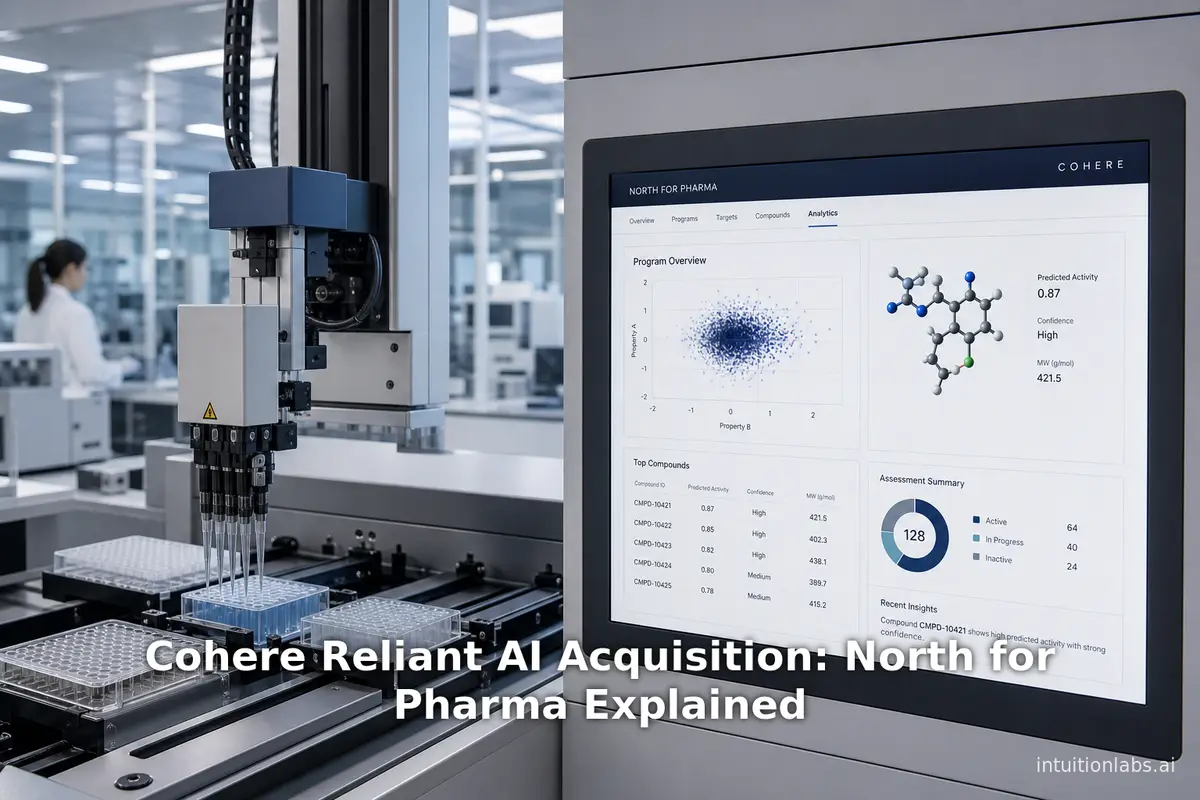
Analyze Cohere's acquisition of Reliant AI and the North for Pharma launch. Understand how agentic AI and biomedical research workbenches impact drug R&D.
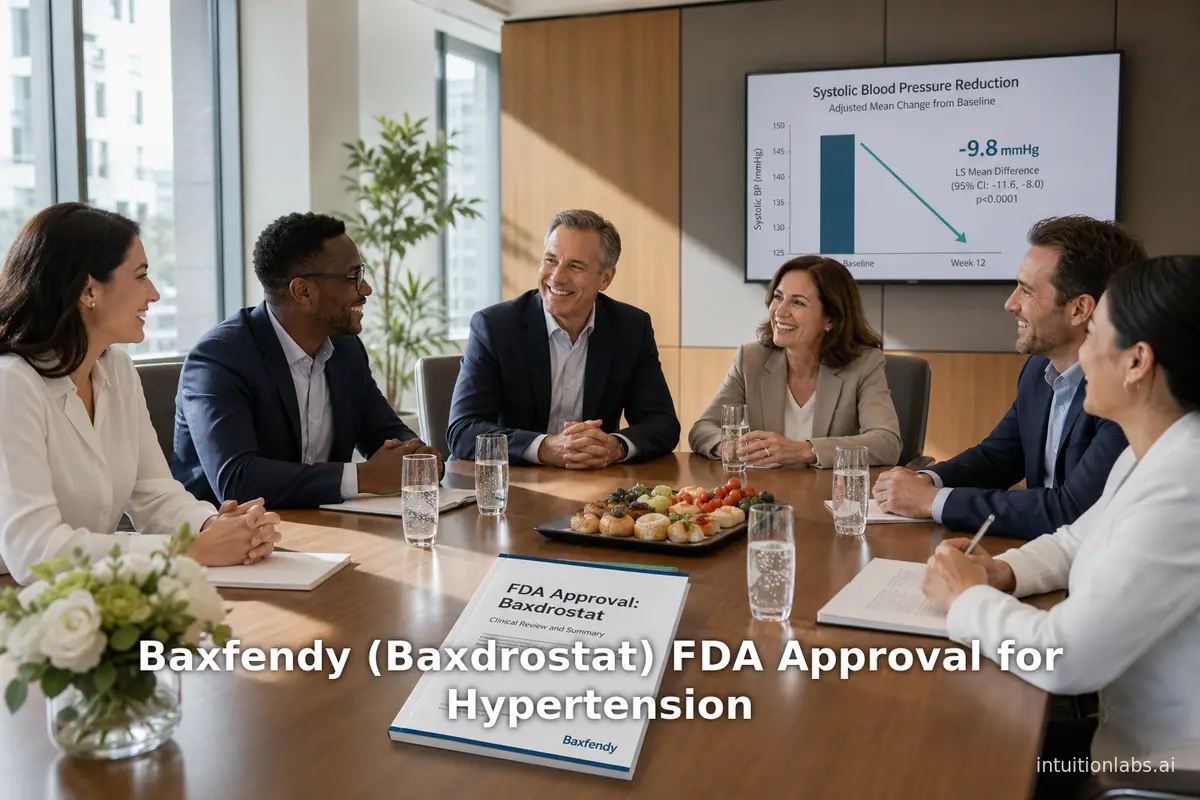
Review the May 2026 FDA approval of Baxfendy (baxdrostat), analyzing its mechanism as an aldosterone synthase inhibitor for uncontrolled hypertension.
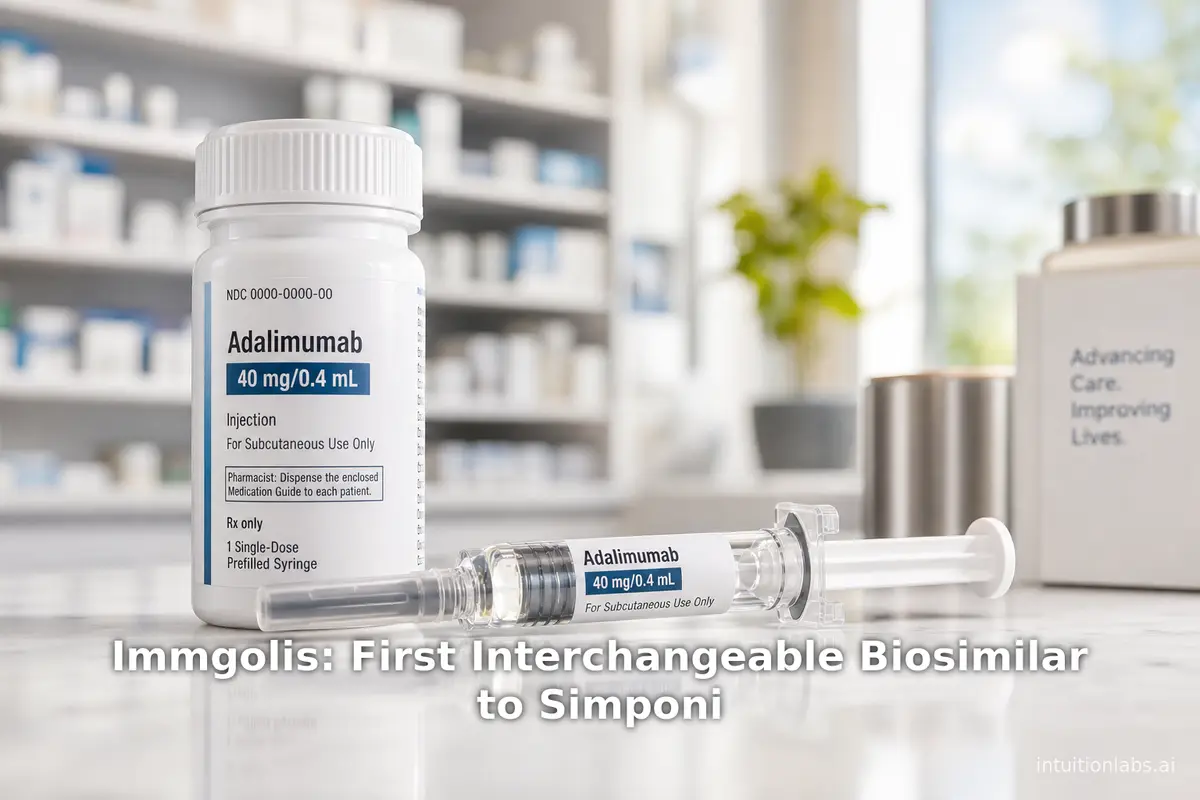
Analyze the FDA approval of Immgolis (golimumab-sldi), the first interchangeable Simponi biosimilar. Learn how auto-substitution impacts rheumatology care.
Explore the May 2026 FDA leadership shakeup, including Marty Makary's resignation. Learn how new acting directors impact drug approvals and FDA AI policy.
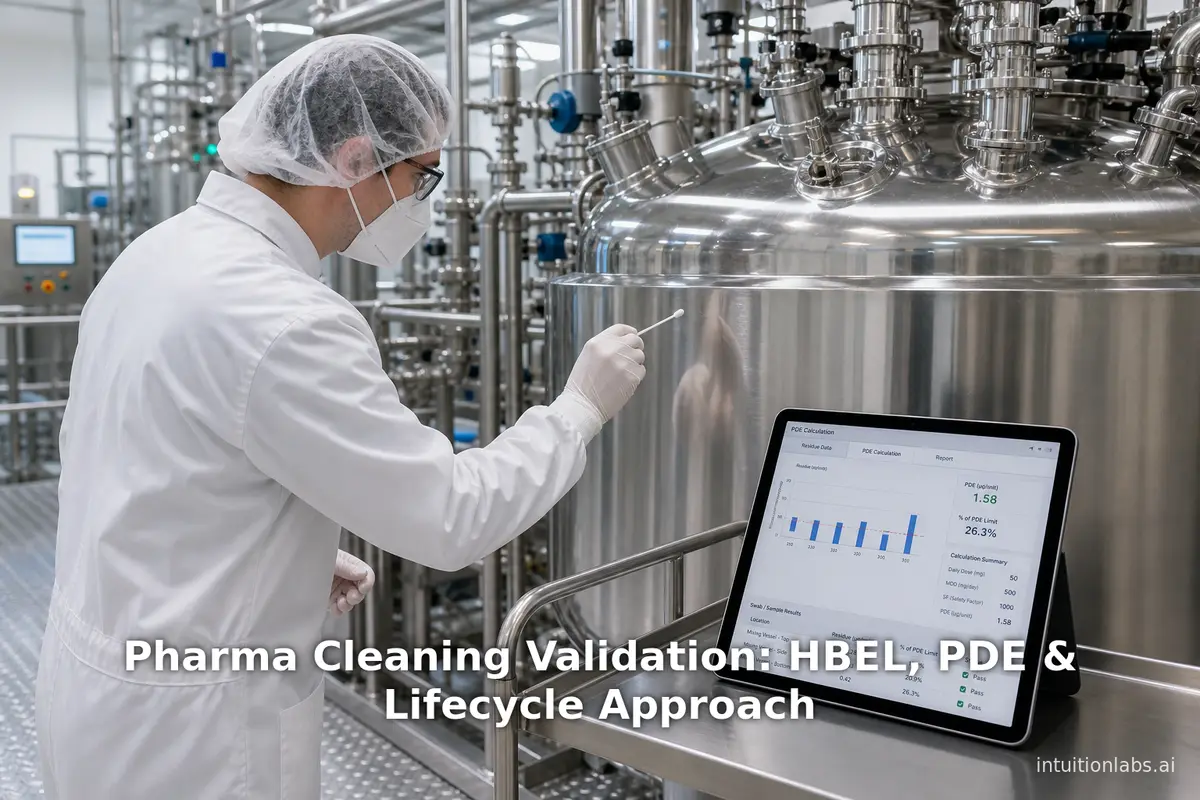
Learn pharmaceutical cleaning validation principles, including Health-Based Exposure Limits (HBEL/PDE), MACO calculations, and lifecycle validation software.
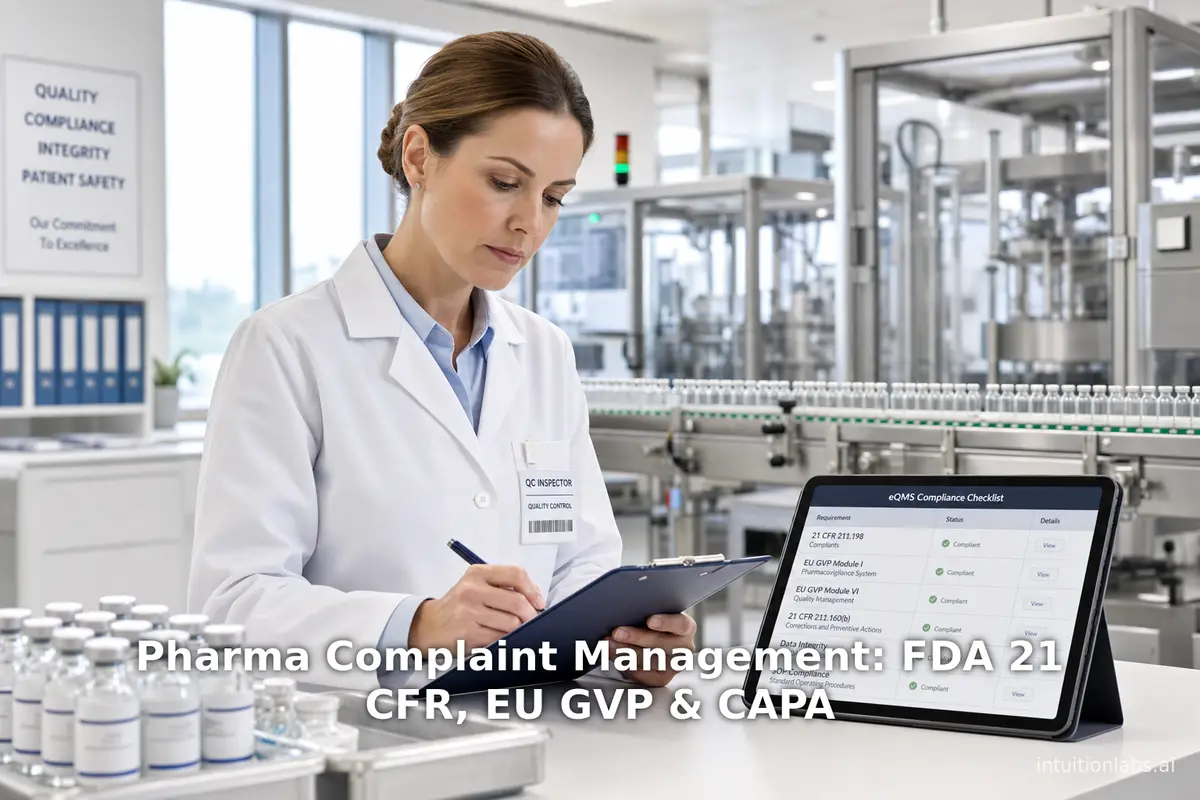
Review pharma product complaint management regulations, including FDA 21 CFR 211.198 and EU GVP. Analyze CAPA linkage, reporting requirements, and eQMS tools.
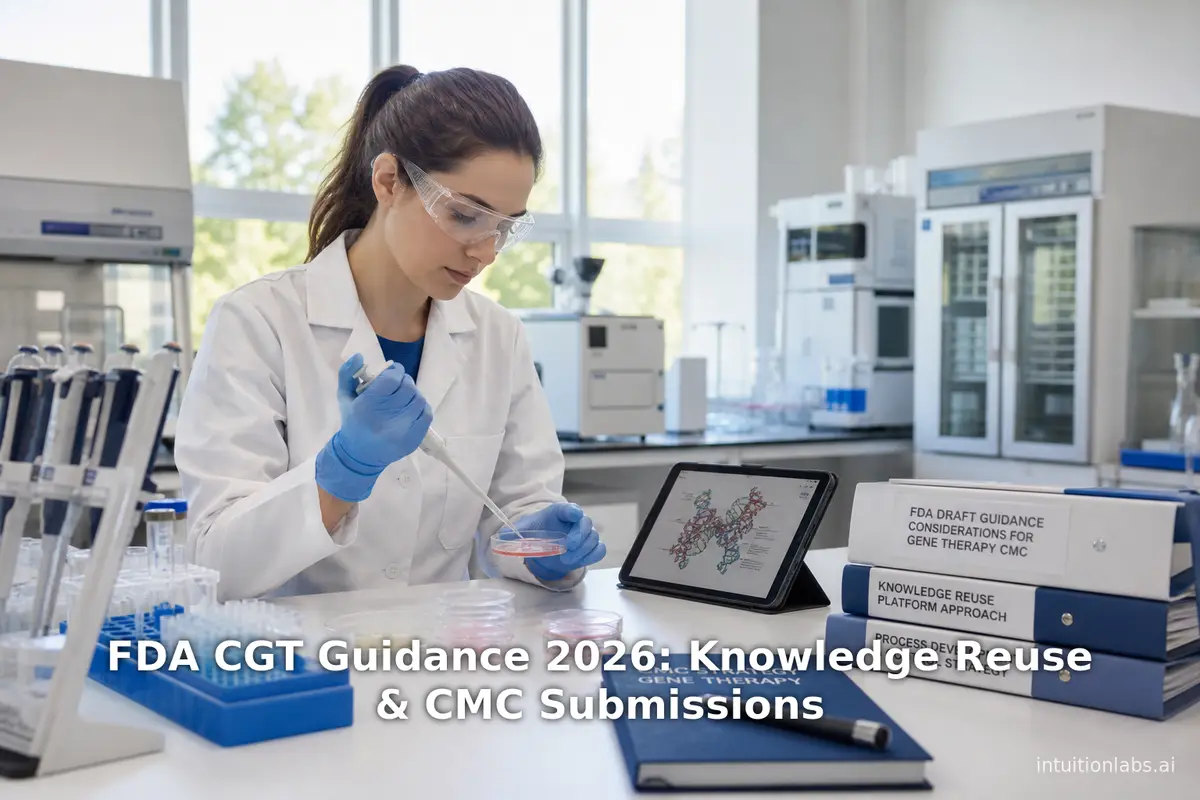
Analyze the June 2026 FDA draft guidance on cell and gene therapies. Understand how reusing platform knowledge streamlines CMC submissions and development.
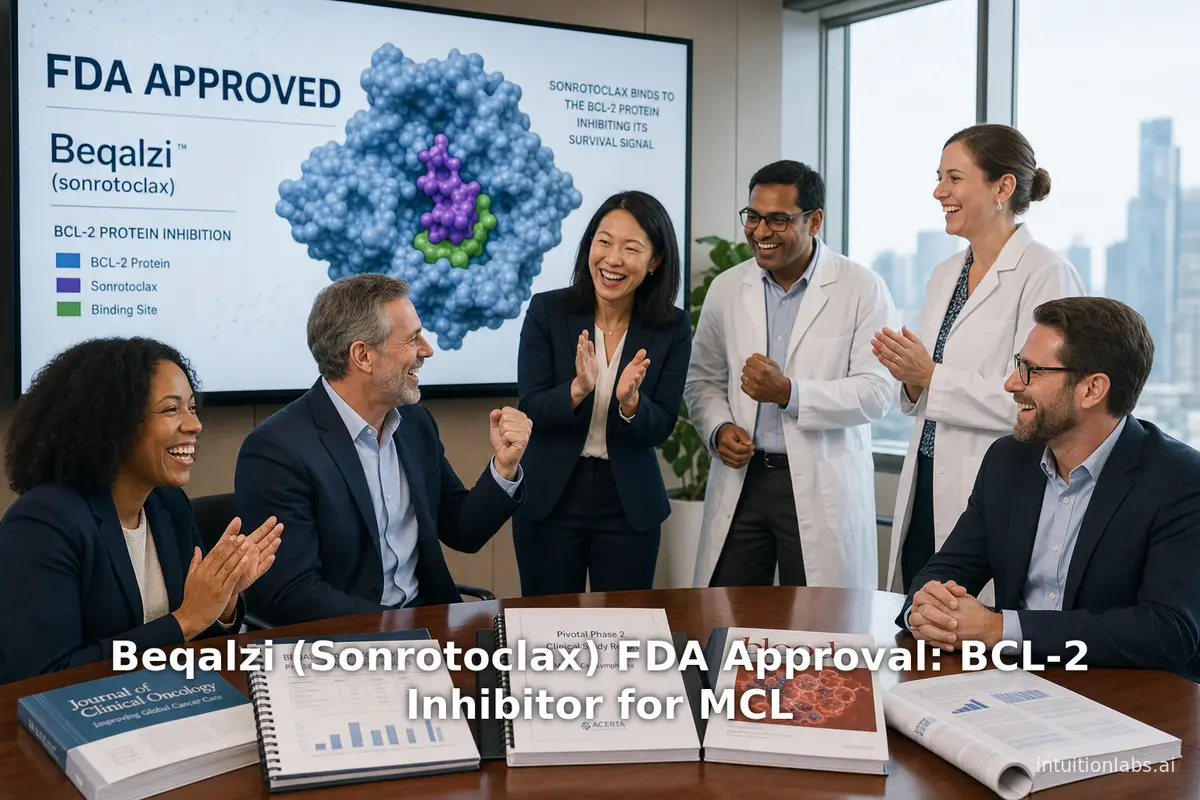
Examine the FDA accelerated approval of Beqalzi (sonrotoclax), the first BCL-2 inhibitor for relapsed mantle cell lymphoma, including efficacy and safety data.
Learn about the mechanics of in vivo CAR therapies using mRNA-LNP technology and explore the growing landscape of AI-driven drug discovery in biotechnology.
Review the FDA approval of tradipitant for motion sickness. Explore the pharmacology of this NK-1 receptor antagonist and its 505(b)(2) regulatory pathway.
Review Kanvas Biosciences' AI live biotherapeutics for refractory oncology. Explore how spatial microbiome mapping and KAN-001 impact cancer immunotherapy.

An in-depth analysis of Isomorphic Labs' $2.1B Series B funding. Examine the IsoDDE AI drug design engine, AlphaFold's role, and biotech industry impacts.
Learn how AI predictive tools and animal-free testing methods (NAMs) are advancing drug discovery. Read this technical review of AAPS NBC 2026 innovations.
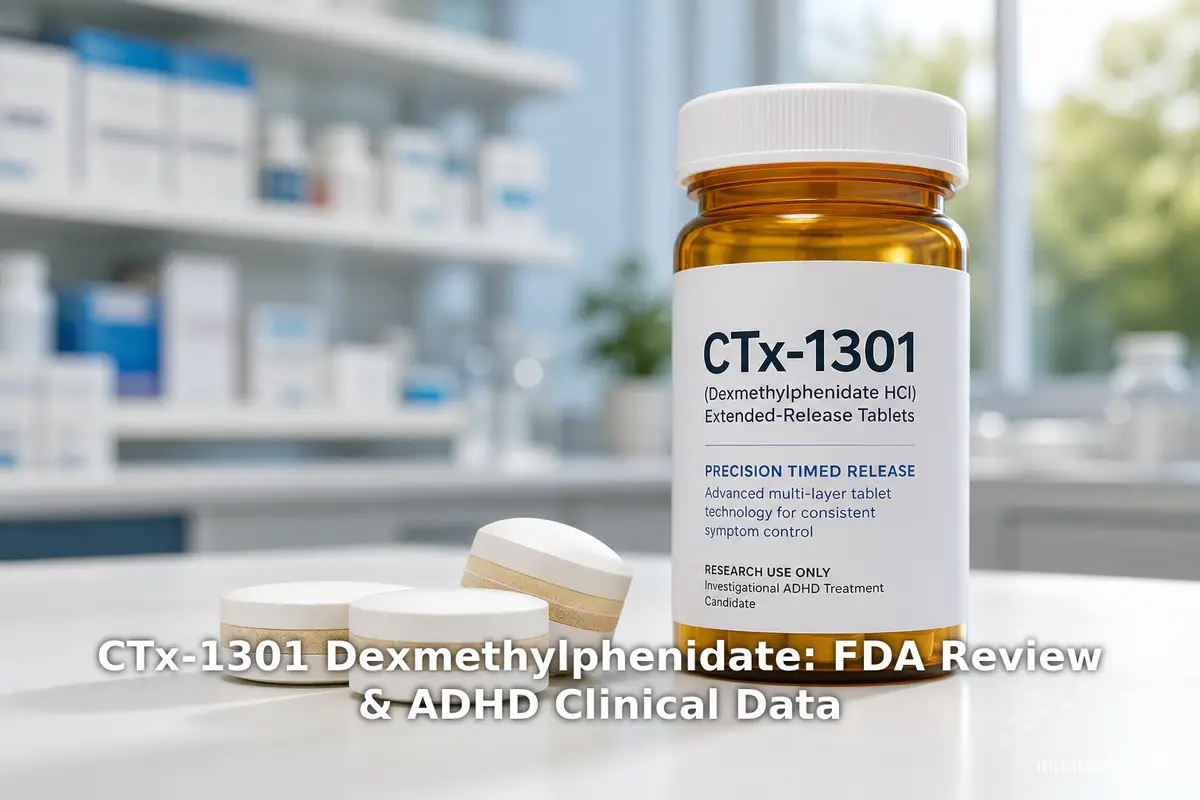
Explore the clinical data and 505(b)(2) FDA regulatory pathway for CTx-1301 (dexmethylphenidate), a novel once-daily stimulant candidate for ADHD treatment.
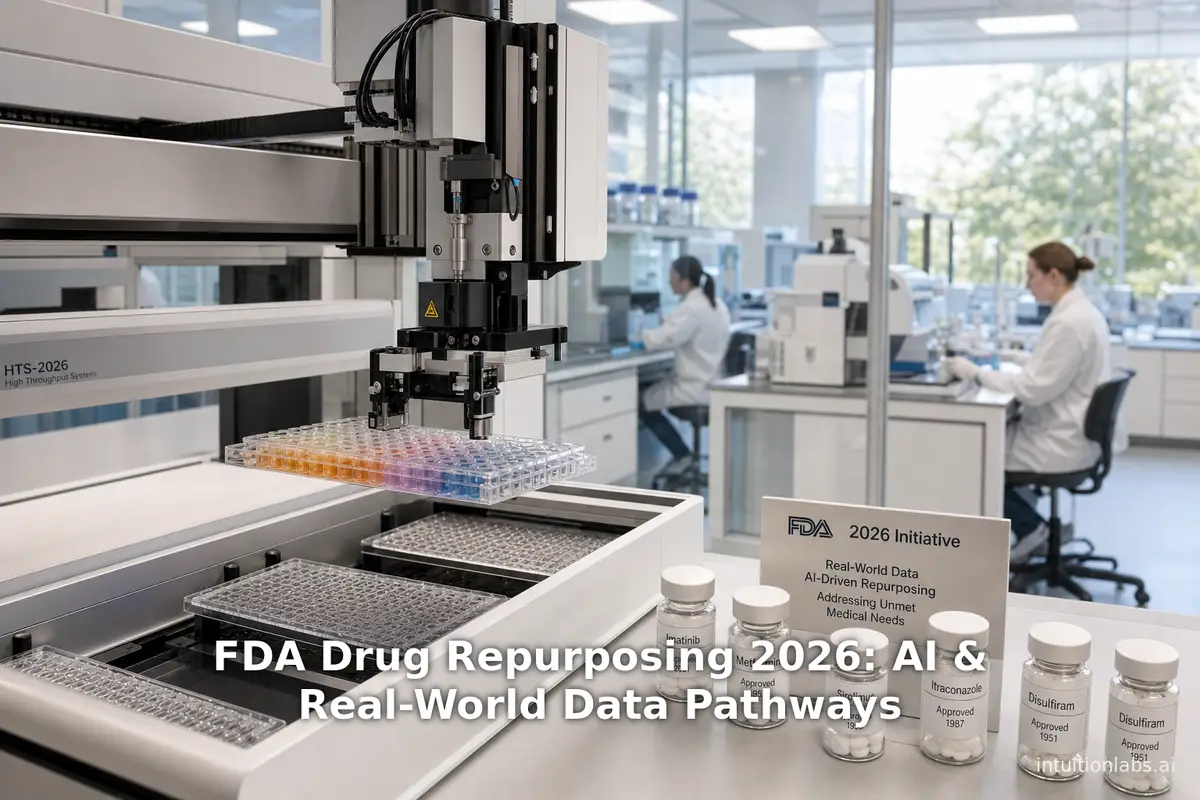
Analyze the May 2026 FDA drug repurposing initiative. Learn how AI indication discovery and real-world evidence shape regulatory pathways like 505(b)(2).
Analyze the FDA's three-month PDUFA delay for subcutaneous Sarclisa. Examine its on-body injector technology, clinical data, and anti-CD38 competitors.
Analyze Takeda's 2026 restructuring plan, including 634 US job cuts and $1.26B in savings. Learn how the patent cliff is driving a pharma operating-model reset.
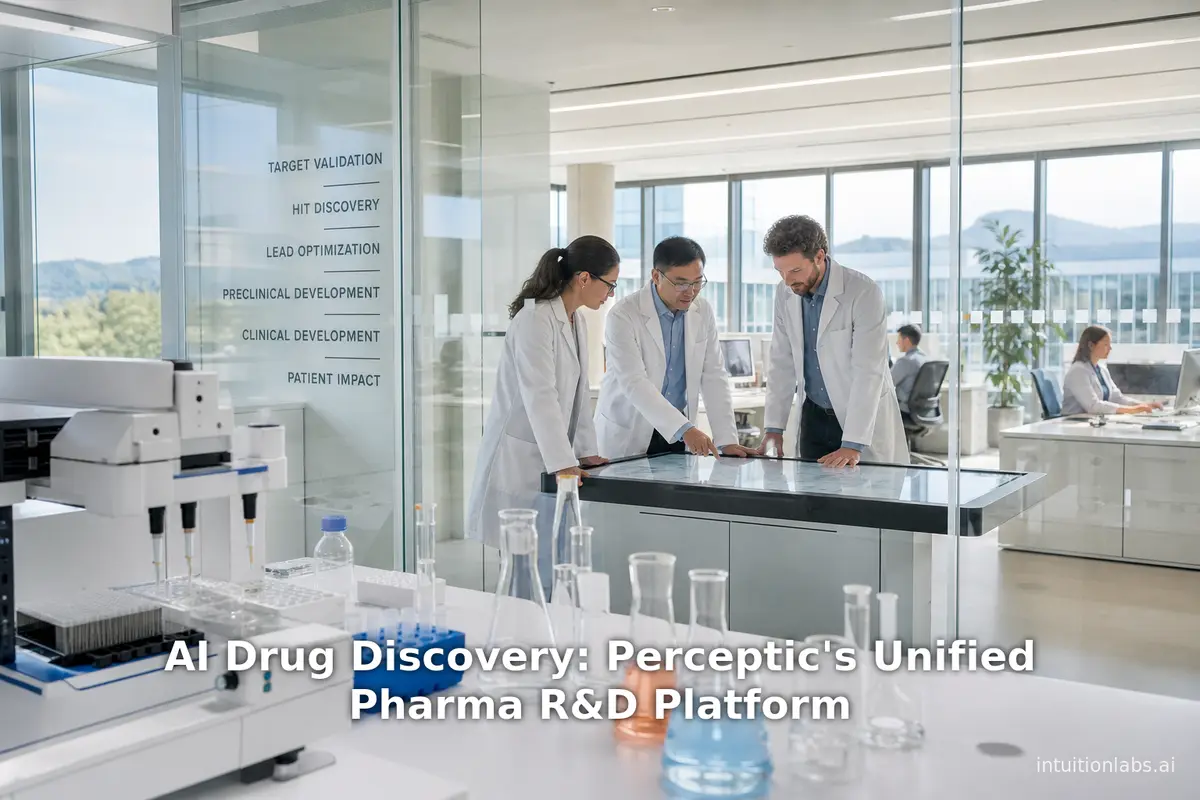
Analyze the role of Perceptic's AI operating system in pharmaceutical R&D. Learn how unifying end-to-end data pipelines impacts drug discovery processes.

Examine the FDA's August 2026 PDUFA extension for Leqembi IQLIK. Understand the subcutaneous lecanemab clinical data, treatment costs, and infusion capacity.
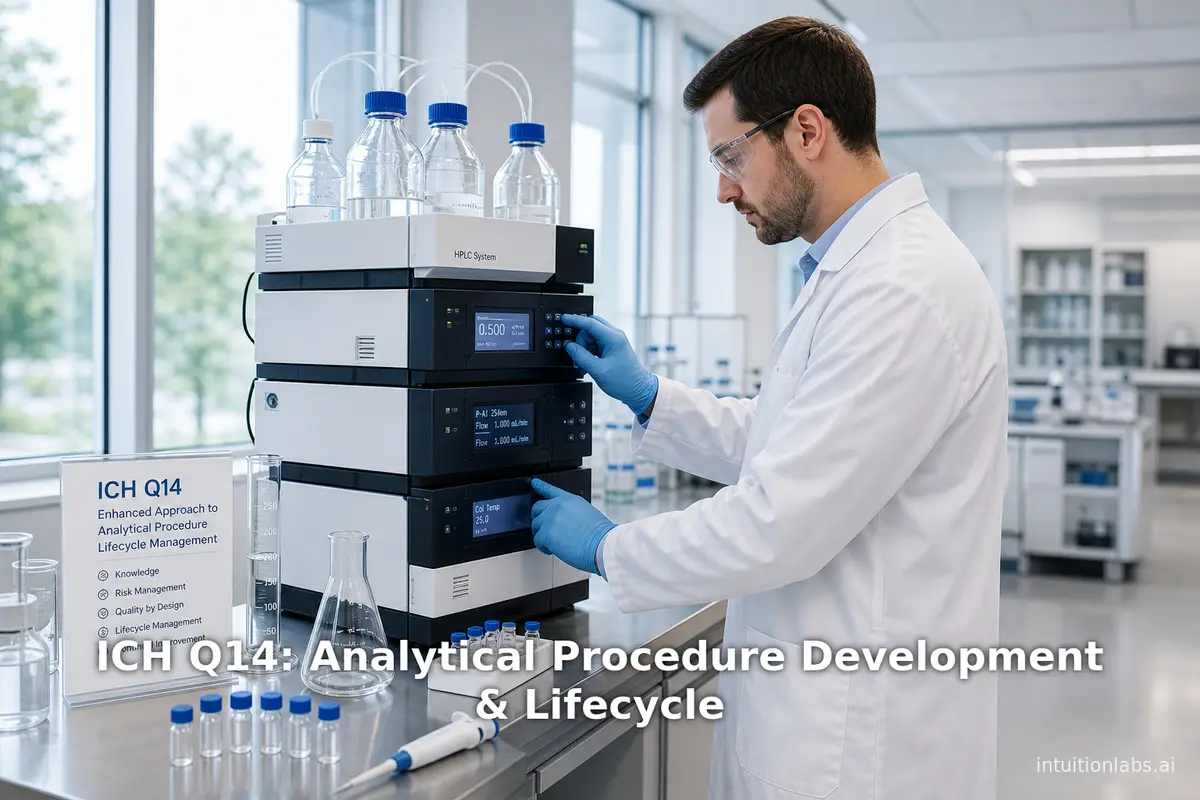
A comprehensive guide to the ICH Q14 analytical procedure development guideline. Review the enhanced QbD approach, lifecycle management, and ATP integration.
© 2026 IntuitionLabs. All rights reserved.