

Validating AI in GxP: GAMP 5 & Risk-Based Guide
Learn AI/ML validation in GxP using GAMP 5 2nd Ed. and FDA CSA. Explains risk-based lifecycles, data integrity, and compliance for adaptive models.

IntuitionLabs is now a member of the Claude Partner Network – AI training and upskilling with Claude for pharma and biotech. Book a call.
Learn AI/ML validation in GxP using GAMP 5 2nd Ed. and FDA CSA. Explains risk-based lifecycles, data integrity, and compliance for adaptive models.
Learn how meta prompting enables LLMs to generate structural scaffolds. Explore recursive techniques, category theory foundations, and efficiency benchmarks.

Explore the Veeva Vault platform for life sciences. Learn about its cloud architecture, GxP compliance features, and applications like Quality, eTMF, and RIM.
Explore the IEC 62304 standard for medical device software. Learn about safety classifications, lifecycle processes, and compliance for FDA and EU MDR.
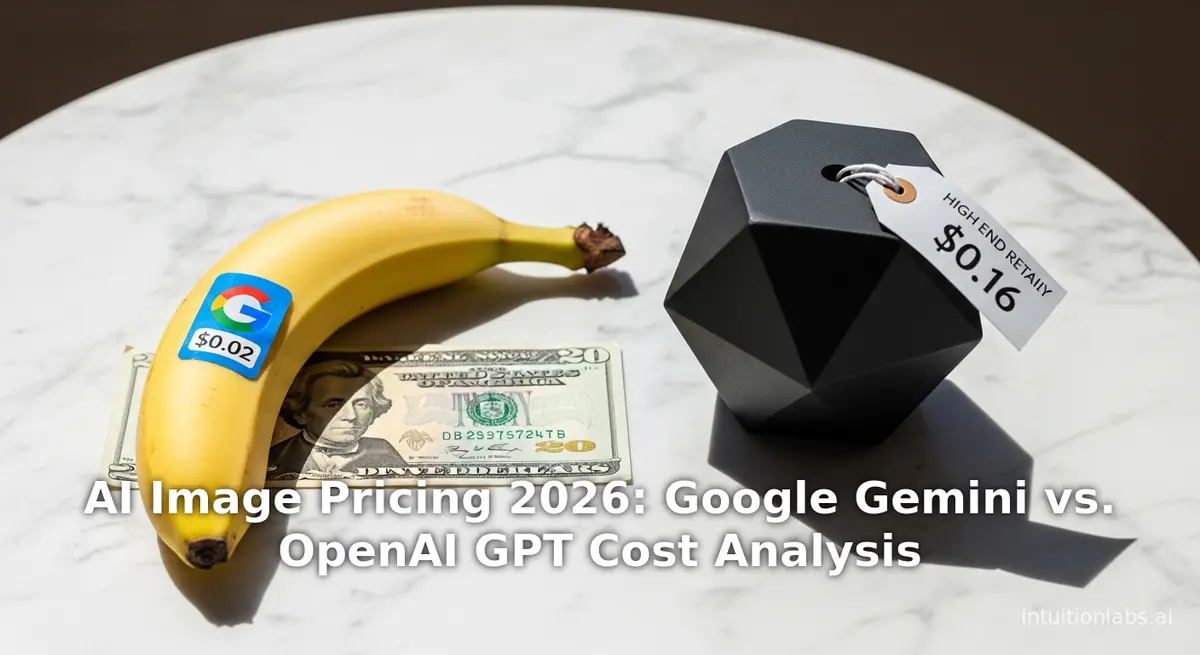
A 2026 analysis of AI image generation pricing. Compare Google's Gemini & Imagen costs with OpenAI's GPT Image & DALL-E via API and subscription plans.

Explore the state of AI agents for B2B productivity. This 2026 analysis covers agentic AI, enterprise adoption, economic impact, and Anthropic's solutions.
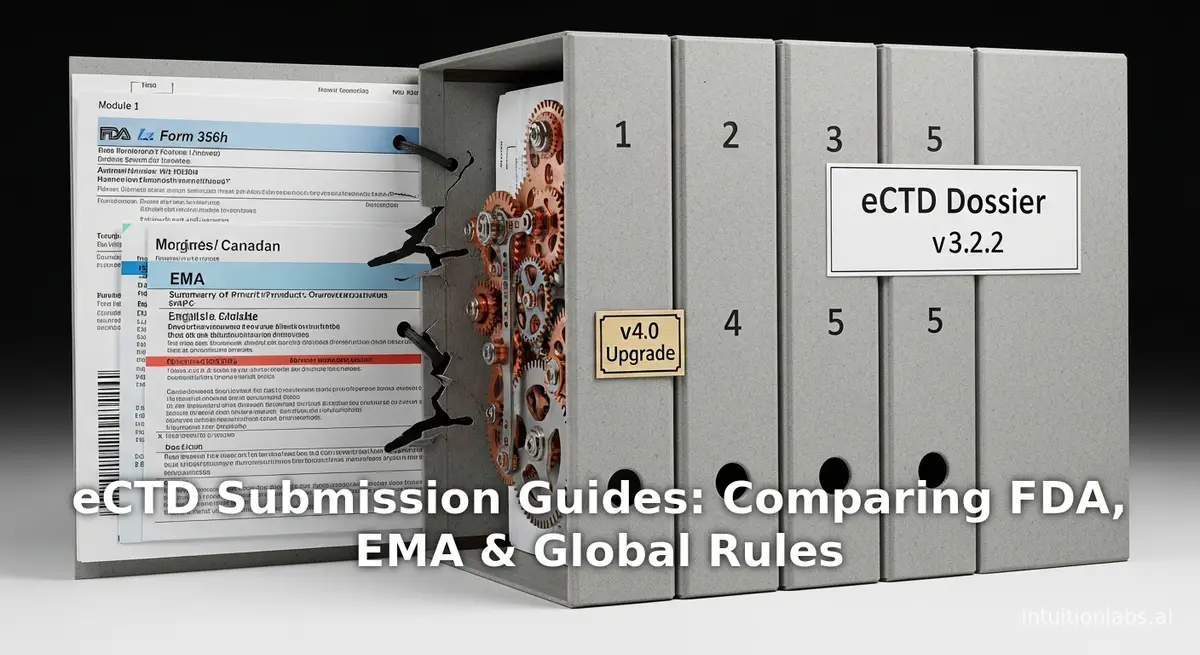
Learn the key differences in regional eCTD submission guides from the FDA, EMA, & Health Canada. This guide covers Module 1 variations and the shift to eCTD v4.
A guide for emerging biotech on budgeting for Regulatory Information Management (RIM) and eCTD submissions. Covers cost structures, vendor solutions, and compli
An in-depth analysis of eCTD viewer tools for CROs. Explore essential software features, market trends, and preparing for eCTD v4.0 regulatory submissions.
Learn eCTD publishing best practices for compliant regulatory submissions. This guide covers technical standards, validation, and requirements from FDA, EMA, and other agencies.
Explore eCTD lifecycle management, the core process for updating regulatory dossiers. Learn about ICH standards, submission sequences, and the shift to eCTD v4.
Learn about the ICH M8 eCTD v4.0 submission specification. This guide covers its technical basis in HL7 RPS, file requirements, and global adoption timelines.
Learn eCTD sequence management for regulatory submissions: sequence numbering, lifecycle operations (new, replace, delete, append), FDA and EU rules, and eCTD v4.0 timelines.
Explore the complex pricing of eCTD publishing software. Our analysis covers vendor costs, subscription models, and key factors for regulatory submission planning.
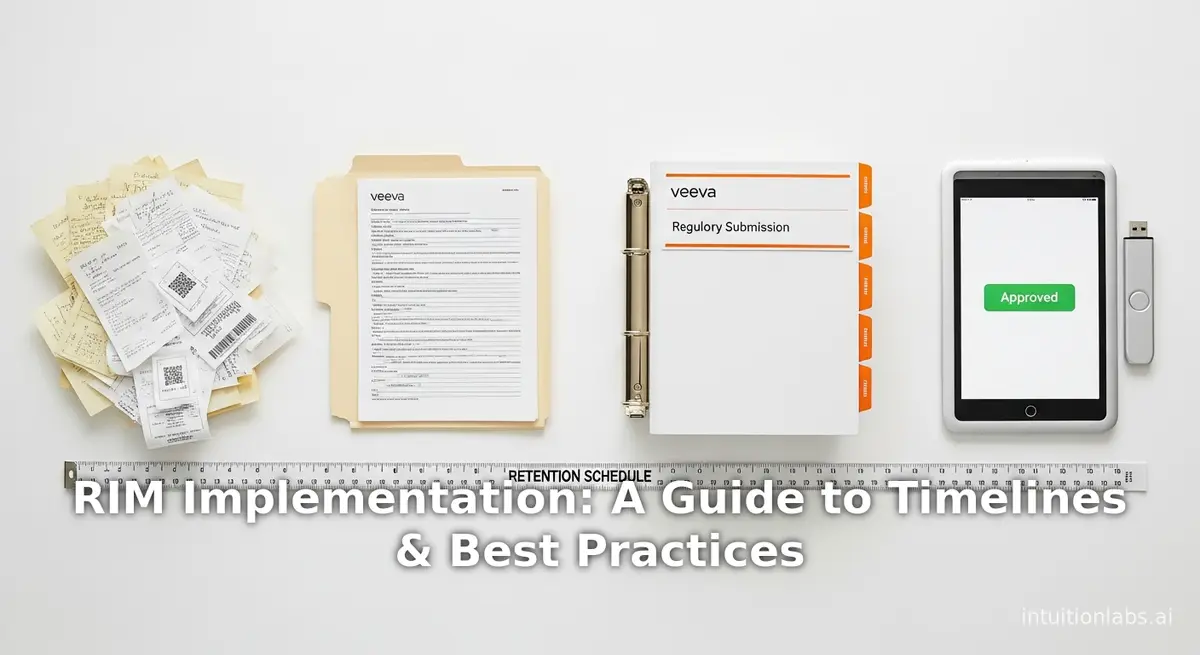
A comprehensive guide to Records and Information Management (RIM) implementation. Explore typical timelines, key phases, and best practices for regulatory compl
Explore cloud-based regulatory submission tools for pharma. This guide covers eCTD software, RIM systems, compliance (21 CFR Part 11), benefits, and challenges.
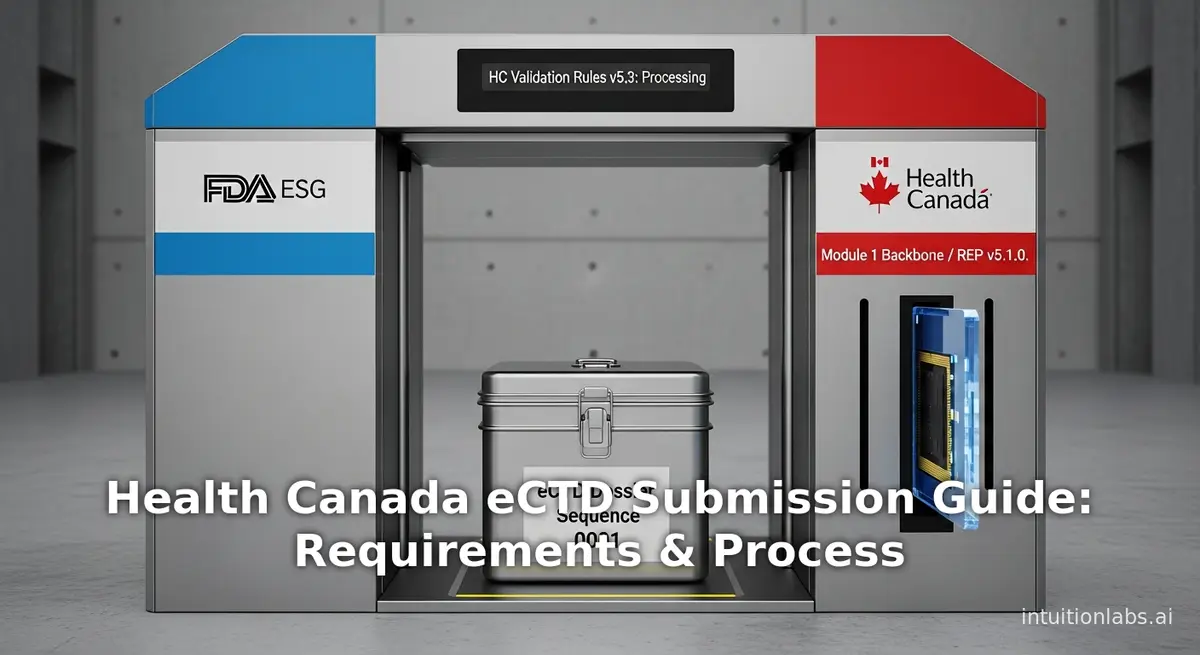
How to prepare a Health Canada eCTD submission: mandatory requirements, CESG transmission, Module 1 placement, validation rules and the REP process.
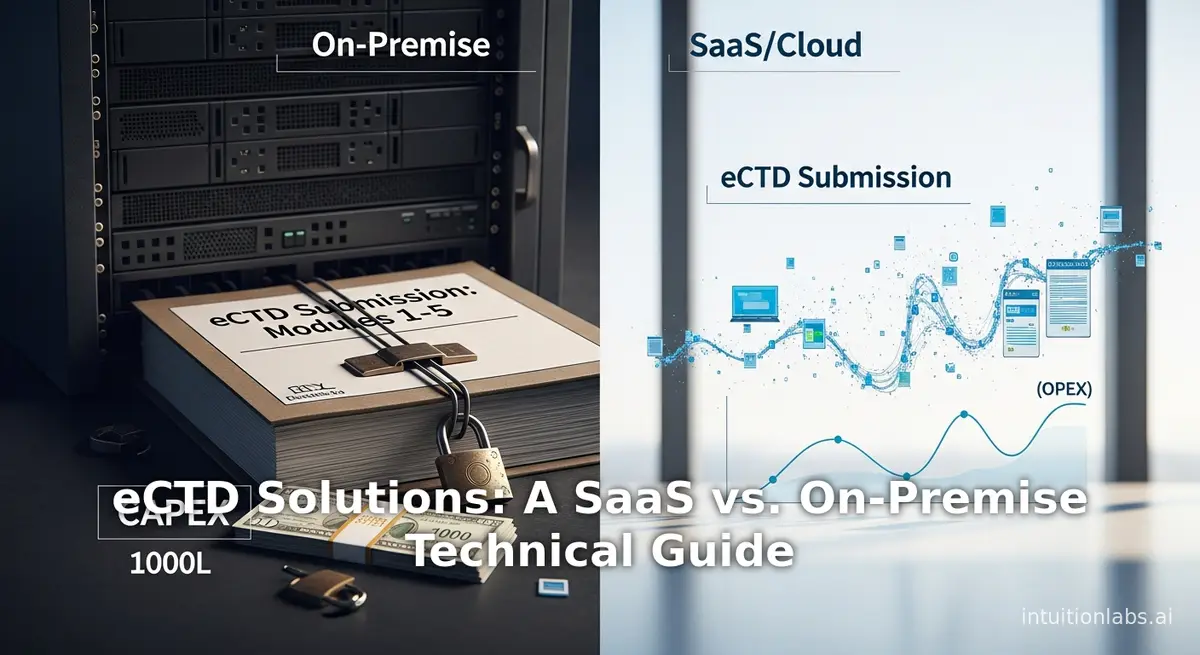
Compare SaaS vs. on-premise eCTD solutions for pharma. This guide analyzes TCO, scalability, GxP compliance (21 CFR Part 11), and security for both models.
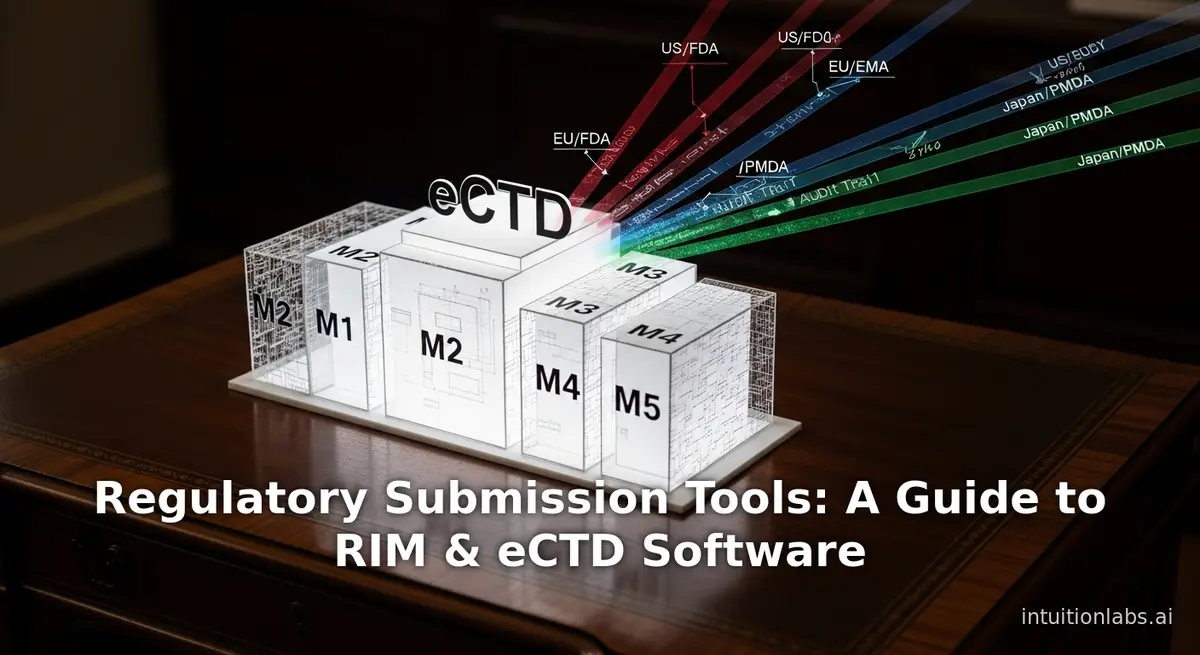
An overview of regulatory submission software for the life sciences. Learn how RIM systems & eCTD publishing tools streamline compliant filings to the FDA & EMA
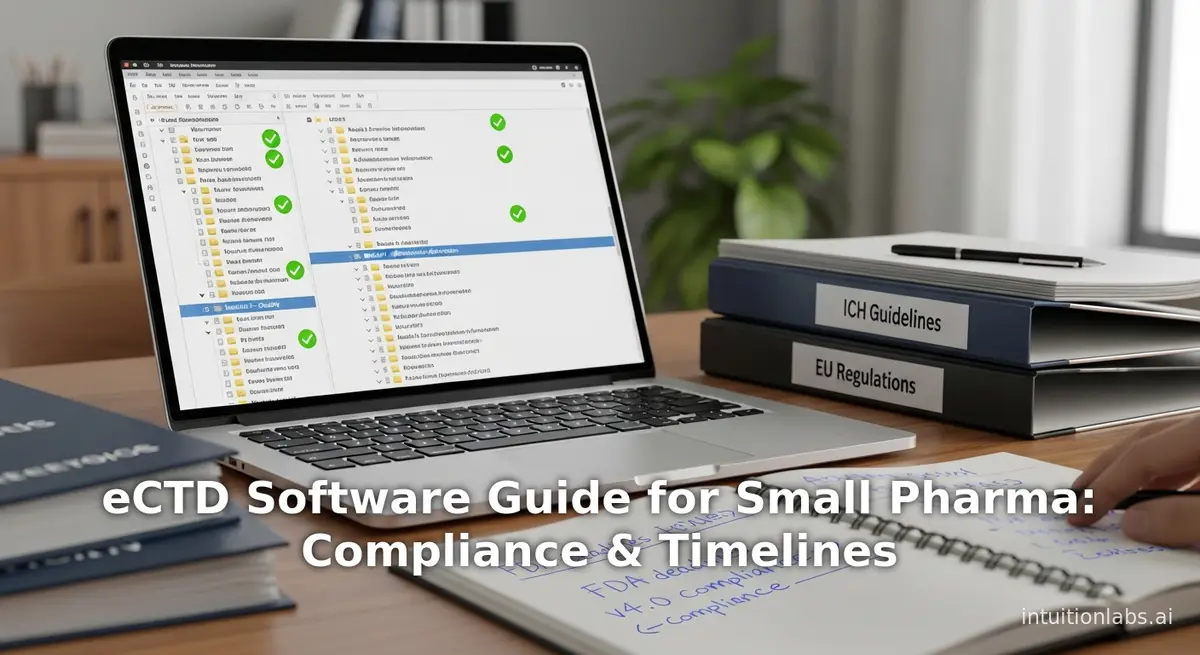
Learn how to choose eCTD software for small pharma. This guide covers regulatory compliance, global submission timelines for FDA & EMA, and eCTD v4.0 updates.
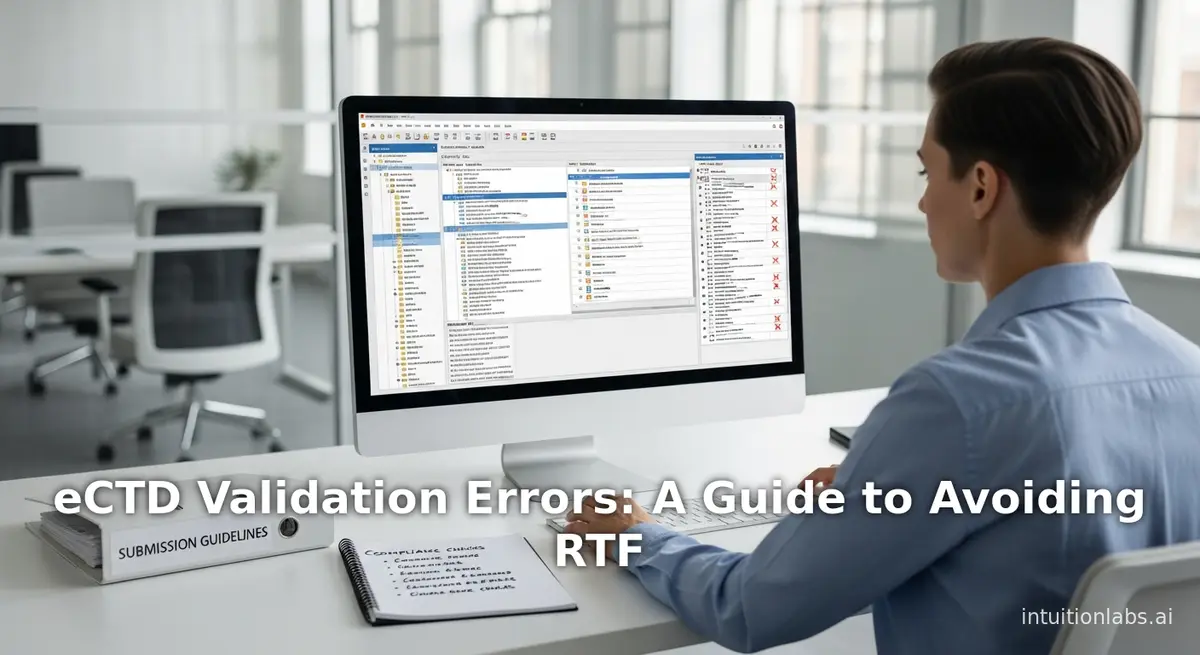
Learn the most common eCTD validation errors that lead to technical rejection, where FDA treats a submission as not received. Covers structural, XML, and PDF issues.
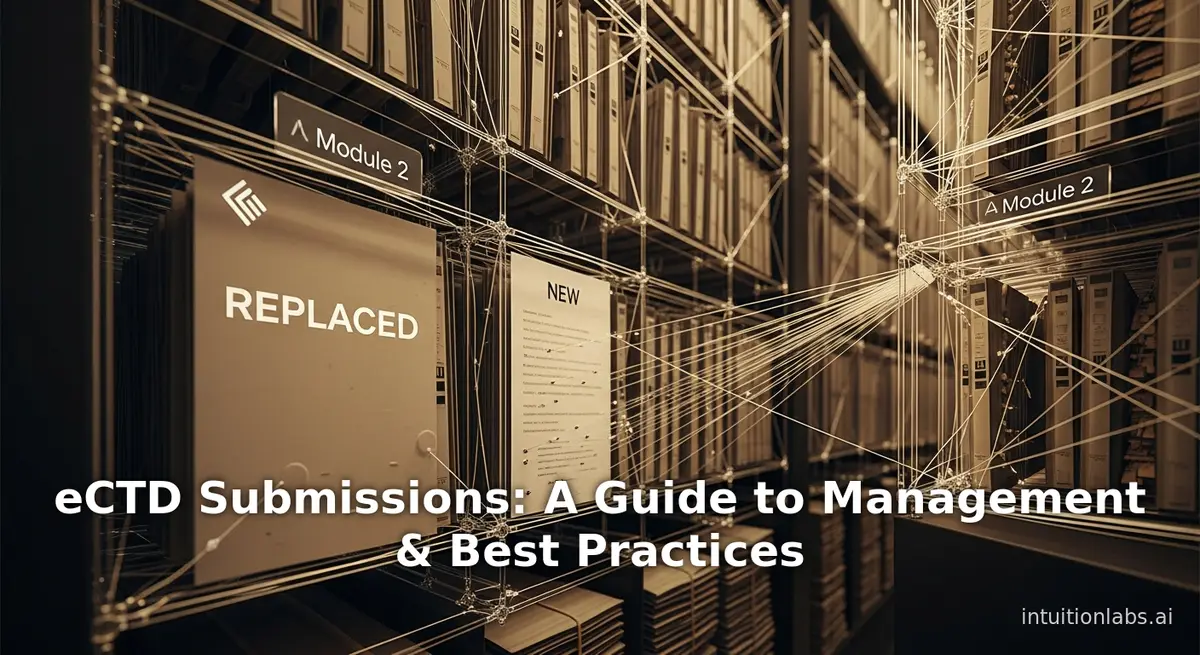
Learn best practices for managing eCTD submissions: eCTD structure, publishing tools, QC processes, eCTD v4.0 timelines and how to avoid common technical errors.
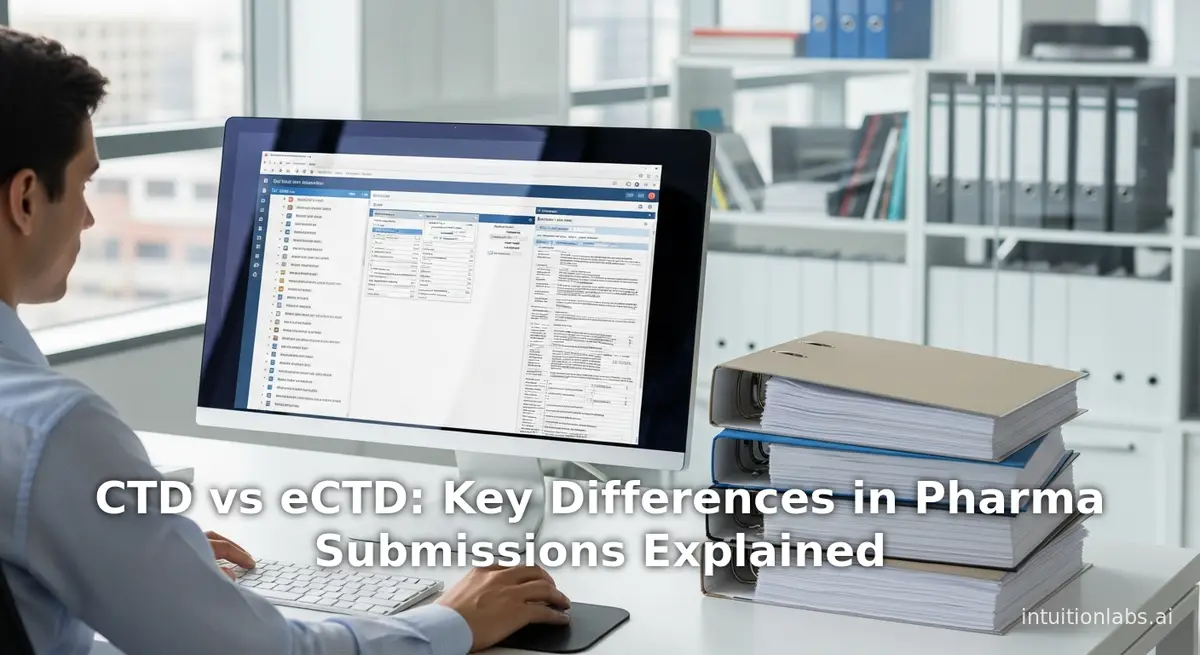
Learn the key differences between the Common Technical Document (CTD) and electronic CTD (eCTD). This guide covers the evolution from paper to the XML-based eCT
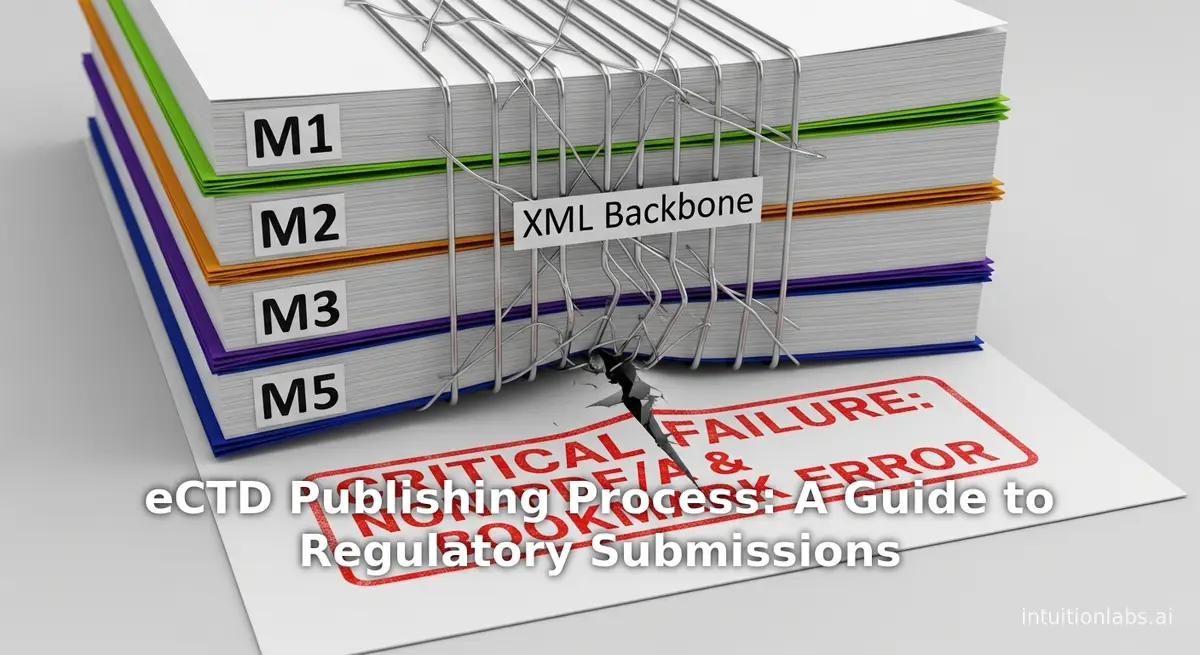
Learn the eCTD publishing process for regulatory submissions, with eCTD v4.0 milestones: FDA optional since Sept 2024, EMA optional since Dec 2025, PMDA new drug applications from Apr 2026.
© 2026 IntuitionLabs. All rights reserved.