

ISPE GAMP AI Guide: Validation Framework for GxP Systems
Review the ISPE GAMP AI Guide for validating machine learning in GxP. Learn the risk-based framework for data integrity and regulatory compliance.

IntuitionLabs is now a member of the Claude Partner Network – AI training and upskilling with Claude for pharma and biotech. Book a call.
Review the ISPE GAMP AI Guide for validating machine learning in GxP. Learn the risk-based framework for data integrity and regulatory compliance.
Learn 21 CFR Part 11 requirements for electronic records. This guide analyzes cost-effective FDA compliance strategies for small biotechnology startups.
Explore AI governance frameworks for pharmaceutical companies. Learn to align AI with GxP, FDA regulations, and data integrity standards for safe adoption.
Analyze when biotechs need pharmacovigilance software. Covers FDA safety database requirements, compliance risks, and solution options for clinical trials.
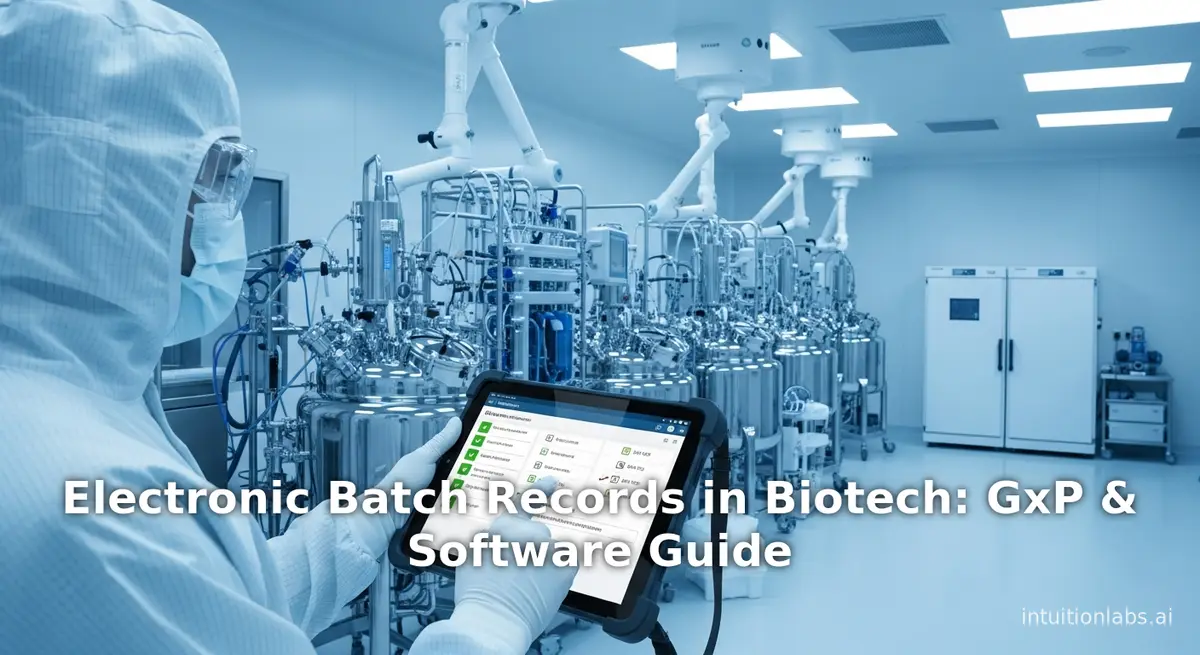
Explore GxP requirements for Electronic Batch Records (EBR) in biotech. Covers FDA 21 CFR Part 11 compliance, validation, and current software options.

Explore risk-based AI validation strategies using ICH Q9 guidelines. Learn to manage machine learning lifecycle risks in regulated pharma environments.
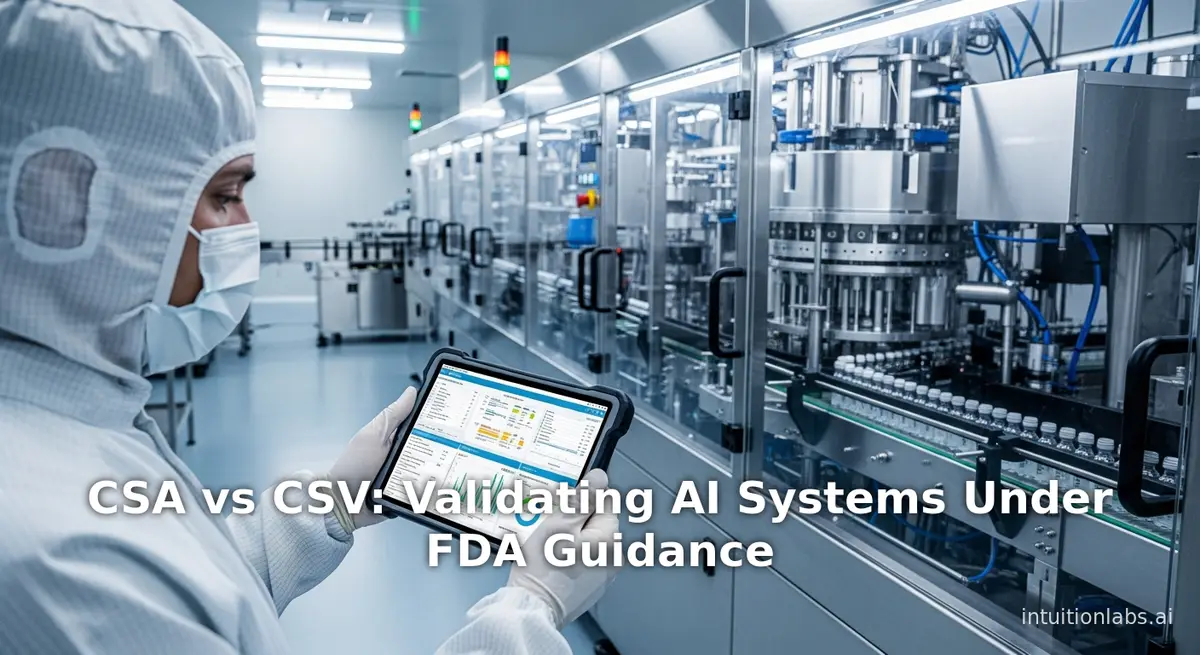
Compare FDA's Computer Software Assurance (CSA) vs CSV for AI systems. Learn risk-based validation strategies for machine learning in life sciences.
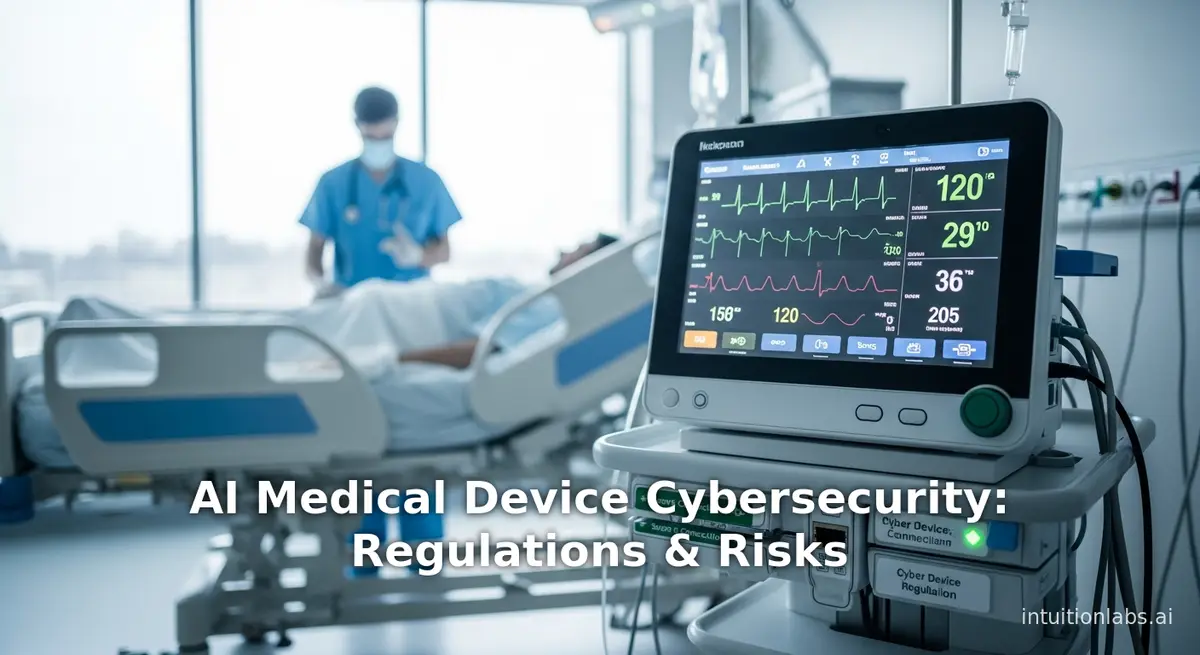
Learn cybersecurity requirements for AI medical devices. Covers FDA guidance, EU regulations, SBOM mandates, and defenses against adversarial AI attacks.
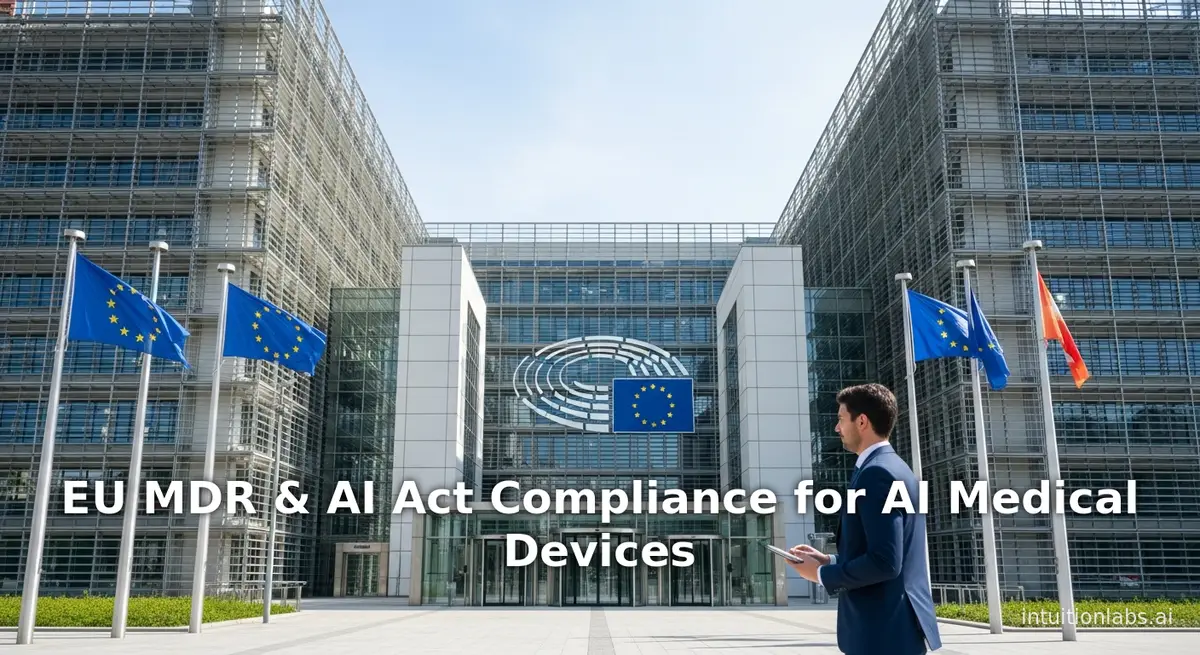
Understand EU MDR and AI Act compliance for AI medical devices. Explains classification, conformity assessment, and technical documentation requirements.
Analyze the transition from CSV to FDA's Computer Software Assurance (CSA). This guide details risk-based validation strategies and compliance impacts.
Analyze the life sciences software market projected to reach $45B by 2026. Examine AI trends, key segments, and five structural gaps hindering growth.
Evaluate drug interaction checkers like Lexicomp and Medscape. This review compares sensitivity, clinical accuracy, and features for effective DDI screening.
Analyze the build vs buy AI decision in pharma. Compare costs, risks, and time-to-value for R&D and commercial teams to guide strategic investment.

Analyze AI integration in pharma IT architecture, from R&D to supply chain. Review key data on MLOps, clinical trial efficiency, and FDA guidance.

A guide to applying ALCOA+ data integrity standards to AI and machine learning. Covers FDA compliance, data governance, and validation for regulated sectors.
Compare ICD-10 coding tools from free lookups like icd10data to enterprise CAC systems like 3M. Analyze features, accuracy, and medical coding software.
Explore FDA 21 CFR Part 11 compliance for electronic records and signatures. Learn about validation, audit trails, and data integrity enforcement trends.
Explore GxP compliance requirements for ChatGPT and Copilot. Learn about 21 CFR Part 11, system validation, and data integrity strategies for regulated AI.

Explore GxP audit trail requirements for AI systems. Review 21 CFR Part 11, Annex 11, and ALCOA+ rules for logging training data, prompts, and model outputs.
Explore FDA 21 CFR Part 11 compliance for AI systems. This guide covers validation, audit trails, and data integrity for machine learning in GxP environments.

Learn how AI automates adverse event detection in pharmacovigilance. This guide covers GVP compliance, NLP methods, and validation standards for safety data.

Claude Max costs $100 (5x Pro) or $200/mo (20x Pro). Compare usage limits, features, and whether the upgrade from Pro is worth it in 2026.

Explore Mirth Connect architecture, channels, and connectors. Learn how this integration engine handles HL7, FHIR, and DICOM healthcare standards.

Analyze global regulatory submissions, contrasting ICH guidelines with regional requirements. Learn to manage FDA, EMA, and local filing differences.
© 2026 IntuitionLabs. All rights reserved.