


FDA AEMS E2B(R3) Cutover: 2026 Migration Runbook
A 2026 FDA AEMS E2B(R3) cutover runbook covering the October 1 deadline, applicability, R2 transformation risks, ESG NextGen testing, acknowledgements, validation, and hypercare.

IntuitionLabs is now a member of the Claude Partner Network – AI training and upskilling with Claude for pharma and biotech. Book a call.
A 2026 FDA AEMS E2B(R3) cutover runbook covering the October 1 deadline, applicability, R2 transformation risks, ESG NextGen testing, acknowledgements, validation, and hypercare.
A 2026 analyst guide to FAERS adverse event data covering the FDA's new AEMS platform transition, serious outcome rates, top drugs by report volume, signal detection methods, and AI pharmacovigilance case processing.
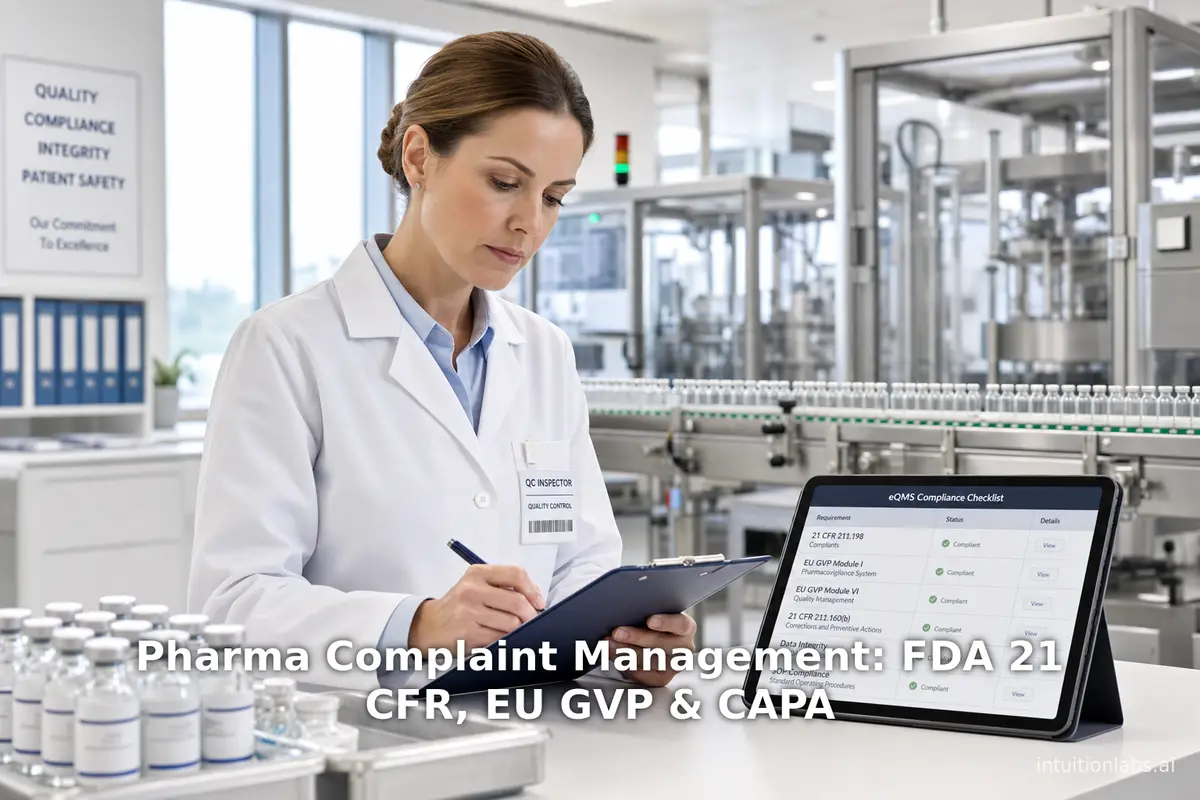
Review pharma product complaint management regulations, including FDA 21 CFR 211.198 and EU GVP. Analyze CAPA linkage, reporting requirements, and eQMS tools.
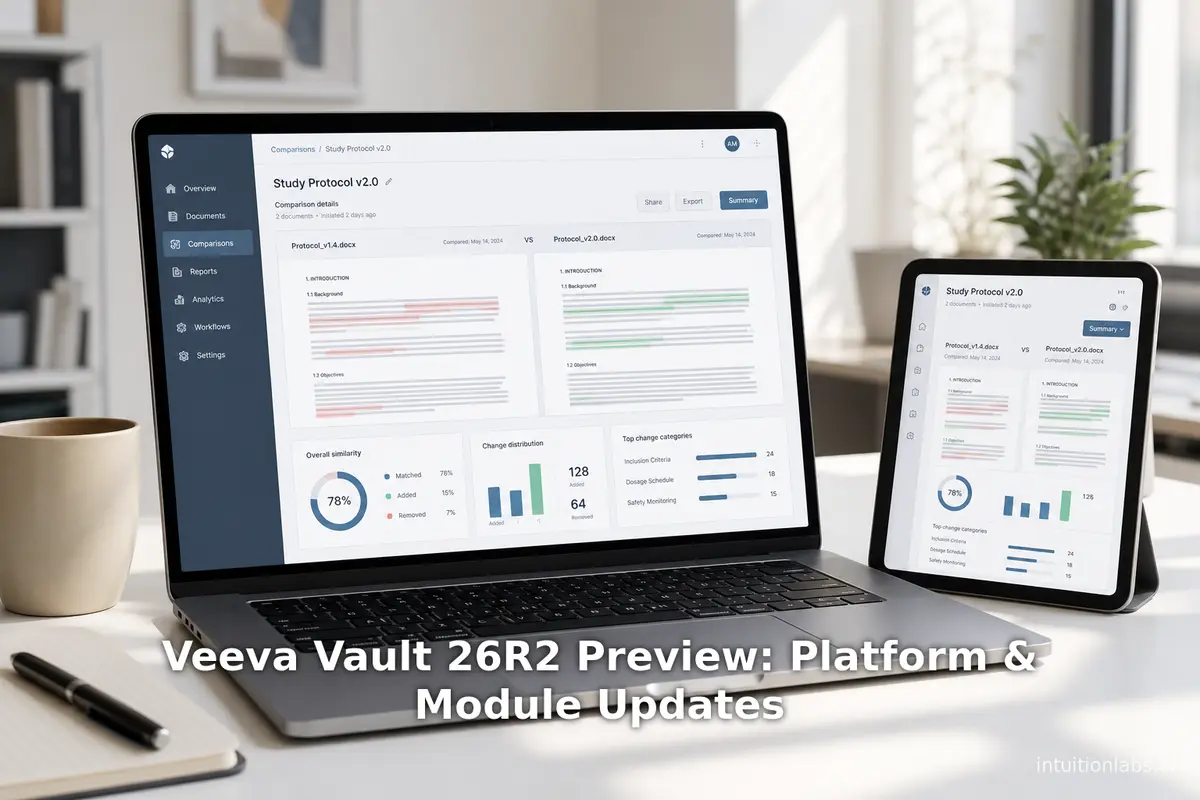
Review the Veeva Vault 26R2 release preview. Learn about mid-2026 platform enhancements, including document viewer upgrades, QMS, RIM, and safety workflows.
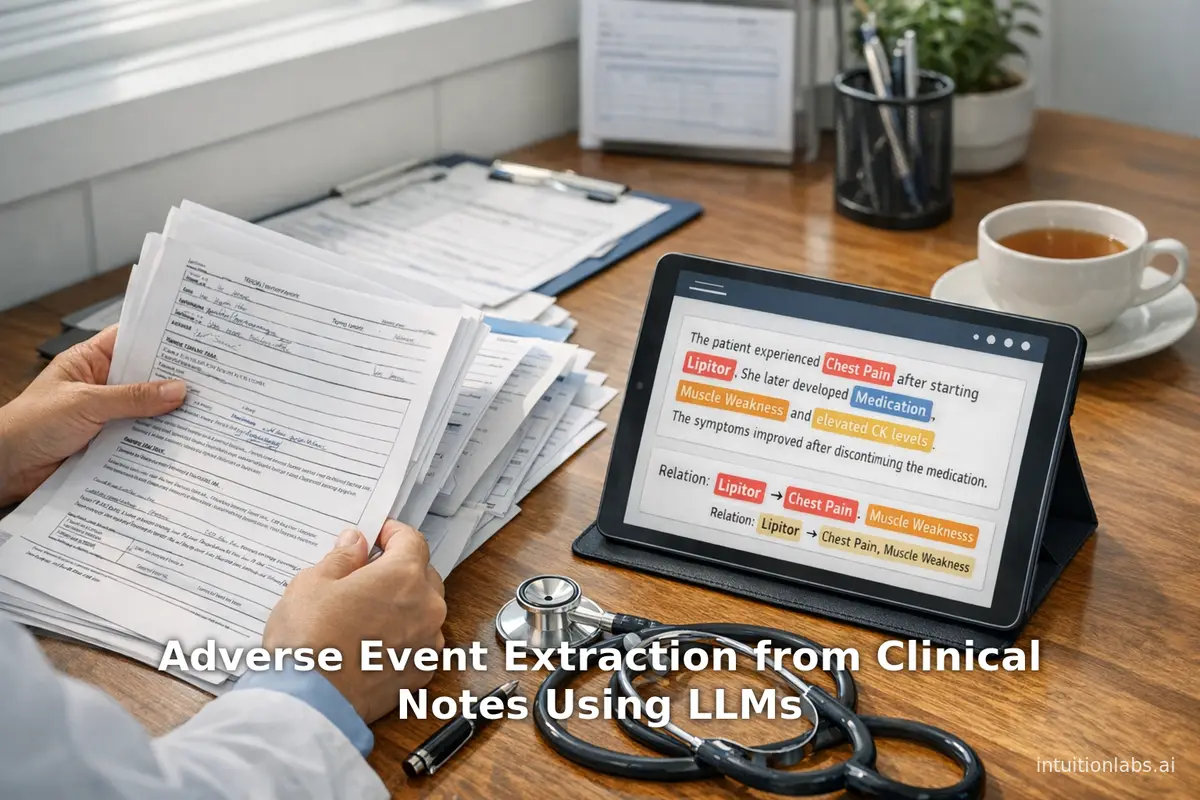
Review how Large Language Models (LLMs) extract adverse drug events from clinical notes. Learn about NLP model accuracy, implementation, and performance metrics
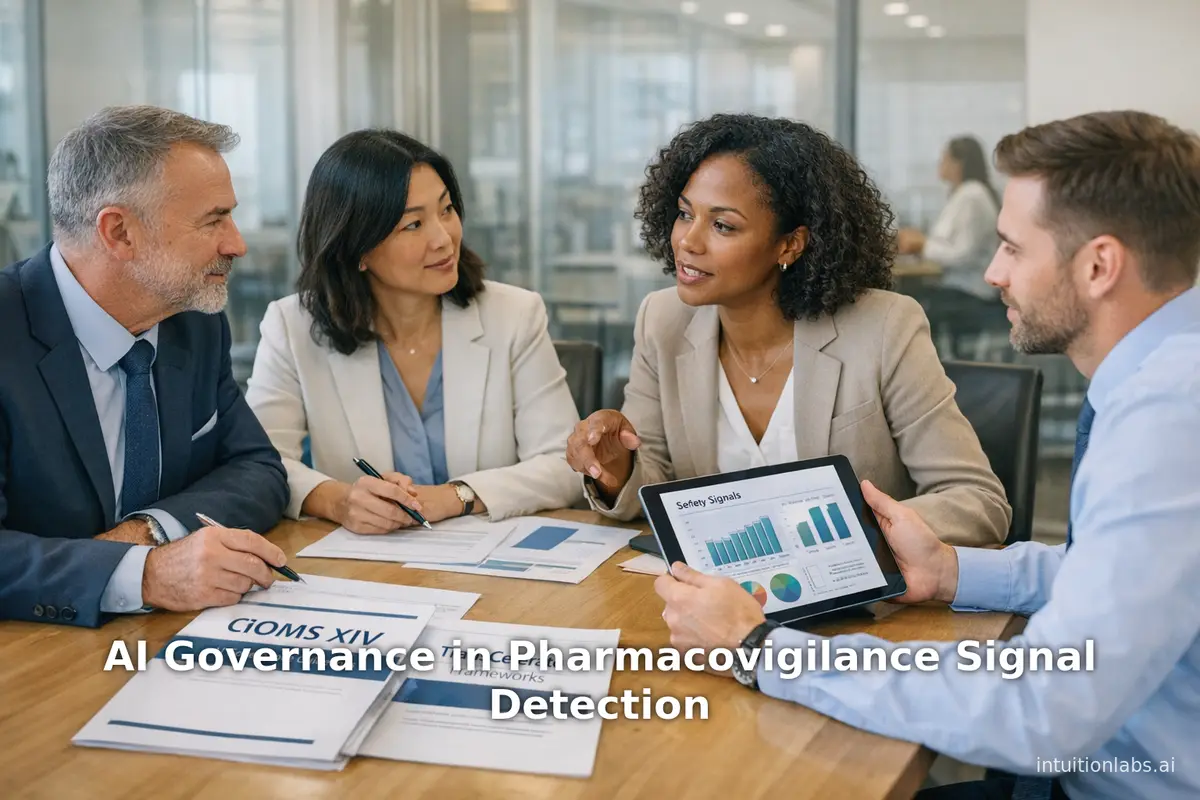
Analyze AI governance in pharmacovigilance signal detection. Review CIOMS XIV and TransCelerate frameworks for risk-based oversight in drug safety monitoring.

Examine the architectural design and compliance framework for AI governance in pharmacovigilance, including FDA and EU regulatory guidelines for drug safety.
An analysis of AI governance in pharmacovigilance, detailing how the EU AI Act and GxP regulations impact drug safety platforms like Oracle Argus and Veeva.
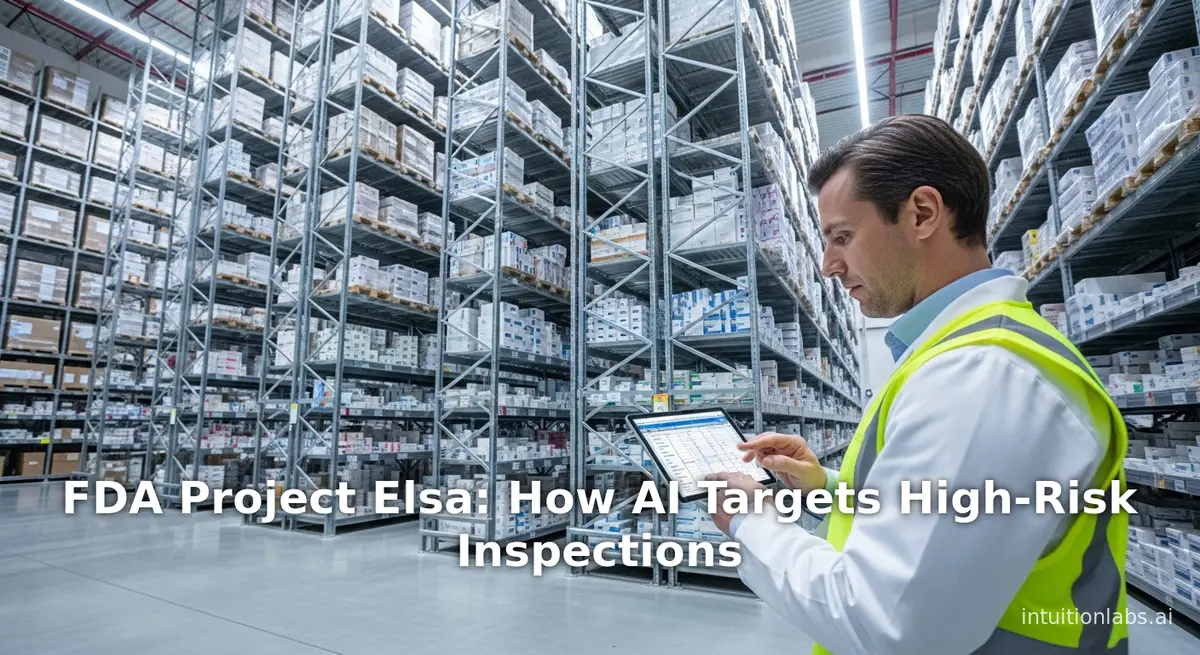
Analyze FDA Project Elsa, a generative AI system that prioritizes facility inspections by detecting risk patterns in adverse events and regulatory data.
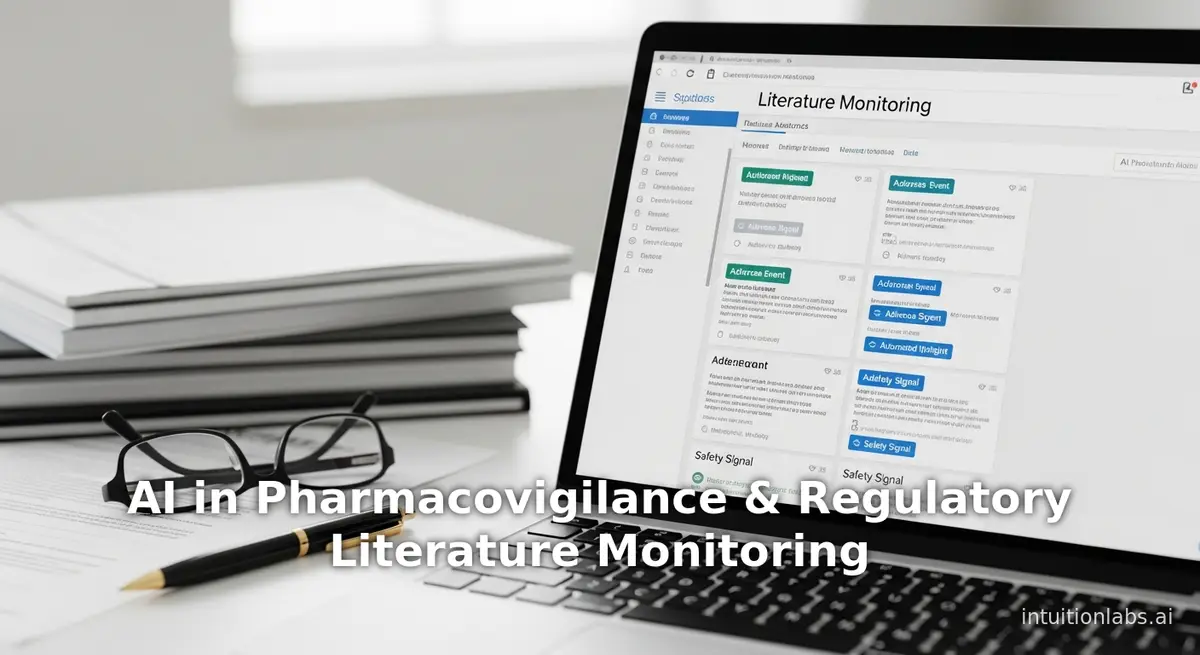
Guide to AI-driven literature monitoring in pharmacovigilance. Covers NLP techniques, signal detection, and regulatory intelligence automation strategies.
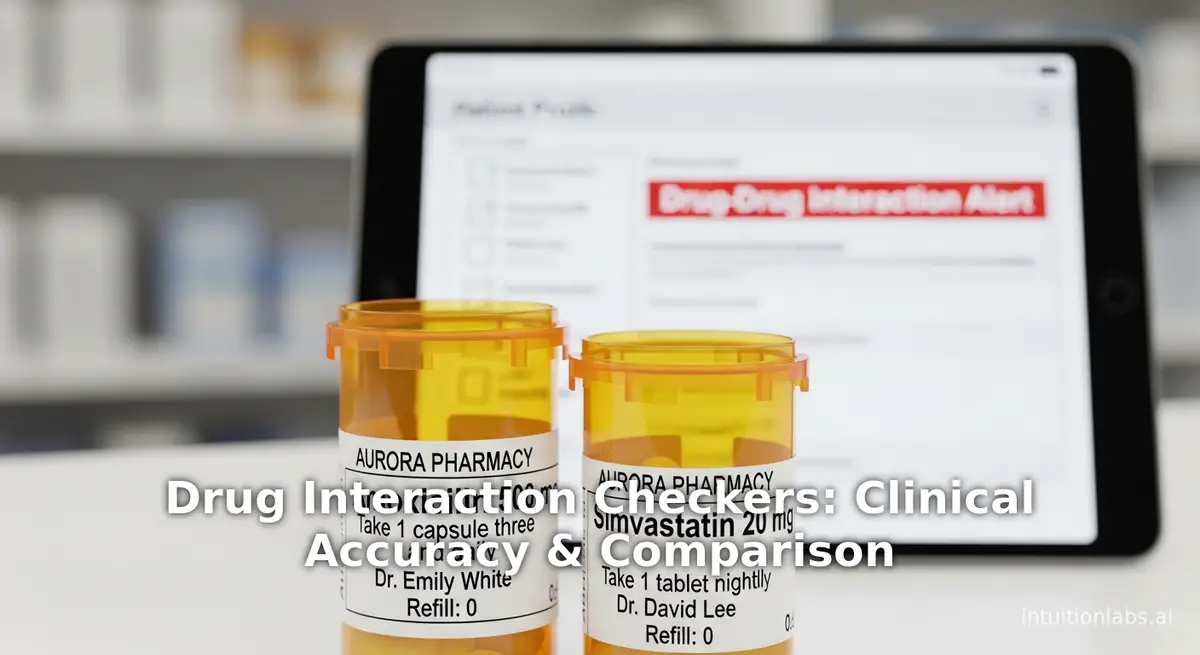
Evaluate drug interaction checkers like Lexicomp and Medscape. This review compares sensitivity, clinical accuracy, and features for effective DDI screening.
Learn how AI automates adverse event detection in pharmacovigilance. This guide covers GVP compliance, NLP methods, and validation standards for safety data.
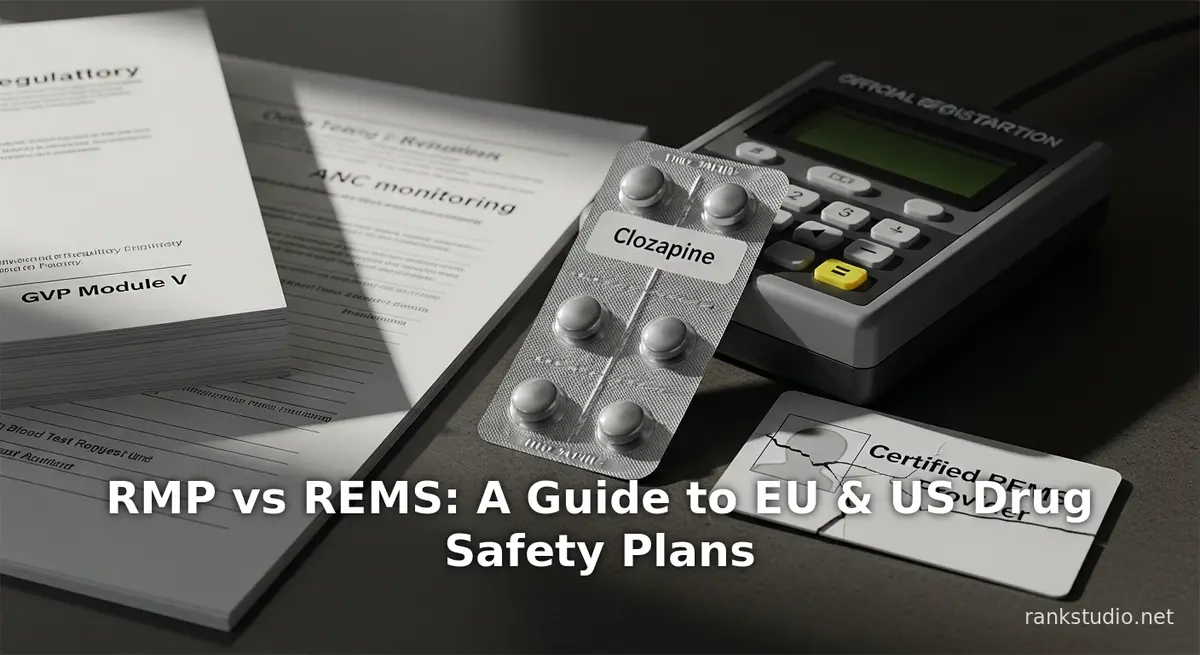
An educational guide comparing the EU Risk Management Plan (RMP) vs. the US REMS for drug safety. Learn about key differences in scope, content, and triggers.
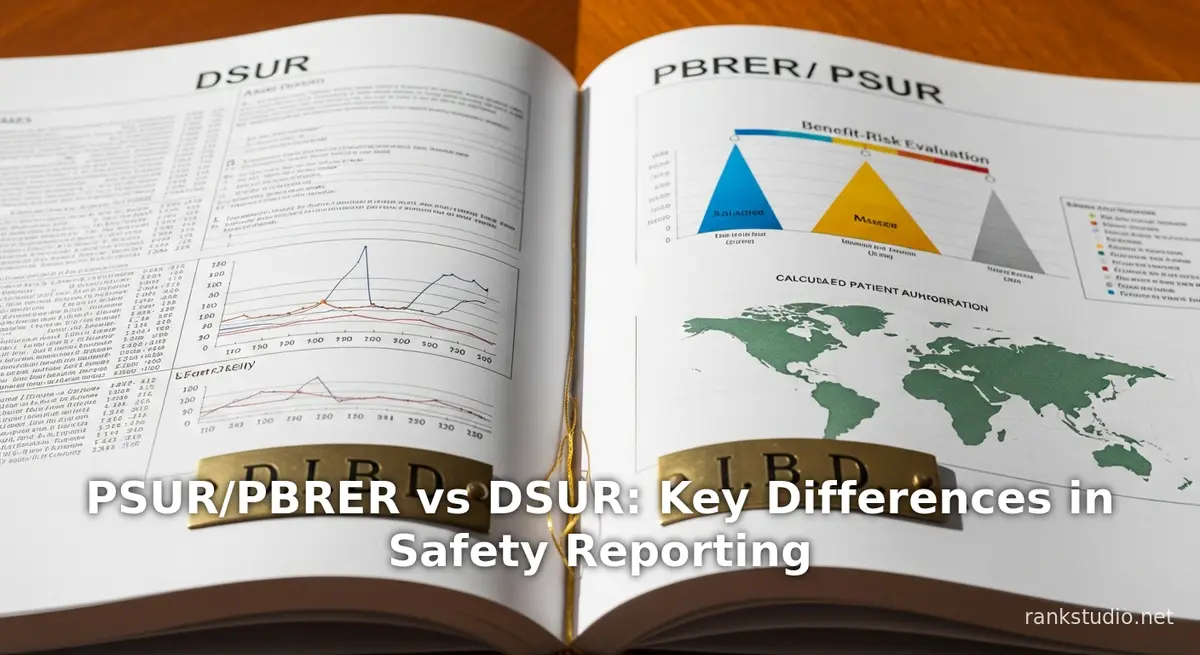
A clear comparison of the DSUR vs. the PSUR/PBRER. Understand the distinct purpose, scope, timing, and governance of these key pharmacovigilance safety reports.
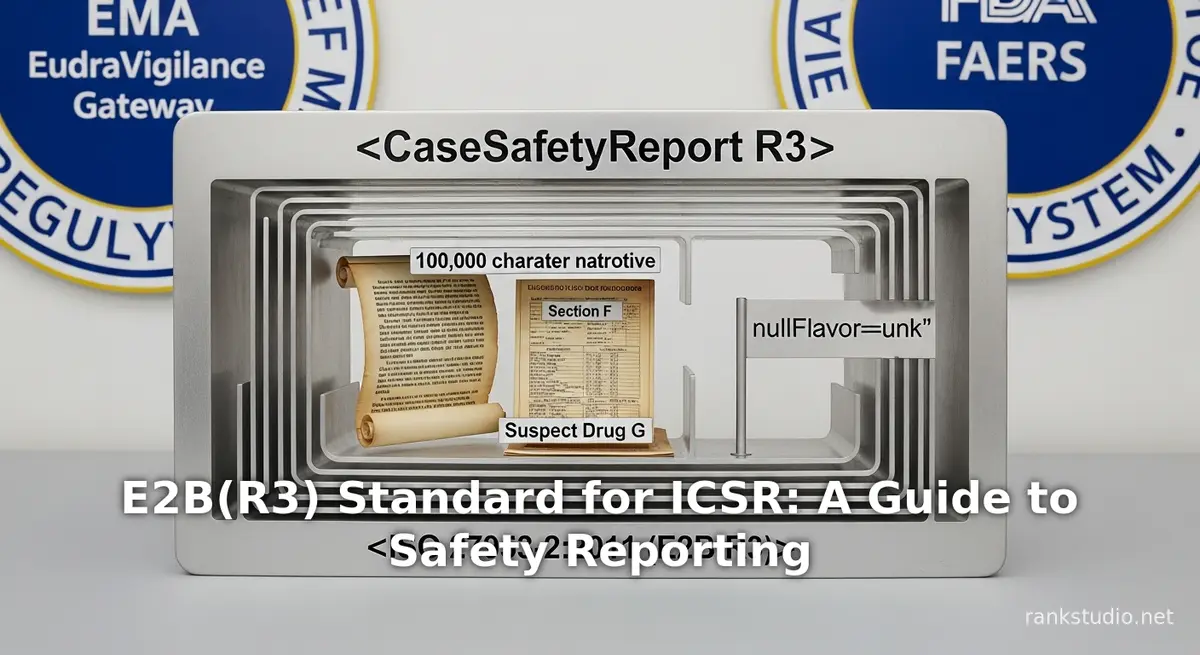
An in-depth guide to the ICH E2B(R3) standard for pharmacovigilance. Explore the data structure of ICSRs, electronic reporting rules, and key global systems. Updated April 2026.
Learn how AI and machine learning analyze Real-World Data (RWD) to generate Real-World Evidence (RWE). Explore key applications including LLM-driven data extraction, pharmacovigilance, and synthetic control arms, plus 2025-2026 FDA and EMA regulatory updates.
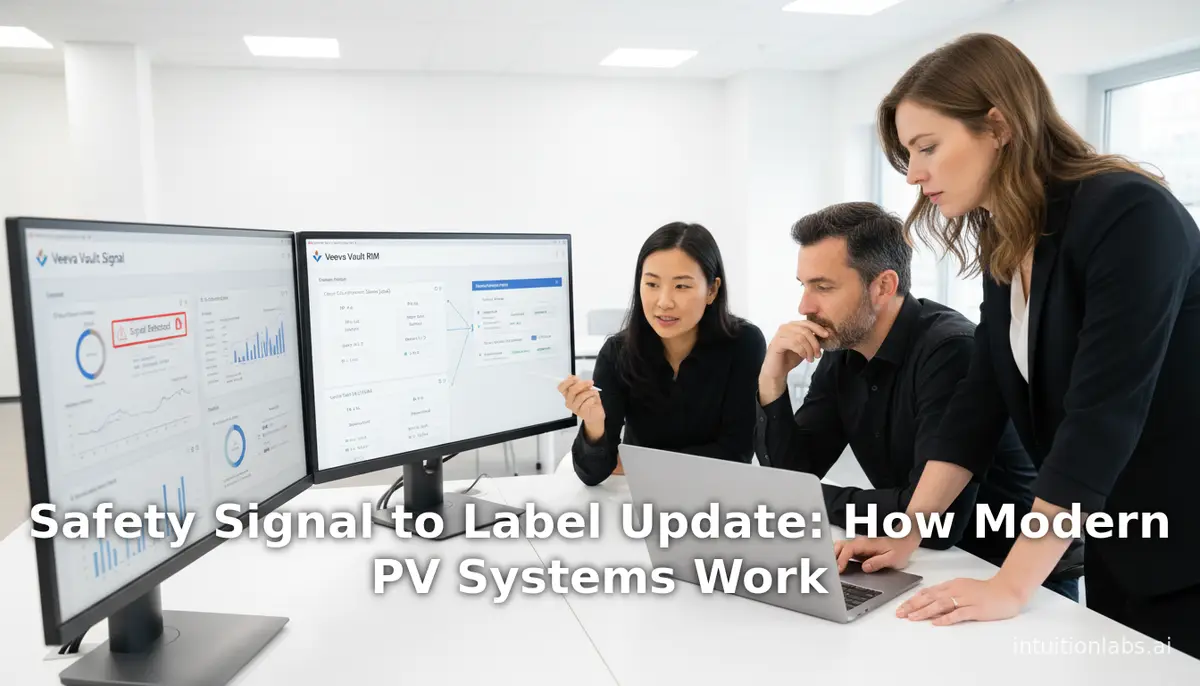
Learn the end-to-end pharmacovigilance process for translating safety signals into drug label updates. Covers CCDS, Vault Signal, EU Regulation 2025/1466, FDA AEMS, and how modern PV platforms accelerate the safety-to-label relay. Updated April 2026.
A guide to Reference Safety Information (RSI) in clinical trials. Learn the regulatory framework including ICH E6(R3), EU CTIS, and UK 2026 CT Regulations, common pitfalls, and how to avoid SUSAR reporting errors.
Explore the regulatory process for negotiating an FDA boxed warning on drug labeling, from initial NDA review to post-market Safety Labeling Changes (SLCs), with 2025-2026 case studies including HRT warning removal, Elevidys, Carvykti, and COVID vaccine labeling debates.
Explore a structured cascade model for rolling out pharma safety labeling updates to global affiliates, covering FDA 505(o)(4) guidance, EMA variations framework, AI-powered PV tools, and sub-90-day implementation strategies.
Learn how MedDRA (v29.0) and WHODrug (688K+ products) standardize coding for adverse events and medications in clinical trials. Covers structure, AI-assisted coding, regulatory requirements, and 2026 updates
Learn the key differences between an Adverse Event (AE), Serious AE (SAE), and SUSAR. Updated for 2026 with ICH E6(R3), EU CTR 536/2014 CTIS, FDA Dec 2025 guidances, and ICH E2B(R3) mandate. Covers definitions, causality, and expedited reporting timelines.
An educational guide to leading pharmacovigilance service providers (updated April 2026). Learn about the PV outsourcing market, regulatory drivers including FDA AEMS and EU AI Act, and compare top drug safety CROs including Fortrea, IQVIA, ICON, and more
Updated 2026 guide to pharmaceutical compliance software for GxP and QMS. Compare Veeva, MasterControl, ETQ & more with FDA QMSR, CSA guidance, and Gartner MQ coverage
Updated 2026 guide to pharmacovigilance technology covering GenAI/LLMs in PV, AI-powered case processing, signal detection, FDA-EMA AI guidance, and data standards for drug safety
Get a detailed guide to Oracle Life Sciences solutions. Learn about key products for clinical trials (Clinical One 26.1), pharmacovigilance (Argus Safety), Health Data Intelligence, and AI-powered analytics.
Updated 2026 guide to synthetic data in pharmaceutical research. Covers acceptance criteria for fidelity, utility, and privacy, plus latest FDA/EMA AI guidance, EHDS, and diffusion model advances.

Updated for 2026, this article provides a technical overview of pharmacovigilance software, detailing core functions, regulatory compliance, agentic AI developments, and a comparison of leading platforms including Oracle Argus, ArisGlobal LifeSphere, Veeva Vault Safety, and more.
An overview of AI agents in pharmacovigilance (PV), covering agentic AI, generative AI, and ML applications in safety data processing, ICSR management, and signal detection, with updates on the CIOMS WG XIV final report, FDA's Elsa tool, and EU AI Act requirements.
Learn about the FDA Adverse Event Reporting System (FAERS), now updated in real time with over 31 million reports, for post-marketing drug safety surveillance, signal detection, and AI-enhanced pharmacovigilance.
A comprehensive overview of AI in pharmacovigilance (updated Feb 2026), covering agentic AI, GenAI-driven case processing, signal detection, CIOMS WG XIV framework, FDA/EMA joint principles, EU AI Act implications, and the latest industry platforms.
Explore real-world case studies of how pharmaceutical companies are leveraging big data, AI, and cloud computing across the drug lifecycle - from discovery to marketing - with measurable outcomes and lessons learned.
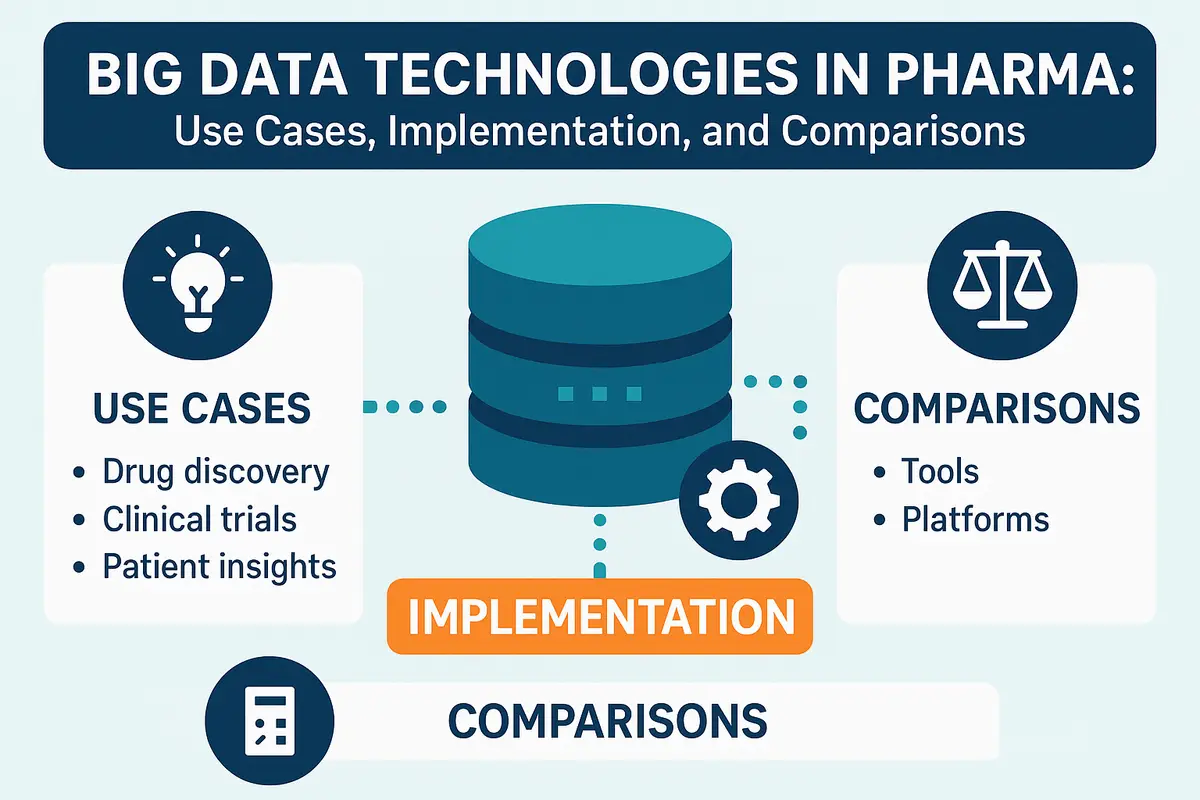
Comprehensive analysis of big data technologies used in pharmaceutical industry, including Hadoop, Spark 4.x, cloud data warehouses (Snowflake, Databricks), NoSQL databases, and specialized genomics platforms, with detailed comparisons and implementation examples. Updated for 2025-2026 with latest market data and technology developments.

Comprehensive overview of Oracle's role in the pharmaceutical industry, covering their Health Sciences solutions, cloud infrastructure, compliance features, and case studies of successful implementations at major pharma companies.

A comprehensive overview of the most influential open-source software tools transforming pharmaceutical research, development, and manufacturing, from cheminformatics to clinical data management and regulatory compliance.
© 2026 IntuitionLabs. All rights reserved.