

FDA Leadership Shakeup: Impacts on Drug Approvals & AI
Explore the May 2026 FDA leadership shakeup, including Marty Makary's resignation. Learn how new acting directors impact drug approvals and FDA AI policy.

IntuitionLabs is now a member of the Claude Partner Network – AI training and upskilling with Claude for pharma and biotech. Book a call.
Explore the May 2026 FDA leadership shakeup, including Marty Makary's resignation. Learn how new acting directors impact drug approvals and FDA AI policy.
Analyze the June 2026 FDA draft guidance on cell and gene therapies. Understand how reusing platform knowledge streamlines CMC submissions and development.
Analyze the FDA AI early-phase clinical trials RFI. This guide covers pilot program objectives, AI evaluation metrics, and evidence-based response strategies.
Examine the 2026 FDA real-time clinical trial pilot. This report analyzes how AI and cloud platforms enable continuous oncology data monitoring for new drugs.
Examine the FDA Commissioner's National Priority Voucher (CNPV) pilot program. This guide explains the new 1-2 month accelerated drug review pathway and rules.
Learn how pharma companies build regulatory-grade real-world evidence (RWE) platforms using real-world data for FDA and EMA drug development submissions.
Examine the FDA and EMA Good AI Practice guidelines. This comprehensive implementation guide details the 10 regulatory principles for AI in drug development.
An analysis of EU AI Act high-risk compliance for pharmaceutical and medical device AI. Covers MDR/IVDR integration, data governance, and 2026 deadlines.

Explore the 2026 FDA-EMA 10 Guiding Principles of Good AI Practice in drug development. Learn about regulatory frameworks, compliance, and AI risk management.

Explore Project Orbis, the FDA's global oncology review framework. Analyze approval timelines, partner agencies, and challenges in expanding beyond cancer.

Explore Project Orbis, the FDA framework for simultaneous oncology drug review. Understand how international partners coordinate to reduce approval delays.
Examine Project Orbis data on FDA oncology approvals. Analysis shows concurrent review reduced submission gaps to 33 days and accelerated access by 2.6 months.
Analyze how FDA inspection delays and regulatory bottlenecks impact patient safety and drug supply. Learn how AI tools are addressing these critical backlogs.
Analyze 2026 strategies for AI-assisted 510(k) submissions. Covers FDA guidance, generative AI tools, and recommended human review and workflow controls.
Analyze the FDA QMSR final rule, ISO 13485 alignment, and the new CP 7382.850 inspection playbook. Learn key compliance steps for device manufacturers.
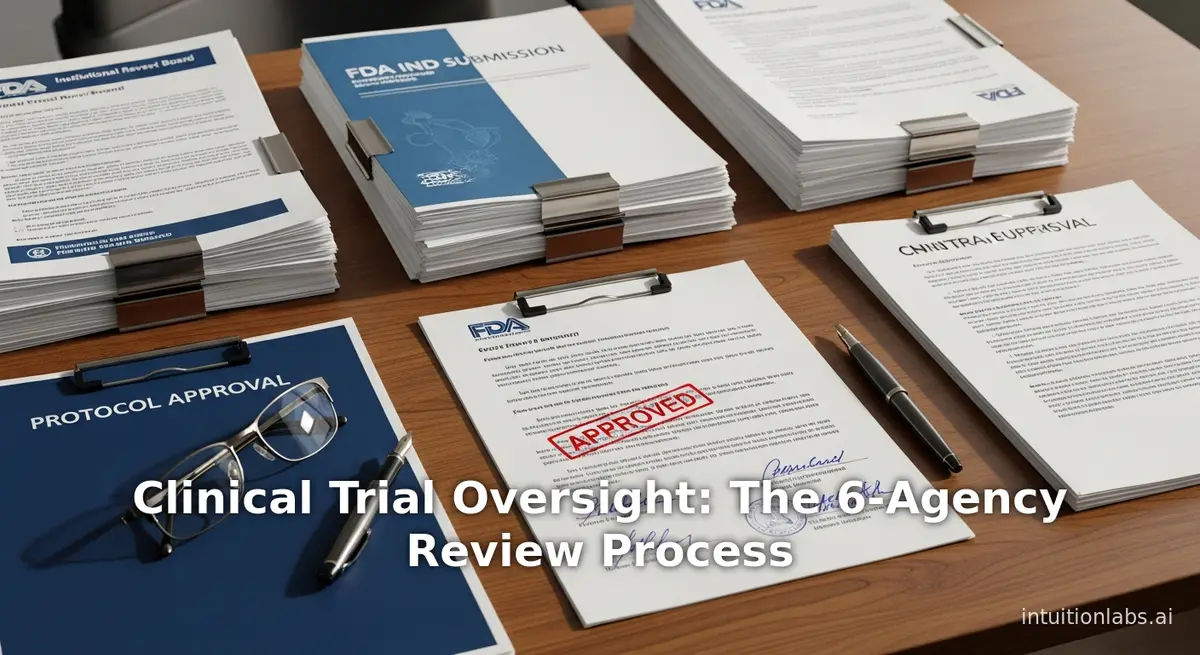
Explore the clinical trial regulatory pathway involving FDA, IRBs, and global agencies. Understand approval timelines, compliance steps, and review delays.
Explore the role of interview discipline in FDA inspections. This analysis covers skill decay causes and how AI tools augment auditor questioning techniques.
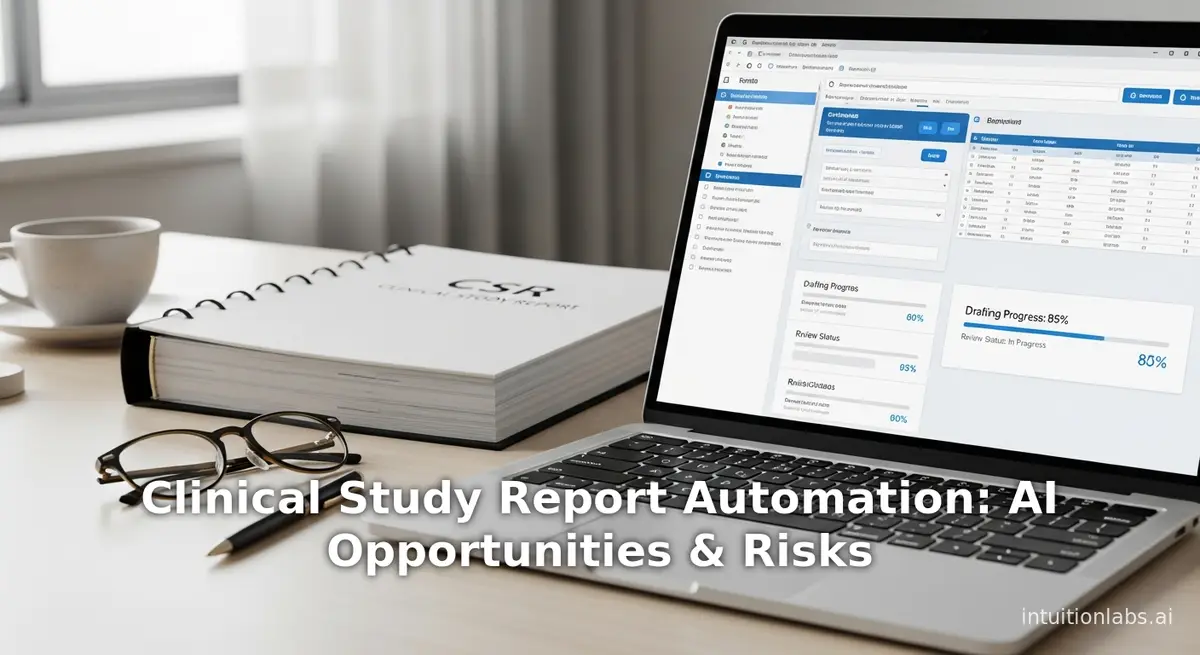
Explore AI automation for Clinical Study Reports (CSRs). Analyze efficiency gains, regulatory compliance, and risks like hallucinations and data security.
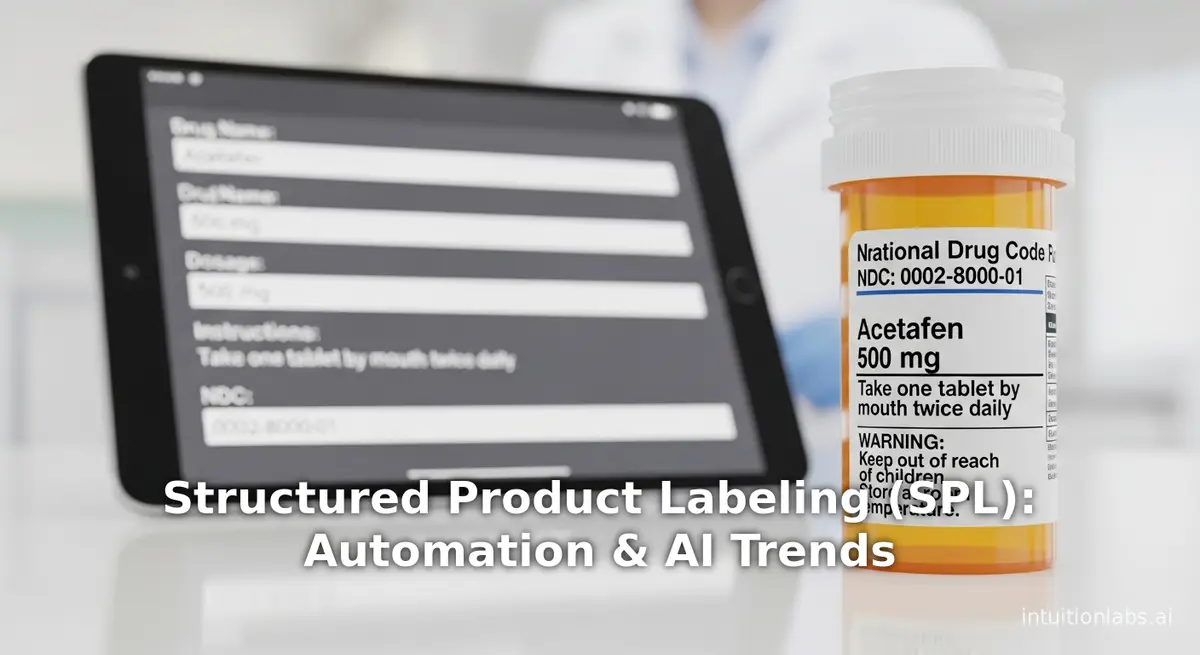
Explore FDA Structured Product Labeling (SPL) standards, current automation challenges, and how AI integration optimizes pharmaceutical regulatory workflows.
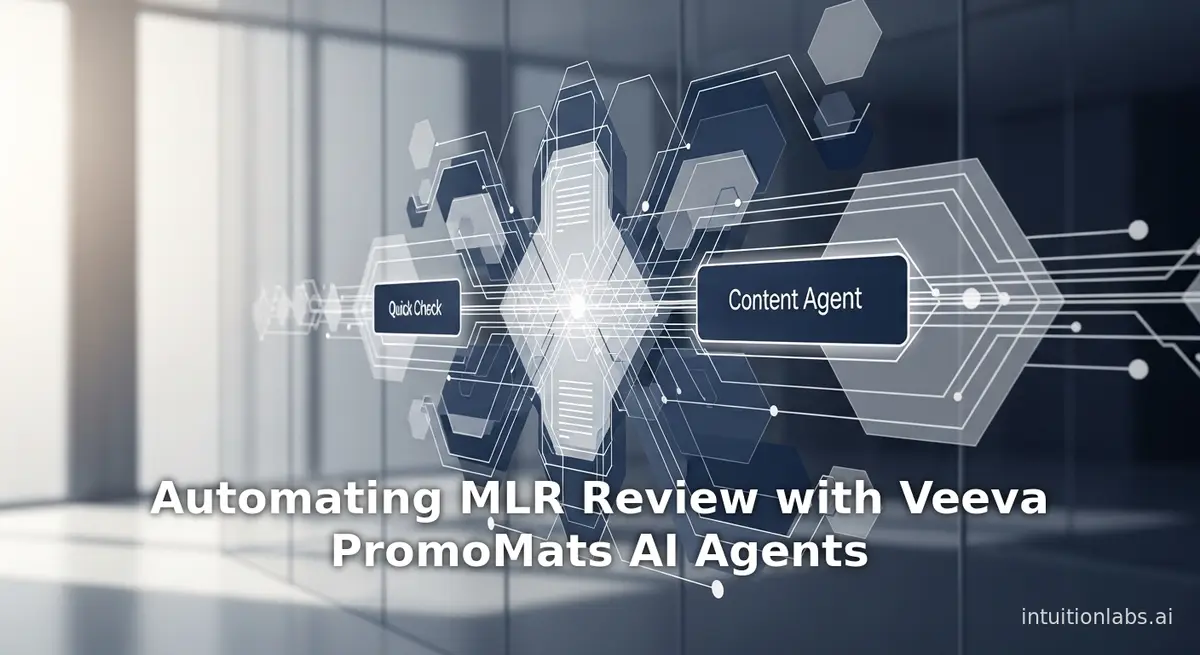
Analyze MLR review automation using Veeva PromoMats AI. Learn how Quick Check and Content Agents reduce compliance errors and streamline approval cycles.
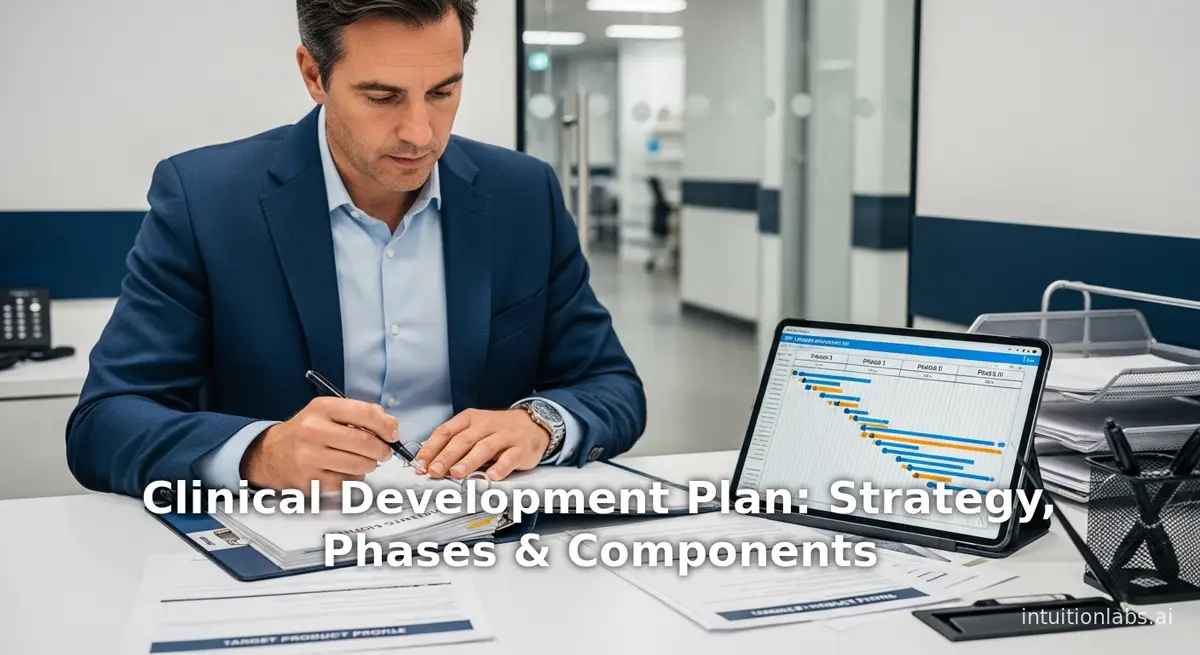
A Clinical Development Plan (CDP) outlines the strategy for drug approval. Learn about trial phases, the Target Product Profile, and regulatory requirements.
Learn 21 CFR Part 11 requirements for electronic records. This guide analyzes cost-effective FDA compliance strategies for small biotechnology startups.
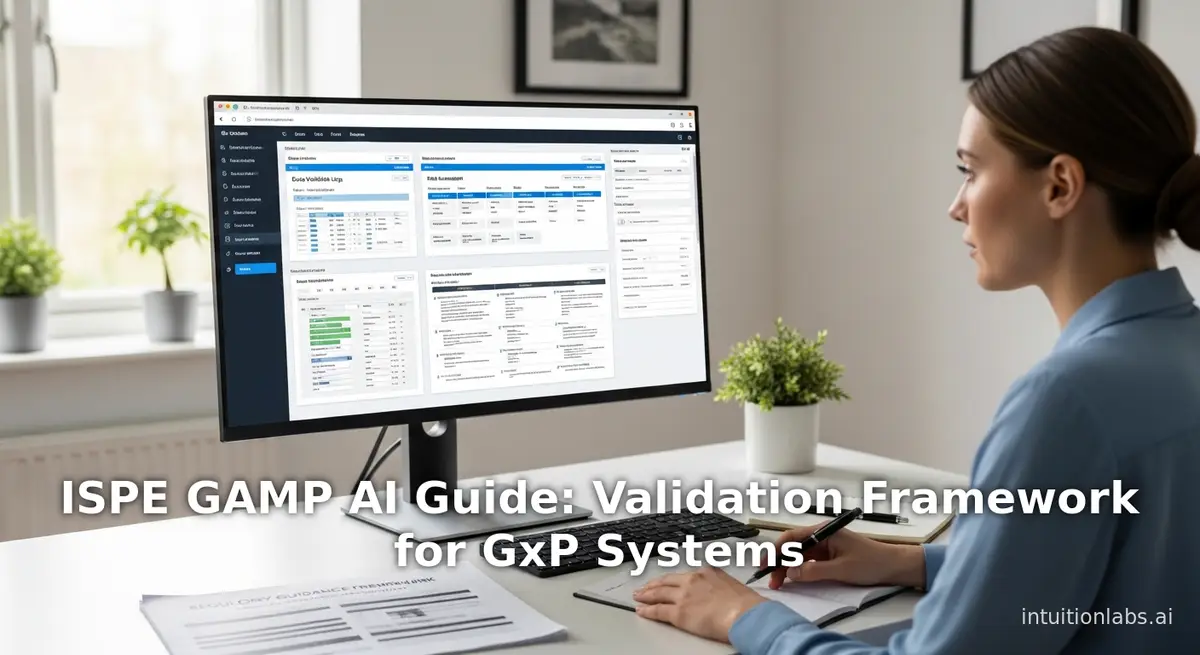
Review the ISPE GAMP AI Guide for validating machine learning in GxP. Learn the risk-based framework for data integrity and regulatory compliance.
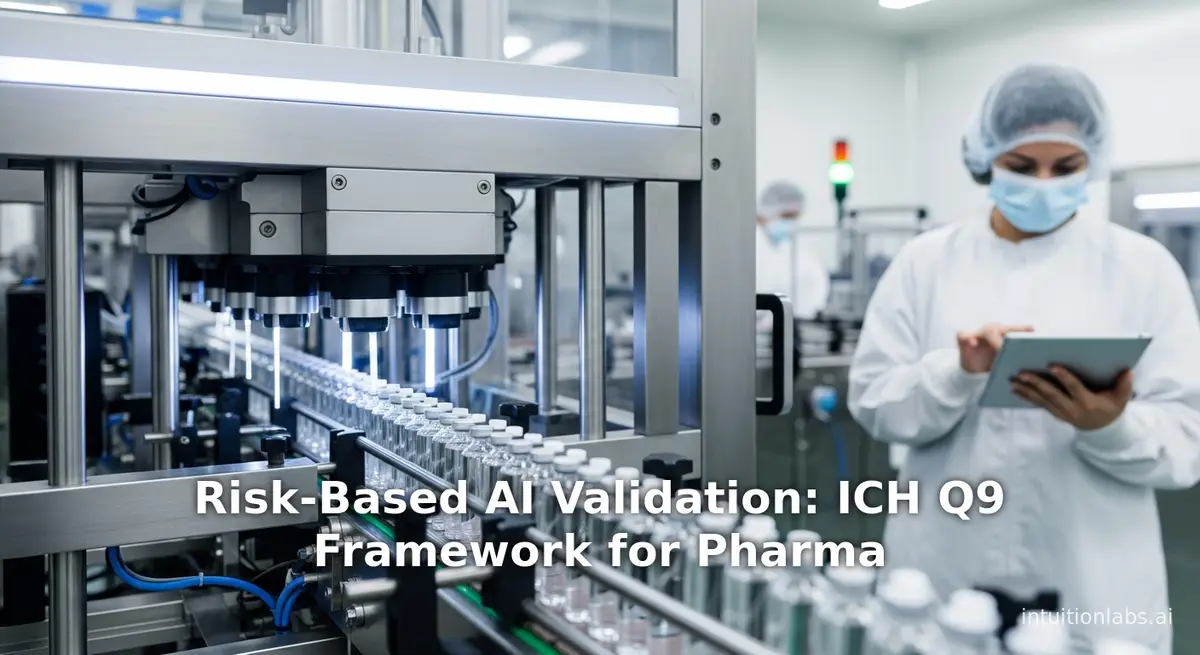
Explore risk-based AI validation strategies using ICH Q9 guidelines. Learn to manage machine learning lifecycle risks in regulated pharma environments.
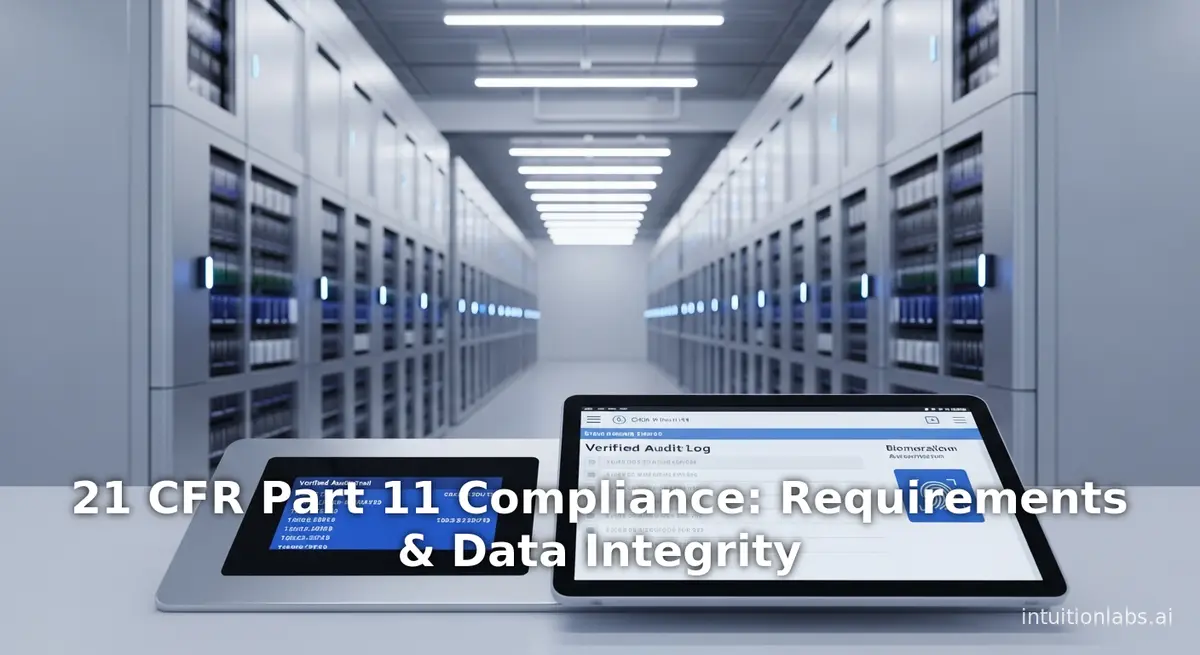
Explore FDA 21 CFR Part 11 compliance for electronic records and signatures. Learn about validation, audit trails, and data integrity enforcement trends.
Explore the Veeva Vault platform for life sciences. Learn about its cloud architecture, GxP compliance features, and applications like Quality, eTMF, and RIM.
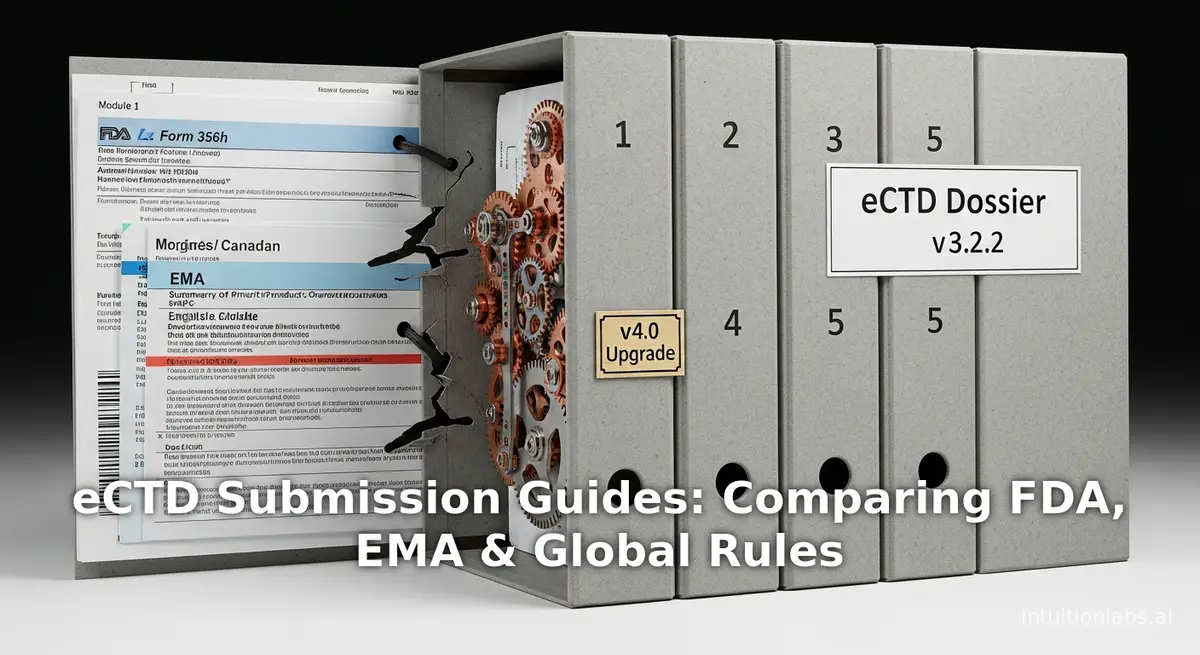
Learn the key differences in regional eCTD submission guides from the FDA, EMA, & Health Canada. This guide covers Module 1 variations and the shift to eCTD v4.
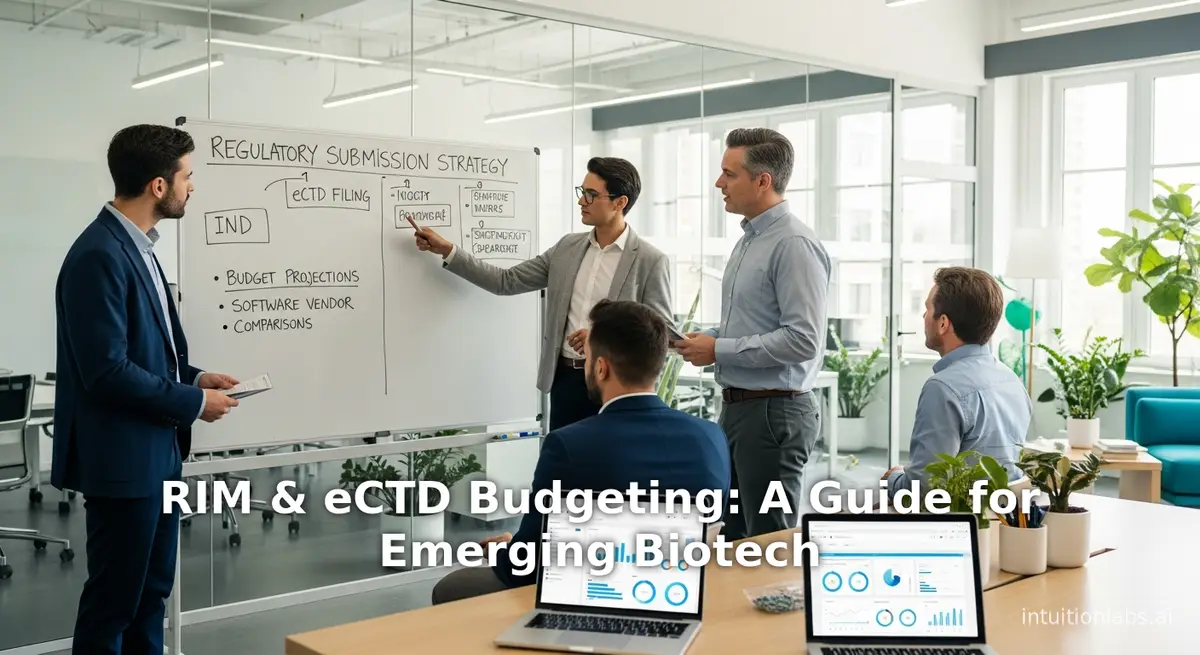
A guide for emerging biotech on budgeting for Regulatory Information Management (RIM) and eCTD submissions. Covers cost structures, vendor solutions, and compli
An in-depth analysis of eCTD viewer tools for CROs. Explore essential software features, market trends, and preparing for eCTD v4.0 regulatory submissions.
Learn eCTD publishing best practices for compliant regulatory submissions. This guide covers technical standards, validation, and requirements from FDA, EMA, and other agencies.
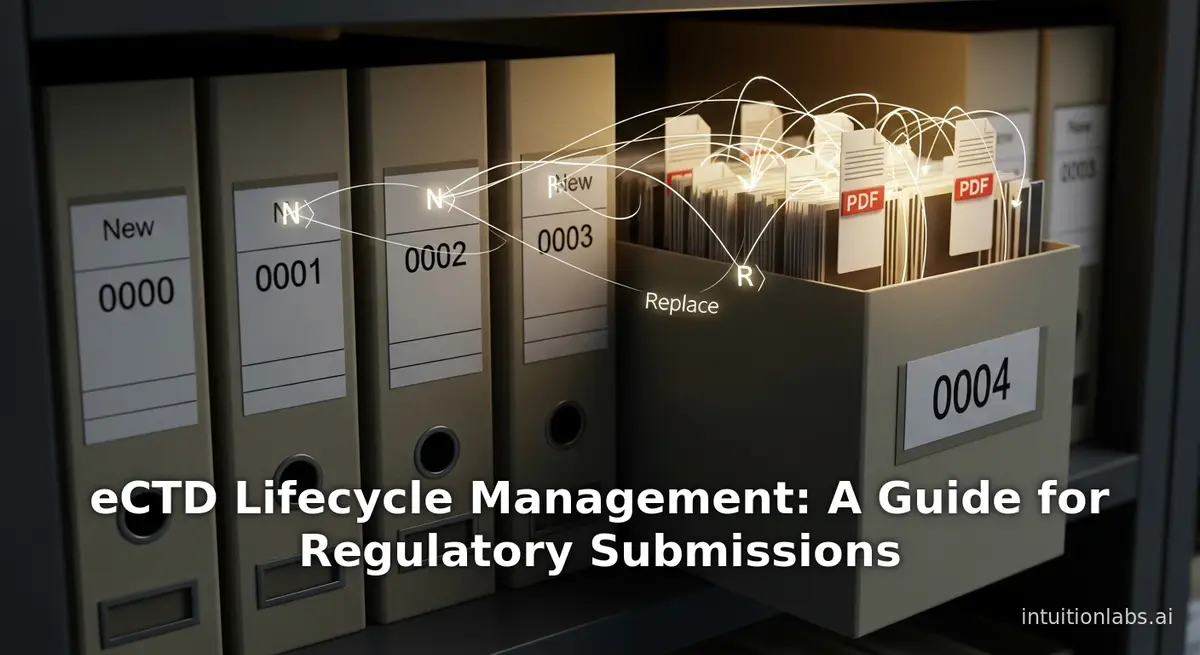
Explore eCTD lifecycle management, the core process for updating regulatory dossiers. Learn about ICH standards, submission sequences, and the shift to eCTD v4.
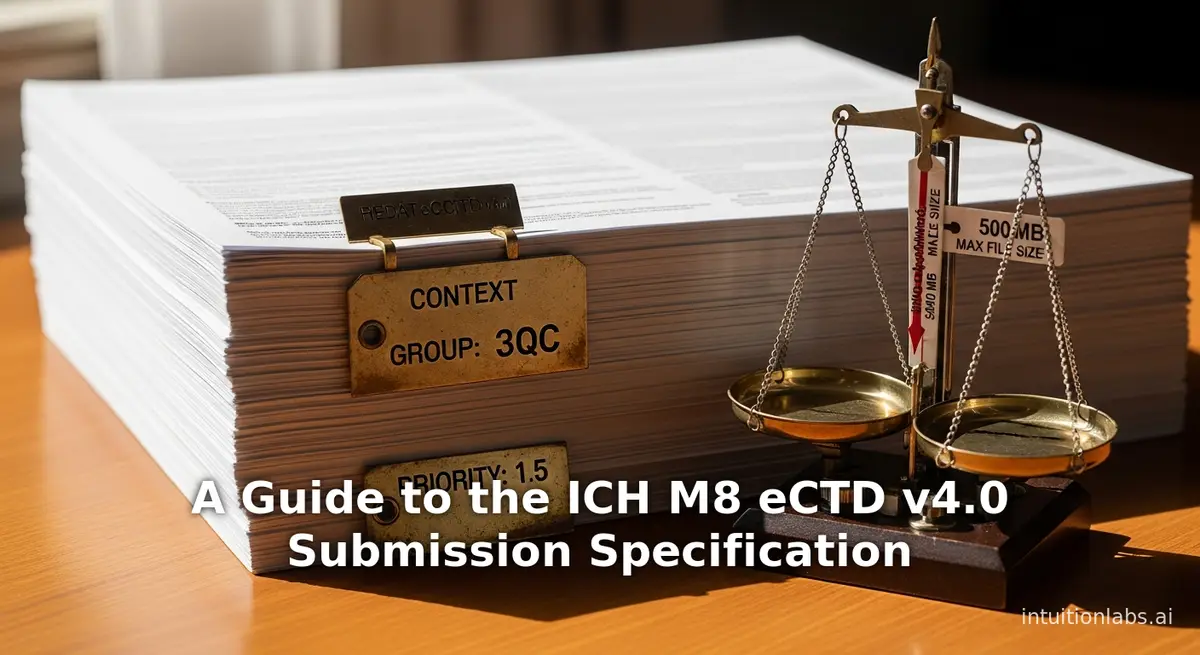
Learn about the ICH M8 eCTD v4.0 submission specification. This guide covers its technical basis in HL7 RPS, file requirements, and global adoption timelines.
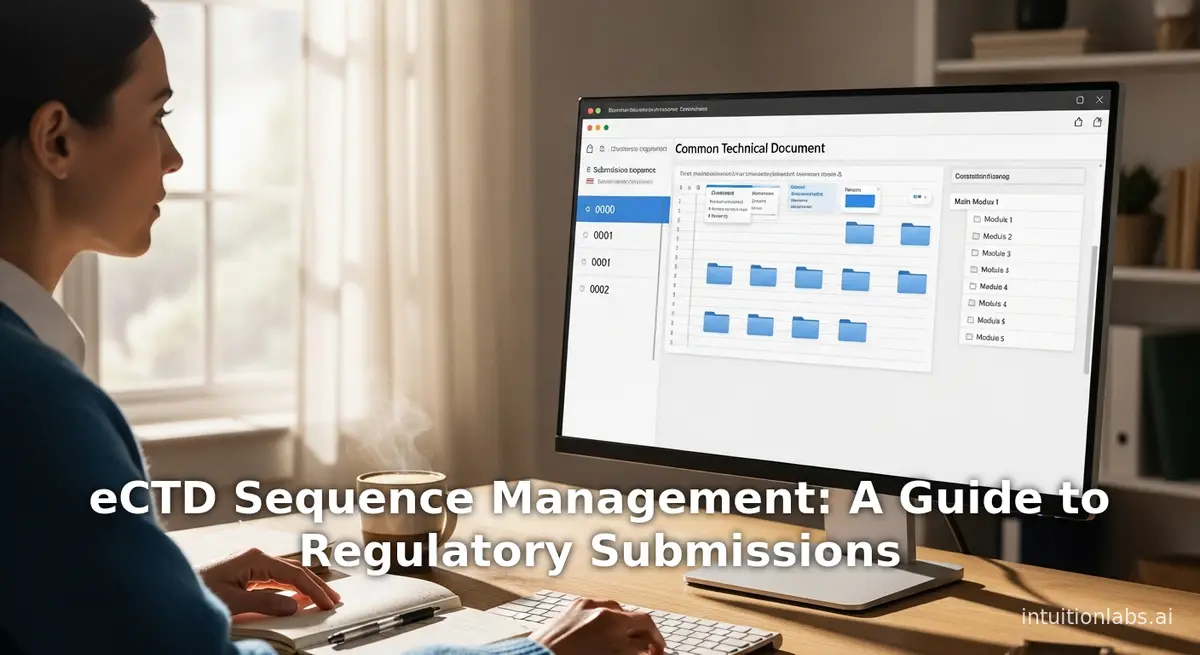
Learn eCTD sequence management for regulatory submissions: sequence numbering, lifecycle operations (new, replace, delete, append), FDA and EU rules, and eCTD v4.0 timelines.
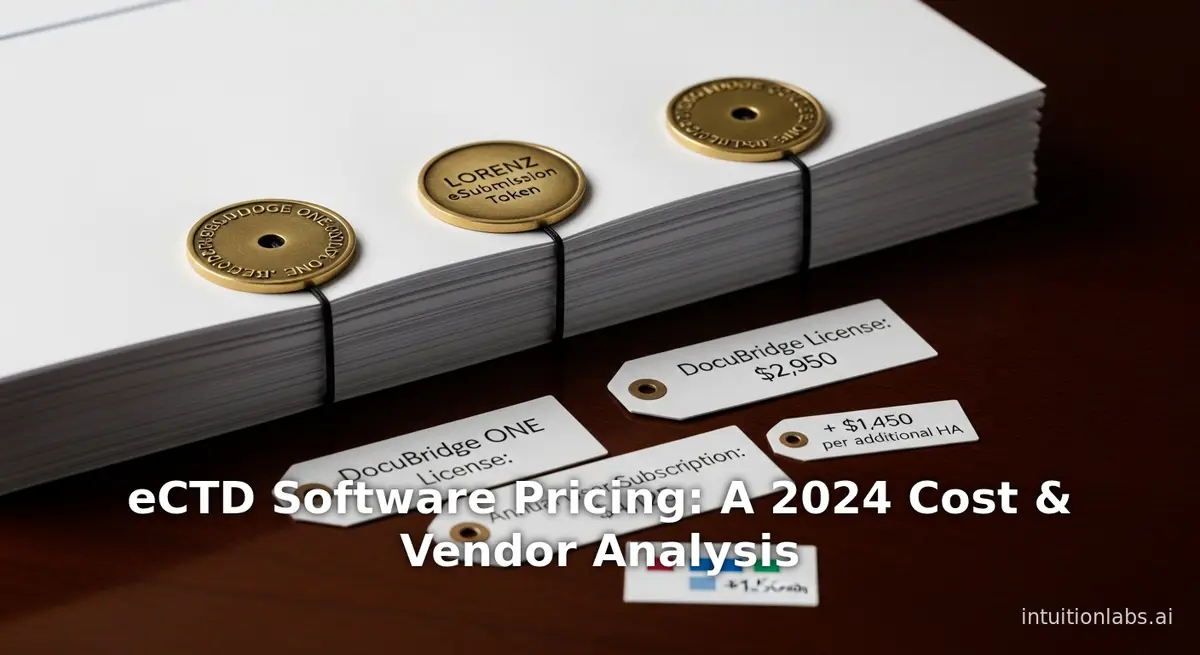
Explore the complex pricing of eCTD publishing software. Our analysis covers vendor costs, subscription models, and key factors for regulatory submission planning.
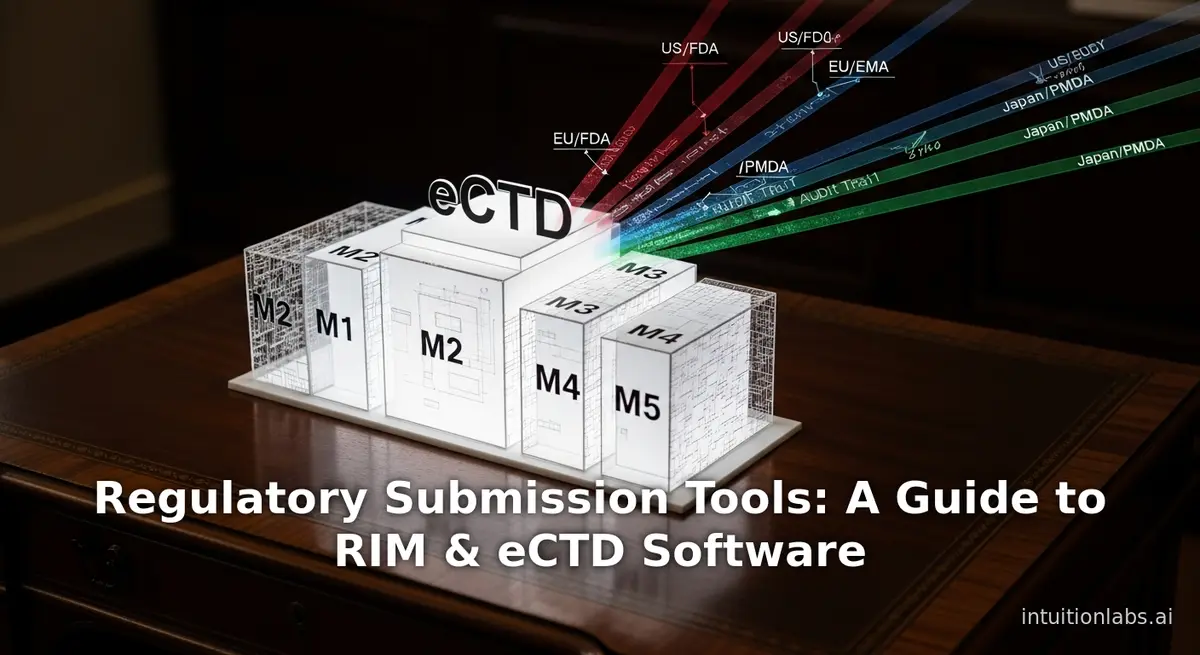
An overview of regulatory submission software for the life sciences. Learn how RIM systems & eCTD publishing tools streamline compliant filings to the FDA & EMA
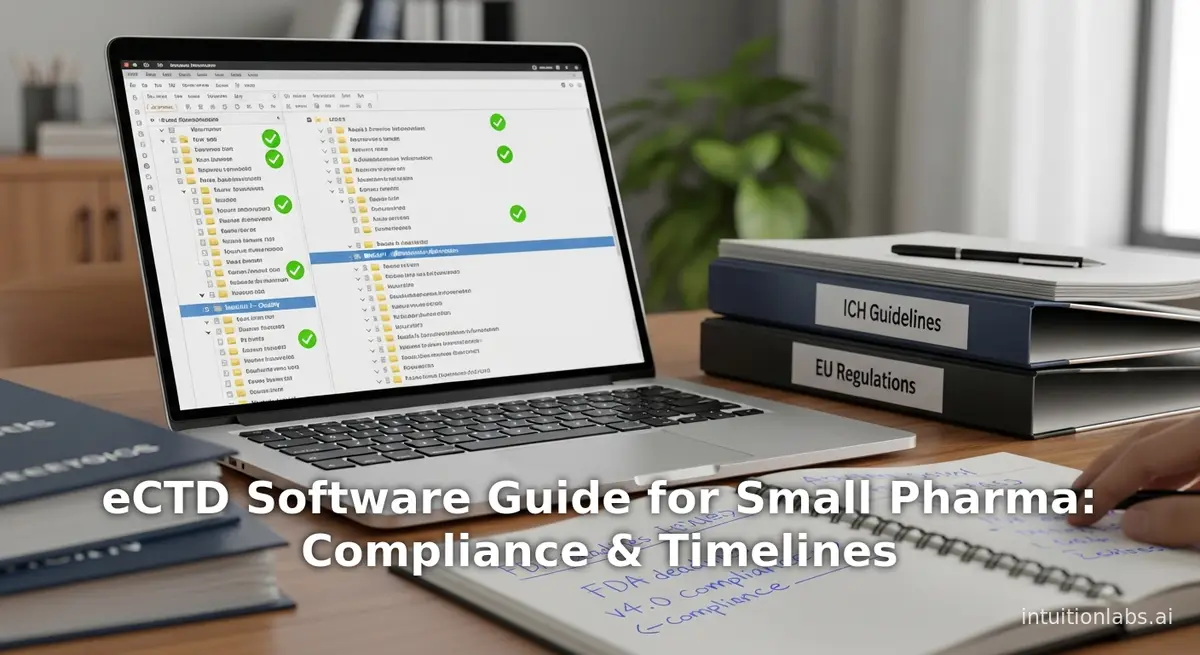
Learn how to choose eCTD software for small pharma. This guide covers regulatory compliance, global submission timelines for FDA & EMA, and eCTD v4.0 updates.
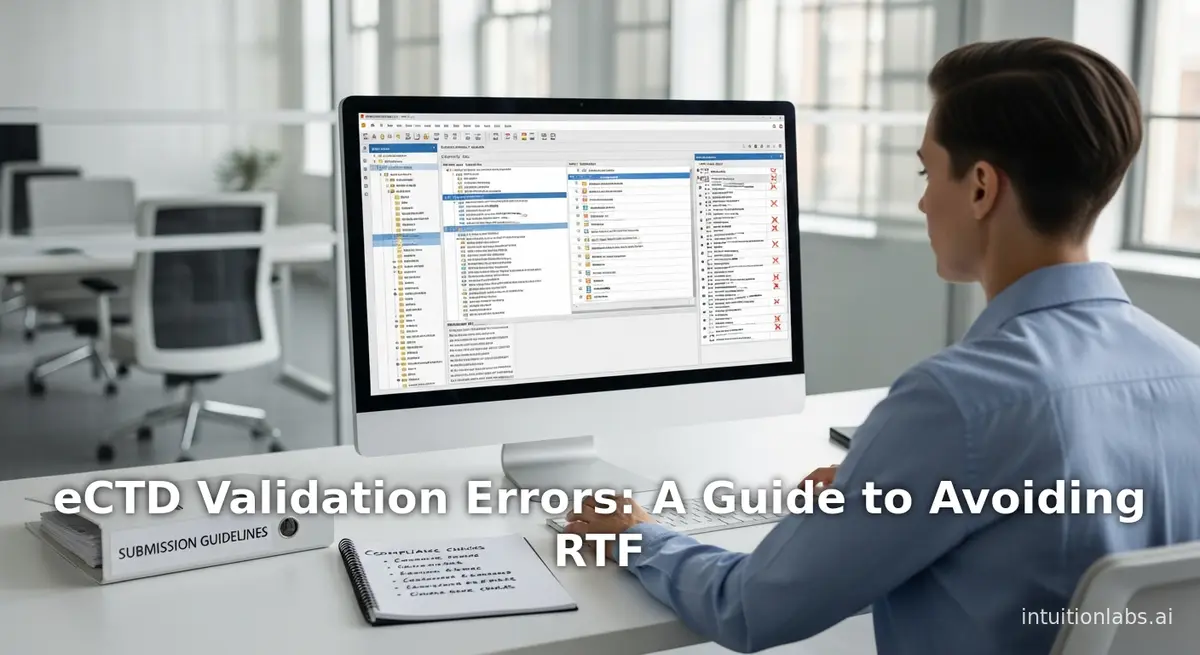
Learn the most common eCTD validation errors that lead to technical rejection, where FDA treats a submission as not received. Covers structural, XML, and PDF issues.
Learn best practices for managing eCTD submissions: eCTD structure, publishing tools, QC processes, eCTD v4.0 timelines and how to avoid common technical errors.
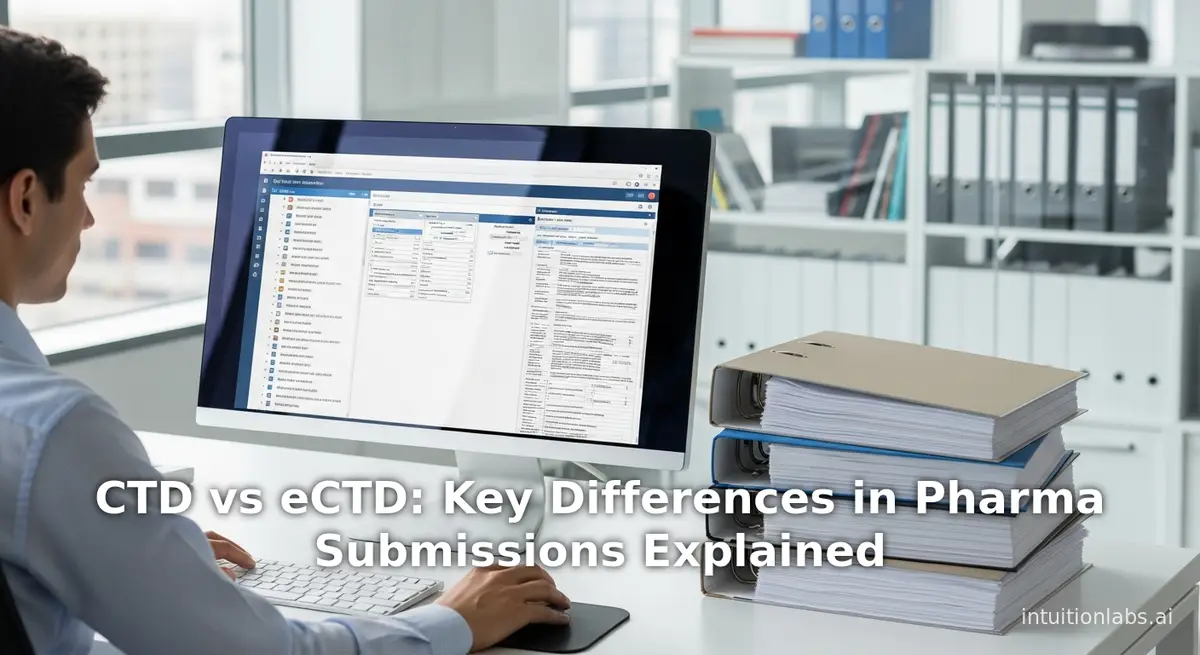
Learn the key differences between the Common Technical Document (CTD) and electronic CTD (eCTD). This guide covers the evolution from paper to the XML-based eCT
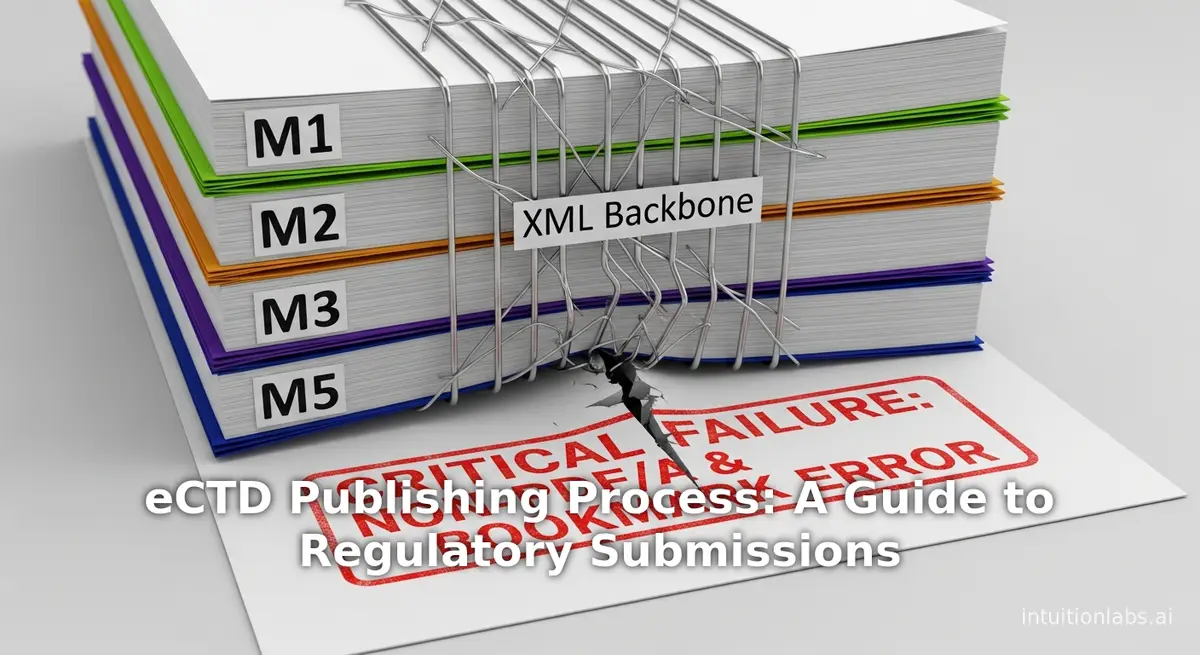
Learn the eCTD publishing process for regulatory submissions, with eCTD v4.0 milestones: FDA optional since Sept 2024, EMA optional since Dec 2025, PMDA new drug applications from Apr 2026.
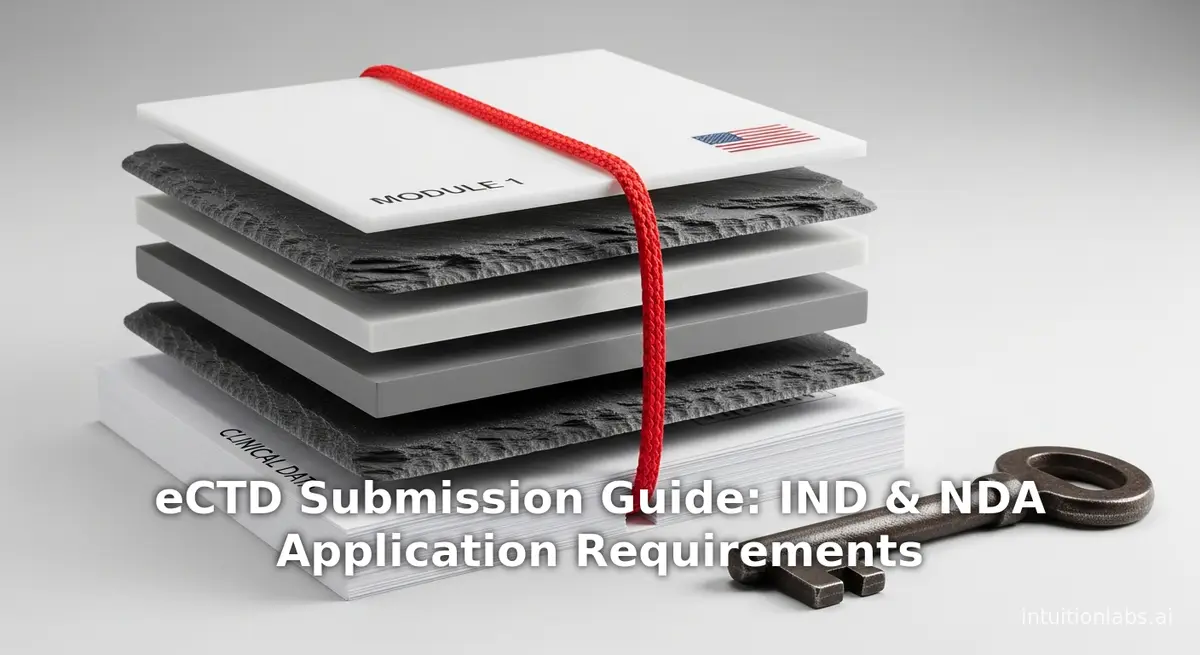
A complete guide to the IND & NDA eCTD submission process. Learn the eCTD format, CTD modules, FDA requirements, and the transition from eCTD v3.2.2 to v4.0.
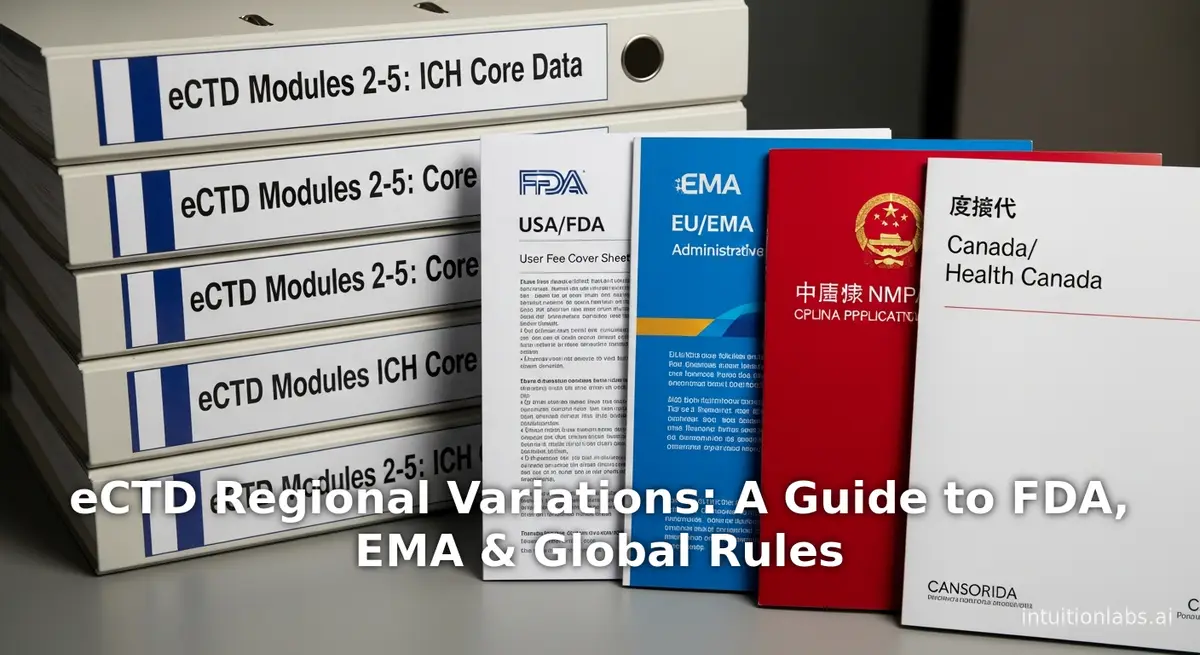
Learn about eCTD regional variations for global regulatory submissions. This guide compares Module 1 requirements from the FDA, EMA, Health Canada, and more.
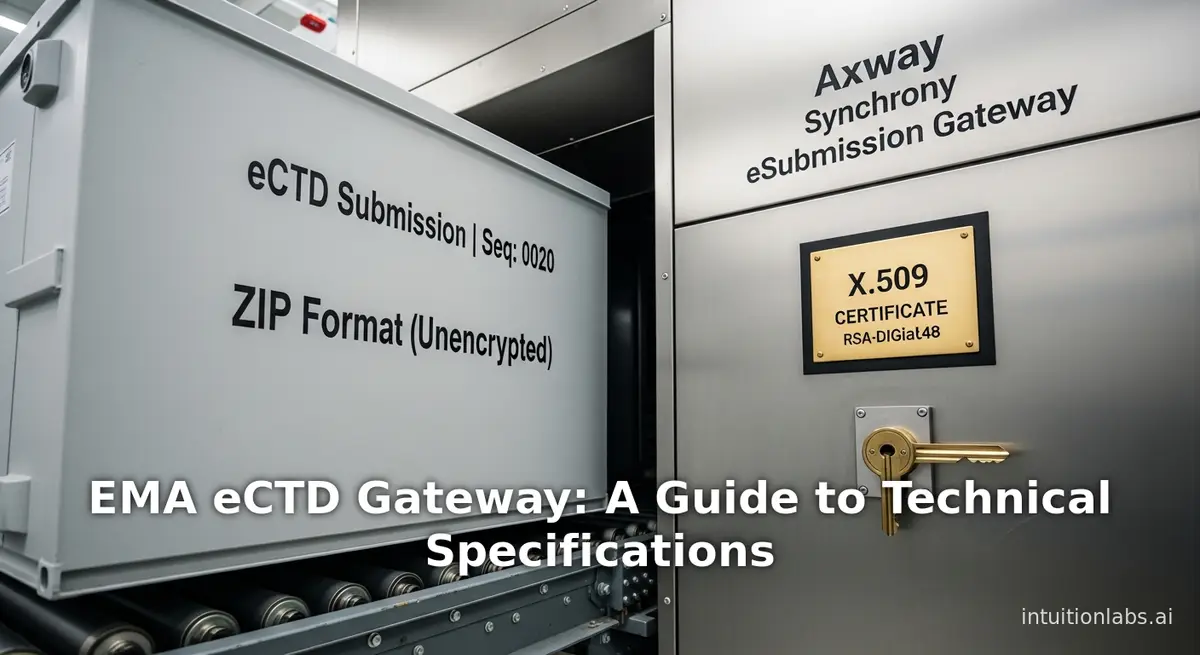
Learn the EMA eCTD Gateway specifications for regulatory submissions. This guide explains the technical architecture, AS2 protocols, validation, and file requir
Updated May 2026: Learn about common eCTD validation errors that lead to submission rejection. Covers FDA and EMA rules, eCTD v4.0 rollout, Health Canada Validation Rules v5.3, and strategies for first-pass compliance.
A guide to regulatory submission quality control (QC). Explore best practices for eCTD dossier checklists to ensure compliance and avoid costly FDA/EMA rejectio
Learn eCTD validation requirements for FDA, EMA, Health Canada and PMDA submissions: technical specifications, business rules, common errors and validation tools.
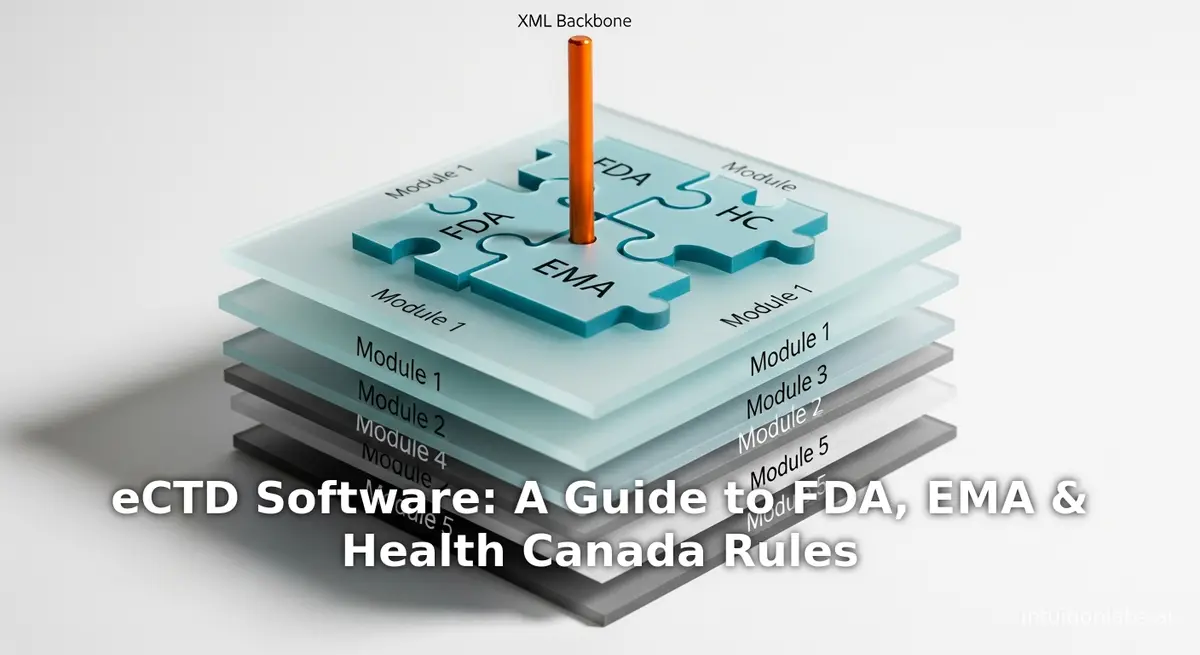
Learn the technical requirements for eCTD software submissions to the FDA, EMA, and Health Canada, including validation, lifecycle management, and how regulators are phasing in eCTD v4.0 for new applications.
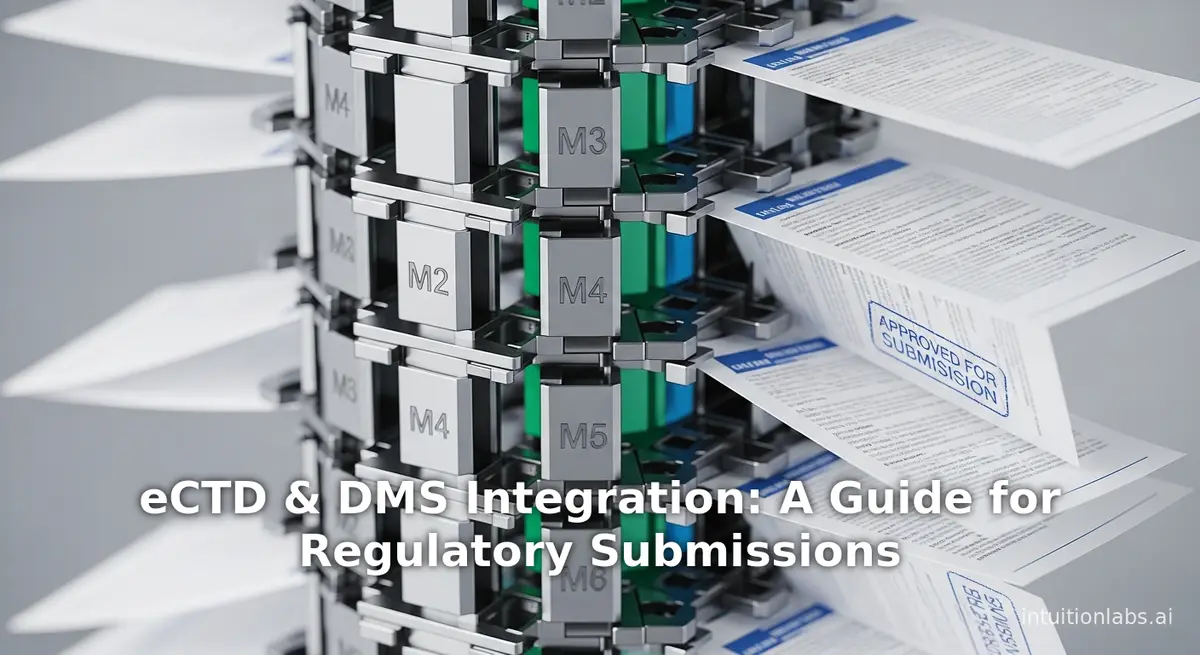
Learn how integrating eCTD publishing software with a Document Management System (DMS) streamlines pharma regulatory submissions, improves data consistency, and supports planning for eCTD v4.0.
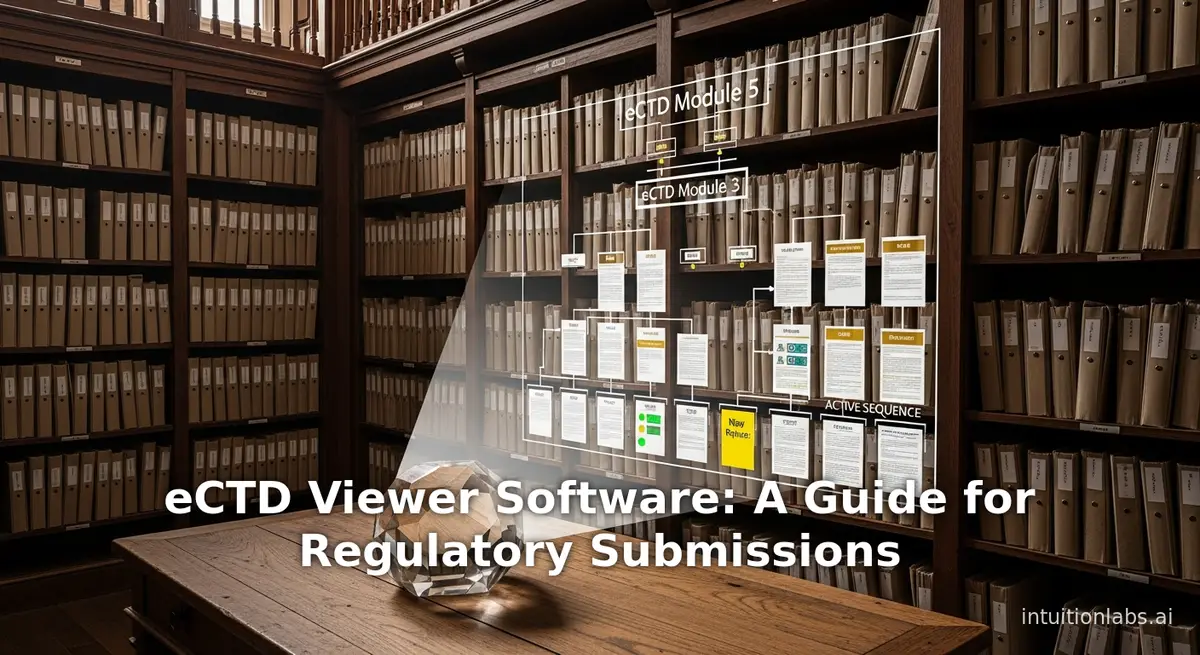
Learn what eCTD viewer software is and why it's critical for regulatory submissions. This guide covers key features, technical capabilities, and tools.
Explore key challenges in pharmaceutical regulatory submissions, from legacy eCTD issues and CMC gaps to AI and structured data for faster drug approvals.
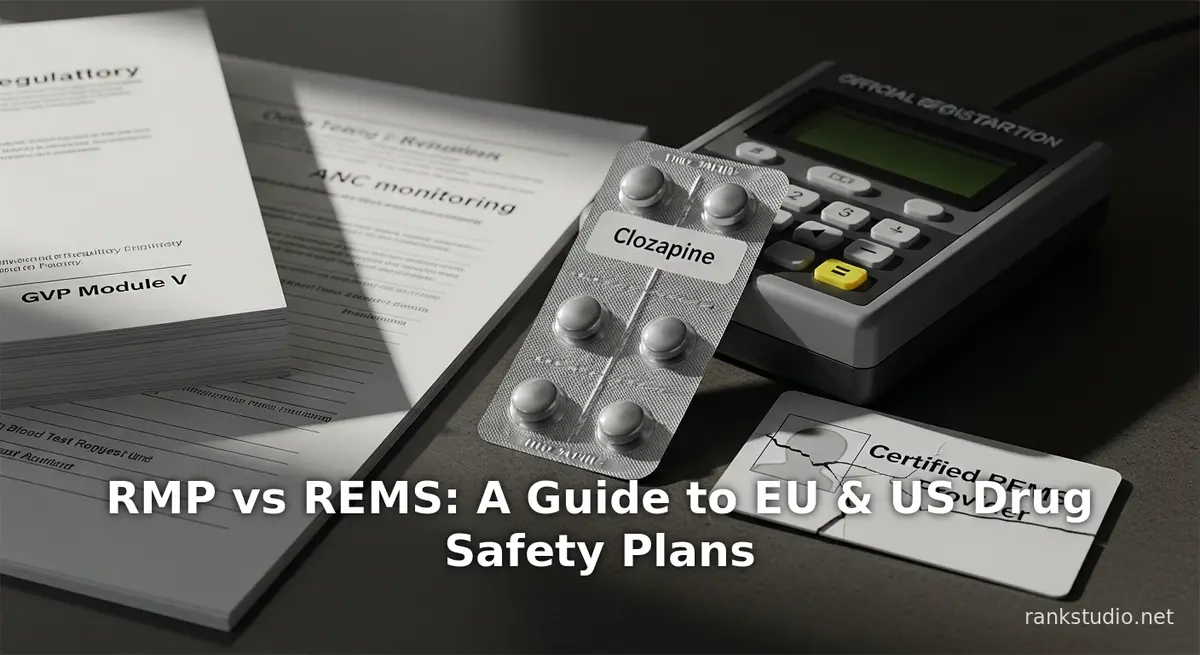
An educational guide comparing the EU Risk Management Plan (RMP) vs. the US REMS for drug safety. Learn about key differences in scope, content, and triggers.
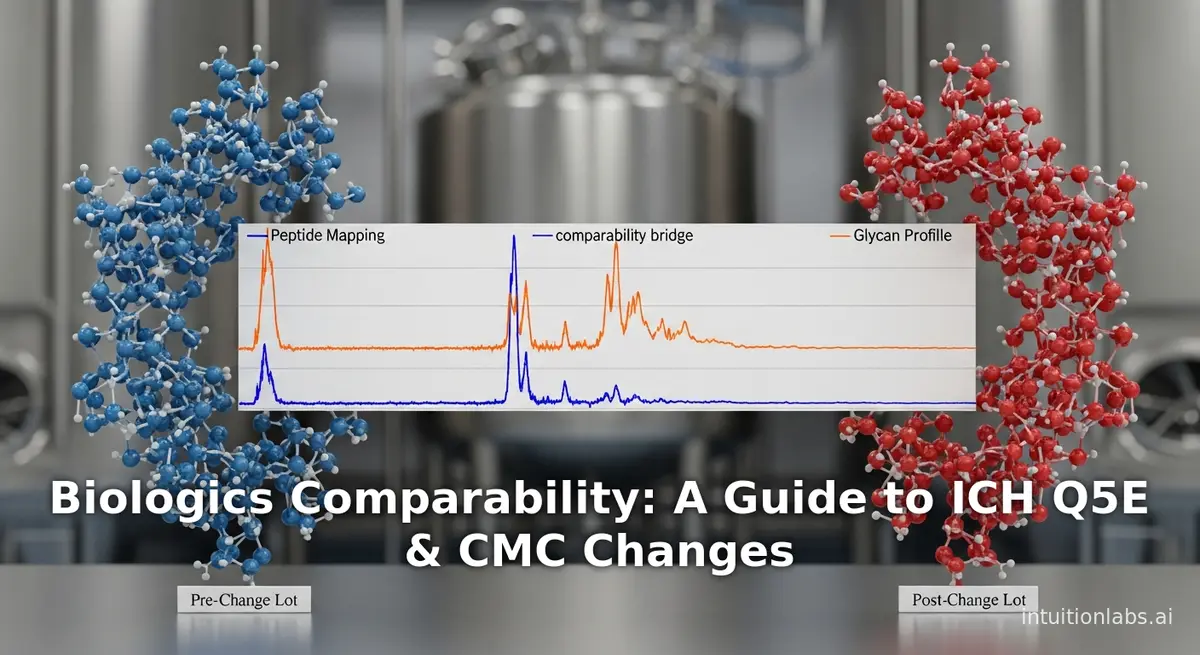
An educational guide to biologics comparability studies. Learn how to prove "no meaningful change" after manufacturing process changes, based on ICH Q5E and FDA
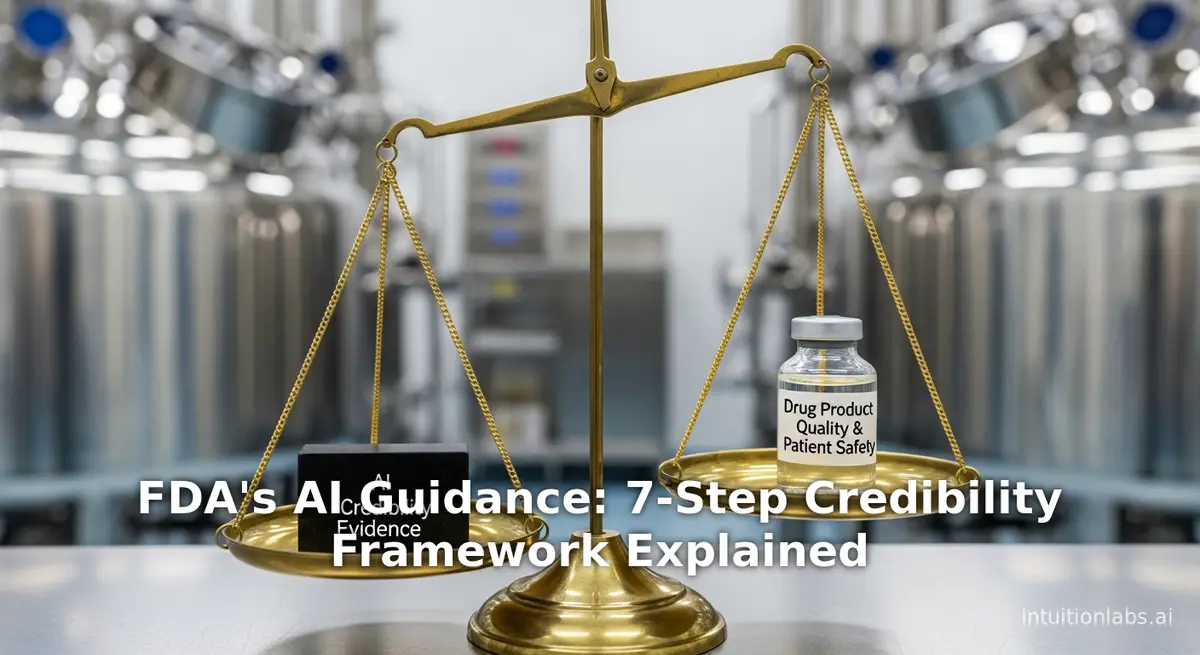
Learn about the FDA's AI guidance for drug development. This article explains the 7-step credibility framework, context of use (COU), and risk-based approach.
Learn how generative AI and LLMs assist in drafting pharma IND & CTA submissions. This guide covers benefits, risks, GxP compliance, FDA/EMA 2026 joint AI principles, and tools like AutoIND and Narrativa.
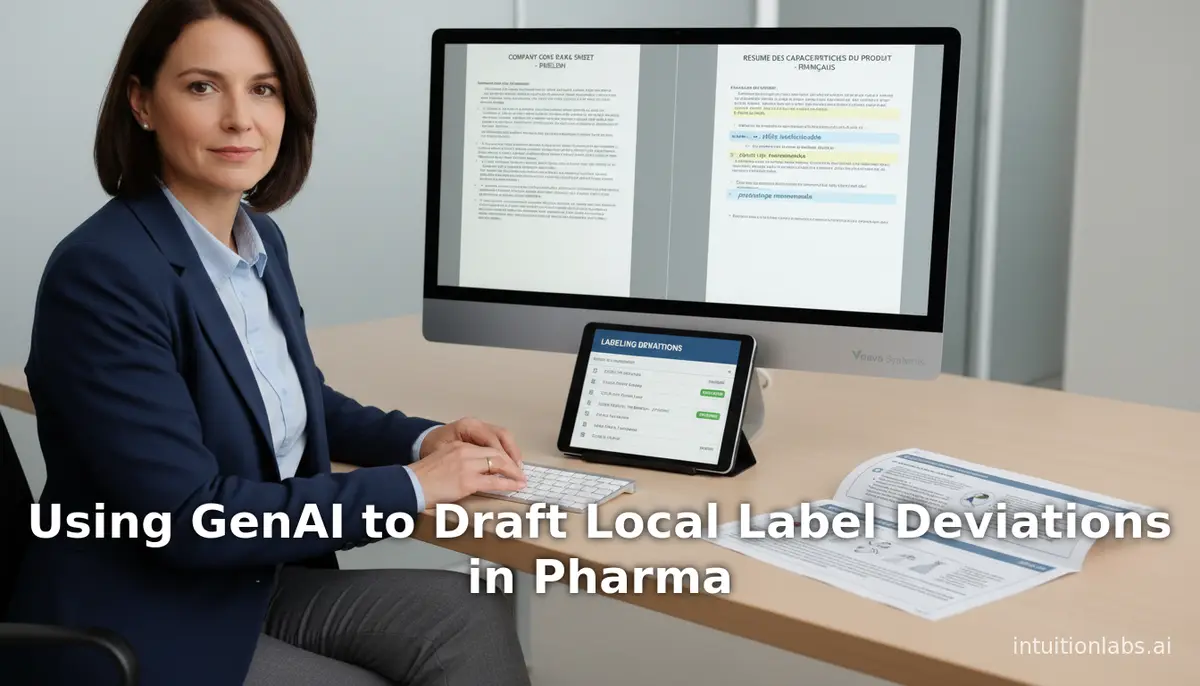
Explore how GenAI helps manage pharmaceutical labeling in 2026. Learn to draft local label deviations from a CCDS using AI tools like Veeva AI Agents, and understand FDA-EMA guidance on AI in regulatory compliance.
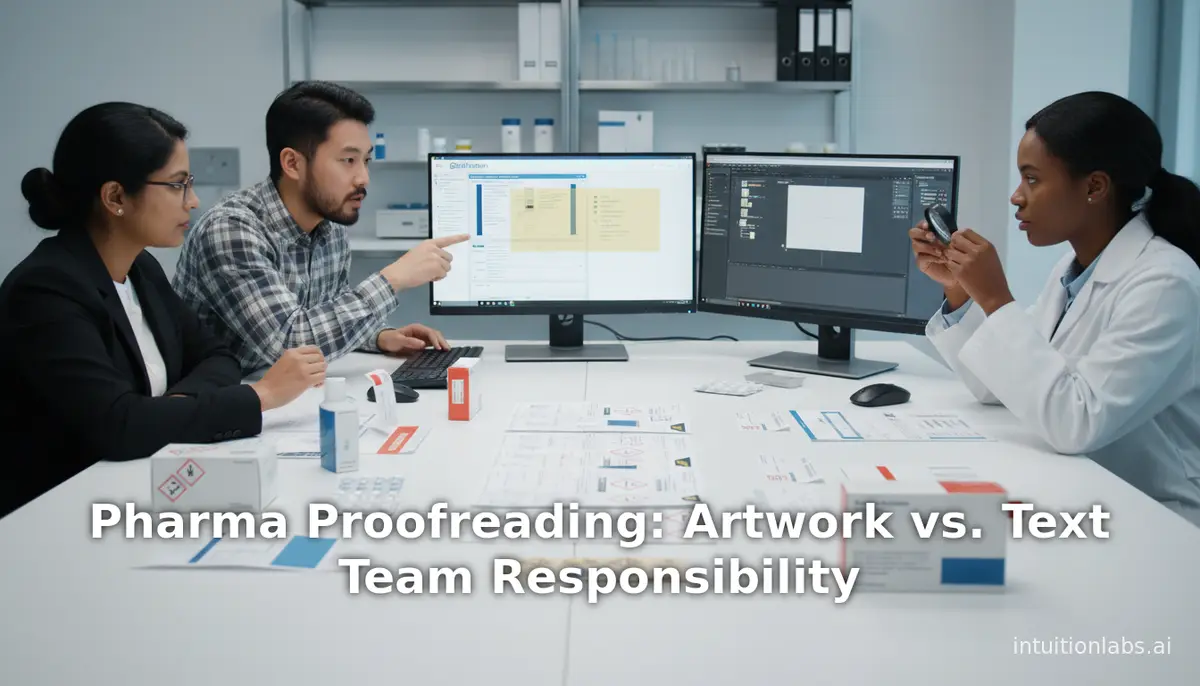
Who owns pharmaceutical proofreading? Updated for 2026 with EU ePI mandates, DSCSA enforcement, Veralto-GlobalVision acquisition, and AI-augmented labeling workflows across artwork, regulatory, and QA teams.
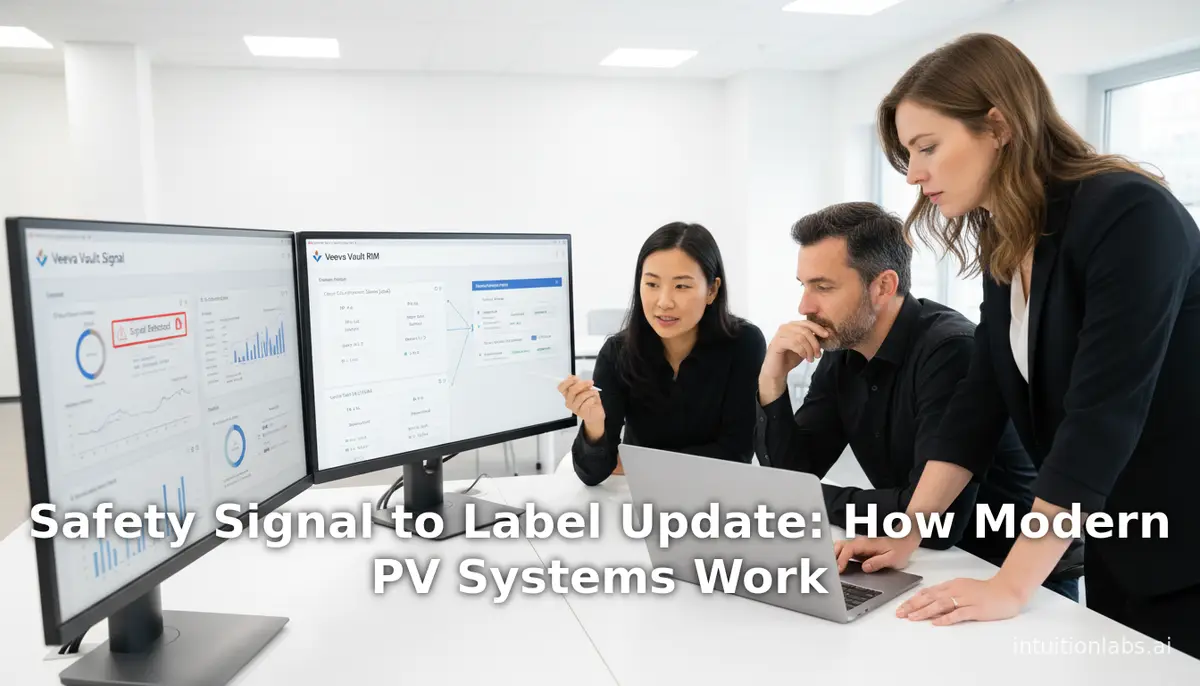
Learn the end-to-end pharmacovigilance process for translating safety signals into drug label updates. Covers CCDS, Vault Signal, EU Regulation 2025/1466, FDA AEMS, and how modern PV platforms accelerate the safety-to-label relay. Updated April 2026.

Explore the career path from a Regulatory Affairs Generalist to a specialized Labeling Strategist. Learn key skills, role differences, salary data, and 2026 industry trends including mandatory EU ePI and digital labeling.
A comprehensive guide to the Target Product Profile (TPP) for drug development, updated for 2026. Learn TPP components, FDA and ICH guidance, IQVIA adoption data, and how to align your TPP with the final drug label.
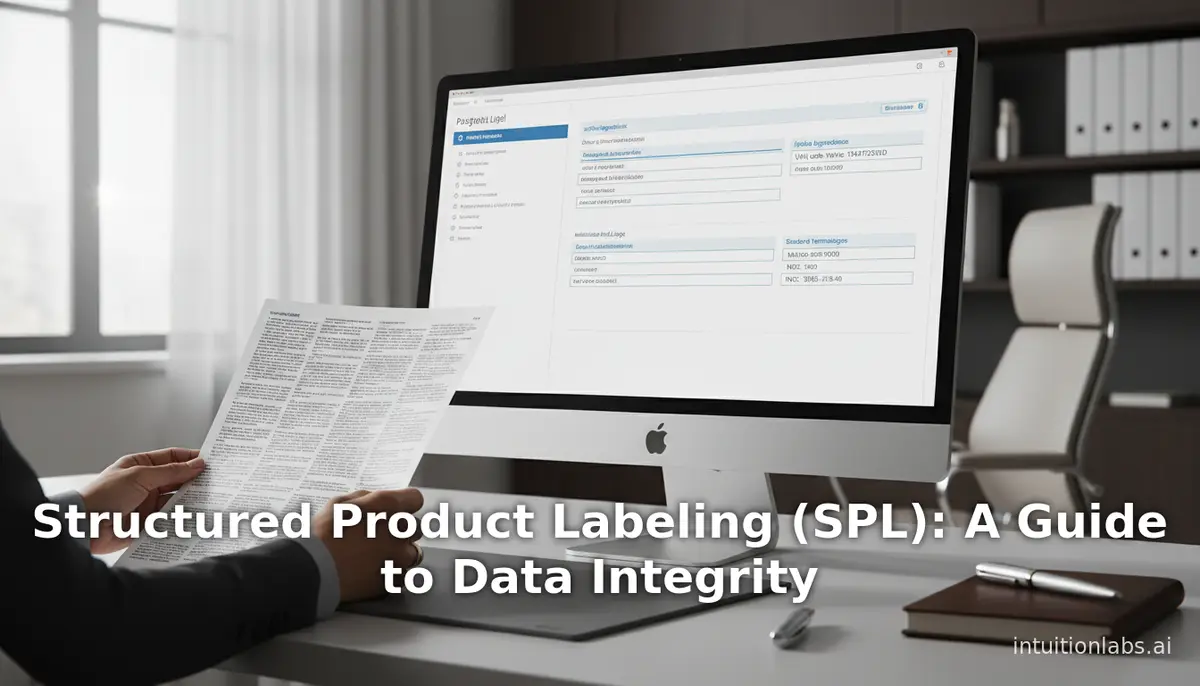
Updated 2026 guide to Structured Product Labeling (SPL) and data integrity. Covers FDA mandates, EMA ePI roadmap, Health Canada XML-PM, FHIR standards, and ALCOA+ compliance for pharmaceutical labeling.
Explore the regulatory process for negotiating an FDA boxed warning on drug labeling, from initial NDA review to post-market Safety Labeling Changes (SLCs), with 2025-2026 case studies including HRT warning removal, Elevidys, Carvykti, and COVID vaccine labeling debates.
Learn to write the Highlights of Prescribing Information (HPI). Updated for 2026 with AI labeling tools, the Prescription Information Modernization Act, and generic drug labeling reforms. Covers FDA requirements, PLR, and best practices.
Learn how the FDA's PLLR replaced old pregnancy categories. Updated 2026 guide on drafting clear pregnancy risk summaries for biologics, with ICH E21, IMPACT trial, and PIANO registry data.
An evidence-based review of NLP in regulatory labeling (updated April 2026). Learn how AI assists medical writers in drafting Prescribing Information (PI/SmPC), including FDA Elsa, FDA-EMA joint AI principles, and current limitations.
Learn how pharmaceutical translation errors in SmPCs and patient leaflets lead to drug recalls, regulatory sanctions, and patient safety risks. Updated with 2025-2026 EU pharma legislation reform, EMA ePI roadmap, and AI translation developments.
Explore a structured cascade model for rolling out pharma safety labeling updates to global affiliates, covering FDA 505(o)(4) guidance, EMA variations framework, AI-powered PV tools, and sub-90-day implementation strategies.
Learn the difference between a Company Core Data Sheet (CCDS) and local labels. Explore strategies for managing global labeling deviations, including EMA ePI, IDMP compliance, and AI-powered labeling tools for regulatory compliance
Updated for 2026: Compare ISO 14155:2026 for medical device trials vs ICH E6(R3) GCP for pharma. Covers scope, risk management, regulatory compliance, and the l
Learn what an Investigator's Brochure (IB) is, its required content per ICH GCP E6(R3) guidelines (finalized 2025), and its critical role in assessing risk for clinical trials.
Learn about the EU Clinical Trial Regulation (CTR) 536/2014 and the CTIS portal. This guide covers harmonized submission processes, key timelines, and transpare
An in-depth comparison of the FDA and EMA, updated for 2026. Learn the key differences in US and EU drug approval processes, review timelines, GMP, FDORA reforms, EU pharma legislation overhaul, and regulatory frameworks.
Explore a comprehensive list of the top pharma news websites and biotech publications in 2026. Learn about sources for drug development, regulatory changes, patent cliff coverage, and market intelligence.
Understand the FDA 510(k) premarket notification process for Class II medical devices. Updated for 2026 with QMSR, AI/ML device frameworks, MDUFA VI, and current clearance data.
Learn about the most in-demand pharma roles for 2025-2026. This analysis covers top pharmaceutical jobs in AI, advanced manufacturing, and clinical development, including $370B+ in US reshoring investments and workforce restructuring trends.
Comprehensive guide to Regulatory Information Management (RIM) systems and ISO IDMP standards, covering EMA PMS deadlines, eCTD v4.0 timelines, AI-powered RIM tools, and compliance strategies for life sciences organizations (updated March 2026).
Updated 2026 guide to finding drugs in the clinical pipeline (Phase I-III). Learn to use ClinicalTrials.gov (550K+ studies), CTIS, commercial databases, and AI-powered tools like Pharmaprojects+ and TuneLab.
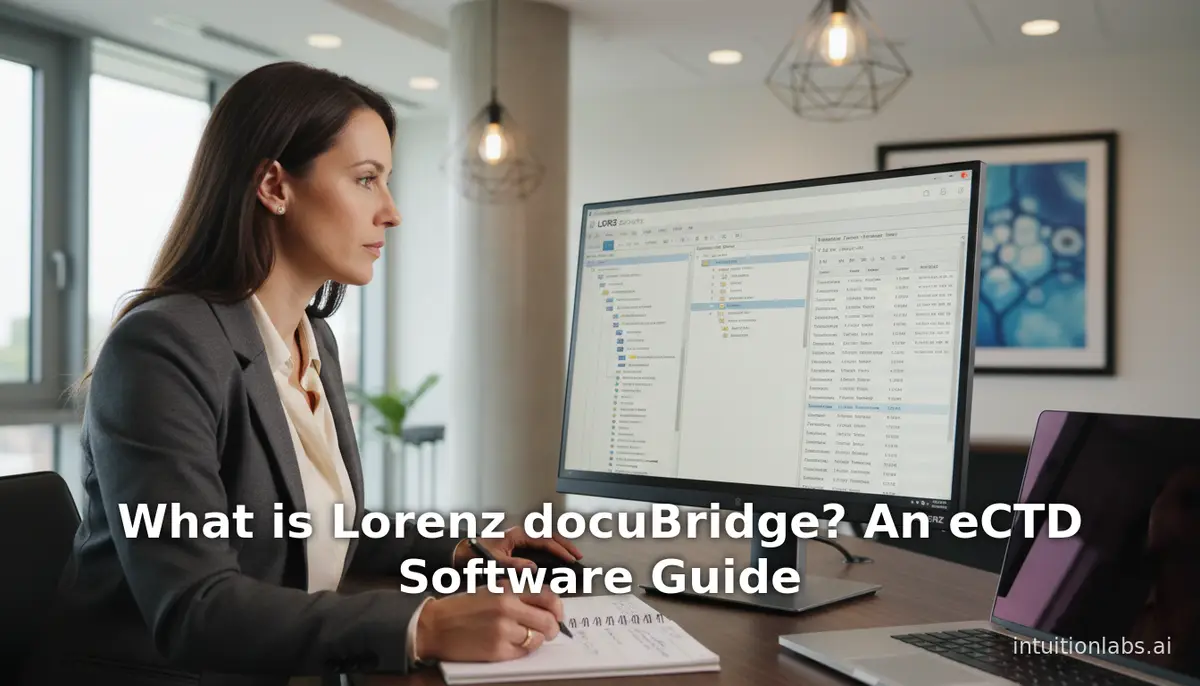
Learn about Lorenz docuBridge, a key eCTD publishing software for biotech. Updated for 2026 with v25.2 features, eCTD v4.0 EU support, verifAI, and 2,000+ installations

Learn how target trial emulation provides a structured framework for drawing causal inference from real-world evidence (RWE), with 2025 updates on the TARGET reporting guideline, ICH M14, and FDA guidance.
Learn about the specialized software tools used across the drug development lifecycle, from discovery and preclinical research to manufacturing and commercialization. Updated for 2026 with ICH E6(R3), DSCSA compliance deadlines, IDMP/PMS timelines, and the latest in AI-driven drug design.
This article explains how AI tools can validate regulatory dossiers, catch technical errors before submission, and minimize rework for emerging biotech companies. Updated with 2025-2026 developments including FDA's ELSA AI assistant, eCTD v4.0 validation updates, McKinsey benchmarks, and the latest Gemini 2.5 vs GPT-5 comparisons.
Explore 21 CFR Part 11 compliance for electronic records, signatures, and AI in GxP. Covers key elements, FDA guidance (including finalized CSA and AI credibility framework), and controls for data integrity and audit-ready systems. Updated February 2026.
Learn how regulatory affairs ensures product compliance in health industries. Explore the fundamental role of AI and LLMs in modern regulatory processes, including the latest FDA/EMA joint guidance and EU AI Act requirements.
In-depth guide to U.S. pharmaceutical marketing regulations: FDA, FTC, Sunshine Act, anti-kickback, compliance, and IT obligations for pharma companies.
An analysis of how artificial intelligence is transforming regulatory affairs in pharmaceuticals, from submission preparation to compliance monitoring and regulatory intelligence.
A comprehensive analysis of the life sciences job market in 2025, exploring emerging roles, skill requirements, salary trends, and career opportunities across pharmaceutical, biotechnology, and medical device sectors.
© 2026 IntuitionLabs. All rights reserved.