

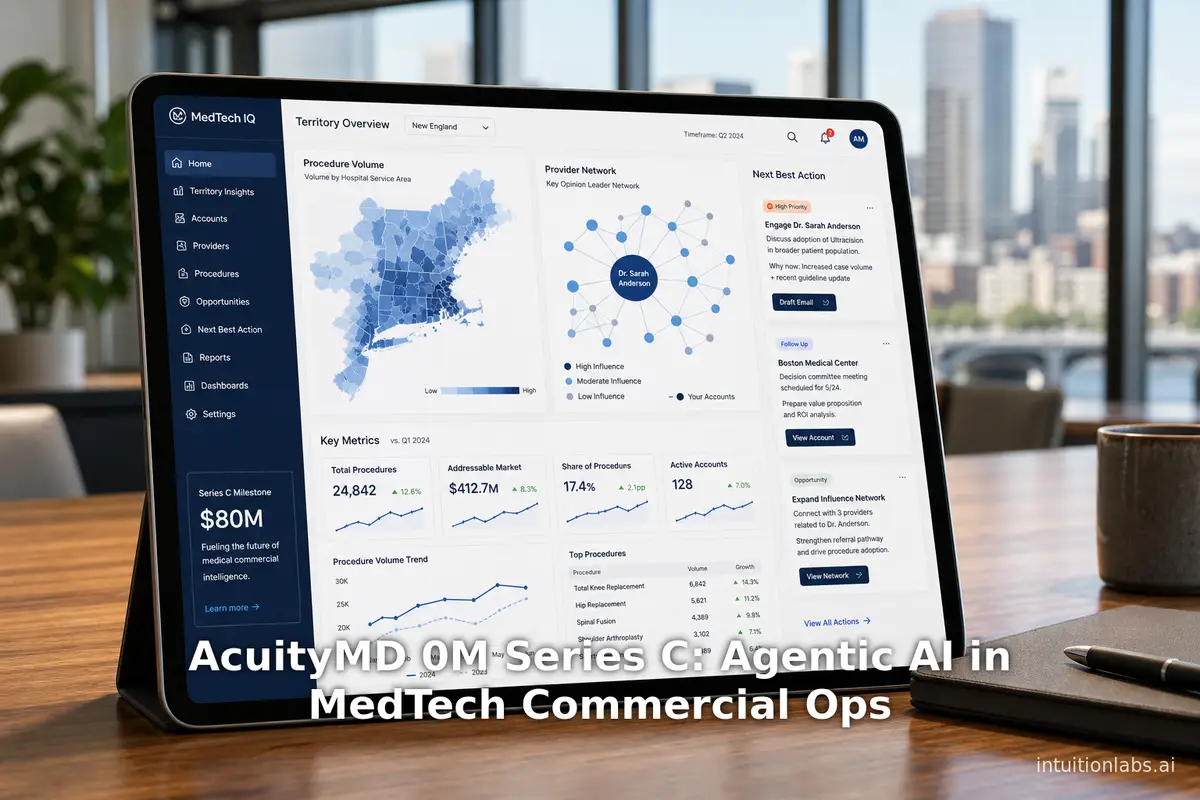
AcuityMD $80M Series C: Agentic AI in MedTech Commercial Ops
Analyze AcuityMD's $80M Series C funding and the role of AcuityAI. Learn how agentic AI optimizes MedTech commercial operations, sales, and market access.

IntuitionLabs is now a member of the Claude Partner Network – AI training and upskilling with Claude for pharma and biotech. Book a call.
Analyze AcuityMD's $80M Series C funding and the role of AcuityAI. Learn how agentic AI optimizes MedTech commercial operations, sales, and market access.
A 2026 comparison guide of open-source LIMS platforms for life science labs. Learn about system architectures, customizability, and compliance trade-offs.
Analyze the $1B Merck and Google Cloud partnership. This report explains how agentic AI and Gemini Enterprise apply to pharmaceutical R&D and data workflows.
Understand why large language models (LLMs) improve performance when given high-stakes or emotional prompts, and explore research on the EmotionPrompt effect.
Analyze LLM position bias, including primacy and recency effects in transformer models. Learn how prompt structure impacts attention and generation accuracy.
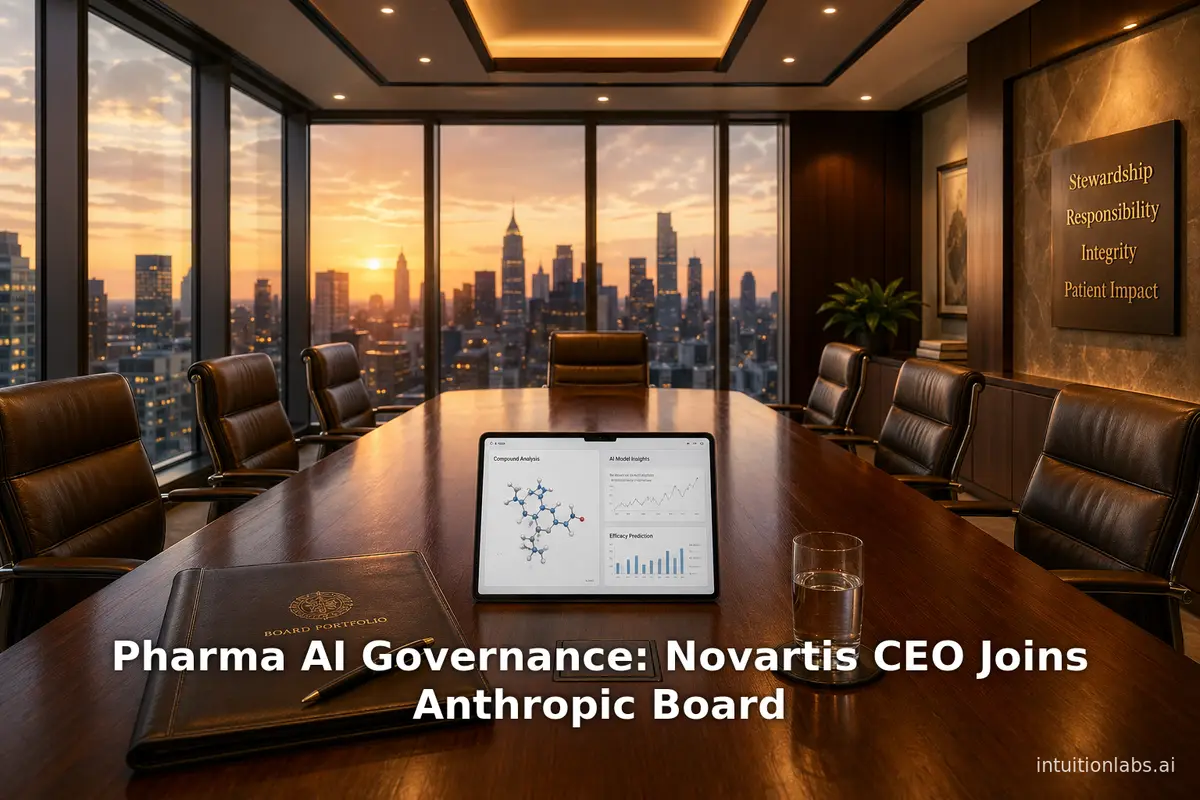
Examine the impact of Novartis CEO Vas Narasimhan joining Anthropic's board. This report analyzes pharma AI governance, healthcare regulations, and drug R&D.
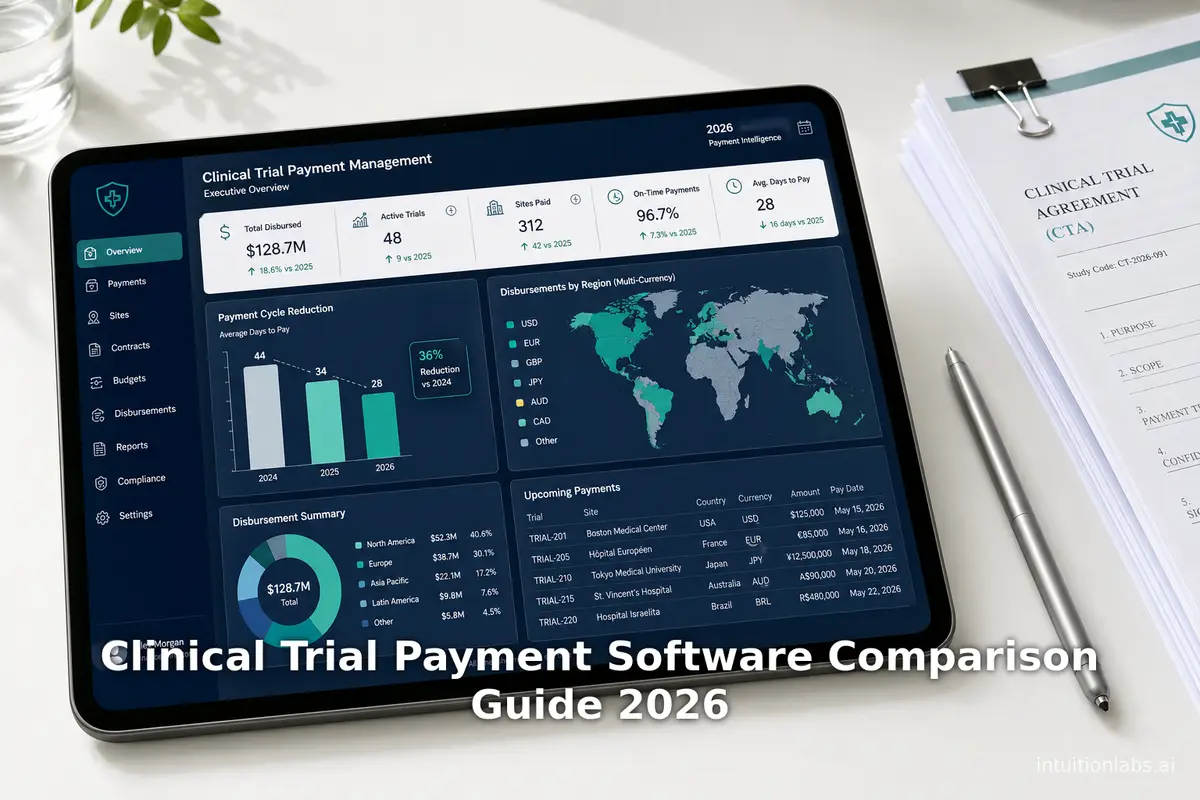
Review this 2026 vendor comparison of clinical trial payment software. Analyze automated site payment and participant stipend management system capabilities.
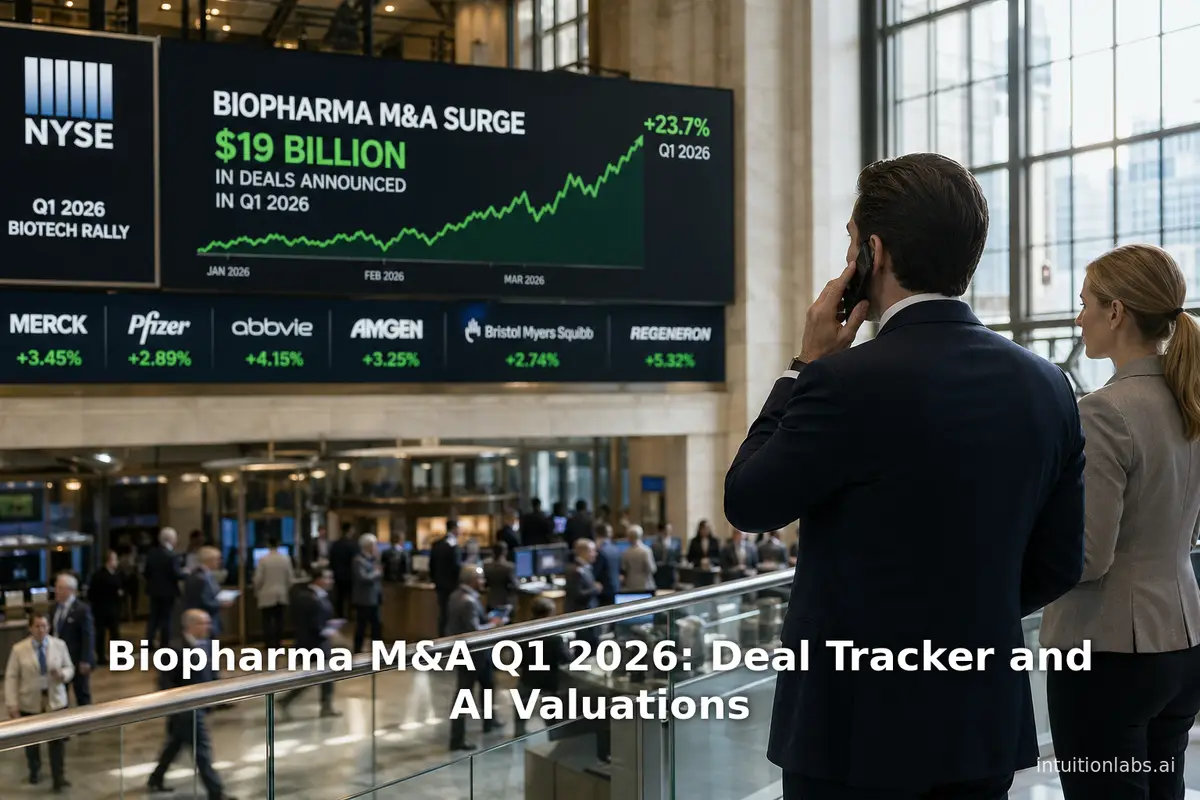
Analyze Q1 2026 biopharma M&A trends, including 19 billion-dollar deals. Learn how patent cliffs and AI valuation drivers impact pharmaceutical acquisitions.
Analyze the role of multi-agent AI and co-scientist architectures, including withZeta.ai, in accelerating rare cancer drug discovery and modern oncology R&D.
Review AI molecule prioritization methods and computational triage tools used in drug discovery pipelines to filter generative AI candidates via ADMET and QSAR.
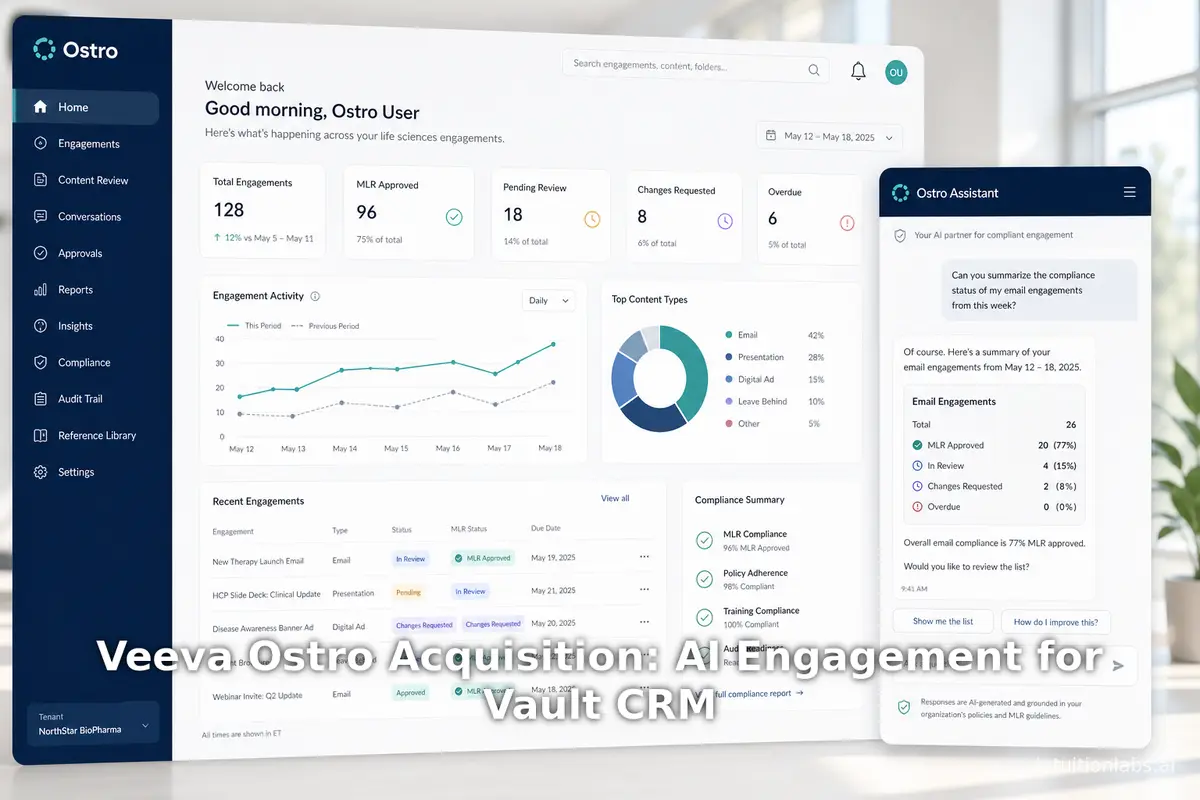
Read a comprehensive analysis of Veeva's Ostro acquisition. Learn how conversational AI integrates with Vault CRM for MLR-compliant HCP and patient engagement.
Review essential features of Anatomic Pathology LIMS, including digital pathology integration, compliance, and workflows for histopathology and cytology.
Examine how Isomorphic Labs uses AlphaFold AI to advance its first computationally designed oncology and immunology therapeutics into clinical trials.
Explore the updated EU GMP Annex 1 guidelines for sterile manufacturing. Learn how to implement a risk-based Contamination Control Strategy (CCS) for compliance
Understand how AI automates regulatory medical writing for CTD Module 2 summaries in IND and NDA submissions, including efficiency gains and compliance risks.
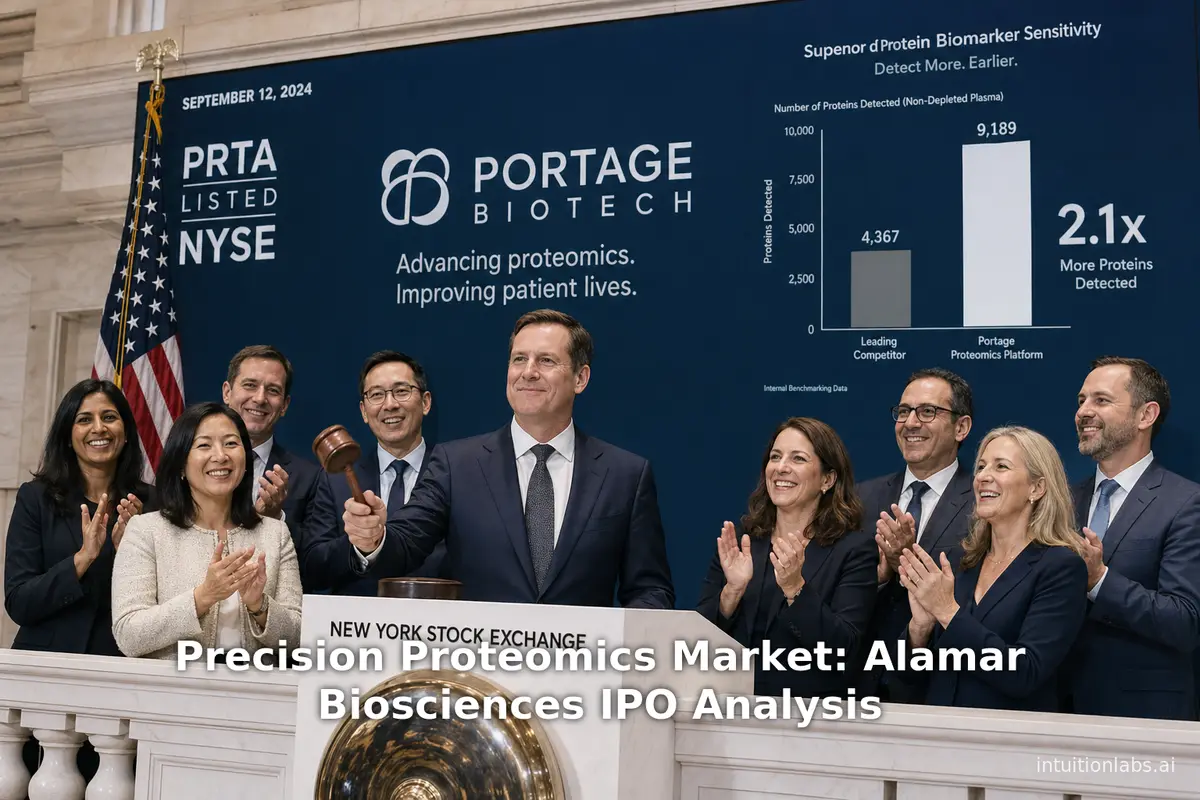
Analyze the AI-enabled precision proteomics market through the Alamar Biosciences $191M IPO, NULISA technology, and the future of protein biomarker detection.
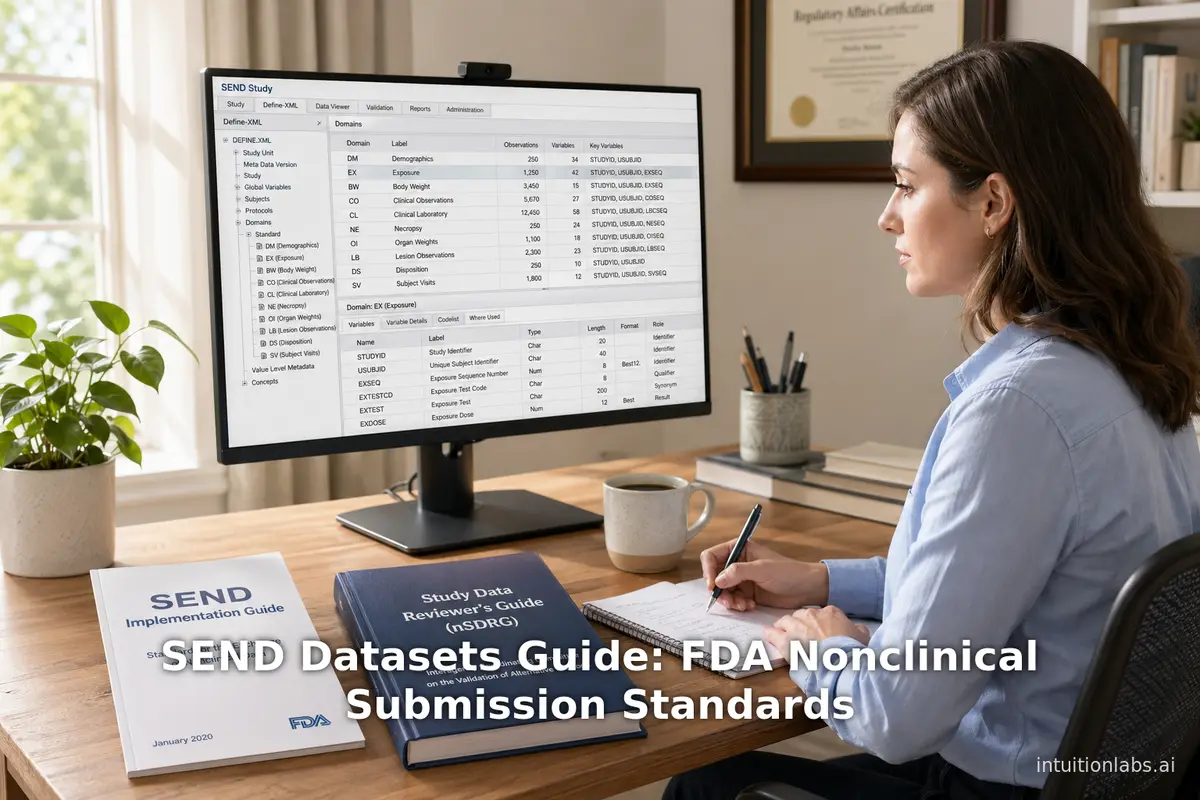
Learn about CDISC SEND datasets for FDA nonclinical submissions. This guide explains SDTM framework alignment, SENDIG rules, and regulatory compliance timelines
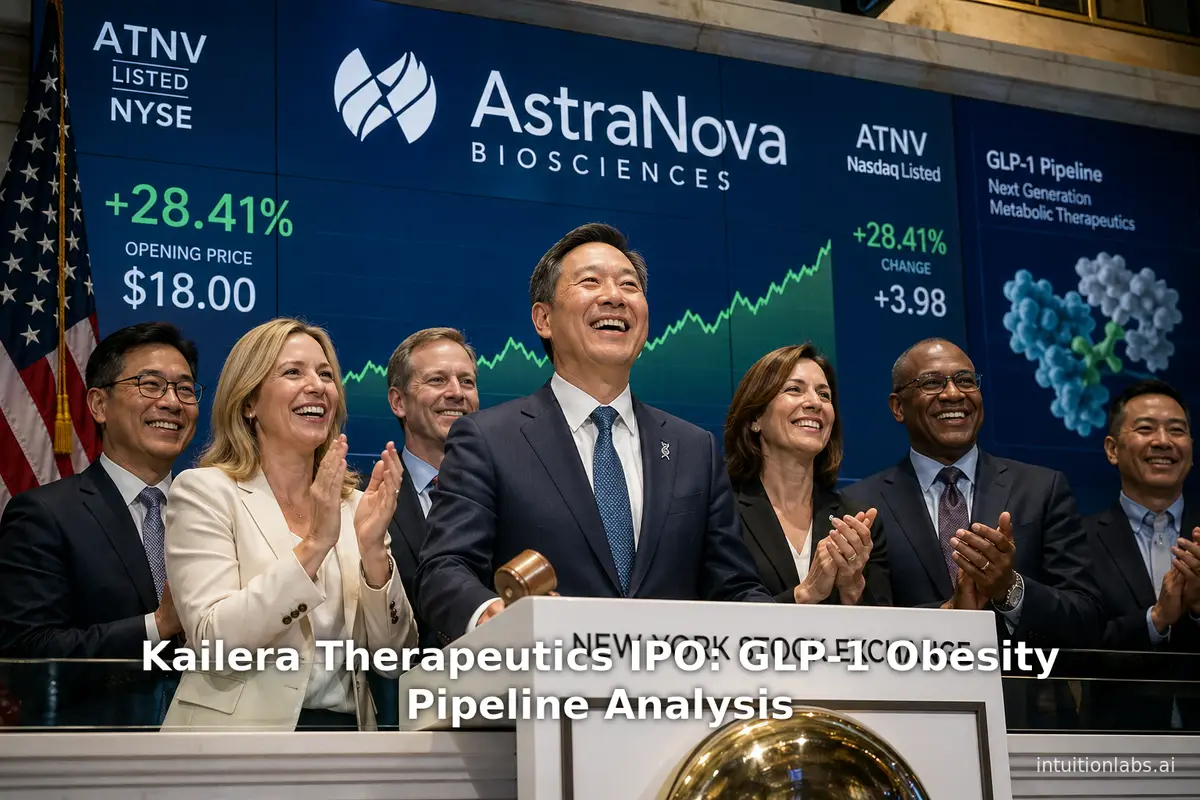
Explore Kailera Therapeutics' $625M IPO and GLP-1 obesity pipeline. This analysis covers clinical data, dual agonists, and the 2026 biotech market reopening.
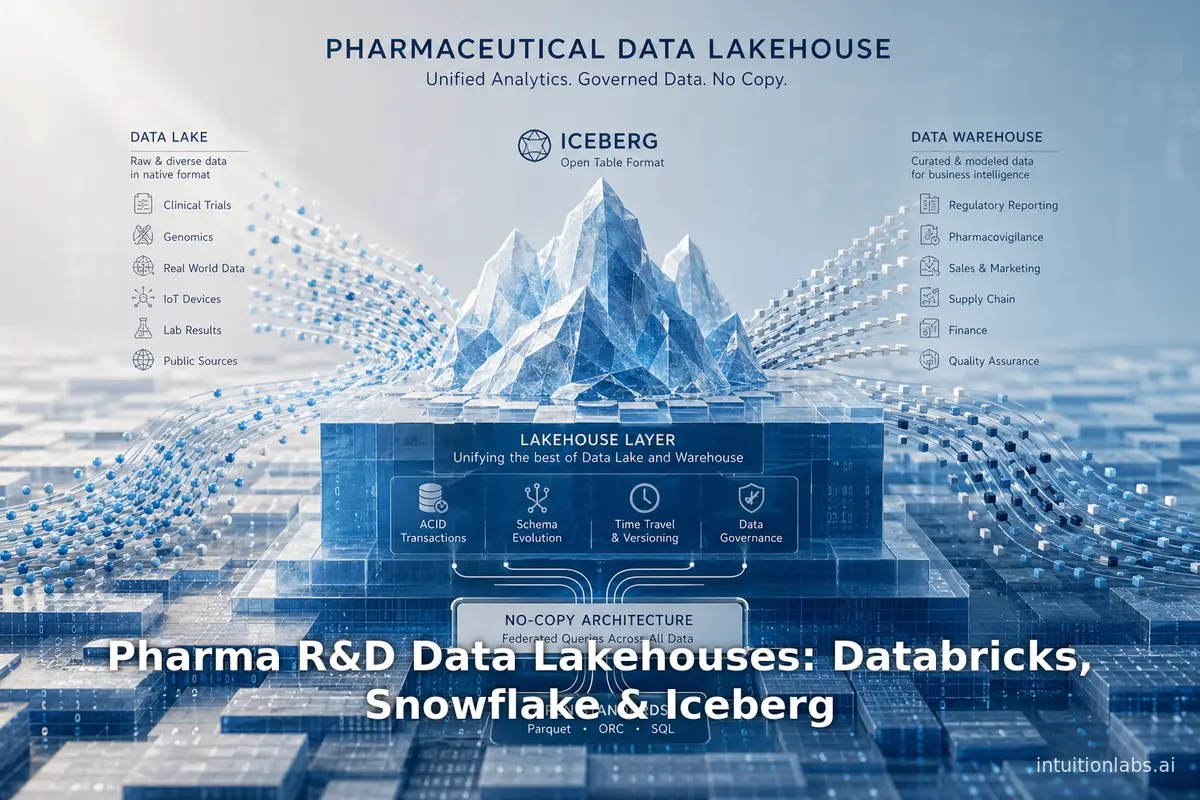
This report examines pharma data lakehouse architecture for R&D. Review how Databricks, Snowflake, and Apache Iceberg manage life sciences and clinical data.
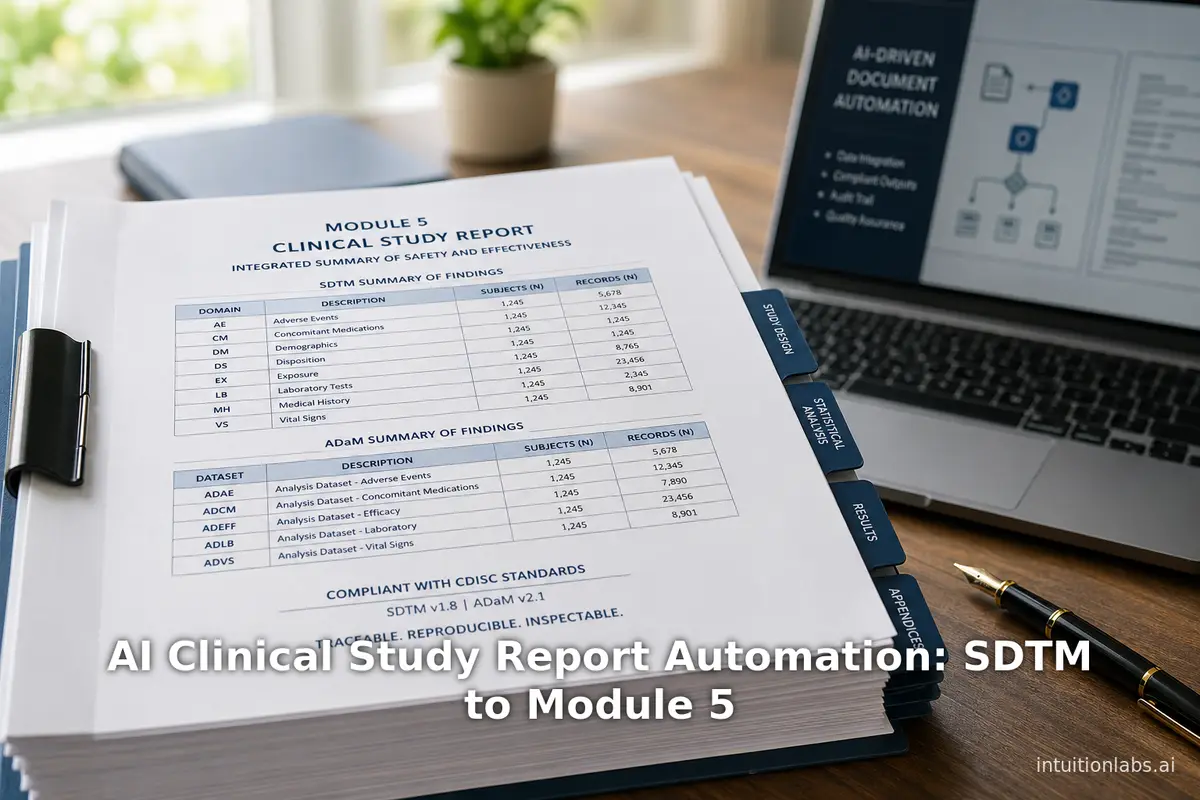
Examine AI clinical study report automation. This guide explains the technical process of converting SDTM and ADaM datasets into Module 5 submission documents.
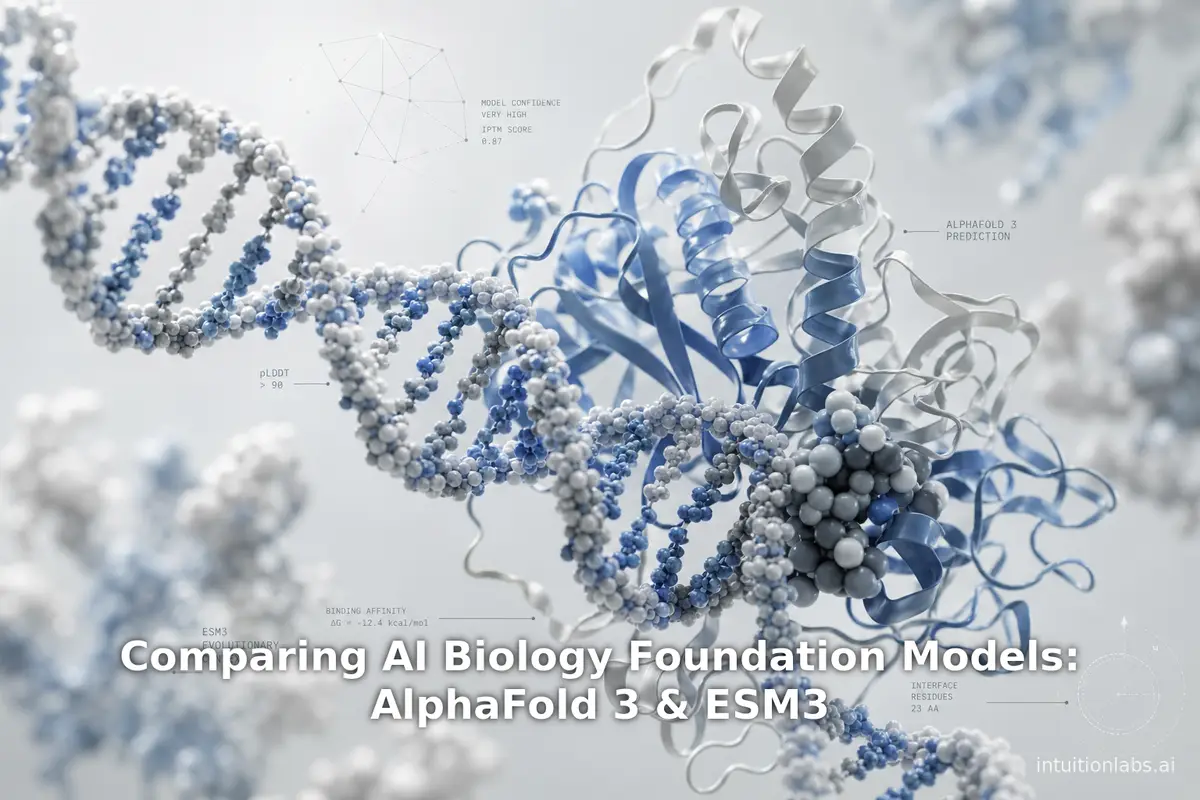
An in-depth comparison of AI biology foundation models like AlphaFold 3, ESM3, Boltz-2, and Chai-1. Analyze their architectures, benchmarks, and use cases.
Examine the FDA Commissioner's National Priority Voucher (CNPV) pilot program. This guide explains the new 1-2 month accelerated drug review pathway and rules.
Analyze the Phase IIa clinical trial results of INS018_055 (rentosertib), the first AI-designed drug by Insilico Medicine targeting TNIK for IPF treatment.
Analyze the FDA NAM roadmap for animal-free drug approval. Learn how advanced in silico models, AI tools, and organ-on-chip systems replace animal testing.
© 2026 IntuitionLabs. All rights reserved.