Learn how to build robust LLM evaluation frameworks for biotech. Updated for 2026 with GPT-5, Med-Gemini, HealthBench results, FDA guidance, and the latest biomedical benchmarks including BLUE, BLURB, and hallucination detection frameworks.
IntuitionLabs is now a member of the Claude Partner Network – AI training and upskilling with Claude for pharma and biotech. Book a call.

Learn how to build robust LLM evaluation frameworks for biotech. Updated for 2026 with GPT-5, Med-Gemini, HealthBench results, FDA guidance, and the latest biomedical benchmarks including BLUE, BLURB, and hallucination detection frameworks.

Learn best practices to evaluate CRO costs for your clinical trial budget. This 2026-updated guide covers RFPs, pricing models (fixed, T&M, FSP), benchmarking, and AI-driven cost optimization.

A detailed overview of IQVIA's technology solutions for life sciences, updated for 2026. Covers data management, OCE-to-Salesforce Life Sciences Cloud transition, AI agents with NVIDIA, analytics platforms, and RWE.

An overview of Next Best Action (NBA) in pharma marketing. Learn how AI-driven NBA strategies optimize HCP engagement, with 2026 updates on agentic AI, Salesforce Agentforce, and the PharmaForceIQ-Aktana acquisition.

An analysis of China's open-source LLM landscape in 2025. Covers key models like Qwen, Ernie, and GLM from major tech firms and leading AI startups.

Learn the hardware requirements for running OpenAI's GPT-OSS-20B model locally. Updated for 2026 with RTX 5090/5080 coverage, GDDR7 GPUs, and the latest inference frameworks.

An examination of the five key technical innovations behind ChatGPT, from the Transformer architecture and pretraining to RLHF and its successors (DPO, GRPO), GPU hardware evolution through NVIDIA Blackwell, and tokenization.

An analysis of leading software for molecular modeling and simulation. Learn about features, theoretical methods (MD, QM), performance, and use cases.

Learn about Apache Airflow's core architecture (including Airflow 3.x features like DAG versioning, Task Execution API, and HITL workflows), and its application for building data workflows in life sciences.

An in-depth technical comparison of five cheminformatics platforms (RDKit, ChemAxon, OpenEye, Schrödinger, BIOVIA), evaluating SAR/QSAR, ADMET prediction, virtual screening, and chemical library management. Updated for 2026 with Certara-ChemAxon acquisition, ROCS X launch, and AI integration trends.

Examines the 2025 AI regulatory frameworks for biopharma in the U.S., EU, U.K., and Canada. Details compliance obligations for GenAI, GxP, and SaMD.

Learn the architectural differences between event sourcing and queue-based systems. Covers immutable event logs, data traceability, replayability, and 2025–2026 tooling ecosystem maturity including Kurrent, Kafka KRaft, and cloud-native event services.

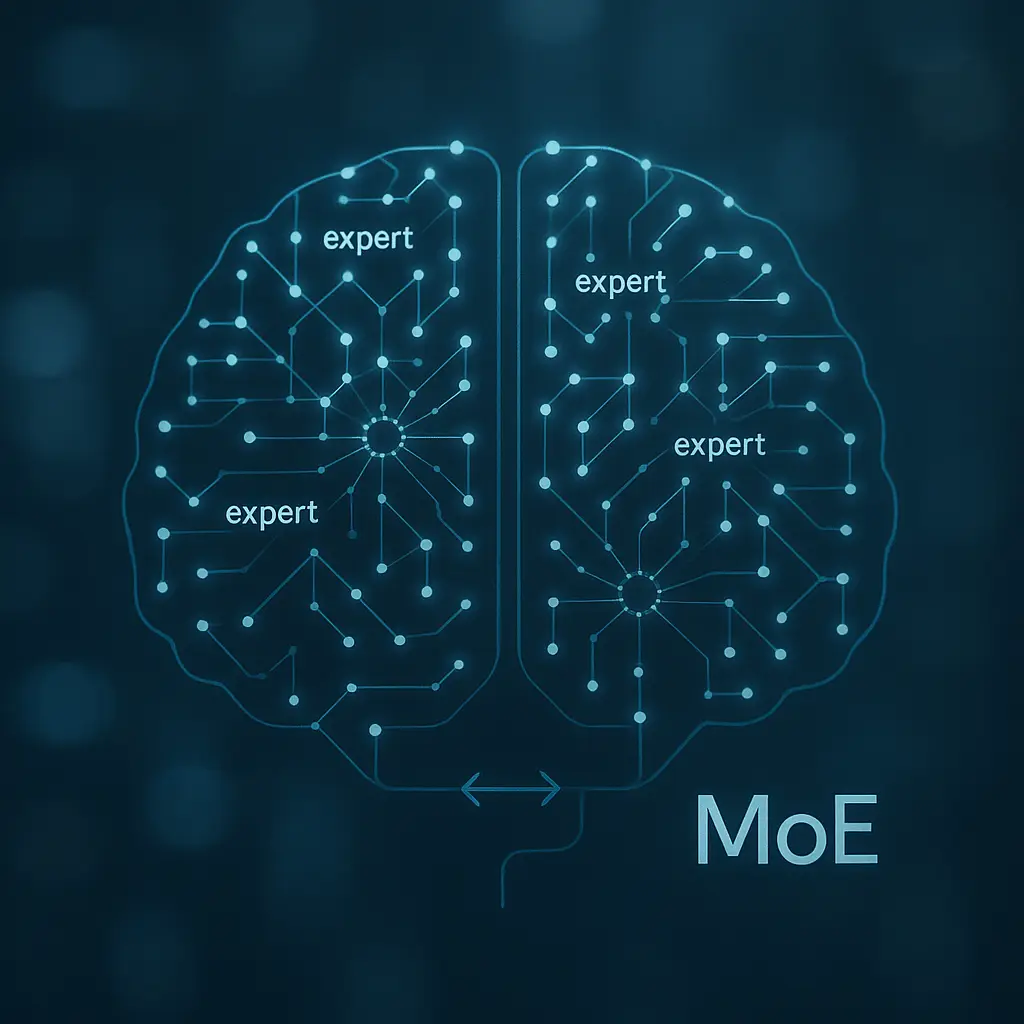
Comprehensive guide to Mixture of Experts (MoE) models, covering architecture, training, and real-world implementations including DeepSeek-V3, Llama 4, Mixtral, and other frontier MoE systems as of 2026.

An educational overview of hospice EMR systems, including essential features for documentation, scheduling, billing, HIPAA compliance, and the mandatory HOPE assessment tool transition effective October 2025.

Learn about the specialized software tools used across the drug development lifecycle, from discovery and preclinical research to manufacturing and commercialization. Updated for 2026 with ICH E6(R3), DSCSA compliance deadlines, IDMP/PMS timelines, and the latest in AI-driven drug design.

Updated for 2026, this article provides a technical overview of pharmacovigilance software, detailing core functions, regulatory compliance, agentic AI developments, and a comparison of leading platforms including Oracle Argus, ArisGlobal LifeSphere, Veeva Vault Safety, and more.

An updated analysis of leading Regulatory Information Management (RIM) systems for 2026, covering Veeva Vault RIM, IQVIA SmartSolve RIM, ArisGlobal LifeSphere, Ennov, MasterControl, EXTEDO, and others, with the latest on eCTD 4.0, IDMP compliance, and AI-powered automation.

Learn what Policy as Code (PaC) is and why it is used in healthcare to automate enforcement of security, privacy, and compliance regulations, including the latest HIPAA Security Rule updates and OPA 1.0 developments.

Examines how to apply Git version control workflows to satisfy FDA compliance under the 2026 QMSR, covering traceability, audit trails, CSA guidance, SBOM requirements, and standards like 21 CFR Part 11 & IEC 62304.

Learn about FHIR (Fast Healthcare Interoperability Resources), the modern HL7 standard for exchanging health data using web APIs and self-contained resources. Updated for 2026 with FHIR R6 ballot, TEFCA FHIR exchange, CMS-0057-F, and EU EHDS developments.

A comprehensive overview of the CMS definition for TPMOs, their role in the Medicare enrollment chain, and evolving regulations from CY 2023 through the CY 2027 proposed rule, including the Texas court injunction on CY 2025 compensation reforms.

An overview of AI agents in pharmacovigilance (PV), covering agentic AI, generative AI, and ML applications in safety data processing, ICSR management, and signal detection, with updates on the CIOMS WG XIV final report, FDA's Elsa tool, and EU AI Act requirements.

An analysis of top ERP systems for the pharmaceutical sector, evaluated on regulatory compliance (21 CFR Part 11), batch traceability, and serialization. Updated for 2025–2026 with DSCSA enforcement timelines, AI/Copilot capabilities, and latest platform releases.

A comprehensive guide to the IEC 62304 standard for medical device software, updated for 2026. Covers life cycle processes, safety classification, Edition 2.0 draft changes, FDA QMSR alignment, IEC 81001-5-1 cybersecurity, and regulatory compliance across FDA and EU MDR.
© 2026 IntuitionLabs. All rights reserved.