

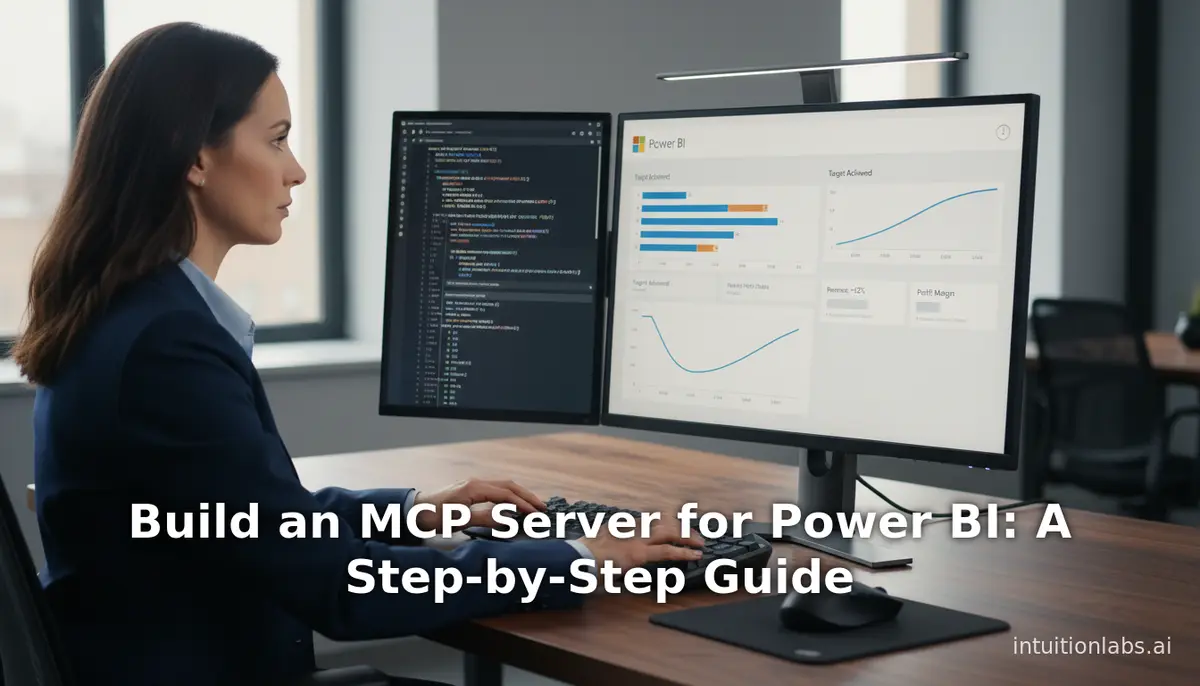
Build an MCP Server for Power BI: A Step-by-Step Guide
Learn to build a Model Context Protocol (MCP) server for Power BI. Updated for 2026 with OAuth 2.1 auth, Microsoft's official Power BI MCP servers, and Entra ID integration.

IntuitionLabs is now a member of the Claude Partner Network – AI training and upskilling with Claude for pharma and biotech. Book a call.
Learn to build a Model Context Protocol (MCP) server for Power BI. Updated for 2026 with OAuth 2.1 auth, Microsoft's official Power BI MCP servers, and Entra ID integration.
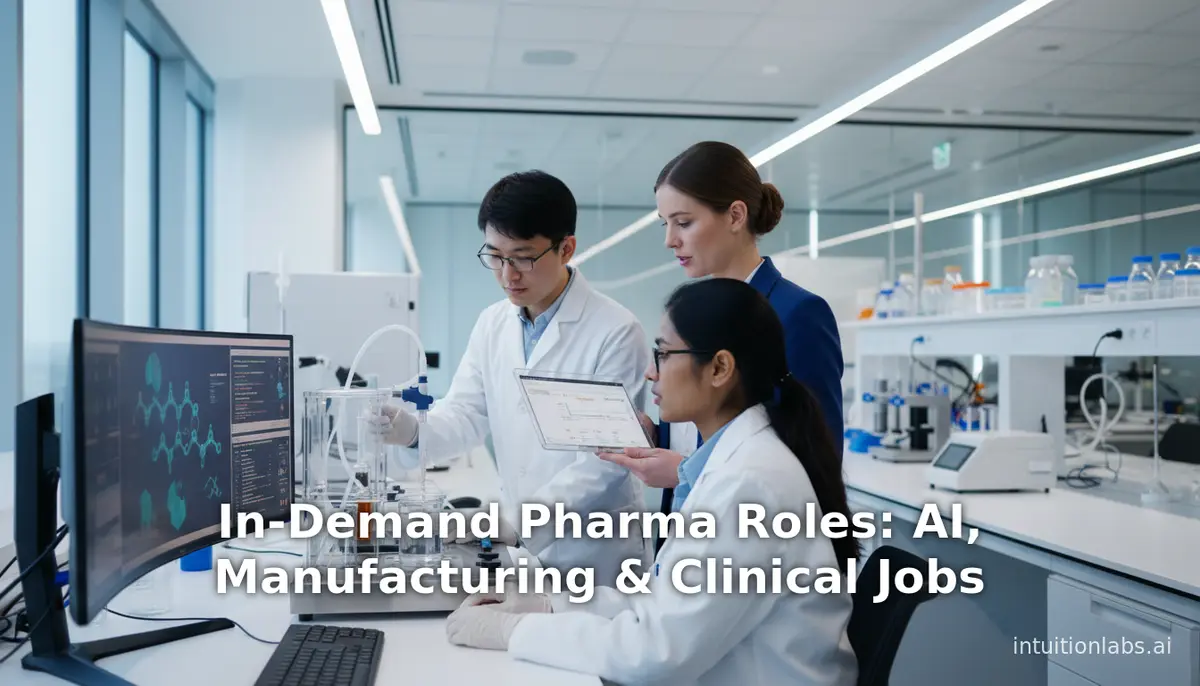
Learn about the most in-demand pharma roles for 2025-2026. This analysis covers top pharmaceutical jobs in AI, advanced manufacturing, and clinical development, including $370B+ in US reshoring investments and workforce restructuring trends.
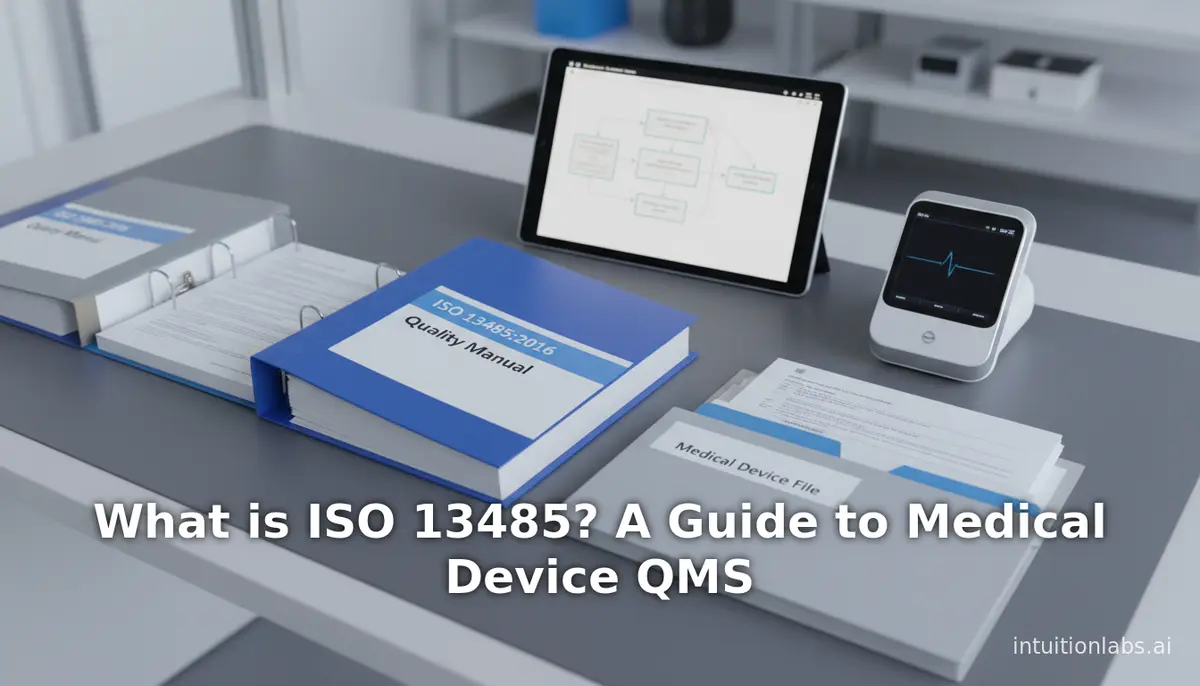
Learn about ISO 13485:2016, the QMS standard for medical devices. Updated for 2026 with FDA QMSR effective date, EU MDR/EUDAMED timelines, AI/ML guidance, and certification data
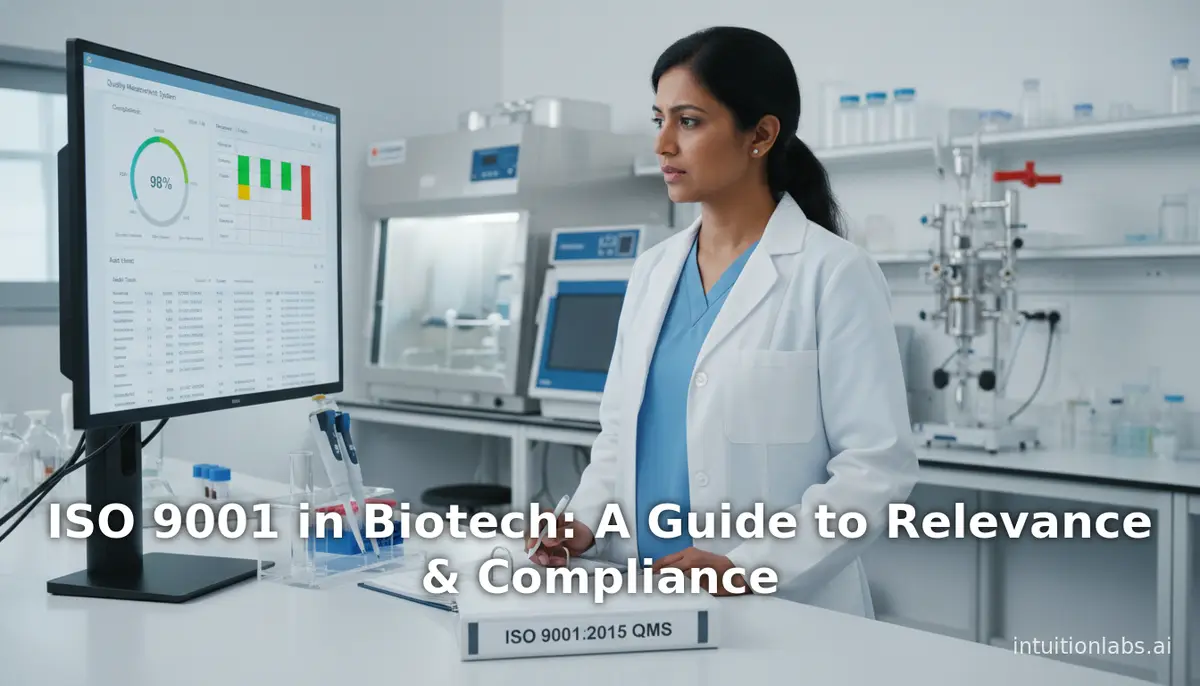
Is ISO 9001 still used in biotech? Updated for 2026 with ISO 9001:2026 revision details and ICH E6(R3). Analyzes how the QMS standard supports regulatory compliance, complements GMP, and improves quality in pharma & life sciences
Learn what ISO/IEC 17025 is in this complete guide. Explore requirements for testing and calibration laboratory accreditation, including the new 2025 edition changes, transition timeline, and key benefits

An in-depth technical analysis of Kimi K2 and K2.5, the trillion-parameter MoE LLMs from Moonshot AI. Covers architecture, training innovations, benchmark results, and the K2.5 successor with agent swarm capabilities
Explore the updated ICH E6(R3) Good Clinical Practice (GCP) guideline. Learn about the key changes from R2, the new structure with Annex 1 & 2, and risk managem
An analysis of leading pharmaceutical consulting firms in 2026, from global strategy to specialized AI boutiques. Review key services, $30B+ market data, AI trends, and firm rankings.
Learn what a CRDMO is and how this integrated model combines CRO and CDMO services. Updated for 2026 with BIOSECURE Act impact, latest market data, and industry M&A
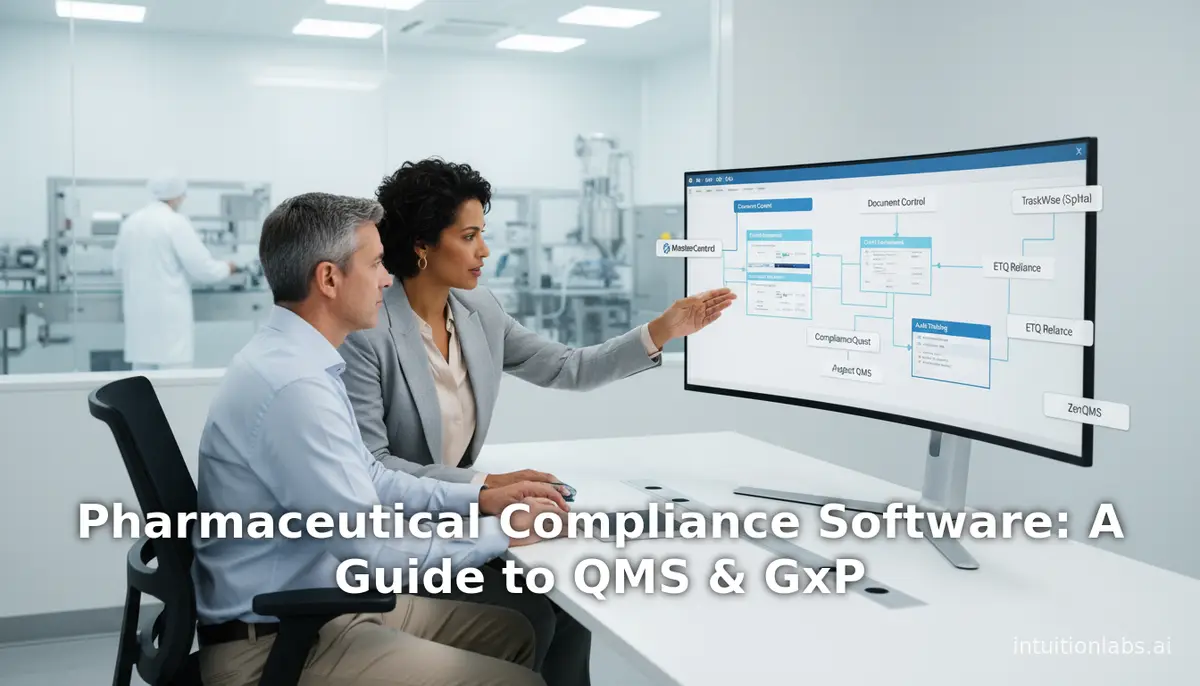
Updated 2026 guide to pharmaceutical compliance software for GxP and QMS. Compare Veeva, MasterControl, ETQ & more with FDA QMSR, CSA guidance, and Gartner MQ coverage
Analysis of the top pharmaceutical packaging companies in a $116B+ market (2025). Covers the Amcor-Berry merger, BD's GLP-1 investments, Gerresheimer developments, and innovations in prefilled syringes and sustainable packaging.
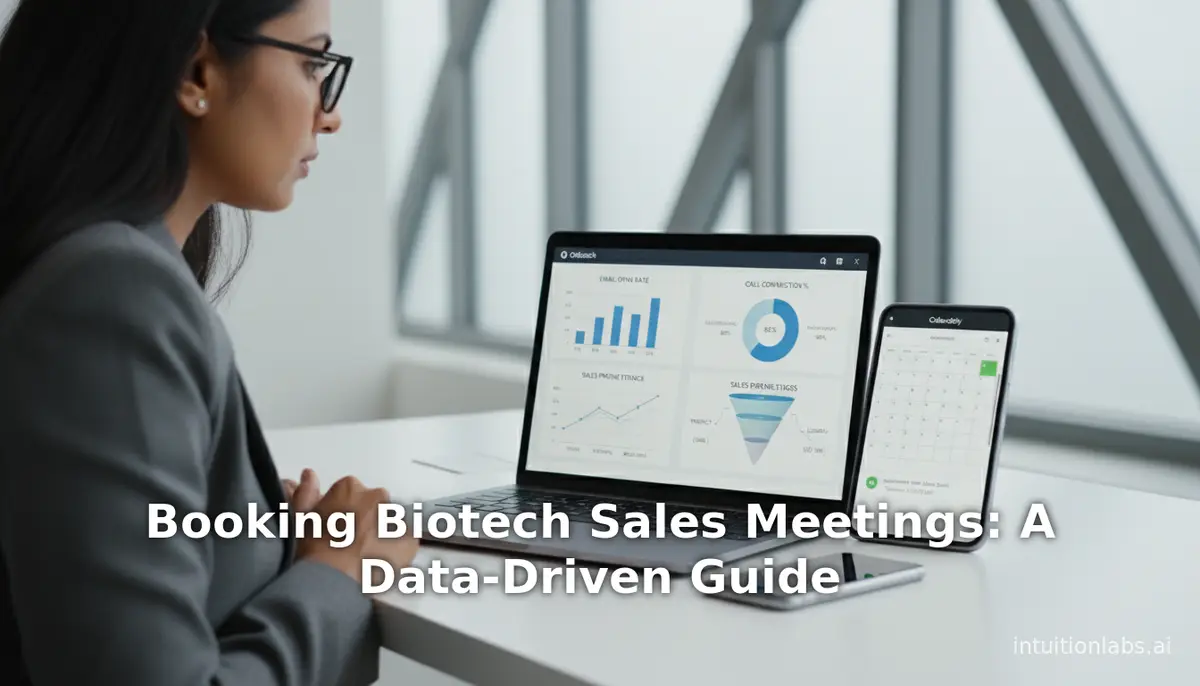
A guide to biotech sales meeting booking for life sciences. Learn data-driven best practices for appointment setting, from prospect research to personalized outreach and AI-powered prospecting tools
Learn how to ethically source U.S. HCP contact information, including email and mobile numbers. Updated for 2026 with new TCPA consent rules, 19 state privacy laws, and FTC enforcement trends.
A detailed 2025 comparison of ChatGPT Enterprise vs. Microsoft Copilot. Learn the key differences in features, integration, security, and enterprise AI strategy
Learn why high-cost specialty drugs for chronic diseases are often mail-order only. Updated for 2026 with FTC findings, PBM reform, biosimilar trends, and the latest distribution network data.
Updated 2026 guide to US mail-order specialty pharmacies. Covers $751B market, top players (CVS, Optum, Express Scripts), FTC PBM reform, Walgreens-Sycamore split, GLP-1 growth, and specialty drug distribution trends.
Learn what specialty pharmacy is, how it differs from retail, and its role in managing high-cost specialty medications. Updated for 2026 with the latest on GLP-1 drugs, FTC PBM reforms, IRA out-of-pocket caps, and gene therapy growth.
Explore the electronic prior authorization (ePA) workflow for GLP-1 drugs. Updated for 2026 with CMS-0057-F rule, Medicare GLP-1 Bridge program, MFN pricing deals, oral Wegovy approval, and AHIP reform pledges.
Learn about OCR and Document AI performance on real pharma documents. This 2026-updated report analyzes accuracy benchmarks for data extraction from clinical trials and SOPs, covering VLMs, agentic AI, and FDA CSA guidance
Learn about Veeva MyInsights development, its evolution to Vault CRM X-Pages with AI Agents (2025-2026), key timelines, technical architecture, example dashboards, and the Salesforce migration deadline. Updated March 2026.
Learn how open source software like R and Python is changing pharma R&D. From Novo Nordisk's first R-based FDA submission to AlphaFold 3's open-sourcing, we analyze the accelerating shift from proprietary systems to collaborative drug discovery models.
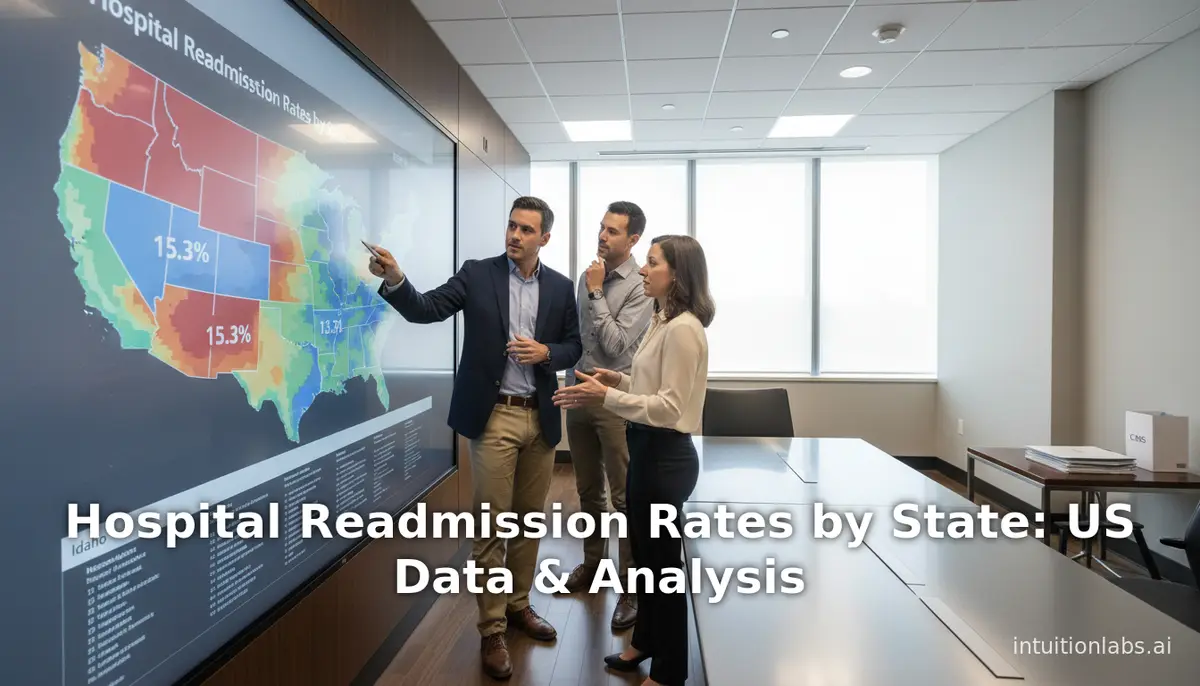
Explore US hospital readmission rates by state with 2025-2026 data. This report analyzes 30-day readmission statistics, factors driving state variation, FY 2026 HRRP penalty updates, and CMS policy changes including Medicare Advantage integration
Learn evidence-based strategies to reduce hospital readmission rates. Updated for 2026 with HRRP penalty changes, the TEAM bundled-payment model, ML-driven risk prediction advances, and CMS Accountable Health Communities results.
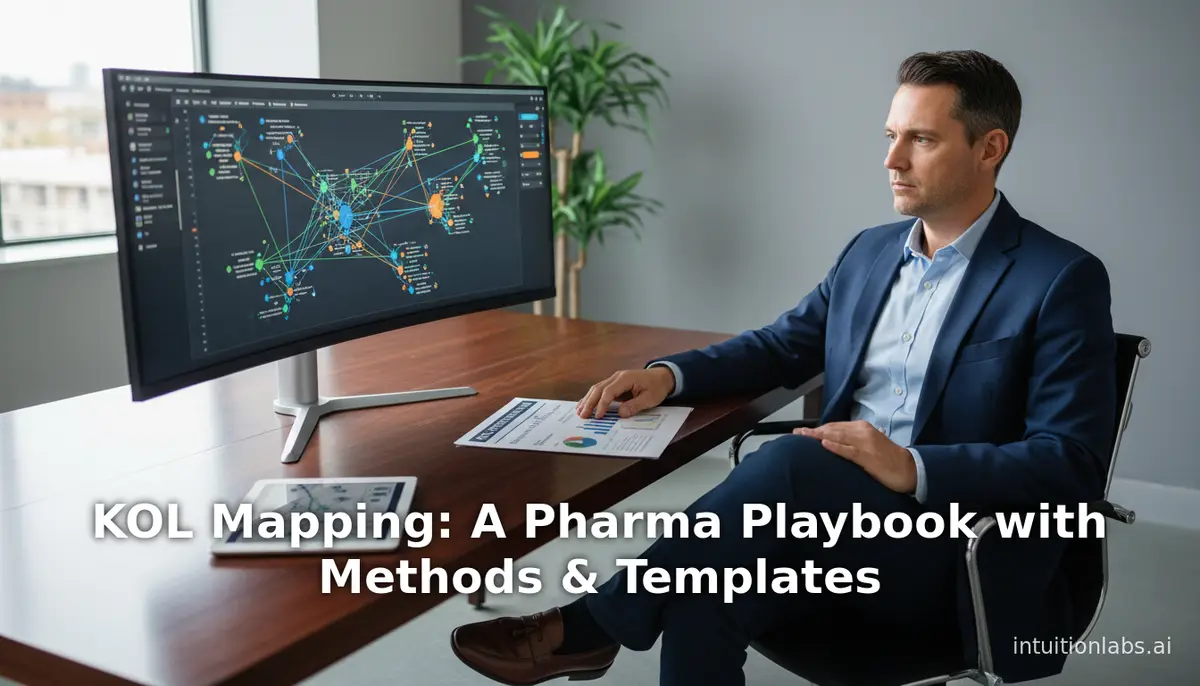
Learn the complete KOL/HCP mapping process for pharma. This playbook covers data-driven methods for KOL identification, segmentation, and network analysis.
© 2026 IntuitionLabs. All rights reserved.