

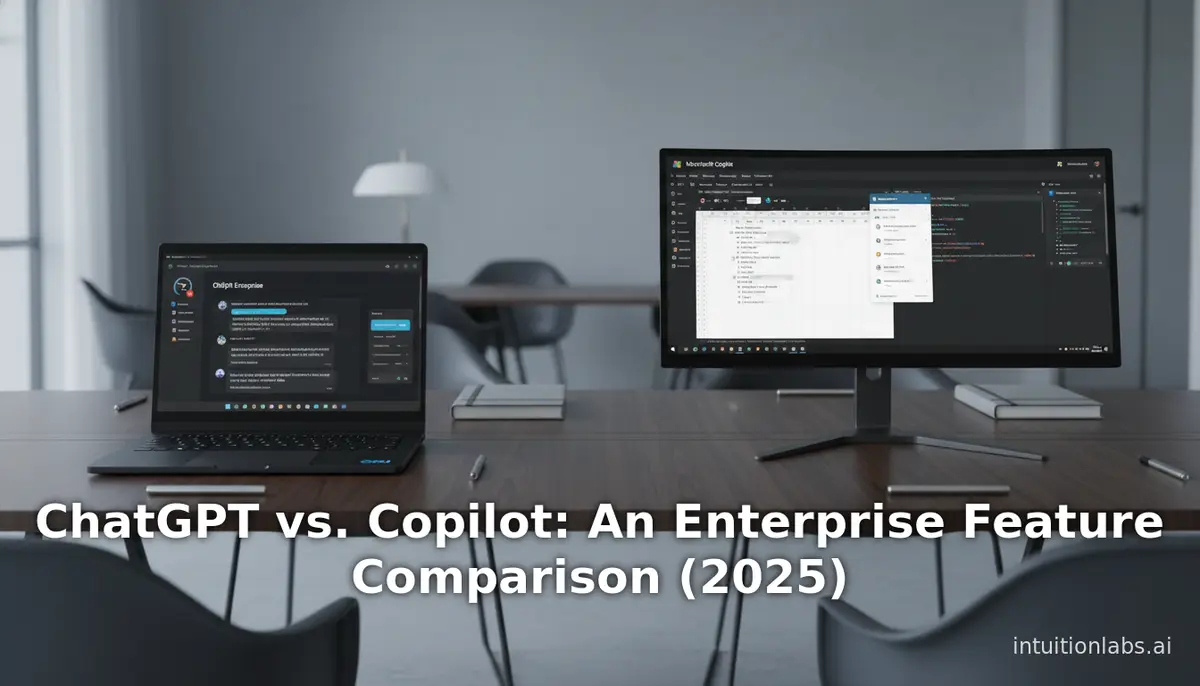
ChatGPT vs. Copilot: An Enterprise Feature Comparison (2025)
A detailed 2025 comparison of ChatGPT Enterprise vs. Microsoft Copilot. Learn the key differences in features, integration, security, and enterprise AI strategy

IntuitionLabs is now a member of the Claude Partner Network – AI training and upskilling with Claude for pharma and biotech. Book a call.
A detailed 2025 comparison of ChatGPT Enterprise vs. Microsoft Copilot. Learn the key differences in features, integration, security, and enterprise AI strategy
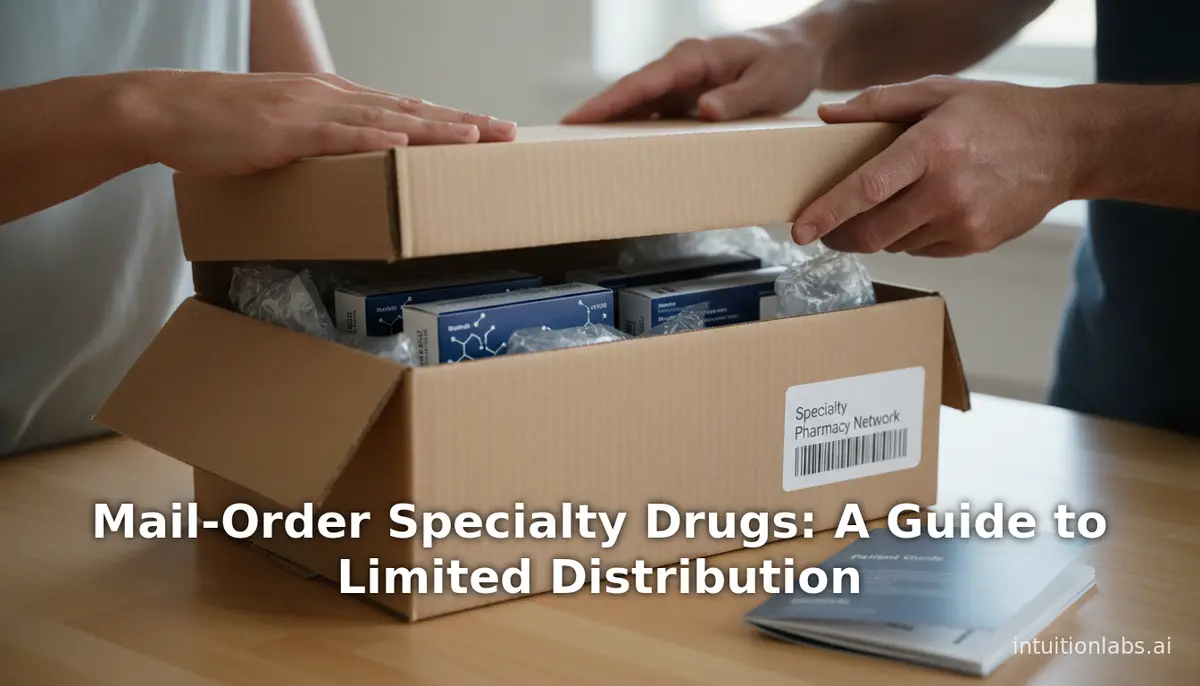
Learn why high-cost specialty drugs for chronic diseases are often mail-order only. Updated for 2026 with FTC findings, PBM reform, biosimilar trends, and the latest distribution network data.
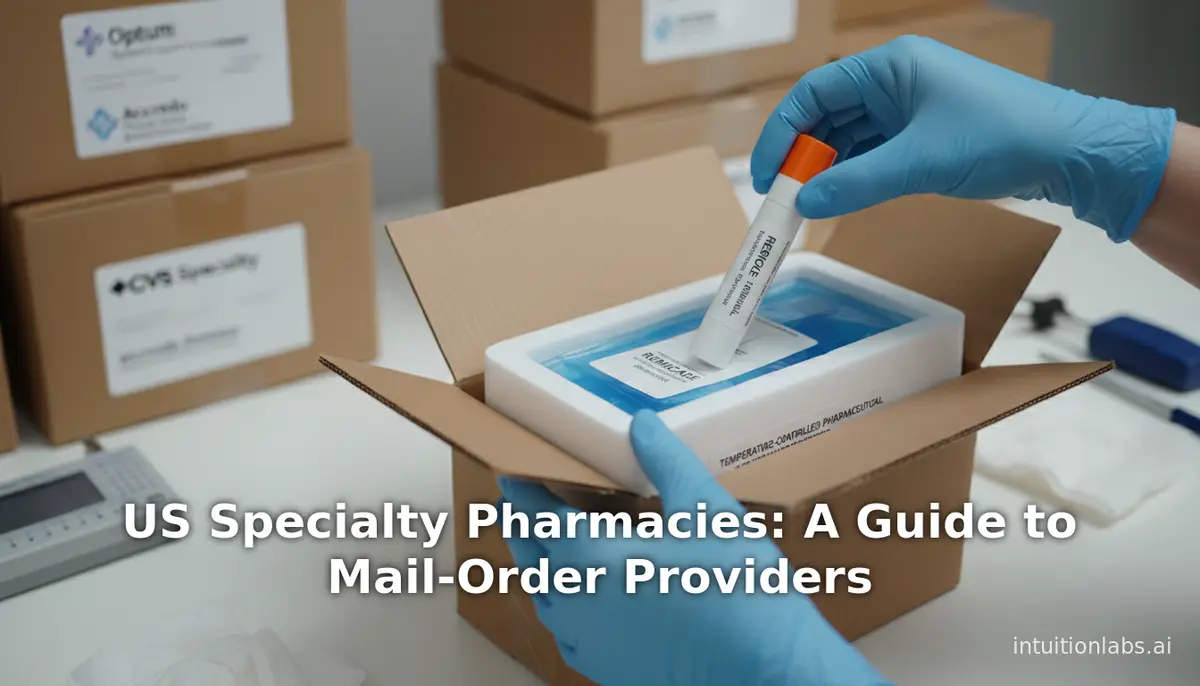
Updated 2026 guide to US mail-order specialty pharmacies. Covers $751B market, top players (CVS, Optum, Express Scripts), FTC PBM reform, Walgreens-Sycamore split, GLP-1 growth, and specialty drug distribution trends.
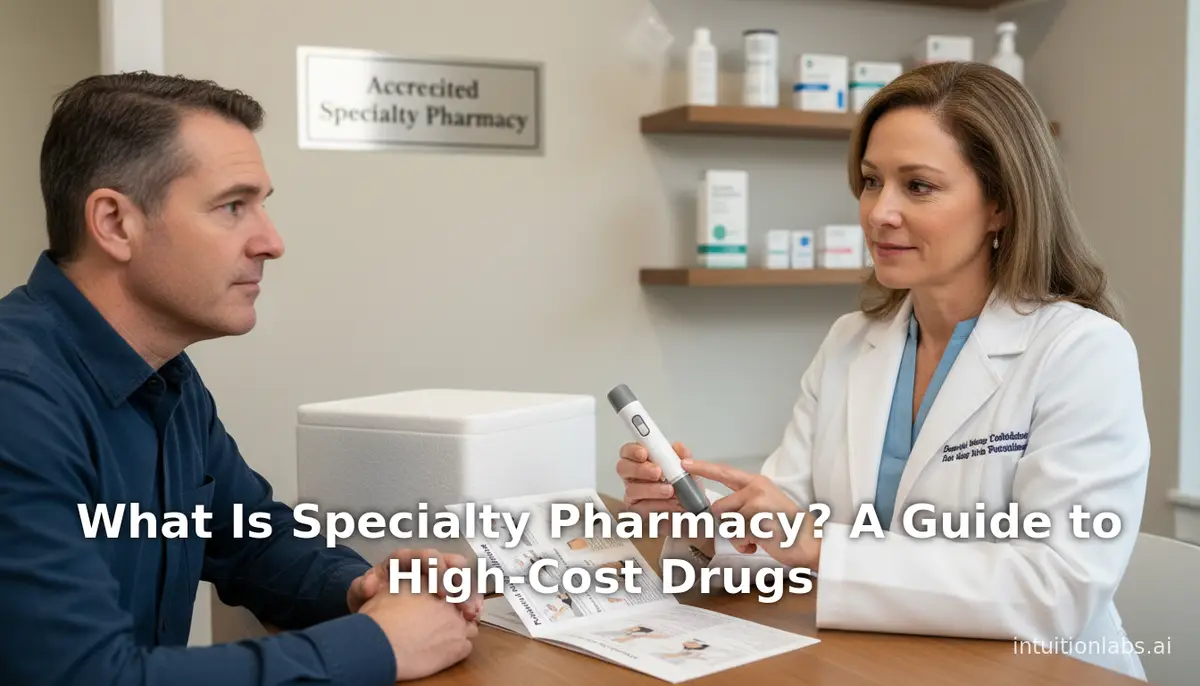
Learn what specialty pharmacy is, how it differs from retail, and its role in managing high-cost specialty medications. Updated for 2026 with the latest on GLP-1 drugs, FTC PBM reforms, IRA out-of-pocket caps, and gene therapy growth.
Explore the electronic prior authorization (ePA) workflow for GLP-1 drugs. Updated for 2026 with CMS-0057-F rule, Medicare GLP-1 Bridge program, MFN pricing deals, oral Wegovy approval, and AHIP reform pledges.
Learn about OCR and Document AI performance on real pharma documents. This 2026-updated report analyzes accuracy benchmarks for data extraction from clinical trials and SOPs, covering VLMs, agentic AI, and FDA CSA guidance
Learn about Veeva MyInsights development, its evolution to Vault CRM X-Pages with AI Agents (2025-2026), key timelines, technical architecture, example dashboards, and the Salesforce migration deadline. Updated March 2026.
Learn how open source software like R and Python is changing pharma R&D. From Novo Nordisk's first R-based FDA submission to AlphaFold 3's open-sourcing, we analyze the accelerating shift from proprietary systems to collaborative drug discovery models.
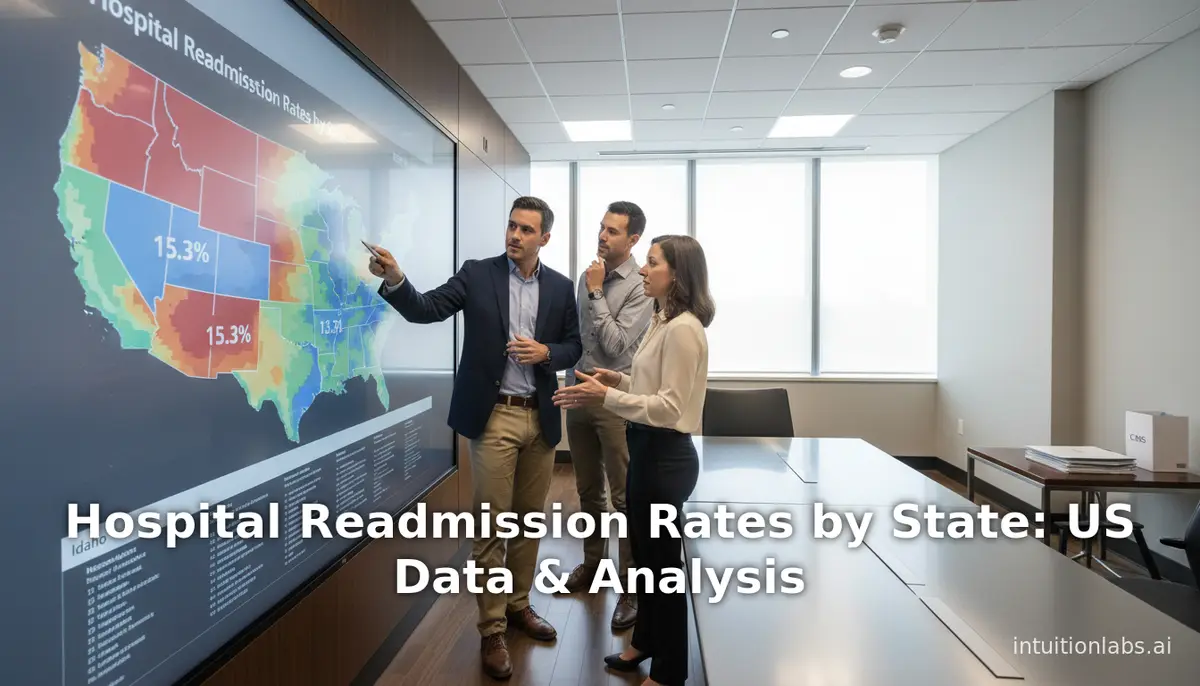
Explore US hospital readmission rates by state with 2025-2026 data. This report analyzes 30-day readmission statistics, factors driving state variation, FY 2026 HRRP penalty updates, and CMS policy changes including Medicare Advantage integration

Learn evidence-based strategies to reduce hospital readmission rates. Updated for 2026 with HRRP penalty changes, the TEAM bundled-payment model, ML-driven risk prediction advances, and CMS Accountable Health Communities results.
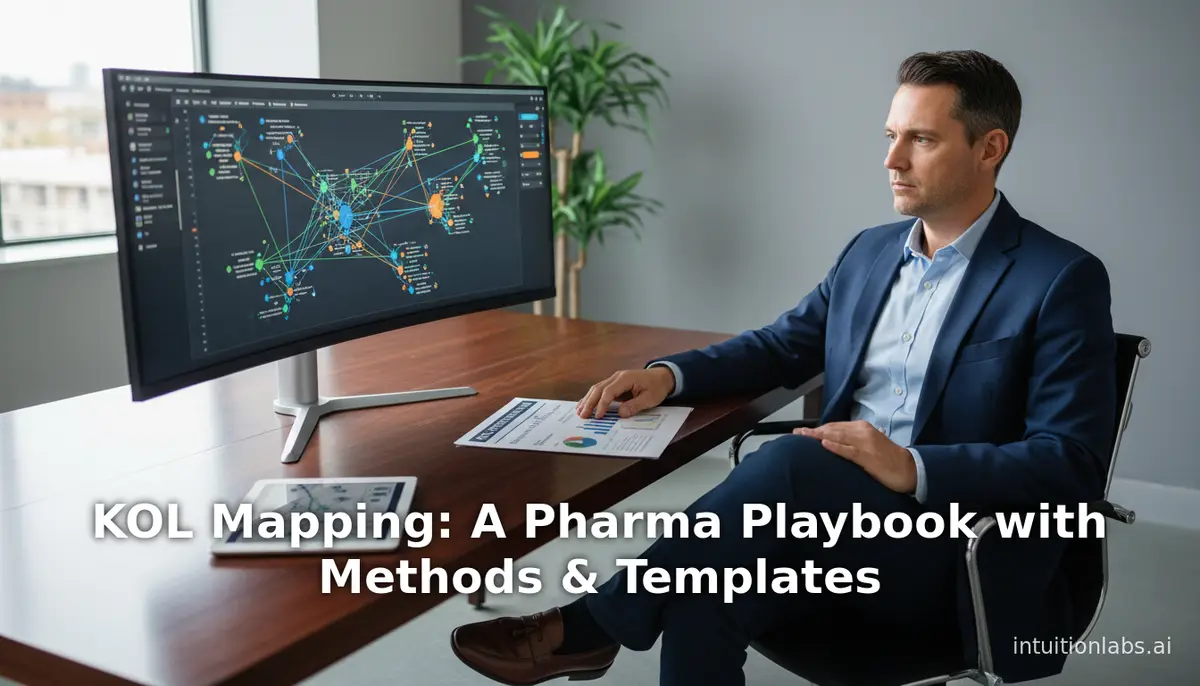
Learn the complete KOL/HCP mapping process for pharma. This playbook covers data-driven methods for KOL identification, segmentation, and network analysis.
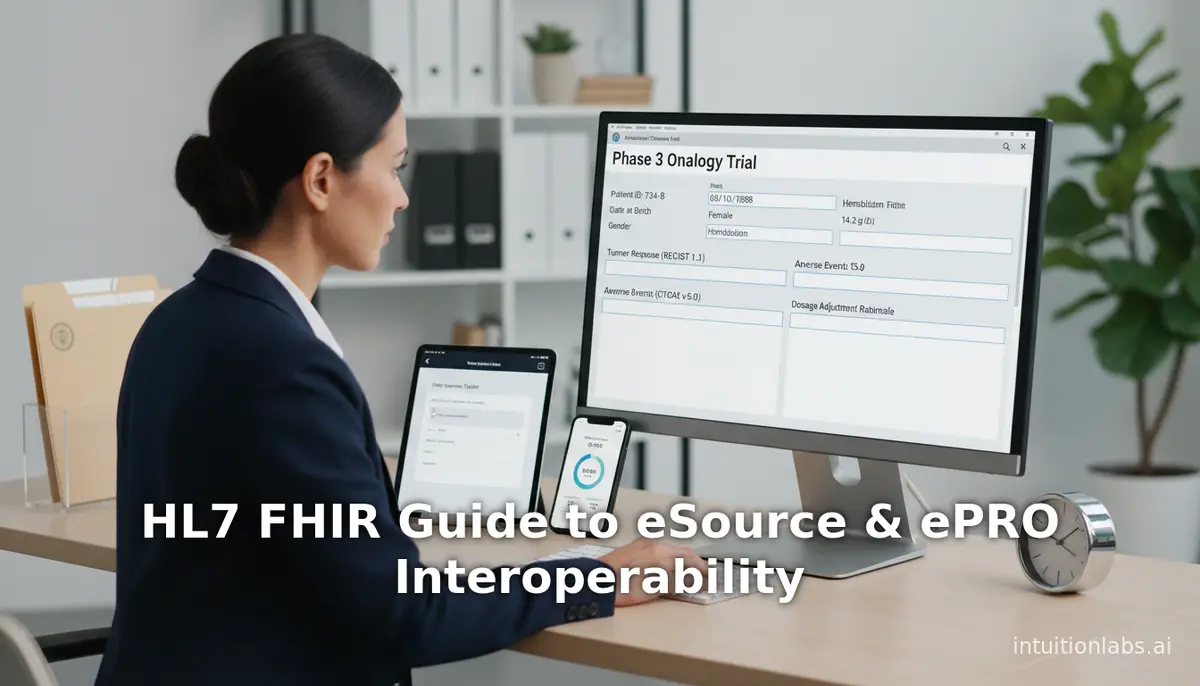
Learn about clinical data interoperability with this updated guide to HL7 FHIR (R5/R6), eSource, and ePRO. Covers ICH E6(R3), FDA FHIR initiatives, standards, use cases, and challenges in modern research.
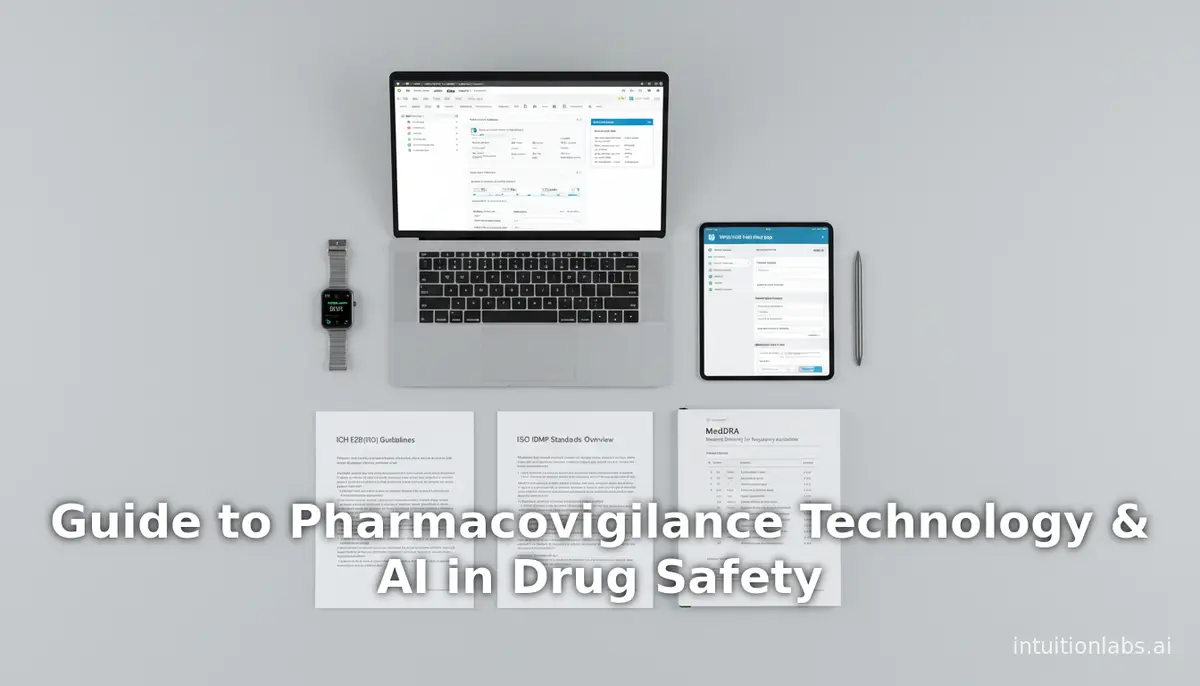
Updated 2026 guide to pharmacovigilance technology covering GenAI/LLMs in PV, AI-powered case processing, signal detection, FDA-EMA AI guidance, and data standards for drug safety
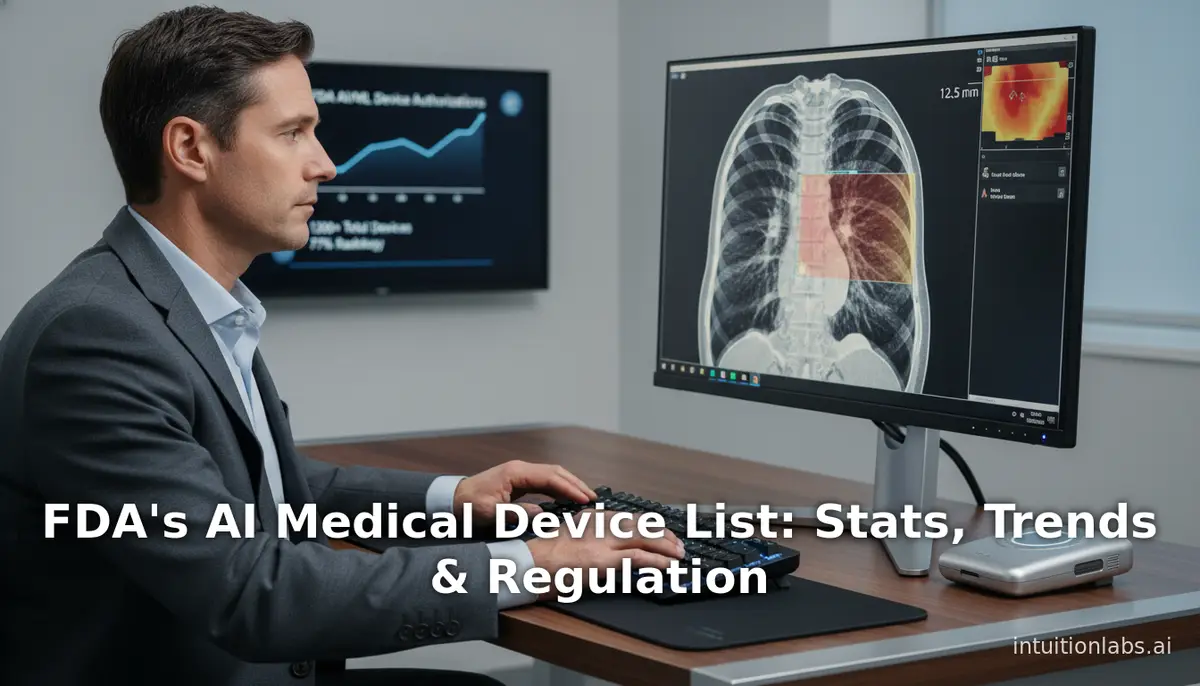
Learn about the FDA's AI/ML medical device tracker. With 1,451 devices authorized through 2025 and 295 cleared in 2025 alone, we analyze authorization trends, specialty breakdown, foundation model milestones, and the evolving regulatory framework
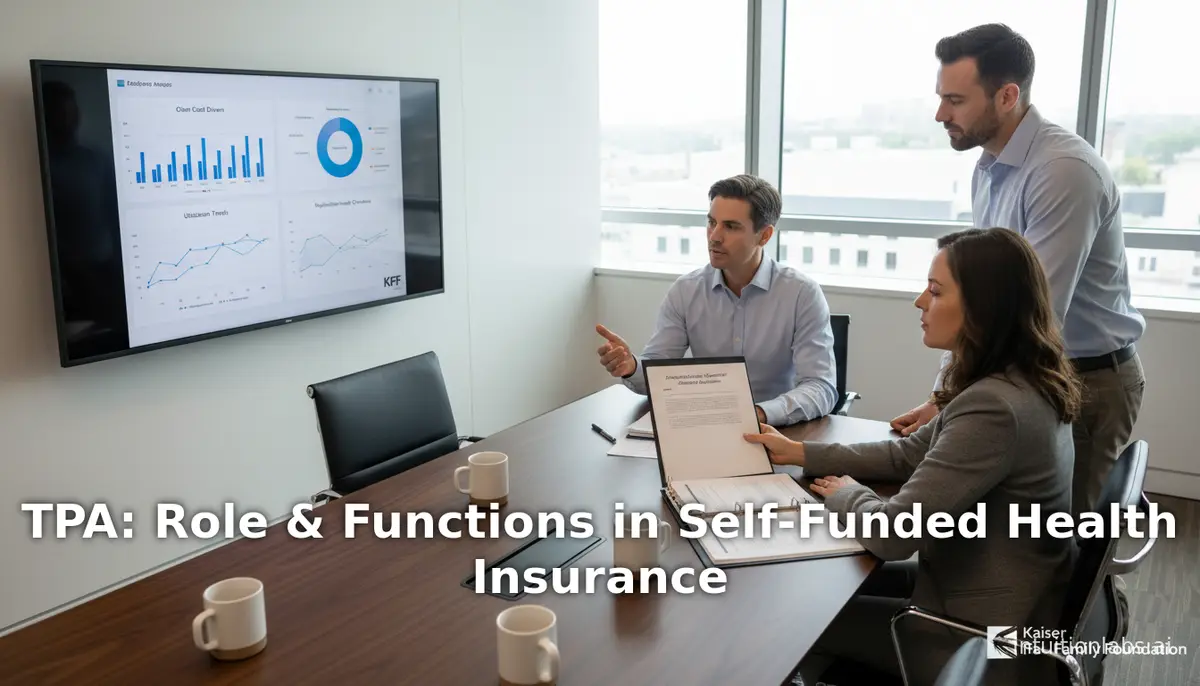
What is a TPA? Learn the role of Third-Party Administrators in self-funded health insurance, from claims processing and plan administration to cost containment. Updated with 2026 regulatory reforms including the CAA 2026 and DOL transparency rules.
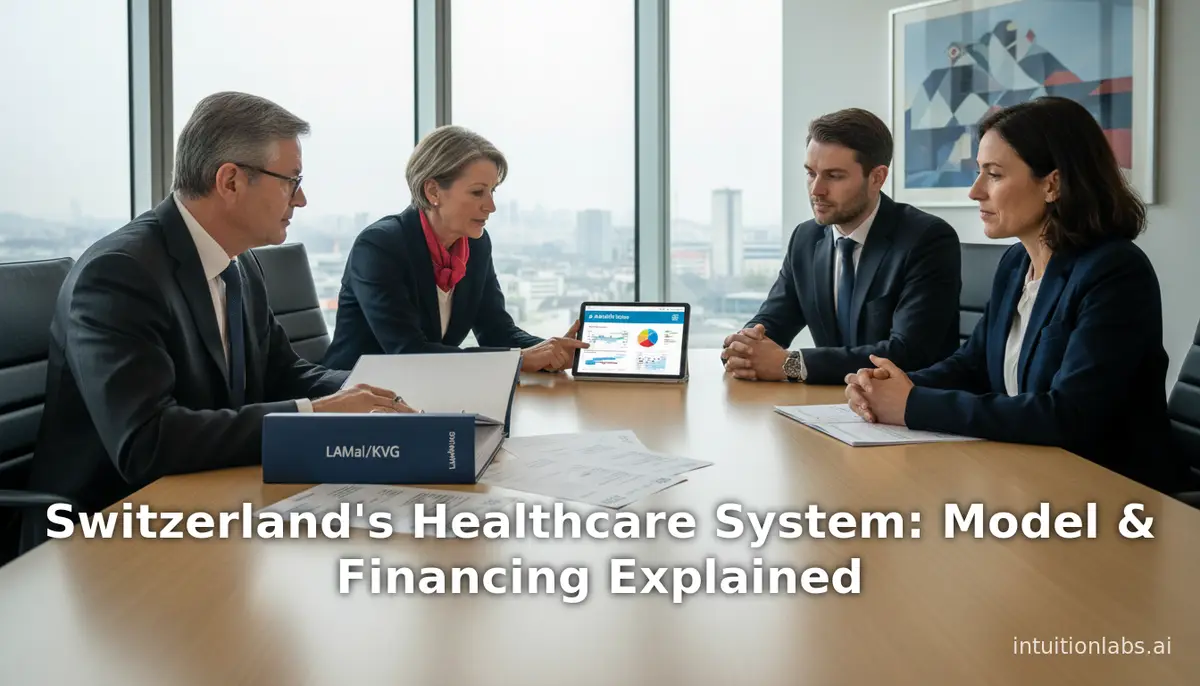
An in-depth analysis of the Swiss healthcare system (updated March 2026). Covers the EFAS reform, TARDOC tariff, EPR overhaul, rising premiums, and the unique decentralized model of mandatory insurance (LAMal/KVG).
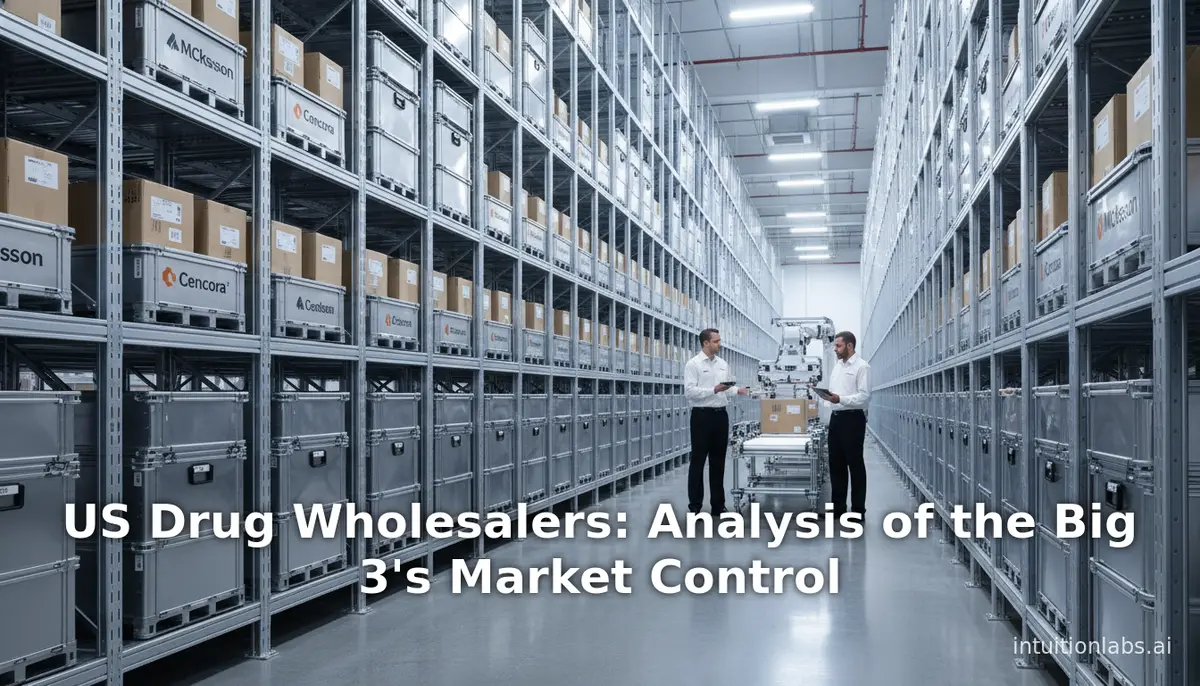
McKesson, Cencora, and Cardinal Health control over 90% of US drug distribution ($900B+ combined revenue). Full market analysis with FY2025 financials and 2025-2026 developments.
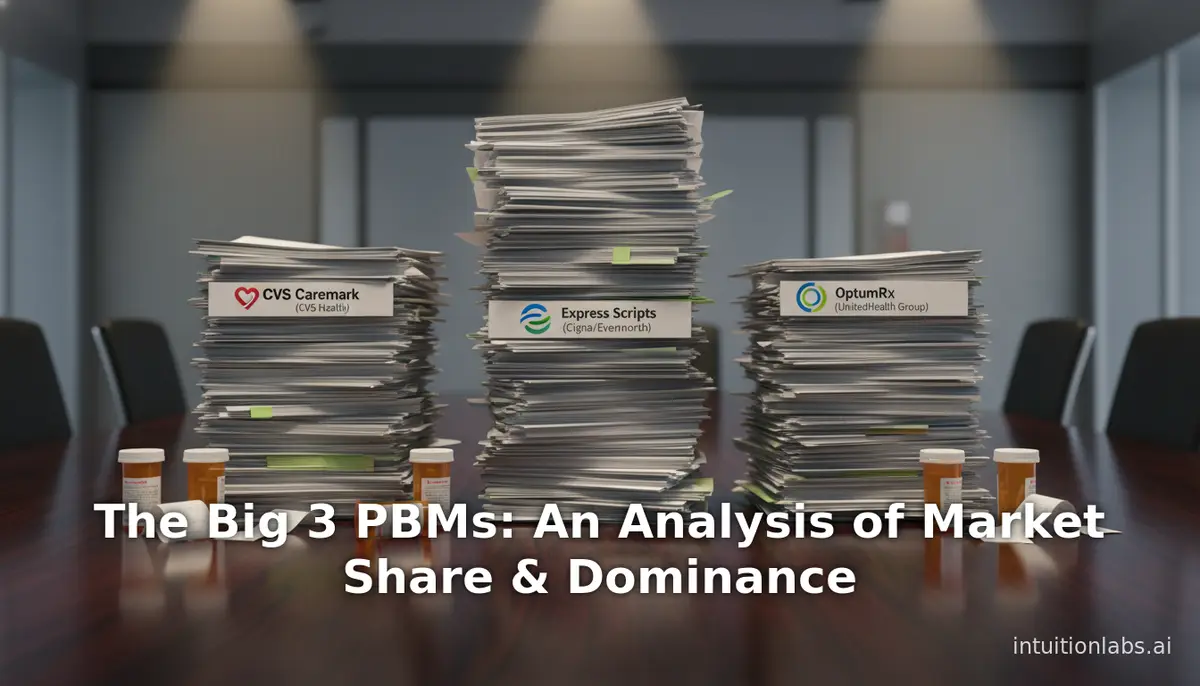
Explore the top 3 PBMs controlling 80% of the U.S. market. Updated with 2026 federal reform law, FTC Express Scripts settlement, DOJ UnitedHealth probe, and landmark rebate pass-through requirements.
An in-depth analysis of the leaders in pharma digital transformation, examining the strategies of companies like AstraZeneca, Roche, Pfizer, Eli Lilly, and Sanofi with AI, generative AI, and cloud technologies — updated with 2025-2026 developments including Lilly's $1B NVIDIA AI lab and FDA AI guidance.
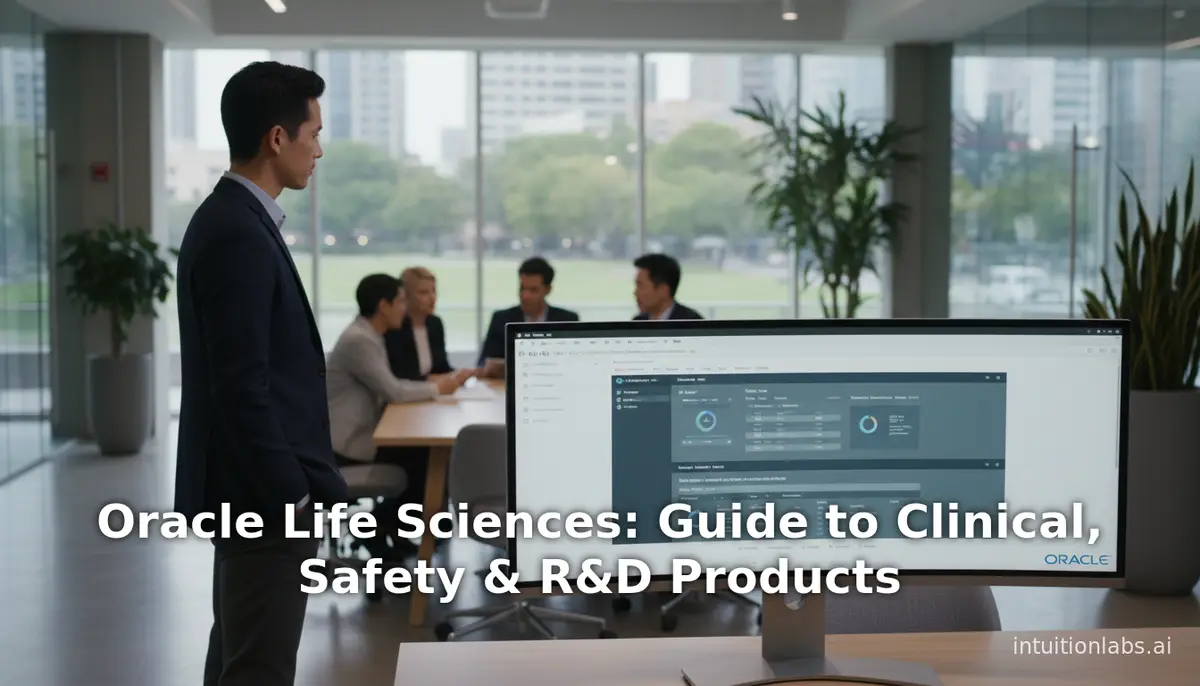
Get a detailed guide to Oracle Life Sciences solutions. Learn about key products for clinical trials (Clinical One 26.1), pharmacovigilance (Argus Safety), Health Data Intelligence, and AI-powered analytics.
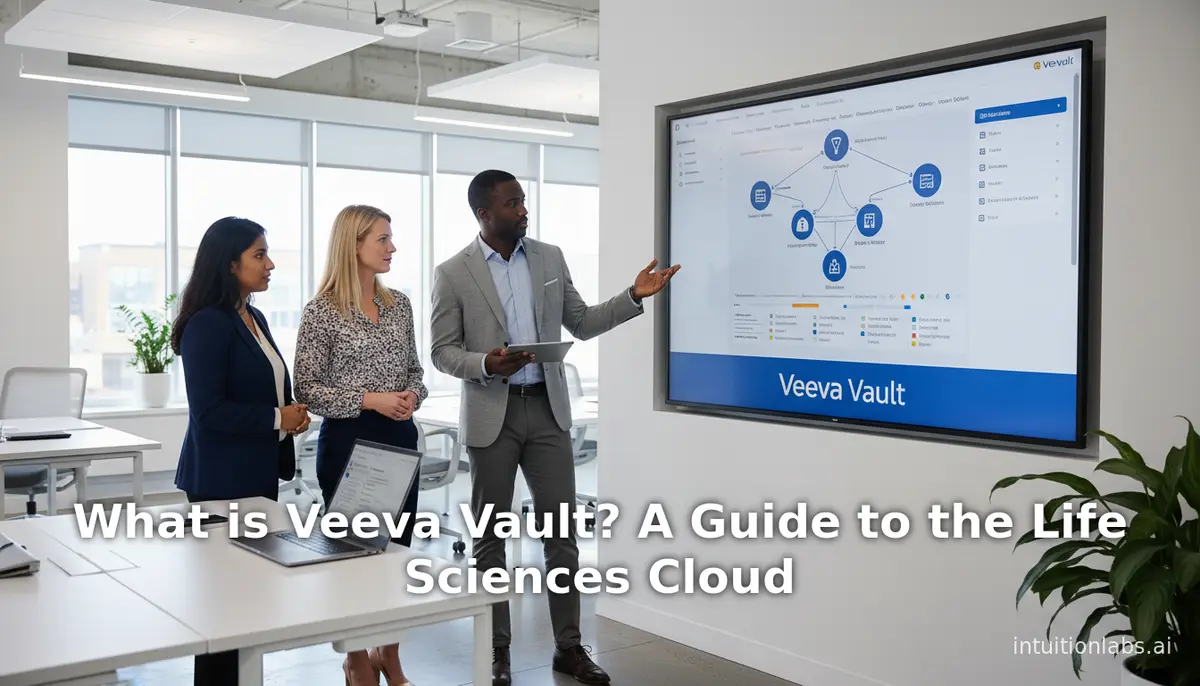
An in-depth guide to Veeva Vault. Learn how this cloud platform for life sciences manages regulated content, ensures GxP compliance, and unifies data management
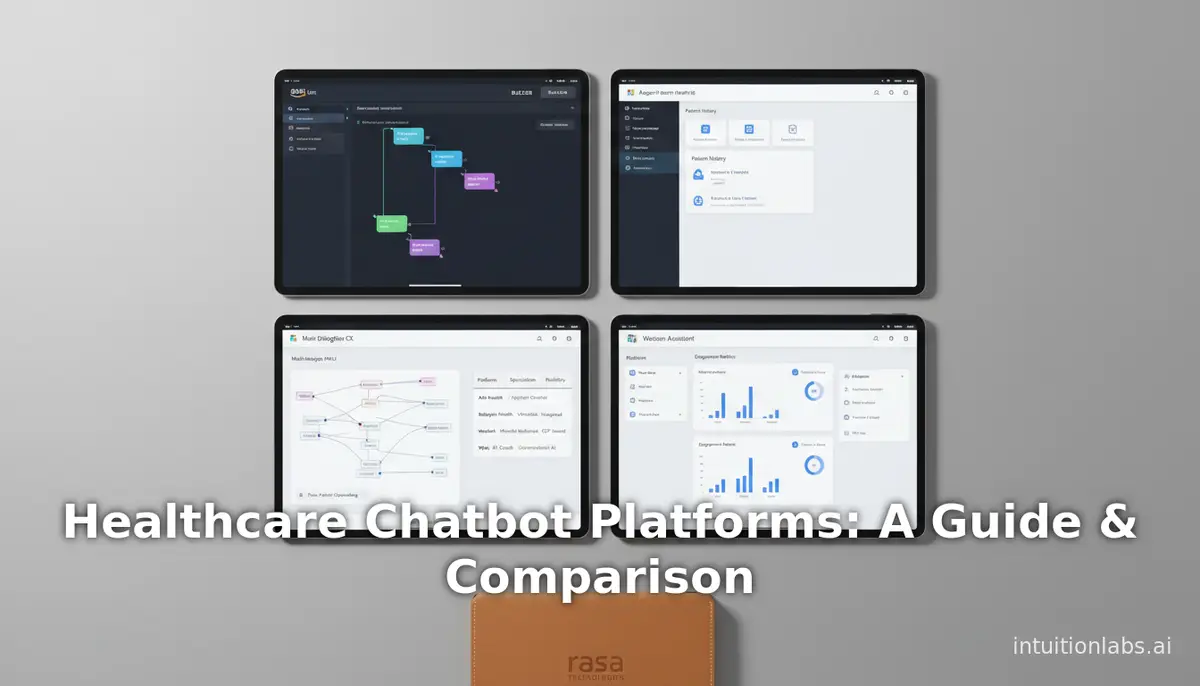
A research-based guide to healthcare chatbot platforms (updated March 2026). Compare AI solutions for patient engagement, symptom triage, and HIPAA compliance including Hippocratic AI, Ada Health, Microsoft Healthcare Agent Service, and more.
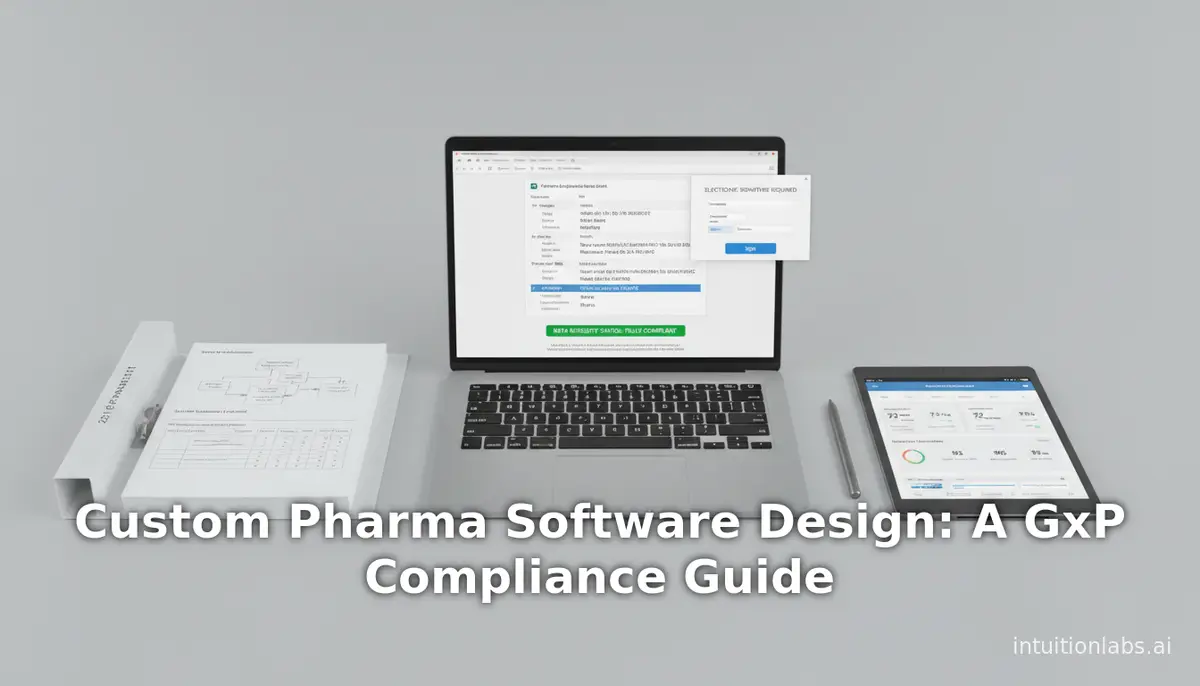
Learn key principles for custom pharmaceutical software app design. Updated for 2026 with FDA CSA guidance, GAMP 5 Second Edition, GxP compliance, 21 CFR Part 11, and AI/ML trends
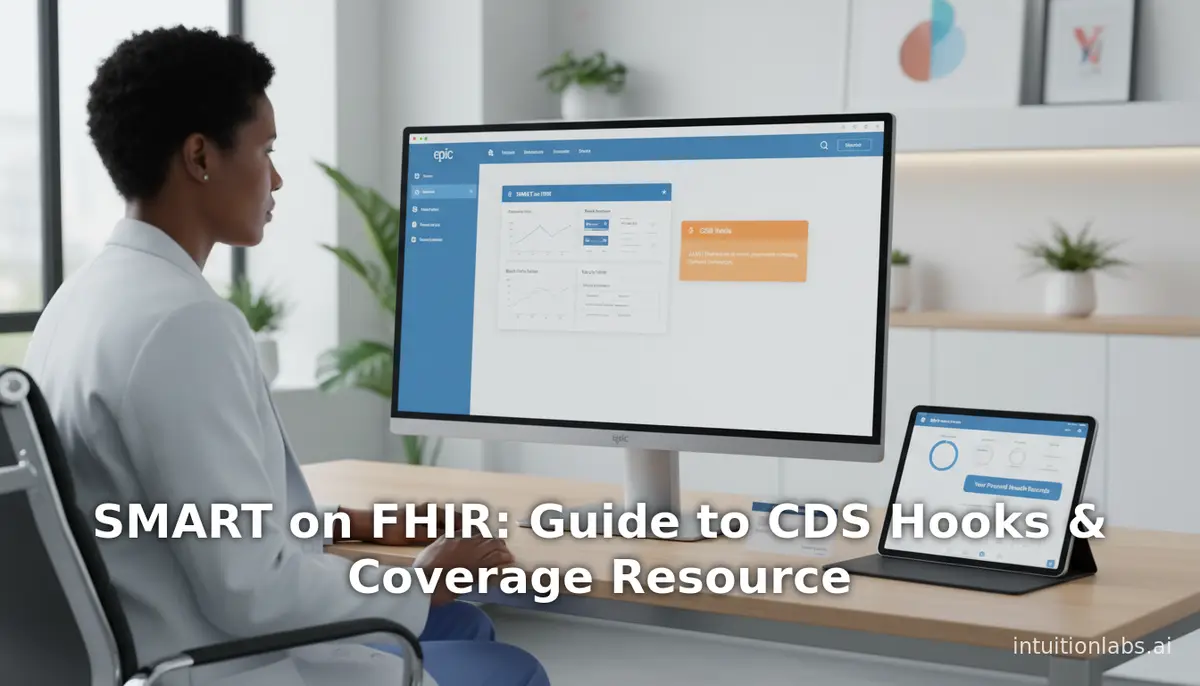
Learn about SMART on FHIR for EHR interoperability. This guide covers the FHIR Coverage resource, CDS Hooks, TEFCA, Da Vinci IGs, and the latest 2025-2026 regulatory updates for building modern healthcare applications.
© 2026 IntuitionLabs. All rights reserved.