

Quartzy vs Labguru vs SciNote vs LabArchives Compared
Compare Quartzy, Labguru, SciNote and LabArchives in 2026 across 25 RFP criteria, five workflow tests, inventory traceability, procurement, ELN links, compliance evidence and export paths.

IntuitionLabs is now a member of the Claude Partner Network – AI training and upskilling with Claude for pharma and biotech. Book a call.
Compare Quartzy, Labguru, SciNote and LabArchives in 2026 across 25 RFP criteria, five workflow tests, inventory traceability, procurement, ELN links, compliance evidence and export paths.
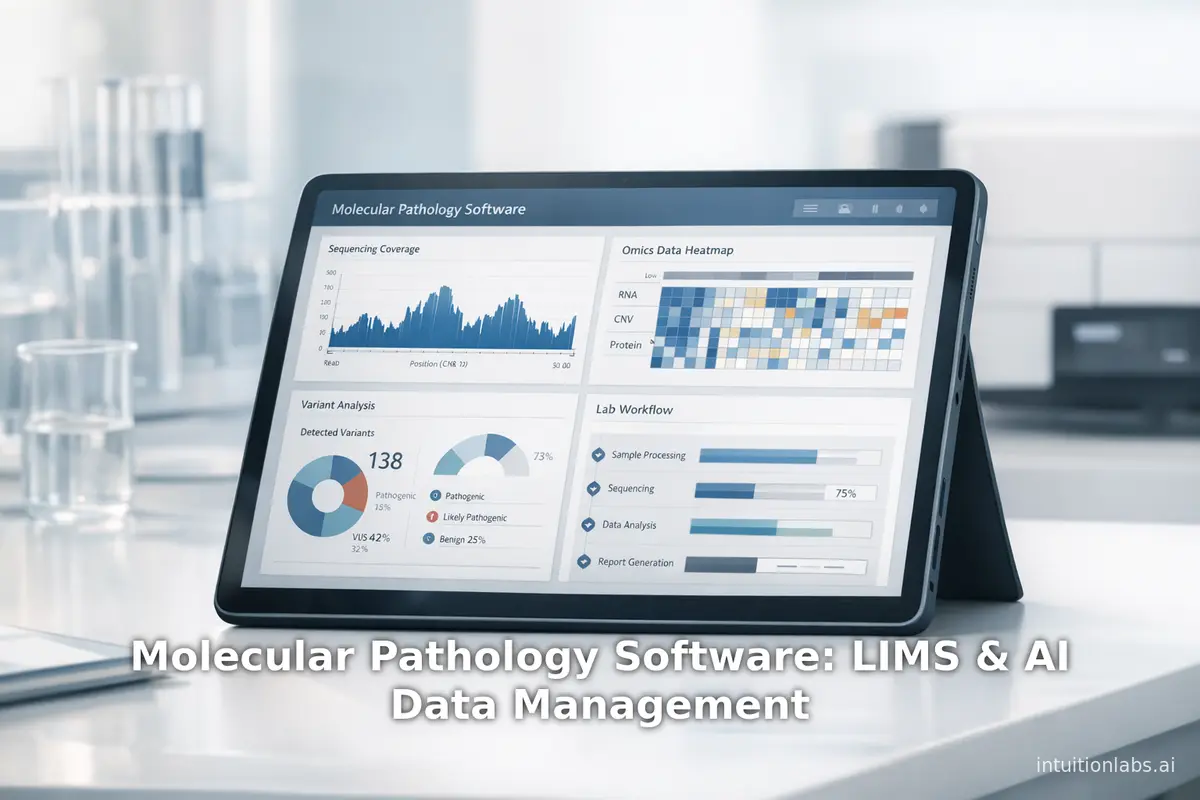
An overview of molecular pathology software, examining LIMS for NGS workflows, multi-omics data integration, and AI analysis tools in precision medicine.
Learn how to build a Retrieval-Augmented Generation (RAG) architecture for internal research repositories like ELNs, LIMS, and Egnyte to ground LLM responses.
Explore the root causes of biotech data silos and fragmentation. Learn how to implement FAIR standards and modern data infrastructure in life sciences R&D.
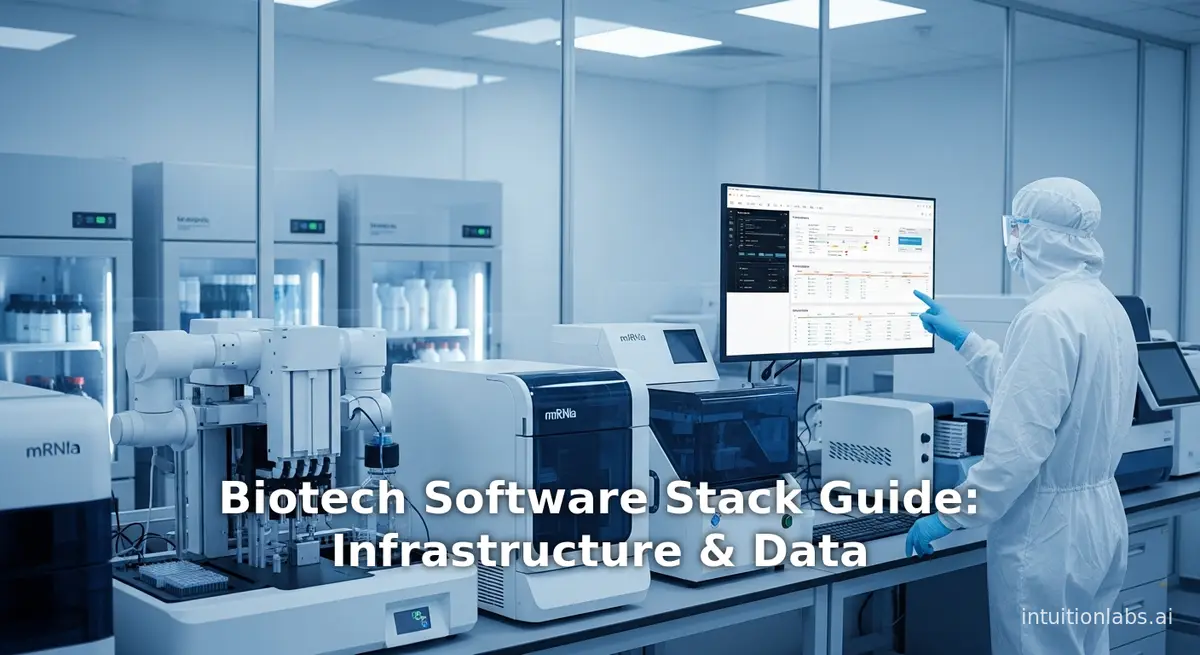
Explore the four layers of a modern biotech software stack—infrastructure, data, apps, and analytics—essential for scaling R&D before Series C funding.
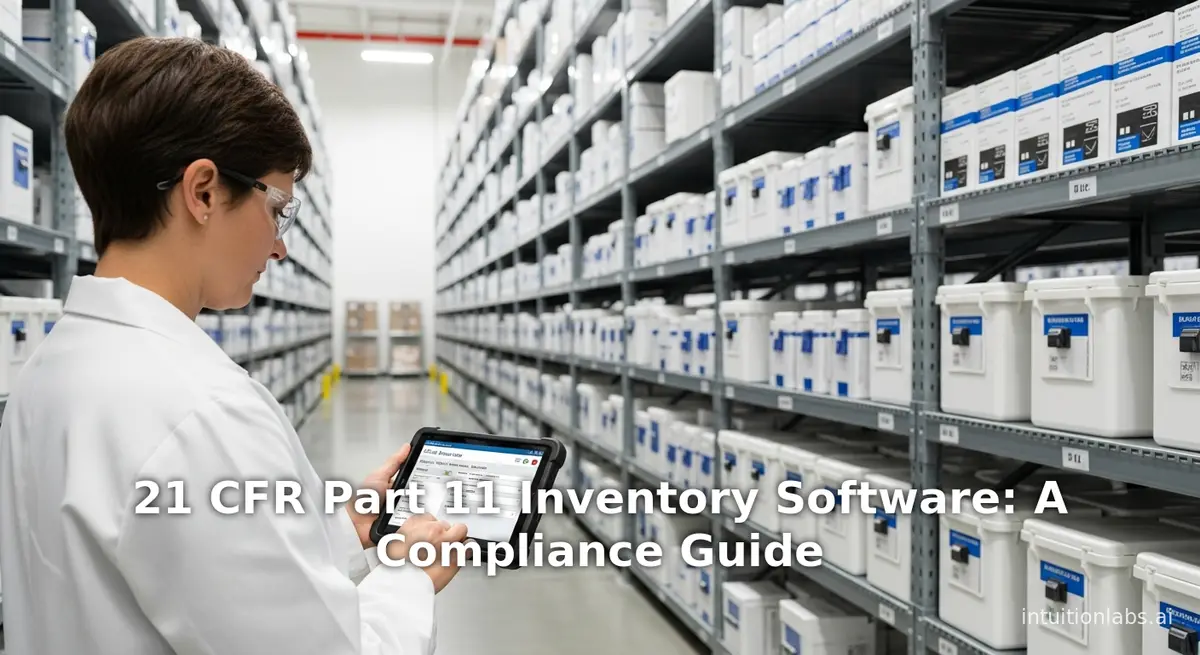
An in-depth review of inventory software meeting 21 CFR Part 11 FDA rules. Explore key requirements like electronic signatures, audit trails, and ALCOA+ princip
Analyze the life sciences software market projected to reach $45B by 2026. Examine AI trends, key segments, and five structural gaps hindering growth.
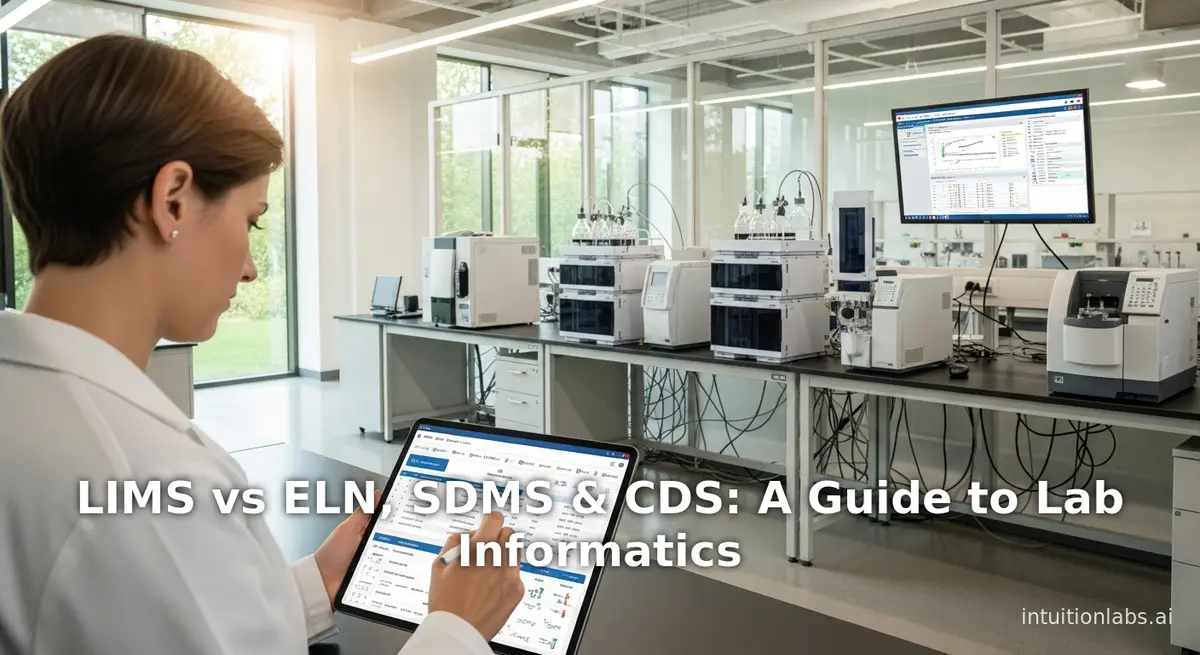
Learn the key differences between LIMS, ELN, SDMS, and CDS. This guide explains the purpose, features, and use cases for each lab informatics system.
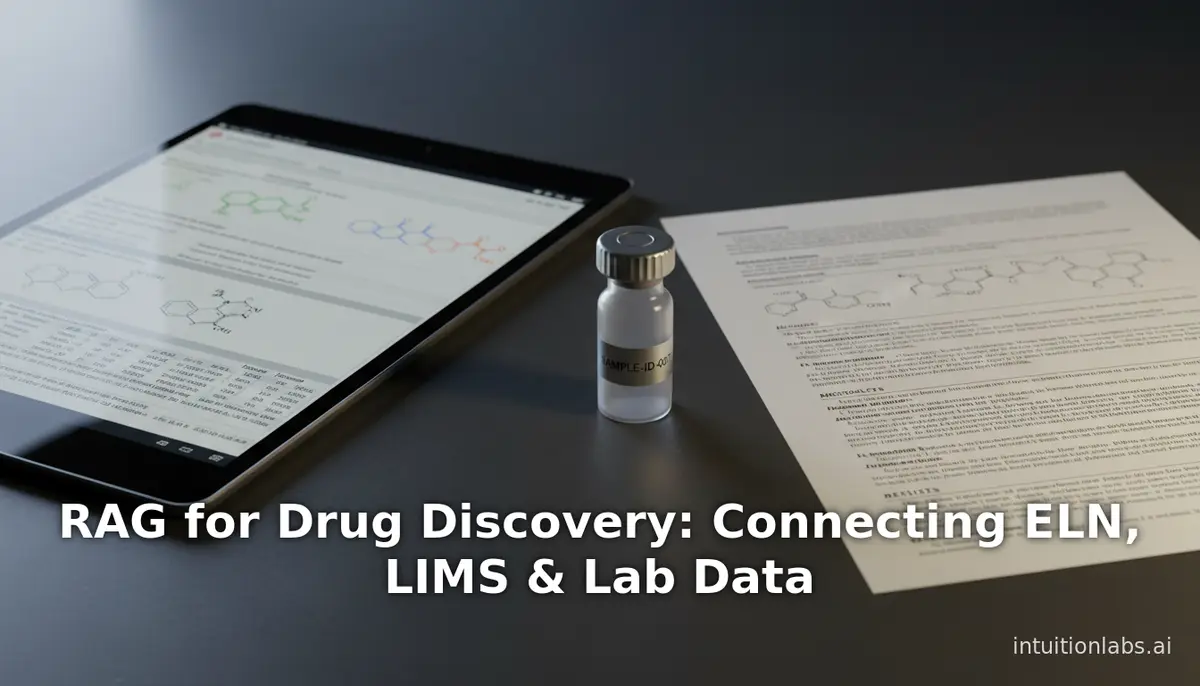
Learn how Retrieval-Augmented Generation (RAG) connects ELN, LIMS, and institutional knowledge for drug discovery. Updated for 2026 with FDA/EMA AI guidelines, Benchling AI agents, GraphRAG, and latest market data.
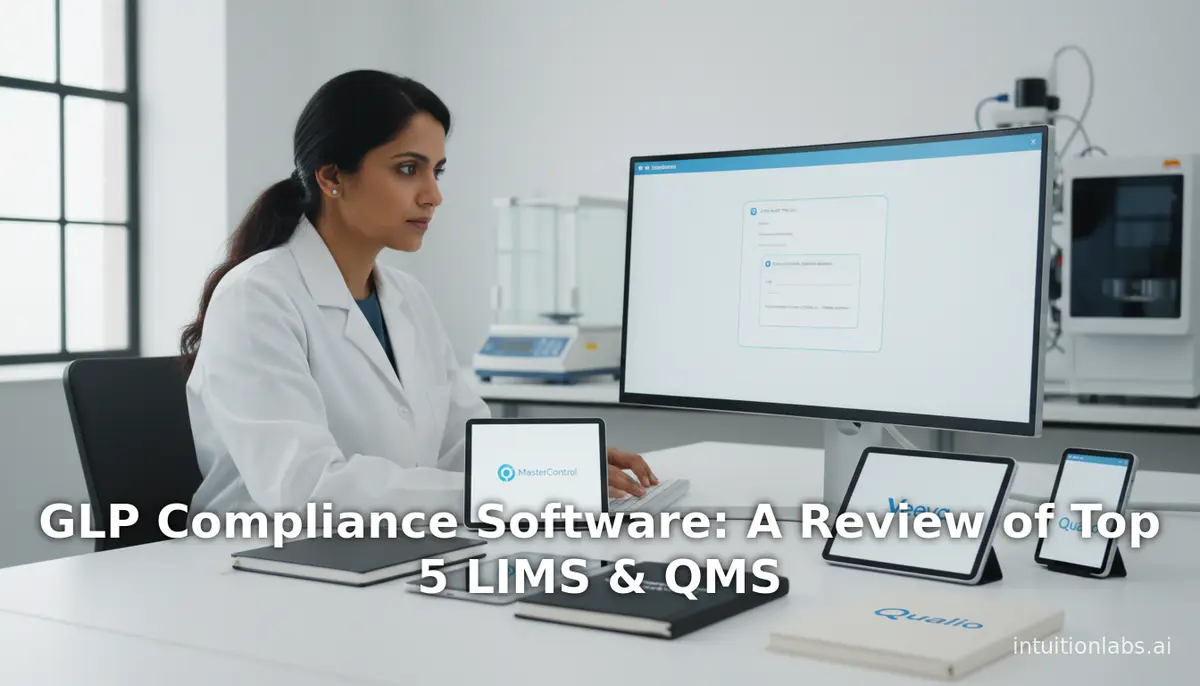
Need GLP compliance software? Our 2026-updated guide reviews the top 5 systems for data integrity, 21 CFR Part 11, and audit trails. Compare MasterControl, Veeva Vault, Honeywell TrackWise, LabWare LIMS, and Qualio with the latest AI and regulatory developments.
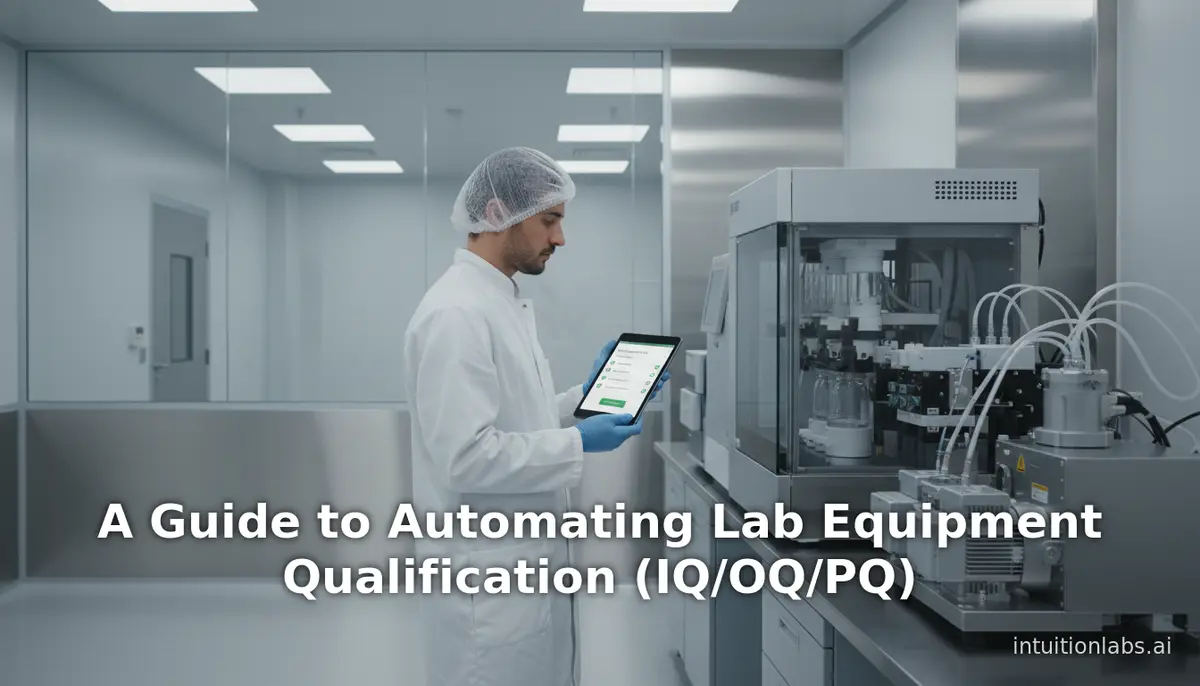
A comprehensive guide to lab equipment qualification (IQ/OQ/PQ). Learn the process, regulatory standards including FDA's finalized CSA guidance, and how AI-powered automation streamlines validation and compliance.
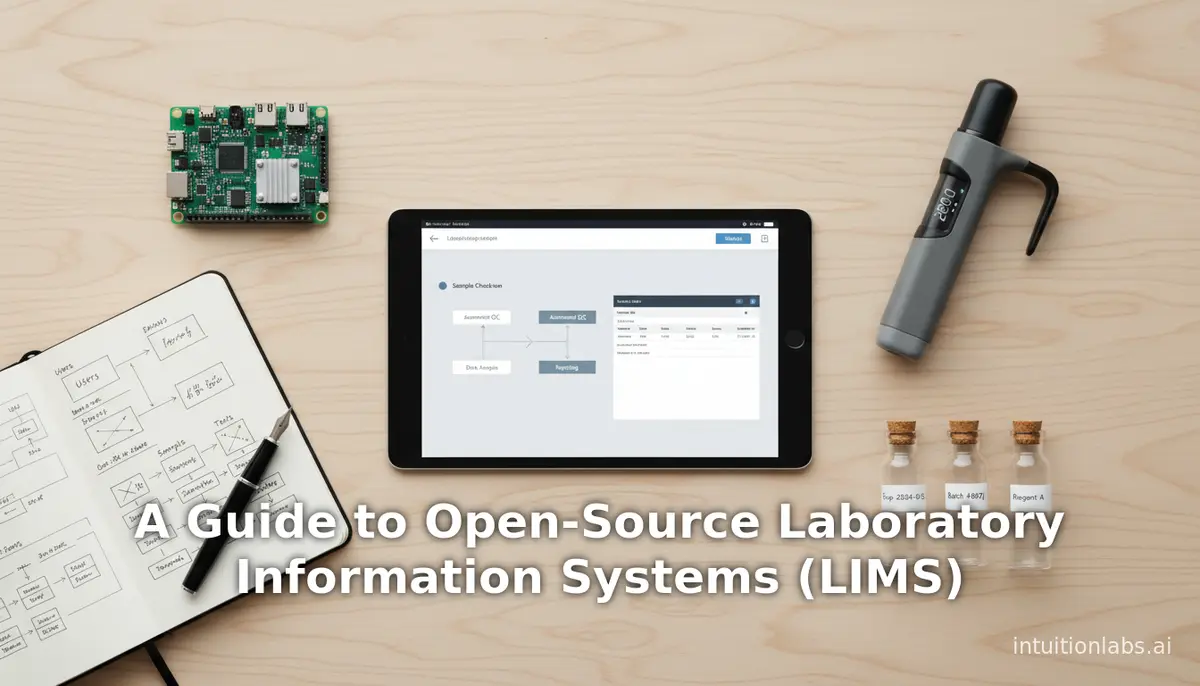
A comprehensive 2026 index of open-source LIMS with details on each system's license, technology stack, latest releases, and intended use for clinical, research, and biobanking labs.
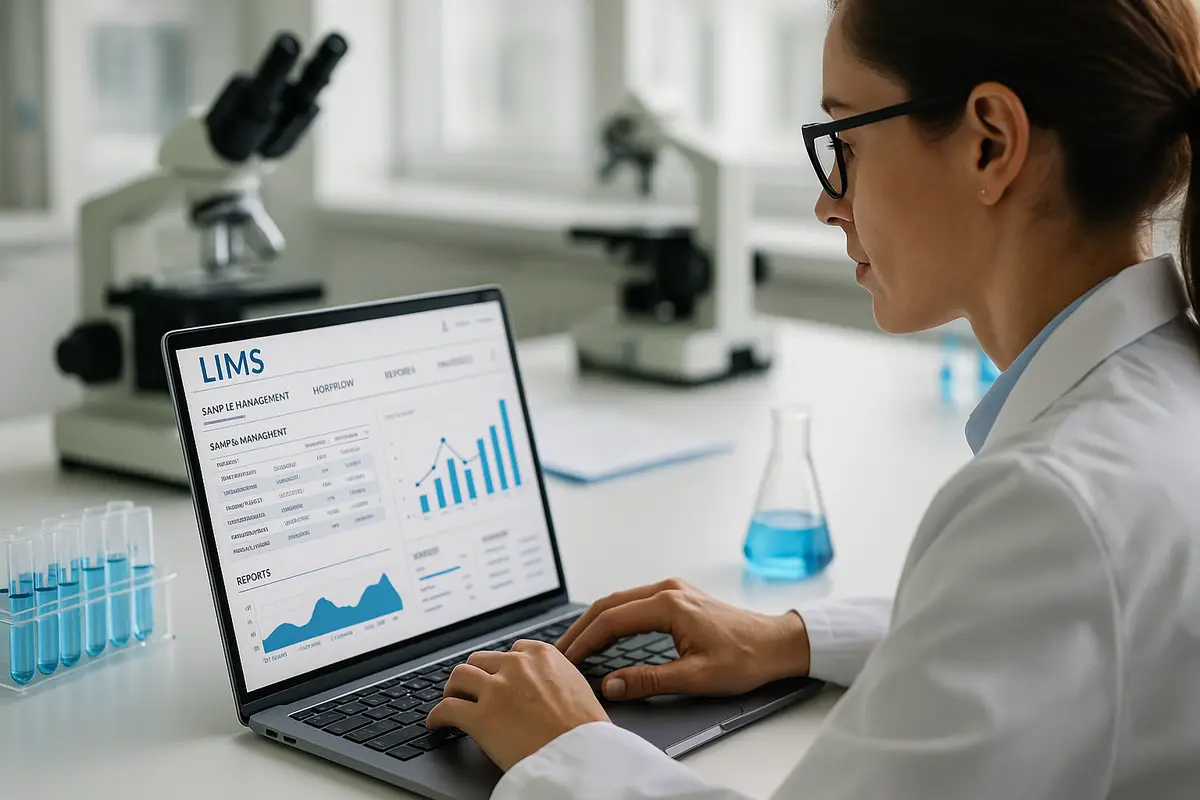
This article explains the core functions of LIMS for sample management, data integrity, and regulatory compliance, and provides a comparative analysis of top systems.
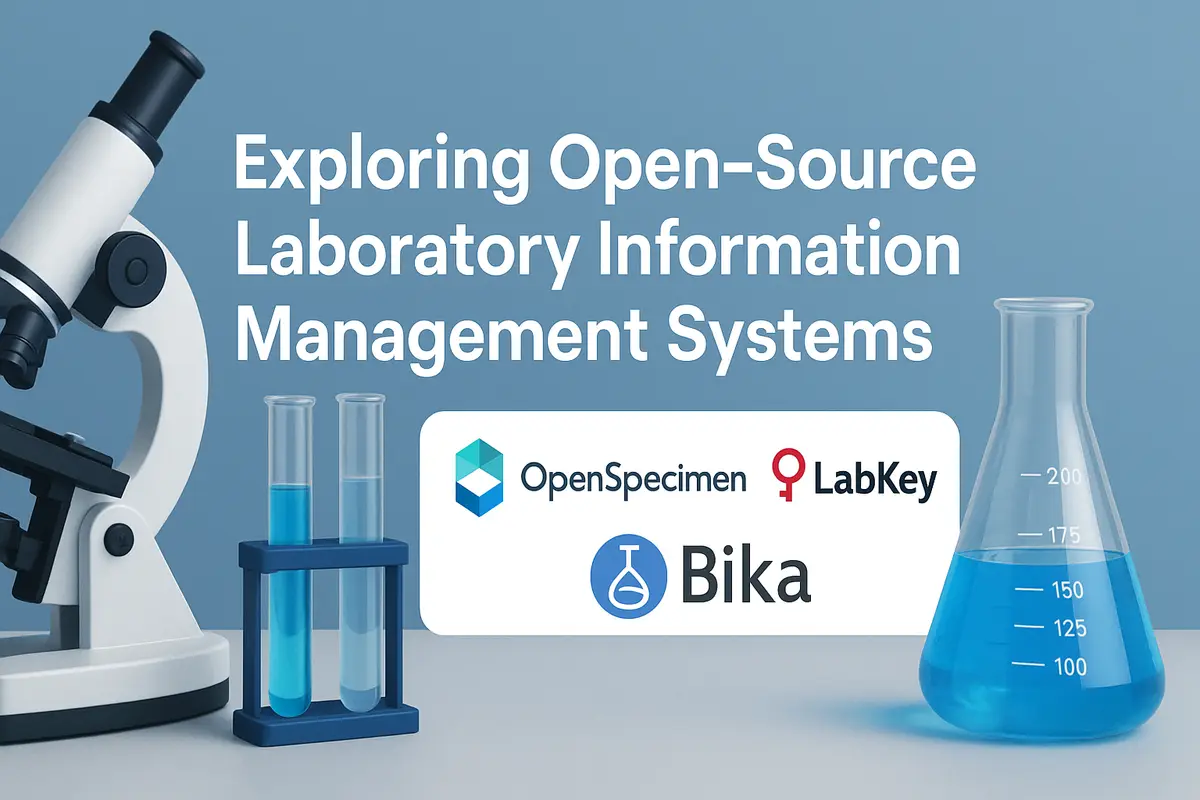
This article defines open-source LIMS and details its core functions, such as sample registration, data collection, quality control, and workflow management. Updated for 2026 with SENAITE 2.6.0, LabKey 25.11, OpenELIS AI features, FDA CSA guidance, and current market data.
© 2026 IntuitionLabs. All rights reserved.