Veeva Implementation Strategy: Biotech Module Selection

Executive Summary
Emerging biotech companies face unique challenges in launching new therapies in an increasingly competitive and regulated environment. Research indicates that many new drugs fail launch expectations ([1]), underlining the need for strategic technology investments. Veeva Systems’ suite of cloud-based applications has become a leading solution for life sciences companies, from large pharmas to nimble biotechs. In particular, Veeva offers “Vault Basics” (for R&D/Regulatory/Quality) and “Commercial Cloud” (CRM and content management) tailored for smaller organizations. Hundreds of emerging biotechs have adopted Veeva solutions; over 75 biotechs use Veeva Basics packages across clinical, regulatory, and quality functions ([2]), and over 100 biotechs have now selected Veeva Basics to standardize operations ([3]).
This report provides an in-depth analysis of which Veeva offerings to implement first – and which to defer – for an emerging biotech. We draw on industry data, case studies, and expert commentary to map out a phased, risk-conscious Veeva rollout. We recommend that foundational compliance and R&D modules (e.g. Vault QualityDocs, Vault eTMF, Vault RIM/Submissions) should be purchased early, establishing good practices with minimal risk, while commercial and marketing modules (e.g. CRM, PromoMats) can generally be deferred until pre-commercial or launch phases. We examine each product area (Clinical Operations, Regulatory, Quality, Commercial, Data) in detail, with evidence from multiple sources. We also provide illustrative case examples and a comparative table summarizing module recommendations. Data and market analysis show that small biotechs are the fastest-growing segment in adopting cloud systems ([4]), further motivating early adoption of efficient SaaS platforms like Veeva. We conclude by discussing future trends (AI-powered enhancements, new modules like LIMS/MRP) that emerging biotechs should anticipate in their digital roadmap.
Introduction and Background
Modern biotechnology is entering a “digital transformation” era driven by novel modalities, higher R&D productivity demands, and evolving regulations ([5]) ([6]). Emerging biotech firms, often specialized in a core disease area, are under pressure to accelerate development and commercialization while managing stringent compliance. Industry analyses emphasize that companies focusing on their core therapeutic areas and leveraging advanced tools tend to outperform broader peers ([7]). Likewise, leading consultancies predict that cloud platforms, AI, and data-driven tools will be essential in streamlining drug development ([8]) ([9]). The life sciences “industry cloud” market is rapidly expanding – one study projects the global life science cloud computing market will exceed $100 billion by 2034, with emerging biopharma being the fastest-growing segment ([4]). Notably, the small and emerging biotech segment is “expected to expand with the fastest CAGR between 2025 and 2034” among company sizes ([4]). In practice, this means new biotech founders are increasingly open to investing early in robust IT systems to support growth.
Against this backdrop, Veeva Systems has emerged as the industry’s leading provider of cloud software tailored to life sciences. With both Commercial (CRM/data) and R&D/Development (Vault) suites, Veeva’s offerings cover the end-to-end product lifecycle ([10]) ([11]). Veeva’s SEC filings and industry reports describe how its Commercial Cloud includes Veeva CRM (for sales force and medical teams), CLM (content), Engage (remote interactions), OpenData (HCP reference data) ([10]), and the Veeva Development Cloud includes Vault applications for eTMF, CTMS, Regulatory (Submissions, RIM/Registrations), Quality (QMS, Document management, Training), Safety (pharmacovigilance), and more ([11]) ([12]). These modules are designed specifically for life sciences workflows and compliance regimes.
For emerging biotechs – typically pre-commercial to Phase II stage – the question arises: Which of these modules should be adopted first, and which can be postponed? Early investment in Veeva can drive efficiency and quality, but also requires significant budget, training, and change management. A phased approach can minimize risk: implement core compliance and collaboration tools now, and delay advanced marketing or analytics until needed. The rest of this report systematically examines each domain (clinical, regulatory, quality, etc.), integrating data-driven analysis, quotes from biotech leaders, and vendor/prior adoption evidence, to formulate actionable guidance on the initial Veeva implementation strategy.
Veeva’s Offerings for Biotech: An Overview
Veeva’s product portfolio can be broadly categorized into (a) Development Cloud (Vault) and (b) Commercial Cloud (CRM and related) functions. Understanding this landscape is essential to prioritize module selection.
Development Cloud (Vault platform)
Veeva Vault is a cloud-based enterprise content and data management platform with specialized modules for R&D and quality processes ([13]). Key Vault applications relevant to biotechs include:
- Vault eTMF (Electronic Trial Master File): Manages clinical trial documentation and ensures completeness of the TMF.
- Vault CTMS (Clinical Trial Management System): Tracks study milestones, enrollment, issues, and site communications.
- Vault Quality Suite: Includes QualityDocs (document control), Vault QMS (CAPA, change control, audits), Training (employee qualification/training), Quality Risk and other quality management components ([14]) ([15]).
- Vault RIM (Regulatory Information Management): For managing registrations globally and submission planning. Components: Submissions (eCTD publishing), Submissions Archive, Registrations (xEVMPD/IDMP tracking) ([16]) .
- Vault LIMS (Laboratory Information Management System): Tracks QC lab data (batch release, certificates of analysis) – currently targeted at companies working with CMOs or early manufacturing ([17]).
- Vault MedComms (Medical Communications) and Safety (Pharmacovigilance), which are less critical until broader commercialization or drug on market.
Each Vault module is licensed separately on a SaaS basis (typically a base “vault” environment fee plus named user licenses ([18]) ([19])). Veeva has introduced “Basics” packages (pre-configured, pre-validated versions of Vault apps) specifically for biotechs, offering rapid deployment with minimal configuration. For example, “Vault eTMF Basics”, QualityDocs/Training Basics, Submissions Basics, CTMS Basics, LIMS Basics, PromoMats Basics are tailored to smaller companies ([14]) ([20]). These Basics remove implementation costs and include templates/SOPs to accelerate go-live ([14]).
Evidence of adoption:
- By mid-2025, 75+ biotechs were using Veeva Vault Basics across clinical, regulatory and quality ([2]), and by late 2025 over 100 had signed on to Veeva Basics packages ([3]).
- Industry press notes that Vault Quality Suite (Docs, QMS, Training) is used by “more than 300 organizations, including 13 of the 20 largest pharma companies” ([21]). Veeva’s 2020 press said Vault Quality has grown from 0 to 300+ customers in three years ([21]).
These figures underline Veeva’s dominance: as of late 2025, Veeva serves “more than 1,500 customers, ranging from the world’s largest biopharmaceutical companies to emerging biotechs” ([22]). New biotech customers often leverage Vault for essential processes: Structure Therapeutics noted that Veeva Basics gave them an “agile solution that works now… easy access to the Veeva Vault Platform as we grow” ([23]).
Commercial Cloud (CRM and Digital Engagement)
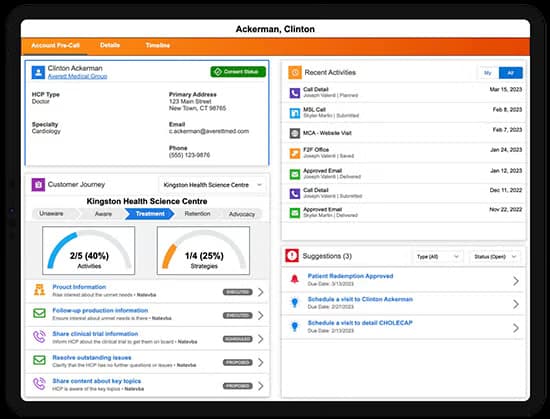
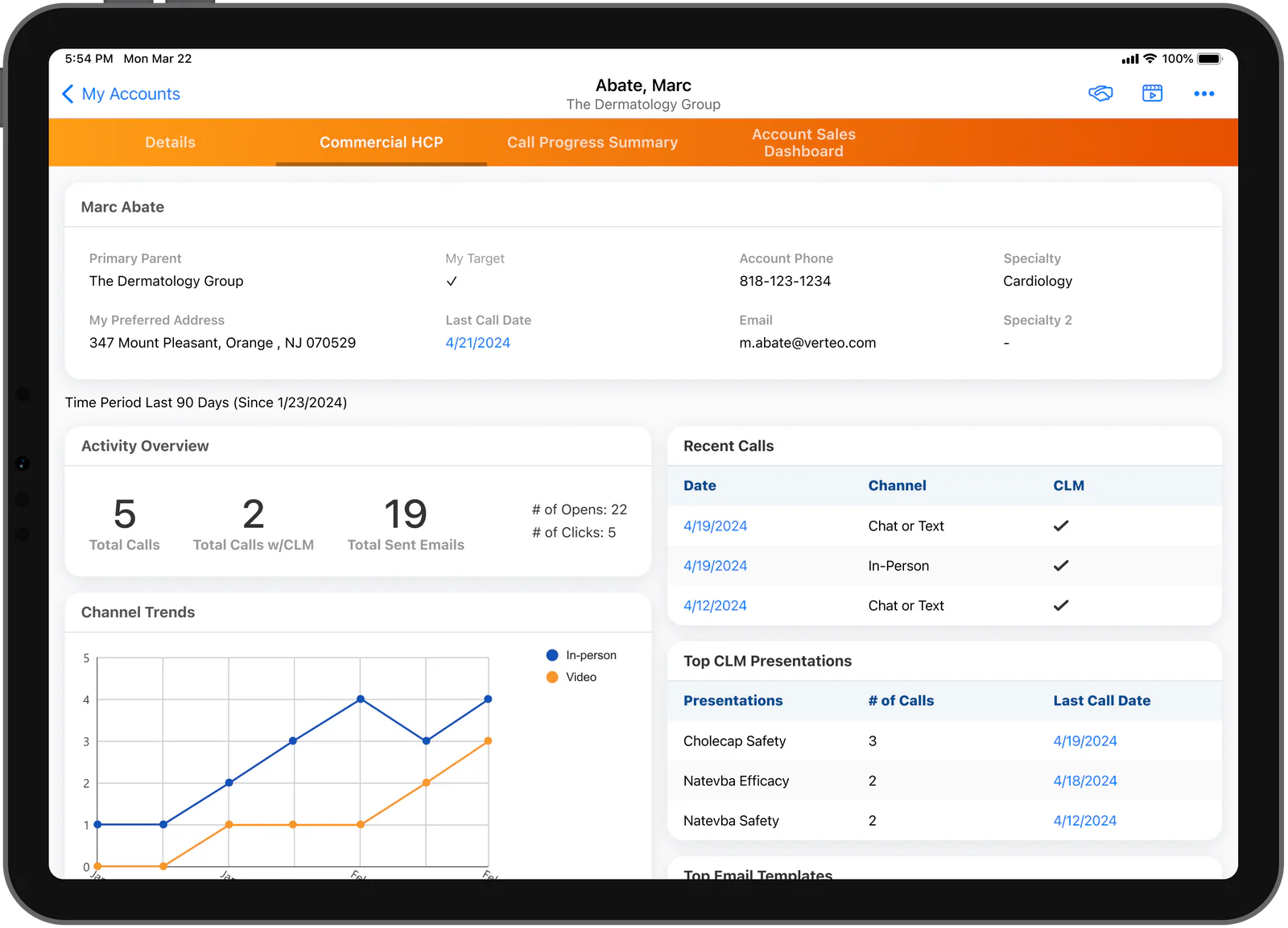
Veeva’s Commercial suite centers on Veeva CRM (customer relationship management) originally built on Salesforce, transitioning to a native Vault-based CRM ([24]). Additional commercial-oriented products include:
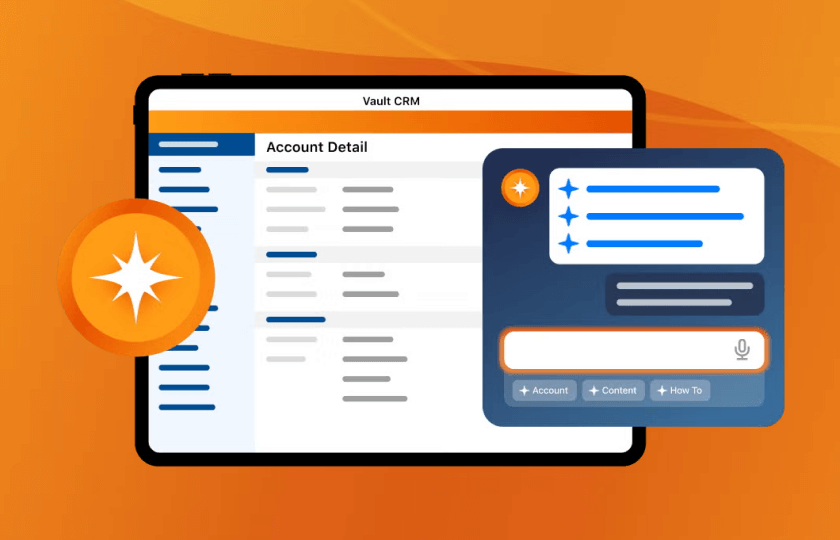
- Veeva CRM (Vault CRM): Sales and marketing automation (physician targeting, detailing, multi-channel campaigns). New Vault CRM launched ~2024; transitioning all Salesforce-based customers by 2030 ([25]) ([26]).
- Veeva CLM: Content delivery to HCPs (part of CRM modules).
- Veeva Engage: Virtual engagement with HCPs (for events and virtual MSL).
- Veeva Align: Territory alignment (integrates with CRM) ([27]).
- Veeva OpenData/Veeva Link: Databases of healthcare providers and organizations (to help targeting, compliance, and intelligence).
- Veeva PromoMats: Digital asset management for promotional and medical content. Veeva PromoMats Basics (lightweight version) launched for emerging biotechs (2026) ([17]).
- Veeva Compass: Patient/prescriber data analytics (often used at launch phase). These ensure go-to-market compliance and engagement. Veeva’s SEC disclosures note that CRM and content (PromoMats/MedComms) users can better manage multi-channel marketing in compliance ([10]).
Commercial cloud adoptions: Major companies use Veeva CRM extensively (global top20s migrating to Vault CRM ([25])). For small biotechs, Veeva offers an “Veeva CRM Essentials” edition at lower complexity/cost ([28]). However, adoption of CRM is typically deferred until commercial preparations ramp up; many emerging biotechs focus first on vault (R&D process) modules.
What to Implement First
In planning a first-time Veeva deployment for an emerging biotech, the overriding principle is to start with ‘must-have’ systems for compliance and foundational processes, and defer optional or expensive systems until viability increases. The next subsections examine key domains with evidence-based recommendations.
Quality Management (Document Control, Training, QMS)
Key products: Vault QualityDocs (Document Control), Vault Training, and basic Vault QMS functions (CAPA, change control, audit management). Veeva’s Vault Basics program bundles QualityDocs and Training into a turnkey package with no implementation fees ([14]).
Why buy first: Quality document management is often legally required from day one in GxP contexts (clinical quality, manufacturing quality). Emerging biotechs generate SOPs, batch records, validation documents, etc., which must be controlled. Vault QualityDocs provides a centralized, compliant repository with electronic signatures and audit trails. Vault Training ensures all staff qualifications are tracked. As one biotech CRO VP said, Veeva’s Quality Suite prioritizes “complete visibility into quality information and processes” ([29]). Data point: Over 300 companies (including many leading pharma) use Vault Quality apps to unify quality processes ([21]). In an enterprise project, Sanofi is moving its entire global quality processes to Vault QMS/Docs ([30]). In that light, emerging biotechs should secure document and training control early to avoid alternative paper or disparate tool risk.
Buy now if: The company has any GxP processes (clinical or manufacturing) expected in the near term. Even preclinical studies often require controlled documents (protocols, invoices, lab records). Vault QualityDocs/Training “fits needs” by providing configurable SOP libraries and templates ([31]). The lean structure of Veeva Basics (prebuilt workflows, SOP templates) means biotechs can go live “with a simple path to go live and validation” ([32]), saving months of startup. As one customer (Whitehawk Therapeutics) noted, they needed “a compliant, cost-effective solution for document and record management”, and Veeva Basics delivered that foundation ([31]).
Skip or delay if: The biotech has neither active nor imminent GxP activities. If a startup is purely discovery research with no defined processes, a lightweight document solution might suffice. But caution: even early-stage research often triggers FDA investigational obligations (IND-enabling docs, CMC). Given low marginal effort for “basics”, we recommend prioritizing QualityDocuments early in almost all cases.
Citations: Vault QualityDocs/Training basics are explicitly targeted at biotechs with “zero implementation and maintenance costs” ([14]). By 2025, Veeva reports ~180+ Vault Quality customers ([33]), reflecting wide adoption. Case quotes reinforce this: Whitehawk’s CTO said Veeva Basics “fits [our] needs” with built-in SOPs and training (needed for compliance) ([31]).
Clinical Trial Management (CTMS and eTMF)
Key products: Vault eTMF (electronic trial master file) and Vault CTMS (clinical trial management system). Veeva Basics includes eTMF Basics, and introduced CTMS Basics in 2025 ([34]).
Why buy first: If the biotechnology program involves human clinical studies, managing trial documentation and operations is crucial for compliance and inspection readiness. An electronic TMF centralizes all trial documents (informed consents, CRFs, site communications), ensuring completeness. Vault eTMF provides real-time visibility into which documents are missing (reducing inspection risk) and is built around the TMF Reference Model. Similarly, CTMS tracks progress: milestones, enrollment projections, site performance. Veeva CTMS can automate routine processes and generate dashboards for sponsors/CROs.
Emerging biotechs, even with a few studies, benefit from this discipline. Scancell’s case exemplifies this: as they scaled their trials, “Veeva eTMF Basics gives us more control of our data and process to ensure inspection readiness” ([35]). The combination of eTMF + CTMS clips trial overhead and accelerates timelines. Data point: Veeva’s Feb 2025 press noted that Veeva CTMS Basics was launched (profile includes milestones, enrollment tracking) specifically “to meet the needs of high-growth [animal] companies” ([34]).
Buy now if: The biotech plans active clinical trials (e.g., an ongoing Phase 1/2). In that case, implementing eTMF from study start avoids later manual catch-up. eTMF is typically the first clinical tool to implement (completes TMF tasks in weeks) ([36]). Likewise, if multiple studies or CRO engagements are on the horizon soon, adopting CTMS Basics early (as soon as possible) helps coordinate operations and may be required by CRO partners. At minimum, eTMF should be in place by first site initiation.
Skip or delay if: The company has not yet begun clinical trials and does not expect to for months. For pure discovery-stage firms, an eTMF/CTMS is not immediately needed. They could use simpler tracking (e.g., spreadsheets) early on. However, the risk of delaying eTMF is that once trials begin, many documents already exist to backfill. Given that Veeva Basics promises “weeks” to go live ([2]), a cautious biotech may deploy eTMF at least by end of preclinical. CTMS can be deferred until a dedicated trial operations role is planned. In summary, eTMF = Buy early (pre-study); CTMS = Buy when scaling trials.
Citations: Veeva itself highlights that CTMS and eTMF are now part of Vault Basics offering ([34]). Scancell’s quote on eTMF (inspection readiness) ([35]), and Corbus’s (Ian Hodgson) highlighting the unified platform rationale ([37]), underscore the benefits for small teams. Industry data on SaaS in clinical trials also notes eTMF adoption drives “increased efficiencies in clinical trials” ([38]).
Regulatory Submissions and Registrations
Key products: Vault Submissions (eCTD publishing), Submissions Archive, and Vault Registrations. These are part of Veeva’s RIM suite. Submissions Publishing (continuous publishing) is now available in basics ([34]), and Vault Registrations supports global registration tracking.
Why buy first: Regulatory planning is central in biotech. Early development is driven by IND and eventual NDA/BLA filings. A robust RIM system streamlines dossier authoring, regulatory correspondence, and authority commitments. Key advantage: speed. As one biotech R&D lead recounted, moving from fragmented systems to Veeva RIM allowed their company to file their BLA “within an hour” of finalizing documents ([39]). They implemented Veeva Submissions Publishing in just three months to make this possible ([39]) ([40]). For a biotech planning a first submission, having Veeva Submissions even early can remove downstream bottlenecks. The integrated Vault RIM ensures a single source of truth: comments, approvals, CTD modules all in one place, avoiding the “disparate spreadsheets” drag ([41]).
Buy now if: The biotech is within ~1 year of preparing major regulatory filings (IND/NDA/BLA). Vault Submissions Basics (publishing) is a priority at that point. In fact, Veeva customers often implement RIM ahead of filings to start building dossiers. The CAR-T case study shows biotech implementing RIM years before its first approval to enable “parallel submission and validation” ([42]). Even if not immediate, establishing RIM early can prevent painful data re-alignment later. Additionally, Vault Registrations (tracking IDMP/XEVMPD requirements) should be adopted prior to commercial launch if global registration data volume is expected to grow. The case study noted that Vault Registrations was planned in Aug 2024 to handle rising IDMP data ([43]).
Skip or delay if: The biotech is far from filing (no IND in sight). If the lead asset is still in discovery or early preclinical, advanced RIM may be premature. However, most emerging biotechs aim for clinical-stage PDx/IND, so RIM typically moves from “want” to “need” as soon as formal development starts. A minimum recommendation is to start planning or partially implementing RIM modules well before the first planned submission, to align doc controls and regulatory plans.
Citations: The CAR-T case study explicitly demonstrates a 3-month implementation for Submissions Publishing enabling next-day filing capability ([39]). The Regulatory lead said, “Veeva RIM would be valuable because we want to go so fast” ([44]). Veeva’s press confirms "CTMS Basics and Submissions Publishing Basics are available", emphasizing speed and scalability ([45]). Industry commentary notes regulatory complexity is increasing globally, further pushing firms towards integrated RIM systems ([46]).
LIMS (Laboratory Information Management)
Key product: Veeva Vault LIMS and LIMS Basics. This cloud-based LIMS was released in late 2021 for QC labs and is being tailored (by 2026) to biotechs needing CMO oversight ([17]).
Why buy first: If an emerging biotech engages in its own chemical/biological manufacturing, or uses contract labs for trial materials, LIMS can greatly improve data quality. Vault LIMS integrates lab test results (like potency, purity) with Quality and R&D data. For companies treating CMOs as “virtual labs,” it enables central oversight: e.g., tracking batch releases and Certificates of Analysis. According to Veeva, “LIMS had several early adopters” by 2024, as companies valued linking QA and QC data ([47]).
Buy now if: The company is organizing its manufacturing (even outsourced) for clinical supply, or heavily data-driven assays are core (e.g. precision medicine labs). Vault LIMS Basics (coming in 2026) should be on the roadmap as CMOs/Quality become priorities. Early adopters likely see benefits in linking lab outcomes to the overall Quality management system.
Skip or delay if: The biotech does not yet have active CMO partnerships or in-house labs. Many emerging companies wait until later (post-IND) to formalize lab systems. If chemical/biologic production is years away, an interim spreadsheet or local LIMS might suffice. Given Vault LIMS is only “planned for availability in early 2026” ([48]), most pre-launch biotechs will defer it.
Citations: Veeva itself emphasizes LIMS Basics supports “virtual companies” with CMO oversight (batch release/CoA) ([17]). The IntuitionLabs analysis notes Vault LIMS had “early adopters” and was unified with Vault Quality by 2024 ([47]). Market trends mention cloud-native LIMS have become mainstream for lab workflows ([49]), suggesting that even startups increasingly consider LIMS as essential infrastructure.
Commercial / Promotional (PromoMats and CRM)
Key products: Veeva PromoMats (Promotional Materials Management) and Veeva CRM (Vault CRM) (Sales/Medical force automation). Also relevant: Veeva Compass/Link for analytics.
Why buy first: These modules drive product launch and commercial operations. PromoMats centrally manages marketing materials, medical information packages, and audit trails for promotions and claims. Veeva PromoMats Basics (debuting 2026) will provide a fit-for-purpose, lighter content management. Veeva CRM supports HCP targeting, customer call planning, sample tracking, etc. (Note: Vault CRM is now the direction, with separate “Essentials” tier for small companies) ([50]) ([51]).
Buy now if: The biotech is in late-stage development (Phase 3/pre-launch). At that point, preparing even draft promotional assets and marketing strategies is useful, and early adoption of PromoMats ensures compliant content lifecycles. For CRM, if a salesforce is being built, purchase need is imminent. However, if the product is still >1-2 years from launch, licensing CRM early may not yield benefits relative to cost.
Skip or delay if: In general, delay commercial modules until pre-commercial or launch planning. At discovery or early clinical stage, functional needs for CRM/Promo are minimal. Many emerging biotechs rely on outside agencies or simple tools pre-launch. Additionally, Veeva’s high subscription cost (not trivial per user ([19]) ([50])) often makes CRM an investment for later stage. If budget-limited, it may be prudent to plan for CRM adoption only when hire of commercial/medical teams is likely. However, be aware that competitors exist: some startups opt for lighter (e.g. Salesforce Life Sciences Cloud or specialty CRM like TikaMobile) as interim ([52]) ([53]).
Citations: IntuitionLabs notes Veeva CRM runs about $142 per user per month (~$1700/year) in a large deployment ([50]), indicating significant cost. Veeva offers an “Essentials” edition targeting small biotechs at lower cost and complexity ([28]), acknowledging different needs at this stage. Industry analysts suggest newer CRM alternatives are catering to agile biotechs ([54]) ([55]), supporting the view that biotechs might postpone Veeva CRM or consider alternatives until absolutely needed.
Data and Analytics (Compass, Link, Nitro)
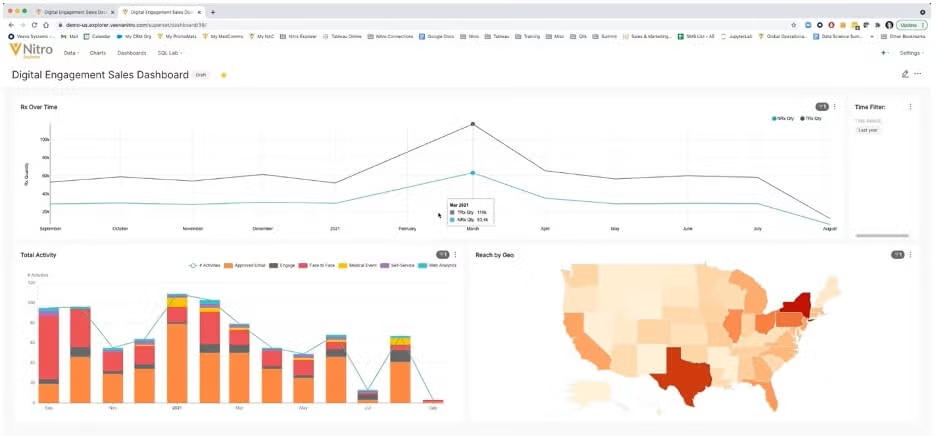
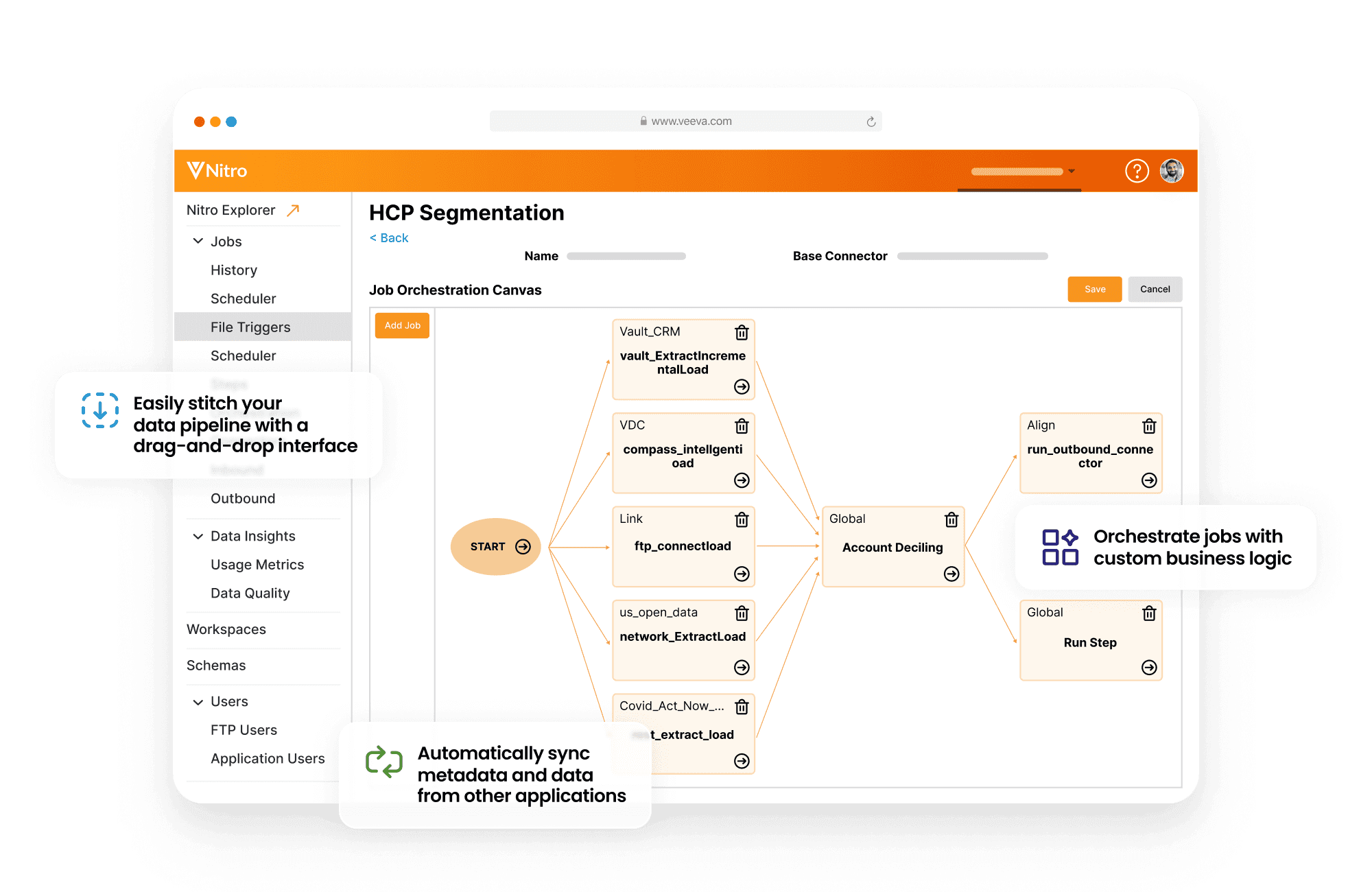
Key products: Veeva Link / OpenData (customer/KOL data), Veeva Compass (patient/prescriber data analytics), Veeva Nitro (data warehouse/analytics).
Why buy first: These tools primarily support commercial/pipeline intelligence (identifying HCPs, markets, optimizing launches). Veeva Link provides global stakeholder intelligence; Compass offers patient location and prescribing analytics; Nitro enables big data integration. For an emerging biotech, these may not be priority until late development. They do not manage core processes but can elevate decision-making (e.g. identifying trial sites or launch targets).
Buy now if: Only if the startup’s strategy is heavily data-driven from Day 1. For example, if a company is planning a precision outreach or needs real-time HCP insights to drive an early program, immediate adoption could help. Some in the field argue that early actionable intelligence (e.g. through Definitive Healthcare or similar) can even precede a full CRM ([56]). However, at minimum, Veeva Link/Compass can be added when preparing for launch. Nitro (Enterprise Analytics) is usually for large data volume and typically not needed early.
Skip or delay if: Generally delay until later. At the earliest stage, these are luxury modules. Many companies supplement with public data or third-party services (and may use Veeva Vault reporting for clinical/quality data in meantime). We recommend focusing scarce resources on the essential ERP-like functions first; rich analytics can come when the business case and data volume justify it.
Citations: The IntuitionLabs review highlights Veeva Link and Compass as ways to enable personalized engagement and analytics, especially in competition with data-heavy rivals ([57]), but does not suggest they are startup essentials. Market reports note that many firms use other specialized data intelligence tools before full CRM adoption ([56]).
Summary of Module Recommendations
The table below summarizes our recommendations on which Veeva modules to “buy first” versus “skip or postpone” for an emerging biotech, along with supporting rationale and citations:
| Module/Area | Description/Purpose | Buy Now? | Rationale (Citations) |
|---|---|---|---|
| Vault QualityDocs & Training (Basics) | GxP document & training management (SOPs, records) | Yes (immediately) | Core GxP compliance; needed for any regulated processes. Veeva Basics packs enable quick go-live with templates ([14]). Adopted by 300+ companies ([21]) to unify quality information. Example: Needed “foundation for quality” by Whitehawk ([31]). |
| Vault QMS (CAPA, Change) | Quality management processes (CAPA, audits, change) | Yes | Works with QualityDocs as complete QMS. Ensures CAPA and deviations are handled. Standard in regulated industries; often part of initial Vault Quality deployment ([15]). |
| Vault eTMF (Basics) | Electronic trial master file (clinical docs) | Yes (if running trials) | Ensures trial data completeness and readiness for inspection. Rapid deployment with Veeva Basics. Scancell: eTMF “inspection readiness” as trials scale ([35]). eTMF is industry best practice. |
| Vault CTMS (Basics) | Clinical trial management (milestones, enrollments) | Conditional | Valuable if multiple or complex trials. CTMS Basics launched to simplify adoption ([34]). Early trials (few) can use simpler tracking; adopt when scaling studies. |
| Vault Submissions & Archive Basics | Regulatory submission authoring and archiving | Yes (by filing stage) | Streamlines IND/NDA/BLA preparation with eCTD output. Case study: implemented in 3 months saved months in BLA filing ([39]). Adopt before first major submission to gain efficiency. |
| Vault Registrations | Global registration tracking (xEVMPD/IDMP) | Yes (if global) | Required for tracking EU registrations and product profiles. Important if planning multi-region filings. Aligns with evolving global IDMP standards ([46]). |
| Vault LIMS (Basics) | Lab information management (QC labs, CMO data) | No (delay) | Useful once manufacturing/CRO labs are engaged. Coming in 2026 ([58]). Skip until actual lab/COT involvement; focus on QualityDocs first. |
| Vault PromoMats (Basics) | Promotional materials & digital assets management | No (delay) | Not needed until marketing phase. Planned 2026 release ([17]). Adopt closer to launch when developing promotional content. |
| Veeva CRM / Vault CRM | Commercial CRM (sales/marketing) | No (delay) | Very valuable at launch stage, but expensive for pre-launch. Small org may consider lighter options. Veeva CRM “Essentials” edition exists for biotechs ([28]). Plan purchase when building field team. |
| Veeva CLM / Engage | Customer presentations and remote engagement | No (delay) | Add when deploying CRM and preparing for customer interactions. |
| Veeva Link / OpenData | HCP/KOL data and intelligence | No (delay) | Helpful for targeting and compliance, but can use third-party data or simpler databases initially. |
| Veeva Compass / Nitro | Analytics on patient/prescribing data (RWD) | No (delay) | Advanced analytics for launch forecasting. Skip until high-level planning; may integrate through partnerships (e.g. Definitive Healthcare) ([59]). |
Table 1: Veeva Modules – Recommended Prioritization for Emerging Biotech
Notes: “Buy Now” is marked if the module addresses near-term regulated activities or foundational needs. “Delay” indicates modules primarily for commercialization or advanced analytics, where immediate benefit is limited. Citations show industry use and expert rationale ([14]) ([39]) ([60]) ([50]).
Implementation Considerations
Purchasing modules is only part of the equation; implementation strategy is equally critical. Developers and consultants emphasize a phased, “basics-first” rollout to control costs and complexity.
-
Pre-Validated Packages: Leveraging Veeva’s Basics programs dramatically accelerates timelines. Veeva advertises that biotechs can “go live in weeks” with Vault Basics ([2]). For example, in 2024-25, over 10 companies had already launched Vault Basics quickly ([61]). By using Veeva’s templated setups and built-in validations (especially for Vault), an emerging biotech avoids lengthy configuration and validation efforts. This cuts implementation risk. For instance, Terns Pharma reported “significant time and resource savings” using Veeva Basics ([62]). Hence, choose pre-configured “Basics” packages for core modules (QualityDocs, eTMF, Submissions, etc.) whenever possible.
-
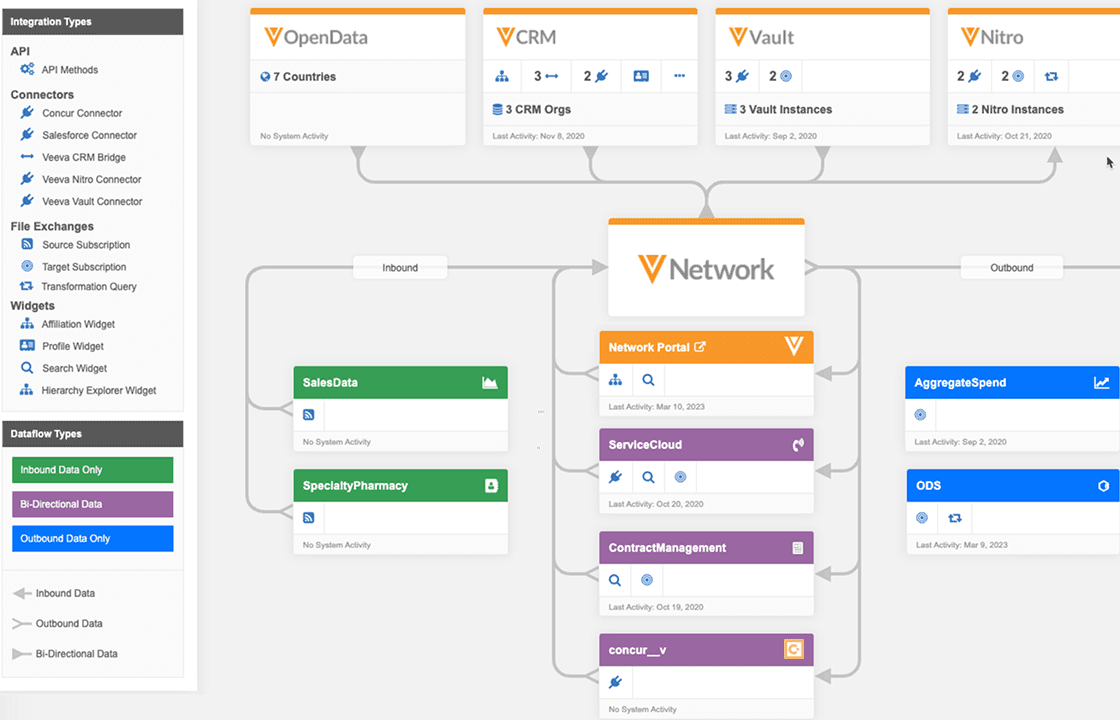
Integration and Phasing: Veeva’s modular architecture allows sequential integration. Start with one function (e.g. QualityDocs), then incrementally enable additional Vault apps once the first is stable. Veeva’s Vault Platform ensures no data migration is needed to add modules later ([63]). This means locking into Vault early is strategic, as all future apps (like CRMs or LIMS) sit on the same platform. Change management should focus first on quality and regulatory teams, then later include clinical operations, then commercial.
-
Data Migration and Training: an initial Vault implementation requires migrating existing documents from file shares or other QMS into Vault (often through validation). This can be a significant effort – however, Vault Basics often includes migration scripts/templates. Training is also essential; Veeva provides industry-standard training for Basics users ([62]), which customers praise for upskilling staff quickly (AiCuris testimony) ([64]).
-
Cost and Budget Planning: Veeva licenses are typically annual subscriptions. Early-stage biotechs with limited budgets should carefully plan the scope. The modular pricing structure means costs add up with each module and user ([65]). From IntuitionLabs data, a rough range for Vault modules is $50–$200 per user per month ([19]) (varies by license type and volume). Implementation professional fees (if not using "basics") can run in the tens of thousands. Startups should leverage volume discounts and negotiate enterprise-style bundles if expecting to scale (e.g. a flat annual fee covering core modules ([66])). We also note that Veeva’s contracts often include no $0 upfront license fee ([67]), shifting costs to OPEX (subscription). Planning for multi-year budgets is prudent.
-
Data Integrity: One advantage of starting early is better data hygiene. The CAR-T example emphasized “single source of truth… everyone following one process” . Without a unified system, early-stage companies often end up with fragmented files and ad hoc processes. Conversely, migrating historical docs into Vault upfront (if practical) prevents dual systems.
-
Regulatory Compliance & IQ: Adopting Veeva means committing to its updates. Veeva regularly releases features (3x/year) aligned with new rules (e.g. EU IDMP support in RIM) ([46]). Using Veeva ensures the biotech stays current. However, it also means relying on Veeva’s roadmap. For example, Veeva’s transformation to Vault CRM by 2025 suggests organizations must migrate away from legacy CRM by ~2030 ([25]). Emerging biotechs should be aware of these industry shifts (e.g. transitioning to Vault CRM, deploying AI agents) so they don’t become locked into soon-obsolete technology.
Case Studies and Examples
While comprehensive data on emerging biotechs is limited, several published customer examples illustrate the above principles:
-
Corbus Pharmaceuticals (CRO/rare diseases): As an emerging TB biotech, Corbus adopted Veeva Basics to standardize processes. COO Ian Hodgson said it was a “game changer”, letting smaller companies access platforms once reserved for big pharma, ensuring scalability and up-to-date compliance ([37]). Their quote highlights a core rationale: adoption prevents future tech debt as the company grows.
-
Scancell Biotechnologies (Immunotherapy): Scancell implemented Veeva eTMF Basics. Joe Thornton, Associate Director Clinical Ops, reported that as study volume increased, Veeva “gives us more control of our data… ensure inspection readiness” ([35]). This underscores eTMF’s value in growing trial portfolios.
-
Terns Pharmaceuticals (Gene Therapy): Focused on regulatory efficiency, they used Veeva Essentials. Dr. Rebecca Deng highlighted savings in time and validation using Veeva Basics ([68]). She praised the “simple path to go live and validation,” indicating that Veeva Basics’ low-upfront approach matched their scale.
-
Structure Therapeutics (Rare disease biotech): Engaged Veeva R&D and Quality Solutions. Senior IT Director Richard Tornai said Veeva Basics gave them “an agile solution that works now… with easy access to the Vault Platform as we grow” ([23]). They valued the best-practice workflows and SPR forms in Veeva Basics.
-
Whitehawk Therapeutics (Oncology biotech): They prioritized a foundation for quality and regulatory. CTO Bryan Ball said Veeva Basics provided a “compliant, cost-effective solution” with built-in workflows and templates ([31]). This case emphasizes quality/document modules as initial steps.
-
AiCuris (Antivirals biotech): Head of Quality Bernhard Irlinger reported that Veeva Basics delivered a “best-of-breed solution” with global support, enabling quick team upskilling ([64]). The point: easy, supported implementation is as valuable as the tech.
-
Unpublished CAR-T Biotech (Regulatory Focus): Detailed in Veeva’s case story ([39]), this company implemented Vault RIM modules (Submissions and Registrations) in about three months. They could then file their next BLA in record time (FDA filings in under an hour). The regulatory lead said, “I knew for a company of our size, Veeva Submissions Publishing would be valuable, because we want to go so fast.” ([69]). They moved to continuous publishing and parallel authoring, eliminating late rework.
-
Boehringer Ingelheim (Large Pharma): For contrast, BI built a “One Medicine Platform” on Veeva Development Cloud to unify quality, clinical, and regulatory data ([70]). While not an emerging biotech, the vision shows where Veeva can scale. Their multi-year project underscores that even large, global programs use Vault to break silos – a path fast followers (biotechs) can emulate.
These examples collectively suggest that emerging biotechs often start with schema-driven, pre-validated Vault modules (Quality, eTMF, Submissions) and gradually incorporate others. The consistent theme: standardization, speed, and compliance.
Analysis and Discussion
Strategic Rationale
The data and testimonies indicate that the benefits of a first-time Veeva implementation for a biotech can be substantial, if executed prudently. Key advantages include:
-
Regulatory Compliance and Speed: As seen in the case studies, Veeva dramatically reduces cycle times for regulatory filings ([39]). Continuous publishing (Submissions) and unified TMF (eTMF) move tasks earlier in the workflow. A single-truth platform minimizes delays from legacy/process fragmentation ([41]).
-
Scalability: Platforms like Veeva are designed to scale. Early adopters note peace of mind knowing “we can meet future requirements” as operations grow ([23]). If biotechs waited to implement ideal systems until they had grown, switching later might require disruptive migrations. Veeva Vault allows adding modules (or upgrading Basic to full Vault) without system overhaul ([63]).
-
Cost Savings in Long Run: By reducing manual handoffs (e.g. email, spreadsheets) and preventing compliance slips, Veeva can save time and money. Also, standard processes avoid costly non-compliance. Quotes like “significant time and resource savings” ([71]) illustrate perceived ROI.
-
Competitive Positioning: Many peers are adopting Veeva. Being out-of-step could be disadvantageous when collaborating or during due diligence. Conversely, argument exists (see Alternatives below) that sometimes a nimble startup may find lighter solutions until scale.
However, potential drawbacks must be weighed:
-
Upfront and Ongoing Costs: Veeva subscriptions and implementations are expensive. The IntuitionLabs pricing guide suggests Vault modules average $600–$2,400 per user per year ([19]). A small team with 10 users could spend $6k–$24k/year per module. Implementation fees (when using non-Basics) can be tens of thousands ([19]). Budgeting carefully is essential.
-
Complexity: While Basics packages lower entry barriers, Veeva products still require process alignment. The learning curve for users (especially if coming from paper) can be steep. Adequate training is critical.
-
Vendor Lock-in: Committing to Veeva’s ecosystem may reduce flexibility. As IntuitionLabs notes, competitors (Salesforce LSC, IQVIA OCE, Tika, etc.) now offer specialized solutions ([52]) ([25]). If a biotech outgrows Veeva’s model or wants a different approach, migration could be difficult.
-
Technology Evolution Risk: Veeva’s platforms are advancing (AI agents, platform unification). Early adopters may need to upgrade or migrate (e.g. to Vault CRM from legacy CRM) in future. The vendor roadmap suggests the state-of-the-art will keep shifting.
Alternative Perspectives and Competition
It is instructive to consider what emerging biotechs could do instead of a big Veeva commit:
-
Use Smaller/Build-in-House Tools: Some opt for simple QMS (SharePoint, compliance files) initially, and cloud LIMS for lab. Then, just before major milestones, hire consultants or switch to full systems. This saves budgeting but risks later rework.
-
Competing Platforms: As one analysis discusses, new CRM entrants like TikaMobile (with conversational AI for MSLs), or giants like Salesforce Life Sciences Cloud, challenge Veeva’s dominance ([72]) ([52]). For example, Salesforce’s Life Sciences Cloud launched in 2024 and is touted for unlimited scalability and Walled Garden exit potential ([73]). Such platforms may offer more open ecosystems (APIs) or advanced AI features earlier. Similarly, IQVIA OCE integrates rich real-time data for global companies ([74]). CloseUp CRM specializes in prescription data. None of these cover the breadth of Veeva’s R&D modules, but for strictly commercial needs they are contenders. Emerging biotechs should evaluate if staying within the Veeva stack is indispensable, or if a hybrid (Veeva Vault + alternative CRM) might fit (though it can complicate integration).
-
Focus on Key Value, Not Full Suite: The “best practice” digital strategy may be to adopt only those modules which solve immediate critical problems, instead of an all-or-nothing approach. For instance, a biotech might initially implement QualityDocs + eTMF, and outsource CRO data to learned CROs’ systems, until seeing necessity for CTMS. Or skip CRM entirely and use Google tools for customer outreach until product nears launch.
Given these perspectives, our balanced recommendation remains: favor rapid adoption of Veeva Basics for QA/Clinical/Reg, as safe bets, while critically evaluating the need for full-blown CRM or breadth until promised cash flows allow it.
Future Directions
Looking ahead, the Veeva landscape – and the life sciences IT environment – will evolve in ways that emerging biotechs should anticipate:
-
AI/Automation: Veeva is embedding AI (so-called AI Agents) across its applications. For example, Vault CRM and PromoMats got generative AI agents in late 2025 to assist with call prep and content (with voice and NLP capabilities) ([9]). AI is slated for Quick Check (compliance review) in PromoMats, and will roll out to Safety/Quality/Clinical by 2026 ([75]) ([76]). These innovations promise to increase productivity (e.g. Moderna uses Quick Check AI to speed MLR review). Emerging biotechs should watch these developments as potential efficiency gains. Indeed, by 2026-2030 analysts expect CRM vendors (Veeva or Salesforce) to vie for leadership with data/AI prowess ([77]). Startups should ask whether their early adoption can include these advanced features (possibly free through 2030 with Veeva) ([9]).
-
Regulatory Trends: Global regulation is moving further towards digital. The EU’s forthcoming IDMP/European Health Data Space rules will necessitate robust RIM and data management. Veeva’s Vault RIM has already added built-in support for IDMP submissions ([46]). A biotech planning international trials/market entry should consider this trend when prioritizing RIM.
-
Cloud & Data Interoperability: The overall market is shifting to multi-cloud and interoperable systems ([78]). Veeva’s strategy (especially as a Public Benefit Corporation) appears to be strong domain focus, but biotechs should plan for integration with external systems (e.g. data lakes, EHRs). APIs and connectivity (e.g. Veeva Nitro leveraging Amazon Bedrock) will grow in importance.
-
Ongoing Validation and Upgrades: Being cloud-based, Veeva will push updates frequently (three times a year). For an initial implementation, this means continuous validation effort. However, it also means new features automatically arrive (like new LIMS functions in 2026). Companies should institutionalize regular upgrade tests.
Conclusion
For emerging biotechnology companies embarking on their first Veeva implementation, a careful, phased approach is prudent. Prioritize compliance-critical modules – specifically, Quality Document Management/Training, eTMF, and regulatory submission tools – as these underpin the core obligation of bringing a drug to market safely and properly, while the business is still small. These modules form the “basics” that dozens of peers have adopted early ([2]) ([37]). Investing in these foundations (using Veeva’s pre-validated Vault Basics packages) can yield major time savings: case studies report compressing regulatory cycles and achieving immediate inspection readiness ([39]) ([44]).
Conversely, defer commercial modules (CRM and content) until the commercialization stage. While these have high strategic value, they often carry steep costs and complexity inappropriate for a pre-commercial startup. The purchase of Veeva CRM or PromoMats can be postponed until the launch planning phase, or even replaced temporarily with lighter tools. Emerging alternatives (Salesforce LSC, niche CRMs) may serve in the interim ([55]) ([28]).
In sum, evidence shows that starting with core Vault modules yields immediate returns, enabling biotechs to “go live quickly” and scale their technology infrastructure as they grow ([79]). Data and industry reports project that small biotechs are the fastest-growing segment in cloud adoption ([4]), confirming that this approach aligns with market momentum. As the company advances through development, additional Veeva offerings (CTMS, LIMS, CRM, AI agents) can be layered on, leveraging the integrated Vault platform. The cost of early implementation is balanced by accelerated development timelines and avoidance of process debt.
Smooth implementation also requires attention to change management, training, and ongoing validation, but existing Veeva resources (support, training, user communities) are substantial. In a dynamic biotech landscape, adopting an industry cloud platform like Veeva positions a startup to both meet current demands and flex for future innovations. It is recommended that emerging biotechs “buy the basics now and expand later”, while continuously evaluating new technologies and best practices as the platform evolves.
References
- Veeva Systems. “Veeva Vault Basics Adopted by More Than 100 Emerging Biotechs…” (PRNewswire, Nov 4, 2025) ([3]) ([60]).
- Veeva Systems. “More Than 75 Emerging Biotechs Use Veeva Basics…” (PR Newswire, May 20, 2025) ([2]) ([37]).
- Veeva Systems. “Veeva Introduces Vault Basics for Biotechs” (Veeva press, May 16, 2024) ([14]).
- Veeva Systems (via PRNewswire/BioSpace). “More than 300 Companies Adopt Vault Quality Applications…” (Oct 12, 2020) ([21]) ([15]).
- Veeva Customer Story. “Emerging Biotech Improves Submission Timelines with Continuous Publishing” (Veeva.com) ([39]) ([69]).
- Nasdaq, Veeva Systems press release, Nov 4 2025. “Veeva Basics Adopted by More Than 100 Emerging Biotechs…” ([60]) ([80]).
- IntuitionLabs analysis. “Veeva Systems 2021–2026: An Evolving Life Sciences Cloud Leader” (Jan 2026) ([81]) ([82]).
- IntuitionLabs analysis. “Veeva Systems Pricing Overview: Costs and Licensing” (Jan 2026) ([19]) ([28]).
- Precedence Research (via BioSpace). “Life Science Cloud Computing Market… small & emerging biopharma fastest growth” (Dec 1, 2025) ([4]).
- SaaS metrics and industry reports on CRM alternatives (e.g. TikaMobile blog, Feb 2025) ([83]) ([59]).
- Veeva Systems 10-K (Jan 31, 2021). “Vault Platform applications broadly used in R&D and Commercial” ([10]) ([11]).
- Veeva Systems press releases and summit announcements (cited in IntuitionLabs, e.g. Vault AI Agents, Vault CRM rollout) ([9]) ([50]).
External Sources (83)

Need Expert Guidance on This Topic?
Let's discuss how IntuitionLabs can help you navigate the challenges covered in this article.
I'm Adrien Laurent, Founder & CEO of IntuitionLabs. With 25+ years of experience in enterprise software development, I specialize in creating custom AI solutions for the pharmaceutical and life science industries.
DISCLAIMER
The information contained in this document is provided for educational and informational purposes only. We make no representations or warranties of any kind, express or implied, about the completeness, accuracy, reliability, suitability, or availability of the information contained herein. Any reliance you place on such information is strictly at your own risk. In no event will IntuitionLabs.ai or its representatives be liable for any loss or damage including without limitation, indirect or consequential loss or damage, or any loss or damage whatsoever arising from the use of information presented in this document. This document may contain content generated with the assistance of artificial intelligence technologies. AI-generated content may contain errors, omissions, or inaccuracies. Readers are advised to independently verify any critical information before acting upon it. All product names, logos, brands, trademarks, and registered trademarks mentioned in this document are the property of their respective owners. All company, product, and service names used in this document are for identification purposes only. Use of these names, logos, trademarks, and brands does not imply endorsement by the respective trademark holders. IntuitionLabs.ai is an AI software development company specializing in helping life-science companies implement and leverage artificial intelligence solutions. Founded in 2023 by Adrien Laurent and based in San Jose, California. This document does not constitute professional or legal advice. For specific guidance related to your business needs, please consult with appropriate qualified professionals.
Related Articles

What Is Veeva Vault? Architecture & Modules Guide 2026
Explore the Veeva Vault platform for life sciences. Learn about its cloud architecture, GxP compliance features, and applications like Quality, eTMF, and RIM.

Veeva Vault 2025 Updates: Guide to 25R1, 25R2, R3 & AI
A comprehensive guide to Veeva Vault's 2025 platform updates. Learn about key features in 25R1, 25R2, & 25R3, including Action Triggers, Process Monitor & Veeva

Veeva Implementation Costs: A Biotech Budgeting Guide
Analyze Veeva implementation costs for Series B/C biotechs. Review licensing fees, professional services, and TCO models for Vault and CRM deployments.