Videos
Browse videos by topic
All Videos
Showing 289-312 of 1435 videos

What is the Veeva Vault?
Howdy
/@howdy
Jan 14, 2025
This video provides a foundational overview of Veeva Vault, defining it as a critical cloud-based content management platform specifically engineered for the unique demands of the Life Sciences and pharmaceutical industries. The core premise of Vault, developed by Veeva Systems in 2011, was to overcome the limitations of previous content management systems which typically separated the handling of data and documentation. Vault was designed to unify these capabilities into a single, cohesive system, offering real-time visibility across various organizational functions. This integration is crucial for maintaining operational efficiency and ensuring data integrity within highly regulated environments. The platform is positioned as a comprehensive solution for managing project workflows, securing sensitive information, and standardizing document management processes. The video emphasizes Veeva Systems' background, noting its founding in 2007 as a Software-as-a-Service (SaaS) company focused exclusively on the life sciences sector. This specialization allows Veeva Vault to incorporate industry-specific functionalities that are essential for pharmaceutical and biotech companies navigating complex product lifecycles, from R&D through commercialization. A significant focus of the Vault platform, as highlighted in the transcript, is its application in clinical operations. Vault includes specialized modules such as a Clinical Trial Management System (CTMS) and an electronic Trial Master File (eTMF) system. These components are vital for companies engaged in clinical research, enabling them to effectively manage ongoing trials, maintain comprehensive records, and ensure continuous compliance with regulatory government agencies. By centralizing these functions, Veeva Vault helps organizations streamline complex processes, reduce the risk of non-compliance, and accelerate the time required to bring treatments to market. The video concludes by noting Veeva Systems’ substantial market presence, citing over $2.3 billion USD in revenue in 2024, underscoring the platform's widespread adoption and strategic importance within the global pharmaceutical landscape. Key Takeaways: • Veeva Vault was developed to solve the historical problem in life sciences of separating data management and documentation management systems, unifying them into a single, cloud-based platform for enhanced efficiency and security. • The platform is a specialized Software-as-a-Service (SaaS) solution, indicating a continuous development model and reliance on cloud infrastructure, which is essential for global, scalable pharmaceutical operations. • Vault’s core functionality centers on unifying document management capabilities, project workflows, and information security, providing a centralized source of truth necessary for regulatory audit readiness. • Real-time visibility is a key feature, allowing life sciences organizations to monitor critical processes and documentation status instantly, which is vital for timely decision-making in clinical and commercial operations. • The inclusion of a Clinical Trial Management System (CTMS) within Vault is critical for managing the operational aspects of clinical trials, including site monitoring, resource allocation, and milestone tracking. • The electronic Trial Master File (eTMF) system is highlighted as essential for maintaining current, complete, and accurate documentation related to clinical trials, ensuring adherence to global regulatory requirements and facilitating inspections. • Veeva Vault directly supports regulatory compliance by standardizing documentation and workflow processes, helping pharmaceutical companies keep current with stringent requirements from government agencies like the FDA and EMA. • The platform’s focus on the pharmaceutical and life sciences sector means its features are inherently designed to handle highly sensitive data (e.g., patient data, proprietary research) with robust security protocols. • The strategic adoption of Veeva Vault across the industry, evidenced by Veeva Systems’ high revenue, confirms its status as a foundational enterprise system for managing GxP-critical content and processes. Tools/Resources Mentioned: * Veeva Vault * Clinical Trial Management System (CTMS) * Electronic Trial Master File (eTMF) Key Concepts: * **Content Management Systems (CMS):** Enterprise software used to manage the creation, modification, storage, and retrieval of digital content and documentation. * **Software as a Service (SaaS):** A software distribution model where a third-party provider hosts applications and makes them available to customers over the internet, often on a subscription basis. * **Life Sciences Industry:** The sector encompassing pharmaceuticals, biotechnology, medical devices, and related research organizations. * **Regulatory Compliance:** Adherence to laws, regulations, guidelines, and specifications relevant to the life sciences industry, particularly those governing clinical trials and product quality (e.g., FDA, EMA standards). * **Real-Time Visibility:** The ability to view the current status and location of documents, data, and workflows instantly, which is crucial for auditing and operational control.

Doctors Can't Own Hospitals... Why the Stark Law Is a Joke.
AHealthcareZ - Healthcare Finance Explained
@ahealthcarez
Jan 12, 2025
This video provides an in-depth exploration of the Stark Law, a federal regulation designed to prevent physician self-referral, and argues that its original intent has been largely undermined by various loopholes and compensation structures. Dr. Eric Bricker, the speaker, begins by outlining the Stark Law's 1989 origins, which prohibited doctors receiving Medicare funds from referring patients to medical facilities they own. The law's primary motivations were to prevent "cherry-picking" (treating only high-paying commercial insurance patients), "lemon-dropping" (avoiding complex or less lucrative patients), and "overutilization" (ordering excessive and unnecessary tests or procedures, thereby increasing healthcare costs). The Affordable Care Act (ACA) further solidified these restrictions by closing a loophole, allowing only grandfathered physician-owned hospitals to continue operating. Despite its noble intentions, Dr. Bricker contends that the Stark Law is effectively a "joke" due to widespread circumvention. He details three primary mechanisms: first, "Safe Harbors" that permit surgeons and proceduralists (like gastroenterologists) to self-refer to ambulatory surgery centers (ASCs) they own. Second, the existence of joint venture hospitals where physicians hold minority ownership stakes, creating similar financial incentives for self-referral, cherry-picking, and overutilization. Third, and most prominently, the prevalent RVU-based (Relative Value Unit) compensation system for physicians employed by hospitals, which essentially pays doctors on commission. This structure directly links physician pay to the volume of services they perform and order, creating the very financial biases the Stark Law was designed to prevent. The speaker shifts the focus from the debate over who owns hospitals (doctors versus administrators) to a more fundamental question: "Does whoever is running the hospital put the patient first?" He argues that both doctors and administrators are equally capable of prioritizing or neglecting patient interests. The core issue, according to Dr. Bricker, is not the ownership structure but the pervasive financial misalignment within the healthcare system, which he characterizes as a "human battle for money and power." He criticizes the common "no margin, no mission" mantra, proposing instead "no mission, no dice" – meaning if patient care isn't prioritized, the entity shouldn't participate in healthcare. To address this systemic problem, Dr. Bricker proposes two practical solutions centered on transparency. First, complete transparency in compensation incentives, not necessarily revealing exact salaries but clearly communicating *how* doctors and hospital administrators are paid, particularly the percentage of compensation tied to patient care. This information, he suggests, should be readily available on hospital websites. Second, transparent accountability for clinical policies. Drawing an analogy to the Sarbanes-Oxley Act, which requires CEOs to sign off on financial statements, he advocates for a system where specific individuals (including those at insurance companies like United and Optum) publicly sign off on clinical policies, making them personally liable and fostering more responsible decision-making. Key Takeaways: * **Stark Law's Original Intent:** The Stark Law, passed in 1989, aimed to prevent physician self-referral to facilities they own, thereby curbing practices like "cherry-picking" (only treating high-paying patients), "lemon-dropping" (avoiding difficult patients), and "overutilization" of tests and procedures. * **Widespread Circumvention:** Despite its intent, the Stark Law is routinely circumvented, rendering it largely ineffective in preventing financial biases in physician decision-making. * **Safe Harbors for ASCs:** A significant loophole, known as "Safe Harbors," allows surgeons and proceduralists (e.g., gastroenterologists) to legally own and self-refer patients to Ambulatory Surgery Centers (ASCs), directly contradicting the law's spirit. * **Joint Venture Hospitals:** Doctors can be minority owners in joint venture hospitals with larger hospital systems, creating similar financial incentives for self-referral and potentially excessive care, even if they don't hold majority ownership. * **RVU-Based Compensation:** The most prominent circumvention is the RVU-based compensation model for employed physicians, which pays doctors more for performing more services, essentially functioning as a commission system that incentivizes overutilization. * **Financial Misalignment is the Core Issue:** The speaker argues that the debate over whether doctors or administrators own hospitals is a distraction; the real problem is the inherent financial misalignment that exists regardless of ownership structure. * **Prioritizing the Patient:** The fundamental question should be whether the individuals or entities in charge of healthcare delivery prioritize the patient's well-being above financial gain. * **Transparency in Compensation:** A crucial solution involves making compensation incentives completely transparent, publicly detailing *how* doctors and hospital administrators are paid, especially the percentage linked to patient care outcomes or volume. * **Transparency in Accountability for Clinical Policies:** Clinical decisions and policies made at hospitals and even insurance companies should have specific individuals publicly sign off on them, similar to Sarbanes-Oxley requirements for financial statements. * **Sarbanes-Oxley as a Model:** The Sarbanes-Oxley Act's principle of personal liability for financial statements could be adapted to clinical policies, ensuring that those making critical healthcare decisions are publicly accountable. * **"No Mission, No Dice" Philosophy:** The speaker advocates for replacing the "no margin, no mission" adage with "no mission, no dice," emphasizing that if patient care is not the primary mission, an organization should not be allowed to participate in healthcare. * **Broad Applicability:** These transparency and accountability principles should apply to all healthcare entities, including large hospital corporations (e.g., HCA, Tenet), and health insurance companies (e.g., United, Optum) that employ physicians or own healthcare facilities. * **Underlying Power Struggle:** The speaker views the current healthcare landscape as an ongoing "human battle for money and power," where whoever controls the finances ultimately dictates the rules.

Interview Q&A
Learn more about Veeva
/@amirthadeepann9598
Jan 7, 2025
This video provides a comprehensive guide for preparing for a Veeva Vault interview, focusing on both theoretical knowledge and practical, scenario-based questions. The speaker emphasizes the importance of clearly articulating one's experience, particularly in Veeva Vault, and being prepared to discuss challenges faced and solutions implemented. Key technical areas highlighted for strong preparation include bulk actions, loaders, document field configuration, DAC (Document Access Control), user creation and permission sets, life cycle configurations (user and entry actions, atomic security), workflow configuration (object and document workflows), package deployment, object configuration, REST API, and migration. Beyond core configurations, the video delves into common interview scenarios, such as updating metadata for numerous documents, creating and sharing metadata fields, understanding document field dependencies, and managing user access (SSO/non-SSO). It also covers support-related scenarios like responding to outages and resolving configuration issues, stressing the importance of knowing where to seek help (Veeva help page, product tickets, Veeva Connect). Integration topics, including pushing documents to downstream applications and leveraging REST APIs for backend activities, are also discussed. The speaker advises candidates to stay updated with Veeva release notes, understand new "auto-on" features, and be familiar with release impact assessments. Furthermore, for specialized roles, domain knowledge in specific Vaults like Regulatory or Clinical is deemed crucial, alongside certifications and strong configuration skills, especially at the object level. Key Takeaways: * **Veeva Vault Technical Mastery:** Interview success hinges on a deep understanding and ability to explain core Veeva Vault functionalities like DAC, life cycles, workflows, object configuration, and package deployment. * **Hands-on & Scenario-Based Experience:** Candidates must demonstrate practical experience by effectively addressing scenario-based questions related to bulk updates, field dependencies, user access management, and integration challenges. * **Integration and API Proficiency:** Knowledge of Veeva's integration capabilities, particularly using REST APIs for backend operations and connecting with downstream applications, is a significant advantage. * **Regulatory and Domain Awareness:** For specialized roles, a foundational understanding of specific Veeva Vault domains (e.g., Regulatory Vault, Clinical Vault) and their associated industry processes is essential. * **Continuous Learning & Support Acumen:** Staying current with Veeva release notes, new features, and knowing how to troubleshoot and escalate support issues (e.g., outages, configuration problems) are critical for demonstrating comprehensive capability.

Introduction to Veeva Vault PromoMats 🔽
The Vault Explorer
/@TheVaultExplorer
Jan 7, 2025
This video provides a focused introduction to Veeva Vault PromoMats, positioning it as the essential, cloud-based solution for commercial content management specifically designed for the pharmaceutical, biotech, and medical device industries. The presentation emphasizes how this platform addresses the unique challenges of managing promotional and medical materials in a highly regulated environment, focusing on efficiency, collaboration, and stringent compliance. The core message is that PromoMats simplifies complex content workflows, making the process of content creation, review, and distribution "as easy as Pi." The presentation details several key functional areas where PromoMats delivers value. Firstly, it serves as a centralized repository for all promotional and medical materials, eliminating fragmented storage and ensuring a single source of truth. Secondly, it is engineered to streamline the crucial review and approval process involving Marketing, Medical, Legal, and Regulatory (MLR) teams. By facilitating seamless collaboration, PromoMats effectively removes common workflow bottlenecks that typically delay content deployment in the life sciences sector. This accelerated review cycle is critical for maintaining market agility while adhering to necessary checks and balances. A significant portion of the video is dedicated to the platform's regulatory capabilities. PromoMats ensures that all materials meet stringent industry regulations, including those mandated by the FDA and EMA. Crucially, the system incorporates automatic Version Control, which provides an immutable audit trail for every piece of content. This feature is indispensable for demonstrating compliance during regulatory audits. Furthermore, the solution excels in Digital Asset Management (DAM), allowing users to effortlessly tag and organize various media assets such as images and videos. The inclusion of modular content and reuse features allows organizations to repurpose approved components across different campaigns, significantly increasing operational efficiency and reducing time spent on redundant content creation. Finally, the video highlights a critical integration point: the seamless connection between PromoMats and Veeva CRM. This integration ensures that the sales team, when accessing content in the field, is only utilizing the most current, approved promotional materials. This linkage is paramount for maintaining field force compliance and mitigating regulatory risk associated with using outdated or unapproved content. The platform is thus presented as a revolutionary tool benefiting all commercial stakeholders—from marketing teams creating and distributing materials, to MLR teams reviewing for compliance, and sales teams accessing content on the go. Key Takeaways: * **Specialized Commercial Content Management:** Veeva Vault PromoMats is explicitly designed as the One-Stop solution for managing commercial content (promotional and medical materials) within the highly specialized life sciences industry. * **Streamlined MLR Collaboration:** The platform’s primary function is to facilitate seamless collaboration among Marketing, Medical, Legal, and Regulatory teams, which is essential for accelerating the content review and approval process and eliminating workflow bottlenecks. * **Built-in Regulatory Compliance:** PromoMats ensures that all managed materials strictly adhere to major industry regulations, specifically mentioning compliance with mandates from the FDA and EMA. * **Mandatory Audit Trails via Version Control:** The system utilizes automatic Version Control to maintain a complete and traceable history of every document, providing a robust and readily available audit trail crucial for regulatory scrutiny and GxP requirements. * **Digital Asset Management (DAM) Capabilities:** Beyond traditional document management, PromoMats includes robust DAM features, enabling the efficient tagging and organization of rich media assets like images and videos. * **Efficiency through Content Reuse:** The platform supports modular content features, allowing organizations to repurpose approved content components across various campaigns, thereby increasing efficiency and reducing the time required for content creation and distribution. * **Critical Veeva CRM Integration:** A key value proposition is the seamless integration with Veeva CRM, which guarantees that the sales team utilizes only the officially approved and compliant promotional materials while engaging customers in the field. * **Centralized Storage and Single Source of Truth:** PromoMats provides centralized storage for all materials, preventing content fragmentation and ensuring that all teams are working from the same, current version of every asset. * **Support for Diverse Commercial Roles:** The solution is designed to revolutionize the workflow for multiple stakeholders, including marketing staff (creation/distribution), MLR personnel (compliance review), and sales representatives (field access). * **Accelerated Time-to-Market:** By streamlining the often-slow MLR review process, the platform helps pharmaceutical companies accelerate content creation and distribution, allowing them to bring compliant marketing materials to market faster. Tools/Resources Mentioned: * Veeva Vault PromoMats * Veeva CRM * FDA (Food and Drug Administration) * EMA (European Medicines Agency) Key Concepts: * **Commercial Content Management:** The process of creating, reviewing, approving, distributing, and archiving promotional and medical materials used by commercial teams in the life sciences industry. * **MLR Review:** The mandatory workflow involving Marketing, Legal, and Regulatory teams to ensure that promotional materials are accurate, substantiated, and compliant with all applicable laws and guidelines before public use. * **Automatic Version Control:** A system feature that automatically tracks and saves every iteration of a document, ensuring that an accurate history and audit trail are maintained. * **Modular Content:** Breaking down content into reusable, pre-approved components (modules) that can be assembled quickly for different campaigns, significantly improving efficiency and compliance. * **Digital Asset Management (DAM):** The process and system for organizing, storing, and retrieving rich media assets (like images, videos, and graphics) used in marketing and promotional materials.

CHAMP/Veeva Integration - Phase II
Envu's Guide Through Veeva Vault
/@envusguidethroughveevavaul5558
Jan 6, 2025
This video provides an in-depth exploration of the Phase II enhancements to the CHAMP and Veeva integration, focusing on streamlining regulatory submission and approval processes within the pharmaceutical and life sciences sectors. The presentation guides users through a series of updates designed to improve efficiency, data accuracy, and user experience across multiple systems, including CHAMP, Microsoft Dynamics 365 (D365), and Veeva. The core objective of these enhancements is to create a more seamless workflow for managing regulatory activities, from initial task assignment and data input to tracking delays and final approval, ensuring that information is consistently updated and accessible across relevant platforms. The integration introduces several key features that automate calculations, reduce manual data entry, and enhance communication. Users are shown how to navigate assigned CHAMP tasks, which are now more easily accessible via standardized email notifications with direct hyperlinks. The process begins in D365, where users complete initial regulatory details such as estimated submission and approval dates, triggering the automatic creation of corresponding regulatory actions in Veeva. The system also automatically calculates authority timelines and total duration based on the entered information, simplifying the regulatory planning process. A significant focus of Phase II is the improved data synchronization and workflow management between D365 and Veeva. Once initial tasks are completed in D365, users are automatically provided with a link to the regulatory action in Veeva, facilitating a smooth transition between systems. In Veeva, new features like the "Responsible Person" field enhance project management capabilities by tracking ownership of registrations and enabling better notification and workflow initiation. Crucially, the introduction of a "CHAMP Delay Tab" allows users to proactively record and communicate delays in submissions or approvals, with this information automatically porting back to D365 to keep all stakeholders, particularly the "mock team," informed and their systems up to date. The video concludes by demonstrating the full lifecycle, from submission to final approval, highlighting how all critical information, including production sites and decision numbers, is seamlessly transferred between Veeva and D365, eliminating duplicative efforts. Key Takeaways: * **Enhanced Email Notifications and Direct Access:** Users now receive standardized email notifications for assigned CHAMP tasks, featuring direct hyperlinks that take them straight to the relevant task in the system, significantly improving accessibility and reducing navigation time. * **Seamless System Integration:** The integration establishes a direct connection and seamless workflow between CHAMP (a regulatory change management system), D365 (Microsoft Dynamics 365), and Veeva, allowing for efficient hand-offs and data flow between these critical platforms. * **Automated Regulatory Timeline Calculations:** The system automatically calculates the authority timeline and total duration for regulatory actions based on initial submission and approval dates entered in D365, streamlining planning and reducing manual calculation errors. * **Streamlined Data Entry in D365:** Unnecessary tabs and fields have been removed from D365, providing users with a more direct and focused interface for completing essential regulatory information, thereby improving efficiency. * **Automatic Regulatory Action Creation in Veeva:** Upon completing initial regulatory details in D365, a corresponding regulatory action is automatically created in Veeva, ensuring consistency and initiating the next phase of the workflow without manual intervention. * **Improved Project Management in Veeva:** A new "Responsible Person" field in Veeva helps track ownership of each registration, facilitating better notification management, workflow initiation, and overall project oversight for regulatory actions. * **Proactive Delay Tracking with "CHAMP Delay Tab":** The introduction of a dedicated "CHAMP Delay Tab" in Veeva allows users to record and manage delays in regulatory submissions or approvals, providing reasons and new expected dates, which are then automatically communicated back to D365. * **Real-time Data Synchronization:** Critical information, including submission and approval dates, production sites, and delay reasons, is automatically ported between Veeva and D365/CHAMP, ensuring all systems are up-to-date with the latest regulatory status. * **Consolidated Workflow for Regulatory Lifecycle:** The integration supports the entire regulatory lifecycle, from initial task assignment and data input in D365 to submission tracking, delay management, and final approval in Veeva, eliminating the need to revisit D365 for a specific CHAMP once the Veeva action is initiated. * **Focus on Regulatory Impact Reporting:** The system generates a regulatory impact report for each country and product, aiding in compliance and strategic decision-making by providing a clear overview of regulatory requirements. * **Option for Document Porting:** Users retain the ability to add requested documents to a list in D365, which can then be ported over to Veeva, maintaining a comprehensive record of supporting documentation. * **Enhanced User Experience:** The overall integration aims to improve user experience through direct links, reduced duplicative efforts, automated processes, and a clearer, more intuitive workflow for managing complex regulatory tasks. Tools/Resources Mentioned: * Veeva (specifically for managing regulatory actions and as a project management tool) * CHAMP (a system for managing regulatory changes and tasks) * D365 (Microsoft Dynamics 365, used for initial data entry and broader enterprise operations) Key Concepts: * **CHAMP/Veeva Integration:** The process of linking a regulatory change management system (CHAMP) with Veeva to create a unified and streamlined workflow for regulatory affairs. * **Regulatory Action:** A specific event or task within the regulatory process, such as a submission to a health authority or the receipt of an approval. * **Regulatory Impact Report:** A document or system output that details the regulatory implications of a specific change or product, often country-specific. * **CHAMP Delay Tab:** A new feature within Veeva designed to track and communicate any delays in regulatory submissions or approvals, including reasons and revised timelines. * **Responsible Person:** A designated individual assigned ownership of a regulatory registration or action within Veeva, facilitating accountability and workflow management.

🔍 What is Veeva Vault? | A Quick Introduction for Beginners
The Vault Explorer
/@TheVaultExplorer
Jan 6, 2025
This video provides a foundational introduction to Veeva Vault, positioning it as the essential cloud-based software system for managing complex data and content within the life sciences industry. The primary purpose of the platform is to help pharmaceutical and biotech companies organize critical information—ranging from product details to extensive clinical trial data—while ensuring stringent regulatory compliance. By centralizing information in a safe and organized manner, Veeva Vault allows companies to streamline operations and adhere to the strict guidelines governing the sector. The system is designed to be highly user-friendly, offering customizable applications tailored to the specific needs of different teams, thereby facilitating quick access to information and enhancing effective collaboration across the enterprise. The presentation emphasizes the functional breadth of Veeva Vault, detailing its use in managing clinical trials, tracking product quality, and securely storing essential documents. A core benefit highlighted is the platform’s ability to accelerate the time-to-market for new products by streamlining internal processes and significantly reducing errors. For instance, a pharmaceutical company can leverage Veeva Vault to manage the entire documentation lifecycle for a New Drug Application (NDA), encompassing clinical trial data, manufacturing specifications, and labeling information. This comprehensive management capability is crucial for maintaining data accuracy and reliability, which the video stresses is paramount for patient safety and regulatory approval. A significant portion of the analysis focuses on the platform's role in regulatory adherence. Given the highly regulated nature of the life sciences industry, Veeva Vault serves as a critical tool for ensuring companies comply with all necessary guidelines. It is instrumental in managing clinical trial data, guaranteeing that the information used to develop new drugs and therapies is accurate and reliable. The system’s design inherently supports compliance tracking and audit readiness, which is essential for maintaining operational integrity and avoiding costly delays or penalties associated with non-adherence. Finally, the video touches upon the strategic evolution of Veeva Vault, noting its integration of advanced technologies. The platform is actively incorporating AI, machine learning, and advanced analytics capabilities. This technological integration is transforming data management, operational efficiency, and compliance processes, ultimately contributing to the shortening of drug development cycles and further enhancing patient safety. This forward-looking approach ensures that Veeva Vault continues to adapt to evolving user needs, regulatory changes, and technological advancements, solidifying its role in shaping the future of life sciences technology. Key Takeaways: • **Centralized Content Management for Compliance:** Veeva Vault functions as a critical, cloud-based system for centralizing and managing all important information (product data, clinical trial records) within the life sciences sector, ensuring organizations meet strict regulatory guidelines and maintain compliance. • **Data Integrity and Patient Safety:** The platform is essential for managing clinical trial data, guaranteeing that this information is accurate and reliable, which is a crucial prerequisite for developing new drugs and therapies and safeguarding patient outcomes. • **Operational Efficiency and Market Acceleration:** By streamlining processes and reducing errors associated with manual document handling, Veeva Vault helps companies bring products to market faster, optimizing the efficiency of commercial and regulatory operations. • **Support for New Drug Applications (NDA):** The system provides comprehensive document management for complex regulatory submissions, such as NDAs, allowing companies to organize and track all necessary components, including clinical data, manufacturing details, and labeling information. • **Customization for Team Needs:** Veeva Vault offers customizable applications that can be tailored to meet the specific requirements of different teams (e.g., Clinical Operations, Regulatory Affairs, Quality Assurance), enhancing internal collaboration and workflow efficiency. • **User Experience Focus:** The platform is designed to be user-friendly and intuitive, which is emphasized as vital for ensuring that personnel can access necessary information quickly and effectively, thereby avoiding mistakes and delays in critical processes. • **Integration of Advanced Technology:** Veeva Vault is actively evolving by integrating AI, machine learning, and advanced analytics, transforming data management and compliance operations and demonstrating a commitment to technological advancement in the regulated space. • **Strategic Value in Drug Development:** The platform’s ability to transform data management through advanced analytics and AI is directly linked to shortening drug development cycles, offering significant strategic value beyond simple document storage. • **Adaptability to Regulatory Changes:** The system is built to evolve and adapt to continuous regulatory changes and technological advancements, ensuring that life sciences companies remain compliant in a dynamic environment.

Accenture Interview Experience | Veeva Vault Developer Accenture Interview Process | Interview
The Corporate Guys
/@TheCorporateGuys
Jan 5, 2025
This video provides a detailed account of an Accenture interview experience for a Veeva Vault Developer position, focusing on the technical and HR rounds. The candidate, with 3.5 years of experience, was interviewed for a role specifically involving Veeva Commercial Vault, including PromoMats and MedComms. The technical interview delved into practical experience with configuration (life cycles, document workflows, objects), security models, jobs, flash reports, deployment processes, and handling general requests and incidents. It also covered integration experience. The subsequent managerial/HR round focused on career motivations and job location preferences. Key Takeaways: * **High Demand for Veeva Vault Expertise:** The detailed interview process underscores the critical need for skilled Veeva Vault developers in the life sciences sector, particularly within large consulting firms like Accenture. * **Emphasis on Practical Application:** Interview questions heavily focused on real-world scenarios, problem-solving methodologies (e.g., resolving issues, reducing service requests), and understanding of deployment and configuration processes. * **Core Technical Competencies:** Key technical areas evaluated included Veeva Vault's security model, jobs, flash reports, life cycles, document workflows, object configuration, and various integration types. * **Industry-Specific Content Knowledge:** Experience with specific Vault applications like PromoMats and and MedComms highlights the importance of understanding how Veeva Vault supports commercial and medical affairs content management in pharmaceuticals. * **Value of Support and Configuration Experience:** The interview probed both configuration/development and support-related experiences, indicating that a holistic understanding of Veeva Vault's operational lifecycle is highly valued.

3 Secrets to Ochsner Hospital System Success
AHealthcareZ - Healthcare Finance Explained
@ahealthcarez
Jan 5, 2025
This video provides an in-depth exploration of Ochsner Health System's remarkable success in simultaneously lowering healthcare costs and improving patient care quality. Dr. Eric Bricker, the speaker, highlights Ochsner's strategic shift from a reactive, fee-for-service model to a proactive, value-based approach, driven by their unique payer mix in the Gulf South region. The core message revolves around three "secrets" that enabled Ochsner to save $56 million in one year for 500,000 patients, re-investing $45 million into provider bonuses, while achieving significantly better health outcomes for chronic conditions like diabetes and hypertension. The presentation details Ochsner's methodology, starting with a deliberate effort to reduce costly ER visits and inpatient hospitalizations by moving care into outpatient settings. This involved leveraging data and analytics to identify specific patient populations and pathologies, establishing strong primary care relationships for behavior modification and chronic disease management, and ensuring seamless outpatient care coordination. The second secret involves Ochsner taking on financial risk for the total cost of care for their patient population, effectively "owning" the entire care continuum. This allowed them to capture savings from reduced hospitalizations and increase their overall revenue by efficiently managing a larger patient panel in less expensive outpatient environments. The third and most impactful secret is Ochsner's success in actively decreasing pathology—preventing disease, suffering, and death. The video cites impressive statistics: 88% of diabetic patients achieved controlled A1c levels (compared to a national average of 50-60%), and 85% of hypertensive patients had controlled blood pressure (versus a national average of 20%). This proactive disease management directly led to fewer heart attacks and strokes, demonstrating that financial incentives can align with dramatic improvements in patient health. Dr. Bricker emphasizes that Ochsner's innovation was spurred by a necessity born from a predominantly Medicare and Medicaid patient base, which offers significantly lower reimbursement rates compared to commercial insurance, forcing them to find efficiencies that other systems, cushioned by high commercial reimbursements, often avoid. Key Takeaways: * **Strategic Shift to Outpatient Care:** Ochsner's first secret involves a deliberate strategy to decrease ER visits and inpatient hospitalizations by shifting care to proactive, outpatient settings. This includes using data and analytics to target specific populations and pathologies, strengthening primary care, and enhancing outpatient care coordination. * **Embracing Financial Risk for Total Care:** The second secret highlights Ochsner's willingness to take on financial risk for the entire patient population's care. This "total cost of care" model allows them to benefit financially from efficiencies and improved outcomes, contrasting sharply with the traditional fee-for-service model where revenue increases with more procedures and hospitalizations. * **Prioritizing Disease Prevention (Decreasing Pathology):** Ochsner's ultimate success stems from its focus on preventing disease rather than just treating it more efficiently. By improving the control of chronic conditions like diabetes and hypertension, they reduced the incidence of severe events like heart attacks and strokes, leading to better patient health and lower overall healthcare costs. * **Significant Cost Savings and Reinvestment:** Through these strategies, Ochsner achieved $56 million in cost savings in one year for 500,000 patients. A substantial portion ($45 million) was reinvested as bonuses for doctors and other healthcare providers, aligning financial incentives with quality and efficiency. * **Dramatic Improvement in Chronic Disease Management:** The system demonstrated exceptional clinical outcomes, with 88% of diabetic patients achieving controlled A1c levels (compared to a national average of 50-60%) and 85% of hypertensive patients having controlled blood pressure (versus a national average of 20%). * **Data and Analytics as a Foundation:** Ochsner utilized data and analytics to identify and target specific individuals and populations for proactive intervention, underscoring the critical role of data-driven insights in modern healthcare optimization. * **Payer Mix as an Innovation Catalyst:** The video posits that Ochsner's innovation was largely driven by its challenging payer mix, with a high proportion of lower-reimbursing Medicare and Medicaid patients. This financial pressure forced them to find new ways to deliver care efficiently, unlike systems reliant on high commercial insurance reimbursements. * **The "Peter Drucker" Principle in Healthcare:** The speaker invokes Peter Drucker's quote, "It is completely useless to do more efficiently what should not be done at all," to emphasize that true healthcare innovation lies in preventing pathology rather than just optimizing the treatment of existing diseases. * **Increased Revenue Through Efficiency:** By being more efficient and effective in outpatient care, Ochsner was able to care for a larger panel of patients, increasing its total revenue despite decreasing the cost per patient. This demonstrates that financial success can be achieved through improved health outcomes and expanded patient reach. * **Implications for the Broader Healthcare Ecosystem:** Ochsner's model challenges the status quo of many hospital systems that remain reactive due to the financial cushion of high commercial reimbursements. It suggests a path for aligning financial incentives with patient health outcomes, which has significant implications for how pharma, medical device, and other life sciences companies engage with healthcare providers. Key Concepts: * **Fee-for-Service:** A traditional payment model where providers are paid for each service they perform (e.g., office visit, test, procedure). * **Value-Based Care:** A payment model that rewards healthcare providers for the quality of care they provide, rather than the quantity of services. It often involves taking on financial risk for patient outcomes. * **Pathology:** The study of disease; in this context, refers to the presence and progression of disease. * **Hemoglobin A1c:** A blood test that measures a person's average blood sugar level over the past 2-3 months, used to monitor diabetes control. * **Hypertension Control:** Managing high blood pressure to keep it within healthy limits, crucial for preventing heart attacks and strokes. * **Medical Loss Ratio (MLR):** The percentage of premium revenue that an insurance company spends on medical care and quality improvement activities. Examples/Case Studies: * **Ochsner Health System:** A large health system in New Orleans, Louisiana, and across the Gulf South, with over 40 facilities, serving 500,000 patients. The video details their specific strategies and outcomes in transitioning to a value-based, proactive care model.

Spencer's Guide To LinkedIn In 2025
Self-Funded
@SelfFunded
Jan 2, 2025
This video provides an in-depth exploration of building an effective LinkedIn presence for sales professionals and career advancement, particularly within the healthcare industry. The speaker, Spencer, shares his personal journey from an anonymous insurance representative to a recognized industry authority through consistent social media content creation. He emphasizes that anyone, regardless of their starting point or industry experience, can leverage platforms like LinkedIn to establish credibility, generate leads, and foster professional relationships. The presentation is structured as a practical guide, moving from foundational steps to more advanced strategies, while also addressing common fears and pitfalls that hinder individuals from starting their content creation journey. Spencer's approach is highly practical and empathetic, acknowledging the initial apprehension many feel about public posting. He outlines a stair-step method, starting with low-barrier-to-entry activities like commenting on others' posts, and gradually progressing to creating original written content, incorporating visuals, and eventually producing video or podcast appearances. A core theme is the importance of authenticity and sharing personal stories to build trust and relatability, which he argues is crucial for doing business in today's environment. He also champions the concept of "exponential awareness," where a single piece of content can generate perpetual value and reach a far wider audience than traditional cold outreach methods. The video details specific strategies for maximizing LinkedIn's potential, such as using compelling visuals to stop scrolling, leveraging guest appearances on podcasts to gain exposure, and strategically engaging with industry leaders. Spencer shares several compelling anecdotes, including how his first video on a niche subject (stop loss insurance) trended in the top 1% on LinkedIn, and a personal story about a high ER bill that became his most viral post, leading to new connections and solutions. He also recounts a direct sales success story where a client was pre-sold on his expertise simply because they recognized him from his podcast, highlighting the immense power of established credibility. The speaker concludes by stressing the importance of consistency and resilience, cautioning against the common mistakes of over-investing in equipment, striving for unattainable perfection, or giving up too soon due to a lack of immediate engagement. Key Takeaways: * **Start Small and Overcome Fear:** Many professionals hesitate to start social media content creation due to fear. Begin with low-barrier activities like commenting on other people's posts to build confidence and gradually escalate to more involved content. * **Optimize Your LinkedIn Profile:** Ensure your LinkedIn profile is complete with a professional picture, a detailed "About Me" section, and an updated resume. This forms the foundational hub for your online professional presence. * **Strategic Commenting for Network Expansion:** Actively comment on posts from respected industry figures or target prospects. Provide genuine value, perspective, or opinion to establish yourself as a credible authority and expand your reach into their networks. * **Consistent Content Creation:** Aim to write at least one post or article per week on topics you are knowledgeable about. This consistent cadence helps establish your expertise and keeps your audience engaged. * **Utilize Visuals to Enhance Engagement:** Always include a visual element (picture, graphic, or short video) with your posts. Visuals are crucial for stopping users from scrolling and drawing them into your written content. * **Leverage Guest Appearances on Podcasts:** Seek opportunities to be a guest on industry-relevant podcasts. This allows you to showcase your expertise without the burden of production, providing shareable content and expanding your reach. * **Embrace Personal Storytelling:** Share relatable personal stories, experiences, or insights (within your comfort level) to build trust and rapport. People connect with authentic human experiences, which can significantly enhance your professional relationships. * **Avoid Perfectionism and Over-Investment:** Do not delay content creation by striving for perfection or investing heavily in expensive equipment. Your smartphone and basic accessories (like a tripod and ring light) are sufficient to start; imperfections make content more relatable. * **Prioritize Consistency Over Immediate Results:** Building an audience and achieving impact takes time. Do not give up too soon if initial posts don't gain traction; consistency over months and years is key to long-term success. * **Exponential Awareness for Sales:** Social media content creates "exponential awareness," allowing a single effort (e.g., one video) to reach thousands and generate perpetual benefit, significantly amplifying your sales efforts compared to one-to-one cold outreach. * **Content Builds Credibility and Trust:** A strong online presence establishes credibility before you even meet a prospect, making them more receptive to your message and significantly shortening the sales cycle. * **Learn from Industry Leaders:** Follow and observe successful content creators in your industry. Analyze their styles, topics, and engagement strategies to inform your own approach without needing formal coaching. **Tools/Resources Mentioned:** * **iPhone:** Recommended as the primary device for video and content creation, negating the need for expensive cameras. * **Amazon:** Suggested source for affordable tripods and ring lights. * **Nathaniel:** An editor mentioned as a resource for video editing. * **Goodbill:** A company mentioned in Spencer's personal story that helped lower his medical bill. **Key Concepts:** * **Exponential Awareness:** The idea that a single piece of content, once published, can continuously reach a vast audience over time with minimal ongoing effort, generating leads and building authority far beyond one-to-one outreach. * **Self-Selecting into Your Ecosystem:** When prospects discover your content and proactively engage with you, signaling their interest and effectively "opting in" to learn more about what you offer, leading to warmer leads. **Examples/Case Studies:** * **First Viral Video:** Spencer's initial video on the niche subject of "stop loss and insurance," created with an iPhone and no prior experience, trended three times in the top 1% of all LinkedIn content, demonstrating that niche topics can find an audience. * **$4,200 ER Bill Post:** A personal story shared by Spencer about receiving a large, unexpected bill for his son's urgent care visit, accompanied by a picture of him and his son. This post became his most viral, generating significant engagement, new connections, and even leading to a service (Goodbill) that helped reduce the bill. * **Kansas City Broker Sales Conversion:** A direct sales example where a young producer in a meeting recognized Spencer from his podcast, immediately establishing credibility. This rapport led to a contract being signed with the agency before Spencer even returned home, illustrating the power of a pre-established reputation.

Thoughts on being employed in the year 2025 in the Quality Management System Space
Michael A Delitala
/@MichaelADelitala
Dec 30, 2024
This video features Michael A. Delitala, an experienced Quality Management System (QMS) professional and author, discussing the challenges faced by seasoned experts in landing corporate roles, particularly within the pharmaceutical and life sciences sectors. He highlights his extensive experience as a project and business lead for implementing computerized QMS, specifically mentioning Veeva, Digital Trackwise, and SAP, as well as developing an "artificially intelligent natural language processing machine learning AI deviation trending tool." Delitala expresses frustration over immediate rejections despite being highly qualified for numerous open Veeva positions, attributing this to potential issues with AI resume screening bots, hiring managers' unclear requirements, or companies' reluctance to pay competitive salaries for experienced talent. He provocatively suggests that unless hired, he will publish a detailed guide revealing industry secrets for implementing Veeva and Digital Trackwise QMS. Key Takeaways: * **High Demand for Veeva & Trackwise Expertise:** The video underscores the significant presence and demand for expertise in Veeva and Digital Trackwise within the QMS space, critical platforms for pharmaceutical and life sciences companies. * **AI's Role in QMS and Hiring:** The speaker's personal experience with an "AI deviation trending tool" demonstrates practical AI applications in quality management. Concurrently, his hypothesis that AI resume screening bots are hindering experienced candidates points to both the potential and current limitations of AI in talent acquisition for specialized roles. * **Value of Deep Industry Knowledge:** The speaker's frustration highlights a potential disconnect between the need for deep, practical knowledge in regulated QMS implementations and the current hiring processes, which may undervalue extensive experience. * **Opportunity for Knowledge Transfer/Consulting:** The speaker's "threat" to publish detailed implementation guides for Veeva and Trackwise suggests a market need for accessible, practical guidance and consulting services for these complex systems. * **Market Dynamics for Specialized Talent:** The discussion on salary expectations and the perceived preference for younger, less expensive talent reveals a challenging market dynamic for highly experienced professionals in critical compliance and operations roles.

$5.8 Billion Healthcare Startup Teaches About Patient Engagement
AHealthcareZ - Healthcare Finance Explained
@ahealthcarez
Dec 29, 2024
This video provides an in-depth exploration of how Hims & Hers, a $5.8 billion direct-to-consumer (DTC) telemedicine company, has achieved massive success through innovative approaches to patient and employee engagement. Dr. Eric Bricker begins by highlighting Hims & Hers' impressive financial performance, including $402 million in quarterly revenue, $51 million in profit, and 2 million subscribing customers, emphasizing that their success stands out in a landscape of failing healthcare startups. The core of the presentation focuses on dissecting the unique strategies employed by Hims & Hers, founded by "healthcare outsider" Andrew Dudum, and extrapolating these lessons for traditional healthcare entities like Direct Primary Care (DPC) clinics and employer-sponsored health plans. The presentation delves into four key pillars of Hims & Hers' success, which align with the "Four Ps" of business: Product, Price, Placement, and Promotion. Firstly, the "Product" is highly differentiated, with completely separate websites and tailored offerings for men (Hims) and women (Hers), addressing specific health concerns like sexual function, hair growth, weight management, and mental health with targeted prescriptions and services. Secondly, their "Promotion" strategy is aggressive and data-driven, allocating 45% of revenue to marketing across diverse media channels, underscoring the critical role of communication in customer acquisition and engagement. Thirdly, "Placement" is optimized through a seamless internet-to-home-delivery experience, eliminating traditional healthcare friction points by integrating telehealth visits, online prescriptions, and discreet home delivery. Finally, "Price" is transparent and flexible, with upfront cash-pay options ranging from $15 to $115 per month, condition-specific pricing, and effective cross-selling strategies that encourage customers to explore additional services. Dr. Bricker then translates these DTC principles into actionable advice for DPC clinics and employer-sponsored health plans. He advocates for adopting gender-specific messaging and service offerings, significantly increasing marketing and communication budgets, prioritizing a seamless digital-first patient journey, and implementing flexible, transparent pricing models with opportunities for cross-selling. The video emphasizes that people want their health problems solved efficiently, not necessarily the traditional "experience of seeing a doctor," and that healthcare providers and benefit plans must adapt to consumer expectations shaped by successful DTC models. The overarching message is that by embracing these consumer-centric strategies, traditional healthcare can dramatically improve patient engagement and utilization of services. Key Takeaways: * **Tailored Product Offerings:** Hims & Hers demonstrates the power of gender-specific health offerings, with distinct websites and services for men (Hims) and women (Hers) that cater to their unique health priorities (e.g., sexual function and hair for men; weight and wellness for women). This highlights the need for personalized product-market fit in healthcare. * **Strategic Marketing Investment:** A significant portion of revenue (45%) is dedicated to marketing across numerous channels, emphasizing that robust communication and promotion are paramount for success and engagement, not just service quality. Traditional healthcare entities often underinvest in this area. * **Seamless Digital-First Experience:** Hims & Hers provides an end-to-end digital journey from telehealth consultation to online prescription fulfillment and discreet home delivery. This frictionless "internet-to-home" model prioritizes convenience and problem-solving over traditional, often cumbersome, healthcare processes. * **Transparent and Flexible Pricing:** The company operates on a cash-pay model with upfront, condition-specific pricing ranging from $15 to $115 per month. This transparency and variety of price points attract a broader customer base and simplify the financial aspect of care. * **Effective Cross-Selling and Upselling:** Hims & Hers excels at cross-selling additional services once a customer engages for an initial condition, demonstrating a successful strategy for expanding customer lifetime value and addressing multiple health needs. * **"Healthcare Outsider" Advantage:** The founder, Andrew Dudum, brought a fresh, non-traditional perspective to healthcare, focusing on consumer growth and scaling principles from other industries, which proved instrumental in the company's innovative approach. * **Focus on Problem Solving, Not Just "Doctor Visits":** Patients primarily seek solutions to their health problems, not necessarily the traditional experience of visiting a doctor. Healthcare providers should prioritize efficient problem resolution, leveraging telemedicine and digital tools. * **Lessons for Direct Primary Care (DPC):** DPC clinics should consider distinct messaging and service offerings for men and women, invest heavily in marketing to increase patient acquisition, enhance their telehealth experience, and offer condition-specific, lower-price entry points to attract new patients. * **Lessons for Employer-Sponsored Health Plans:** Benefit managers should treat their offerings as direct-to-consumer products, utilizing diverse marketing channels and segmented messaging to drive utilization of point solutions. A seamless member experience, free of "scavenger hunts," is crucial for engagement. * **The Four Ps of Business in Healthcare:** The success of Hims & Hers perfectly aligns with the fundamental business principles of Product (distinct offerings), Price (multiple points), Placement (seamless delivery), and Promotion (large budget), demonstrating their universal applicability even in regulated industries. Key Concepts: * **Direct-to-Consumer (DTC) Telemedicine:** A model where healthcare services and products are offered directly to patients online, bypassing traditional intermediaries like insurance companies or physical clinics. * **Patient Engagement:** The process of involving patients in their own healthcare decisions and encouraging active participation in managing their health, often facilitated by accessible, convenient, and personalized services. * **Cross-selling/Upselling:** Strategies to encourage customers to purchase additional, related products or services (cross-selling) or upgrade to a more expensive version of a product/service (upselling). * **Seamless Experience:** A user journey designed to be smooth, intuitive, and free of friction points, from initial contact to service delivery and follow-up.

Should You Buy Veeva Systems? - VEEV Stock Analysis
The Cash Flow Compounder
/@TheCashFlowCompounder
Dec 27, 2024
This video explores Veeva Systems (VEEV) from a stock analysis perspective, but in doing so, it provides a comprehensive overview of Veeva's business model, value proposition, and competitive advantages within the life sciences industry. The speaker highlights Veeva as a leading provider of Industry Cloud solutions that help pharmaceutical and life sciences companies accelerate the market entry of new medicines and devices while ensuring strict regulatory compliance. A key theme is Veeva's ability to eliminate outdated manual methods, thereby simplifying document and data management, which is crucial for frequent regulatory submissions. The analysis also delves into Veeva's strong financial health, diversified revenue streams, and significant competitive moat derived from high customer switching costs and long-standing client relationships. Key Takeaways: * **Veeva's Core Value Proposition:** Veeva Systems provides essential Industry Cloud solutions for the global life sciences sector, enabling faster market entry for new products and ensuring adherence to regulatory rules by streamlining document and data management, particularly for frequent regulatory submissions. * **Strong Competitive Moat and Pricing Power:** Veeva maintains a significant competitive advantage due to high customer switching costs. Clients are deeply integrated into Veeva's platform, requiring extensive retraining and data migration if they were to switch providers, which fosters long-term loyalty and allows Veeva strong pricing power. * **Robust Financial Health and Organic Growth:** The company demonstrates solid financial fundamentals, characterized by high recurring revenue, consistent organic growth in revenue and cash flow, impressive profit margins (73% gross, 24% net), and a strong balance sheet with low liability risk. * **Regulatory Compliance as a Critical Service:** A central aspect of Veeva's offering is its role in facilitating regulatory compliance and managing critical documentation, which is an indispensable and high-frequency requirement for companies in the pharmaceutical industry. * **Strategic Industry Expansion:** While deeply specialized in life sciences, Veeva is strategically expanding its cloud solutions to other industries (e.g., food, general product development) to diversify its market and potentially mitigate risks associated with regulatory changes specific to the pharmaceutical sector.

Veeva OR Salesforce || Choose Your Long-Term Career Path in 2025
Anitech Talk
/@AnitechTalk
Dec 26, 2024
This video provides an in-depth exploration of career paths in 2025, specifically comparing opportunities within the Salesforce and Veeva ecosystems. The speaker, Anirban Saha, aims to guide viewers in making an informed decision about their long-term career by dissecting the key differences, future opportunities, market demands, and required skills for both cloud applications. Rather than recommending one over the other, the video presents a balanced perspective, encouraging individuals to align their choice with personal interests, career goals, and passion. The presentation begins by offering a quick overview of Salesforce, describing it as a versatile CRM platform widely adopted across various industries such as retail, finance, and healthcare. It emphasizes Salesforce's comprehensive capabilities in managing sales, customer service, marketing, and analytics from a single platform. For career opportunities, the speaker highlights roles like administrator, developer, consultant, and architect, noting Salesforce's global adaptability. The future trend for Salesforce is depicted as one of continuous evolution, integrating AI, automation, and new tools like Einstein GPT, which drives a high demand for experts capable of harnessing these advanced functionalities. Following the Salesforce discussion, the video shifts its focus to Veeva Vault, defining it as a cloud-based platform specifically tailored for the life sciences industry. A crucial distinction is made: Veeva specializes in content management, regulatory compliance, and document management within highly regulated environments, particularly in pharmaceutical and biotech sectors. Career opportunities within Veeva include administrator, business administrator, consultant, and developer roles, with demand steadily increasing due to the ongoing digital transformation within the pharmaceutical industry. The speaker also contrasts the skill sets required, noting Salesforce's reliance on Apex, Visual Force, and Lightning components, while Veeva expertise necessitates a deep understanding of GxP requirements, administrative skills, and comprehensive knowledge of the life sciences industry. The concluding segment of the video provides a framework for choosing between the two platforms. It suggests that Salesforce is ideal for individuals seeking flexibility, exposure to a broad range of industries, and a fast-paced environment with continuous technological advancements. Conversely, Veeva is presented as a rewarding career path for those passionate about directly impacting human health and innovation, offering specialized skills within a rapidly growing life sciences sector. The speaker underscores that both platforms offer unique career trajectories and encourages viewers to select the path that best aligns with their long-term ambitions and personal interests, acknowledging the speaker's own continued engagement with both technologies. Key Takeaways: * **Informed Career Decision-Making:** The video's primary purpose is to help individuals make an informed decision between Salesforce and Veeva for their long-term career paths in 2025, considering market demands, opportunities, and required skills rather than offering a definitive recommendation. * **Salesforce as a Broad CRM Platform:** Salesforce is a widely adopted CRM platform used across diverse industries like retail, finance, and healthcare, offering comprehensive solutions for sales, customer service, marketing, and analytics management. * **Veeva Vault's Industry Specialization:** Veeva Vault is a highly specialized, cloud-based platform exclusively designed for the life sciences industry, focusing on critical functions such as content management, regulatory compliance, and document management in regulated environments like pharma and biotech. * **Diverse Salesforce Career Opportunities:** Salesforce offers a broad spectrum of career roles, including administrator, developer, consultant, and architect, with opportunities available globally across various industries due to its widespread adoption. * **Salesforce's Future with AI and Automation:** The Salesforce ecosystem is continuously evolving with advancements in AI, automation, and new tools like Einstein GPT, creating a high demand for professionals who can leverage these capabilities to drive business success. * **Specialized Veeva Career Opportunities:** Veeva offers specialized career paths such as Veeva administrator, business administrator, consultant, and developer, with demand growing significantly due to the ongoing digital transformation within the pharmaceutical sector. * **Distinct Skill Set Requirements:** Salesforce skills typically involve technical proficiencies like Apex, Visual Force, and Lightning components, whereas Veeva expertise demands a deep understanding of GxP requirements, strong administrative skills, and profound knowledge of the life sciences industry. * **Certification for Career Advancement:** Both Salesforce and Veeva provide certifications (Salesforce has over 35, Veeva offers administrator and application-specific certifications) that are crucial for validating expertise and fostering career growth in their respective domains. * **Salesforce for Broad Industry Exposure:** Choosing Salesforce is recommended for individuals who value flexibility, desire exposure to a wide range of industries, and thrive in a fast-paced, continuously evolving technological environment. * **Veeva for Impact in Life Sciences:** Opting for Veeva is ideal for those passionate about directly impacting human health and innovation, seeking a rewarding career with specialized skills within the rapidly expanding and critical life sciences sector. * **Growing Demand in Life Sciences:** The life sciences industry's ongoing digital transformation and continuous innovation in developing new applications are key drivers behind the increasing demand for skilled Veeva experts. * **Personal Alignment for Career Choice:** The ultimate decision between Salesforce and Veeva should be based on personal passion, long-term ambitions, and alignment with individual career goals, as both technologies offer unique and valuable professional opportunities. **Tools/Resources Mentioned:** * Salesforce CRM * Veeva Vault * Einstein GPT (Salesforce AI tool) **Key Concepts:** * **CRM (Customer Relationship Management):** A technology for managing all your company's relationships and interactions with customers and potential customers. * **GxP (Good Practice guidelines):** A collection of quality guidelines and regulations created to ensure that products are safe and meet their intended use. This includes Good Manufacturing Practice (GMP), Good Clinical Practice (GCP), Good Laboratory Practice (GLP), etc. * **Regulatory Compliance:** Adherence to laws, regulations, guidelines, and specifications relevant to a particular industry, especially critical in highly regulated sectors like pharmaceuticals. * **Document Management:** Systems and processes for storing, managing, and tracking electronic documents and electronic images of paper-based information. * **Digital Transformation:** The integration of digital technology into all areas of a business, fundamentally changing how it operates and delivers value to customers. * **AI (Artificial Intelligence):** The simulation of human intelligence processes by machines, especially computer systems. * **Automation:** The use of technology to perform tasks with minimal human intervention.

About Veeva Systems Software Company #softwarecompanies #Veeva Systems #softwarejobs
VLR Training
/@VLRTraining
Dec 26, 2024
This video provides a concise, foundational overview of Veeva Systems, establishing its position as the leading cloud-based software provider specifically tailored for the life sciences sector. The content, sourced from the video transcript and description, functions as a high-level profile detailing the company's origins, structure, and core value proposition. It immediately grounds Veeva within the pharmaceutical and biotech industries, emphasizing that its primary strength lies in its deep specialization and focus on industry-specific challenges, rather than offering generic enterprise solutions. The analysis highlights Veeva’s comprehensive suite of solutions that span critical operational domains within a regulated environment. Key functional areas explicitly mentioned include Customer Relationship Management (CRM), content management, clinical data management, and regulatory compliance. This portfolio demonstrates Veeva’s commitment to supporting the entire product lifecycle, from clinical trials (data management) through commercialization (CRM) and ongoing adherence to global standards (compliance and content management). The platform is noted for being cloud-native, which provides the necessary scalability and flexibility required by large, global pharmaceutical organizations. A central theme articulated in the video is Veeva’s unwavering focus on regulatory compliance. The content stresses that Veeva’s solutions are designed to help life sciences companies meet strict regulatory requirements. This focus is critical, as it underscores the necessity of specialized software in an industry governed by bodies like the FDA and EMA. By establishing strong customer relationships with leading life sciences companies, Veeva has cemented its role not just as a technology vendor, but as a strategic partner essential for operational efficiency and regulatory adherence. The information presented serves as a clear validation of the market landscape that IntuitionLabs.ai operates within, confirming the high demand for expertise in integrating and optimizing these mission-critical systems. ### Detailed Key Takeaways * **Validation of Core Consulting Focus:** The video explicitly identifies Veeva CRM as a key solution area, directly validating IntuitionLabs.ai’s strategic focus on specialized Veeva CRM consulting, implementation, and system integration services for the pharmaceutical sector. * **Compliance as a Market Driver:** Veeva's primary value proposition centers on helping companies meet strict regulatory requirements. This confirms that regulatory compliance is the non-negotiable foundation for all technology projects in this sector, reinforcing the necessity for IntuitionLabs to ensure all custom AI/LLM solutions maintain GxP and 21 CFR Part 11 adherence. * **Multi-Domain Expertise Requirement:** Veeva’s offerings span CRM, content management, clinical data management, and regulatory systems. This necessitates that consulting firms like IntuitionLabs possess integrated expertise across commercial operations (CRM), medical affairs (content), and clinical operations, allowing for holistic system integration and data pipeline development. * **Cloud-Native Integration Opportunity:** The platform’s cloud-native architecture implies a continuous need for data engineering services, including building robust data pipelines and integrating Veeva data with other enterprise systems (like ERPs or internal data lakes) to facilitate advanced Business Intelligence and AI model training. * **Target Market Confirmation:** The focus on the pharmaceutical and biotech industries confirms the primary target market for IntuitionLabs.ai, suggesting that marketing and sales efforts should be concentrated on departments responsible for commercial operations, medical affairs, and clinical data management within these organizations. * **Strategic AI Integration Point:** Veeva’s established dominance in CRM provides the ideal entry point for IntuitionLabs’ Generative AI Sales Ops Assistant. Integrating AI agents directly into the Veeva workflow enhances the platform’s commercial utility, moving beyond standard CRM functionality to intelligent automation. * **Medical Affairs Solution Alignment:** The mention of content management as a key Veeva strength aligns directly with IntuitionLabs’ offering of a Medical Info Chatbot, which requires seamless integration with Veeva’s content and document management systems (like Vault) to ensure accurate, compliant information delivery to healthcare professionals. * **High-Value, Stable Customer Base:** Veeva’s strong relationships with leading life sciences companies indicate a stable, high-value market for specialized consulting services. These established relationships minimize the risk associated with technology adoption, as Veeva is already the industry standard. ### Key Concepts * **Veeva Systems:** A Silicon Valley-based, cloud-native software company founded in 2007, specializing exclusively in providing enterprise solutions for the life sciences industry (pharmaceutical and biotech). * **Life Sciences Focus:** The strategic decision by Veeva to build solutions specifically tailored to the unique workflows, data structures, and regulatory demands of pharmaceutical and biotech companies, differentiating them from generic enterprise software providers. * **Cloud-Native Platform:** A modern software architecture built for the cloud, ensuring high scalability, flexibility, and rapid deployment—essential characteristics for global pharmaceutical operations. * **Industry-Specific Solutions:** Tailored software offerings that address critical functions like CRM (Commercial Operations), Content Management (Medical/Regulatory Affairs), Clinical Data Management (R&D), and Regulatory Compliance.
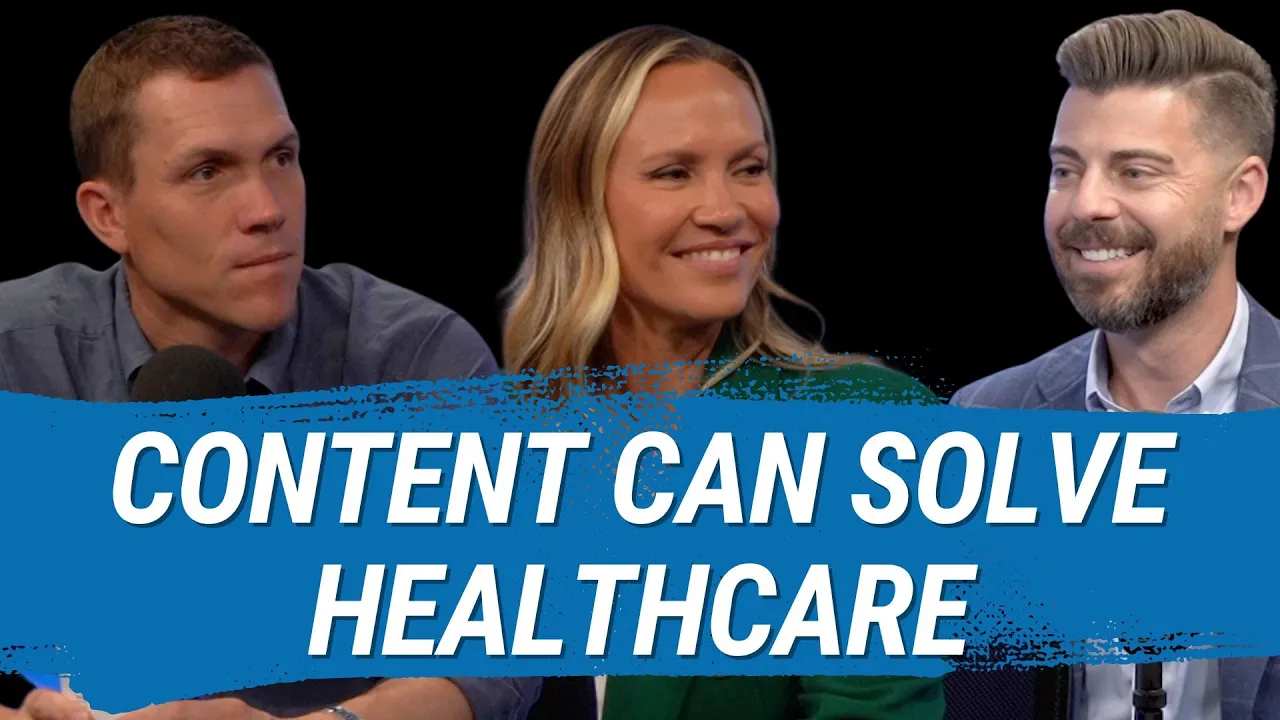
How Content Can Solve Healthcare's Biggest Problems (with Matt & Megan Glaros)
Self-Funded
@SelfFunded
Dec 26, 2024
This video provides an in-depth exploration of how effective, simplified communication, particularly through short-form video content, is essential for solving major problems within the American healthcare system, focusing specifically on employee benefits and cost containment. The discussion features Matt and Megan Glaros, who leveraged Megan's background as an Emmy Award-winning meteorologist to create "Holly's Health Talks," a platform designed to educate employees on their complex health benefits. The central thesis is that the primary failure of the insurance industry is communication; complex products are presented through dense, unengaging mediums (like 100-page PDFs or long meetings), leading to low health literacy, poor utilization of cost-saving tools, and ultimately, higher costs for both employers and employees. The Glaroses detail their methodology, which is rooted in TV news principles: content must be short, urgent, and highly focused. Every piece of educational content is kept under 90 seconds—the maximum attention span viewers typically grant a reporter. The goal is to "catch a person one dump a month" (a humorous, memorable phrase used in the video) to deliver critical benefit information. They emphasize that content must focus on the *value* to the employee (e.g., faster healing, better support) rather than just the financial value to the employer (e.g., cost reduction). This approach shifts the perception of benefits from a confusing liability to a valuable asset, potentially aiding in employee retention. The platform, Holly's Health Talks, is particularly impactful for self-funded employers. By integrating the communication platform, brokers can move beyond simply presenting a strategy to actively ensuring employee utilization of specific point solutions (like Cancer Care or cost estimator tools). The system tracks engagement metrics (who watched, when, and the call-to-action link clicks), allowing the brokerage to correlate educational efforts directly with claims data and utilization reports from vendors. This provides a measurable Return on Investment (ROI) for the employer, proving that communication is an actionable strategy for cost containment. They cite a case study where a manufacturing facility with historically low engagement achieved 85% monthly viewership due to a strong incentive structure, leading to the early detection of a serious condition (sleep apnea) in one employee, underscoring the profound downstream impact of improved health literacy. The discussion also touches on the future of the industry, including the role of AI. Matt Glaros notes that AI will eventually surpass brokers whose only skill is knowledge, as AI can produce facts and answers faster. However, this presents an opportunity to leverage AI for tasks like generating robust RFPs quickly, allowing advisors to focus on strategic client relationships and customized solutions. Ultimately, the speakers stress that the broker's role is to make the employer "look good" to their employees by simplifying complexity and ensuring the workforce understands the true value of their benefits package, thereby fostering trust and better health consumerism. Key Takeaways: * **Communication is the Core Problem:** The major issue in the insurance industry is not the product itself, but the lack of effective communication, resulting in employees not understanding how their benefits work or how to utilize cost-saving tools. * **The 90-Second Rule:** Educational content must be extremely short—less than 90 seconds—to match modern attention spans and compete with the urgency of daily life, mirroring the format of effective TV news reporting. * **Focus on Employee Value:** Content should highlight the personal value proposition for the employee (e.g., better health outcomes, convenience, support) rather than focusing solely on the employer's goal of cost reduction. * **ROI Tracking for Self-Funded Plans:** The communication platform is most effective for self-funded employers because engagement data can be tied back to claims data and vendor utilization reports, providing a clear, measurable ROI for the investment in education. * **High Engagement is Possible with Incentives:** A manufacturing group with traditionally low engagement achieved 85% monthly viewership by implementing a strong incentive program, proving that even blue-collar workforces will engage when motivated. * **Actionable Data Insights:** Tracking content consumption allows brokers and HR leads to identify gaps (e.g., low diabetic registration rates) and pivot content strategy immediately to address specific health risks or underutilized programs within the employee population. * **Broker's Role is to Support the Employer:** The advisor's primary job is to make the employer look good to their employees by ensuring clear, consistent communication, thereby mitigating employee frustration when claims or administrative issues arise. * **Authenticity Builds Trust:** Presenting educational content with authenticity, rather than adopting a formal "broker persona," builds a level of trust that encourages employees to listen, internalize the information, and act on the advice provided. * **AI and the Future of Brokerage:** Brokers whose value relies solely on technical knowledge will be challenged by AI; however, AI can be leveraged to automate tasks like RFP generation, freeing up advisors to focus on strategic consulting and relationship building. * **Self-Funding Education:** Employers should consider educating employees about the self-funded model and how their consumer decisions (e.g., using in-network care, avoiding the ER) directly impact future plan costs and premiums, fostering better participation. * **Avoid Point Solution Fatigue:** Instead of overwhelming employees with a list of all available tools at once, communication should be staggered—first encouraging app download, then months later focusing on a specific feature like cost estimators, driving utilization incrementally. Tools/Resources Mentioned: * **Holly's Health Talks:** The proprietary communication platform developed by the Glaroses, utilizing short-form video content for benefits education. * **Valenz Health (formerly the "Kiss Card"):** A specific point solution/program mentioned whose utilization increased significantly due to the targeted educational content. * **Veeva CRM:** (Mentioned in company context, relevant to the communication focus.) * **ChatGPT:** Mentioned as a tool being used to explore AI's capabilities in the industry. * **Paro Health:** Mentioned as the captive program where many of their self-funded groups are placed. Key Concepts: * **Health Literacy:** The degree to which individuals have the capacity to obtain, process, and understand basic health information and services needed to make appropriate health decisions. The video argues this is severely lacking in the U.S. * **Self-Funded Employer:** An employer that assumes the financial risk for providing health care benefits to its employees, often utilizing third-party administrators (TPAs) and point solutions, making communication about these complex components critical. * **Point Solution Fatigue:** The overwhelming feeling experienced by employees and HR staff due to the proliferation of specialized, often underutilized, vendor solutions designed to manage specific health conditions or costs (e.g., diabetes management, telemedicine).

Veeva Five Key Platform Highlights || 24R3
Anitech Talk
/@AnitechTalk
Dec 22, 2024
This video provides an in-depth exploration of five key platform features introduced in the Veeva Vault 24R3 release. The presenter, a Veeva-certified professional with experience in GXP-compliant projects for pharmaceutical clients, aims to highlight updates designed to enhance usability, improve compliance, and streamline workflows within the life sciences industry. The discussion progresses through each feature, offering both a user-centric view of its benefits and an administrator's perspective on how to enable and configure it. The presentation begins by introducing the speaker's background, emphasizing their expertise in QMS, CTMS, and GXP compliance, setting a professional and industry-specific tone. The core of the video then systematically unpacks each of the five enhancements. These include improvements to flash report notifications for better user context, a new reporting function to calculate cycle times for object records, enhanced flexibility in workflow task assignment, the ability to display dashboards as individual tabs for improved accessibility, and an enhanced record migration mode to streamline data transfers while bypassing certain rules. Each feature is explained with practical examples and details on the administrative steps required for implementation. Throughout the video, the speaker maintains a focus on how these updates contribute to operational efficiency, better data insights, and adherence to regulatory standards, which are critical considerations in the pharmaceutical and life sciences sectors. The emphasis on user experience, such as clearer report notifications and direct dashboard access, underscores Veeva's commitment to making complex systems more intuitive. Simultaneously, features like cycle time reporting and compliant record migration highlight the platform's continuous evolution to support robust data management and process optimization in highly regulated environments. The overall approach is practical, providing actionable insights for both system administrators and business users navigating the Veeva ecosystem. Key Takeaways: * **Enhanced Flash Report Notifications:** Veeva Vault 24R3 introduces the ability to add custom message text to flash reports. This allows administrators to provide users with more context on why they are receiving a report and what specific actions are required, significantly improving user understanding and the efficiency of follow-up tasks. * **Customization for Flash Reports:** Administrators can customize flash report emails by enabling a specific checkbox in the configuration settings. This ensures that the custom message text is included, helping users understand the context and required actions, thereby streamlining communication and compliance. * **Cycle Time Calculation in Reports:** A new function in Veeva Vault reports enables the calculation of cycle times for object records based on their lifecycle states. This feature allows users to determine the duration between a record's first and last time states, providing valuable insights into process efficiency, identifying bottlenecks, and optimizing workflows. * **Improved Process Insight:** By utilizing the cycle time formula expression in reports, organizations can gain a deeper understanding of why certain processes might be delayed or expedited. This data-driven insight is crucial for continuous improvement initiatives and making informed decisions regarding operational adjustments. * **Flexible Workflow Task Assignment:** The 24R3 release allows workflow task owners to assign future tasks to other participants within a workflow. This enhances collaboration and flexibility, ensuring that tasks can be seamlessly transferred or delegated as business processes evolve or personnel changes occur. * **Admin Configuration for Workflow Flexibility:** To enable flexible workflow task assignment, administrators must select the "allow workflow task owner to select participant" option. This configuration ensures that the system supports dynamic task allocation, improving the adaptability of workflow management. * **Individual Dashboard Tabs:** Veeva Vault now supports displaying specific dashboards as individual tabs, such as a "TMF completeness" tab. This feature significantly enhances user accessibility and visibility, allowing users to directly navigate to critical dashboards without having to search within a general dashboard section. * **Streamlined Dashboard Access:** The ability to have dashboards as dedicated tabs improves the user experience by providing immediate access to frequently monitored metrics or compliance statuses. This reduces navigation steps and ensures that key information is always at the user's fingertips. * **Enhanced Record Migration Mode:** The 24R3 update includes enhancements to the record migration mode, allowing administrators to bypass current rules when migrating records. This is particularly useful for preserving original "created by," "created date," "modified by," and "modified date" fields during data transfers between environments or systems, ensuring data integrity. * **Efficient Data Transfers:** The enhanced record migration mode is a critical feature for data engineering and system integration efforts. It facilitates more efficient and compliant migration of records, which is essential for maintaining historical data accuracy and supporting system upgrades or consolidations in regulated industries. Tools/Resources Mentioned: * Veeva Vault 24R3 * Veeva Vault Release Notes (referenced by the speaker, link provided in the video description: https://rn.veevavault.help/en/gr/whats-new-in-24r3/) Key Concepts: * **Flash Report Notification:** A system-generated report that can now include custom messages to provide users with specific context and required actions. * **Cycle Time Reporting:** A new reporting capability in Veeva Vault that calculates the duration an object record spends in various lifecycle states, from its first to its last state. * **Workflow Task Assignment:** The process of assigning tasks within a workflow, now enhanced to allow task owners to reassign future tasks to other participants. * **Dashboard Tabs:** A new feature that allows specific dashboards to be displayed as dedicated tabs within the Veeva Vault interface, improving accessibility. * **Record Migration Mode:** A system mode designed for transferring records between environments, now enhanced to allow bypassing certain rules for fields like creation and modification dates/users. * **GXP Compliance:** A set of good practice guidelines and regulations (e.g., Good Manufacturing Practice, Good Clinical Practice) that ensure products are produced and controlled according to quality standards, frequently mentioned by the speaker in the context of pharmaceutical projects. * **TMF (Trial Master File):** A collection of essential documents for a clinical trial, often managed within Veeva Vault, used as an example for a dashboard tab.

Important Veeva Interview Questions | Veeva Vault Interview Questions 2025 | The Corporate Guys
The Corporate Guys
/@TheCorporateGuys
Dec 20, 2024
This video, presented by Vaibhav Agrawal from The Corporate Guys, delves into 15 important and recently asked interview questions pertaining to Veeva Vault. The discussion covers a broad spectrum of Veeva Vault functionalities, including how new general releases (like 24R3) are tested and assessed, the mechanics of Crosslink, and the critical role of Dynamic Access Control (DAC). The speaker also explains practical aspects such as retrieving deleted documents, various methods for extracting document and object metadata, and the utility of Flash Reports. Furthermore, the video touches upon fundamental Veeva concepts like Entry Criteria, Entry Actions, User Actions, different ways to create documents, types of field dependencies, Application Roles, and the distinctions between Document and Object Life Cycles. The content is geared towards professionals seeking to deepen their understanding of Veeva Vault and prepare for interviews in the life sciences sector, providing insights into both technical configurations and operational best practices. Key Takeaways: * **Veeva Release Management:** Understanding the process of testing and assessing new Veeva general releases (e.g., 24R3 features, auto-on vs. configurable features) is crucial for maintaining system integrity and compliance in a regulated environment. * **Core Veeva Functionalities:** Key concepts like Crosslink (for document creation and field value copying), Dynamic Access Control (DAC) for granular permissions, and User Role Setup are fundamental to Veeva Vault administration and security. * **Data Management & Retrieval:** Practical knowledge of retrieving deleted documents (within 30 days via Veeva support and API) and various methods for extracting metadata (Loader, UI export, API) is essential for operational efficiency and audit readiness. * **Reporting & Automation:** Flash Reports (scheduled reports) and their evolving capabilities (e.g., custom text in 24R3) offer powerful tools for automated communication and business intelligence within Veeva. * **Workflow & Configuration Basics:** A solid grasp of Entry Criteria, Entry Actions, User Actions, different document creation methods, and the three types of Field Dependencies (Field-based, Document Type-based, Document Life Cycle-based) is vital for effective Veeva Vault configuration and workflow design. * **Life Cycle Management:** Differentiating between Document and Object Life Cycles is a core aspect of managing content and data within Veeva Vault, directly impacting workflows and regulatory compliance.

Advocating For A Better Healthcare System, with Tiffany Ryder
Self-Funded
@SelfFunded
Dec 20, 2024
This video provides an in-depth exploration of the systemic failures within the American healthcare system, focusing on the critical need for patient empowerment, cost transparency, and a shift toward fiduciary responsibility in benefit plan management. Tiffany Ryder, a medical physician associate turned healthcare advocate, shares her journey from clinical practice in the emergency department to consulting on the business side of healthcare. Her core motivation stems from the realization that no amount of clinical effort can overcome systemic barriers, such as prohibitive medication costs or insurance restrictions, which lead to patient non-adherence and poor outcomes. The conversation establishes that achieving scalable, positive impact requires addressing the financial and operational structures governing healthcare delivery, rather than solely focusing on one-to-one patient care. A central theme is the alarming lack of awareness among both patients and clinicians regarding the financial mechanics of healthcare. Ryder recounts being explicitly told during PA school that the cost of pharmaceuticals was "none of my business," highlighting a profound disconnect where clinical training prioritizes the standard of care without factoring in financial accessibility. This gap creates a population of "functionally uninsured" individuals who possess coverage but cannot afford to utilize it, often leading to bankruptcy or catastrophic health events. The discussion pivots to the solution: leveraging the business side of healthcare, specifically through the lens of fiduciary best practices in employer-sponsored health plans. By helping employers and benefits advisors understand their responsibility to be good stewards of both employee health and plan funds, advocates can create a system that facilitates better care and lower costs for thousands of lives simultaneously. The speakers delve into the complex, often gray, ethical dilemmas inherent in healthcare finance and delivery. They discuss the difficulty of assigning monetary value to human life or medical interventions, citing examples such as justifying an $80,000 helicopter transport for a pediatric patient with a minimal chance of survival. This complexity underscores the need for informed decision-making and transparency, moving away from paternalistic models where providers dictate care. The goal is not to find a single "right" answer, but to establish robust processes—like those required by fiduciary standards—that ensure all options are weighed, documented, and communicated clearly, managing risk based on available evidence and accepting the uncontrollable nature of health outcomes. Ultimately, the video champions effective communication and vulnerability as key drivers of change. Ryder emphasizes the importance of simplifying complex concepts, such as fiduciary responsibility or plan design, so that employers and patients can understand their choices and agency. Her forthcoming book, "Tales from the Pit," aims to use emotional, real-world stories from the emergency room to compel the average person to care about the broken system and ask critical questions. The overarching message is that change requires collaboration between clinicians, benefits consultants, and employers, fostering an environment of respectful discourse and shared responsibility to improve the accessibility and affordability of care. ### Detailed Key Takeaways * **Clinical Effort is Insufficient for Systemic Change:** The speaker’s experience as an emergency department PA demonstrated that individual clinical excellence cannot overcome systemic barriers (e.g., high copays, insurance restrictions) that lead to patient non-adherence, necessitating a shift to the business side for scalable impact. * **Prioritize Disease Prevention over Treatment:** A fundamental argument for improving healthcare outcomes is the need to "produce less disease in the first place," shifting investment and focus toward prevention programs (like the Diabetes Prevention Program mentioned) to reduce long-term self-funded healthcare spend. * **The Clinician-Cost Disconnect:** Medical training often neglects the financial realities of care; clinicians are frequently told that drug costs and pricing are not their concern, leading to prescribing habits that ignore patient affordability and contribute to the "functionally uninsured" problem. * **Fiduciary Responsibility as Patient Advocacy at Scale:** The most effective way to achieve large-scale patient advocacy is through implementing fiduciary best practices in employer-sponsored health plans. This ensures that plan decisions prioritize the best interests of employees regarding both cost management and quality of care. * **The Need for Transparency in Decision-Making:** Healthcare decisions are rarely black and white; employers and patients must be empowered to ask questions and understand the trade-offs involved in various treatment or plan design options, rather than blindly accepting recommendations. * **Ethical Dilemmas Require Documented Process:** Complex ethical questions, such as the cost justification of high-risk, low-probability interventions (e.g., $80,000 helicopter transport), must be managed by establishing clear, documented processes for evaluation, rather than seeking a singular "right" answer. * **Vulnerability Drives Connection and Discourse:** Sharing personal stories and being willing to ask "stupid questions" (like defining "fiduciary") creates a safe space for authentic connection and thoughtful discourse, which is essential for challenging the status quo in a complex industry. * **Effective Communication Simplifies Complexity:** Healthcare and benefits concepts must be simplified and communicated clearly to the masses. The goal is to empower individuals with the capacity to ask more questions, not necessarily to provide all the answers. * **The Power of Storytelling for Awareness:** Using emotional, real-world stories (like those from the emergency room) is crucial for compelling the average person to recognize how broken the healthcare system is and inspiring them to advocate for change. * **Disagreement Fosters Growth:** Seeking out and engaging in civil, respectful disagreement is vital for challenging one's own beliefs, understanding counterarguments (e.g., the utility of prior authorization), and developing more effective solutions. ### Key Concepts * **Fiduciary Best Practices:** The legal and ethical requirement for those managing employer-sponsored health plans to act in the best financial and health interests of the plan beneficiaries (employees). This involves rigorous evaluation of vendors, costs, and plan performance. * **Functional Uninsured/Underinsured:** Individuals who have health insurance coverage but cannot afford the high deductibles, copays, or out-of-pocket costs associated with necessary care, rendering their insurance practically unusable. * **Paternalism in Medicine:** The practice where a clinician makes decisions for a patient based on what the clinician believes is best, often without fully informing the patient of their options or respecting their autonomy. ### Examples/Case Studies * **Patient Non-Adherence due to Cost:** The speaker's practice of calling former ER patients revealed a high percentage of individuals who did not pick up prescribed, life-saving medications because the copay was outrageous or the insurance-mandated pharmacy was out of stock. * **The Diabetes Prevention Program (DPP) Argument:** The speaker's early research job focused on selling the DPP by arguing that reducing the incidence of diabetes (through diet and exercise) would directly lower the self-funded healthcare spend for employers. * **Pediatric Code Ethical Dilemma:** A case study involving a pediatric patient with a potentially bad outcome highlights the immense ethical complexity of deciding whether to pursue extremely expensive, low-probability interventions (e.g., $80,000 helicopter transport) when the financial burden is significant.

Discussion on Future of Veeva Vault Developers
Learn more about Veeva
/@amirthadeepann9598
Dec 18, 2024
This video provides an in-depth exploration of the future of Veeva Vault developers, featuring an insightful discussion between Vaibhav and Deepan, an IT professional with over 14 years of experience, including a decade specifically in Veeva Vault. The core purpose of the discussion is to demystify Veeva Vault for newcomers and experienced professionals alike, highlighting its unique position as an Enterprise Content Management (ECM) tool tailored exclusively for the pharmaceutical industry. The speakers emphasize that Veeva Vault's specialization for pharma companies, coupled with its cloud-based accessibility, differentiates it significantly from generic ECM solutions like OpenText or Documentum, making it a critical platform for managing regulated content across the life sciences sector. The discussion delves into the comprehensive suite of Veeva Vault products, explaining how they cater to various stages of the pharmaceutical life cycle. Deepan clarifies that Veeva offers distinct applications for critical domains such as regulatory affairs, clinical operations, and commercial activities. Specific examples include Clinical Development Management System (CDMS), electronic Trial Master File (eTMF), Regulatory Submissions, PromoMats for promotional materials, and Quality Management System (QMS). Despite the diversity in domain-specific features, the underlying look and feel of these applications remain consistent, simplifying the learning curve for developers transitioning between different Vault modules. This integrated approach ensures that pharma companies can manage their vast array of documents—from clinical trial data to regulatory filings and marketing content—within a unified, compliant ecosystem. A significant portion of the conversation focuses on the historical trajectory and current demand for Veeva Vault developers. Deepan recounts Veeva Vault's journey from its development around 2007, through a period of struggle, to widespread adoption by pharmaceutical companies starting around 2012, with a particularly strong growth phase between 2020 and 2022. He notes a persistent high demand for skilled Veeva Vault configuration experts, often outstripping the supply of qualified professionals. This scarcity has led many companies to invest in internal training programs for freshers, guiding them from support roles to advanced configuration activities. The speakers project a bright future for Veeva Vault developers, anticipating sustained demand for at least another 10 to 15 years, especially given the continuous evolution of content management needs in the regulated pharma environment. Finally, the video addresses the technical skills required and the learning challenges associated with Veeva Vault. It highlights that Veeva Vault development is largely configuration-driven, making it accessible even to individuals without a strong coding background. However, for advanced customizations, integrations, and automation, knowledge of Java SDK, REST APIs, and Veeva Query Language (VQL) is highly beneficial. A key challenge identified is the non-open-source nature of Veeva Vault, which restricts hands-on practice for those outside of an organizational environment. The discussion also touches upon the strategic shift of Veeva CRM, which is migrating from its Salesforce tie-up to become a native Veeva Vault product by 2025, presenting new opportunities for Vault developers to expand into CRM functionalities and streamline integrations. Key Takeaways: * **Veeva Vault's Pharma Specialization:** Veeva Vault is an Enterprise Content Management (ECM) tool specifically developed for pharmaceutical companies, distinguishing it from generic ECM solutions by its deep industry focus and compliance-centric design. * **Cloud-Based Accessibility:** Unlike older, often on-premise content management systems, Veeva Vault is a cloud-based tool, offering easy accessibility from anywhere with an internet connection and proper access credentials, enhancing operational flexibility for global pharma companies. * **Comprehensive Pharma Life Cycle Coverage:** Veeva Vault supports the entire pharmaceutical life cycle through various specialized suites and applications, including Regulatory (e.g., Regulatory Submissions, Registrations), Clinical (e.g., CDMS, eTMF), Commercial (e.g., PromoMats), and Quality Management Systems (QMS). * **Consistent User Experience Across Modules:** Despite catering to diverse domains, all Veeva Vault applications share a consistent look and feel, simplifying the learning process and enabling developers to transition between different modules with relative ease. * **High Demand for Developers:** There is a significant and sustained demand for Veeva Vault developers, particularly those with configuration expertise, which currently outstrips the supply of qualified professionals. This trend has led companies to invest in training freshers. * **Configuration-Driven Development:** Veeva Vault development is primarily based on configuration rather than extensive coding, making it an accessible technology for individuals without a strong programming background. * **Advanced Skills for Customization and Integration:** While core development is configuration-based, advanced customization, integration, and automation tasks benefit greatly from knowledge of Java SDK, REST APIs, and Veeva Query Language (VQL). * **Challenges in Hands-On Learning:** Veeva Vault is not an open-source tool, which poses a challenge for individuals seeking hands-on practice outside of an employer-provided environment. Learning often requires access through a company's training instance or project. * **Importance of Domain Knowledge:** Long-term career success and adaptability in the Veeva ecosystem depend heavily on a strong understanding of pharmaceutical domain knowledge (e.g., regulatory processes, clinical trials), allowing developers to apply their skills effectively even if tools evolve. * **Veeva CRM Migration Opportunity:** Veeva CRM is transitioning from its current Salesforce integration to become a native Veeva Vault product by 2025, creating new opportunities for Veeva Vault developers to expand their expertise into CRM functionalities and streamline integrations within the Veeva ecosystem. * **Recommended Learning Path:** Aspiring Veeva Vault developers should start by understanding support activities, gain hands-on experience, and then progress to configuration roles. Continuous learning and practical application of skills are crucial for career growth. * **Key Developer Skills:** Essential skills for Veeva Vault developers include understanding the difference between document and object configurations, proficiency with Postman for testing REST APIs, and familiarity with VQL for complex queries and validations. * **Career Longevity:** The demand for Veeva Vault developers is projected to remain strong for at least 10-15 years, indicating a stable and promising career path within the pharmaceutical and life sciences industries. Tools/Resources Mentioned: * **Veeva Help Portal:** Official resource for learning about Veeva administration and domain-specific understanding. * **developer.veeva.com:** A resource specifically for developers, providing information on Java SDK, REST APIs, and VQL. * **Postman:** A tool recommended for testing and working with REST APIs. * **Java SDK:** A software development kit for Java, useful for creating customized actions and integrations within Veeva Vault. * **VQL (Veeva Query Language):** A query language essential for object configuration, validations, and restrictions. * **"Learn more about Veeva" (YouTube Channel):** Deepan's personal YouTube channel dedicated to providing insights and learning resources for Veeva Vault. * **WhatsApp Group:** A community group for Veeva professionals to discuss configurations and generic questions. Key Concepts: * **Enterprise Content Management (ECM):** A system used to manage and store an organization's documents and other content, relevant to business processes. Veeva Vault is a specialized ECM for pharma. * **Veeva Vault:** A cloud-based ECM platform specifically designed for the pharmaceutical and life sciences industries, supporting various regulated processes. * **Document Configuration:** Setting up and managing properties, lifecycles, and workflows for documents within Veeva Vault. * **Object Configuration:** Configuring data objects and their relationships, often requiring VQL queries for validation and restrictions, especially prevalent in regulatory applications. * **Life Cycle:** The defined stages a document or object progresses through within Veeva Vault, often tied to regulatory or business processes. * **Workflow:** Automated sequences of tasks and approvals that guide documents or objects through their life cycle. * **Rendition:** A different version or format of a document (e.g., PDF rendition of a Word document). * **Version:** Different iterations of a document or object as it undergoes changes. * **REST API:** A set of rules that allows different software applications to communicate with each other over the internet, used for integration and automation with Veeva Vault. * **Veeva CRM:** Veeva's Customer Relationship Management platform, which is migrating to be a native part of the Veeva Vault ecosystem.

Future Of Veeva Vault Developer | Veeva Vault Developer Complete Guide | How to start learning Veeva
The Corporate Guys
/@TheCorporateGuys
Dec 17, 2024
This video provides an in-depth discussion on the future of Veeva Vault developers, detailing the platform's role as a specialized Enterprise Content Management (ECM) tool for the pharmaceutical industry. The speakers emphasize Veeva Vault's unique position due to its pharma-specific design, cloud-based accessibility, and comprehensive suites addressing critical areas like regulatory, clinical, and commercial operations. The conversation highlights the significant and sustained demand for Veeva Vault expertise, noting a current shortage of skilled professionals and projecting a bright future for those entering or advancing in this domain. Key insights include Veeva Vault's configuration-centric development approach, which allows individuals without extensive coding backgrounds to contribute, while also stressing the value of Java SDK, REST API, and VQL knowledge for advanced customization and integration. The discussion also touches upon the strategic importance of specific modules like Clinical Development Management System (CDMS), Electronic Trial Master File (eTMF), and Regulatory Submission, as well as the upcoming migration of Veeva CRM to Veeva Vault CRM, which is expected to create new opportunities for integrated solutions. Practical advice is offered on learning paths, emphasizing the need for hands-on experience within project environments due to the platform's non-open-source nature, and the importance of understanding core concepts like document versus object configuration. Key Takeaways: * **Veeva Vault's Pharma-Specific Dominance:** Veeva Vault is established as the premier cloud-based Enterprise Content Management (ECM) solution exclusively tailored for the pharmaceutical industry, facilitating migration from legacy systems and offering global accessibility. * **High Demand for Specialized Talent:** There is a robust and growing demand for Veeva Vault developers and configurators within the life sciences sector, significantly outpacing the current supply of skilled professionals, which translates into strong career prospects and financial growth. * **Configuration-Driven Development:** Veeva Vault development is largely configuration-based, making it accessible to individuals without deep coding expertise. However, proficiency in Java SDK, REST APIs, and VQL is highly advantageous for complex customizations, integrations, and automation. * **Comprehensive Industry Coverage:** The platform offers distinct product suites for critical pharmaceutical lifecycle domains, including Regulatory (e.g., Registration, Submission, Publish), Clinical (e.g., CDMS, eTMF), Commercial (e.g., PromoMats), and Quality Management Systems. * **Strategic Integration with Veeva CRM:** The planned migration of Veeva CRM to Veeva Vault CRM starting in 2025 represents a significant industry shift, promising enhanced integration capabilities and creating new opportunities for professionals skilled in both Veeva Vault and CRM. * **Learning and Skill Development:** Due to its proprietary nature, hands-on Veeva Vault experience is primarily gained through employer-provided access. Aspiring developers are advised to focus on understanding configuration differences (document vs. object), mastering Postman for API interactions, and leveraging official developer resources.

Do Employers Own Their Claims Data? It's Complicated.
AHealthcareZ - Healthcare Finance Explained
@ahealthcarez
Dec 8, 2024
This video provides an in-depth exploration of the persistent challenge self-funded employers face in obtaining detailed healthcare claims data from their health insurance carriers. Dr. Eric Bricker begins by establishing the critical need for this data, explaining that employers require it to effectively understand their health plan's performance, implement targeted programs, and strategically structure their plans to improve healthcare access, enhance quality, and ultimately lower costs. He highlights the common resistance from major carriers like Blue Cross, United, Cigna, and Aetna, who often cite proprietary information as a reason to withhold detailed pricing data, likening it to a credit card bill showing only the total amount due without any itemized transactions. The discussion then shifts to the significant impact of the Consolidated Appropriations Act of 2021 (CAA), which introduced new regulations aimed at increasing transparency in the health insurance industry. Key provisions of the CAA include mandatory disclosure of compensation for brokers and consultants, a requirement for employers to report medication and prescription costs to federal agencies (HHS, DOL, Treasury), and, most notably, the prohibition of "gag clauses." These clauses historically prevented employers and plan members from accessing crucial price and quality data. Despite the CAA's clear intent, carriers have continued to push back, leading to an ongoing dispute over the extent of price disclosure and a current lack of definitive federal clarification. Dr. Bricker further illustrates the complexities through recent legal battles. He cites the case of Connecticut unions suing Elevance (the parent company of Anthem Blue Cross) for denying access to claims data, alleging a breach of fiduciary duty, though this lawsuit was ultimately dismissed. In contrast, he discusses a plan member on the Johnson & Johnson health plan who sued the company for failing to monitor medication costs, claiming a breach of fiduciary responsibility due to high prescription expenses that could have been significantly lower. This scenario places employers in a difficult position: being sued by their own plan members for high costs while simultaneously being denied the necessary data by carriers to manage those costs. Healthcare attorney Chris Condeluci's advice is presented as a strategic path forward, urging employers to leverage the gag clause prohibition by arguing that carriers' failure to share data forces plan sponsors to breach their ERISA fiduciary duties. Finally, the video addresses the practical inconsistencies in data access, noting that it varies widely across employers of different sizes, different carriers, and even among different clients of the same carrier. As a practical middle ground for employers facing resistance, Dr. Bricker suggests prioritizing specific data points if full provider-identifying information (like tax IDs or NPIs) is withheld. He advises pushing for patient identifiers (PHI), allowed amounts (the actual negotiated price, not just billed charges), dates of service, and clinical codes (CPT, ICD-10, HCPCS). While carriers often resist sharing provider-specific data to obscure price discrepancies across their networks, obtaining this compromise set of data still enables significant analysis of plan performance, cost drivers, and opportunities for improvement. Key Takeaways: * **Critical Need for Claims Data:** Self-funded employers face a long-standing challenge in obtaining detailed healthcare claims data from health insurance carriers, which is essential for understanding plan performance, improving quality, and lowering costs. * **Consolidated Appropriations Act (CAA) 2021:** The CAA introduced regulations requiring broker compensation disclosure, employer reporting of prescription costs to federal agencies, and prohibiting "gag clauses" that restrict access to price and quality data. * **Disputed Gag Clause Prohibition:** Despite the CAA's ban on gag clauses, carriers continue to resist full disclosure of pricing data, claiming proprietary information, leading to ongoing disputes and a need for clearer federal guidance. * **ERISA Fiduciary Responsibilities:** Employers, as fiduciaries of their health plans, are increasingly vulnerable to lawsuits from plan members alleging breaches of fiduciary duty due to unchecked healthcare costs, particularly for prescription drugs. * **Strategic Legal Argument:** Healthcare attorney Chris Condeluci advises employers to argue that carriers' refusal to share claims data effectively forces plan sponsors to breach their ERISA fiduciary duties, providing a strong legal basis for data demands. * **Inconsistent Data Access:** The availability of detailed claims data is highly inconsistent, varying significantly across different employers, health insurance carriers, and even among different clients served by the same carrier. * **Leveraging Negotiation Tactics:** Employers can employ various strategies to secure data access, including direct conversations, threatening or issuing Requests for Proposals (RFPs) with data-sharing requirements, or pursuing legal action. * **Practical Data Compromise:** If carriers refuse to provide provider-specific identifiers (like tax IDs or NPIs), employers should prioritize obtaining patient identifiers (PHI), allowed amounts (negotiated prices, not billed charges), dates of service, and comprehensive clinical codes (CPT, ICD-10, HCPCS). * **Value of Partial Data:** Even without provider-specific details, access to patient, financial (allowed amounts), and clinical (codes) data allows employers to conduct substantial analysis of plan performance, identify cost drivers, and implement effective cost management strategies. * **Importance of Prescription Cost Monitoring:** The Johnson & Johnson lawsuit highlights the critical importance for employers to actively monitor and manage prescription drug costs within their health plans to fulfill fiduciary obligations and ensure cost-effective care for members. * **Data for Operational Optimization:** Detailed claims data is fundamental for employers to gain insights into healthcare utilization patterns, identify opportunities for cost savings, enhance the quality of care provided, and optimize overall health plan design. Tools/Resources Mentioned: * **Consolidated Appropriations Act of 2021 (CAA):** Federal legislation impacting health plan transparency and data access. * **ERISA (Employee Retirement Income Security Act):** Federal law governing employee benefit plans, including fiduciary duties. * **Department of Health and Human Services (HHS), Department of Labor (DOL), Department of Treasury:** Federal agencies to which employers must report medication and prescription costs. * **CPT codes, ICD-10 codes, HCPCS codes:** Standardized medical coding systems used to describe medical procedures, diagnoses, and services. Key Concepts: * **Self-funded employers:** Companies that directly assume the financial risk for providing healthcare benefits to their employees, paying claims as they are incurred. * **Claims data:** Comprehensive records of healthcare services received by plan members, including details on diagnoses, procedures, costs, and providers. * **Gag clauses:** Contractual provisions used by health insurance networks to prevent the disclosure of healthcare price and quality information to employers and plan members. * **ERISA fiduciary duties:** Legal obligations under ERISA that require individuals or entities managing employee benefit plans to act solely in the best interests of plan participants and beneficiaries. * **Allowed amounts vs. Billed charges:** Allowed amounts refer to the negotiated payment for a healthcare service after network discounts, while billed charges are the initial, often higher, prices submitted by providers. * **Patient identifiers (PHI):** Protected Health Information that can be used to identify an individual, crucial for detailed claims analysis while maintaining privacy. * **Provider identifiers (Tax ID, NPI):** Unique numbers used to identify healthcare facilities (Tax ID) and individual healthcare practitioners (National Provider Identifier), often considered proprietary by carriers. Examples/Case Studies: * **Connecticut Unions vs. Elevance (Anthem Blue Cross):** A lawsuit filed by Connecticut unions against Elevance, the parent company of Anthem Blue Cross, for denying access to claims data, which was ultimately dismissed by the court. * **Johnson & Johnson Plan Member Lawsuit:** A lawsuit brought by a plan member against the Johnson & Johnson health plan, alleging a breach of fiduciary duty due to the plan's failure to monitor and control high prescription medication costs.

Season 3 Episode 6: The State of Patient Engagement: From a Patient Advocate
Veeva Systems Inc
@VeevaSystems
Dec 4, 2024
This video provides an in-depth exploration of the critical role of patient engagement in clinical trials and pharmaceutical development, featuring a discussion between Manny Vazquez, Director of Strategy for Clinical Data at Veeva Systems, and Trishna Bharadia, a patient engagement consultant and advocate. The conversation is anchored by Trishna's personal journey, stemming from a life-changing multiple sclerosis diagnosis in 2008, which fueled her mission to champion patient-centered healthcare. The discussion highlights the increasing regulatory pressure from bodies like the FDA and EMA for sponsors to demonstrate patient preference integration into clinical research, underscoring the shift towards a more patient-centric paradigm in the life sciences. The podcast delves into key themes such as good patient engagement practices, diversity, equity, and inclusion (DEI) in healthcare and research, and patient involvement in scientific publications. Trishna emphasizes that patient centricity, while a buzzword, holds immense value when implemented correctly. Effective patient engagement leads to better shared decision-making, accelerates medicines to market, makes clinical trials more suitable for participation, and improves adherence rates—a significant challenge in chronic illness management. She argues that the investment in patient engagement is minimal compared to the overall cost and time of drug development, yielding substantial returns in trial recruitment, retention, and ultimately, successful product development. Throughout the discussion, Trishna provides compelling real-world examples to illustrate the profound impact of early and consistent patient involvement. She recounts the failure of an inhaled insulin product that, despite strong scientific backing, was withdrawn due to poor patient acceptance, primarily because practical patient needs (e.g., bulky inhaler, trust in administration) were not considered during design. Another example highlights a spasticity medication that, while effective in trials, failed in real-world use because patients with motor skill challenges could not self-administer it effectively. These cases underscore that patients, living with their conditions daily, identify critical factors that sponsors often overlook, from trial logistics (like icy car parks affecting site visits) to the practicalities of medication disposal in diverse geographic settings. The conversation also touches on the challenges of contracting, ensuring diversity of patient voices, and integrating patients into the publication process, advocating for a shift in mindset from "can't" to "how can we." Key Takeaways: * **Regulatory Imperative for Patient Engagement:** The FDA and EMA are increasingly demanding evidence of patient involvement and consideration of patient preferences in drug development and clinical research, making patient engagement a regulatory necessity, not just a best practice. * **Strategic Value of Early Patient Involvement:** Engaging patients early and consistently throughout the product lifecycle (from research priorities and target product profiles to clinical trial design and technology selection) significantly improves trial recruitment, retention, and the likelihood of successful market adoption. * **Patient Engagement as an Investment:** The time and financial resources required for effective patient engagement are a "drop in the ocean" compared to the overall cost of drug development, with returns far outweighing the investment through more efficient trials and better-accepted products. * **Define Objectives for Engagement Methods:** Sponsors should clearly define their objectives before engaging patients, then select the most appropriate method (e.g., surveys for broad views, advisory boards for in-depth discussion, 1-on-1 interviews for specific insights) rather than defaulting to a single approach. * **Overcoming the "Can't" Mindset:** A fundamental shift in organizational mindset from immediately thinking "we can't" (due to time, resources, legal, or compliance concerns) to "how can we make this happen" is crucial for fostering patient engagement. * **Addressing Challenges in R&D Engagement:** Key challenges include streamlining contracting processes (using plain language templates), ensuring diversity of patient voices (through flexible working, training, language support, and considerate scheduling), and integrating patient input into scientific publications. * **Pragmatic Trial Design:** Clinical trial design, particularly inclusion/exclusion criteria, should be more pragmatic and aligned with real-world patient populations, considering comorbidities, varying BMIs, and practical daily living challenges that can impact participation and adherence. * **Real-World Usability is Paramount:** Drug efficacy proven in controlled trial settings does not guarantee real-world effectiveness if practical aspects of administration or daily use are not considered with patient input, as demonstrated by the spasticity medication example. * **Importance of Localization and International Representation:** Designing trials and products with an understanding of diverse international patient circumstances, including environmental factors, infrastructure, and cultural nuances, is essential for global accessibility and success. * **Expanding Clinical Trial Awareness:** Awareness of clinical trials remains a significant issue, often limited by HCP knowledge. Patient groups, educational initiatives (like the Fuse project), and accessible online resources are vital for empowering patients with information beyond traditional channels. * **Patient Involvement in Scientific Publications:** Patients who contribute to the concept or design of clinical research should be considered for authorship on scientific publications, aligning with ICMJE criteria, though internal company processes often create barriers to this. * **Ethical Imperative for Patient-Centered Design:** Beyond regulatory and commercial benefits, there is an ethical obligation to involve patients in the development of treatments that directly impact their lives, ensuring solutions are truly beneficial and usable. * **Equitable Access to Healthcare:** The ultimate goal should be equitable access to healthcare and treatment, ensuring patient outcomes are not dictated by socio-economic factors, geography, language, or health literacy, thereby unlocking the full potential of modern medicine. **Tools/Resources Mentioned:** * **Veeva Systems:** The host's company, a leading platform in the pharmaceutical industry, particularly for CRM and clinical data. * **MRCT (Multi-Regional Clinical Trials Center):** Mentioned for providing a brilliant glossary of clinical trial terms with lay language definitions and explanations. * **Fuse (Pistoia Alliance):** A nonprofit organization focused on health and data science, involved in a project to raise awareness about clinical trial data transparency through infographics and videos. * **International Council of Medical Journal Editors (ICMJE):** Their criteria for authorship are referenced in the context of patient involvement in scientific publications. **Key Concepts:** * **Patient Centricity:** A philosophy of designing healthcare around the patient's needs, preferences, and values. * **Patient Engagement:** The active involvement of patients in various stages of healthcare, research, and drug development. * **Good Patient Engagement Practice:** Methodologies and strategies for effectively and ethically involving patients, ensuring their input is meaningful and impactful. * **DEI in Healthcare and Research:** Ensuring diversity, equity, and inclusion in patient engagement practices to represent a broad spectrum of patient experiences and needs. * **Pragmatic Trial Design:** Designing clinical trials to better reflect real-world clinical practice and patient populations, often involving broader inclusion criteria and fewer rigid procedures. * **Site Centricity:** A focus on optimizing the experience and efficiency for clinical trial sites, often seen as complementary to patient centricity. * **Health Literacy:** The degree to which individuals have the capacity to obtain, process, and understand basic health information and services needed to make appropriate health decisions. **Examples/Case Studies:** * **Inhaled Insulin Failure:** A science-driven development program for inhaled insulin failed commercially despite FDA approval because patient preferences regarding the bulky inhaler, difficulty in dismantling, inconvenience, and distrust in the administration route were not considered early enough. * **Spasticity Medication Usability Issue:** A medication for spasticity, effective in clinical trials when administered by a nurse, failed in real-world use because patients with motor skill issues could not effectively self-administer it with the puffer device at home, leading to its withdrawal and redesign. * **Winter Site Visit Drop-offs:** A clinical trial experienced a drop in patient attendance during winter months because patients with mobility issues were afraid of falling on iced-over car parks when trying to reach the site entrance, a practical concern overlooked in trial design. * **Rural Medication Disposal:** An example of a patient advocate in rural India highlighting the challenge of disposing of medical waste like syringes due to the lack of appropriate infrastructure, emphasizing the need for localization in product and trial design.

What If Veeva Systems Actually Beats Expectations Again?
Dukascopy TV (EN)
/@dukascopytv
Dec 4, 2024
This video provides a concise financial market analysis focusing on Veeva Systems (VEEV) in anticipation of its upcoming earnings report, positioning the company as a critical indicator of the health and digital investment pace within the life sciences industry. The analysis highlights Veeva’s consistent track record of outperforming market expectations, a trend that investors are keenly watching to see if it continues. The core message is that Veeva is not just a software vendor but an essential infrastructure provider whose financial performance reflects the ongoing digital transformation efforts of its vast customer base. The presentation details specific financial expectations for the upcoming report, providing context for the company’s valuation and growth trajectory. Analysts anticipate an Earnings Per Share (EPS) of $1.58, representing a significant 17.9% increase year-over-year, alongside quarterly revenues projected at $684 million, an 11% bump. This sustained growth is attributed directly to the indispensable nature of Veeva’s cloud services, which underpin critical operations—from commercial sales and marketing (CRM) to clinical data management—for over 1,000 customers worldwide. These customers range from the largest global pharmaceutical corporations to emerging biotech startups, underscoring Veeva’s pervasive market penetration. A key theme explored is the high level of investor confidence surrounding Veeva, evidenced by its stock performance nearing yearly highs. This market optimism stems from the company's proven ability to crush expectations, averaging a 5.39% surprise in the last two quarters. For specialized consulting firms operating within this ecosystem, Veeva’s financial stability and growth are crucial indicators. Strong Veeva performance signals robust investment in the underlying technology platform, creating fertile ground for complementary services like custom AI development, system integration, and advanced data engineering necessary to maximize the platform's value within a regulated environment. The video ultimately frames the earnings report as a major event, determining whether the life sciences cloud leader can sustain its premium valuation and growth momentum. Key Takeaways: • **Validation of Core Strategy:** Veeva’s status as "essential" infrastructure for over 1,000 life sciences customers validates IntuitionLabs.ai's strategic focus on Veeva CRM consulting and integration services, confirming the platform's long-term dominance in the sector. • **Strong Commercial Operations Budgets:** The projected 17.9% YoY EPS growth and 11% revenue increase suggest that pharmaceutical and biotech companies maintain healthy budgets for commercial operations and digital transformation, driving demand for advanced solutions like AI Sales Ops Assistants. • **Opportunity in Optimization and Expansion:** Veeva's consistent earnings beats imply that existing clients are not merely maintaining the platform but actively expanding its use, which translates directly into opportunities for IntuitionLabs.ai to provide custom software, data engineering, and AI layering services on top of the core Veeva stack. • **Market Stability and Investment Confidence:** Veeva’s stock nearing yearly highs reflects strong market confidence in the regulated life sciences technology sector, providing a stable foundation for IntuitionLabs.ai to invest in and develop long-term, compliance-focused AI products. • **Focus on Regulatory Compliance:** As the foundational cloud provider for the industry, Veeva’s success is intrinsically linked to its ability to maintain regulatory compliance; this reinforces the necessity for IntuitionLabs.ai to ensure all custom AI and software solutions adhere strictly to FDA and GxP standards when integrating with the Veeva ecosystem. • **Tailwinds for AI and Data Services:** The continued growth in Veeva’s platform adoption creates an ever-increasing volume of structured and unstructured data, driving demand for IntuitionLabs.ai’s data engineering services necessary to build robust pipelines and Business Intelligence dashboards for actionable insights. • **Strategic Partnership Alignment:** Monitoring Veeva’s performance is crucial for anticipating product roadmap changes, new module releases, and strategic directions, allowing IntuitionLabs.ai to proactively align its consulting and custom development offerings with the evolving needs of the Veeva ecosystem. Tools/Resources Mentioned: * Veeva Systems (VEEV) Key Concepts: * **Earnings Per Share (EPS):** A key financial metric representing the portion of a company's profit allocated to each outstanding share of common stock, used here to measure Veeva's profitability and growth. * **Quarterly Revenue:** The total amount of money generated by Veeva from sales of its cloud services and products during a three-month period, indicating market demand and operational scale. * **Life Sciences Cloud Services:** Refers to specialized, compliant cloud platforms (like Veeva's) that manage critical functions for pharmaceutical, biotech, and medical device companies, including CRM, clinical trials, quality management, and regulatory submissions.

QualityOne Suite - Unified Quality Management Solution
Veeva QualityOne
/@veevaqualityone
Dec 3, 2024
This video provides an in-depth demonstration and overview of the Veeva QualityOne Suite, a unified quality management system (QMS) designed to help organizations, particularly those in regulated industries, overcome the challenges of fragmented and outdated quality systems. The central premise is that disconnected quality processes lead to inefficiencies, increased costs, and significant risks to product quality and safety. QualityOne addresses this by bringing all quality processes—from supply chain through manufacturing—into a single, cloud-based solution, ensuring seamless integration and operational excellence. The presentation includes a testimonial from a global quality leadership team member at Reckitt, emphasizing the need for better data access and collaboration to drive improvement. The core of the QualityOne platform lies in its comprehensive set of integrated tools designed to streamline GxP-related quality processes. These capabilities include robust **Document Control** to securely manage and easily access all critical files; **NCRs (Non-Conformances) and CAPAs (Corrective and Preventive Actions)** to quickly identify, resolve, and prevent the reoccurrence of quality issues; and **Change Control** to simplify the management, review, approval, and execution of organizational changes. Furthermore, the system supports comprehensive **Audits and Inspections**, providing automated workflows for tracking findings and ensuring products meet specifications before market release. Strategically, QualityOne focuses on unifying quality, safety, and training functions across the entire product lifecycle. The platform integrates **Supplier Management** to connect the supply chain and ensure all partners meet established quality standards, and it handles **Customer Feedback/Complaints** efficiently, turning insights into swift resolutions. Crucially, it incorporates **Risk Management** for a proactive approach to identifying and mitigating operational risks. The platform also ensures **Training** compliance by keeping employees up-to-date on critical skills, and it fosters a safe work environment through integrated **Health and Safety** monitoring and reporting. The common data model underpinning QualityOne is designed for IT empowerment, allowing teams to rapidly adapt and extend the system to meet evolving business needs while maintaining robust security and compliance features necessary for regulated environments. The overall message emphasizes that digitization and standardization are fundamental requirements for driving a culture of quality and improvement. Key Takeaways: • **Unified Quality Management is Essential:** Fragmented, outdated quality systems are a major liability, leading to inefficiencies, higher costs, and increased product quality and safety risks; QualityOne solves this by consolidating all processes into a single cloud-based solution. • **End-to-End Process Integration:** The platform ensures quality operations are seamlessly integrated across the entire value chain, spanning from supply chain management and supplier qualification through to manufacturing quality checks and final product release. • **Streamlined Regulatory Compliance Tools:** Core GxP-related functions are unified, including Document Control (secure management of critical files), NCRs/CAPAs (rapid identification and resolution of non-conformances), and Change Control (simplified management of organizational changes). • **Proactive Risk and Safety Focus:** QualityOne moves beyond reactive quality assurance by incorporating dedicated Risk Management capabilities to proactively identify and mitigate risks, alongside integrated Health and Safety monitoring and reporting. • **Training and Quality are Connected:** The platform ensures that employee training is directly linked to compliance requirements and critical skills updates, guaranteeing that personnel are qualified to perform tasks relevant to quality standards. • **Enhanced Collaboration through Data:** A key driver for QMS transformation is enabling people to collaborate effectively by providing them with better access to standardized, high-quality data to drive continuous improvement initiatives. • **Efficient Complaint and Feedback Loop:** The system automates the handling of customer feedback and complaints, turning external insights into actionable, swift resolutions that feed directly into the CAPA process. • **Supplier Quality Assurance:** Integrated supplier management capabilities connect the organization with its supply chain partners, ensuring that all external entities adhere to the required quality standards and specifications. • **IT Empowerment and Extensibility:** QualityOne is built on a common data model and an extensible platform, allowing internal IT teams to rapidly adapt and extend the system to meet unique and evolving business requirements while maintaining security and compliance. • **Standardization is Crucial for Culture:** Successful digitization requires standardizing processes and implementing organizational change management to fundamentally shift the culture toward quality and continuous improvement. Tools/Resources Mentioned: * **Veeva QualityOne Suite:** The unified cloud-based quality management system. * *Core Modules:* Document Control, NCRs (Non-Conformances), CAPAs (Corrective and Preventive Actions), Change Control, Audits, Inspections, Complaints Management, Supplier Management, Risk Management, Training, Health and Safety. Key Concepts: * **Unified Quality Management System (QMS):** A single, integrated platform designed to manage all quality-related processes, data, and documentation across an organization, replacing fragmented legacy systems. * **NCR (Non-Conformance Report):** A document detailing a deviation from specified standards, procedures, or requirements. * **CAPA (Corrective and Preventive Action):** The process of identifying the root cause of non-conformances or other undesirable situations and implementing actions to correct the issue and prevent its recurrence. * **Change Control:** A formal process used to manage all changes to systems, processes, or products in a controlled manner, ensuring proper review, approval, and documentation, critical for GxP compliance. * **Common Data Model:** A standardized, centralized structure for organizing and defining data, enabling seamless integration and transparency across various quality, safety, and training functions within the platform.