Videos
Browse videos by topic
All Videos
Showing 1057-1080 of 1435 videos

QMSCAPA software
ABCI Marketing
/@abcimarketing6909
May 5, 2021
This video provides an in-depth exploration of the QMSCAPA software's Risk Assessment and Management module, specifically demonstrating its application for cybersecurity maturity model certification using NIST 800-171 controls. The presenter guides viewers through the module's interface and functionalities, emphasizing a structured approach to identifying, assessing, mitigating, and tracking risks. The core purpose is to show how an integrated Quality Management System (QMS) can be leveraged for comprehensive risk management, ensuring compliance and operational resilience. The demonstration begins with an overview of how risk assessments are stored and accessed within QMSCAPA, recommending users print out assessments for a complete data overview. The tour then delves into various tabs of the risk assessment form, starting with basic information like title, subtitle, and the standard being applied (NIST 800-171 in this case), which are standardized via lookup tables. A critical aspect highlighted is the "risk assessment set ID," which defines the boundaries of the assessment. The video then progresses to the identification of threats and vulnerabilities, categorized as "aspects of risk," which in this context are the NIST 800-171 security families and additional CMMC requirements. A significant portion of the demonstration focuses on the detailed assessment of individual security families, such as "Access Control." The software employs a Failure Mode Effects Analysis (FMEA) type of risk assessment, allowing for a general description of the risk, a treatment or mitigation plan, and the ability to link to controlled documents within QMSCAPA for integrated documentation. The module supports both pre-mitigation and post-mitigation impact statements, assessing risks based on availability, confidentiality, financial integrity, and total impact. Concurrently, a Risk Priority Number (RPN) is calculated, providing a quantitative measure of risk. The presenter illustrates how responses (e.g., treat or accept) and their current status are recorded, influencing the overall risk score. The video concludes by showing how the software tracks the running score for the cybersecurity maturity model, reflecting the implementation status of controls and the effectiveness of treatments. Key Takeaways: * **Structured Risk Assessment Framework:** QMSCAPA provides a highly structured framework for risk assessment, organizing information across multiple tabs for clarity and comprehensive data capture, including title, purpose, threats/vulnerabilities, FMEA details, impact, and specific controls. * **FMEA-Based Methodology:** The software utilizes a Failure Mode Effects Analysis (FMEA) approach for risk assessment, enabling users to systematically identify potential failure modes, their effects, and implement corresponding mitigation strategies. * **Integrated Mitigation Planning:** Users can store detailed treatment plans and mitigation strategies directly within QMSCAPA, with the added capability to link these plans to relevant controlled documents, ensuring all compliance-related information is centralized and interconnected. * **Dual Risk Scoring Mechanisms:** The module offers two complementary methods for risk evaluation: impact statements (assessing availability, confidentiality, financial integrity, and total impact) and a quantitative Risk Priority Number (RPN), allowing for a holistic view of risk. * **Pre- and Post-Mitigation Tracking:** The system effectively tracks both pre-mitigation and post-mitigation risk levels for both impact statements and RPNs, providing clear visibility into the effectiveness of implemented controls and treatments. * **Granular Control Management:** Each security control (e.g., from NIST 800-171) has specific fields for recording control methods, user-definable audit evidence (e.g., internal/external audit), and CMM level values, facilitating detailed compliance tracking. * **Standardization via Lookup Tables:** QMSCAPA heavily relies on lookup tables for standardizing various data points, including standards (NIST 800-171, AS9100D, ISO 9001), controls, and response types (treat, accept), which enhances data consistency and reporting. * **Real-time Compliance Scoring:** The software maintains a running score for the cybersecurity maturity model (CMM), dynamically updating based on the implementation status of controls, applied treatments, and calculated RPNs, offering real-time insight into compliance posture. * **Audit Trail and Evidence Management:** The system is designed to support audit processes by allowing users to record what evidence would be presented to an auditor to prove control method verification and usage, streamlining audit preparation. * **Adaptability to Various Standards:** While demonstrated with NIST 800-171, the underlying QMSCAPA framework is adaptable to other management systems and regulatory standards, such as AS9100D and ISO 9001, indicating its versatility for different compliance needs. * **Centralized Documentation:** The ability to group all risk-related data, mitigation plans, and links to controlled documents within a single tool promotes a centralized and organized approach to quality and compliance management. Tools/Resources Mentioned: * **QMSCAPA software:** The primary software demonstrated for risk assessment and management. * **Microsoft Word:** Mentioned for its spell-check functionality integrated within the text editor fields. Key Concepts: * **QMSCAPA:** A Quality Management System (QMS) software platform. * **NIST 800-171:** A U.S. National Institute of Standards and Technology publication that provides requirements for protecting Controlled Unclassified Information (CUI) in nonfederal systems and organizations. * **CMMC (Cybersecurity Maturity Model Certification):** A unified standard for implementing cybersecurity across the defense industrial base, which incorporates NIST 800-171. * **FMEA (Failure Mode Effects Analysis):** A systematic, proactive method for evaluating a process, product, or service to identify where and how it might fail and to assess the potential impact of different failures. * **Risk Priority Number (RPN):** A quantitative measure used in FMEA to prioritize risks, typically calculated as Severity x Occurrence x Detection. * **Controlled Unclassified Information (CUI):** Information that requires safeguarding or dissemination controls pursuant to and consistent with law, regulations, and government-wide policies, but is not classified under Executive Order 13526 or the Atomic Energy Act, as amended. Examples/Case Studies: * The entire demonstration serves as an example of using QMSCAPA for **NIST 800-171 cybersecurity maturity model certification**. * Specific security families from NIST 800-171 (e.g., "Access Control") are used to illustrate how threats and vulnerabilities are categorized and assessed. * The "control of CUI in accordance with approved authorizations" is highlighted as a specific control within the Access Control family, demonstrating how detailed information for each control is recorded.

5 Tell Tale Signs You are Ready for an eTMF inspection - Agatha eTMF software
Agathalife EN
/@Agathalife_EN
May 5, 2021
This video provides an in-depth exploration of Electronic Trial Master File (eTMF) systems, focusing on the critical indicators that signal an organization's readiness for such a system and the essential features to consider during implementation. Ken Lowney, Head of North American Operations for Agatha, guides the audience through the evolution of eTMF technology, from its early platforms to modern, user-centric applications. The presentation aims to demystify eTMF, highlight its core functionalities, and offer practical advice for internal advocacy and successful adoption within life sciences companies. The discussion begins by establishing the fundamental concept of a Trial Master File (TMF) as the central repository for all essential documents proving the conduct and evaluation of a clinical trial, as defined by ICH guidelines. Lowney then traces the evolution of eTMF systems through four distinct generations: starting with custom-built, on-premise platforms in the 1990s (like Documentum), transitioning to SharePoint-based solutions, then to cloud-based platforms (like Veeva), and finally to the current "fourth generation" of purpose-built applications. This latest generation emphasizes ease of use, rapid deployment, and a lower cost of ownership, moving away from complex, expensive platforms that primarily benefited IT departments rather than end-users. A significant portion of the webinar is dedicated to identifying five "telltale signs" that indicate an organization is not only ready but needs an eTMF system. These signs address common operational inefficiencies, compliance risks, growth trajectories, and strategic business considerations such as mergers and acquisitions. Lowney outlines the minimum essential features that any modern eTMF system must possess, including regulatory compliance (e.g., 21 CFR Part 11), adherence to the TMF Reference Model, robust workflows, and comprehensive document management capabilities. The presentation concludes with practical advice on building internal support for an eTMF initiative, emphasizing cost-benefit analysis, risk mitigation, and a phased implementation approach. Key Takeaways: * **TMF is a Regulatory Requirement:** The Trial Master File (TMF) is a mandatory collection of essential documents that permit the evaluation and conduct of a clinical trial, explicitly required by EU regulations and implicitly by US regulations due to inspection readiness requirements. It serves as evidence of trial execution years later. * **eTMF is a System, Not Just a File Cabinet:** An Electronic Trial Master File (eTMF) is more than just digital documents; it encompasses the system and processes for collecting, reviewing, approving, and signing off on trial artifacts. It must include audit trails, version management, and electronic signatures to be compliant. * **Evolution of eTMF Technology:** eTMF systems have evolved through four generations: 1) 1990s on-premise platforms (e.g., Documentum), 2) SharePoint-based solutions, 3) Cloud-based platforms (e.g., Veeva), and 4) Modern "apps" focused on usability, faster implementation, and lower cost, moving away from complex, IT-centric platforms. * **Five Signs of eTMF Readiness:** Organizations are ready for an eTMF if they are: 1) using non-compliant tools (shared folders, Box, email, FTP) for document management, 2) facing headcount issues due to manual document processes, 3) worried about audit or inspection readiness, 4) experiencing a ramp-up in clinical trial activity (first trial, later phases, insourcing from CRO), or 5) preparing for potential M&A or investment activity requiring robust due diligence. * **Core Capabilities of a Modern eTMF:** Essential features include: 21 CFR Part 11 and other regulatory compliance, leveraging the TMF Reference Model, ready-to-use templates/forms, role-based access control, review and approval workflows, automatic version management, import/export functionality, "what's missing" reporting, and collaborative authoring. * **TMF Reference Model is Key:** While every organization's TMF is unique, the publicly available TMF Reference Model provides a standard starting point for content, naming, structure, and metadata, which can then be customized to create a master template for specific study documents. * **Fourth Generation Differentiators: Usability and Speed:** Beyond core functions, the key differentiators for modern eTMF systems are exceptional usability, ease of use, and speed of implementation (measured in weeks/months, not years). These "apps" are designed for occasional users and smaller organizations, unlike older systems built for dedicated, full-time staff. * **Building Internal Support for eTMF:** Advocate for eTMF by focusing on cost-benefit analysis (subscription model, cost avoidance of new hires), risk avoidance (compliance, M&A due diligence), and efficiency gains (accelerating study startup, reducing wasted staff time). * **Current State/Future State Analysis:** Present the eTMF initiative using a current state vs. desired future state analysis, acknowledging that implementation might occur in phases (e.g., starting with one study) and involve a core team and an extended stakeholder group. * **Integration with Other Clinical Systems:** Modern eTMF apps can integrate effectively with other clinical operations systems (CTMS, EDC) using standard REST APIs, challenging the notion that all systems must come from a single "platform" vendor for seamless operation. * **eTMF vs. QMS Implementation:** While a Quality Management System (QMS) is crucial, for clinical-stage companies, implementing an eTMF early can prevent the massive task of organizing trial documents retrospectively, making it a foundational component of overall quality management for clinical activities. * **Site Access to eTMF:** While direct site access to the eTMF is technically possible, it often creates usability challenges for site staff. A better model involves a companion app or workspace for sites to manage their binder documents, with controlled and precise transfer of relevant documents to the sponsor's/CRO's eTMF. * **Email and Document Management:** eTMF systems should allow storage of emails as artifacts. Advanced systems may offer "mail-in" functionality, allowing direct forwarding of emails into the eTMF for subsequent processing and categorization. * **In-Application Document Editing:** Modern eTMF systems are moving beyond simply opening external applications (like Microsoft Word) for editing. The latest generation allows direct editing of documents within the eTMF application itself, similar to cloud-based document editors, for a more streamlined user experience. Tools/Resources Mentioned: * **Document Management Platforms (Historical):** Documentum, OpenText, Filenet * **Ubiquitous Platforms:** SharePoint, Box, Dropbox, FTP * **Cloud-based eTMF Pioneers:** Veeva * **Office Productivity:** Microsoft Word (specifically Word 365), Google Docs * **Integration Technology:** REST API (Restful Application Programming Interface) * **Agatha Products:** Agatha eTMF, Agatha Remote Monitoring System, Agatha SOP Management System, Agatha Quality Solution (for deviations, CAPA, audit prep) * **Industry Resource:** CenterWatch * **Regulatory Standard:** ICH (International Council for Harmonisation) * **US Regulatory Compliance:** 21 CFR Part 11 * **eTMF Standard:** TMF Reference Model Key Concepts: * **Trial Master File (TMF):** The collection of essential documents that individually and collectively permit the evaluation of the conduct of a clinical trial and the quality of the data produced. * **Electronic Trial Master File (eTMF):** A computer-based system for managing the TMF, encompassing not just documents but also the processes (workflows, audit trails, electronic signatures) for their management. * **ICH (International Council for Harmonisation):** An international body that brings together regulatory authorities and the pharmaceutical industry to discuss scientific and technical aspects of drug registration. * **21 CFR Part 11:** Regulations issued by the FDA that set forth the criteria under which electronic records and electronic signatures are considered trustworthy, reliable, and equivalent to paper records and handwritten signatures. * **TMF Reference Model:** A standardized, publicly available framework that defines the essential documents, their naming, structure (folder hierarchy), and metadata for a TMF, serving as a common starting point for customization. * **Audit Trail:** A chronological record of electronic events, including who accessed what, when, and what changes were made, essential for regulatory compliance. * **Version Management:** The process of tracking and controlling changes to documents, ensuring that all drafts, interim versions, and final versions are recorded and accessible. * **Role-Based Access Control (RBAC):** A security mechanism that restricts system access based on the roles of individual users within an organization, ensuring users only see and interact with what they are authorized to. * **Workflow:** A sequence of tasks or steps required to complete a process, often automated in eTMF systems for document review and approval. * **Collaborative Authoring:** The ability for multiple users to work on and contribute to the same document simultaneously or sequentially, with tracking of changes and comments. * **Current State/Future State Analysis:** A business analysis technique used to understand the existing processes and systems ("as-is" state) and define the desired future processes and systems ("to-be" state) to identify gaps and plan improvements. * **REST API:** A set of rules and standards for building and interacting with web services, enabling different software applications to communicate and exchange data easily. * **CTMS (Clinical Trial Management System):** Software used to manage and track various aspects of clinical trials, such as planning, participant recruitment, site management, and regulatory submissions. * **EDC (Electronic Data Capture):** Software used to collect clinical trial data from participants at investigator sites. * **QMS (Quality Management System):** A formalized system that documents processes, procedures, and responsibilities for achieving quality policies and objectives, often including SOPs, deviations, and CAPAs. * **SOP (Standard Operating Procedure):** Detailed, written instructions to achieve uniformity of the performance of a specific function.

Elective Surgery Highest in December... Why?
AHealthcareZ - Healthcare Finance Explained
@ahealthcarez
May 4, 2021
This video provides an in-depth exploration of the seasonal phenomenon of elective surgeries, specifically highlighting a significant surge in December. Dr. Eric Bricker, drawing from his experience as a hospitalist, initially observed this counterintuitive trend—hospitals being exceptionally busy during the holidays, particularly the week between Christmas and New Year's. He then delves into the underlying reasons for this national pattern and discusses its profound implications for healthcare finance and patient outcomes. The presentation emphasizes that the timing of these medical procedures is often driven by financial and work-related factors rather than purely clinical necessity. Dr. Bricker explains that the 9% to 20% increase in elective surgeries during December is primarily attributed to two key factors. First, patients with commercial insurance plans have typically met their annual deductibles and out-of-pocket maximums by the end of the year, making the financial burden of a procedure significantly lower. Second, the holiday season offers an opportune time for recovery, allowing individuals to undergo surgery without having to take additional time off work. This non-clinical timing, driven by economic incentives and convenience, is a central theme, illustrating how external factors heavily influence healthcare utilization. The video then progresses to detail the practical implications of this seasonality. For self-funded health plans, this December surge in outpatient procedural costs presents a budgeting challenge, as claims are often not filed, processed, and adjudicated until January or February, leading to a delayed understanding of actual year-end spend. Dr. Bricker provides a concrete example: a 1,000-employee company with a $10 million health plan, where a 20% surge in outpatient spend during December could result in an unexpected $50,000 expense. Beyond the financial aspect, the video critically examines the quality implications, introducing the "weekend effect." Studies show that elective surgeries performed later in the week (Thursday or Friday) have worse outcomes, including higher mortality rates, due to reduced hospital staffing. Dr. Bricker posits that the holiday period, particularly the week between Christmas and New Year's, often mirrors a prolonged "weekend" in terms of staffing levels, potentially exposing patients to similar increased risks of complications or adverse outcomes. He concludes with a personal recommendation against scheduling surgery during this high-risk period. Key Takeaways: * **Elective Surgery Seasonality:** There is a significant and consistent national phenomenon of increased elective surgeries in December, with reported increases ranging from 9% to as high as 20% compared to other months. * **Financial Drivers for Patients:** The primary reason for this December surge is that many patients have met their health insurance deductibles and out-of-pocket maximums by year-end, reducing their personal cost burden for procedures. * **Work-Related Convenience:** Patients also schedule surgeries in December to utilize holiday time for recovery, avoiding the need to take additional days off from work. * **Non-Clinical Timing:** The timing of many elective surgeries is not clinically driven but is instead heavily influenced by financial incentives and work-life considerations, highlighting a critical aspect of healthcare utilization. * **Budgeting Challenges for Self-Funded Plans:** Employers with self-funded health plans face budgeting complexities due to this seasonality, as the surge in December outpatient costs may not be reflected in claims data until January or February of the following year. * **Quantifiable Financial Impact:** For a 1,000-employee company with a $10 million health plan, a 20% surge in December outpatient spend (which typically accounts for 40% of medical spend) could lead to an unexpected $50,000 expense. * **The "Weekend Effect" on Outcomes:** Research indicates that elective surgeries performed later in the week (Thursday and Friday) are associated with worse patient outcomes, including higher mortality rates, due to reduced hospital staffing. * **Holiday Staffing Risks:** The period between Christmas and New Year's often experiences hospital staffing levels akin to a prolonged weekend, potentially extending the "weekend effect" and increasing the risk of complications for patients undergoing elective procedures. * **Relative vs. Absolute Risk:** While the relative increase in mortality for surgeries later in the week is significant (e.g., 12% higher on Thursday, 24% higher on Friday compared to Monday-Wednesday), the absolute mortality rate for elective surgery remains low (less than 1%), meaning the increased risk is still small in absolute terms. * **Personal Recommendation:** Dr. Bricker personally advises against scheduling elective surgery late in December, and would not recommend it for family members, due to the potential for worse outcomes linked to staffing levels. * **Employer/Payer Implications:** The video suggests that employers and health plan administrators need to be aware of this phenomenon and consider strategies to address its financial and quality implications, although specific solutions are beyond the scope of this particular discussion. Key Concepts: * **Elective Surgery:** A medical procedure that is scheduled in advance because it is not an emergency, allowing time for patient choice and preparation (e.g., joint replacements, endoscopies, sinus surgery, carpal tunnel release). * **Deductible:** The amount of money an individual must pay for healthcare services before their insurance plan starts to pay. * **Out-of-Pocket Maximum (OOP Max):** The most an individual has to pay for covered services in a plan year. After reaching this limit, the insurance company pays 100% of the costs for covered benefits. * **Self-Funded Plan:** A type of health insurance plan where an employer directly pays for employees' healthcare costs rather than paying premiums to an insurance carrier. * **Weekend Effect:** A phenomenon observed in healthcare where patient outcomes for certain procedures or conditions are worse when treatment occurs on weekends, often attributed to reduced staffing levels or access to specialized services. Examples/Case Studies: * **Types of Elective Surgeries:** Hip and knee replacements, endoscopies (colonoscopies, upper endoscopies), sinus surgery, carpal tunnel release. * **Financial Model for a 1,000-Employee Company:** * Total health plan spend: $10 million ($10,000 per employee per year). * Medical spend (80%): $8 million. * Outpatient procedures/services spend (40% of medical spend): $3.2 million. * Average monthly outpatient spend: $267,000. * Impact of a 20% December surge: An additional $50,000 in outpatient spend for that month.

Alexion: Building an Effective Customer Data Foundation
Veeva Systems Inc
@VeevaSystems
May 4, 2021
This video captures a testimonial from Alexion, a major biopharmaceutical company, detailing the strategic justification for migrating their customer master data foundation to Veeva OpenData. The core purpose of the transition was to significantly improve the quality, scope, and operational efficiency of their commercial data, which is essential for effective engagement with healthcare professionals (HCPs) and institutions in the specialized life sciences sector. The speaker outlines three fundamental factors that drove the decision, all centered on overcoming limitations inherent in their previous, fragmented data management system. A primary motivation for the shift was the critical need for real-time data verification. Under their prior system, the process for verifying customer data was significantly prolonged, and the traceability of changes and updates was complex and cumbersome. This delay in data validation directly impacted the timeliness and accuracy of commercial outreach and reporting. By moving to Veeva OpenData, Alexion gained immediate validation capabilities, ensuring that their commercial teams are operating with the most current and accurate information available, a necessity for maintaining compliance and optimizing sales and medical affairs activities. Furthermore, the adoption of OpenData dramatically expanded the universe of accessible professional and institutional data. The speaker specifically highlights the value of comprehensive affiliation data—information linking HCPs to hospitals, clinics, and other organizations. This rich, expanded dataset was previously limited, restricting their ability to fully understand complex organizational structures and target appropriate accounts. For a company like Alexion, which often deals with specialty or rare diseases, having deep, accurate affiliation data is paramount for effective market segmentation and targeted engagement strategies. The most significant operational advantage cited is the strategic consolidation of their commercial technology stack. Alexion achieved a unified architecture by integrating Veeva OpenData directly with their Veeva CRM platform. This integration eliminated the need for a dedicated, custom interface that previously required ongoing maintenance, specialized support, and troubleshooting. By leveraging a single, integrated partner for both their CRM execution and their master data management (MDM), Alexion streamlined their IT infrastructure, reduced technical debt, and ensured seamless, consistent data flow across their entire commercial ecosystem. Key Takeaways: • **Real-Time Data Verification is Paramount:** The shift from batch or delayed verification processes to real-time validation is critical for pharmaceutical commercial operations, ensuring that sales and medical teams operate on current data, which enhances compliance and improves the effectiveness of customer interactions. • **Enhanced Data Traceability:** The new system simplifies data traceability, which is a vital requirement for regulatory compliance (e.g., GxP, 21 CFR Part 11). Simplified traceability reduces audit risk and speeds up internal compliance checks compared to complex, legacy interface setups. • **Strategic Value of Affiliation Data:** Access to a broader universe of data, particularly detailed HCP and institutional affiliation information, is essential for specialized pharma companies like Alexion. This data allows for more precise market segmentation, better territory alignment, and deeper insights into organizational influence networks. • **Consolidation Reduces Technical Debt:** Integrating the Customer Master Data Management (MDM) solution (OpenData) directly with the Commercial Execution platform (Veeva CRM) eliminates the need for custom, dedicated interfaces between disparate systems. This significantly reduces IT maintenance overhead, support costs, and the risk of data synchronization errors. • **Maximizing CRM Investment:** A unified data foundation ensures that the Veeva CRM platform operates with the highest quality data, directly maximizing the return on investment in the CRM system by improving targeting accuracy and reporting reliability. • **Single Partner Efficiency:** Utilizing Veeva as a single integrated partner for both MDM and CRM simplifies vendor management, streamlines support processes, and accelerates feature adoption, contrasting sharply with the complexities of managing multiple vendors and custom integration layers. • **Data Scope Expansion:** Pharmaceutical companies should actively seek MDM solutions that offer a wider data universe beyond basic contact information, focusing on crucial contextual data points like professional affiliations and organizational roles to drive commercial strategy. • **Operational Streamlining:** The decision to switch was fundamentally an operational move aimed at increasing efficiency. Removing the need for a separate interface dedicated to data synchronization frees up IT resources that can be redirected toward more strategic, value-generating projects, such as implementing advanced analytics or AI solutions. Tools/Resources Mentioned: * **Veeva OpenData:** The customer master data solution adopted by Alexion. * **Veeva CRM:** The commercial execution platform used by Alexion, which integrates directly with OpenData. Key Concepts: * **Customer Master Data Management (MDM):** The process of centrally managing and maintaining a single, accurate, and consistent view of customer data (HCPs, organizations) across the enterprise. * **Real-Time Verification:** The instantaneous checking and validation of data accuracy upon entry or update, crucial for maintaining high data quality in dynamic commercial environments. * **System Integration:** The process of linking different IT systems (in this case, Veeva CRM and Veeva OpenData) to ensure seamless data flow and operational consistency, avoiding the need for manual or custom interface development.

Economic Cycles in Healthcare
AHealthcareZ - Healthcare Finance Explained
@ahealthcarez
May 3, 2021
This video provides an in-depth analysis of the relationship between economic cycles, specifically recessions, and trends in U.S. healthcare cost inflation, focusing on the implications for employer-sponsored health plans. Dr. Eric Bricker demonstrates a repeated historical pattern: following a recession, the rate of healthcare cost inflation consistently decreases for a period of approximately four years. This pattern is illustrated using data from the last three major recessions—1990-1991, 2001 (dot-com bubble), and 2008-2009 (Great Recession)—showing that unemployment spikes precede a subsequent, multi-year slowdown in healthcare cost growth. The central theme of the analysis is that employer interest in implementing healthcare cost-containment strategies is "counter-cyclical." During periods of rapid economic expansion and low unemployment, employers prioritize attracting and retaining talent, often making them less aggressive about adopting complex cost-saving measures. Conversely, when a recession hits, unemployment rises, and financial pressures mount, the appetite for strategies like Consumer Directed Health Plans (CDHPs) with HSAs/HRAs, on-site clinics, direct contracting, and reference-based pricing significantly increases. The speaker emphasizes that while these strategies are effective in lowering costs, their market popularity is highly dependent on the economic climate. A critical insight derived from the historical data is the existence of a predictable, four-year window of opportunity immediately following the peak unemployment rate of a recession. For example, after the 2008-2009 recession, healthcare cost inflation decreased from 2010 to 2013 (four years). This window represents the period when employers are most receptive to proposals for operational and benefits optimization that promise substantial cost reduction. The speaker notes that actual implementation or planning for these strategies must begin 6 to 18 months before the cost decrease is observed, meaning demand for cost-saving services surges immediately following the recession's onset. The overall progression of the video moves from establishing the historical data pattern to extracting strategic implications, concluding that timing is the most crucial factor—more so than the effectiveness of the solution itself—when promoting cost-saving strategies in the healthcare marketplace. Key Takeaways: • **Counter-Cyclical Demand for Cost Containment:** Employer interest in adopting aggressive healthcare cost-containment strategies (e.g., CDHPs, direct contracting, reference-based pricing) is inversely related to the economic cycle; demand peaks immediately following a recession, not during periods of rapid economic expansion. • **The Four-Year Window of Opportunity:** Historically, the decrease in healthcare cost inflation following a recession lasts approximately four years (e.g., 2010–2013, 2002–2005, 1994–1997), providing a defined, limited period where employers are highly motivated to implement cost-saving measures. • **Timing Over Effectiveness:** For firms selling operational efficiency or cost-reduction solutions to the life sciences sector, the timing of the proposal is paramount. An effective solution proposed during an economic boom may be ignored, while the same solution proposed post-recession will find a receptive audience due to heightened financial pressure. • **Lagging Indicators in Cost Reduction:** While unemployment peaks immediately following a recession, the subsequent decrease in healthcare cost inflation is observed with a slight lag. For instance, after the 2008-2009 recession, unemployment peaked in 2010, and cost inflation decreased from 2010 to 2013. • **Proactive Planning is Essential:** For solutions to impact cost inflation during the observed four-year window, employers must begin planning and implementing these strategies 6 to 18 months in advance of the cost decrease, meaning the surge in demand for consulting and implementation services occurs very early in the post-recession recovery phase. • **Market Volatility is Key to Change:** The speaker suggests that tremendous change in the healthcare marketplace—specifically the adoption of innovative, cost-saving operational models—is more recession-based than driven by other factors. Recessions create the necessary financial urgency to overcome organizational inertia. • **Balancing Cost vs. Talent Retention:** During economic expansions, employers prioritize attracting and retaining employees, which often means being hesitant to introduce disruptive cost-saving measures that might negatively impact benefits perception. This balance shifts dramatically during a downturn. • **Strategic Sales Cycle Alignment:** Firms selling solutions that optimize commercial operations, streamline data management, or enhance efficiency (like AI/LLM tools) should strategically align their high-value sales cycles with the onset of economic downturns, anticipating the immediate post-recession surge in demand for efficiency-driven investments. Key Concepts: * **Counter-Cyclical Demand:** The phenomenon where the demand for a product or service moves in the opposite direction of the overall economic cycle. In this context, demand for cost-containment strategies rises during economic downturns. * **Healthcare Cost Inflation:** The annual rate of increase in the cost of healthcare services and premiums, a key metric for employers managing benefits budgets. * **Cost-Containment Strategies:** Specific methods discussed include Consumer Directed Health Plans (CDHPs) with HSAs/HRAs, on-site/near-site clinics, direct contracting with providers, and reference-based pricing. These are examples of operational changes employers adopt to lower their healthcare spend.

CC CTMS Overview
Bio-Optronics
/@Biooptronics
May 3, 2021
This video provides an overview of CC CTMS (Clinical Trial Management System) by Bio-Optronics, positioning it as an essential application for clinical research organizations (CROs) seeking to enhance operational efficiency, financial control, and regulatory adherence. The core mission of the system is presented as enabling research organizations to shift their focus back to patient care by automating and simplifying the complex administrative and financial burdens inherent in clinical trials. The presentation highlights that the goal of all research—improving lives—is best achieved when the underlying business processes are robust and compliant. The system addresses three critical areas of clinical research management, beginning with financial confidence and profitability. CC CTMS provides specialized budgeting, billing, and reporting tools tailored specifically for the research environment. This financial functionality is designed to deliver real-time, proactive, and actionable insights, ensuring that organizations maintain strict control over their finances. A key feature emphasized is the detailed financial tracking that ensures procedures are billed accurately and promptly, thereby preventing unbilled revenue and maximizing the return on investment for the trial. Operationally, CC CTMS is designed to streamline the entire trial lifecycle, from initial startup through closeout. The system focuses on reducing common bottlenecks, such as "pesky startup delays," by streamlining enrollment processes. Furthermore, it simplifies the patient visit process by centralizing all necessary visit tools and tracking key details and milestones in one unified location. By providing advanced reporting capabilities, the system gives management a complete understanding of the business status, allowing them to proactively minimize problems and delays. Crucially, the system directly addresses regulatory concerns, facilitating proper compliance with major industry standards like 21 CFR Part 11 and Good Clinical Practice (GCP), which minimizes risk and maximizes overall quality throughout the research process. Key Takeaways: * **Enhanced Financial Control:** CC CTMS provides specialized budgeting, billing, and reporting tools designed specifically for the financial complexities of clinical research, helping organizations gain necessary financial confidence. * **Real-Time Actionable Insights:** The system delivers detailed financial tracking and reporting that provides proactive, real-time insights, enabling management to make informed decisions quickly to optimize profitability. * **Maximized Revenue Capture:** Tracking tools within the CTMS ensure that all procedures are billed accurately and promptly, eliminating the risk of unbilled revenue and ensuring the organization captures all earned income. * **Streamlined Trial Lifecycle:** The system is engineered to simplify complex trial processes from start to finish, including streamlining patient enrollment and reducing common startup delays that plague clinical research. * **Centralized Patient Visit Management:** CC CTMS simplifies the patient visit process by centralizing all necessary visit tools and tracking key milestones and details in a single, unified platform. * **Proactive Problem Minimization:** Advanced reporting capabilities offer a comprehensive understanding of the business and trial status, allowing organizations to stay on track and proactively minimize potential problems and delays. * **Regulatory Risk Mitigation:** The system facilitates proper compliance with critical regulatory standards, specifically mentioning 21 CFR Part 11 and GCP (Good Clinical Practice), which is essential for minimizing risk and maximizing data quality. * **Focus on Patient Care:** By running the core business processes efficiently and compliantly, the CTMS empowers research staff to shift their focus away from administrative burdens and back toward patient care, aligning with the ultimate goal of improving lives through research. Tools/Resources Mentioned: * **CC CTMS:** A Clinical Trial Management System developed by Bio-Optronics. Key Concepts: * **CTMS (Clinical Trial Management System):** Enterprise software designed to manage and track the operational and administrative aspects of clinical trials, including planning, execution, patient recruitment, finances, and regulatory compliance. * **21 CFR Part 11:** A regulation established by the FDA governing electronic records and electronic signatures, requiring systems to ensure the trustworthiness, reliability, and equivalent validity of electronic data compared to paper records. Compliance is mandatory for regulated life sciences companies. * **GCP (Good Clinical Practice):** An international ethical and scientific quality standard for designing, conducting, recording, and reporting trials that involve human subjects. Adherence to GCP ensures the protection of the rights, safety, and well-being of trial subjects and the credibility of trial data.

Dr. Vivian Lee's Book: "The Long Fix"... Summary and Implications on Healthcare and the Economy
AHealthcareZ - Healthcare Finance Explained
@ahealthcarez
May 2, 2021
This video provides an in-depth exploration of Dr. Vivian Lee's book, "The Long Fix," focusing on the necessary reforms in healthcare payment models to improve quality and decrease costs. Dr. Eric Bricker, the presenter, introduces Dr. Lee as a highly credible and influential figure in healthcare, highlighting her background as President of Health Platforms for Verily (Alphabet/Google's healthcare arm) and former CEO and Dean of University of Utah Health. The core argument presented is the imperative shift away from the traditional fee-for-service model towards a system that prioritizes value and outcomes, a concept Dr. Lee has not only theorized but also implemented in her career. The discussion delves into Dr. Lee's pioneering work at the University of Utah Health, where she instituted a cost accounting system – a revolutionary step in an industry where basic cost knowledge was often lacking. This initiative, which aimed to understand the true cost of medical procedures like orthopedic surgery or MRI scans, garnered significant attention, including from Michael Porter of Harvard Business School and even the government of Singapore, known for its highly efficient healthcare system. Dr. Lee's extensive background, including 20 years of NIH-funded research and the establishment of a health insurance company at the University of Utah, underscores her authority in advocating for systemic change, particularly in payment reform. A significant portion of the video is dedicated to the historical context and economic implications of such reforms. Dr. Bricker draws parallels between Dr. Lee's vision and the century-old ideas of Dr. Ernest Codman, a Harvard physician who founded the "End Results Hospital" in 1911, advocating for an outcomes-based, continuous improvement model. The video emphasizes that the medical profession has resisted such changes for over a century. Furthermore, Dr. Bricker explores the economic impact of reducing healthcare waste, estimated by Dr. Lee at 30%, which would shrink healthcare's contribution to the US GDP from 18% to 12%. This contraction, while leading to improved health outcomes, would inevitably result in a significant reduction of the 20 million healthcare jobs currently in the US, posing a major barrier to reform, akin to the decimation of farming jobs in the US from 1950 to 2010 despite increased agricultural output. Key Takeaways: * **Mandatory Reading for Healthcare Professionals:** Dr. Vivian Lee's book, "The Long Fix," is presented as essential reading for anyone in the healthcare or health insurance sectors due to her immense credibility and practical experience in implementing reforms. * **Importance of Cost Accounting:** Dr. Lee's initiative at the University of Utah Health to implement a cost accounting system highlighted the critical need for healthcare organizations to understand their true operational costs to effectively control expenses and improve efficiency. * **Critique of Fee-for-Service Model:** The video strongly advocates for moving away from the fee-for-service payment model, arguing that it incentivizes volume over value and is a primary driver of inefficiency and high costs in healthcare. * **Value-Based Care as the Solution:** While avoiding the "V-word" due to its sometimes deceptive use, the core message aligns with value-based care principles, emphasizing payment models that reward outcomes, quality, and efficiency. * **ChenMed as a Successful Example:** The video highlights ChenMed's full-risk model for Medicare Advantage plans as a highly successful case study demonstrating the effectiveness of alternative payment structures in delivering high-value care. * **Historical Precedent for Outcomes-Based Care:** Dr. Ernest Codman's "End Results Hospital" from 1911 serves as a powerful historical example, illustrating that the concept of outcomes-based, continuous improvement in healthcare is over a century old, yet widely resisted. * **Significant Economic Impact of Waste Reduction:** Reducing healthcare waste by 30% would dramatically decrease healthcare's share of the US economy from 18% to 12% of GDP, leading to improved health outcomes but also profound economic shifts. * **Job Displacement as a Major Barrier to Reform:** The potential loss of a significant number of the 20 million healthcare jobs due to increased efficiency is identified as the biggest political and social obstacle to implementing widespread healthcare reforms. * **Healthcare is Not Unique in Economic Transformation:** The video draws a parallel to the farming industry's transformation from 1950-2010, where increased output coincided with a drastic reduction in jobs, suggesting that healthcare can undergo similar efficiency-driven changes. * **Ethical Dilemma: Patients vs. Jobs:** The presenter, as a physician, explicitly states the ethical imperative to prioritize patient outcomes and health improvement over the preservation of healthcare jobs, despite the difficult societal implications. * **Military Healthcare Payment Model:** The military's practice of paying doctors a salary rather than fee-for-service is cited as an example of an institution prioritizing appropriate care over volume incentives for its personnel. Key Concepts: * **Cost Accounting:** A method of managerial accounting that aims to capture a company's total cost of production by assessing the variable and fixed costs associated with each step of production. In healthcare, this means understanding the true cost of specific procedures, treatments, or services. * **Fee-for-Service:** A payment model where healthcare providers are paid for each service they provide, such as a doctor's visit, test, or procedure. This model is criticized for incentivizing volume over value. * **Value-Based Care:** A healthcare delivery model where providers are paid based on patient health outcomes, quality of care, and efficiency, rather than the volume of services. * **Healthcare Waste:** Refers to spending on services that do not improve health or are inefficiently delivered, estimated by Dr. Lee to be 30% of total healthcare expenditure. Examples/Case Studies: * **University of Utah Health:** Dr. Vivian Lee's tenure as CEO and Dean, where she successfully implemented a cost accounting system and started a health insurance company, demonstrating practical application of reform principles. * **ChenMed:** Highlighted as a successful example of a full-risk model for Medicare Advantage plans, showcasing how a different payment structure can lead to superior patient outcomes and cost efficiency. * **US Farming Industry (1950-2010):** Used as a historical analogy to illustrate how an industry can dramatically increase output and efficiency while significantly reducing its workforce and economic contribution to GDP.

Oh Behave! Using behavioural science & Veeva CLM for remote selling excellence
Pharma MCM Meetup
/@pharmamcmmeetup4277
Apr 30, 2021
This video provides an in-depth exploration of achieving remote selling excellence in the pharmaceutical industry by integrating behavioral science principles with the capabilities of Veeva CLM (Closed Loop Marketing) and CRM platforms. The discussion establishes that remote engagement is a permanent fixture post-COVID, citing data showing that 23% to 30% of healthcare professionals (HCPs) do not expect to return to face-to-face calls, necessitating a shift from achieving business continuity to striving for digital excellence. The core thesis is that marketing and sales fundamentally aim to create behavioral change (e.g., initiating product use, increasing usage), and leveraging behavioral science can significantly boost engagement and sales outcomes. The first segment, led by Dave Pinnington, focuses on defining and driving behavioral change through content. He highlights that most marketing content is "wallpaper," failing to create positive sentiment or action, often because it is brand-centric rather than customer-focused. Pinnington introduces the concept of behavioral planning, urging marketers to define specific, actionable behaviors that unlock sales within key customer scenarios (e.g., adoption ladder stages). He emphasizes that content must be tailored to the customer's current state—a one-size-fits-all approach is ineffective. Furthermore, he delves into cognitive psychology, noting that decisions are often made by the "system one" (autopilot/emotional) brain, not the rational brain, and that memories are encoded in stories, not clinical data points. To maximize impact, content must be tangible, relevant, and actively engaging, moving away from passive information presentation to achieve up to a 90% recall rate. The second segment, presented by James Harper, focuses on optimizing Veeva sales materials and rep-triggered emails to enable the multi-channel rep. Harper defines "functional content" as materials that align with the sales process (assess, align, close) and are designed for interactivity. He cites data showing that highly interactive CLM materials (interactive for both rep and customer) yield the highest good sell outcomes (GSO). For remote settings, interactivity is crucial to combat the tendency of reps to slip into a "tell-sell" monologue due to the lack of non-visual cues. Harper provides a framework for designing effective sales aids: they must be focused (5-10 slides for primary care), interactive (encouraging two-way dialogue), impactful (readable even on small screens), and fully integrated into the Veeva ecosystem for maximum effectiveness and data capture. Finally, the discussion covers the strategic use of Veeva Approved Emails (Rep Triggered Emails). These emails are positioned as the "lifeblood" connecting touchpoints, achieving high open rates (35-60%) because they originate from a trusted rep. Harper stresses that these must be genuine "rep triggered" emails, not bulk head-office communications, maintaining a personal tone of voice. He outlines essential email suites for orchestration (access, consent, invitation, follow-up) and task orientation (webinar invites, post-event follow-up). Both speakers agree that analytics, particularly those generated by Veeva Pulse and MyInsights dashboards, are vital not just for policing reps, but for creating a "virtuous cycle" where reps gain actionable insights (e.g., seeing a customer clicked on a dosing card) that inform their next engagement, driving better planning and utilization. ### Detailed Key Takeaways • **Remote Engagement is Permanent:** Post-COVID data indicates that 23% to 30% of HCPs do not expect to return to face-to-face meetings, making excellence in remote selling a critical, permanent necessity for pharmaceutical commercial operations. • **Focus on Behavioral Change, Not Just Key Messages:** Marketing and sales efforts must be explicitly defined by the specific behavioral change desired (e.g., first prescription, increased usage). Content that merely repeats key messages often results in "key message tourettes" and is ineffective for driving actual change. • **Content Quality Drives Engagement:** Most pharma content is "wallpaper" that fails to generate positive sentiment. Applying behavioral science principles—such as using movement to focus attention, ensuring readability, and leveraging emotional triggers—can dramatically increase content impact and engagement. • **Optimize Content for System One Thinking:** Decisions, even by highly rational HCPs, are primarily driven by "system one" (autopilot, emotional) thinking. Content should be presented as a clear, tangible story relevant to patient management, rather than just raw clinical data, to boost trust and effectiveness. • **The Power of Interactive CLM:** Interactive sales aids, particularly those that allow both the rep and the customer to engage, deliver a 71% improvement in "Good Sell Outcomes" (GSO) compared to non-interactive materials, making interactivity crucial for remote detailing success. • **Design Sales Aids for Assessment and Closure:** Effective sales aids must align with the sales process: assessing the customer's needs/beliefs (e.g., using slides to gauge their view on a patient group), aligning content to those needs, and crucially, closing with a commitment to behavioral change ("Will you now prescribe?"). • **Rep Triggered Emails are High-Value Touchpoints:** Veeva Approved Emails, when sent by a trusted rep, achieve high open rates (35-60%) and click-through rates six times the industry average. They are the essential tool for orchestrating multi-channel engagement between calls. • **Maintain a Personal Tone of Voice in RTMs:** Rep Triggered Emails must sound like they come from the rep, not head office. Using personalized greetings (e.g., "Hi John" instead of "Dear Dr. Smith") is a simple but critical factor in ensuring rep uptake and customer acceptance. • **Leverage Analytics for a Virtuous Cycle:** Analytics (Veeva Pulse, MyInsights) should be used to empower reps, not police them. Tracking email opens and click-through rates provides strong buying signals (e.g., clicking a dosing card) that reps can use to plan their next, more effective engagement. • **Agile Content Development is Key:** Traditional sales aid development (6-8 months) leads to static content. An agile, continuous improvement approach allows for rapid prototyping and iteration based on field feedback, ensuring content remains relevant and effective in dynamic market conditions. • **Focus on the Point of Prescription:** A significant influential opportunity is often missed at the actual point of prescription. Marketers should develop fair and balanced materials or embedded triggers that influence the decision at this critical moment, linking back to earlier educational efforts. ### Tools/Resources Mentioned * **Veeva CLM/CRM:** The primary platform discussed for content delivery and customer relationship management. * **Veeva Pulse Data:** Data source used to track industry trends in remote engagement and content usage. * **Veeva Vault:** Content management system used by pharma companies for commercial content approval. * **MyInsights (Veeva):** Dashboard framework within Veeva used to provide reps with actionable analytics. * **Oce/Omnipresence:** Other platforms mentioned as alternatives to Veeva. * **Markify:** Dave Pinnington's company, specializing in evaluating content using behavioral science. * **Stem Healthcare:** Organization providing audit data on sales call effectiveness and good sell outcomes (GSO). ### Key Concepts * **Good Sell Outcome (GSO):** A measure of sales call effectiveness, defined as achieving a commitment to behavioral change from the customer during the interaction. * **Behavioral Planning:** A strategic approach to marketing and sales that focuses on defining the specific, measurable behavioral changes required from the customer to unlock sales, rather than focusing solely on message delivery. * **System One vs. System Two Thinking:** Based on Daniel Kahneman's work, System One is the fast, instinctive, and emotional decision-making process (autopilot), while System Two is the slower, rational, and effortful process. Content should appeal primarily to System One. * **Functional Content:** Sales materials designed specifically to align with the sales process (assess, align, close) and enable the rep to achieve a GSO, rather than simply presenting campaign information. * **Rep Triggered Emails (RTMs):** Personalized emails sent by the sales representative through the CRM system, used for orchestration (invites, follow-ups) and sharing specific content. ### Examples/Case Studies * **Negative Marketing Example (Posters):** Posters in doctor's surgeries stating "X number of people miss their appointment" inadvertently advertise non-compliance to compliant patients, potentially increasing missed appointments (a negative behavioral outcome). * **Memory Encoding:** The example of KitKat's "Have a break" slogan demonstrates embedding a trigger that links a physical behavior to a product, making the product instantly recalled at the right moment. * **Sales Aid Navigation (Blades):** An example of a highly interactive sales aid feature called "blades" (pop-up, infinite canvas) allows reps to handle objections (e.g., inclusion criteria questions) instantly without leaving the main slide, maintaining the flow of the core sales thread. * **Webinar Follow-up Orchestration:** A framework for using RTMs to maximize webinar ROI by sending immediate follow-up emails (next-day email) to attendees and non-attendees, focusing on securing one-to-one follow-up conversations with the rep.
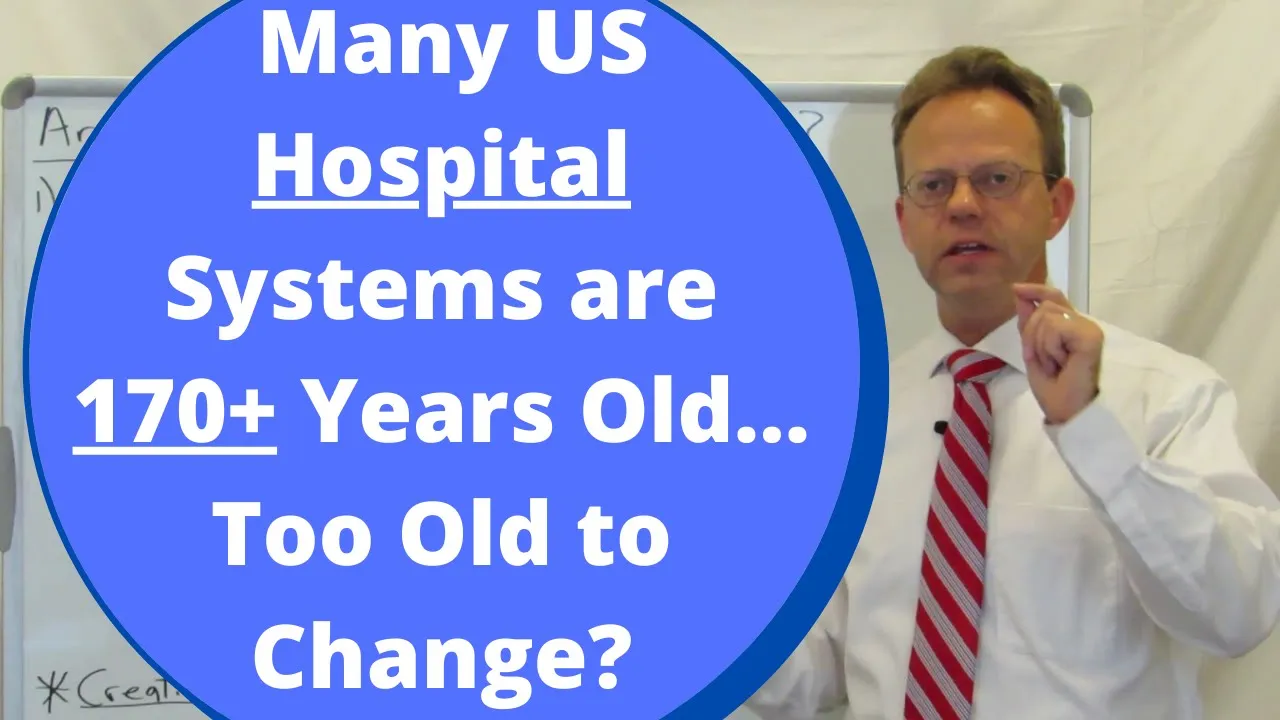
Major US Hospital Systems 170+ Years Old... Too Old to Change??
AHealthcareZ - Healthcare Finance Explained
@ahealthcarez
Apr 29, 2021
This video, presented by Dr. Eric Bricker of AHealthcareZ, delves into the profound age of major U.S. hospital systems and questions their capacity for change in a rapidly evolving world. The central premise contrasts the longevity of these healthcare organizations with the much shorter average lifespan of corporations in other sectors, particularly those listed on the S&P 500. Dr. Bricker highlights that the average S&P 500 company today is only 20 years old, a stark reduction from the 60-year average in 1950. This shift, he explains, is largely attributed to "creative destruction," where new organizations leveraging new technologies, business models, and cultures emerge to replace older, less adaptable entities, citing examples like Facebook, Amazon, Netflix, and Google. However, the narrative shifts dramatically when examining the healthcare sector. Dr. Bricker points out that major non-profit hospital systems, despite sometimes having newer names or physical facilities, are fundamentally ancient organizations. He provides compelling examples: Ascension, though officially founded in 1999, is a consolidation of entities like the Daughters of Charity and St. Joseph's, which trace their origins back to the mid-1800s. Similarly, CommonSpirit, formed in 2019, merged Catholic Health Initiatives (itself a collection of 13 groups of nuns from the mid-1800s) and Dignity Health (rooted in the Sisters of Mercy from the 1800s). Trinity Health and Providence-St. Joseph's also share similar histories, originating from religious orders in the 1800s and early 1900s. These organizations are not merely 60 years old, but often exceed 170 years in their foundational history. The speaker emphasizes that while these systems may boast modern buildings and advanced medical equipment, their underlying organizational structures and cultures are deeply entrenched and resistant to change due to their extensive history. Dr. Bricker posits that the older an organization, the harder it is for it to adapt and transform. He questions whether these venerable healthcare institutions are simply "too old to change" and suggests that if American healthcare is to progress, these organizations must undergo dramatic transformation, or new entities entirely may be required. The video concludes by framing creative destruction as a typical sign of progress in other industries, implying its potential necessity for the evolution of American healthcare, akin to the disappearance of companies like Woolworths or Pan-American Airlines. Key Takeaways: * **Striking Age Disparity:** Major U.S. hospital systems are exceptionally old, often tracing their roots back to the mid-1800s (170+ years), significantly contrasting with the average S&P 500 company age of just 20 years today (down from 60 years in 1950). * **Absence of Creative Destruction in Healthcare:** Unlike other industries where "creative destruction" drives innovation by replacing old companies with new ones leveraging advanced technologies and business models, the healthcare sector, particularly large hospital systems, has largely been immune to this phenomenon. * **Deep Historical Roots:** Prominent non-profit hospital systems like Ascension, CommonSpirit, Trinity Health, and Providence-St. Joseph's are not new entities but rather consolidations of religious orders (e.g., Daughters of Charity, Sisters of Mercy) that established hospitals in the 19th century. * **Organizational Inertia vs. Physical Modernity:** While these hospital systems may invest in brand new facilities, ambulatory surgery centers, and advanced equipment, the core organizational culture, structure, and operational paradigms remain deeply rooted in their centuries-old origins, making fundamental change difficult. * **The Challenge of Organizational Age:** The video highlights a universal principle that the older an organization becomes, the more resistant it is to significant change, posing a critical barrier to progress and adaptation within the American healthcare system. * **Implications for Healthcare Progress:** For American healthcare to truly change and evolve, the underlying organizations must also transform. The speaker questions whether these deeply entrenched, ancient systems are capable of the necessary dramatic shifts or if entirely new models and entities are required. * **Creative Destruction as a Sign of Progress:** The video implicitly suggests that the lack of creative destruction in healthcare might be hindering its progress, drawing parallels to other industries where the replacement of old companies by new, innovative ones is a hallmark of advancement. * **The Need for New Approaches:** The discussion underscores the potential need for external innovation, new technologies, and fresh organizational cultures to disrupt the status quo in healthcare, given the inherent difficulty for existing, aged institutions to self-transform. * **Inspiring Origins, Challenging Future:** The speaker acknowledges the awe-inspiring and philanthropic history of the founding religious orders, recognizing their immense contributions, but juxtaposes this legacy with the present-day challenge of organizational rigidity. Key Concepts: * **Creative Destruction:** An economic term coined by Joseph Schumpeter, describing the process of industrial mutation that incessantly revolutionizes the economic structure from within, incessantly destroying the old one, incessantly creating a new one. In the context of the video, it refers to how new companies with new technologies and business models replace older, less efficient ones. Examples/Case Studies: * **Major US Hospital Systems:** Ascension, CommonSpirit (merger of Catholic Health Initiatives and Dignity Health), Trinity Health, Providence-St. Joseph's. * **Founding Religious Orders:** Daughters of Charity, St. Joseph's, Sisters of Mercy. * **Disrupted Companies (other sectors):** Woolworths, Pan-American Airlines. * **Successful Modern Companies (other sectors):** Facebook, Amazon, Netflix, Google. * **Data Points:** Average age of S&P 500 company: 20 years (today), 60 years (1950). Major hospital systems: 170+ years old.

Alexion: Improving User Experience Through Data and Insights
Veeva Systems Inc
@VeevaSystems
Apr 29, 2021
This video presents a case study from Alexion, a pharmaceutical company, detailing their successful strategy for enhancing the sales representative (rep) experience and accelerating digital transformation through the integration of high-quality customer data, specifically leveraging Veeva OpenData. The central theme is that foundational data quality is the critical prerequisite for maximizing the efficiency of regulated enterprise software like Veeva CRM and successfully deploying advanced digital engagement tools. By ensuring reps spend less time on administrative reporting and data cleanup, they can redirect their focus toward high-value activities: diagnosing and treating patients by engaging with healthcare professionals (HCPs). The core operational improvement stems directly from superior data quality regarding healthcare professionals (HCPs). The implementation of OpenData ensures that HCP data is consistently updated, accurate, and correctly assigned to the appropriate sales territory. This eliminates a significant source of frustration for the sales force: losing time searching for physicians who have disappeared from their territory or dealing with incorrect assignments. This reliability fosters trust in the Veeva CRM system itself. The improved data quality also facilitates rapid and accurate territory management, allowing Alexion to apply all necessary territorial changes within a 24-hour window, providing reps with immediate, reliable information. This newfound confidence in the system, driven by demonstrable data quality improvements, was essential for Alexion’s broader digital strategy. The video highlights that the satisfaction of the sales delegates with the foundational OpenData system was crucial for the seamless implementation of advanced digital tools. Specifically, Alexion was able to successfully roll out digital initiatives such as CLM (Closed Loop Marketing), Engage Meetings (digital interactions), and is planning a pilot for three-page digital content initiatives. The speaker emphasizes that without the high level of rep satisfaction provided by OpenData, implementing these digital initiatives would have required significant management intervention and pushback to drive the transition from traditional to digital engagement models. In summary, the speaker identifies two primary benefits for companies considering adopting Veeva OpenData: enhanced data quality and rapid, daily processing of changes. From Alexion's perspective, this combination of quality and speed allows sales delegates to concentrate entirely on commercial necessities rather than being bogged down by data quality issues. The case study serves as a strong endorsement of how investing in foundational data integrity directly translates into higher user satisfaction, operational agility, and the successful adoption of sophisticated commercial technology stacks, paving the way for further AI-driven automation and optimization. Key Takeaways: • **Data Quality as the Foundation for Efficiency:** The primary benefit of integrating high-quality data (like Veeva OpenData) is reducing the administrative burden on sales representatives, allowing them to spend less time reporting in Veeva CRM and more time focusing on core commercial activities and physician engagement. • **Rep Satisfaction Drives Digital Adoption:** High sales delegate satisfaction with the accuracy and reliability of foundational data is a prerequisite for successful digital transformation; without this trust, implementing advanced digital tools (like CLM or Engage Meetings) requires significant management overhead and risks failure. • **Operational Agility through Daily Processing:** High-quality data enables rapid operational changes, specifically territory management updates, which can be processed and applied within 24 hours. This speed ensures the sales force is always working with the most current and accurate territory assignments. • **Eliminating Data Frustration:** Accurate HCP data prevents common rep frustrations, such as dealing with physicians who are incorrectly assigned or have "disappeared" from their territory, thereby improving the overall user experience within the CRM. • **Trust in the System:** When sales delegates see firsthand that the data quality is excellent and reliable, their confidence in the overall Veeva CRM system increases, leading to higher adoption rates and more accurate reporting. • **Enabling Digital Initiatives:** The foundational data integrity provided by OpenData directly enabled Alexion to successfully implement and scale digital engagement tools, including CLM, Engage Meetings, and future digital content pilots. • **Strategic Value Proposition:** For pharmaceutical companies, the combined benefits of data quality and processing speed allow commercial operations to focus on strategic business needs rather than being distracted by recurring data quality problems. • **Management Buy-in:** If foundational data systems are not reliable, management must exert significant effort to push digital initiatives forward; reliable data minimizes this friction and secures organic buy-in from the field force. • **HCP Data Accuracy is Paramount:** Maintaining up-to-date and correctly assigned professional healthcare data is the most critical data quality factor impacting sales rep workflow and territory alignment. Tools/Resources Mentioned: * **Veeva CRM:** The core customer relationship management platform used by the sales delegates. * **Veeva OpenData:** A data service providing high-quality, up-to-date healthcare professional data, used to ensure data accuracy within the CRM. * **CLM (Closed Loop Marketing):** Digital tools for tracking and optimizing marketing content interactions with physicians. * **Engage Meetings/Clicks:** Digital platforms for virtual or remote interactions between sales reps and HCPs. Key Concepts: * **Sales Delegate/Rep Experience:** Focuses on optimizing the daily workflow and satisfaction of the pharmaceutical sales force, recognizing that user experience directly impacts efficiency and compliance. * **Territory Management:** The process of defining, adjusting, and assigning sales territories, which requires accurate and timely data updates to ensure reps target the correct HCPs. * **Digital Transition:** The shift from traditional, in-person sales models to integrated digital engagement strategies, which relies heavily on reliable data and technology infrastructure.

Blue Cross CEO Admits Value-Based Payments Really Fee-for-Service
AHealthcareZ - Healthcare Finance Explained
@ahealthcarez
Apr 28, 2021
This video provides an in-depth exploration of the discrepancy between widely promoted "value-based payment" models in healthcare and the underlying reality of predominantly fee-for-service compensation. Dr. Eric Bricker, the speaker, presents compelling evidence, which he refers to as a "smoking gun," to expose how value-based contracts are often misrepresented. He leverages a candid admission from Pam Kehaly, CEO of Blue Cross Blue Shield of Arizona, made during a panel discussion at the 2019 HLTH Conference, to substantiate his claims. The core argument is that despite industry rhetoric, the economic incentives for hospitals make a true shift to value-based care extremely difficult, if not irrational, for providers. The presentation details Kehaly's admission that while 50% of Blue Cross Blue Shield of Arizona's hospital contracts are labeled as "value-based," only a mere 10% of the actual payments within those contracts are genuinely tied to value. This means that 90% of the money exchanged in these supposedly value-based agreements remains fee-for-service. Dr. Bricker extrapolates this, noting that if only half of the contracts have a small fraction of value-based payments, then the vast majority of all payments across the system are still firmly rooted in the fee-for-service model. He emphasizes that this isn't due to a lack of desire from payers like Blue Cross, who would ideally prefer 100% value-based payments, but rather due to the strong resistance from hospitals. Dr. Bricker explains the fundamental economic rationale behind hospitals' reluctance to embrace value-based payments. Hospitals, he argues, face significant financial losses from Medicare, Medicaid, and self-pay patients. To compensate for this hemorrhaging of funds, they are incentivized to maximize revenue from commercial insurance contracts. This means performing as many services as possible for commercially insured patients under a fee-for-service model. Transitioning to a 100% value-based payment system, in Dr. Bricker's opinion, would likely lead to many hospitals going out of business. He urges listeners to approach any claims of value-based payments, Accountable Care Organizations (ACOs), or "fee-for-value" with extreme skepticism, stressing the importance of analyzing underlying incentives rather than accepting surface-level terminology. Key Takeaways: * **The Illusion of Value-Based Payments:** Despite widespread industry promotion, "value-based payment" contracts are largely a misnomer, with the vast majority of payments still operating on a fee-for-service basis. * **Direct Industry Admission:** Pam Kehaly, CEO of Blue Cross Blue Shield of Arizona, publicly admitted that only 10% of payments within their "value-based" hospital contracts are actually value-based, with 90% remaining fee-for-service. * **Hospital Economic Incentives:** Hospitals are economically disincentivized to adopt true value-based payments because they rely on fee-for-service revenue from commercially insured patients to offset substantial losses incurred from Medicare, Medicaid, and self-pay patients. * **Payer Limitations:** Even the largest insurance carriers, such as the Blue Cross Blue Shield Association, possess limited leverage to push hospitals towards fully value-based models due to the hospitals' strong financial imperative to maintain fee-for-service revenue streams. * **Skepticism Towards Jargon:** Audiences, especially professionals in healthcare finance and related industries, should maintain a high degree of skepticism when encountering terms like "value-based payments," "ACOs," or "fee-for-value," and instead focus on the actual payment structures. * **Risk of Financial Instability for Providers:** A complete shift to 100% value-based payments, under current economic structures, could lead to widespread financial distress or even bankruptcy for many hospitals. * **Impact on Pharmaceutical and Medical Device Commercial Strategies:** Companies in the pharma and medical device sectors must understand these fundamental financial realities of healthcare providers. This knowledge is crucial for developing effective commercial operations, market access strategies, and any initiatives promoting value-based care for their products. * **Value of Unfiltered Industry Insights:** Conferences and panel discussions can occasionally provide invaluable, candid admissions from industry leaders that reveal truths often obscured by public relations and marketing. * **Focus on Underlying Incentives:** When evaluating healthcare payment models or proposed reforms, it is critical to analyze the economic incentives of all stakeholders, particularly providers, as these incentives dictate behavior more than stated goals. * **"Value-Afterthought" Reality:** The video suggests that "value" in these contracts is often an afterthought or a minor component, rather than the central driver of payment. Tools/Resources Mentioned: * **HLTH Conference:** A healthcare innovation conference where the panel discussion featuring the Blue Cross CEO took place. The speaker notes that many videos from the sessions are available on YouTube, offering valuable insights. Key Concepts: * **Value-Based Payments:** A healthcare payment model where providers are paid based on patient health outcomes, quality of care, and efficiency, rather than the volume of services. * **Fee-for-Service (FFS):** A traditional payment model where providers are paid for each service they provide, such as office visits, tests, or procedures. * **Accountable Care Organizations (ACOs):** Groups of doctors, hospitals, and other healthcare providers who come together voluntarily to give coordinated high-quality care to their Medicare patients. The goal is to ensure that patients get the right care at the right time, while avoiding unnecessary duplication of services and preventing medical errors. When an ACO succeeds in both delivering high-quality care and spending healthcare dollars more wisely, the ACO shares in the savings it achieves. * **Fee-for-Value:** A term often used interchangeably with value-based payments, implying a shift from volume to value in healthcare compensation. Examples/Case Studies: * **Blue Cross Blue Shield of Arizona CEO Pam Kehaly's Admission:** During a 2019 HLTH Conference panel, she stated that while 50% of their hospital contracts are "value-based," only 10% of the payments within those contracts are actually value-based, with the remaining 90% being fee-for-service. This serves as the primary example and "smoking gun" evidence for the video's central argument.

A Way to Fix Healthcare Fraud
AHealthcareZ - Healthcare Finance Explained
@ahealthcarez
Apr 27, 2021
This video provides an in-depth exploration of a practical methodology for self-funded employers to detect and mitigate healthcare fraud within their employee health plans. Dr. Eric Bricker, the speaker, emphasizes that addressing fraud is a crucial first step for employers to establish credibility before implementing broader healthcare cost containment strategies. The core of his approach involves a systematic analysis of claims data to identify specific patterns indicative of fraudulent activity, primarily focusing on providers who waive patient out-of-pocket costs to inflate service volume. The methodology begins with the critical step of obtaining a paid claims file that includes provider identification, acknowledging that while the "allowed amount" (negotiated rate) might be proprietary and difficult to acquire, "billed charges" are sufficient for this analysis. The next phase involves scrutinizing high-volume, low-dollar claims, specifically those with billed charges under $2,000. This segment is often overlooked by major insurance carriers due to high auto-adjudication thresholds, making it a fertile ground for fraud. The speaker then advises sorting providers by the number of claims and looking for "little-known" providers who exhibit an unusually high volume of small claims, which raises a red flag. Dr. Bricker illustrates this with compelling examples: a single doctor (e.g., dermatologist or cardiologist) with 800 claims annually at $550 each, totaling nearly half a million dollars, or a facility (e.g., chiropractor or physical therapist) with 1,100 claims at $780 each, approaching $900,000. He highlights that such volumes often imply an unrealistic daily patient load for a small practice, suggesting that the underlying fraud is likely the waiving of deductibles, co-insurance, or copays to attract patients. This practice, while seemingly beneficial to the patient, is fraudulent because it circumvents the plan design and drives unnecessary utilization. The video concludes with actionable steps for employers, ranging from alerting insurance carriers and state departments to strategic changes in plan design, such as adopting Point-of-Service (POS) plans for out-of-network issues or partnering with Third-Party Administrators (TPAs) that offer lower auto-adjudication thresholds for more granular claims review. Key Takeaways: * **Prioritize Fraud Detection for Credibility:** Employers should first address healthcare fraud within their plans to build trust and credibility with employees and providers before attempting other cost-saving initiatives. * **Data Access is Fundamental:** Obtaining a paid claims file with specific provider IDs (tax ID or name) is essential for this analysis. While the "allowed amount" may be proprietary, "billed charges" are adequate for identifying suspicious patterns. * **Focus on High-Volume, Low-Dollar Claims:** Fraud often hides in claims with billed charges under $2,000, as these are frequently auto-adjudicated by large carriers and receive less scrutiny. * **Identify Anomalous Provider Behavior:** Sort claims by provider volume and specifically investigate "little-known" providers or facilities with disproportionately high claim counts, as this indicates unusual patient traffic. * **Waiving Out-of-Pocket Costs is a Key Fraud Indicator:** Providers who waive patient deductibles, co-insurance, or copays are likely engaging in fraud to attract high patient volumes, which drives up overall plan costs. * **Aggregate Small Claims for Impact:** While individual claims may be small, their aggregation over time can result in substantial financial losses for the employer, potentially equaling the cost of major medical events like an ICU stay. * **Immediate Reporting Actions:** Alerting the insurance carrier or Third-Party Administrator (TPA) and the State Department of Insurance are crucial initial steps, despite potential bureaucratic delays. * **Strategic Plan Design Adjustments:** For out-of-network fraud, consider transitioning to a Point-of-Service (POS) plan that eliminates out-of-network benefits. * **Leverage TPAs for Enhanced Scrutiny:** If in-network fraud is prevalent, consider switching from a major insurance carrier to a TPA that can support lower auto-adjudication thresholds (e.g., $500-$1,000) to allow for more detailed claim examination. * **Limitations of Major Carriers:** Large insurance carriers often have high auto-adjudication thresholds (e.g., $5,000-$10,000), making them less effective at identifying fraud within low-dollar claims. * **Consider Specialized Fraud Vendors:** Employers can also engage specialized third-party vendors dedicated to healthcare fraud detection as an additional resource. * **Quantitative Examples of Fraud Impact:** The video provides concrete examples, such as a single doctor generating $440,000 from 800 claims or a facility generating $858,000 from 1,100 claims, to illustrate how small claims quickly accumulate. Key Concepts: * **Self-Funded Employer:** An employer that assumes the financial risk for providing healthcare benefits to its employees, rather than purchasing a fully insured plan. * **Paid Claims File:** A dataset containing records of healthcare services that have been paid by an insurance plan, including details like provider ID, billed charges, and dates of service. * **Provider ID:** A unique identifier for a healthcare provider, such as a tax identification number (TIN) or National Provider Identifier (NPI). * **Billed Charges:** The amount a healthcare provider charges for a service, which may differ from the "allowed amount" or negotiated rate. * **Allowed Amount:** The maximum amount an insurance plan will pay for a covered healthcare service. * **Deductible, Co-insurance, Copay:** Forms of patient out-of-pocket costs that are part of the health plan design, intended to share the cost of care and deter unnecessary utilization. * **Auto-Adjudication:** An automated process by which insurance claims are reviewed and approved for payment based on predefined rules, often without manual intervention, especially for claims below a certain dollar threshold. * **POS Plan (Point of Service Plan):** A type of health insurance plan that combines features of HMOs and PPOs, often allowing members to choose between in-network and out-of-network providers, but with higher costs for out-of-network care, or in some cases, no out-of-network benefits. * **TPA (Third-Party Administrator):** An organization that handles administrative services for employee benefit plans, such as claims processing, for a self-funded employer. Examples/Case Studies: * **Doctor A (Dermatologist/Cardiologist):** An example of a single physician generating 800 claims within a calendar year, each billed at $550, totaling approximately $440,000. This volume suggests an average of three plan members seen daily, which is highlighted as an unusually high and potentially suspicious frequency for a single practitioner. * **Facility (Chiropractor/Physical Therapist):** An example of a facility with multiple providers generating 1,100 claims annually, each billed at $780, accumulating to nearly $900,000. This demonstrates how even small-dollar claims, when aggregated, can represent a significant financial burden comparable to high-cost medical events like a major ICU stay.

NNIT's Veeva after-go-live services
NNIT | We make a mark
/@NNITvideo
Apr 27, 2021
This video provides an expert perspective on the ongoing management and optimization of Veeva Vault applications within pharmaceutical companies following the initial implementation ("go-live"). The central premise is that implementing Veeva Vault is merely the starting point of a continuous journey, necessitated by Veeva’s frequent release cycle, which introduces hundreds of new features and updates several times per year. This constant innovation presents both opportunities for process improvement and challenges related to maintaining system integrity and regulatory compliance. The core challenge highlighted is the strategic navigation of this extensive backlog of updates. Pharma companies must determine which new features offer the most significant value for their specific business processes, as not all updates are equally beneficial. Furthermore, the video emphasizes that some updates are mandatory, meaning every release cycle inherently impacts the current system integration and, critically, the validation status. This continuous change requires a proactive, structured approach to ensure the system remains compliant and operates at peak efficiency. The solution proposed by the Veeva Premier Partner (NNIT, in this context) is to provide specialized "after-go-live" services. These services focus on crafting a clear strategy and roadmap for post-implementation development. By leveraging deep expertise in both Veeva Vault technology and the nuances of the life sciences industry, the partner assists clients in prioritizing updates that align with business goals and regulatory requirements. This partnership ensures that applications are kept in "peak condition" through continuous validation, integration, and professional services tailored to the highly regulated environment of pharmaceutical commercial and clinical operations. Ultimately, the video stresses the value of combining external release knowledge with internal business insight. An experienced partner can help prepare for each new release, easing the adoption process and minimizing disruption. This collaborative approach allows the pharma company to focus on core business objectives while trusting an expert to manage the complex, continuous cycle of technological innovation and regulatory adherence inherent in the Veeva Vault platform. Key Takeaways: * **Veeva Implementation is a Continuous Journey:** Initial Veeva Vault implementation is only the beginning; the system requires ongoing management due to the platform releasing hundreds of new features and updates multiple times per year. * **Mandatory Updates Impact Compliance:** Since some Veeva updates are mandatory, every release cycle directly affects the current system integration status and necessitates re-evaluation of the validation status, requiring continuous attention to regulatory compliance. * **Strategic Prioritization is Crucial:** Companies face the challenge of navigating an extensive backlog of updates and must strategically decide which features to implement, focusing only on those that provide the most value for their specific business processes. * **Roadmap Development for Post-Go-Live:** An effective strategy includes crafting a dedicated roadmap for developing Veeva Vault after go-live, which helps manage the continuous flow of innovation and ensures development efforts are aligned with long-term business goals. * **Continuous Validation is Essential:** Maintaining regulatory adherence requires continuous validation services to ensure that system changes introduced by new Veeva features do not compromise GxP or 21 CFR Part 11 compliance standards. * **Integration Maintenance:** Frequent updates impact existing system integrations; specialized professional services are needed to maintain and adjust integrations to ensure seamless data flow and functionality across the enterprise technology stack. * **Leveraging Partner Expertise:** Utilizing an experienced Veeva Premier Partner provides access to deep knowledge of both the Veeva platform and the life sciences industry, allowing the client to benefit from insights gained across multiple implementations facing the same updates. * **Combining External and Internal Knowledge:** The most effective approach involves combining the partner’s comprehensive knowledge about each new Veeva release with the client’s specific insight into their unique business needs, enabling optimized preparation and adoption. * **Maintaining Peak Application Condition:** Professional services are necessary to keep Veeva applications in "peak condition," ensuring optimal performance, security, and stability despite the constant introduction of new features and changes. Tools/Resources Mentioned: * **Veeva Vault:** The core enterprise software platform for pharmaceutical companies, central to the discussion of continuous updates and validation challenges. Key Concepts: * **After-Go-Live Services:** Specialized consulting and technical support provided after the initial implementation of a major enterprise system (like Veeva Vault), focusing on ongoing maintenance, optimization, and continuous compliance. * **Continuous Validation:** The ongoing process of ensuring that a regulated system remains compliant with industry standards (e.g., FDA, GxP) despite frequent software updates, changes, or integrations. * **Veeva Premier Partner:** A designation indicating a high level of expertise, experience, and commitment to the Veeva platform, often signifying capabilities in complex implementations and regulated environments.

Blinding and Unblinding in Clinical trials||Clinical Research||Trial master file
Vikas Singh
/@VikasSinghPharmalive
Apr 26, 2021
This video provides a comprehensive overview of blinding and unblinding procedures in clinical trials, a critical aspect of pharmaceutical and life sciences research. The speaker defines blinding as a method to keep trial participants, investigators, and sometimes data analysts unaware of treatment assignments, primarily to prevent bias. The video details the different types of blinding—single, double, and triple—explaining who remains unaware in each scenario. It also discusses the role of placebos in control groups to establish a baseline for comparison. Furthermore, the content covers the circumstances under which unblinding occurs, such as in cases of serious adverse events requiring knowledge of the treatment for patient safety, ethical considerations, or in open-label trials where blinding is not feasible or necessary. Key Takeaways: * Blinding is a fundamental procedure in clinical trials designed to prevent bias by obscuring treatment assignments from participants, investigators, and/or data analysts. * Three main types of blinding exist: single (participant unaware), double (participant and investigator unaware), and triple (participant, investigator, and data analyst unaware), each serving to enhance the objectivity of trial results. * The primary reason for blinding is to prevent intentional or unintentional influence on trial outcomes, ensuring that observed effects are genuinely attributable to the intervention. * Placebos are crucial for establishing a control group, allowing researchers to differentiate the true therapeutic effects of an investigational treatment from psychological or non-specific effects. * Unblinding, the revelation of treatment assignments, is typically reserved for critical situations such as severe adverse events, ethical imperatives, or when blinding is impractical, as in certain surgical trials. * Effective management of blinding and unblinding processes is paramount for maintaining the scientific integrity, validity, and regulatory compliance of clinical trial data.

Book Review: 'The Hospital' by Brian Alexander - If You Like Michael Lewis Books, You'll Love This
AHealthcareZ - Healthcare Finance Explained
@ahealthcarez
Apr 26, 2021
This video provides an in-depth exploration of the book 'The Hospital' by Brian Alexander, presenting it as a critical expose on the financial machinations within the American hospital system. Dr. Eric Bricker, the reviewer, frames the book as a "Michael Lewis-esque" true story that uncovers how hospital administrators prioritize revenue and profit maximization, even in non-profit institutions, often at the expense of patient care, doctors, and nurses. The core narrative follows the struggles and strategies of Community Hospitals and Wellness Centers (CHWC), a small, rural two-hospital system in northwestern Ohio, illustrating broader systemic issues through a localized case study. The review details how the book confirms Dr. Bricker's long-held suspicions about hospitals deviating from their historical charitable missions. Alexander's extensive research, including three years embedded within the Bryan, Ohio community with full access to the hospital board and CEO, reveals a system where financial independence and growth are paramount. The book portrays hospital administrators as orchestrating a "healthcare chessboard," viewing patients, doctors, and nurses as "clueless pawns" to be commoditized and strategically moved to achieve financial goals. This perspective highlights a stark contrast between the public perception of hospitals as bastions of caring and their underlying commercial drivers. A significant portion of the analysis focuses on the intense competition and rivalries among hospital systems, such as Parkview and ProMedica, which are depicted as "gobbling up" physician practices, expanding service lines (e.g., oncology, cardiac, OB/GYN), controlling referral networks, and strategically locating facilities to build local monopoly power. Crucially, this competition is not driven by a desire to lower costs or improve quality for patients, but rather to secure market share and revenue streams. The video contrasts this grim reality with a "bright spot": Health Partners of Western Ohio, founded by Janice Sunderhouse. This organization offers a patient-centric, integrated primary care model across 16 locations, providing medical, behavioral health, substance abuse treatment, dental, and social services on a sliding scale. This model is presented as a highly effective, community-driven approach that is, ironically, "hated" by the traditional hospital systems. Key Takeaways: * **Hospital Financial Prioritization:** Hospitals, including non-profits, are primarily driven by revenue and profit maximization, often prioritizing financial independence and growth over patient care. This fundamental operational imperative influences all aspects of their decision-making and interactions within the healthcare ecosystem. * **Strategic Commercial Operations in Healthcare:** Hospital administrators engage in sophisticated commercial strategies, such as acquiring physician practices, expanding specialized service lines, controlling referral networks, and strategic geographic placement, to build local monopoly power and secure patient flow. * **Commoditization of Stakeholders:** The current hospital system, as depicted, often treats patients, doctors, and nurses as "pawns" or commoditized resources in a larger financial strategy, rather than as central figures in a care-delivery model. * **Lack of Value-Based Competition:** Competition among hospital systems is primarily focused on market share and control of referral patterns, not on reducing costs or improving the quality of patient care, leading to inflated prices and suboptimal patient outcomes. * **Ethical Divergence from Mission:** Modern hospitals have significantly deviated from their historical charitable and suffering-alleviating missions, adopting business practices that prioritize financial solvency above all else, creating significant ethical dilemmas. * **Integrated Care as a Model for Reform:** The example of Health Partners of Western Ohio showcases a successful, patient-centric, integrated primary care model that addresses a wide range of patient needs (medical, behavioral, dental, social) on an affordable, sliding-scale basis. This model serves as a powerful alternative to the traditional hospital system. * **Resistance to Disruptive Innovation:** Traditional hospital systems exhibit strong resistance to and even animosity towards innovative, patient-focused models like Health Partners of Western Ohio, highlighting the systemic inertia against change in the healthcare industry. * **Market Intelligence for Life Sciences:** For pharmaceutical, biotech, and medical device companies, understanding the deep financial and operational drivers of hospitals is crucial for developing effective commercial strategies, market penetration, and navigating the complex healthcare landscape. * **Data-Driven Insights for Systemic Understanding:** The book's reliance on in-depth research and investigative reporting underscores the importance of robust data collection and analysis in exposing systemic issues and informing potential reforms within healthcare. * **Opportunities for Technology Solutions:** The identified inefficiencies, ethical compromises, and operational challenges within the hospital system implicitly highlight areas where advanced AI, LLM solutions, and custom software development could offer transformative improvements, particularly in optimizing operations, enhancing patient pathways, and supporting more ethical care models. * **Broader Regulatory Context:** While not directly discussing pharmaceutical regulatory compliance, the video provides a critical understanding of the operational and financial pressures within the provider side of healthcare, which forms a significant part of the regulated environment where life sciences products are utilized. * **Informing Client Engagement:** For consulting firms like IntuitionLabs.ai, a deep understanding of these systemic issues within the broader healthcare ecosystem can significantly enhance their ability to contextualize and address the specific challenges faced by their pharmaceutical and life sciences clients.
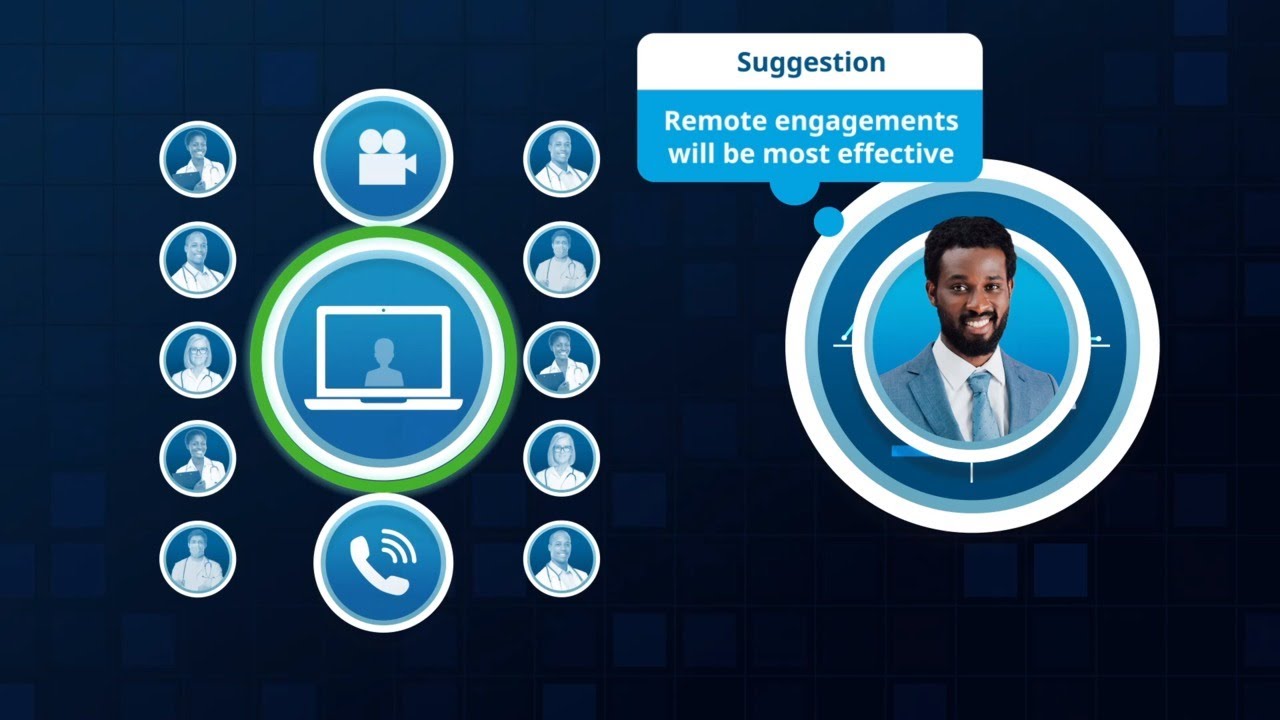
Deliver Sales Excellence with IQVIA Next Best
IQVIA
/@IQVIA
Apr 26, 2021
The video details the functionality and value of IQVIA Next Best, an embedded intelligence solution designed to transform decision-making and drive sales excellence for pharmaceutical sellers and marketers. The core purpose of the system is to provide personalized and relevant engagement experiences for healthcare providers (HCPs) by seamlessly integrating suggestions, predictions, recommendations, and automated actions directly into the user’s workflow, ensuring that critical insights are delivered at the point of action. The solution is presented as an orchestrated customer engagement platform that helps optimize sales targets, channels, and interactions. The progression of the system’s utility is demonstrated through the scenario of William, a pharmaceutical sales representative launching a new drug. Upon receiving a notification about new promotional and educational materials, IQVIA Next Best immediately provides actionable steps. This includes generating a list of suitable doctors in William’s territory for enrollment in a targeted marketing email nurture journey, demonstrating the system’s ability to link marketing automation with sales execution. Furthermore, the system proactively optimizes William’s call plan. It suggests modifying his current schedule to prioritize the new drug launch, specifically recommending personal outreach to three key physicians within a large specialty practice. The intelligence layer leverages deep data analysis, including the doctor’s known preferences, to determine the most effective engagement channel—in this case, recommending remote virtual sales calls and even suggesting optimal dates and times for these interactions. A sophisticated feature highlighted is the analysis of unstructured data, where the system processes call notes from other sales representatives to determine the most impactful messaging strategy. Based on this analysis, Next Best recommends "clinical efficacy" as the key message, as these specialists have historically responded positively to that specific data point. By appearing at the right time and place, the recommendations facilitate easy action, leading to a more effective, optimized sales strategy for the new drug launch. The overarching theme is the shift from traditional, static sales planning to dynamic, AI-driven orchestration. IQVIA Next Best positions itself as the engine that transforms raw data into personalized, timely guidance, ensuring every interaction is optimized for maximum impact. This approach fundamentally changes how pharmaceutical commercial teams execute their strategies, moving towards hyper-personalized, multi-channel engagement driven by predictive intelligence. Key Takeaways: • **Orchestrated Customer Engagement:** The solution emphasizes moving beyond simple Next Best Action (NBA) recommendations to full orchestration, ensuring that marketing efforts (e.g., email nurture journeys) are tightly integrated with personalized sales outreach and call planning. • **Embedded Intelligence for Workflow Adoption:** The success of the system relies on embedding intelligence directly into the sales representative’s workflow, ensuring that suggestions are not external reports but actionable steps that fit seamlessly into their existing tools and processes, maximizing the likelihood of user action. • **Multi-Source Data Synthesis:** Effective NBA requires synthesizing diverse data streams, including structured data (HCP preferences, territory mapping) and unstructured data (qualitative sales rep call notes), to generate nuanced and highly specific recommendations for both channel and content. • **Channel Optimization Based on Preference:** The system dynamically selects the optimal engagement channel (e.g., remote virtual calls vs. in-person visits) based on specific HCP preferences and historical interaction data, driving efficiency and improving the quality of the interaction. • **AI-Driven Messaging Strategy:** Intelligence is used to analyze peer feedback and behavioral data to recommend the most resonant key message (e.g., focusing on clinical efficacy) for a specific target segment, ensuring the content delivered is maximally persuasive. • **Proactive Call Plan Modification:** Instead of relying on static territory plans, the AI proactively suggests modifications to the sales representative’s current call plan based on immediate commercial priorities, such as the launch of a new drug, ensuring timely focus on high-value activities. • **Target Identification and Prioritization:** The system automatically identifies and prioritizes suitable sales targets for specific commercial initiatives (like new drug enrollment), reducing the manual burden on sales reps and ensuring resources are focused on the most receptive audience. • **Focus on Launch Effectiveness:** The primary business outcome demonstrated is the optimization of the sales strategy for a new drug launch, highlighting the system’s role in accelerating market penetration and ensuring a successful commercial rollout through precise targeting and execution. • **Prediction and Recommendation Types:** The intelligence layer provides a spectrum of outputs, including predictions (e.g., likelihood of positive response), suggestions (e.g., which doctors to enroll), and automated actions (e.g., modifying the call schedule). Tools/Resources Mentioned: * IQVIA Next Best (A proprietary embedded intelligence solution) Key Concepts: * **Next Best Action (NBA):** A decision-making framework, often powered by AI, that provides users (in this case, sales reps) with the single most effective action they should take next, based on real-time data and predictive analytics. * **Orchestrated Customer Engagement:** A strategy that coordinates all customer touchpoints across various channels (sales, marketing, medical) to deliver a unified, personalized, and relevant experience. * **Embedded Intelligence:** Integrating AI and machine learning capabilities directly into the user interface and workflow (e.g., CRM or sales planning tools) so that insights are delivered contextually and immediately actionable. Examples/Case Studies: * **William, the Pharmaceutical Sales Representative:** Demonstrated the system’s utility by showing how Next Best guided him through a new drug launch, from identifying target doctors for an email nurture journey to modifying his call plan and recommending "clinical efficacy" as the key message for virtual sales calls.
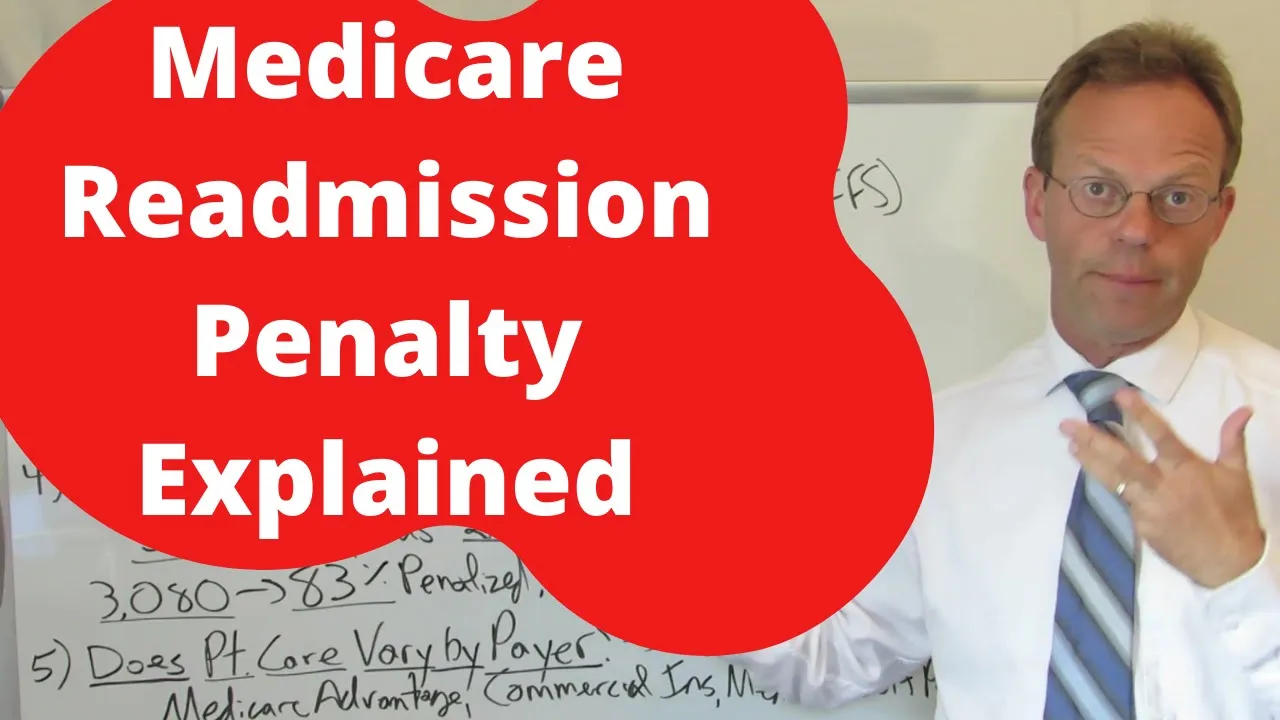
Medicare Readmission Penalty Explained: 83% of Hospitals Penalized
AHealthcareZ - Healthcare Finance Explained
@ahealthcarez
Apr 25, 2021
This video provides an in-depth exploration of the Medicare readmission penalty methodology, correcting previous inaccuracies and detailing its financial impact on U.S. hospitals. Dr. Eric Bricker explains how the Affordable Care Act of 2010 fundamentally altered the penalty structure for traditional (fee-for-service) Medicare, moving away from older models. The core of the current system stems from a methodology developed by the Yale School of Medicine, under the leadership of Dr. Leora Horwitz, which has significant financial ramifications across the healthcare landscape. The methodology, based on an analysis of approximately eight million Medicare patient visits, established an overall expected 30-day readmission rate of 15.9%. Hospitals face penalties if their readmission rates exceed this risk-adjusted benchmark. Risk adjustment is a crucial component, aiming to account for the varying sickness levels of patients across different hospitals, thereby creating a fairer comparison. The video highlights that readmission rates vary significantly by clinical category, with cardio-respiratory conditions (e.g., congestive heart failure, pneumonia, COPD) having the highest rate at 20.7%, while surgical and gynecology cases have a lower rate of 11.8%. Dr. Bricker emphasizes the importance of communicating these common readmission risks to patients and their families to set realistic expectations. Financially, the penalties are applied as a reduction to a hospital's overall Medicare Part A reimbursement. The average penalty observed was 0.69% of Medicare revenue, with a maximum cap of 3%. A critical insight shared is that hospitals often mitigate these Medicare revenue losses by negotiating higher reimbursement rates from commercial insurance payers. This strategy underscores the complex interplay between different payer types and hospital financial sustainability. The scope of the penalty program is extensive, yet not universal. Out of 5,267 hospitals in America, 2,176 were excluded, primarily critical access hospitals (rural hospitals with 25 beds or less) and psychiatric hospitals. Of the remaining 3,080 hospitals assessed, a staggering 83% were penalized, including highly reputable institutions like the Cleveland Clinic and Mayo Clinic. This widespread penalty suggests a significant disconnect between Medicare's expectations and hospital performance, or perhaps the inherent difficulty in preventing readmissions. The video concludes by reiterating the financial pressures hospitals face due to these penalties and raises the broader question of whether patient care quality varies based on payer type, referencing a Health Affairs study that found higher mortality rates for Medicare patients compared to commercially insured patients at the same hospitals. Key Takeaways: * **Shift in Penalty Methodology:** The Affordable Care Act (2010) significantly changed how Medicare penalizes hospitals for readmissions, moving to a new methodology developed by Yale University School of Medicine. * **Data-Driven Methodology:** The current penalty system is based on an analysis of approximately eight million Medicare patient visits, establishing an expected 30-day readmission rate of 15.9%. * **Risk Adjustment is Key:** The methodology incorporates risk adjustment to account for the varying severity of illness among patients, ensuring that hospitals treating sicker populations are not unfairly penalized. * **Varying Readmission Rates by Category:** Cardio-respiratory diseases (e.g., CHF, pneumonia) have the highest 30-day readmission rate at 20.7%, while surgery and gynecology have the lowest at 11.8%. * **Commonality of Readmissions:** Readmissions are incredibly common, with a one-in-five chance for cardio-respiratory patients, highlighting the need for better patient and family expectation setting. * **Financial Impact on Hospitals:** Hospitals were penalized an average of 0.69% of their Medicare Part A revenue, with a maximum penalty of 3%. * **Offsetting Losses with Commercial Insurance:** Hospitals frequently compensate for Medicare penalties by negotiating higher reimbursement rates from commercial insurance payers, illustrating a critical aspect of hospital financial strategy. * **Widespread Penalties:** 83% of the hospitals assessed for readmission penalties were penalized, including many of the nation's "best" hospitals, indicating a systemic challenge in meeting Medicare's readmission targets. * **Exclusions from Penalties:** Critical access hospitals (rural hospitals with 25 beds or less) and psychiatric hospitals are exempt from these readmission penalties, creating different financial incentives for these institutions. * **Transparency in Penalties:** Resources like Kaiser Health News allow the public to look up specific hospitals and their readmission penalty status, fostering transparency. * **Payer-Based Care Variation:** The video alludes to the ongoing debate and evidence (e.g., Health Affairs study) suggesting that patient care and outcomes might vary based on the patient's payer type (Medicare vs. commercial insurance), driven by financial pressures on hospitals. * **Understanding Hospital Financial Pressures:** It is crucial for stakeholders, including pharmaceutical and medical device professionals, to understand the financial incentives and disincentives hospitals face, as these influence operational decisions and patient care pathways. Tools/Resources Mentioned: * **Yale University School of Medicine:** Developed the methodology for Medicare readmission penalties. * **Annals of Internal Medicine:** Published the paper describing the readmission methodology. * **Kaiser Health News (khn.org):** A website where one can look up specific hospital readmission penalties. * **Health Affairs:** A journal that published a study on higher mortality rates for Medicare patients compared to commercially insured patients at the same hospital. * **CMS.gov (qualitynet.cms.gov):** Official source for Medicare quality measures and data. Key Concepts: * **Medicare Readmission Penalty:** A financial penalty imposed by CMS on hospitals with excessive 30-day readmission rates for Medicare patients, as mandated by the Affordable Care Act. * **Fee-for-Service Medicare:** Traditional Medicare where providers are paid for each service they perform, as opposed to managed care plans like Medicare Advantage. * **Risk Adjustment:** A statistical process used to account for differences in patient health status (e.g., severity of illness) when comparing healthcare outcomes or costs across different providers or populations. This ensures that hospitals treating sicker patients are not unfairly penalized. * **Medicare Part A Reimbursement:** Payments made by Medicare for inpatient hospital care, skilled nursing facility care, hospice care, and some home health care. Penalties are applied as a reduction to these reimbursements. Examples/Case Studies: * **Cleveland Clinic and Mayo Clinic:** Mentioned as examples of "best hospitals" that were also penalized under the Medicare readmission program, illustrating the widespread nature of the penalties. * **Dallas-Fort Worth Area Hospital:** Dr. Bricker references a "fanciest" and highly reputable hospital in his area that primarily performs surgeries, which received the maximum penalty, demonstrating that reputation or facility aesthetics do not guarantee exemption from penalties.

Why Fixing Fraud Has to Come First for Employee Health Plans
AHealthcareZ - Healthcare Finance Explained
@ahealthcarez
Apr 22, 2021
This video provides an urgent strategic argument for prioritizing the reduction and elimination of fraud within commercial employee health plans. Dr. Eric Bricker asserts that healthcare fraud, estimated to account for up to 10% of employee health plan spending (citing reporting by Marshall Allen of ProPublica), represents the single most critical area for employers, HR professionals, and benefits consultants to address first. The central thesis is that fixing internal financial leakage due to fraud is a prerequisite for gaining the necessary credibility to implement future, more complex cost-saving measures. The speaker outlines three core reasons why fraud must be addressed before any other initiative. First, reducing fraud does not require difficult-to-achieve employee behavior change, which often derails wellness programs or point solutions. Second, it similarly avoids the challenge of requiring provider behavior change, sidestepping issues like overutilization, over-testing, or over-prescription. By focusing on fraudulent claims, the employer targets bad actors and systemic weaknesses rather than legitimate clinical practice or employee choices. Crucially, the third and most strategic point is that eliminating fraud grants the employer the necessary credibility to ask for future changes from all constituents—employees, dependents, doctors, and hospitals. Initiatives like implementing near-site clinics, utilizing Centers of Excellence for complex procedures (e.g., spine surgery), or shifting to value-based payment models all require significant behavioral shifts. The speaker argues that smart employees are aware of public reporting on health plan fraud and will use the employer’s failure to address it as leverage to resist new mandates. The video briefly touches upon the operational methods for addressing fraud. Ideally, fraud should be caught beforehand, allowing for payment stoppage. If fraud is detected after payment, the employer has two primary recourse options: withholding future payments owed to the fraudulent provider or hospital system to recoup losses, or initiating legal action (filing suit) to recover the money. The core message remains that regardless of whether the fraud rate is 10% or even 1%, the health plan must "clean its side of the street first" to establish an ethical and financially responsible foundation before demanding compliance or change from external stakeholders. Key Takeaways: • **Fraud as a Primary Cost Driver:** Healthcare fraud is a massive financial drain on commercial health plans, estimated to be as high as 10% of total spending, making it a critical, non-clinical operational inefficiency that must be prioritized. • **Behavioral Change Bypass:** Addressing fraud is a strategic "low-hanging fruit" because, unlike wellness programs or utilization management initiatives, it does not require the difficult and often unsuccessful task of changing employee or healthcare provider behavior. • **Credibility is Currency:** Eliminating fraud is essential for building credibility, which is the foundational requirement for successfully implementing future, high-value health plan changes, such as adopting Centers of Excellence programs or shifting to value-based care models. • **Employee Awareness:** Employers must recognize that employees are often aware of systemic fraud issues (through sources like ProPublica) and will use the employer’s failure to address this internal problem as justification to resist new cost-saving measures or mandates. • **Pre-Payment Stoppage:** The ideal operational strategy is to implement systems capable of catching and stopping fraudulent claims before payment is issued, preventing financial loss and the complexity of post-payment recovery. • **Post-Payment Recoupment Strategy:** If fraud is detected after payment, employers have two primary recourse mechanisms: withholding future payments to the fraudulent entity (offsetting the loss) or initiating litigation to recover the funds. • **Strategic Imperative of Internal Cleanup:** The health plan must "clean its side of the street first." This means fixing internal process failures and financial leakage before asking employees, dependents, doctors, or hospitals to alter their behavior or accept new contractual terms. • **Focus on Systemic Integrity:** Even if the fraud rate is low (e.g., 1%), the principle of addressing fraud remains paramount for demonstrating financial stewardship and integrity to all stakeholders. • **Target Audience Alignment:** The content is specifically directed at Directors of Benefits, HR, CFOs, and Pharma/Med Device Professionals—key decision-makers responsible for managing large corporate healthcare expenditures and operational efficiency. Tools/Resources Mentioned: * ProPublica (Specifically citing articles by Marshall Allen regarding fraud on employee health plans). Key Concepts: * **Employee Health Plan Fraud:** Fraudulent billing and claims submitted against commercial insurance plans sponsored by employers, distinct from Medicare or Medicaid fraud. * **Behavior Change:** The difficult process of altering established habits or practices of employees (e.g., participation in wellness) or providers (e.g., reducing overutilization). * **Centers of Excellence (COE):** Specialized healthcare facilities recognized for high quality and efficiency in specific procedures (e.g., spine surgery), often used by employers to direct care and reduce costs. * **Value-Based Payments:** Payment models that reward healthcare providers for quality and outcomes rather than simply the volume of services provided, requiring significant provider behavior change. Examples/Case Studies: * The video references the investigative journalism of Marshall Allen from ProPublica as the source for the estimated 10% fraud rate in commercial health plans.

Economic Rent Seeking in Healthcare
AHealthcareZ - Healthcare Finance Explained
@ahealthcarez
Apr 21, 2021
This video provides an in-depth exploration of economic rent seeking within the healthcare industry, a concept defined as increasing wealth or revenue without adding corresponding value, often achieved through political privilege. Dr. Eric Bricker, the speaker, introduces this topic by referencing a CNBC article that suggested the healthcare industry had "squeezed all the red to your profits" it could, prompting a deeper dive into what "rent seeking" entails in this context. He clarifies that rent seeking typically manifests as either government subsidies or regulations designed to decrease competition, effectively acting as "privilege seeking" for individuals, organizations, or companies. The presentation systematically unpacks various real-world examples of rent-seeking behavior across different facets of the U.S. healthcare system. These examples span from the financial structures impacting insurance and pharmaceuticals to regulatory frameworks affecting providers and market entry. Dr. Bricker highlights how existing players often benefit from these mechanisms, making it challenging for new competitors or alternative models to emerge. His approach is educational, aiming to equip the audience with a foundational understanding of these economic dynamics that shape healthcare finance and operations. Specific instances of rent seeking discussed include the substantial premium subsidies under the Affordable Care Act for health insurance products, which he likens to agricultural subsidies. He also points to state-level licensing requirements for insurance products, which, by preventing cross-state sales, protect incumbent insurers from broader competition. The video further delves into the pharmaceutical and medical device sectors, citing the ban on importing less expensive Canadian prescription drugs and the extension of patents as key examples of rent-seeking that benefit domestic manufacturers. Beyond these, Dr. Bricker examines the role of healthcare providers and institutions, noting how physicians' strong advocacy for exclusive prescribing power (over nurse practitioners or physician assistants) can be seen as rent-seeking. He also scrutinizes the non-profit status of hospitals, which exempts them from property taxes, and the impact of Certificate of Need (CON) laws that restrict new hospital construction, thereby protecting existing facilities. The video culminates by identifying the tax-exempt status of employer-provided health insurance benefits as potentially the largest tax subsidy in America, underscoring the pervasive nature of rent-seeking in healthcare. Key Takeaways: * **Definition of Economic Rent Seeking:** It refers to individuals, organizations, or companies increasing their wealth, income, or revenue without providing additional value in return, often achieved through political influence. * **Mechanisms of Rent Seeking:** The primary forms include government subsidies (direct financial aid) and regulations that intentionally decrease competition, effectively creating barriers to entry or market advantages for specific entities. * **Impact on Health Insurance:** The Affordable Care Act's premium subsidies for health insurance policies are presented as a significant example of a product subsidy, while state-level licensing requirements for insurance products act as a regulatory barrier to cross-state competition. * **Pharmaceutical Industry Benefits:** The ban on importing prescription drugs from Canada, where they are often cheaper, directly benefits U.S. pharmaceutical companies by protecting their domestic market share and pricing power. * **Patent Extensions:** The ability for pharmaceutical and medical device companies to extend patents beyond their original intent is highlighted as a form of rent-seeking, prolonging market exclusivity and profitability. * **Physician Prescribing Power:** The strong advocacy by physicians for exclusive rights to prescribe medications, limiting the autonomy of nurse practitioners and physician assistants, can be viewed as a form of professional rent-seeking. * **Hospital Privileges:** The non-profit status of many hospitals, which grants them property tax exemptions, and Certificate of Need (CON) laws that restrict new hospital construction, are examples of rent-seeking that protect existing hospital systems from competition. * **Largest Tax Subsidy:** The tax-exempt status of employer-provided health insurance benefits is identified as potentially the largest tax subsidy in the U.S., significantly influencing how healthcare is financed and accessed by a large segment of the population. * **"Privilege Seeking":** An alternative way to conceptualize rent seeking is as "privilege seeking," where entities actively seek special advantages or protections that are not based on market efficiency or added value. * **Industry-Wide Phenomenon:** The video demonstrates that rent-seeking is not isolated to one sector but is a pervasive economic behavior across various components of the healthcare industry, from insurance and pharmaceuticals to providers and regulatory bodies. * **Awareness for Professionals:** Understanding the concept of economic rent seeking and its manifestations in healthcare is crucial for professionals across the industry to critically analyze market dynamics, policy impacts, and operational challenges. Key Concepts: * **Economic Rent Seeking:** The process of obtaining wealth or income without creating new value, typically by manipulating the economic or political environment. * **Subsidy:** A sum of money granted by the government or a public body to assist an industry or business so that the price of a commodity or service may remain low or competitive. * **Regulations Decreasing Competition:** Government rules or policies that, intentionally or unintentionally, limit the ability of new entrants to compete in a market, thereby protecting existing businesses. * **Privilege Seeking:** A synonym for rent seeking, emphasizing the act of seeking special advantages or exemptions. * **Certificate of Need (CON) Laws:** State laws that require healthcare providers to obtain prior approval from a state agency before constructing new facilities, expanding existing ones, or offering new services. Examples/Case Studies: * **Affordable Care Act (ACA) Premium Subsidies:** Government financial assistance provided to low-income individuals to help them afford health insurance premiums. * **State-Level Health Insurance Licensing:** Requirements for insurance companies to be licensed in each state they operate, preventing the sale of insurance across state lines and limiting competition. * **Physician Prescribing Power:** The legal and regulatory frameworks that often grant physicians exclusive rights to prescribe medications, with limitations on nurse practitioners and physician assistants. * **Ban on Canadian Drug Importation:** U.S. laws prohibiting the importation of prescription drugs from Canada, where prices are often lower, benefiting domestic pharmaceutical companies. * **Extension of Pharmaceutical and Medical Device Patents:** Legal mechanisms that allow companies to extend the period of exclusive rights to their patented products, delaying generic competition. * **Non-Profit Status of Hospitals:** Tax exemptions, particularly from property taxes, granted to hospitals that operate as non-profit organizations, based on their provision of "community benefit." * **Employer-Provided Health Insurance Tax Exemption:** The policy that health insurance benefits provided by employers are not considered taxable income for employees, representing a significant tax subsidy.

Doctor Specialty Rankings: The R.O.A.D. to Happiness?
AHealthcareZ - Healthcare Finance Explained
@ahealthcarez
Apr 20, 2021
This video provides an in-depth exploration of the often-unspoken hierarchy among physician specialties, revealing how factors like income, lifestyle, and perceived intellectual capability influence career choices and inter-specialty dynamics within the medical community. Dr. Eric Bricker, the speaker, aims to demystify this "secret" known among physicians but largely unknown to the general public, arguing that understanding this internal "pecking order" is crucial for anyone seeking to effect change within the broader healthcare system. Dr. Bricker categorizes physician specialties into four distinct tiers, starting with the most coveted: the "ROAD to happiness" specialties—Radiology, Ophthalmology, Anesthesia, and Dermatology. These fields are characterized by the highest pay and a comparatively desirable lifestyle, involving fewer hours, minimal weekend or night shifts, and fewer emergency calls. Consequently, these specialties attract the "smartest" and most capable medical students, making them highly competitive. The next tier comprises surgical and procedural subspecialties such as general surgery, vascular surgery, cardiology, gastroenterology, ENT, and urology. While these physicians often earn substantial incomes, sometimes even exceeding the "ROAD" specialties, their lifestyle is significantly more demanding, involving extensive hours, on-call duties, and frequent weekend and holiday work. The higher pay in these fields is attributed to the procedural nature of their work. The third tier includes specialists who perform fewer procedures, such as pathologists, emergency room doctors, pulmonologists, critical care physicians, nephrologists, and neurologists. These professionals are highly intelligent but generally earn less than the top two tiers due to their less procedure-heavy practices. Finally, the bottom tier, described facetiously as the "bottom of the barrel," consists of primary care physicians—including general internal medicine, pediatrics, and family practice—along with psychiatry. These specialties are the least competitive to enter and offer the lowest compensation. Dr. Bricker highlights a significant "schism" between primary care and the higher tiers, noting that primary care physicians are often perceived as intellectually inferior by their specialist counterparts. This perception, coupled with lower pay, stems from the time-intensive nature of "talking to people" in primary care, which does not yield the same high reimbursement as performing procedures. The speaker emphasizes that this hierarchy is not merely about income but also about a professional "pecking order" based on perceived intellectual capability and the nature of work. He illustrates this with an anecdote about hospital parking lots, where neurosurgeons drive luxury cars while internists drive more modest vehicles. The core message is that doctors are not a monolith; they are a highly diverse group with varied priorities, motivations, and interests. This diversity extends beyond physicians to other healthcare constituencies, including insurance brokers, benefits consultants, insurance carrier representatives, pharmaceutical representatives, and hospital administrators. Understanding these internal dynamics and diverse motivations within each group is presented as essential for fostering collaboration and driving meaningful improvements within the complex healthcare system. Key Takeaways: * **Physician Specialty Hierarchy:** There is an established, though often unstated, competitive hierarchy among physician specialties, driven by factors such as income, lifestyle, and perceived intellectual capability. This hierarchy significantly influences medical students' career choices and inter-specialty dynamics. * **"ROAD to Happiness" Specialties:** Radiology, Ophthalmology, Anesthesia, and Dermatology represent the top tier, offering the highest pay and most desirable lifestyles (fewer hours, minimal on-call duties), making them the most competitive and sought-after. * **Procedural vs. Non-Procedural Income:** Specialties that involve a high volume of procedures (e.g., surgery, cardiology, gastroenterology) tend to generate higher income, even if they demand a more rigorous lifestyle, due to higher reimbursement rates for procedural work. * **Lifestyle as a Key Motivator:** Beyond income, lifestyle factors such as work hours, weekend/night duties, and emergency call frequency play a critical role in physicians' satisfaction and career choices, particularly for the "ROAD" specialties. * **Intellectual Pecking Order:** A perceived intellectual hierarchy exists, with some specialists viewing primary care physicians as intellectually inferior. This perception can contribute to resentment and a sense of devaluation among primary care providers. * **Challenges for Primary Care:** Primary care physicians (internal medicine, pediatrics, family practice) and psychiatrists occupy the lowest tier in terms of income and competitiveness. Their work, which often involves extensive "talking to people," is time-intensive but less financially rewarding than procedural specialties. * **Doctors Are Not a Monolith:** A fundamental insight is that physicians are not a homogenous group. Their diverse motivations, interests, and priorities must be acknowledged when designing healthcare policies, engaging medical professionals, or developing solutions for the healthcare system. * **Diversity Across Healthcare Ecosystem:** The "not a monolith" principle extends beyond physicians to other crucial stakeholders in healthcare, including pharmaceutical representatives, insurance brokers, benefits consultants, and hospital administrators. Effective change requires understanding the varied perspectives within each of these groups. * **Implications for Commercial Engagement:** For pharmaceutical and medical device companies, understanding this physician hierarchy and their diverse motivations is critical for tailoring commercial strategies, sales approaches, and medical affairs engagements to resonate effectively with different specialties. * **Informing AI Solution Design:** AI solutions, such as medical info chatbots or sales ops assistants, designed to interact with or support interactions with healthcare professionals, should be developed with an awareness of these specialty-specific needs, workflows, and potential biases to ensure relevance and effectiveness. * **Resentment Dynamics:** The disparity in income and perceived status can lead to resentment, particularly from primary care physicians towards higher-earning specialists, which can impact inter-specialty collaboration and overall morale within healthcare organizations. Key Concepts: * **Physician Hierarchy:** The informal ranking of medical specialties based on factors like income, lifestyle, and intellectual prestige. * **"ROAD to Happiness":** An acronym (Radiology, Ophthalmology, Anesthesia, Dermatology) used in medical circles to refer to specialties offering high pay and desirable lifestyles. * **Not a Monolith:** The concept that any large group, such as physicians or other healthcare professionals, is composed of diverse individuals with varied motivations, priorities, and interests, rather than being a single, unified entity. Examples/Case Studies: * **Hospital Parking Lot Anecdote:** Dr. Bricker illustrates the income disparity and perceived status differences by describing the types of cars driven by different specialists at a hospital, contrasting a neurosurgeon's Bentley with an internist's Toyota minivan or Mini Cooper.

Dr Robert Lustig: Healthcare Fixed When Health Fixed
AHealthcareZ - Healthcare Finance Explained
@ahealthcarez
Apr 19, 2021
This video provides an in-depth exploration of metabolic dysfunction, arguing that healthcare costs cannot be effectively managed until the underlying health issues, primarily metabolic dysfunction, are addressed. Dr. Eric Bricker, summarizing a lecture by pediatric neuroendocrinologist Dr. Robert Lustig, highlights that an astounding 75% of all healthcare spending is attributed to conditions stemming from metabolic syndrome. The presentation challenges conventional thinking by demonstrating that obesity is a *result* of metabolic dysfunction, not its primary cause, and that a significant portion of metabolically unhealthy individuals are not obese. Dr. Lustig's analysis, based on 240 million American adults, breaks down the population into two groups: obese (BMI > 30, 30% or 72 million people) and normal weight (BMI < 30, 70% or 168 million people). A crucial insight is that while 80% of obese individuals (57 million) suffer from metabolic dysfunction, 20% (15 million) are "metabolically healthy obese" (MHO). More strikingly, 40% of normal-weight individuals (67 million) also exhibit metabolic dysfunction. This means there are more metabolically sick people who are of normal weight than those who are obese (67 million vs. 57 million), fundamentally shifting the focus from weight as the sole indicator of health. The video emphasizes that the cellular-level dysfunction, highly correlated with insulin resistance, is the root cause leading to a cascade of chronic diseases such as diabetes, hypertension, high cholesterol, heart attack, stroke, increased cancer risk, and even dementia. A key early indicator and diagnosable condition for metabolic dysfunction is Non-Alcoholic Fatty Liver Disease (NAFLD), which affects 40% of Americans and significantly increases the risk of insulin resistance and diabetes. The presentation concludes with a sobering statistic: the "number needed to treat" to improve metabolic dysfunction is 25, meaning only 1 in 25 people will get better, whether through diet and exercise or prescription medication. This low success rate underscores the inadequacy of current approaches and calls for a fundamental re-evaluation of how health and healthcare costs are addressed, particularly concerning diet and liver health. Key Takeaways: * **Metabolic Dysfunction Drives Healthcare Costs:** A staggering 75% of all healthcare spending is directly related to diseases and conditions caused by metabolic syndrome or dysfunction, making it the single largest financial burden on the healthcare system. * **Obesity is a Symptom, Not the Cause:** The video reframes obesity as a *result* of metabolic dysfunction rather than its primary cause, challenging the prevailing public health narrative that focuses solely on weight reduction. * **Prevalence of Metabolic Dysfunction in Normal-Weight Individuals:** A significant revelation is that 40% of normal-weight adults (67 million) suffer from metabolic dysfunction, outnumbering metabolically unhealthy obese individuals (57 million). This highlights the inadequacy of BMI as a sole health indicator. * **Limitations of Current Interventions:** Both traditional diet and exercise programs and prescription medications for metabolic dysfunction show a remarkably low success rate, with only 1 in 25 individuals achieving improvement. This suggests a critical need for more effective and personalized interventions. * **Insulin Resistance as the Core Problem:** Metabolic dysfunction is fundamentally linked to insulin resistance at the cellular level, which is the biochemical process that breaks down and leads to a host of chronic diseases. * **Non-Alcoholic Fatty Liver Disease (NAFLD) as a Key Indicator:** NAFLD is identified as an early, testable, and diagnosable manifestation of metabolic dysfunction, affecting 40% of Americans and significantly increasing the risk of insulin resistance and diabetes. * **Impact on Employer-Sponsored Health Plans:** The insights are highly relevant for employers managing health plans, as understanding metabolic dysfunction is crucial for effectively addressing employee health and controlling escalating healthcare costs. * **Need for a Shift in Health Paradigm:** The current approach to health, often centered on obesity, is insufficient. A new paradigm focusing on metabolic health, diet, and liver function is necessary to make meaningful progress in population health. * **The Role of Diet, Particularly Sugar:** While not detailed in this summary, the original lecture by Dr. Lustig emphasizes the "ills of sugar" and its significant contribution to metabolic dysfunction, suggesting dietary changes are paramount. * **Opportunity for Innovation:** The low success rate of existing treatments for metabolic dysfunction presents a significant unmet need and an opportunity for innovative solutions, potentially leveraging advanced data analytics, AI, and personalized health strategies. Key Concepts: * **Metabolic Syndrome/Dysfunction:** A cluster of conditions — increased blood pressure, high blood sugar, excess body fat around the waist, and abnormal cholesterol or triglyceride levels — that occur together, increasing your risk of heart disease, stroke, and type 2 diabetes. The video emphasizes the cellular-level dysfunction and insulin resistance as its core. * **Metabolically Healthy Obese (MHO):** Individuals who are clinically obese (BMI > 30) but do not exhibit the metabolic markers associated with increased risk of chronic diseases like diabetes or heart disease. * **Non-Alcoholic Fatty Liver Disease (NAFLD):** A condition where excess fat is stored in the liver cells, not caused by heavy alcohol use. It is highlighted as a strong early indicator of metabolic dysfunction and insulin resistance. * **Number Needed to Treat (NNT):** A common epidemiological measure used in assessing the effectiveness of a health care intervention. It is the average number of patients who need to be treated to prevent one additional bad outcome (or achieve one additional good outcome). In this context, an NNT of 25 means 25 people need to be treated for one to show improvement. Tools/Resources Mentioned: * **Dr. Robert Lustig's YouTube Videos:** The speaker highly recommends watching Dr. Lustig's full lecture, which this video summarizes. * **Dr. Robert Lustig's Website:** robertlustig.com * **Dr. Bricker’s Book:** "16 Lessons in the Business of Healing" (available at ahealthcarez.com/healthcare-money-campfire-stories-book)

Unions in Healthcare
AHealthcareZ - Healthcare Finance Explained
@ahealthcarez
Apr 18, 2021
This video provides an in-depth exploration of the role and impact of unions within the healthcare sector, specifically focusing on the United States. Dr. Eric Bricker begins by acknowledging the controversial nature of the topic, setting a tone of objective analysis. He outlines the various healthcare professionals who are unionized, including medical technicians, phlebotomists, a significant portion of nurses (around 20% nationwide), and even a small number of physicians, particularly in California. The discussion traces the modern history of healthcare unionization back to a 1974 amendment to the National Labor Relations Act, which allowed healthcare workers to unionize, leading to a steady growth in their numbers, contrasting with a general decline in overall union membership. The presentation then delves into the core demands of unionized healthcare employees, which typically revolve around four key areas: increased wages and wage security, comprehensive benefits (especially health insurance), manageable workloads, and patient and employee safety. Dr. Bricker provides specific examples, such as union agreements dictating maximum nurse-to-patient ratios to ensure patient safety, and the increased demand for unionization during the COVID-19 pandemic to secure adequate personal protective equipment (PPE) for healthcare workers. He identifies the largest healthcare unions in the U.S., including SEIU (Service Employees International Union) East, National Nurses United, AFL-CIO, and the United Food and Commercial Workers International Union. A significant portion of the video is dedicated to the moral dilemma inherent in healthcare unionization: the act of striking. Striking is presented as the primary leverage for collective bargaining, but it poses a profound ethical challenge for healthcare workers, as withholding labor could directly lead to patient harm or even death. Conversely, Dr. Bricker highlights how hospital administrators might exploit this moral compass, potentially underpaying staff or providing unsafe working conditions, knowing that healthcare workers are reluctant to abandon patients. He cites a study indicating a 19.4% increase in hospital mortality and a 6.5% increase in readmission rates during nurses' strikes, even when replacement nurses were brought in. However, the video also presents the counter-argument, noting evidence that hospitals with unionized nurses often exhibit lower hospital-acquired infections and lower readmission rates over time, attributed to better staffing levels and workloads advocated for by unions. The discussion concludes with a focus on physician interns and residents, who often face the most demanding conditions, noting their limited but growing unionization through organizations like the Committee of Interns and Residents (CIR), and shares anecdotes of healthcare workers being stranded at hospitals for days during emergencies, underscoring the potential for exploitation in non-unionized environments. Key Takeaways: * **Growing Unionization in Healthcare:** Despite a general decline in union membership across the U.S., the number of unionized healthcare workers has been steadily increasing since a 1974 amendment to the National Labor Relations Act allowed them to organize. This trend reflects ongoing efforts by healthcare professionals to address systemic issues. * **Core Demands of Healthcare Unions:** Unionized healthcare employees primarily advocate for improved wages and wage security, comprehensive benefits (especially health insurance), manageable workloads, and enhanced patient and employee safety. These demands directly impact the quality of care and the well-being of the workforce. * **The Moral Dilemma of Striking:** Striking is the primary leverage for unions, but it creates a significant ethical conflict for healthcare workers, as withholding labor can directly endanger patients. This moral quandary can be exploited by hospital administrations, who may offer suboptimal conditions knowing staff are hesitant to strike. * **Patient Outcomes During Strikes:** A study cited in the video found a 19.4% increase in hospital mortality and a 6.5% increase in readmission rates during nurses' strikes, suggesting significant negative impacts on patient care, even when replacement staff are utilized. * **Benefits of Unionized Workplaces:** Counter-intuitively, hospitals with unionized nurses have shown evidence of lower hospital-acquired infections and lower readmission rates over time. This is attributed to unions advocating for safer nurse-to-patient ratios and better workloads, leading to improved patient care quality. * **Vulnerable Healthcare Professionals:** Physician interns and residents, known for their demanding hours and heavy patient loads, are a particularly vulnerable group, with a limited but growing number unionized through organizations like the Committee of Interns and Residents (CIR). Their experiences highlight the need for collective bargaining to improve working conditions. * **Operational Exploitation in Emergencies:** Anecdotes, such as nurses being stranded for three days during a snowstorm at Johns Hopkins or staff for over a week during Hurricane Harvey, illustrate how healthcare workers' dedication can be exploited in non-unionized settings when hospitals fail to adequately plan for emergencies or support their staff. * **Workload and Safety as Patient Safety Issues:** Union demands for manageable workloads and adequate safety equipment (like PPE) are not just about employee welfare but are fundamentally tied to patient safety. Overworked staff or lack of proper equipment directly compromises the quality and safety of patient care. * **The Role of Collective Bargaining:** Unions provide a mechanism for collective bargaining, allowing healthcare workers to negotiate for better conditions that individual employees might not be able to achieve, addressing systemic issues related to staffing, compensation, and safety. * **Understanding Industry Dynamics:** For organizations serving the life sciences and healthcare sectors, understanding the dynamics of unionization, worker demands, and the operational challenges faced by healthcare providers is crucial for developing relevant solutions that address pain points related to workforce management, operational efficiency, and patient outcomes. Key Concepts: * **Unionization:** The process of forming or joining a labor union to collectively bargain with employers over wages, benefits, and working conditions. * **National Labor Relations Act (1974 Amendment):** The legislative change that extended collective bargaining rights to healthcare workers in the United States. * **Collective Bargaining:** The process of negotiation between employers and a group of employees aimed at reaching agreements to regulate working conditions. * **Striking:** A temporary concerted withdrawal of labor by employees to enforce demands on an employer. * **Workload:** The amount of work assigned to an employee, often a key point of contention in healthcare due to its direct link to patient safety and staff burnout. * **Nurse-to-Patient Ratio:** The number of patients assigned to each nurse, a critical factor in patient safety and quality of care, often a target for union negotiations. * **Hospital-Acquired Infections (HAIs):** Infections that patients acquire while receiving treatment for other conditions in a healthcare setting, often linked to staffing levels and hygiene protocols. * **Readmission Rates:** The frequency with which patients return to the hospital shortly after being discharged, often an indicator of the quality of initial care and discharge planning. Examples/Case Studies: * **Nurses' Strike Study:** A study found a 19.4% increase in hospital mortality and a 6.5% increase in readmission rates during nurses' strikes, based on an analysis of 34,000 patients. * **Johns Hopkins Winter Storm:** An anecdote describing nurses at Johns Hopkins Hospital in Baltimore being unable to leave for three days during a severe winter storm due to poor snow removal and lack of hospital preparedness, highlighting potential exploitation of staff dedication. * **Hurricane Harvey in Houston:** An anecdote recounting doctors, nurses, and other hospital employees being stranded at a hospital for over a week during Hurricane Harvey due to severe flooding, further illustrating the challenges and potential exploitation faced by healthcare workers during emergencies.

Kenn Milton "Quality Management in Life Science Companies", Copenhagen University, SUND Hub
MyBlueLabel
/@mybluelabel2885
Apr 15, 2021
This video explores the critical role of Quality Management Systems (QMS) in life science companies, specifically focusing on medical devices. The speaker details the classification of medical devices by risk, outlining how these classifications dictate the necessary level of documentation and regulatory compliance. Throughout the video, the importance of a robust QMS for ensuring patient safety, achieving market access, and enhancing company valuation is emphasized, particularly highlighting the shift towards electronic QMS (eQMS) for improved efficiency and audit readiness. Key Takeaways: * **Risk-Based QMS Requirements:** Medical devices are categorized into different risk classes (Class I to III), which determine the extent of documentation and QMS implementation required for regulatory approval and market access. While not always mandated for Class I, a QMS is strongly recommended for all devices. * **Documentation and Qualification are Paramount:** The fundamental principles of QMS dictate that "if it's not documented, it hasn't happened; if it's not signed, it's not documented." Furthermore, all personnel involved must be adequately qualified through education, experience, and training, with documented evidence to support their competence. * **Current Regulatory Focus Areas:** Regulators are increasingly scrutinizing risk assessment and post-market surveillance (PMS). Companies must proactively identify, evaluate, control, and accept risks, while also implementing both proactive (e.g., control groups) and reactive (e.g., incident/complaint trending) PMS activities to continuously monitor product safety and performance. * **Benefits of Electronic QMS (eQMS):** Transitioning from paper-based systems to an eQMS offers significant advantages, including electronic signatures, streamlined documentation management, continuous improvement tracking, and simplified audit processes, transforming audits into collaborative conversations rather than stressful examinations. * **Early QMS Implementation is Crucial:** Introducing a QMS from the very beginning of product development, rather than as an afterthought, ensures "quality by design." This approach saves significant rework, provides a clear roadmap for compliance, and helps secure the necessary data stamps and sequence of events expected by auditors. * **Strategic Value of QMS:** Beyond compliance, a well-implemented QMS is a strategic asset. It is essential for market access (e.g., CE marking, FDA approval), significantly increases a company's valuation for potential acquisition, and provides individuals with valuable experience and qualifications that enhance career prospects in the life sciences industry.

How Doctor Relative Value Units (RVUs) Work - Secret to How Doctors Get Paid
AHealthcareZ - Healthcare Finance Explained
@ahealthcarez
Apr 15, 2021
This video provides an in-depth exploration of Relative Value Units (RVUs), explaining how these units measure physician work and ultimately determine how doctors are compensated in the United States healthcare system. Dr. Eric Bricker begins by establishing RVUs as a foundational, yet often overlooked, component of healthcare finance, particularly for those in employee benefits and even many within healthcare itself. He outlines how RVUs were developed in the early 1990s and are utilized by Medicare, subsequently becoming the de facto standard for commercial insurance plans as well. The presentation details the mechanics of RVUs, explaining their direct link to Current Procedural Terminology (CPT) codes. Each five-digit CPT code, which identifies a specific medical service or procedure—from a routine office visit to a complex surgery—is assigned a corresponding number of RVUs. For instance, a "Level 2" new patient office visit (CPT code 99202) is equated to 1.73 RVUs. Dr. Bricker then translates these units into monetary value, noting that Medicare typically reimburses approximately $37 per RVU, a figure subject to constant adjustment. Commercial health insurance plans, conversely, offer higher reimbursement rates, ranging from $55 to $70 per RVU, with proceduralists (such as surgeons or interventional cardiologists) often receiving compensation at the higher end of this spectrum due to the nature of their services. A significant portion of the discussion is dedicated to the origin and influence of the Relative Value Scale Update Committee (RUC). Described as a "secret committee" or "not-so-secret secret committee," the RUC is run by the American Medical Association (AMA) and comprises representatives from various medical specialties. This committee gathers survey data from doctors across different fields to ascertain the time and effort involved in performing specific procedures. Through a series of votes, the RUC determines the RVU values assigned to CPT codes. Dr. Bricker emphasizes the RUC's pivotal role, as its recommendations are almost always accepted by Medicare, thereby setting the benchmark for physician reimbursement across the entire healthcare system. The video concludes by highlighting the highly politicized nature of the relationship between the RUC and Medicare, underscoring how this dynamic significantly impacts physician reimbursement and income. The speaker notes that RVUs are a constant topic of discussion in physicians' group meetings, where individual performance is often measured by the number of RVUs billed. This internal focus on RVUs underscores their critical importance in the professional and financial lives of physicians, making an understanding of this system essential for anyone operating within or interacting with the healthcare industry. Key Takeaways: * **RVUs as the Standard for Physician Work Measurement:** Relative Value Units (RVUs) are the fundamental metric used to quantify the amount of work involved in various physician services, from office visits to complex surgeries, providing a standardized way to compare different medical activities. * **Link to CPT Codes:** Every medical procedure or service is identified by a five-digit Current Procedural Terminology (CPT) code, and each of these codes is directly tied to a specific number of RVUs, forming the basis for billing and reimbursement. * **Medicare's Baseline Reimbursement:** Medicare establishes an approximate dollar value per RVU (around $37), which serves as a foundational reimbursement rate. This rate is subject to ongoing adjustments and influences payment structures across the industry. * **Commercial Insurance Reimbursement Differences:** Commercial health insurance plans typically reimburse at a higher rate per RVU than Medicare, ranging from $55 to $70. This differential is a key factor in physician practice economics. * **Higher Compensation for Proceduralists:** Physicians who perform a high volume of procedures, such as surgeons, interventional cardiologists, and gastroenterologists, often receive higher compensation per RVU, reflecting the perceived intensity and skill required for these services. * **The Role of the RUC:** The Relative Value Scale Update Committee (RUC), a private committee run by the American Medical Association (AMA), is responsible for determining the RVU values assigned to CPT codes. This committee holds immense power in shaping physician compensation. * **RUC's Data-Driven Process:** The RUC's decision-making process involves gathering survey data from doctors across various specialties to assess the time and effort required for procedures, followed by a voting process among specialty representatives to assign RVU values. * **RUC Recommendations Influence Medicare:** The RUC's recommendations for RVU values are almost always accepted by Medicare, effectively making the RUC a primary driver of physician reimbursement policies for both public and private payers. * **Politicized Nature of Reimbursement:** The relationship between the RUC and Medicare is highly politicized, with different government administrations having varying degrees of influence and interaction with the AMA, which can impact how RVUs are ultimately reimbursed. * **RVUs as a Key Physician Metric:** RVUs are a constant focus for physicians, often discussed in group meetings where individual billing performance is measured by the number of RVUs generated, directly influencing income and practice dynamics. * **Importance for Healthcare Professionals:** Understanding RVUs is crucial for professionals across the healthcare ecosystem, including those in pharmaceutical and medical device companies, as it provides insight into the financial drivers and operational realities of their physician target audience. * **System Origin and Evolution:** The RVU system was established in the early 1990s and has since become the pervasive method for measuring physician work and determining payment, though the specific values and reimbursement rates are subject to continuous tweaking. Key Concepts: * **Relative Value Units (RVUs):** A standardized measure of the amount of physician work, practice expense, and professional liability insurance costs associated with a medical service. * **CPT Code:** Current Procedural Terminology code, a five-digit numerical code used to describe medical, surgical, and diagnostic services and procedures performed by physicians and other healthcare providers. * **RUC (Relative Value Scale Update Committee):** A committee managed by the American Medical Association that provides recommendations to Medicare on the relative values of physician services, which are then used to set reimbursement rates. * **Proceduralists:** Medical specialists whose practice heavily involves performing procedures, such as surgeons, interventional cardiologists, and gastroenterologists, as opposed to those who primarily provide cognitive or diagnostic services.