Videos
Browse videos by topic
All Videos
Showing 985-1008 of 1435 videos

Why Veeva Became a Public Benefit Corporation
Veeva Systems Inc
/@VeevaSystems
Jul 23, 2021
This video features Veeva CEO Peter Gassner discussing the company's landmark decision in 2021 to become the first public company to convert to a Public Benefit Corporation (PBC). The primary purpose of the conversion was to formalize Veeva’s commitment to all stakeholders—employees, customers, and the community—rather than solely prioritizing shareholder profit, which Gassner felt was the overly simplistic mandate of traditional corporate governance. He contrasts the standard articles of incorporation, which focus narrowly on making money and avoiding illegal activity, with the broader ethical responsibilities inherent in running a large, impactful company within the life sciences sector. Gassner explains that the concept of the PBC resonated with his personal ethos, which was heavily influenced by his experience working in his father's small machine shop. He learned early lessons about quality ("If you have to ask me, it's not good enough") and the absolute necessity of customer focus, noting that small businesses inherently must take care of their customers and neighborhood because they lack an external safety net. This foundational belief informed his desire to ensure Veeva's internal ethos and way of working matched its legal charter. The PBC structure achieves this by legally mandating attention to all stakeholders, embedding these values directly into the articles of incorporation. The formalization of the PBC structure serves multiple critical functions for Veeva's long-term durability. Firstly, it provides an efficient way to communicate the company's values and mission to a large and growing base of employees and customers. Secondly, and most importantly, it establishes a legal obligation and sets the tone for future leadership, board members, and executive teams. Gassner emphasizes that the PBC status ensures that stakeholder responsibility is "not just my opinion anymore," but a codified rule. This grants employees a formal "seat at the table," making their well-being part of the board's legal duty. Despite initial fears of unknown downsides associated with being the first public company to convert, Gassner reports only positive outcomes, including attracting mission-aligned employees, deepening customer relationships, and, crucially, increasing the source of new ideas. The shift in focus allows the company to first ask, "What can we do that's aligned with our values?" and then double-check the idea against the business purpose, rather than the reverse. Key Takeaways: * **Formalizing Ethics through Governance:** Veeva’s conversion to a Public Benefit Corporation (PBC) was driven by the need to align the company's internal ethical ethos with its legal corporate charter, moving beyond the traditional, narrow focus on shareholder profit maximization. * **Stakeholder Responsibility as a Legal Duty:** The PBC structure legally obligates the company's board and leadership to consider the interests of all stakeholders—employees, customers, and the community—not just shareholders, fundamentally changing the fiduciary duty. * **Enhancing Employee Value and Retention:** The PBC status ensures that taking care of employees is a legal duty of the board, effectively giving employees a formal voice and "seat at the table," which helps attract talent aligned with the company's values. * **Durability and Succession Planning:** Formalizing values in the articles of incorporation ensures that the company's mission and commitment to stakeholders persist beyond the tenure of current leadership, setting the mandatory rules for future executive teams and board members. * **The Power of Quality and Customer Focus:** CEO Peter Gassner’s foundational lessons from his father's small business—particularly the mantra "good enough is not good enough" regarding quality, and the necessity of deeply caring for customers—are the ethical roots of Veeva's corporate philosophy. * **Increased Source of Innovation:** The shift to a PBC has positively impacted innovation by changing the idea generation process; instead of starting with business growth and then checking values, the company now starts with value alignment and then checks business viability. * **Communication Efficiency:** Writing down and formalizing values in the corporate charter is presented as a highly effective way to communicate the company's mission and expectations efficiently to a large, dispersed workforce and customer base. * **No Reported Downsides:** Despite being the first public company to make this conversion, Veeva experienced no negative repercussions; instead, the expected positives—deeper customer relationships and better talent attraction—were realized. * **The Contrast with Traditional Charters:** Gassner critiques traditional articles of incorporation as "overly simplistic," often boiling down to "make money for shareholders and don't do anything illegal," which he found misaligned with a broader sense of corporate responsibility. Key Concepts: * **Public Benefit Corporation (PBC):** A type of for-profit corporation that is legally required to pursue a general public benefit in addition to maximizing shareholder value. It integrates social and environmental considerations into its decision-making process. * **Stakeholder Responsibility:** The ethical and legal obligation of a company to consider the interests of all parties affected by its operations, including employees, customers, suppliers, communities, and the environment, not just its owners (shareholders). * **Corporate Governance:** The system of rules, practices, and processes by which a company is directed and controlled. Veeva's conversion represents a fundamental change in its governance structure.

Looking Forward, What you Should Know about Veeva and the Vault Platform
NetworkPharma
/@networkpharmatv
Jul 21, 2021
This video provides an in-depth exploration of the future direction and key enhancements coming to the Veeva Vault Platform, specifically focusing on PromoMats. Presented by Jon Fisher, Senior Program Manager at Veeva Systems, the session, part of a MedComms Forum, aims to equip medical communications professionals with essential knowledge about upcoming features and evolving customer usage patterns. Fisher outlines Veeva's vision for PromoMats as an end-to-end content solution, moving beyond its traditional role as a review and approval tool to encompass the entire content lifecycle from creation and collaboration to digital asset management, publishing, and insights. The presentation details the evolution of content management, emphasizing the journey towards a "transformative" state characterized by data-driven, dynamic, and personalized content across all channels, with PromoMats serving as the single source of truth. A significant portion of the discussion is dedicated to PromoMats' capabilities as a Digital Asset Management (DAM) solution. Fisher defines DAM not just as technology, but as a business process for organizing, storing, retrieving, and managing rights for digital assets, categorized into components (individual elements), composites (final tactics), and references. He highlights specific DAM features like rights management, auto image renditions, a robust API for integrations, and content performance dashboards, explaining how these features streamline workflows for agencies and clients. A major strategic focus for Veeva is the introduction and adoption of Modular Content. Fisher explains that this initiative, accelerated by customer needs during the COVID-19 pandemic, aims to enable faster content creation and significantly reduce Medical, Legal, and Regulatory (MLR) review times. Modular content involves creating channel-agnostic, pre-approved content blocks that can be quickly recombined to build new assets. The roadmap for modular content includes enhancements to module creation, approval processes, API updates for integration with content authoring solutions like Adobe Experience Manager, and future capabilities for faster, risk-based MLR review based on the proportion of pre-approved content used. The video concludes by detailing upcoming user interface (UI) changes, referred to as "Action UI," designed to modernize the platform, improve productivity, and simplify user experience through fewer clicks and enhanced navigation. Key Takeaways: * **PromoMats as an End-to-End Content Solution:** Veeva PromoMats is evolving beyond a simple review and approval tool to become a comprehensive platform supporting the entire content lifecycle, from strategy and creation to publishing and optimization, serving as a single source of truth. * **Digital Asset Management (DAM) Capabilities:** PromoMats offers robust DAM functionalities for organizing, storing, and retrieving digital assets. This includes managing rights and permissions, creating auto image renditions for various channels, and providing a powerful API for system integrations. * **Streamlined Agency Workflows:** Agencies will increasingly be required to upload source files (e.g., InDesign files) into PromoMats, enabling automatic recognition and linking of component assets, and will leverage PromoMats' component libraries to reuse approved assets, thereby increasing efficiency and reducing recreation time. * **Automated Digital Publishing:** A newer feature allows for automatic publishing of approved content to the web, generating a persistent URL. This ensures that all digital channels (emails, websites, social media) always reflect the latest approved version and enables immediate content takedown if necessary. * **InDesign Auto Linking for Efficiency:** The platform supports InDesign auto-linking, allowing creative teams to upload an entire InDesign package. PromoMats automatically generates a viewable rendition and identifies/links all component assets within the file, streamlining the upload and reuse of creative elements. * **Brand Portal for Content Discovery:** Brand Portal (or Medical Portal in MedComms) provides a user-friendly interface for sharing and discovering content with different audiences, such as global affiliates, sales teams, or for training purposes, effectively replacing disparate shared drives or internal communication portals. * **Strategic Shift to Modular Content:** Veeva is heavily investing in modular content, driven by customer demand to accelerate content creation and reduce lengthy MLR review cycles (which can range from 30 to 100 days). This approach uses channel-agnostic, pre-approved content blocks. * **Modular Content Process and Roadmap:** The modular content strategy involves preparing modules (assembling approved assets with rules), using modules (manual or integrated via API with authoring tools), and enabling faster MLR review (visualizing approved vs. new content, leading to risk-based reviews). Key releases in 2021 focused on module creation, API updates, and linking for MLR. * **User Interface Modernization (Action UI):** Upcoming UI changes aim to provide a more modern, intuitive, and productive user experience. Enhancements include a redesigned layout, prominent notifications, an action bar for frequently used actions, a consolidated document info panel, and a simplified annotation toolbar with persistent filters. * **Value-Added Features, Not Extra Costs:** All discussed innovations, including DAM features, modular content capabilities, and UI updates, are enhancements to the existing Veeva PromoMats product and do not require additional licenses or payments, underscoring Veeva's commitment to continuous product improvement. * **Proactive Adoption and Training:** Customers and agencies are encouraged to proactively engage with Veeva's communication and training programs (e.g., certification, partner programs, in-app notifications) to prepare for the upcoming changes, particularly the mandatory Action UI rollout by December. **Tools/Resources Mentioned:** * Veeva Vault Platform * PromoMats (Veeva's content management solution) * MedComms Networking / NetworkPharma.tv (Host/Organizer) * Zoom.us (Meeting platform) * LinkedIn (Speaker's contact method) * Adobe Experience Manager (Example of a content authoring solution that can integrate with Veeva modules) * InDesign (Adobe software for creative design, specifically mentioned for auto-linking) **Key Concepts:** * **Digital Asset Management (DAM):** A business process and technology solution for organizing, storing, and retrieving digital assets, and managing their rights and permissions. * **Modular Content:** The strategy of creating pre-approved, channel-agnostic content blocks that can be quickly recombined to build various digital assets, aiming to increase efficiency and reduce review times. * **MLR (Medical, Legal, Regulatory) Review:** The crucial approval process in life sciences for all promotional and medical content to ensure compliance with industry regulations. * **Action UI:** Veeva's term for its modernized user interface, designed for improved aesthetics, efficiency, and user experience. * **Component Assets:** Individual elements (e.g., images, text blocks, logos) that make up a larger piece of content. * **Composite Assets:** Final, complete pieces of content or tactics (e.g., a visual aid, an email, a website page). * **References:** Supporting scientific or regulatory documentation linked to content. * **Brand Portal / Medical Portal:** A feature within Veeva Vault that allows for curated sharing and discovery of content with specific audiences in a user-friendly manner.

Fireside Chat Series: Managing Updates and Re-Training - Video 5 of 7
Veeva Systems Inc
/@VeevaSystems
Jul 21, 2021
This video, part of Veeva Systems' "Fireside Chat Series," features Kent Malmros, Senior Director of Vault Training at Veeva Systems, and Graham O'Keeffe, Founder and CEO of Learnaboutgmp. The discussion centers on the critical and often challenging process of managing updates and ensuring timely retraining for e-learning content libraries, particularly within the highly regulated life sciences industry. Malmros initiates the conversation by highlighting Veeva's entry into the training technology space, driven by the historical difficulty and cost associated with connecting regulated document management systems with third-party learning management systems (LMS) to ensure automatic and compliant retraining on updated control documents. This challenge extends beyond internal documents to external e-learning libraries, such as an "introduction to GMP course," which also require diligent management and retraining triggers when content changes. O'Keeffe then details Learnaboutgmp's multi-faceted approach to keeping their e-learning libraries current and aligned with evolving regulations, guidelines, and standards. His methodology involves a three-phased strategy: first, an in-house QA team dedicated to monitoring and tracking regulatory updates relevant to their course library; second, monthly consultations with subject matter experts (SMEs) who are inherently abreast of industry changes; and third, weekly calls with clients to proactively understand upcoming regulatory shifts and industry needs. He cites the example of the new EU Medical Device Regulation (EU MDR), for which Learnaboutgmp began production of an online program eight months in advance, demonstrating a proactive stance driven by direct client engagement. This consultative approach, particularly the consistent weekly client contact, is presented as a unique and highly effective strategy, contrasting with the more isolated content update processes often seen in other e-learning providers. The conversation further explores the communication aspect of content updates. O'Keeffe explains that Learnaboutgmp utilizes internal communication mechanisms to inform clients about course updates, regulatory changes, and which specific courses have been affected. This agile communication, coupled with responsive customer service, ensures that clients are not only aware of changes but also understand how to process them and identify who needs to be retrained. The speakers emphasize that having up-to-date, expert content is only valuable if customers know it exists and how to effectively deploy it. The agility and strong communication capabilities in redeploying new assets are highlighted as critical differentiators, ensuring customers can quickly adapt to regulatory shifts and maintain compliance. The discussion concludes by hinting at future topics, such as managing updates for smaller micro-learning assets, underscoring the ongoing complexity of content lifecycle management in regulated environments. Key Takeaways: * **The Challenge of Regulated E-Learning Updates:** Life sciences companies face significant hurdles in managing updates and retraining for e-learning content, especially when it's tied to industry regulations. Historically, connecting regulated document management systems with third-party LMS for automated, compliant retraining has been costly and time-consuming, a problem Veeva aims to solve with its training technology. * **Proactive Regulatory Monitoring is Essential:** Effective content providers in regulated industries must employ proactive strategies to monitor regulatory changes. Learnaboutgmp, for instance, uses an in-house QA team and monthly SME consultations to stay abreast of updates to regulations, guidelines, and standards, ensuring content remains current. * **Client-Centric Content Strategy Drives Relevance:** Engaging directly with clients on a consistent basis (e.g., weekly calls) is crucial for understanding their evolving needs and anticipating major regulatory shifts. This allows content providers to proactively develop or update training programs, as demonstrated by Learnaboutgmp's early development of an EU MDR program based on client input. * **Importance of Deep Subject Matter Expertise:** Content providers must possess or have access to deep subject matter expertise to ensure their e-learning materials are accurate, current, and compliant with the latest industry standards and regulations, which is a key differentiator for quality. * **Agile Content Development and Deployment Capabilities:** The ability to quickly update and republish new versions of e-learning courses is essential for maintaining compliance in dynamic regulatory environments. This agility extends to the proactive development of new programs in anticipation of significant regulatory changes. * **Robust Communication Mechanisms for Updates are Critical:** It's not enough to simply update content; providers must have clear internal communication mechanisms to inform clients about changes, including which regulations have been affected and which courses have been revised. This ensures clients know what has changed and why. * **Guidance on Retraining Triggers and Implementation:** Content providers should assist customers in understanding how to process updates, who should be retrained, and when. This backend support is critical for customers to effectively utilize updated content for compliance purposes and manage their workforce training. * **Customer Service as a Key Differentiator:** Responsive customer service that provides instant feedback and facilitates quick changes is vital in a fast-moving regulatory environment. This enables clients to reach out and get immediate support regarding content updates and deployment, enhancing the overall value proposition. * **The Value of Up-to-Date and Actionable Content:** Expert, up-to-date content is only valuable if customers are aware of its existence and know how to effectively use and deploy it within their organization. Strong communication capabilities are hyper-critical for ensuring content translates into actionable compliance. * **Anticipating Major Regulatory Shifts with Clients:** Successful content providers work collaboratively with clients to identify and prepare for major regulatory changes, such as the EU MDR, ensuring workforces are trained and ready before new regulations come into effect to avoid operational disruptions and maintain market access. Tools/Resources Mentioned: * **Veeva Vault Training:** A specific product from Veeva Systems designed to manage training within regulated industries, highlighted as a solution for connecting regulated document management with learning management systems. * **Learning Management System (LMS):** A general term for software applications used to administer, document, track, report, and deliver educational courses or training programs. Key Concepts: * **Regulated Document Management System:** A system used by organizations in regulated industries (e.g., life sciences) to control and manage documents that are subject to regulatory requirements, ensuring compliance and auditability. * **GMP (Good Manufacturing Practice):** A system of quality standards that ensures products are consistently produced and controlled according to quality standards, minimizing risks in pharmaceutical production. * **EU MDR (European Union Medical Device Regulation):** A comprehensive regulation governing the production and distribution of medical devices in the EU, emphasizing higher safety and performance standards. * **SLA (Service Level Agreement):** A contractual commitment between a service provider and a customer outlining the expected level of service, including aspects like content updates and delivery timelines. * **Micro-learning Assets:** Small, focused units of learning content designed for quick consumption and addressing specific learning objectives, mentioned as a future topic for continuous updates. Examples/Case Studies: * **EU Medical Device Regulation (EU MDR):** Learnaboutgmp proactively started developing an online training program for the EU MDR approximately eight months before its implementation, based on ongoing discussions with multinational medical device companies. This demonstrates how client engagement drives the anticipation and preparation for significant regulatory changes. * **Introduction to GMP Course:** This is used as a specific example of an e-learning library course that requires regular updates and triggered retraining when its content changes due to evolving regulations, highlighting the ongoing challenge of content lifecycle management.

Content Landscape and the Vault Platform (PromoMats and MedComms)
NetworkPharma
/@networkpharmatv
Jul 21, 2021
This video provides an in-depth exploration of Veeva's Vault platform, specifically focusing on PromoMats and MedComms, and their critical role in the medical communications (MedComms) industry. The session begins with Jon Fisher, Senior Program Manager at Veeva Systems, setting the stage by presenting real-world data on the evolving content landscape within life sciences. He highlights the significant shift to digital content and the increasing volume of assets managed, underscoring Veeva's vision to enhance speed to market, scalability, and intelligence in content operations. Following the presentation, a panel of MedComms agency specialists shares practical experiences and challenges in utilizing the Vault platform, offering valuable insights from the agency perspective. Fisher details Veeva's strategic approach to content management, emphasizing three core pillars: speed, scale, and intelligence. Speed is addressed through initiatives like modular content, aiming to streamline creation and approval processes. Scale focuses on global content leverage, enabling local markets to easily adapt existing materials. Intelligence involves data-driven content, utilizing analytics to track approval times, review cycles, and benchmark performance against industry peers. He presents compelling data, such as an 80% increase in content year-over-year and an average approval time of 21 days for 300,000 assets, demonstrating the platform's impact and the industry's rapid pace. The presentation then delves into the distinct roles of PromoMats for promotional content and MedComms for medical affairs content, explaining how these "sister products" ensure regulatory compliance by creating a "firewall" between different content types while offering tailored configurations and roadmaps. The video further elaborates on the specific features and benefits of both PromoMats and MedComms. PromoMats is positioned as the single source of truth for promotional materials, facilitating real-time collaboration, integration with Office 365 for collaborative authoring, and advanced features like Auto Claims Linking. This innovative feature automatically annotates content by matching it against an approved claims library, significantly reducing manual referencing efforts. PromoMats also supports content distribution to Veeva CRM and other digital channels via Brand Portal and Digital Publishing, with robust reporting and "Standard Metrics" for performance analysis. MedComms, on the other hand, centralizes scientific content for medical affairs, offering features like Medical Inquiry Management to streamline case handling and content fulfillment. The panel discussion provides a crucial real-world perspective, with agency representatives discussing the nuances of client-specific customizations, the importance of clear Standard Operating Procedures (SOPs), the challenges of managing reference libraries across multiple agencies, and the value of Veeva's support channels. They collectively affirm the platform's utility while highlighting areas for improved communication and standardization in implementation. Key Takeaways: * **Explosive Digital Content Growth:** The life sciences industry experienced an 80% increase in content year-over-year, with a 3.5x shift towards digital over print, underscoring the urgent need for efficient digital content management solutions. * **Veeva's Vision for Content Management:** Veeva aims to increase speed to market by 75% through modular content for faster creation, global scalability for content reuse, and data-driven intelligence for process optimization and benchmarking. * **PromoMats as a Central Hub:** Veeva PromoMats serves as the single source of truth for promotional content, managing review, approval, and distribution to various channels including Veeva CRM, websites, and social media, ensuring regulatory compliance. * **Auto Claims Linking for Efficiency:** This feature allows for the creation of a claims library, automatically linking content within documents to approved references, potentially cutting down manual annotation time by 25-50% for agencies. * **Data-Driven Performance Insights:** PromoMats' "Standard Metrics" feature tracks key performance indicators like review cycles and approval times, enabling customers to analyze their processes and benchmark against industry peers. * **MedComms for Medical Affairs:** Veeva MedComms provides a dedicated platform for scientific and medical content, creating a crucial "firewall" between promotional and medical materials to maintain compliance and tailored workflows for medical affairs teams. * **Streamlined Medical Inquiry Management:** MedComms includes a specialized feature for managing medical inquiries, allowing medical affairs teams to handle cases, fulfill requests with existing content, or flag the need for new content creation. * **Extensive Partner Ecosystem:** Veeva integrates with a broad network of technology partners (e.g., Adobe Experience Manager, Salesforce Marketing Cloud) to ensure seamless content flow from approval in Vault to various digital channels. * **Customization and SOP Importance:** While Veeva platforms are highly customizable, agencies face challenges due to varying client implementations and SOPs, highlighting the need for clear, harmonized procedures across all stakeholders. * **Veeva's Continuous Evolution:** Veeva commits to three major product releases annually, incorporating customer feedback and innovation, as evidenced by ongoing UI refreshes and new features like modular content. * **Agency Role and Feedback:** Agencies are considered primary users of Veeva platforms, and their feedback is actively sought for future roadmap development, emphasizing the importance of direct communication with Veeva. * **Real-time Collaboration:** The platforms facilitate real-time collaboration, allowing reviewers and team members to work on content from anywhere, including collaborative authoring for Office 365 documents within PromoMats. * **Digital Publishing for Dynamic Content:** PromoMats' digital publishing feature automatically updates URLs with the latest approved versions of content (e.g., SM PC/PI), ensuring that external channels always display current, compliant information without manual intervention. **Tools/Resources Mentioned:** * Veeva Vault Platform * Veeva PromoMats * Veeva MedComms * Veeva CRM (Commercial CRM and Medical CRM) * Brand Portal (within PromoMats) * Medical Portal (within MedComms) * Office 365 (for collaborative authoring integration) * Adobe Experience Manager (as an example of a technology partner integration) * Salesforce Marketing Cloud (as an example of a technology partner integration) **Key Concepts:** * **Modular Content:** An approach to content creation and management where content is broken down into smaller, reusable modules, designed to increase speed and consistency across various outputs. * **Auto Claims Linking:** A feature in PromoMats that automates the annotation of claims in a document by matching them against an approved claims library, linking them to supporting references. * **Standard Metrics:** A feature in PromoMats that automatically tracks key metrics for content approval processes, such as review cycles and approval times, allowing for internal analysis and industry benchmarking. * **Medical Inquiry Management:** A feature within MedComms that centralizes the process of receiving, managing, and fulfilling medical inquiries from healthcare professionals. * **Single Source of Truth:** The concept that all content, especially regulated content, should reside in one authoritative system (like Veeva Vault) to ensure consistency, compliance, and easy access. * **Content Partner Team:** Veeva's team dedicated to supporting agencies and freelancers in effectively using Veeva's content and multi-channel platforms. * **Technology Partner Team:** Veeva's team that works with other technology providers to create integrations between Veeva products and external systems (e.g., CMS, campaign tools).

Interactive Content for MedComms
NetworkPharma
/@networkpharmatv
Jul 21, 2021
This video provides an in-depth exploration of interactive and functional content for Medical Communications (MedComms), specifically focusing on its application for Medical Science Liaisons (MSLs) within the Veeva ecosystem. James Harper, Managing Director of 28b, begins by setting the context of the evolving landscape for HCP engagement, particularly post-COVID-19, which has accelerated the need for multi-channel and remote interaction strategies. He emphasizes how platforms like Veeva CRM and CLM (Closed-Loop Marketing) can empower MSLs to deliver more impactful engagements with Key Opinion Leaders (KOLs) and stakeholders by leveraging data-driven content. Harper meticulously breaks down the Veeva universe, narrowing the focus to Veeva Vault, CRM, and CLM. He explains the critical concept of Veeva Vault as a "single source of truth" for compliant content, detailing the workflow from content creation and approval in PromoMats/MedComs to its deployment on MSL iPads via the CRM. A core methodology discussed is Closed-Loop Marketing, where data collected from MSL-stakeholder interactions (e.g., slides shown, responses to questions) feeds back into the system to inform and optimize future content. This iterative process allows for continuous improvement and personalization of scientific discussions, moving beyond static presentations to dynamic, responsive content. The presentation draws significant parallels and lessons from the commercial pharmaceutical world, where functional content has been more widely adopted. Harper cites data indicating a substantial improvement (up to 71%) in positive engagement outcomes when interactive sales aids are used, especially those that encourage customer input. He then transitions to demonstrating practical examples of functional content, genericized for confidentiality, which are suitable for field medical teams. These include interactive discussion guides for understanding clinical pathways (e.g., ADHD patient journey), tools for market access discussions (e.g., drug comparisons, cost analyses), and dynamic data visualizations for exploring study results. The overarching goal is to enable MSLs to have bespoke, insightful conversations that meet the specific needs of their stakeholders while simultaneously gathering valuable intelligence. Key Takeaways: * **Veeva as a Central Ecosystem:** Veeva Vault serves as the "single source of truth" for all approved medical and commercial content, ensuring compliance and consistency across various channels and field teams. * **CRM/CLM for MSLs:** Customer Relationship Management (CRM) and Closed-Loop Marketing (CLM) principles, traditionally associated with sales, are equally vital for MSLs to understand KOLs, personalize interactions, and track engagement data, moving beyond simple call reports. * **Post-COVID Engagement Shift:** The pandemic has drastically accelerated the shift towards virtual and hybrid engagement models, with a significant majority of HCPs now preferring a mix of virtual and in-person meetings, necessitating robust digital content strategies. * **Empowering the Multi-Channel MSL:** Veeva platforms enable MSLs to orchestrate diverse engagements, including face-to-face, remote meetings (Veeva Engage), compliant emails, virtual congresses, and directing stakeholders to online educational resources. * **Value of Functional Content:** Interactive and functional content significantly enhances engagement, leading to better outcomes. Data from commercial teams shows a 71% improvement in "good sell outcomes" when engaging sales aids are used, a principle transferable to medical discussions. * **Data-Driven Content Optimization:** The closed-loop system allows for the collection of granular data (e.g., slides viewed, customer input) from interactions, which can then be analyzed to refine content, making it more relevant and impactful over time. * **Interactive Discussion Guides:** Examples include tools for assessing KOL priorities (e.g., patient groups for a new pediatric license), exploring clinical pathways (e.g., ADHD referral steps), and facilitating market access discussions with dynamic cost/opportunity analyses. * **Dynamic Data Visualization:** Content can incorporate real-time, interactive data visualizations of study results, allowing MSLs and KOLs to collaboratively explore complex scientific information in an engaging manner, rather than relying on static screenshots. * **Insights and Intelligence Gathering:** Functional content can be designed to subtly gather insights from stakeholders through interactive questions or pathways, providing valuable intelligence on treatment preferences, referral patterns, and unmet needs. * **Dashboards for Stakeholder Understanding:** Veeva can provide MSLs with dashboards that offer deeper insights into their stakeholders' preferences and engagement history, enabling more bespoke and effective future interactions. * **Content Personalization:** Leveraging data from interactions and optional surveys (Veeva Surveys), content can be tailored to individual stakeholder needs, ensuring that the most appropriate scientific information is presented. * **Modular Digital Publishing:** A future trend involves creating pre-approved, modular components of content that can be flexibly assembled and deployed across various channels, streamlining content creation and ensuring consistency. * **MedComms Agencies' Opportunity:** MedComms agencies have a significant opportunity to move beyond traditional deliverables and embrace the creation of data-driven, interactive content for platforms like Veeva, contributing directly to measurable engagement outcomes. **Tools/Resources Mentioned:** * **Veeva:** Veeva Vault, Veeva CRM, Veeva CLM, Veeva Engage, Veeva Surveys, PromoMats, MedComs. * **Tableau:** Mentioned as an external tool for data analysis and business intelligence. * **Amazon Web Services (AWS):** Where Veeva Vault instances are hosted. * **iPad:** The primary device for field teams to deliver Veeva content. * **Doctors.net, Accenture, Cross Health, Stem Healthcare:** Sources for market data and insights. **Key Concepts:** * **Functional Content:** Content designed not just to inform but to facilitate interaction, gather data, and drive specific outcomes or discussions. * **Closed-Loop Marketing (CLM):** A marketing strategy where customer interaction data is collected, analyzed, and used to refine subsequent marketing efforts and content, creating a continuous feedback loop. * **Customer Relationship Management (CRM):** A system and strategy for managing an organization's interactions with current and potential customers, primarily focusing on improving business relationships. * **Medical Science Liaison (MSL):** A field-based scientific expert who builds relationships with KOLs and other healthcare professionals to exchange scientific and medical information. * **Single Source of Truth:** A concept referring to a data storage principle where all data is stored in one place, ensuring consistency and accuracy across all applications and users. * **Multi-channel MSL:** An MSL capable of engaging with stakeholders across various digital and in-person channels, adapting to their preferences. * **Modular Digital Publishing:** An approach to content creation where content is broken down into smaller, reusable, pre-approved modules that can be combined and deployed across different platforms and channels. **Examples/Case Studies:** * **Calcium Bone Replacement Therapy:** An example illustrating how interactive content can assess a customer's (HCP's) prioritization of patient groups (e.g., pediatrics vs. adults) and their approach to treatment (lifestyle advice vs. medication), allowing for tailored discussions and data collection on trends. * **ADHD Clinical Pathway (Minecraft-style):** A heavily genericized example of a self-led interactive tool used by medical teams and at conferences to understand clinicians' referral pathways and steps, providing comparative data (national average, guidelines) in return for their input. * **Market Access Discussions:** An interactive tool designed to help CCG (Clinical Commissioning Group) or clinical directors visualize costs, opportunities, and compare different drugs based on patient profiles, with the ability to share the generated insights via email. * **Opioid Misuse (Public Affairs):** A dynamic presentation visualizing statistics on opioid misuse, allowing for country comparisons, used to drive discussions and gather insights on areas of interest. * **Data Exploration for Study Results:** An interactive visualization tool that allows MSLs and clinicians to collaboratively explore clinical outcomes and background information from various studies, moving beyond static charts to dynamic data representation.

Fireside Chat Series: Leveraging Microlearning and Compliment Courses - Video 6 of 7
Veeva Systems Inc
/@VeevaSystems
Jul 21, 2021
This fireside chat, featuring the Senior Director of Vault Training at Veeva Systems and the CEO of Learnaboutgmp, provides an in-depth exploration of modernizing training programs within the life sciences industry by leveraging microlearning to complement traditional macro learning assets. The discussion centers on the strategic relationship between e-learning content and software deployment, emphasizing how pharmaceutical and biotech companies can select and implement training programs that ensure continuous education and regulatory compliance. The speakers argue that while traditional 45- to 60-minute asynchronous modules (macro learning) are necessary for deep dives and accreditation, they must be augmented by a continuous, frequent stream of targeted, short-form content. The core philosophy presented is that microlearning is not merely a short video format, but a strategic program designed to reinforce specific learning objectives and maintain workforce engagement. Learnaboutgmp, for example, has shifted its business model to roll out microlearning assets—typically 45 to 90-second videos—to clients every Tuesday and Thursday. This frequent, low-friction delivery mechanism keeps critical messages "front of house," moving away from the outdated model where GxP or compliance training is viewed as a single, one-time classroom event. The short duration is crucial, as employees are more likely to engage with a 60-second video than a 45-minute module, thereby improving retention and continuous skill reinforcement. A significant application of microlearning discussed is its role in preparing the workforce for regulatory audits. The speakers detailed how micro-training can be strategically deployed in the weeks leading up to an audit to reiterate key procedures and expectations, such as how to interact with auditors. This targeted approach is also highly effective for complex regulatory topics like Data Integrity and software validation. For instance, microlearning videos can be used to repeatedly reinforce concepts like the ALCOA and ALCOA+ principles, ensuring that employees are prepared to answer specific questions regarding validation and qualification processes. This strategic deployment allows companies to align their microlearning strategy directly with their overarching compliance goals and macro learning curriculum. Furthermore, microlearning offers a cost-effective path for customization. Historically, customizing lengthy macro courses was prohibitively expensive. Now, companies can utilize standardized macro courses for foundational knowledge and then create bespoke, small-asset microlearning programs to address specific, internal procedures or unique compliance challenges. This "drip-feed" approach, where a program might consist of six micro-videos rolled out weekly, allows training departments to manage complex topics and ensure focused readiness, proving that successful training programs require vendors capable of providing both robust macro content for accreditation and agile micro content for continuous, targeted reinforcement. Key Takeaways: * **Microlearning is a Strategic Philosophy:** Microlearning should be viewed as a continuous educational program focused on creating small assets with specific learning objectives, rather than simply defining a video length limit. * **Optimal Frequency and Size:** The most effective microlearning assets are typically between 45 and 90 seconds long and should be deployed frequently (e.g., twice weekly) to ensure continuous engagement and message retention. * **Shifting Training Paradigm:** Life sciences education must move beyond the "one-time stop" model (e.g., annual GxP training) toward a continuous education process that uses frequent, short bursts of information to reinforce knowledge. * **Audit Readiness and Reinforcement:** Microlearning is an ideal tool for reinforcing critical compliance messages immediately prior to key events, such as regulatory audits, by providing targeted training on procedures and expected behaviors. * **Cost-Effective Customization:** Companies can achieve bespoke training outcomes more affordably by utilizing standardized macro courses and complementing them with customized microlearning assets tailored to specific internal processes or regulatory requirements. * **Regulatory Focus (ALCOA+):** Microlearning is highly effective for reinforcing complex regulatory frameworks, such as Data Integrity principles (ALCOA and ALCOA+), ensuring the workforce understands validation and qualification expectations before an inspection. * **Vendor Selection Criteria:** Life sciences companies should seek vendors who provide a comprehensive library encompassing both macro learning (for accredited, deep-dive topics) and micro learning (for continuous reinforcement and strategic messaging). * **Strategic Alignment:** Both macro and micro learning strategies must be consciously aligned with the company’s overall business objectives, regulatory strategy, and specific departmental needs (e.g., commercial operations, clinical data management). * **Increased Engagement:** The short duration (45-90 seconds) of microlearning content significantly increases the likelihood of consumption and engagement among the workforce compared to traditional, lengthy e-learning modules. Tools/Resources Mentioned: * Veeva Vault Training * Learnaboutgmp Key Concepts: * **Microlearning:** A philosophy and program design focused on delivering short, highly targeted educational assets (typically 45-90 seconds) frequently to reinforce specific learning objectives and ensure continuous education. * **Macro learning:** Traditional, longer-form e-learning courses (e.g., 45-60 minutes) used for deep dives, foundational knowledge, and formal accreditation. * **GxP (Good Practices):** A set of quality guidelines and regulations governing manufacturing, laboratory, and clinical practices in the life sciences, which requires mandatory and continuous training. * **Data Integrity:** The assurance that data is accurate, complete, consistent, and trustworthy throughout its lifecycle. * **ALCOA/ALCOA+:** An acronym defining key attributes of data integrity (Attributable, Legible, Contemporaneous, Original, Accurate), with the "+" adding Complete, Consistent, Enduring, and Available. This framework is critical for software validation and regulatory compliance. Examples/Case Studies: * **Audit Preparation Program:** Learnaboutgmp developed a program that rolls out micro-training specifically focused on auditing procedures and readiness to prepare a company's workforce for an upcoming inspection. * **Software Validation Training:** Microlearning assets are used to "drip-feed" information around software validation and ALCOA+ principles to ensure employees are thinking about and prepared for questions related to these regulatory requirements.

Fireside Chat Series: Five Steps for Implementing an Effective eLearning Program - Video 7 of 7
Veeva Systems Inc
@VeevaSystems
Jul 21, 2021
This fireside chat, featuring Kent Malmros, Senior Director of Vault Training at Veeva Systems, and Graham O'Keeffe, Founder and CEO of Learnaboutgmp, provides a structured framework for life sciences companies to rapidly and effectively implement digital learning programs, particularly in the context of a dispersed, post-pandemic workforce. The discussion emphasizes that e-learning has become a critical, permanent tool for compliance and upskilling, necessitating a strategic, technology-supported approach rather than ad-hoc deployment. The speakers detail a five-step methodology for transitioning traditional training departments to a robust online model, focusing heavily on regulatory alignment, content development ownership, and knowledge retention techniques. The core of the discussion revolves around O'Keeffe's five actionable steps for implementation. The first step involves defining a comprehensive learning strategy by assessing capability gaps, aligning training goals (short-term vs. long-term) with overall business strategy, and critically reviewing the Quality Management System (QMS) and associated Standard Operating Procedures (SOPs) to define required course content. This foundational alignment ensures that all training efforts directly support regulatory compliance and operational excellence. Following strategy definition, the second step focuses on course development, stressing the importance of leveraging internal Subject Matter Experts (SMEs) to create content, ensuring rigorous second and third reviews to align with regulations and standards, and formalizing the course creation process. A significant portion of the conversation is dedicated to the third step: implementing a microlearning approach for reinforcement. The speakers advocate for short, 45-to-60-second videos deployed regularly to increase knowledge retention, contrasting this with traditional, lengthy 45-to-60-minute annual courses. This strategy is presented as a vital countermeasure to modern challenges like "Zoom fatigue," keeping the dispersed workforce engaged and ensuring critical business areas receive timely information. The fourth step addresses customization, urging companies to build internal capabilities to tailor courses to their specific business procedures, not just generic regulations. This customization is essential for global companies seeking to harmonize training across different regions. Finally, the fifth, often-overlooked step is defining an internal marketing strategy to promote the training. The goal is to generate excitement and awareness around mandatory compliance training and optional upskilling courses, ensuring high engagement and utilization. Malmros reinforces the necessity of technology to enable these five steps, particularly highlighting the need for flexible e-learning platforms (like Veeva Vault Training) that can easily manage training matrices and update content rapidly. He strongly advises against relying solely on external content providers, echoing O'Keeffe's point that organizations must take ownership of their learning programs and build internal expertise, including mastering external, specialized authoring tools rather than expecting the Learning Management System (LMS) to contain a proprietary authoring function. This collaborative expertise—combining robust technology with internal content ownership—is positioned as the key to becoming a successful, agile learning organization in the regulated life sciences sector. Key Takeaways: * **Strategic Alignment is Paramount:** The initial step in digital learning implementation must be defining a clear learning strategy that identifies capability gaps and aligns directly with the business strategy, short/long-term goals, and the requirements dictated by the Quality Management System (QMS) and SOPs. * **QMS and SOP Review:** Training content must be directly derived from and aligned with the organization's existing SOPs and regulatory requirements (GxP, standards), ensuring that the training program serves as a verifiable component of the compliance framework. * **Internal SME Content Ownership:** Life sciences companies should prioritize building internal expertise and leveraging Subject Matter Experts (SMEs) to author and develop course content, rather than outsourcing all content creation. This ensures accuracy, regulatory alignment, and the ability to rapidly update materials. * **Rigorous Review Process:** All developed content must undergo a stringent review process (second and third reviews) to guarantee alignment with both external regulations and internal procedures before deployment. * **Microlearning for Retention:** Implement a microlearning approach using short, high-impact assets (e.g., 45-60 second videos) to reinforce knowledge retention, especially for critical business areas, counteracting the low retention rates associated with long-form annual courses. * **Combatting Fatigue:** Microlearning assets are crucial for maintaining engagement and combating "Zoom fatigue" in a remote or dispersed workforce, making training accessible and less time-consuming. * **Customization for Procedure Alignment:** Organizations must have the capability to customize and tailor courses to align specifically with their unique internal procedures and business operations, going beyond generic regulatory standards. * **Global Harmonization:** For global pharmaceutical companies, customization capabilities are essential for harmonizing training content and delivery across different international sites and regulatory jurisdictions. * **Promote Training Internally:** Define and execute an internal marketing strategy to promote both mandatory compliance training and optional upskilling courses. This is necessary to drive engagement, excitement, and awareness, ensuring high adoption rates. * **Technology Enables Flexibility:** The chosen e-learning technology (LMS/Veeva Vault Training) must be flexible enough to easily manage and rapidly change the training matrix as the organization's learning strategy evolves, which is particularly vital for emerging pharma companies. * **Separate Authoring Tools:** Companies should invest in best-of-breed, specialized external authoring tools and build internal expertise around them, rather than relying on or expecting the LMS platform to provide a comprehensive, integrated authoring solution. * **Take Ownership of the Program:** Organizations must take full ownership of their learning program strategy and execution, recognizing that digital learning is a permanent, forward-moving necessity for a dispersed workforce and regulatory adherence. Tools/Resources Mentioned: * Veeva Vault Training * Learning Management Systems (LMS) * External Authoring Tools (recommended but not named specifically) Key Concepts: * **Microlearning:** A strategy involving the delivery of content in small, focused bursts (e.g., 45-60 second videos) designed to aid knowledge retention and provide quick reinforcement, particularly effective for compliance topics. * **GxP/Regulatory Alignment:** Ensuring that all training content and processes adhere to Good Practices (e.g., GMP, GCP, GLP) and other regulatory standards mandated by bodies like the FDA and EMA, often tracked via the QMS and SOPs. * **Zoom Fatigue:** The exhaustion and disengagement resulting from excessive reliance on video conferencing and long online sessions, which microlearning seeks to mitigate. * **Training Matrix:** The structured framework within an LMS that defines which employees require specific training courses based on their role, location, and regulatory requirements.

Fireside Chat Series: Adding Standard Modules to Your Training Matrix - Video 4 of 7
Veeva Systems Inc
/@VeevaSystems
Jul 21, 2021
This video, part of a fireside chat series hosted by Veeva Systems, provides an in-depth discussion on the strategic challenges and best practices for integrating standardized e-learning content libraries into the existing training matrices and Quality Management Systems (QMS) of life sciences organizations. Featuring Kent Malmros, Senior Director of Vault Training at Veeva Systems, and Graham O'Keeffe, Founder and CEO of Learnaboutgmp, the conversation emphasizes that simply licensing a large content library is insufficient; the true value lies in the consultative effort required to align that content with internal Standard Operating Procedures (SOPs) and regulatory requirements. The speakers address the common challenge faced by emerging life sciences organizations, which typically start with training based solely on internal documentation (SOPs, work instructions) and then become overwhelmed when introducing a vast, generic content library. The core methodology advocated by the speakers centers on a deep, consultative understanding of the client's business and QMS structure. Graham O'Keeffe stresses that training departments must move beyond a superficial overview and possess a deep understanding of how the QMS functions, what drives SOP creation (e.g., regulation, work practice), and how to align external content with those drivers. This requires an initial phase of discovery and ongoing, agile strategy calls (often weekly) to ensure the training strategy remains current and adapts to changing regulations or business needs. The complexity of this alignment process necessitates specialized consultancy, focusing on different facets of the business like data integrity, contamination control, or validation. A critical insight shared is the necessity of tailoring content delivery based on the audience's role and need, rather than adopting a "one-size-fits-all" approach. Using the example of a global data integrity awareness program rollout, O'Keeffe explains that different levels of courses were created: an introductory course for manufacturing line personnel and more advanced courses for roles working directly with data, such as those in validation. This segmented approach ensures that employees can actually consume and digest the relevant information, maximizing the effectiveness of the training. The speakers conclude by proposing a "perfect triangle" partnership model involving the best-of-breed Learning Management System (LMS) provider (like Veeva Vault Training), the best-of-breed content provider (who offers consultative support), and the internal training department focused on day-to-day SOP and QMS training items. Key Takeaways: • **Consultative Content Integration is Essential:** Licensing a content library is only the first step; successful integration requires deep consultancy to understand the client's QMS, business processes, and regulatory drivers to effectively map external content to internal SOPs and work instructions. • **Deep Business Understanding is Required for Training Staff:** Personnel responsible for training matrices must possess an in-depth understanding of the business operations and how the QMS works, including what triggers the creation or update of an SOP (e.g., a specific regulation, a quality event, or a new work practice). • **Agile Strategy is Necessary for Compliance:** Training strategy alignment should not be a one-time event. Content providers and training departments must engage in ongoing, agile strategy calls (potentially weekly) to update modules and content rapidly when regulations change or business needs evolve. • **Avoid the "One-Size-Fits-All" Pitfall:** Training programs must be segmented and tailored to the audience. For example, a data integrity awareness program should offer different courses (introductory vs. advanced) for personnel on the manufacturing line versus those in validation or data management roles. • **Align Broad Regulatory Guidance with Internal Processes:** When introducing broad regulatory content (e.g., "Intro to GxP"), organizations must collaborate between the external regulatory content expert and the internal business process owner to evolve the training matrix and ensure alignment with specific internal guidelines for creating quality documents or assays. • **The "Perfect Triangle" Partnership Model:** Optimal training success is achieved through a three-way partnership: a best-of-breed LMS provider (e.g., Veeva Vault Training), a best-of-breed content provider who offers consultative support (like Learnaboutgmp), and the internal training department managing SOP-based training. • **Leverage Content Vendor Expertise:** Companies should select content vendors who partner with customers to understand *how* the content will be used, not just those who provide aesthetically pleasing content. This consultative partnership is a critical differentiator for successful training deployment. • **Co-mingle Content Effectively:** The training matrix must effectively co-mingle internal documents (SOPs) and external e-learning modules (like "Good Documentation Practices"), applying consistent training rules regarding retraining frequency and mandatory updates following quality actions or events. Tools/Resources Mentioned: * **Veeva Vault Training:** A specific product within the Veeva Systems ecosystem used for managing training, QMS, and content. * **Learnaboutgmp:** A content provider specializing in GxP and regulatory e-learning content. Key Concepts: * **GxP (Good Practices):** A set of quality guidelines and regulations applicable to the pharmaceutical and life sciences industries (e.g., Good Manufacturing Practices). * **QMS (Quality Management System):** The formalized system that documents processes, procedures, and responsibilities for achieving quality policies and objectives. * **Training Matrix:** A structured plan or document that maps specific training requirements (courses, SOPs) to specific job roles or personnel groups within an organization. * **Data Integrity:** The assurance that data is accurate, consistent, and complete throughout its lifecycle, a critical regulatory focus area. Examples/Case Studies: * **Global Data Integrity Awareness Program:** A recent project where the content provider (Learnaboutgmp) rolled out a data integrity program that included six different courses. The program was segmented to provide an introductory course for line personnel and more advanced courses for staff in validation or other data-intensive manufacturing roles, demonstrating the necessity of audience-specific tailoring.

Fireside Chat Series: Choosing the Right Content Vendor - Video 3 of 7
Veeva Systems Inc
/@VeevaSystems
Jul 21, 2021
The video provides an in-depth exploration of the critical process of selecting the right e-learning content vendor for organizations within the highly regulated life sciences sector. Hosted by Kent Malmros (Sr. Director of Vault Training at Veeva Systems) and featuring Graham O'Keeffe (Founder and CEO of Learnaboutgmp), the discussion moves beyond simply licensing large content libraries. It establishes that successful content deployment requires a deep, consultative partnership between the customer and the vendor, emphasizing alignment with specific quality management systems (QMS), Standard Operating Procedures (SOPs), and regulatory requirements (GxP/GMP). The speakers highlight that the vendor selection process must begin with a detailed discovery phase to understand the client's unique business processes and compliance needs. The core methodology discussed centers on the vendor acting as a consultant rather than just a provider of content. Graham O'Keeffe details a process that starts by identifying the client's specific regulatory landscape (e.g., whether they are a pharma or medical device company) and the regulations they must abide by, particularly concerning their GxP manufacturing processes. This is followed by a crucial mapping process where the vendor aligns their content library directly to the client's existing SOPs and QMS documentation. This ensures that the training content is not generic but directly supports the company’s documented procedures, allowing for the setup of specific learning paths (e.g., learning about aseptic techniques followed by the company's SOPs on aseptic techniques). A significant insight shared is the necessity of content customization and agility. While a vendor's standard life science library might cover 85% to 90% of a company's needs (covering topics like documentation practices, GxP data integrity, or contamination prevention), the remaining 10% to 15% often requires bespoke changes to align precisely with the company's unique interpretation and adherence to regulations. The speakers stress that vendors must offer an agile approach to content development, ensuring the library remains a dynamic, relevant tool rather than static content that "gathers dust." This customization capability, coupled with a willingness to incorporate client needs into the vendor's future development roadmap, distinguishes a successful partnership. The conversation concludes by emphasizing that the goal is not to find the vendor with the "biggest library," but the one that demonstrates the expertise to understand the client's specific compliance requirements and tailor the deployment of content within the learning technology (like Veeva Vault Training) to reflect those needs accurately. Key Takeaways: • **Consultative Vendor Approach is Essential:** Choosing a content vendor should be viewed as selecting a consultant, not just a licensor. The vendor must engage in a detailed discovery phase to understand the client's specific business processes, regulatory environment, and QMS structure before recommending content. • **Content Must Align with QMS and SOPs:** Effective GxP training requires the vendor to map their content library directly to the client's internal Standard Operating Procedures (SOPs) and Quality Management System (QMS). This ensures that training is relevant and reinforces internal compliance protocols. • **Regulatory Specificity is Paramount:** The discovery phase must determine the exact regulations the client adheres to (e.g., specific FDA or EMA requirements, GMP manufacturing processes) to ensure the content addresses their unique compliance obligations, whether they are a pharma, biotech, or medical device company. • **Customization is the Differentiator:** While standard libraries provide a foundation (often 85-90% coverage), vendors must offer an agile customization process to tailor the remaining 10-15% of content. This bespoke adjustment ensures the training aligns precisely with how the company executes its regulated processes. • **Deployment Must Reflect Business Processes:** The content vendor must understand how the content will be deployed within the learning technology (like Veeva Vault Training) to configure specific learning paths and qualification sets that accurately reflect the customer's required curriculum for compliance. • **Avoid the "Biggest Library" Trap:** The selection criteria should focus on the vendor’s ability to match their content to specific client needs and bridge gaps, rather than simply selecting the vendor with the largest volume of titles or the longest PDF catalog. • **Client Input Should Drive Roadmap:** A strong vendor partnership involves incorporating client feedback and identified content gaps into the vendor’s future development roadmap. This ensures continuous relevance and demonstrates a commitment to long-term customer success. • **Focus on Continuous Education:** The ultimate goal of the content partnership is to make a tangible difference in the continuous education of the workforce, ensuring that training is dynamic and prevents content from becoming static or obsolete. • **Parallel Expertise in Systems and Content:** The discussion highlights a parallel between Veeva’s need for expertise in configuring systems (Vault) to reflect specific compliance needs and the content vendor’s need to tailor content to those same needs, emphasizing the required level of domain expertise in regulated environments. Tools/Resources Mentioned: * Veeva Vault Training (Specific product context for content deployment) Key Concepts: * **Discovery Phase:** The initial, detailed consultation process where the content vendor learns about the client's specific regulatory needs, business processes, and QMS structure before proposing solutions. * **Content Mapping:** The process of aligning the vendor's generic e-learning courses (e.g., documentation practices, data integrity) directly to the client's internal SOPs and QMS documentation to create relevant, actionable training paths. * **Agile Content Development:** The ability of the vendor to quickly and efficiently customize or create bespoke content (the crucial 10-15%) to meet the client's precise regulatory adherence requirements. * **Learning Paths/Qualification Sets:** Structured curricula within the learning management system (LMS) that guide employees through required training, often combining foundational content with company-specific SOPs.

Fireside Chat Series: The Relationship Between Content and Technology - Video 1 of 7
Veeva Systems Inc
/@VeevaSystems
Jul 21, 2021
This video provides an in-depth exploration of the relationship between content creation and technology solutions (specifically Learning Management Systems, or LMS) within the highly regulated life sciences training sector. Featuring Kent Malmros, Senior Director of Vault Training at Veeva Systems, and Graham O'Keeffe, Founder and CEO of Learnaboutgmp, the discussion centers on whether life sciences companies should source both content and technology from a single vendor or pursue a "best-of-breed" strategy by selecting separate specialist providers for each. The speakers strongly advocate for the latter, arguing that content creation and technology delivery are fundamentally distinct disciplines requiring specialized expertise. The core thesis presented is that while technology providers like Veeva excel at building robust, compliant software—such as a Part 11 compliant LMS like Vault Training, which integrates with Veeva Docs and ensures efficiency in developing and delivering training—they are not inherently experts in instructional design or regulatory subject matter. Conversely, content providers like Learnaboutgmp focus on deep regulatory subject matter expertise (SMEs), learning strategy, and interactive content development. The speakers emphasize that regulatory training has evolved significantly from the outdated model of annual, room-based refresher training (e.g., GxP annual refreshers) to a demand for continuous, compelling, and regulation-aligned content delivered to the workforce on an ongoing basis. Graham O'Keeffe details the rigorous process required for effective content creation, which goes far beyond simply converting a PowerPoint deck. His company employs a six-stage process that begins with developing a comprehensive strategy aligned with the customer's specific business needs and processes—not just handing over a generic library of courses. This strategic approach ensures the training aligns with how the business actually functions and addresses specific regulatory requirements and guidelines. The complexity of combining world-class software development (required for the LMS) with world-class regulatory subject matter expertise, learning strategy, and interactive content development (required for the content) highlights why a single vendor often struggles to deliver the "best of the best" in both areas, reinforcing the value of the specialized, dual-vendor approach. Key Takeaways: • **Best-of-Breed Strategy is Preferred:** The consensus among the experts is that life sciences companies should adopt a best-of-breed approach, selecting specialized vendors for technology (LMS) and content creation separately, as these are two fundamentally different disciplines. • **Technology Focus (LMS):** Software providers like Veeva focus on building world-class, compliant platforms (e.g., Veeva Vault Training) that ensure efficiency, effectiveness, and regulatory adherence, including 21 CFR Part 11 compliance, in the delivery and management of training. • **Content Focus (e-Learning):** Content creation requires specialized competencies, including deep subject matter expertise in regulatory compliance (FDA, EMA guidelines), learning strategy development, and proficiency in interactive content development and instructional design. • **Evolution of Training:** Regulatory training has moved beyond the traditional, infrequent model (e.g., annual GxP refresher via PowerPoint) to a demand for continuous regulatory information delivery and compelling content that aligns with modern workforce expectations. • **Strategic Content Development:** Effective content creation is not merely a transactional process; it must begin with a strategic phase. Content vendors should work with customers to develop a strategy that aligns the training courses precisely with the company’s specific business needs and functional processes. • **The Conflict of Competencies:** It is highly challenging for a single vendor to maintain world-class expertise in both complex software development (required for a compliant LMS) and specialized regulatory content creation, which necessitates distinct teams of developers, SMEs, and learning strategists. • **Veeva Integration:** Veeva Vault Training is highlighted as a technology solution that integrates with other Veeva products (like Veeva Docs) and is built specifically for the regulatory requirements of the life sciences industry, serving as the compliant delivery mechanism. • **Importance of Strategy Alignment:** The content creation process must include a rigorous, multi-stage strategy development phase to ensure the training library is tailored to the customer's unique operational environment, rather than relying on a generic, off-the-shelf library. Tools/Resources Mentioned: * Veeva Vault Training (LMS) * Veeva Docs * 21 CFR Part 11 (Compliance standard) * GxP (Good Practices regulations) Key Concepts: * **Best-of-Breed:** The strategy of selecting the leading specialist vendor for each component of a solution (e.g., one vendor for the LMS technology and a different vendor for the e-learning content). * **Part 11 Compliance:** Refers to 21 CFR Part 11, the FDA regulation governing electronic records and electronic signatures, which is critical for LMS systems used in regulated environments like life sciences. * **Learning Management System (LMS):** Software designed to administer, document, track, report, and deliver educational courses or training programs. In life sciences, these must be validated and compliant. * **Regulatory Alignment:** The necessity for training content to be continuously updated and aligned with the latest guidelines and regulations issued by bodies like the FDA and EMA.

Fireside Chat Series: Knowing When to License Content Libraries - Video 2 of 7
Veeva Systems Inc
/@VeevaSystems
Jul 21, 2021
This fireside chat, featuring Kent Malmros of Veeva Systems and Graham O'Keeffe of Learnaboutgmp, explores the critical strategic decision facing emerging life sciences companies: determining the optimal time to license external GxP-focused e-learning content libraries. The discussion is framed around the relationship between e-learning technology, specifically Veeva Vault Training, and specialized content, emphasizing the need for companies to first establish a robust, compliant technology foundation before attempting to scale their educational offerings through licensed content. The core thesis is that while internal teams must manage the "nitty-gritty" of controlled document training (SOPs), the moment training demands exceed the internal department's capacity or expertise, external content licensing becomes necessary. The speakers detail the significant operational burden placed on internal training departments in rapidly scaling life sciences companies. Initially, these departments are overwhelmed by day-to-day activities such as managing SOP updates and ensuring compliance with controlled document training, often relying on a 21 CFR Part 11 compliant Quality GxP-oriented Learning Management System (LMS) like Veeva Vault Training. However, when new, broad regulatory topics emerge—such as data integrity awareness—the internal team lacks the specialized skill set to develop compelling, compliant training content. This process requires identifying subject matter experts (SMEs), who are already busy with their primary duties, and then managing a complex project involving instructional designers, voiceover artists, and wireframing specialists, making internal library creation impractical and slow. A key distinction is drawn between the function of the LMS and the function of the content library. Veeva Vault Training is positioned at the "SOP layer," handling the technical, document-centric training specific to the company’s internal processes. The external content library, conversely, provides the essential "educational layer" above that. Graham O'Keeffe provided a compelling example of a company training new hires on a 36-page CAPA (Corrective and Preventive Action) SOP, only to realize the employees didn't even know what CAPA stood for. The foundational educational content—understanding the basics of CAPA—must precede the technical training on the company’s specific SOP, illustrating where licensed, specialized content becomes indispensable for ensuring true comprehension and compliance. The strategic advice provided is clear: the right time to license a content library is when the required areas of expertise exceed the internal team's purview. Companies should focus on making their core technology (the LMS) as efficient and compliant as possible for managing controlled documents first. Once that foundation is solid, they should seek an extended ecosystem of partners who can execute the complex content development steps with excellence, rather than sacrificing quality or compliance by choosing a single vendor offering both technology and a broad, potentially non-specific, content library. Key Takeaways: • **Prioritize Technology Compliance First:** Emerging life sciences companies must first solidify their ability to deliver qualification sets around controlled documents using a 21 CFR Part 11 compliant, GxP-oriented LMS (like Veeva Vault Training) to ensure audit readiness and regulatory adherence. • **The Tipping Point for Licensing:** The correct time to license an external content library is when the required areas of expertise for training development exceed the capacity or skill set of the internal training department. • **Internal Content Creation is Costly and Slow:** Developing comprehensive GxP training internally is highly inefficient, requiring significant project management, instructional design, SME identification, and regulatory alignment, often diverting resources from core operational tasks. • **Distinction Between Layers:** The LMS handles the "SOP layer" (nitty-gritty, technical, company-specific document training), while licensed content libraries provide the necessary "educational layer" (foundational knowledge, regulatory awareness, and broad concepts like data integrity). • **Foundational Knowledge Gap:** Training on technical SOPs (e.g., a 36-page CAPA process) is ineffective if employees, especially new hires or those crossing over from other industries, lack the foundational understanding of the underlying concept (e.g., what CAPA is). • **The Risk of Sacrificing Quality for Convenience:** Organizations often look for a single vendor providing both technology and content for convenience, but this risks sacrificing the quality of both the document-centric training delivery system and the specialized regulatory content. • **Focus on Specific Quality Needs:** When licensing content, companies must ensure the library specifically meets their quality and regulatory needs, avoiding broad libraries that may not align with strict GxP requirements. • **Strategic Partnership Model:** Companies should view content providers as strategic partners who can execute the complex steps of content development (SME engagement, instructional design, regulatory alignment) with excellence, complementing the internal technology platform. • **GxP and Regulatory Focus:** The primary and most critical initial area of training need for emerging life sciences companies is always GxP-related controlled document training, which must be managed through compliant systems. Tools/Resources Mentioned: * Veeva Vault Training (LMS/e-learning technology) * Learnaboutgmp (Premier e-learning content provider in life sciences) Key Concepts: * **21 CFR Part 11 Compliance:** Regulatory standard for electronic records and electronic signatures, critical for compliant LMS systems in the life sciences. * **GxP (Good Practices):** A collection of quality guidelines and regulations ensuring products are consistently produced and controlled according to quality standards (e.g., GMP, GCP). * **Controlled Document Training:** Training specifically related to company Standard Operating Procedures (SOPs) and other regulatory documents, typically managed within a validated LMS. * **CAPA (Corrective and Preventive Action):** A system for improving organizational processes and preventing recurrence of non-conformances. * **Data Integrity Awareness:** Training focused on ensuring the accuracy, completeness, and consistency of data throughout its lifecycle, a critical regulatory requirement. Examples/Case Studies: * **CAPA Training Failure:** A company trained new hires on a 36-page CAPA SOP but failed because the employees lacked the basic background knowledge of what CAPA was, necessitating the use of foundational educational courses before technical SOP training.

Infosys Interview For 2 Years Experience || Veeva Vault Developer || Veeva Interview Experience
The Corporate Guys
/@TheCorporateGuys
Jul 19, 2021
This. Understanding the technical intricacies, configuration, and domain-specific applications of Veeva Vault, as detailed in the interview, isai in developing integrated solutions and providing expert consulting. This video details a candidate's interview experience for a Veeva Vault Developer position at Infosys, highlighting the technical and functional expertise required for such a role within the life sciences domain. The discussion covers the candidate's background working extensively with Veeva Vault in pharma and clinical projects, the multi-round interview process, and the specific types of questions encountered, which heavily focused on Veeva Vault configuration, security, and scenario-based problem-solving. Key Takeaways: * **Veeva Vault Technical Depth:** The interview questions underscore the necessity of deep technical knowledge in Veeva Vault, particularly regarding access control, lifecycle and workflow configurations, security permissions (profiles, licenses), custom objects, and administrative functions. * **Life Sciences Domain Expertise:** The candidate's experience and the interview's focus emphasize that practical application of Veeva Vault is predominantly within the life sciences (pharma, clinical), requiring domain-specific understanding for project execution, including migrations. * **Scenario-Based Problem Solving:** Interviewers heavily relied on scenario-based questions to assess practical problem-solving skills related to Veeva Vault functionalities (e.g., restricting user access, handling project deadlines, client interactions), indicating a need for applied knowledge beyond theoretical concepts. * **Agile and Client Management Skills:** The inclusion of questions on Agile methodology and client interaction highlights the importance of modern project management practices and soft skills for successful delivery in Veeva Vault projects. * **Pervasiveness of Veeva Vault:** The candidate's career progression within major IT service providers (Cognizant, Infosys) consistently working on Veeva Vault projects reinforces its widespread adoption and critical role in the pharmaceutical and life sciences sectors. * **Confidence from Knowledge:** The advice for aspiring candidates stresses that strong command over one's core technology and domain knowledge is the foundation for building confidence, which is crucial for effective interview performance.

Machine Learning for Population Health
AHealthcareZ - Healthcare Finance Explained
@ahealthcarez
Jul 19, 2021
This video provides an in-depth exploration of machine learning (ML) applications in population health, demystifying the concept for a general audience. Dr. Eric Bricker begins by establishing a clear distinction between traditional, human-programmed "if-then" algorithms and true machine learning, where software autonomously learns and generates its own rules. He emphasizes that "real AI" lies in this self-learning capability. The presentation then pivots to a practical application, showcasing ClosedLoop.ai, an Austin-based startup that won the prestigious CMS AI Challenge, beating out 300 other organizations including IBM and the Mayo Clinic, for its prowess in applying ML to population health data. The core purpose of applying machine learning in population health, as highlighted in the video, is to significantly improve the identification of high-risk individuals who are most likely to benefit from targeted interventions. This contrasts sharply with historical "predictive analytics" methods, which have proven largely ineffective in accurately pinpointing the small percentage of people (e.g., 5%) who drive a disproportionate amount of healthcare costs or adverse outcomes. ClosedLoop.ai's approach leverages ML to overcome these limitations, enabling health plans and systems to proactively intervene with individuals at high risk of complications, ER visits, or hospitalizations, thereby improving health outcomes and optimizing resource allocation. The video further delves into three crucial aspects that make machine learning effective and trustworthy in a healthcare context. First, **explainability** is paramount; ML models cannot be black boxes, as healthcare professionals need to understand *why* a particular individual is flagged for intervention to build trust and ensure effective action. Second, **addressing bias** is critical, as historical health data often contains inherent biases related to demographics, income, or race, which ML models must be explicitly programmed to counteract. Third, ML's ability to handle **messy data** is a significant advantage, as it can infer insights (e.g., a diabetes diagnosis from insulin prescriptions, even without an ICD-10 code) in a way that traditional algorithms or human analysis often struggle with. A compelling case study of ClosedLoop.ai's COVID-19 Vulnerability Index demonstrates these principles in action, showing how ML can rapidly identify individuals at high risk of severe COVID-19 complications, leading to practical interventions like home delivery of groceries and prescriptions. Finally, the discussion touches upon the transformative impact of the COVID-19 pandemic on ML in population health, particularly in two areas: speed and implementation. The pandemic underscored the need for rapid model development, with ClosedLoop.ai creating their COVID-19 index in a single weekend due to an existing platform. More profoundly, the video identifies the "limiting reagent" for wider ML adoption not as the software or data, but as the **ability to persuade and consult** with organizations to effectively integrate and apply these solutions. This highlights a critical gap in translation and implementation, emphasizing the need for strong consulting and sales capabilities to bridge the divide between advanced ML technology and its practical application in healthcare settings. Key Takeaways: * **Machine Learning vs. Traditional Algorithms:** Machine learning distinguishes itself by enabling software to autonomously learn and create its own "if-then" rules, unlike traditional algorithms that rely on human-programmed instructions. This self-learning capability is considered the hallmark of "real AI." * **Purpose of ML in Population Health:** The primary goal is to accurately predict individuals who are at high risk of adverse health outcomes (e.g., hospitalizations, ER visits, complications) so that targeted, proactive interventions can be implemented. * **Ineffectiveness of Historical Predictive Analytics:** Traditional methods of identifying high-risk populations have proven largely ineffective, often failing to accurately pinpoint the small percentage of individuals responsible for a majority of healthcare costs or negative outcomes. * **Importance of Explainability:** For machine learning models to be trusted and utilized by healthcare professionals (nurses, physicians), their predictions cannot be black boxes. The rationale behind identifying a high-risk individual must be explainable and transparent. * **Explicitly Addressing Bias:** Healthcare data inherently contains biases related to demographics, socioeconomic status, and other factors. ML models must be designed and programmed to explicitly identify and mitigate these biases to ensure equitable and accurate predictions across all populations. * **Handling Messy Data:** Machine learning excels at making sense of imperfect or "messy" healthcare data. It can infer conditions or risks even when complete or perfectly coded data is absent, such as identifying diabetes from insulin prescriptions without an official ICD-10 code. * **Case Study: COVID-19 Vulnerability Index:** ClosedLoop.ai developed an index using 21 measures (demographics, chronic conditions, utilization data) to predict with 80% sensitivity who would be at high risk of severe COVID-19 complications if infected. * **Practical Interventions:** Based on the COVID-19 Vulnerability Index, health plans implemented real-world interventions for high-risk individuals, including arranging grocery deliveries and ensuring home delivery of prescription medications to minimize exposure risks. * **Speed of ML Development:** With an established platform and framework, machine learning projects can be developed rapidly, as demonstrated by the COVID-19 index being created in a single weekend, enabling quick responses to emerging health challenges. * **The Limiting Factor is Consulting and Persuasion:** The primary barrier to wider adoption and implementation of machine learning in population health is not the software, the data, or even the programming skill. Instead, it's the ability to effectively persuade and consult with organizations (health plans, hospitals, employers) on how, when, and why to apply these solutions. * **Opportunity for Consulting Firms:** The identified "limiting reagent" highlights a significant opportunity for consulting and sales professionals to bridge the gap between advanced ML capabilities and organizational implementation, translating technical solutions into practical value. Key Concepts: * **Machine Learning (ML):** A subsegment of AI where computer software can create and improve algorithms on its own, learning from data without explicit programming of "if-then" statements. * **Population Health:** An approach to health that aims to improve the health outcomes of a group of individuals, including the distribution of such outcomes within the group. * **Predictive Analytics:** The use of data, statistical algorithms, and machine learning techniques to identify the likelihood of future outcomes based on historical data. * **Explainability (in ML):** The ability to understand and interpret how a machine learning model arrives at its predictions or decisions, crucial for trust and adoption in critical fields like healthcare. * **Bias (in ML):** Systematic and repeatable errors in a computer system that create unfair outcomes, such as favoring or disfavoring certain groups of people. * **Messy Data:** Imperfect, incomplete, or inconsistently formatted data that often requires significant effort to clean and prepare for analysis. Examples/Case Studies: * **ClosedLoop.ai:** A company based in Austin, Texas, specializing in applying machine learning to population health data. They won the CMS AI Challenge, beating out 300 other organizations including IBM, the Mayo Clinic, and Deloitte. * **COVID-19 Vulnerability Index:** A machine learning model created by ClosedLoop.ai to identify individuals at high risk of severe complications if they contracted COVID-19. This index was used by institutions like Johns Hopkins, the University of Texas Medical Branch, and Einstein. * **Interventions for High-Risk Individuals:** A New York City health insurance plan used the COVID-19 Vulnerability Index to identify high-risk members and arranged for groceries and prescription medications to be delivered to their homes, helping them avoid exposure to the virus.

ComplianceQuest - A Unified PLM, QMS and EHS platform built on Salesforce
ComplianceQuest
/@ComplianceQuest
Jul 19, 2021
The video introduces ComplianceQuest, a next-generation Quality, Health, Safety, and Environmental (QHSE) solutions provider, emphasizing the critical need for businesses to integrate and automate processes related to quality, safety, and regulatory compliance. The core premise is that as regulations become more stringent and compliance processes grow more complex, digital transformation and automation are necessary not just for adherence, but for driving innovation and growth. ComplianceQuest positions itself as a strategic partner committed to customer success, scalability, and trust, focusing on turning quality and compliance management into a competitive differentiator. The platform's unique value proposition lies in its unified approach, offering an integrated Product Lifecycle Management (PLM), Quality Management System (QMS), and Environmental Health and Safety (EHS) solution. This connected suite serves as a single source of truth for all quality, health, and safety data across the enterprise. A key technological differentiator is that ComplianceQuest is built entirely on the scalable and flexible Salesforce platform, which allows for robust system integration and ease of maintenance. Furthermore, the solution leverages the power of Artificial Intelligence (AI) and data to intelligently automate compliance operations, streamline communication, mitigate risks, and enhance collaboration. ComplianceQuest offers SaaS-based EQMS (Enterprise Quality Management System) and EHS solutions designed to provide 360-degree control over critical processes. For the life sciences sector—specifically targeting pharmaceutical, biotech, and medical device companies—the platform is engineered to enhance product quality, improve employee productivity, and ensure adherence to major global standards, including FDA, ISO, OSHA, and IATF. The video stresses that the products are built for customization and can be easily configured to meet the specific needs of highly regulated industries, allowing businesses to exceed expectations and build a safer, more compliant workplace environment. Key Takeaways: • **Unified Compliance Platform Trend:** The market is demanding unified solutions that combine PLM, QMS, and EHS capabilities into a single, integrated platform, moving away from siloed systems. This integration is crucial for achieving a "single source of truth" for all quality and safety data across the enterprise. • **Salesforce Ecosystem Dominance:** Competitors are actively building their core regulated enterprise software (EQMS, EHS) directly on the Salesforce platform, validating the strategic importance of expertise within the Salesforce ecosystem (like Veeva CRM consulting) for regulated industries. • **AI as a Compliance Augmenter:** Artificial Intelligence is utilized not just for data analysis but specifically to augment integrated processes, streamline communication, and mitigate risks, establishing AI as a mandatory component for next-generation compliance automation. • **Compliance as a Competitive Differentiator:** The strategic messaging focuses on transforming compliance from a necessary cost center into a competitive advantage, empowering businesses to exceed expectations and drive customer loyalty through demonstrable quality and safety excellence. • **Precise Life Sciences Target Market:** The solution explicitly caters to the life sciences sector, including pharmaceutical, biotech, and medical device manufacturers, confirming that these industries are actively seeking integrated, automated solutions for their quality and regulatory needs. • **Regulatory Scope:** The platform is designed to ensure compliance with a broad range of critical regulatory bodies and standards, including FDA, ISO, OSHA, and IATF, highlighting the need for solutions that manage diverse global requirements. • **Configurability Requirement:** Despite being a packaged solution, ComplianceQuest emphasizes that its products are built for customization and easy configuration, indicating that even packaged software requires specialized consulting and integration services to meet unique industry workflows. • **360-Degree Control:** The goal of achieving "360-degree control" over quality, safety, environment, and compliance processes suggests that clients are looking for comprehensive, holistic enterprise solutions rather than simple point tools. Tools/Resources Mentioned: * ComplianceQuest (Unified PLM, QMS, EHS platform) * Salesforce Platform (Underlying technology infrastructure) Key Concepts: * **QHSE (Quality, Health, Safety, and Environmental Management):** The integrated approach to managing these three critical business aspects, often driven by regulatory requirements. * **EQMS (Enterprise Quality Management System):** A comprehensive, enterprise-wide system for managing and automating quality processes, including document control, training, non-conformance, and corrective actions (CAPA). * **EHS (Environmental Health and Safety):** Systems and processes focused on protecting employees, the public, and the environment from workplace hazards and environmental impact. * **PLM (Product Lifecycle Management):** The process of managing a product's entire life cycle from inception, through engineering design and manufacture, to service and disposal.

Veeva Summit 2019 EU #VECMS - Pulse showcase their best in class Veeva CLM content
Pulse - digital healthcare agency
/@pulse-digitalhealthcareage7384
Jul 19, 2021
This presentation, showcased at the Veeva Commercial and Medical Summit, details a best-in-class methodology for utilizing Veeva Closed Loop Marketing (CLM) content to facilitate compliant and efficient delivery of scientific publications to Healthcare Professionals (HCPs). The core innovation lies in transforming the CLM presentation from a static delivery tool into an interactive, transactional platform that ensures regulatory adherence while maximizing sales representative efficiency. The approach focuses specifically on integrating the content request, consent capture, and delivery fulfillment directly within the digital presentation environment. The process begins with the sales representative leveraging dynamic CLM content, such as a summary slide, which is tailored based on specific patient characteristics discussed during the interaction. This personalization allows the rep to strategically draw the HCP’s attention to highly relevant scientific papers. Crucially, the system is designed to trigger the HCP to request the scientific paper directly via email, thereby initiating a compliant content exchange. By embedding a pre-approved email template directly inside the CLM content, the solution effectively removes traditional barriers to capturing explicit consent, ensuring the interaction adheres to regulatory requirements for unsolicited information requests. This integrated workflow allows the sales representative to quickly and easily send the requested scientific paper without interrupting the flow of their business discussion or navigating away from the Veeva platform. Beyond efficiency, the methodology incorporates a sophisticated, embedded copyright tracking system. This system provides the pharmaceutical company with full visibility into the subsequent usage of the publication, including tracking downloads, transfer value, and overall usage against established licensing contracts. This comprehensive data capture is essential for managing intellectual property rights and maintaining robust audit trails, with the sales rep also benefiting from this visibility directly on their activity timeline within Veeva CRM. The overall framework demonstrates a powerful application of Veeva CLM for enhancing commercial operations while simultaneously strengthening compliance. By automating consent capture and providing granular, real-time tracking of publication usage, the solution addresses critical pain points related to content governance, regulatory reporting (such as 21 CFR Part 11 requirements for electronic records), and maximizing the return on investment for licensed scientific literature. This integration of content delivery, consent management, and usage tracking represents a significant advancement in compliant digital engagement within the life sciences sector. Key Takeaways: • **Integrated Consent Capture:** The system utilizes embedded email templates within the Veeva CLM content itself to seamlessly trigger the HCP’s request for scientific papers, effectively capturing explicit consent for delivery while removing workflow barriers for the sales rep. • **Dynamic Content Triggering:** Sales representatives use personalized summary slides, dynamically linked to patient characteristics, to compliantly prompt the HCP to request specific scientific literature, ensuring relevance and increasing the likelihood of engagement. • **Uninterrupted Workflow:** By embedding the fulfillment mechanism (email template) inside the CLM presentation, the sales rep can send the requested scientific paper immediately without interrupting the meeting flow, significantly improving operational efficiency. • **Robust Copyright Tracking:** An embedded copyright tracking system provides the pharmaceutical company with full visibility into post-delivery usage, including detailed metrics on downloads, transfer value, and overall usage against publication licensing agreements. • **Regulatory Data Visibility:** The granular tracking data generated by the system is crucial for regulatory compliance, supporting audit trails, managing intellectual property, and demonstrating adherence to content governance policies. • **Sales Rep Empowerment:** Sales representatives gain immediate visibility into the usage and engagement metrics of the content they deliver, displayed directly on their Veeva CRM timeline, allowing for better follow-up strategies and performance assessment. • **Optimizing Publication ROI:** By tracking the usage and transfer value of scientific papers, the company can better assess the effectiveness and necessity of its publication licensing contracts, optimizing resource allocation. • **Addressing Unsolicited Information Requests:** The methodology provides a compliant, traceable, and automated pathway for handling unsolicited requests for scientific information (a common regulatory challenge in Medical Affairs and Commercial interactions). • **Leveraging Veeva CLM Beyond Presentation:** The approach demonstrates how Veeva CLM can be leveraged as a transactional tool for compliant data exchange and fulfillment, rather than merely a digital slide deck viewer. • **Best Practice for Digital Content Governance:** This model establishes a high standard for digital content governance by linking content delivery directly to consent capture and providing end-to-end usage tracking, essential for GxP environments. Tools/Resources Mentioned: * Veeva CLM (Closed Loop Marketing) * Veeva CRM Approved Email (implied use for embedded templates) * Veeva Commercial Cloud * Veeva CRM Key Concepts: * **Veeva CLM (Closed Loop Marketing):** A component of Veeva CRM used by pharmaceutical sales representatives to deliver interactive, approved digital content to HCPs, capturing data on content consumption and interaction. * **HCP (Healthcare Professional):** The target audience for the scientific paper delivery and engagement. * **Consent Capture:** The regulatory requirement to obtain explicit permission from the HCP before sending them promotional or scientific materials, which is streamlined and automated in this process. * **Copyright Tracking System:** An embedded mechanism designed to monitor and report on the post-delivery usage, downloads, and transfers of licensed scientific publications, ensuring compliance with licensing agreements.
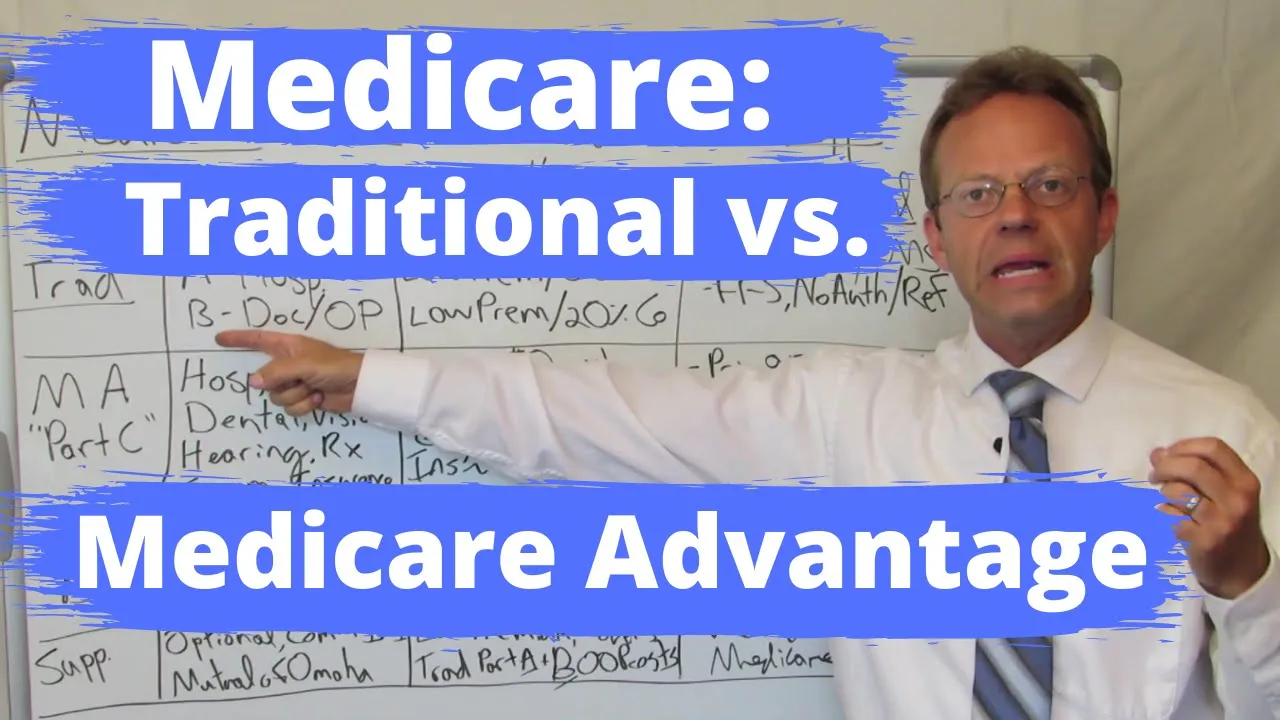
Traditional Medicare vs Medicare Advantage vs Medicare Part D vs Medicare Supplement Explained
AHealthcareZ - Healthcare Finance Explained
@ahealthcarez
Jul 18, 2021
This video provides a high-level overview and comparison of the four main components of Medicare: Traditional Medicare (Parts A and B), Medicare Advantage (Part C), Medicare Part D, and Medicare Supplement (Medigap) plans. Dr. Eric Bricker, the presenter, aims to clarify the often-complicated distinctions between these options, responding to viewer requests for this topic. He uses a structured approach, breaking down each plan by its coverage, costs, and implications for both beneficiaries and healthcare providers, highlighting the significant differences in flexibility, benefits, and financial structures. The discussion begins with Traditional Medicare, explaining Part A for hospital coverage and Part B for physician and outpatient services. Dr. Bricker details the associated costs, such as the low or zero premium for Part A (for those who've worked enough), the proactive sign-up and premium for Part B, and the critical point of a 20% co-insurance for Part B services with no out-of-pocket maximum. He also notes that under Traditional Medicare, prices for providers are set by CMS (Centers for Medicare & Medicaid Services), it operates on a straight fee-for-service model with no prior authorizations or referrals, and offers broad access to doctors and hospitals. The video then shifts to Medicare Advantage, often called Part C, which bundles hospital, doctor, outpatient, and typically prescription drug coverage, along with additional benefits like dental, vision, and hearing. A key insight is that Medicare Advantage plans often have low or even zero premiums for beneficiaries, contributing to their rapid growth, now covering 40% of Medicare enrollees. Dr. Bricker explains the financial mechanics, where the government pays a fixed amount (around $1,000 per beneficiary per month) to commercial insurance companies (e.g., UnitedHealthcare, Humana), which then manage care. These plans achieve lower costs and offer extra benefits by implementing tighter care restrictions, such as HMO models with PCP gatekeepers, narrow provider networks, and extensive prior authorization requirements for tests, procedures, and surgeries. The video also touches on the rise of capitated and value-based payments to physician groups (like ChenMed, Oak Street) within the Medicare Advantage framework, where providers take on financial risk for keeping patients healthy. Finally, Dr. Bricker covers Medicare Part D, which provides prescription drug coverage for those on Traditional Medicare, noting its low or zero premium, tiered formularies, co-pays, co-insurance, and the concept of a "donut hole." He emphasizes that Part D plans, administered by private insurers, also involve prior authorizations and formulary controls for medications. The video concludes with Medicare Supplement (Medigap) plans, optional commercial insurance policies that beneficiaries can purchase to cover the out-of-pocket costs not covered by Traditional Medicare, particularly the 20% Part B co-insurance, without altering the provider's interaction with Medicare. Key Takeaways: * **Traditional Medicare Structure:** Consists of Part A (hospital coverage, often zero premium for eligible individuals) and Part B (physician and outpatient services, requires a premium). Part B has a 20% co-insurance with no out-of-pocket maximum, posing significant financial risk. * **Provider Reimbursement in Traditional Medicare:** Prices are set by CMS on a fee-for-service basis, with no prior authorizations or referrals required, offering beneficiaries broad access to providers. * **Medicare Advantage (Part C) as an All-in-One Solution:** These plans bundle hospital, physician, outpatient, and prescription drug coverage, often including additional benefits like dental, vision, and hearing, which are not covered by Traditional Medicare. * **Growth and Financial Incentives of Medicare Advantage:** Medicare Advantage is rapidly growing, now covering 40% of beneficiaries, partly due to low or zero premiums and added benefits. Insurance companies receive a fixed payment from the government per beneficiary (e.g., $1,000/month) and can achieve significant profit margins (e.g., $1,600/year per beneficiary). * **Care Restrictions in Medicare Advantage:** To manage costs and offer additional benefits, most Medicare Advantage plans utilize HMO models with primary care physician (PCP) gatekeepers, narrow provider networks, and frequent prior authorization requirements for tests, procedures, and specialist visits. * **Value-Based and Capitated Payments:** Medicare Advantage plans are a hotbed for innovation in payment models, frequently employing capitated and value-based payments to physician groups (e.g., ChenMed, Oak Street), where providers take on financial risk for patient health outcomes. * **Medicare Part D for Prescription Coverage:** This separate plan provides prescription drug coverage for those on Traditional Medicare. It features tiered formularies, co-pays, co-insurance, and a "donut hole" phase where beneficiaries pay a higher percentage of drug costs. * **Prior Authorizations for Medications:** Regardless of whether coverage is through Medicare Advantage or Part D, prescription drugs are subject to formularies and prior authorization controls by private health insurance companies. * **Medicare Supplement (Medigap) Plans:** These optional commercial insurance policies cover the out-of-pocket costs associated with Traditional Medicare, such as the 20% Part B co-insurance, providing financial protection without altering access to providers. * **Beneficiary Choice vs. Restriction:** Traditional Medicare offers broad choice and no referrals/prior authorizations but higher potential out-of-pocket costs. Medicare Advantage offers lower premiums and more benefits but comes with significant restrictions on provider choice and care access. * **Market Dynamics:** The shift from Traditional Medicare to Medicare Advantage is a significant trend, driven by both beneficiary demand for lower premiums and added benefits, and insurer profitability. * **Impact on Pharmaceutical and Medical Device Companies:** Understanding these different Medicare structures, especially the growth of Medicare Advantage, its prior authorization requirements, formularies, and value-based payment models, is crucial for market access, commercial strategy, and sales operations within the pharmaceutical and medical device sectors. **Key Concepts:** * **Traditional Medicare (Part A & B):** Government-run health insurance for people 65 or older, and some younger people with disabilities. Part A covers hospital stays, Part B covers doctor visits and outpatient care. * **Medicare Advantage (Part C):** Private insurance plans that contract with Medicare to provide all Part A and Part B benefits, often including Part D and additional benefits. * **Medicare Part D:** Prescription drug coverage, typically offered by private insurance companies. * **Medicare Supplement (Medigap):** Private insurance policies that cover costs not covered by Original Medicare, such as co-payments, co-insurance, and deductibles. * **Fee-for-Service:** A payment model where services are unbundled and paid for separately. * **HMO (Health Maintenance Organization):** A type of health insurance plan that usually limits coverage to care from doctors who work for or contract with the HMO. It generally won't cover out-of-network care except in an emergency. Often requires a PCP gatekeeper. * **PPO (Preferred Provider Organization):** A type of health insurance plan that has a network of providers but allows members to see out-of-network providers for a higher cost. * **Capitated Payments:** A payment arrangement where a fixed amount is paid per patient per unit of time, regardless of the services rendered. * **Value-Based Payments:** Payment models that incentivize healthcare providers to improve the quality and efficiency of care. * **Formulary:** A list of prescription drugs covered by a health insurance plan. * **Donut Hole (Coverage Gap):** A temporary limit on what the drug plan will cover for drugs. * **Prior Authorization:** A requirement that a healthcare provider obtain approval from a health plan before providing a service or prescribing a medication. * **Co-insurance:** The percentage of costs of a covered health care service you pay after you've paid your deductible. * **Deductible:** The amount you must pay out-of-pocket for covered healthcare services before your insurance plan starts to pay. * **Out-of-Pocket Maximum:** The most you have to pay for covered services in a plan year. **Examples/Case Studies:** * **Medicare Advantage Insurers:** UnitedHealthcare, Humana, Blue Cross plans (e.g., Anthem), Aetna, Cigna. * **Capitated Physician Groups:** ChenMed, Oak Street, Devoted. **Tools/Resources Mentioned:** * medicare.gov/your-medicare-costs/medicare-costs-at-a-glance * healthaffairs.org/doi/10.1377/hblog20210304.136304

IQVIA Technologies eTMF demo
IQVIA
/@IQVIA
Jul 14, 2021
This video provides an in-depth demonstration of the IQVIA Technologies eTMF (electronic Trial Master File) system, presented by Charles Patrell, a Solutions Engineer at IQVIA. The primary purpose of the demo is to showcase how the eTMF facilitates inspection readiness, drives quality and completeness, and ensures timeliness in managing Trial Master Files for clinical studies. The system is presented as a rule-based platform, granting specific rights and permissions to users, and its structure is based on the industry-standard TMF Reference Model, which is fully configurable to meet individual customer needs. The demonstration begins with an overview of the user's personalized homepage, which serves as a central hub for managing eTMF activities. This dashboard displays announcements, personal notes for follow-up, and an inbox for assigned tasks such as document rework or approval requests. A "work area" highlights documents in draft or unfinished states, emphasizing the system's "eTMF as a factory" concept, where continuous movement of documents is crucial to prevent backlogs. The homepage also features a study grid dashboard, allowing users to monitor the TMF health of their favorite studies and those recently accessed, with information integrated from CTMS (Clinical Trial Management System) and supported by study setup wizards. A significant portion of the demo focuses on the system's ability to track and analyze TMF health through key performance indicators (KPIs): completeness, quality, and timeliness. Completeness measures the percentage of finalized documents against those due by a specific date, quality assesses rework rates during the QC process, and timeliness tracks prompt document finalization. Users can drill down into a completeness dashboard for a specific study, comparing its performance against others in their portfolio and analyzing missing document statuses by country, site, organization, or risk level. The video also illustrates a streamlined document submission process, utilizing planned placeholders that automatically apply metadata, reducing manual data entry. Documents can be reviewed, assigned dates, and finalized, with the option for a risk-based specialist review before finalization. The system offers various views, including a folder tree structure for navigating by Zone, Section, and Artifact, alongside robust search and filtering capabilities, and the ability to export study items to Excel for authorized users. Finally, a study timeline feature allows users to visualize events and associated documents, enhancing oversight of trial progression. Key Takeaways: * **Centralized TMF Management for Inspection Readiness:** The IQVIA eTMF functions as a comprehensive system designed to maintain Trial Master Files in an "inspection ready" state at all times, ensuring compliance with regulatory authorities. * **Rule-Based System with Configurable Structure:** The eTMF employs a rule-based permission system and its structure is built upon the industry-standard TMF Reference Model, offering extensive configurability to adapt to specific customer requirements. * **User-Centric Homepage and Workflow Management:** The system provides a personalized user homepage displaying critical information such as announcements, personal notes, and an inbox for assigned tasks, streamlining individual workflow and task prioritization. * **"eTMF as a Factory" Concept:** The platform promotes a continuous workflow, conceptualizing the eTMF as a "factory" where documents must consistently move forward to prevent backlogs and ensure efficient trial conduct. * **KPI-Driven TMF Health Monitoring:** The eTMF utilizes a "Quality by Design" approach to define and track key performance indicators (KPIs) for TMF health, specifically completeness (finalized documents vs. due), quality (rework rates), and timeliness (prompt finalization). * **Granular Completeness Analysis:** Users can access detailed completeness dashboards to compare study performance, identify missing documents, and analyze status breakdowns by country, site, organization, or risk level, enabling targeted intervention. * **Streamlined Document Submission:** The system facilitates efficient document submission through pre-planned placeholders, which automatically apply relevant metadata (e.g., study, country, site, document type), significantly reducing manual data entry and potential errors. * **Risk-Based Document Review and Finalization:** The eTMF supports a structured document review and finalization process, including the option to implement a risk-based approach requiring specialist review for critical documents before finalization. * **Multiple Viewing and Navigation Options:** Users can view TMF items in various formats, including a detailed item list and a hierarchical folder tree structure (Zone, Section, Artifact), catering to different navigation preferences. * **Advanced Search and Filtering Capabilities:** The system offers robust search functionality, allowing users to search by keyword across metadata, content, or both, complemented by extensive filters (facets) to refine results, similar to e-commerce platforms. * **Study Timeline for Event Tracking:** A dedicated study timeline feature provides a chronological view of events that have occurred during a study, enabling users to quickly identify and review documents associated with specific milestones or changes. * **Integration with CTMS:** The eTMF integrates with Clinical Trial Management Systems (CTMS) to import study information and leverage industry-leading study setup wizards, simplifying the process of determining required documents for regulatory compliance. Tools/Resources Mentioned: * **IQVIA eTMF:** The core electronic Trial Master File system demonstrated. * **CTMS (Clinical Trial Management System):** Mentioned as a source for integrating study information into the eTMF. * **Excel:** Authorized users can export all study items to Excel for further analysis. Key Concepts: * **eTMF (electronic Trial Master File):** A digital system for managing all essential documents of a clinical trial, crucial for regulatory compliance and audit readiness. * **TMF Reference Model:** An industry standard for structuring the content of a Trial Master File, ensuring consistency and completeness. * **Inspection Readiness:** The state of having all necessary documentation organized, complete, and readily accessible to satisfy regulatory authority inspections. * **Quality by Design (QbD):** An approach to defining and monitoring KPIs within the eTMF, ensuring that the system is designed to achieve desired quality outcomes from the outset. * **KPIs (Key Performance Indicators):** Specific metrics used to evaluate the health and efficiency of the TMF, including Completeness, Quality (rework rates), and Timeliness. * **Placeholders:** Empty document slots created during the TMF planning process, which, when populated, automatically apply associated metadata, streamlining document submission.
Healthcare Customer Service is Terrible... Why?
AHealthcareZ - Healthcare Finance Explained
@ahealthcarez
Jul 11, 2021
This video provides a critical analysis of the consistently poor customer service within the healthcare sector, specifically focusing on health insurance companies and hospitals. Dr. Bricker begins by citing Forrester Research, which ranks health insurance customer service 15th out of 19 industries, highlighting major players like Blue Cross Blue Shield, Anthem, United Healthcare, Cigna, and Aetna for their particularly poor service. The problem extends to hospital billing, where the complexity is so severe that 40% of surveyed patients admit to skipping preventive care and screenings just to avoid the associated billing headaches, paradoxically leading to sicker patients and potentially more hospital services. Dr. Bricker argues that this pervasive poor customer service is not due to incompetence but rather a "calculated business decision." He posits that health insurance companies and hospitals lack the fundamental business incentive to improve customer service. For health insurers, their stock prices continue to soar despite poor service, indicating that the market does not penalize them. This is largely because health insurance is primarily a B2B service, where the true customer is the employer (HR, CFO), not the individual plan member. Similarly, hospitals, whose services are often episodic, do not rely on repeat patient business in the same way consumer-facing businesses do. Their primary "customer" is often the referring physician, and neglecting patient billing satisfaction does not significantly impact their revenue. The video contrasts this with industries known for excellent customer service, such as Zappos, Nordstrom, and Ritz Carlton. These companies thrive on direct consumer relationships and repeat business, making good customer service a core requirement for their success. Dr. Bricker emphasizes that these successful companies empower their employees to "own the problem" when a customer issue arises, a stark contrast to the common experience with healthcare providers who often deflect responsibility. He concludes that the structural dynamics of the healthcare industry, particularly the B2B nature of health insurance and the episodic nature of hospital care, are unlikely to change, making systemic improvement in customer service highly improbable. Finally, the discussion shifts to existing and emerging solutions that circumvent or directly address these systemic failures. Dr. Bricker mentions healthcare navigation and advocacy firms like Compass, which arose precisely because of the poor customer service from traditional players. He also highlights innovative models like Devoted Health (a Medicare Advantage plan) and Oscar (an Obamacare plan), which were founded on the principle of providing excellent customer service, often targeting direct-to-consumer markets. He expresses excitement for direct primary care, onsite/near-site clinics, and virtual care models, which allow individuals to receive care without having to navigate the complex and frustrating traditional health insurance and hospital systems, thereby completely avoiding the poor customer service dynamic. Key Takeaways: * **Pervasive Poor Customer Service in Healthcare:** Health insurance customer service is ranked 15th out of 19 industries by Forrester Research, with major carriers like Anthem, United Healthcare, Cigna, and Aetna specifically identified for poor service. Hospital billing customer service is equally problematic, leading to significant patient frustration. * **Patient Avoidance of Care Due to Billing Complexity:** A staggering 40% of surveyed patients skip preventive care and screenings to avoid the complexity and headache of hospital billing. This has severe implications for public health, potentially leading to sicker populations and increased need for more intensive, costly treatments later. * **Poor Customer Service as a "Calculated Business Decision":** The speaker argues that the lack of improvement in healthcare customer service is not due to incompetence but rather a strategic choice. Health insurance companies and hospitals do not face significant financial penalties (e.g., declining stock prices) for poor customer service, thus removing the incentive to invest in improvements. * **Structural Incentives Drive Behavior:** For health insurance, the primary customer is typically the employer (B2B model), not the individual plan member. This disconnect means that patient satisfaction is not a direct driver of business success for insurers. For hospitals, services are often episodic, reducing the need for repeat business driven by positive customer experiences. * **"Owning the Problem" is Key to Good Customer Service:** Exemplary customer service companies like Zappos, Nordstrom, and Ritz Carlton empower their employees to take ownership of customer problems and resolve them. This contrasts sharply with healthcare customer service, where responsibility is frequently averted or deflected. * **Lack of Return on Investment for Customer Service:** Healthcare organizations, particularly large insurers, have likely analyzed the ROI of investing in customer service improvements and concluded it's not financially beneficial, as their stock prices and revenues continue to grow regardless. * **Negative Impact of Neglected Billing on Patient Health:** While not necessarily a conscious decision, the neglect of billing customer service by hospitals can inadvertently generate more business. Patients skipping preventive care due to billing fears become sicker, eventually requiring more extensive and profitable hospital services. * **Existing Solutions Address the Gap:** The systemic failure of traditional healthcare customer service has led to the rise of healthcare navigation and advocacy firms (e.g., Compass) and innovative direct-to-consumer health plans (e.g., Devoted Health, Oscar) that prioritize customer experience. * **Emerging Models Bypass the Traditional System:** Dr. Bricker highlights the potential of direct primary care, onsite/near-site clinics, and virtual care as effective ways for patients to receive necessary care without having to engage with the notoriously poor customer service of traditional health insurance companies and hospitals. * **Unlikely Systemic Change:** The fundamental structural dynamics of the healthcare industry, particularly the B2B nature of health insurance and the episodic nature of hospital care, make it highly probable that traditional health insurance and hospital customer service will not significantly improve. Key Concepts: * **B2B vs. B2C Service Models:** This distinction is central to the video's argument, explaining why health insurance (B2B) has different customer service incentives than direct-to-consumer businesses (B2C). * **Episodic vs. Repeat Business:** Hospitals often provide episodic care, meaning patients may not return for extended periods, reducing the incentive for customer service driven by repeat business. * **Healthcare Navigation/Advocacy Firms:** Companies that help individuals navigate the complex healthcare system, often arising as a direct response to the poor customer service and complexity of traditional providers. * **Direct Primary Care (DPC):** A healthcare model where patients pay a monthly fee directly to their primary care provider, bypassing insurance for many services. * **Onsite/Near-site Clinics:** Employer-sponsored clinics that provide convenient healthcare services to employees, aiming to improve health outcomes and reduce costs. * **Virtual Care:** Healthcare services delivered remotely via telecommunications, offering convenience and potentially avoiding administrative complexities. Examples/Case Studies: * **Forrester Research:** Cited for its ranking of health insurance customer service and for identifying specific poor performers like Anthem, United Healthcare, Cigna, and Aetna. * **Zappos, Nordstrom, Ritz Carlton:** Used as examples of companies in consumer-facing industries that excel at customer service due to their business models. * **Compass:** Mentioned as a healthcare navigation/advocacy firm that exists because of the poor customer service from traditional providers. * **Devoted Health:** A Medicare Advantage plan founded on the principle of providing fantastic customer service. * **Oscar:** An Obamacare plan started by its CEO after a personal negative experience with UnitedHealthcare, specifically to offer superior customer service.

Mental Health Treatment Lowers Healthcare Costs
AHealthcareZ - Healthcare Finance Explained
@ahealthcarez
Jul 7, 2021
This video provides an in-depth exploration of the profound impact of mental health on overall physical health outcomes and healthcare costs, advocating for integrated mental health treatment within primary care. Dr. Eric Bricker begins by addressing the pervasive stigma surrounding mental health, particularly depression and anxiety, which he terms "the elephant in the room." He highlights the high prevalence of these conditions, noting that approximately 7% of the adult U.S. population experiences depression, with this figure rising to 11% among 18-25 year olds. Anxiety is even more common, affecting 19% of U.S. adults, with a significant 56% of those experiencing moderate to severe impairment in their personal and professional lives. The presentation then delves into how mental health conditions, beyond just mood disorders, can severely impair cognitive functions such as thinking, memory, and articulation. Dr. Bricker emphasizes that addressing these underlying mental health issues is crucial for improving a patient's ability to engage with and benefit from medical treatment. A compelling example is drawn from diabetes care, where 12% of individuals with diabetes also suffer from depression. Research indicates that depressed diabetic patients exhibit poorer adherence to appointments, dietary recommendations, and medication regimens (pills or insulin), leading to increased complications like worsening retinopathy, neuropathy, and nephropathy. This underscores the critical need to treat co-occurring mental health conditions to effectively manage chronic physical illnesses. To illustrate a successful intervention, the video highlights a decade-long study conducted by the Intermountain Health System in Utah, which involved over 100,000 participants and was published in the Journal of the American Medical Association. This innovative approach involved integrating mental health professionals (nurses, counselors, psychologists) directly into primary care clinics, fostering collaborative team-based care with primary care physicians. The results were overwhelmingly positive: improved compliance with best practices in diabetes care, a significant decrease in hospitalizations, and reduced emergency room utilization for patients receiving integrated care. Beyond clinical improvements, the initiative demonstrated substantial financial benefits, saving approximately $260 per member per year overall, with even greater savings for specific patient groups—$340 per year for those with diabetes and $285 per year for those with depression. Remarkably, the cost to Intermountain Healthcare for this mental health component was only $22 per member per year, yielding an impressive return on investment exceeding 10:1. This case study serves as a powerful testament to the clinical and economic advantages of prioritizing and integrating mental health services within the broader healthcare system. Key Takeaways: * **High Prevalence of Mental Health Issues:** Depression affects 7% of U.S. adults (11% in 18-25 year olds), and anxiety affects 19% of U.S. adults, with 56% of those experiencing significant impairment. Employers with younger workforces should anticipate higher rates of depression. * **Mental Health Impairs Cognitive Function:** Beyond emotional distress, conditions like depression and anxiety can significantly hinder a person's ability to think, remember, and articulate, impacting both personal and professional effectiveness. * **Strong Comorbidity with Chronic Diseases:** There is a significant link between mental health and chronic physical conditions, exemplified by 12% of diabetes patients also suffering from depression. * **Impact on Treatment Adherence and Outcomes:** Mental health issues directly impede adherence to medical appointments, dietary recommendations, and medication regimens, leading to worse physical health outcomes and increased complications for chronic conditions like diabetes. * **Integrated Care Model Success:** The Intermountain Health System demonstrated that embedding mental health professionals (nurses, counselors, psychologists) within primary care clinics leads to improved patient outcomes. * **Improved Clinical Metrics:** The integrated care model resulted in increased compliance with best practices in diabetes care, decreased hospitalizations, and reduced emergency room visits. * **Significant Healthcare Cost Savings:** Treating mental health proactively can substantially lower overall healthcare costs, with Intermountain Health saving $260 per member per year across their system. * **Targeted Savings for Specific Conditions:** The cost savings were even more pronounced for patients with specific comorbidities, saving $340 per member per year for those with diabetes and $285 per member per year for those with depression. * **Exceptional Return on Investment (ROI):** The Intermountain Health initiative demonstrated an ROI of over 10:1, with a cost of $22 per member per year for the mental health component yielding savings far exceeding the investment. * **Mental Health as a Business Imperative:** Addressing mental health is not just a clinical imperative but also a financial one, offering a tangible return on investment for healthcare systems and employers looking to reduce overall healthcare spend. * **Collaborative Care is Key:** Effective treatment of complex patient needs, especially those with co-occurring mental and physical health issues, requires a collaborative, team-based approach between primary care physicians and mental health professionals. * **Data-Driven Validation:** The Intermountain Health study, involving over 100,000 participants over 10 years and published in JAMA, provides robust evidence for the efficacy and cost-effectiveness of integrated mental health care. Tools/Resources Mentioned: * **Journal of the American Medical Association (JAMA):** The publication source for the Intermountain Health System study. * **National Institute of Mental Health (NIMH):** Cited as a source for statistics on depression and anxiety prevalence. * **National Center for Biotechnology Information (NCBI):** Cited as a source for research on diabetes and depression. * **Intermountain Health System:** A real-world healthcare system that implemented and studied the integrated mental health care model. Key Concepts: * **Integrated Care:** A healthcare approach that combines physical and mental health services to treat the whole person, often by embedding mental health professionals within primary care settings. * **Comorbidity:** The simultaneous presence of two or more diseases or medical conditions in a patient, such as diabetes and depression. * **Treatment Adherence:** The degree to which a patient follows medical advice, including taking medication, following dietary restrictions, and attending appointments. * **Return on Investment (ROI) in Healthcare:** A measure of the financial benefit gained in relation to the cost of a healthcare intervention or program. Examples/Case Studies: * **Intermountain Health System Study:** A 10-year study involving over 100,000 participants that demonstrated the clinical and financial benefits of integrating mental health professionals into primary care clinics, leading to improved diabetes care, reduced hospitalizations, and decreased ER utilization, with a 10:1 ROI.

MasterControl Whiteboard Quality Management System Overview
マスターコントロール株式会社
/@%E3%83%9E%E3%82%B9%E3%82%BF%E3%83%BC%E3%82%B3%E3%83%B3%E3%83%88%E3%83%AD%E3%83%BC%E3%83%AB%E6%A0%AA%E5%BC%8F%E4%BC%9A%E7%A4%BE
Jul 7, 2021
This video provides an in-depth exploration of MasterControl's Quality Management System (QMS), showcasing how it offers a closed-loop, connected platform to manage the entire product lifecycle in regulated industries. The presentation begins by highlighting the inefficiencies and errors inherent in traditional multi-system approaches to bringing a product to market. It then positions MasterControl as a unified solution that connects every phase, from initial project planning to regulatory approval, manufacturing, supplier management, and change control, thereby eliminating the need for disparate systems and paper-based processes. The demonstration walks through the core functionalities of the MasterControl QMS, starting with its project management capabilities. Users can set up projects with specific tasks, monitor progress, track dependencies, and view task durations and assignments. A key feature is the collaboration workspace, which enables team members to share, edit, and approve documents seamlessly, ensuring that the project plan is automatically updated upon document completion and submission. This integrated approach aims to foster better teamwork and maintain real-time visibility across all project activities. A significant portion of the video focuses on the system's robust regulatory management features, particularly for the pharmaceutical industry. It illustrates how MasterControl can structure and manage common technical documents (CTD), enabling easy monitoring of documentation approval and population into appropriate folders. When it's time for submission, the system can export all necessary documents in a format suitable for publishing tools, ready for submission to regulatory bodies like the FDA. Furthermore, the QMS facilitates comprehensive supplier documentation management, allowing internal managers to view all supplier-related information, corrective actions, and quality events, with the option to grant controlled access to suppliers themselves via a secure link. Beyond documentation, the video details MasterControl's capabilities in operational quality and compliance. It demonstrates how the system manages employee training and certification, showing how manufacturing operators can access pending training tasks, study necessary procedures and materials, complete exams (multiple choice, true/false, etc.), and provide electronic signatures to create a compliant training record. The QMS also handles quality events, such as non-conforming material reports (NCMRs), allowing users to document occurrences, route them for review, and initiate appropriate actions. An integrated analytics dashboard provides quality managers with at-a-glance insights into collected events, enabling tracking, trending, and drill-down analysis into specific failure codes. The demonstration concludes by showcasing supplier audit management and the critical process of change control, which can be initiated from a CAPA (Corrective and Preventive Action) to propose, assess, implement, and verify changes, thus rounding out the comprehensive quality story. Key Takeaways: * **Unified Quality Management System:** MasterControl offers a single, connected QMS that integrates all phases of the product lifecycle, from project planning to manufacturing and regulatory approval, eliminating the inefficiencies and errors associated with multiple disparate systems. * **Streamlined Project Management:** The system includes a projects module for setting up tasks, monitoring progress, tracking dependencies, and managing task durations and assignments, providing clear visibility into project status. * **Enhanced Collaboration:** A dedicated collaboration workspace allows team members to securely share, edit, and approve documents, ensuring that project plans are automatically updated upon document completion and approval. * **Robust Regulatory Document Management:** Specifically tailored for industries like pharmaceuticals, the QMS manages common technical documents (CTD) structures, facilitates monitoring of documentation approval, and prepares documents for submission to regulatory bodies like the FDA. * **Comprehensive Supplier Management:** The system centralizes supplier documentation, quality events, and corrective actions, allowing internal managers to oversee supplier performance and providing controlled access to suppliers for relevant information. * **Compliant Training Management:** MasterControl enables the management of employee training and certification, including access to procedures, study materials, exams, and the use of electronic signatures to create auditable training records for GxP compliance. * **Efficient Quality Event Handling:** The QMS provides tools for documenting and managing various quality events, such as non-conforming material reports (NCMRs), routing them for appropriate review and action, and ensuring a closed-loop process. * **Data-Driven Quality Analytics:** An integrated analytics dashboard offers quality managers real-time insights through charts and reports, allowing them to track and trend quality events, identify patterns, and drill down into specific failure codes for root cause analysis. * **Structured Supplier Audits:** The system supports the entire supplier audit process, from task assignment for auditors to documenting observations, collecting supporting information, and generating formatted audit reports. * **Controlled Change Management:** MasterControl facilitates a structured change control process, often initiated from a CAPA, allowing users to propose, assess, route for group review, implement, and verify changes, ensuring all modifications are documented and compliant. * **Accelerated Compliance and Time-to-Market:** By connecting all quality processes and ensuring electronic record-keeping and regulatory adherence, the QMS helps companies improve overall quality and accelerate the time it takes to bring products to market. * **Electronic Signatures for Compliance:** The system leverages electronic signatures for critical actions like training completion and document approvals, ensuring compliance with regulations like 21 CFR Part 11. Tools/Resources Mentioned: * **MasterControl:** The Quality Management System (QMS) itself, which is the subject of the overview. Key Concepts: * **Quality Management System (QMS):** A formalized system that documents processes, procedures, and responsibilities for achieving quality policies and objectives. * **Common Technical Document (CTD):** A set of specifications for a dossier for the registration of medicines, designed to be used across Europe, Japan, and the United States. * **Non-Conforming Material Report (NCMR):** A document used to record and track materials or products that do not meet specified quality standards. * **Corrective and Preventive Action (CAPA):** A system for investigating and correcting identified nonconformities (corrective action) and preventing potential nonconformities (preventive action). * **Supplier Corrective Action Report (SCAR):** A formal request to a supplier to investigate and correct a nonconformity related to their products or services. * **Change Control:** A formal process used to manage changes to a product, system, or process, ensuring they are documented, assessed, approved, and verified. * **Electronic Signature:** A method of signing a document or record electronically, often used in regulated industries to ensure authenticity and compliance with regulations like 21 CFR Part 11. * **FDA Submission:** The process of submitting documentation to the U.S. Food and Drug Administration for approval of new drugs, medical devices, or other regulated products.

What is TMF Reference model||DIA||Trial master file||Clinical Research
Vikas Singh
/@VikasSinghPharmalive
Jul 4, 2021
This video explores the Trial Master File (TMF) Reference Model, detailing its historical context, purpose, and structure. The speaker explains the evolution from paper-based clinical trial documentation, which was time-consuming for audits, to electronic Trial Master Files (eTMFs). The video highlights the challenge of inconsistencies arising from different companies and countries using varied eTMF systems, which the TMF Reference Model was created to address. As a supported initiative of the DIA, the model provides a unified interpretation of regulations and best practices for TMFs, serving as a reference tool for document location, keywords, and quality checks. It outlines the model's four main areas (Content, Location, Keywords, Quality Check) and various sections (e.g., Trial Management, Regulatory, Site Management), emphasizing its role in ensuring proper filing and management of essential clinical trial documents for regulatory compliance and operational efficiency. Key Takeaways: * **Standardization for Compliance:** The TMF Reference Model is crucial for standardizing clinical trial documentation, providing a unified interpretation of regulations and best practices to ensure consistency and facilitate regulatory audits, which is vital for FDA and EMA compliance. * **Evolution to eTMF:** The industry's transition from inefficient paper-based TMFs to electronic TMFs (eTMFs) was driven by the need for more efficient auditing, with the TMF Reference Model addressing initial inconsistencies in eTMF implementations. * **Structured Document Management:** The model defines specific sections and provides detailed information (e.g., Artifact ID, purpose, retention, language) for categorizing and managing essential documents, enabling precise location and quality control within clinical operations. * **Operational Efficiency:** By standardizing document filing and naming conventions, the TMF Reference Model significantly enhances the efficiency of clinical operations, data management, and compliance tracking

Compliant Social Media Publishing from Veeva PromoMats for US Pharma Companies
Pushpa Ithal
/@pushpaithal8264
Jul 1, 2021
This video provides an in-depth exploration of compliant social media publishing for US pharmaceutical and life sciences companies, specifically focusing on integration with Veeva Vault PromoMats. The speaker, Pushpa Ithal, CEO of MarketBeam, highlights the significant challenges faced by regulated industries in leveraging social media due to stringent compliance requirements and cumbersome Medical, Legal, and Regulatory (MLR) or Promotional Review Committee (PRC) approval processes. The presentation establishes that while social media's footprint is growing, the need for agility often clashes with the lengthy review cycles and the high risk associated with non-compliant content, making it difficult for companies to fully utilize these platforms. The core of the discussion revolves around three major challenges: compliance risks for both brands and employees, suboptimal and often manual review processes, and the resource-intensive nature of coordinating multiple teams (agencies, internal marketing, MLR/PRC). The speaker emphasizes that FDA guidelines, while existing, are broad, leaving companies to interpret and implement them in daily operations. This often leads to manual workflows, lack of traceability, and increased costs. A significant pain point identified is the difficulty in creating accurate mock-ups of social media posts for review, as platforms like Twitter, LinkedIn, and Instagram render content differently, making it hard for reviewers to approve content without a clear visual representation. MarketBeam presents its solution as a direct integration with Veeva Vault PromoMats, designed to automate and streamline the entire social media content lifecycle. The platform aims to eliminate human errors by ensuring that only approved content is published and by providing a complete audit trail. The demo illustrates how MarketBeam automatically generates platform-specific PDF previews of social media posts (including text, images, videos, hashtags, and URLs) and uploads them directly to Veeva Vault PromoMats, along with automatically attaching relevant claims and references. This automation significantly reduces the manual effort involved in content coordination, mock-up creation, and reference management, ultimately saving time and resources while enhancing compliance and traceability. Key Takeaways: * **Growing Social Media Footprint in Regulated Industries:** Social media's increasing adoption and influence present both opportunities and significant compliance challenges for pharmaceutical, biotech, and medical device companies. The expectation for agility on social media often conflicts with the need for rigorous regulatory review. * **Mandatory MLR/PRC Approval for All Content:** In regulated industries, all social media content, regardless of whether it's promotional, non-promotional, branded, or unbranded, must undergo a formal MLR/PRC review and approval process, which can significantly lengthen time-to-market. * **Three Major Challenges in Compliant Social Media:** Companies repeatedly face compliance risks (for both the brand and individual employees), suboptimal and often manual review processes, and high resource intensity due to multiple stakeholder involvement (agencies, marketing, MLR/PRC teams). * **Complexity of Social Media Content Review:** Unlike traditional content, social media posts comprise multiple elements (text, image, video, URL, tags, hashtags) that render differently across platforms, making it challenging for reviewers to visualize and approve the final published output without accurate mock-ups. * **MarketBeam's Veeva PromoMats Integration:** MarketBeam offers a direct, technical partnership integration with Veeva Vault PromoMats to streamline and automate the compliant social media publishing process, positioning itself as a unique solution in this space. * **Automated Mock-up and Reference Management:** The platform automatically generates platform-specific PDF previews of social media posts (e.g., Twitter, LinkedIn) with functional links and uploads them directly to Veeva Vault PromoMats. It also automatically attaches relevant claims and references from Veeva, reducing manual coordination effort. * **Elimination of Human Error in Publishing:** By ensuring that the content approved in Veeva is precisely what gets published through MarketBeam, the solution removes the risk of human error, such as posting outdated versions or making unapproved changes. * **Comprehensive Audit Trail and Traceability:** MarketBeam documents the entire content lifecycle, providing a complete trace of who created, approved, and published content, along with timestamps. This detailed record is crucial for FDA audit purposes, which often require extensive documentation of social media activities. * **Cost Savings Through Automation and Reuse:** Automating the review and publishing workflow, reducing manual tasks, and enabling the reuse of previously approved content (images, videos) significantly cuts down on operational costs and resource allocation. * **Compliant Employee Amplification:** For companies with employee advocacy programs, MarketBeam ensures that employees can only share pre-approved content without the ability to modify it, thereby reducing individual compliance risks. * **Importance of "Date of First Use":** The "Date of First Use" for a social media post is a critical piece of information that should be included and tracked during the approval process, as it is essential for regulatory records and audits. * **Future Platform Integrations:** MarketBeam plans to incorporate posting to YouTube and is considering integrations with messaging platforms popular in Asia, such as WhatsApp and WeChat, to expand its reach. * **Executive Thought Leader Content Review:** The platform also supports the review process for content posted by executive teams or thought leaders, ensuring even high-visibility posts undergo MLR/PRC approval before publication. Tools/Resources Mentioned: * MarketBeam (AI-driven social media publishing, amplifying, and monitoring platform) * Veeva Vault PromoMats (content management platform for regulated industries) * LinkedIn (social network) * Twitter (social network) * Facebook (social network) * YouTube (video sharing platform, future integration) * Vimeo (video sharing platform, recognized by MarketBeam) * WhatsApp (messaging app, future consideration) * WeChat (messaging app, future consideration) Key Concepts: * **MLR (Medical, Legal, Regulatory) Review:** The mandatory process in regulated industries for reviewing and approving all content to ensure compliance with relevant laws and guidelines. * **PRC (Promotional Review Committee) Approval:** A specific committee responsible for approving promotional materials, often used interchangeably with MLR review in the context of marketing content. * **FDA Compliance:** Adherence to regulations set forth by the U.S. Food and Drug Administration, particularly critical for pharmaceutical and medical device companies. * **Date of First Use:** The specific date a piece of content is first published or distributed, a crucial data point for regulatory tracking and audit trails. * **Corporate Publishing:** Managing and distributing content through official company social media channels. * **Employee Amplification:** Empowering employees to share company-approved content on their personal social media profiles to extend reach and engagement. Examples/Case Studies: * A medical device company experienced a "fire" (crisis) because an employee mistakenly posted an outdated, unapproved version of content, highlighting the risks of manual processes. * Large, multi-billion dollar companies are still using spreadsheets to manage social media content and its various components, indicating a widespread lack of integrated, automated solutions.
Marketing in Healthcare: How to Apply the 4 Ps of Marketing to Healthcare
AHealthcareZ - Healthcare Finance Explained
@ahealthcarez
Jul 1, 2021
This video provides an in-depth exploration of marketing within the healthcare sector, specifically focusing on the application of the traditional "4 Ps" of marketing – Product, Price, Placement, and Promotion – within a predominantly business-to-business (B2B) context. Dr. Eric Bricker emphasizes that understanding these Ps is crucial for success, particularly given the unique dynamics of the healthcare industry. He posits that the vast majority of successful marketing in healthcare is B2B, targeting entities like hospitals, pharmaceutical companies, employers, and insurance carriers, rather than individual consumers. The discussion begins with "Product," highlighting the critical need for any offering to possess a "10x better value proposition" than existing solutions. This means the product or service must be an order of magnitude superior, delivering significant improvements either to the "top line" (revenue generation) for providers or the "bottom line" (cost reduction, operational efficiency, increased speed, flexibility, or decreased risk) for payers. For instance, robotic surgery is cited as a top-line innovation for hospitals due to its higher billable rates, while Consumer Directed Health Plans (CDHPs) like Luminos and Definity are presented as bottom-line improvements for payers, offering actuarially superior plans compared to traditional PPOs. Following Product, Dr. Bricker delves into "Price" and "Placement." The key insight regarding price is that its primary function is to motivate the sales channel, whether an internal salesforce or external brokers and consultants. The market does not care about a company's expenses; rather, the price must incentivize those who sell the product. For "Placement," the video stresses the importance of selling where customers already go to buy. In the payer market, this means leveraging established channels like insurance brokers, benefit consultants, insurance carriers, or existing HRIS/Ben Admin platforms, rather than attempting to introduce a product through an entirely new or unrelated department, such as IT for a benefits solution. Finally, "Promotion" is discussed as the last of the four Ps, often mistakenly considered the entirety of marketing. Promotion encompasses both outbound efforts (e.g., emails, existing sales relationships) and inbound strategies (e.g., blogs, videos, content marketing). A key framework for promotion is "interrupt, engage, educate, and offer" (call to action). Dr. Bricker explicitly states that the Ps have a hierarchy, with Product being paramount. Without a 10x value proposition, even perfect execution of Price, Placement, and Promotion will fail. The video concludes by stressing the absolute necessity of market segmentation, arguing that the healthcare market is highly heterogeneous. Each segment requires a customized approach to all four Ps, as what works for national accounts may not work for the mid-market, particularly concerning placement and promotion strategies. Key Takeaways: * **Healthcare Marketing is Predominantly B2B:** The vast majority of successful marketing efforts in healthcare are directed towards businesses (e.g., hospitals, pharma companies, employers, insurers) rather than individual consumers. * **The "10x Value Proposition" for Product:** Any new product or service must offer an order of magnitude (10 times) better value than existing alternatives to successfully penetrate the market. This superiority must be clearly demonstrable. * **Dual Value Proposition Focus:** Products targeting healthcare providers (e.g., hospitals, pharmaceutical companies, medical device manufacturers) should emphasize "top-line" revenue generation, while those targeting payers (e.g., government, employers, insurance carriers) must focus on "bottom-line" improvements such such as decreased costs, increased operational efficiency, speed, flexibility, or reduced risk. * **Price Must Motivate the Channel:** The pricing strategy should not primarily be based on covering internal expenses, but rather on incentivizing the sales channel, whether it's an internal sales team or external brokers and consultants, to actively sell the product or service. * **Strategic Placement is Critical:** Products and services must be sold through established channels where customers already procure similar offerings. Attempting to introduce a product through an unfamiliar or unrelated department will likely lead to failure. * **Promotion is the Final P, Not the Only P:** While essential, promotional activities (outbound and inbound marketing) are secondary to having a superior product, appropriate pricing, and effective placement. A strong product is the foundation. * **Promotion Framework: Interrupt, Engage, Educate, Offer:** Effective promotional content should first interrupt the target audience, then engage them, educate them on the value proposition, and finally present a clear offer or call to action. * **Hierarchy of the 4 Ps:** The "Product" is the most crucial element; without a compelling, 10x better product, even perfectly executed pricing, placement, and promotion will not lead to market success. * **Market Segmentation is Non-Negotiable:** The healthcare market is highly diverse and heterogeneous. Marketers must identify specific market segments and tailor all four Ps—Product, Price, Placement, and Promotion—to the unique needs and buying behaviors of each segment. * **Placement Varies by Segment:** For example, national and jumbo employers might be amenable to direct sales, whereas the mid-market typically requires engagement through brokers, benefit consultants, or integration with insurance carriers/TPAs. * **Avoid Misaligned Placement:** Do not attempt to sell a product with a specific value proposition through a department that is not traditionally responsible for purchasing such solutions (e.g., selling a benefits solution through the IT department). * **Content Marketing for Inbound Leads:** Utilizing valuable content such as blogs and videos is an effective inbound promotional strategy to attract leads and educate potential clients. Key Concepts: * **4 Ps of Marketing:** Product, Price, Placement, Promotion – a foundational framework for marketing strategy. * **10x Value Proposition:** The idea that a new product or service must be an order of magnitude (ten times) better than existing solutions to gain significant market traction. * **Top-Line Value:** Benefits that increase revenue for the customer, typically relevant for providers (e.g., hospitals, pharma). * **Bottom-Line Value:** Benefits that decrease costs or improve efficiency for the customer, typically relevant for payers (e.g., employers, insurers). * **Channel Motivation:** The concept that pricing and other incentives must be structured to encourage the sales channel (internal or external) to actively sell the product. * **Market Segmentation:** Dividing a broad target market into subsets of consumers, businesses, or countries that have common needs and priorities, and then designing and implementing strategies to target them. * **Interrupt, Engage, Educate, Offer:** A framework for structuring promotional content to capture attention, foster interest, provide information, and prompt action. Examples/Case Studies: * **Robotic Surgery:** Presented as an example of a "top-line" product innovation for hospitals, allowing them to charge significantly more and boost revenue. * **Consumer Directed Health Plans (CDHPs):** Luminos and Definity are cited as early examples of CDHPs that offered a "10x better" actuarial proposition (bottom-line value) compared to traditional PPOs, leading to their acquisition by major insurance carriers. * **Selling Tomatoes Analogy:** Used to illustrate "Placement," emphasizing that while some niche sales might occur (e.g., roadside stand), the vast majority of purchases happen through established channels (e.g., grocery stores).

Rimsys Platform Overview
Rimsys Inc.
/@rimsysinc.4269
Jun 30, 2021
This video provides an in-depth overview of the Rimsys Regulatory Information Management (RIM) platform, positioning it as a world-leading solution designed to consolidate and automate the functions of regulatory affairs specifically for medical technology companies. The presentation establishes the context by highlighting the increasing complexity and rapid pace of change in global regulations, which creates a "digital maze" loaded with dead-ends and delays that put businesses at significant risk. The core problem Rimsys addresses is the need for active, worldwide compliance management, moving away from inefficient, error-prone methods like complex, color-coded spreadsheets and reliance on expensive external consultants. Rimsys offers a suite of cloud-based software solutions aimed at digitizing and automating regulatory activities. The platform centralizes all critical regulatory information, allowing users to manage global product registrations, track changing standards, monitor essential principles, and handle regulatory documents from a single, collaborative hub. A key benefit emphasized is the ability to gain a worldwide view of all products, their registration statuses, and selling statuses with just a few clicks, effectively eliminating the administrative nightmare associated with manual tracking methods. Furthermore, Rimsys serves as a collaboration hub, ensuring that regulatory, sales, and customer service teams remain synchronized on compliance data. A significant focus of the Rimsys platform is its specialized integration with core medical device compliance requirements. It is highlighted as the first and only medical device UDI (Unique Device Identification) software built specifically for the MedTech industry that is fully integrated and automated throughout a product’s registration lifecycle. This functionality maintains global UDI requirements and keeps product data synchronized with critical government databases, including GUDID (Global Unique Device Identification Database) and EUDAMED (European Database on Medical Devices). This automation is crucial for maintaining data integrity and reducing the manual burden of regulatory submissions. Beyond UDI, the platform actively manages compliance with evolving international standards, notably the new EU regulations. Rimsys tracks product standards, notifies users when standards change, and crucially, determines how those changes affect specific products. It is the first software introduced to actively manage a product’s Essential Principles, allowing companies to manage these principles from an intuitive and collaborative platform. This proactive management system ensures that when standards shift, regulatory teams immediately know which products and essential principles are impacted, preventing surprises during audits and securing global regulatory order for medical technology companies. Key Takeaways: • **Regulatory Complexity as a Business Risk:** The current regulatory environment is characterized by rapidly changing, complex global standards, creating a "digital maze" that introduces delays and puts MedTech businesses at risk if compliance is not actively and digitally managed. • **Elimination of Spreadsheet Dependency:** Rimsys directly addresses the inefficiency and high risk of error associated with managing critical regulatory data using complex, manually maintained, and often incorrectly color-coded Excel files, centralizing data instead. • **Centralized Global Registration View:** The platform provides regulatory teams with an immediate, worldwide view of all product registrations and selling statuses, enabling rapid assessment of market access and compliance standing across different jurisdictions. • **Specialized MedTech UDI Automation:** Rimsys is the first dedicated software solution for medical device UDI, offering full integration and automation throughout the product registration lifecycle, ensuring global UDI requirements are met and data remains synchronized with government databases. • **Integration with Key Regulatory Databases:** The system maintains synchronization of product data with critical government repositories, specifically mentioning GUDID (US) and EUDAMED (EU), which is essential for global market access and transparency. • **Proactive Standards Monitoring:** The platform actively tracks product standards, notifying users immediately when changes occur and, more importantly, analyzing and communicating exactly how those changing standards impact specific products within the company’s portfolio. • **Essential Principles Management for EU Compliance:** Rimsys offers the first software solution designed to actively manage a product's Essential Principles, providing an intuitive, collaborative platform necessary for complying with new and stringent EU regulatory requirements. • **Audit Preparedness and Risk Mitigation:** By automating the tracking of changing standards and their impact, the platform helps eliminate "surprises" during regulatory audits, significantly mitigating compliance risk. • **Collaboration Hub Functionality:** The system functions as a collaboration hub that keeps regulatory, sales, and customer service teams aligned on the most current compliance data, improving internal communication and external service delivery. • **Digitization of Regulatory Order:** The overarching goal of Rimsys is to digitize, automate, and create regulatory order, freeing regulatory teams from inefficient administrative tasks so they can focus on core business objectives. Tools/Resources Mentioned: * **Rimsys Regulatory Information Management (RIM) Platform:** Cloud-based regulatory affairs software solutions. * **GUDID (Global Unique Device Identification Database):** US government database for UDI synchronization. * **EUDAMED (European Database on Medical Devices):** EU government database for regulatory data synchronization. Key Concepts: * **Regulatory Information Management (RIM):** A systematic approach and set of tools used to manage, track, and report all regulatory activities, submissions, and compliance data throughout a product’s lifecycle. * **UDI (Unique Device Identification):** A system used to mark and identify medical devices within the healthcare supply chain, mandated by regulatory bodies globally. * **Essential Principles:** Foundational safety and performance requirements that medical devices must meet to be placed on the market, particularly emphasized in new EU regulations (e.g., MDR/IVDR).