Videos
Browse videos by topic
All Videos
Showing 913-936 of 1435 videos

Health Insurance Industry Explained--Health Insurance from Job (Employer-Sponsored)
AHealthcareZ - Healthcare Finance Explained
@ahealthcarez
Dec 4, 2021
This video provides an in-depth exploration of employer-sponsored health plans, dissecting the complex financial and administrative structures that underpin healthcare coverage for a significant portion of the American workforce. Dr. Eric Bricker, the speaker, systematically breaks down the four core constituents of these plans—employers, employees, insurance carriers/PBMs, and providers/pharmacies—illustrating their intricate interdependencies and the flow of money and services among them. The presentation progresses from foundational concepts to more nuanced aspects, including different risk-transfer models, network discount methodologies, medical coding standards, administrative service options, and the dynamics of health insurance captives. The speaker's approach is highly educational, using clear analogies and specific examples to demystify complex industry jargon. He begins by outlining the basic transactional relationships, such as premium payments from employers to insurers, out-of-pocket costs from employees to providers, and claim adjudication by insurers. He then delves into the critical distinction between fully-insured and self-insured plans, explaining how risk is borne and the financial implications for employers, particularly those with over 200 employees who often opt for self-insurance. This segment highlights the concept of the medical loss ratio (MLR) and the necessity of stop-loss insurance to protect self-funded employers from catastrophic individual or aggregate claims. Further segments elaborate on the mechanics of network discounts, detailing various repricing methodologies like percent of charge, fixed case rates, per diems, and carve-outs, using examples such as gallbladder surgery and hip replacements to illustrate their application. The video also provides a comprehensive overview of medical coding, explaining the purpose and structure of UB04s, HCFA 1500s, ICD-10, CPT, DRG, and HCPCS/J-codes. The discussion then shifts to administrative services, differentiating between Administrative Services Only (ASO) provided by major carriers (BUCA) and Third-Party Administrators (TPAs), outlining their cost structures and flexibility. The final section introduces health insurance captives, explaining how small employers can pool risk for better rates, while also cautioning about the risks of adverse selection and the "death spiral" in fully-insured captive models. Key Takeaways: * **Four Core Constituents of Employer-Sponsored Health Plans:** The system involves employers (providing coverage, paying premiums), employees (receiving care, paying out-of-pocket and payroll deductions), insurance carriers/PBMs (adjudicating claims, managing networks, receiving premiums), and providers/pharmacies (delivering care, filing claims, receiving payments). * **Fully-Insured vs. Self-Insured Models:** In fully-insured plans, the insurance company bears all the risk, while in self-insured plans, the employer retains the financial risk, directly paying claims from their own funds (often via the insurer as an administrator). Most companies with over 200 employees tend to be self-insured. * **Medical Loss Ratio (MLR):** Insurance companies in fully-insured plans typically aim for an MLR of around 85%, meaning 85% of premiums go to claims and 15% is kept for administrative costs and profit. This ratio influences future premium adjustments for employers. * **Stop-Loss Insurance for Self-Funded Employers:** To mitigate the risk of extremely high claims, self-funded employers purchase stop-loss insurance. Specific stop-loss covers individual catastrophic claims (e.g., above $100,000 per person), while aggregate stop-loss covers the entire group if total claims exceed a predetermined threshold. * **Network Discounts and Repricing Methodologies:** Insurance companies negotiate discounts with providers. Repricing methods include percent of charge (e.g., 40% off billed charges), fixed case rates (e.g., $2,000 for an MRI regardless of billed amount), per diems (e.g., $3,000 per day for inpatient stays), and carve-outs (separate reimbursement for specific high-cost items like implants). * **Medical Coding Standards:** Healthcare bills use specific codes for diagnoses (ICD-10), procedures (CPT, including E&M codes for office visits), inpatient services (DRG), and additional items like medications or implants (HCPCS/J-codes). Understanding these codes is crucial for claims processing and data analysis. * **Administrative Services Only (ASO) vs. Third-Party Administrators (TPA):** ASOs are services provided by major insurance carriers (Blue Cross, United, Cigna, Aetna) for self-funded employers, handling claims adjudication and network access. TPAs are independent or carrier-owned entities offering similar administrative services, often at a lower cost but with potentially less comprehensive support or requiring employers to "rent" networks separately. * **Health Insurance Captives:** These are pooled groups of small employers who band together to gain leverage for better insurance rates, often by self-funding collectively. While offering potential cost savings, fully-insured captives are susceptible to adverse selection, where sicker groups join, driving up costs and leading healthier groups to leave, potentially causing a "death spiral." Self-funded captives are generally more stable. * **Financial Scale of Employer-Sponsored Health Plans:** On average, health insurance premiums cost about $10,000 per employee per year, with roughly two plan members per subscriber. A company with 100 subscribers could pay $1 million annually in premiums. * **Credibility in Premium Setting:** For fully-insured plans, premiums can be community-rated (based on regional risk for small groups), partially credible (partially based on the employer's own claims experience), or fully credible (entirely based on the employer's claims for larger groups, typically over 500 employees). Key Concepts: * **Fully-Insured:** An insurance model where the insurance company assumes all financial risk for claims. * **Self-Insured:** An insurance model where the employer assumes the financial risk for employee health claims, often using an insurer for administrative services only. * **Risk, Adjudication, Network:** The three core components of any insurance policy; risk refers to who pays for claims, adjudication is the processing and payment of claims, and the network is the group of contracted providers. * **Medical Loss Ratio (MLR):** The percentage of premium revenue that an insurer spends on medical care and quality improvement. * **Stop-Loss Insurance:** Reinsurance purchased by self-funded employers to protect against high-cost claims. * **Specific Stop-Loss:** Covers claims exceeding a set amount for an individual. * **Aggregate Stop-Loss:** Covers total claims for the entire group exceeding a set amount. * **Repricing Methodologies:** Various contractual agreements between insurers and providers to determine the allowed amount for services after discounts. * **Percent of Charge:** A fixed percentage discount off the provider's billed charges. * **Fixed Case Rate:** A predetermined payment for a specific service or procedure, regardless of billed charges. * **Per Diem:** A daily rate paid for inpatient hospital stays. * **Carve-Out:** Separate reimbursement for specific high-cost items, often implants or specialized medications. * **Medical Coding:** Standardized alphanumeric codes used to describe diagnoses and procedures for billing and record-keeping. * **ICD-10:** International Classification of Diseases, 10th Revision (diagnosis codes). * **CPT:** Current Procedural Terminology (procedure codes, including E&M for office visits). * **DRG:** Diagnosis Related Groups (used for inpatient services). * **HCPCS (J-codes):** Healthcare Common Procedure Coding System (additional codes, often for medications or specific supplies). * **Administrative Services Only (ASO):** Services provided by major insurance carriers to self-funded employers for claims processing and network access, without assuming risk. * **Third Party Administrator (TPA):** An organization that processes insurance claims or certain aspects of employee benefit plans for a separate entity, often for self-funded employers. * **Health Insurance Captives:** Groups of employers that pool their resources to self-insure, often to achieve better rates and more control over their health plans. * **Adverse Selection:** The tendency for individuals with higher health risks to disproportionately seek out and utilize insurance coverage. * **Death Spiral:** A phenomenon where adverse selection leads to increasing premiums, causing healthier individuals to leave the plan, further increasing premiums and eventually leading to the plan's collapse. Examples/Case Studies: * **Repricing Example (Gallbladder Surgery):** A $10,000 billed charge, with a 40% discount, results in a $6,000 allowed amount paid to the hospital. * **Carve-Out Example (Hip Replacement):** A $100,000 billed charge for a hip replacement with a three-day stay might include a $3,000 per diem for the stay ($9,000 total) and a $30,000 carve-out for the implant, totaling $39,000 in reimbursement. * **Catastrophic Claims:** Examples like a premature baby in the NICU or a skiing accident leading to an ICU stay illustrate individual claims that can exceed $1 million, necessitating specific stop-loss insurance. * **TPA Examples:** UMR (owned by UnitedHealthcare) and Meritain (owned by Aetna) are examples of carrier-owned TPAs that offer more flexible, lower-cost administrative services compared to their parent companies' ASO offerings. Independent TPAs like GPA Group and Pension Administrators or Web TPA also exist, often renting networks from major carriers like Cigna or Aetna. * **Reinsurance Companies:** Sun Life, QBE, and Tokyo Marine are mentioned as examples of companies that provide stop-loss insurance. * **Self-Funded Captive Examples:** Roundstone and Pareto are cited as prominent examples of self-funded captive models.

Industry Insights: Veeva Systems (AY: '21-'22; EP: 1)
Hire Lehigh
/@HireLehigh
Dec 3, 2021
This video provides an in-depth interview with Kristina Gonzalez Medina, a Practice Director within the Analytics Development Program at Veeva Systems, conducted by Lehigh University's Career Professional Development team. The primary purpose of the discussion is to offer "Industry Insights" into Veeva Systems, a Public Benefit Corporation specializing in cloud computing software for the life sciences industry. Kristina elaborates on Veeva's core mission, the skills and competencies they seek in prospective candidates, and the company's robust approach to employee development, diversity, equity, and inclusion (DEI), and feedback mechanisms. The conversation also delves into practical advice for new hires on navigating workplace challenges and connecting with the company. The interview progresses from an introduction to Veeva Systems, highlighting its focus on building an "industry cloud for life sciences" through data, technology, analytics, and professional services. Kristina then outlines the essential skills Veeva looks for, emphasizing teamwork, hard work, fast learning, problem-solving, analytical thinking, and a balance of technical and soft skills. A significant portion of the discussion is dedicated to what makes an employee stand out, stressing the importance of curiosity, continuous learning, and taking ownership of one's development, encapsulated by the phrase "captain your own ship." This is supported by a unique "2% development reimbursement" program, allowing employees to invest in their personal and professional growth through various means like coaching, conferences, or books. Further themes explored include Veeva's commitment to DEI, spearheaded by a Chief Diversity Officer and various internal communities (e.g., women's, black, Asian, LGBTQ+ communities) that focus on education, recruiting, and internal connection. Kristina underscores the value of diverse perspectives for innovation, particularly for a global company like Veeva. The video also details Veeva's employee feedback systems, including a new check-in process for open dialogue between managers and employees, and anonymous channels, even direct email access to the CEO, Peter Gassner. A compelling example is shared where anonymous feedback led to the establishment of "Employee Success" as a core company value and the subsequent launch of employee growth benefits like the development reimbursement program. The interview concludes with advice for new hires on managing conflict through preparation, building internal relationships, and seeking mentorship, alongside practical tips for students to connect with Veeva and approach their job search thoughtfully. Key Takeaways: * **Veeva's Core Mission:** Veeva Systems is dedicated to building the "industry cloud for life sciences," encompassing data, technology, analytics, and professional services tailored for the pharmaceutical and biotech sectors. This positions them as a critical technology partner within IntuitionLabs.ai's target market. * **Desired Candidate Skills:** Veeva prioritizes candidates who exhibit strong teamwork, a diligent work ethic, quick learning abilities, problem-solving aptitude, analytical thinking, and a balanced blend of technical and interpersonal communication skills. * **Importance of Curiosity and Ownership:** To excel at Veeva, employees are encouraged to be continuously curious, seeking to understand the "why" behind their tasks, and to take ownership of their professional development, a concept referred to as "captain your own ship." * **Employee Development Reimbursement:** Veeva offers a unique "2% development reimbursement" program, allowing employees to invest in their growth through various avenues like career coaching, conferences, subscriptions, or books, fostering a culture of continuous learning. * **Robust DEI Initiatives:** The company actively promotes diversity, equity, and inclusion through a Chief Diversity Officer, dedicated internal communities (e.g., women's, black, Asian, LGBTQ+), bias training in hiring, and a commitment to equitable processes. * **Value of Diverse Perspectives:** Kristina emphasizes that collaboration among diverse perspectives is crucial for innovation and driving the company's mission forward, especially for a global organization with teams across many countries. * **Multi-Channel Employee Feedback System:** Veeva employs a comprehensive feedback system, including open dialogue check-ins between managers and employees, anonymous submission channels, and even direct anonymous email access to the CEO, demonstrating a strong commitment to listening to its workforce. * **Impact of Employee Feedback:** Employee feedback has directly influenced significant company policies and values, such as the CEO establishing "Employee Success" as a core value and initiating programs like the 2% development reimbursement in response to direct employee input. * **Navigating Workplace Conflict:** New hires are advised to prepare for difficult conversations, build internal relationships with peers and mentors for support and advice, and acknowledge that speaking up requires practice and comfort, emphasizing that raising issues is vital for collective progress. * **Importance of Support Systems:** Building a network of colleagues, especially through internal communities, can provide a crucial support system, fostering a sense of belonging and enabling employees to address challenges more effectively. * **Strategic Job Search Advice:** Students are encouraged to "interview the company" as much as they are being interviewed, thoughtfully considering what is important to them (e.g., work-life balance, societal impact, specific tasks) to ensure long-term success and happiness in their chosen role. Tools/Resources Mentioned: * **Veeva's Blogs:** A source for company information and insights. * **Veeva's YouTube Channel:** Provides video content about the company. * **Generation Veeva LinkedIn Page:** Specifically for new grads and opportunities within Veeva. * **Sarah Shields (sarah.shields@veeva.com):** Veeva's university recruiter, available for questions and guidance on the application process. Key Concepts: * **Industry Cloud for Life Sciences:** Veeva's core business model, providing specialized cloud computing software solutions tailored specifically for the pharmaceutical, biotech, and life sciences industries. * **Generation Veeva Program:** A broader initiative focused on recruiting and integrating new graduates into various parts of the company. * **Analytics Development Program:** A specific program within Generation Veeva, likely focusing on developing analytical talent for Veeva's data and analytics offerings. * **Captain Your Own Ship:** A cultural value at Veeva, encouraging employees to take proactive ownership of their career development and continuous learning. * **2% Development Reimbursement:** A unique employee benefit where Veeva reimburses up to 2% of an employee's salary for approved professional development activities. * **Employee Success (as a core value):** A fundamental principle at Veeva, established in response to employee feedback, signifying the company's commitment to investing in the growth and well-being of its employees. Examples/Case Studies: * **Personal Use of Development Reimbursement:** Kristina shared her personal experience of using the 2% development reimbursement to hire a leadership coach, highlighting the flexibility and personalized nature of the program. * **CEO's Response to Anonymous Feedback:** Peter Gassner, Veeva's CEO, received an anonymous email from an employee questioning the company's investment in "Employee Success" despite it being a stated value. This feedback directly led to significant investments in employee growth, including the creation of the 2% development program and a stronger emphasis on employee well-being.

Self-Funded w/ Spencer - Episode 28 - Phillip Holowka - Captives Part 1
Self-Funded
@SelfFunded
Dec 3, 2021
This video provides an in-depth exploration of Captive Insurance, focusing specifically on Medical Stop-Loss Captives as a sophisticated risk financing mechanism for employers. The discussion, led by Phillip Holowka, COO of Complete Captive Management Services, begins by establishing the history and core definitions of captives, tracing their origins back to a mining company needing to place its own insurance. The primary motivation for employers to engage in captives is gaining control over their risk management and participating in the potential underwriting profits traditionally captured by commercial carriers. Holowka frames joining a captive as a "participation sport" and a long-term, five-year investment, not a quick transactional fix for high premiums. A significant portion of the analysis centers on the structural differences between Group Captives and Single Parent Captives. While Group Captives involve multiple employers sharing one tax ID, the speaker’s firm transitioned to a Single Parent model, where each employer owns their own captive. This structure is preferred because it allows for favorable financial statement consolidation (as the employer owns >51% of the entity) and better alignment of incentives, particularly for larger employers who might feel their risk mitigation efforts are diluted in a mixed-size group pool. The Single Parent model employs a "FIFO" (First In, First Out) accounting methodology, ensuring that an employer's own stop-loss premium cash is used to pay their claims first, leading to rigorous scrutiny of every claim payment. The conversation delves into the critical regulatory and financial components, including the role of the Captive Manager (handling regulatory affairs and accounting) and the necessity of the **Border Row Report**, which details the flow of premiums and expenses. Crucially, Holowka addresses the IRS scrutiny surrounding the **831b micro captive election**, which allows smaller captives (under $2.3 million in premium) to avoid taxing their underwriting profit. To maintain compliance and avoid abuse flags, captives must strictly adhere to the "three-legged stool test": ensuring policies cover **fortuitous risk** (employee health claims, not business risks), maintaining **arm’s length policy pricing** (set by an outside actuary), and demonstrating actual **claims payment** (risk distribution). This focus on transparency and strict adherence to legitimate insurance principles is essential for the long-term viability of the captive structure. Key Takeaways: • Captive insurance is defined as a private insurance company that can only sell policies to its owners or members, offering employers a mechanism to retain risk and capture underwriting profits typically held by commercial carriers. • The ideal captive participant is a "Type A control freak" employer who is frustrated by the lack of transparency and inability to measure return on investment (ROI) in traditional fully insured or commercially stop-lossed plans. • Single Parent Captives offer a significant advantage over Group Captives by allowing for financial statement consolidation, treating the premium paid as an expense offset by an equal asset, which streamlines financial reporting. • The Captive Manager's role is primarily administrative and accounting-focused, acting as the regulatory liaison between the captive and its domicile (the state or jurisdiction where the captive is licensed). • The **Fronting Fee** (often 5% to 15% of gross premium) is charged by commercial carriers in group captive models to cover their administrative services and replace the underwriting profit they forgo when reinsuring risk back to the captive. • Collateral, or additional paid-in capital, is a required entrance fee set by the regulators and actuaries to capitalize the captive entity, ensuring members have financial "skin in the game" and are committed to the captive's success. • To qualify for the favorable 831b tax election, a captive must demonstrate that its policies cover **fortuitous risk** (unpredictable events like health claims) and that policy pricing is determined by an outside actuary to avoid the IRS accusation of over-pricing for tax deduction purposes. • The **Border Row Report** is a vital internal document that provides members with radical transparency, detailing the exact accounting of premiums received and expenses paid by the fronting carrier, allowing the captive to monitor operational efficiency. • The single-parent model utilizes a FIFO (First In, First Out) claims payment strategy, where the client’s own captive funds are used first, incentivizing employers to increase scrutiny on claims to ensure they are legitimate and correctly priced. • Collaboration among captive members, facilitated through annual meetings and committees, is essential for sharing best practices in cost containment (e.g., PBM selection) and collectively mitigating severity risk, ensuring all members benefit from improved operational efficiency. • The trend of domiciling captives has shifted away from offshore locations (like the Cayman Islands) back to US states, largely due to changes in US tax law that removed the previous financial incentives for offshore incorporation.
Quality Management Software Solution for Lifesciences Industry | Lifesciences EQMS Software
Qualityze
/@Qualityze
Dec 2, 2021
This video provides an in-depth overview of the Qualityze Enterprise Quality Management System (EQMS) suite, specifically tailored to address the unique compliance and operational challenges facing the pharmaceutical and life sciences industries. The presentation establishes that modern life sciences companies are overwhelmed by pressures such as globalization, increased demands for transparency, new partnerships, and the need to integrate innovative technologies while maintaining stringent regulatory adherence. The core message is that companies must fundamentally re-examine their approach to quality excellence and compliance by adopting a robust, secure, and cloud-driven QMS solution. The primary level of change advocated by Qualityze is the streamlining and standardization of quality processes through their EQMS. This system is designed to eliminate operational risks, ensure compliance with regulatory mandates (implicitly GxP and related standards), and effectively meet evolving customer requirements. Qualityze positions its cloud-driven, compliance-friendly solution as the most reliable choice for quality teams, offering complete control and confidence in managing complex quality processes. By centralizing information, the system aims to improve process and product performance while mitigating systemic issues that often lead to regulatory scrutiny. A key technical differentiator highlighted is that the Qualityze EQMS suite is built upon the Salesforce.com platform. This foundation ensures the security, performance, and reliability necessary for a mission-critical, regulated quality management application. The centralized platform provides quality teams with greater flexibility and security in accessing, sharing, and managing business-critical information—a crucial aspect for maintaining data integrity and audit readiness (21 CFR Part 11). The system’s configurability is emphasized to ensure a smoother transition of operations for highly regulated organizations. Operationally, the implementation of Qualityze is claimed to accelerate process cycle times, maintain compliance with stringent quality standards, and address skill gaps through integrated training management. The ultimate goal is to transform the traditional Quality Management System from a passive record-keeping function into an active "quality decision-making engine." This shift allows life sciences companies to attain financial stability and enhance customer satisfaction by proactively managing quality rather than reactively responding to failures or audits. The comprehensive nature of the suite is demonstrated by its modular coverage of critical GxP areas, including Nonconformance, CAPA, Document Control, Audit Management, and Employee Training. Key Takeaways: * **Regulatory Imperative:** The life sciences industry faces overwhelming compliance and production challenges driven by globalization, increased transparency expectations, and the necessity of integrating new technologies, demanding a fundamental re-examination of quality management. * **QMS as Risk Mitigation:** A robust and secure Quality Management System (QMS) is presented as the essential tool for eliminating operational risks, achieving regulatory compliance, and meeting evolving customer and stakeholder requirements. * **Salesforce Ecosystem Alignment:** Qualityze EQMS is built on the Salesforce.com cloud platform, demonstrating the growing trend of deploying critical GxP-related enterprise software within the secure and reliable Salesforce environment. * **Centralized Data Control:** The system provides centralized control over business-critical quality information, enhancing security and flexibility for quality teams in accessing, sharing, and managing data, which is vital for maintaining audit trails and data integrity (21 CFR Part 11). * **Operational Standardization:** The EQMS suite is designed to streamline and standardize critical quality processes across the organization, helping to mitigate systemic issues and improve overall product and process performance. * **Integrated Training Management:** The solution includes integrated training management capabilities specifically to address skill gaps, ensuring that personnel competency is directly linked to adherence to stringent quality standards and compliance requirements. * **Transformation to Decision Engine:** The strategic benefit of adopting the Qualityze solution is transforming the QMS from a simple compliance checklist into an active "quality decision-making engine," enabling proactive quality assurance and continuous improvement. * **Comprehensive GxP Coverage:** The EQMS suite offers extensive modularity covering essential GxP functions, including Nonconformance Management, CAPA Management, Document Control, Change Management, Supplier Quality Management, and Audit Management. * **Focus on Efficiency:** Beyond compliance, the system aims to accelerate process cycle times and improve organizational efficiency, ultimately leading to greater financial stability and enhanced customer satisfaction. * **Cloud Reliability:** Leveraging a cloud-driven architecture ensures the necessary security, performance, and reliability required for managing sensitive and regulated quality data in highly regulated industries. Tools/Resources Mentioned: * Qualityze EQMS Suite * Salesforce.com (underlying cloud platform) Key Concepts: * **Quality Management System (QMS):** A formalized system that documents processes, procedures, and responsibilities for achieving quality policies and objectives. In life sciences, this is critical for GxP compliance. * **Enterprise Quality Management System (EQMS):** A comprehensive, integrated software solution designed to manage all quality-related processes across an entire organization, often encompassing modules like CAPA, document control, and training. * **Compliance:** Adherence to regulatory standards and laws governing the life sciences industry, including mandates from bodies like the FDA and EMA, often requiring specific controls over data and processes (e.g., 21 CFR Part 11). * **Integrated Training Management:** A feature within the QMS that links employee training records and competency assessments directly to required quality procedures and standards, ensuring personnel are qualified for their roles.

RegTalks about Regulatory Information Management Systems (RIMS)
Asphalion
/@Asphalion.
Nov 29, 2021
This RegTalks episode, featuring Lidia Canovas of Asphalion and Udo Griem of Körber Pharma Software, provides an in-depth discussion on Regulatory Information Management Systems (RIMS) within the pharmaceutical and biotech industries. The speakers emphasize the critical role of RIMS in managing medicinal product data, particularly in anticipation of the complex transition to ISO IDMP standards. Griem defines RIMS through three core pillars: a solid, data-oriented database serving as a single source of truth for product master data, a robust workflow engine to manage submissions and approval processes, and capabilities for structured data submissions to authorities. He advocates for a data-oriented approach over traditional document-driven methods to ensure data quality and consistency. Key drivers for RIMS implementation include the impending IDMP mandate, the industry's shift towards structured data, competitive pressures for faster time-to-market, and the need for organizational process optimization. RIMS are shown to be beneficial for companies of all sizes and product portfolios, fostering a culture of quality and improving cross-departmental collaboration. While regulatory affairs is the primary user, RIMS serve as a central hub, supporting cross-functional processes across clinical, ERP, safety/pharmacovigilance, MES, and label artwork management. A significant emerging trend highlighted is the connection of RIMS data to data lakes for future evaluation with artificial intelligence. The discussion also underscores the importance of experienced implementation partners who can bridge the gap between software solutions and organizational needs, ensuring successful deployment and continuous improvement. Körber's AI Manager RIMS aims to minimize compliance risks, enhance efficiency, enable teamwork, and reduce costs, with IDMP compliance being a high priority in its development roadmap. **Key Takeaways:** * **RIMS are Foundational for Regulatory Compliance and Efficiency:** RIMS are critical for managing complex regulatory data, streamlining submissions, and ensuring compliance with evolving standards like IDMP, which is rapidly approaching and will significantly increase data complexity. * **Data-Oriented Approach is Paramount for RIMS:** A consistent, data-oriented design with a well-organized database is considered superior to document-driven approaches, ensuring high data quality, consistency, and adaptability for future regulatory requirements. * **RIMS Drive Cross-Functional Integration and Quality Culture:** Beyond regulatory affairs, RIMS act as a central hub, connecting and supporting various departments (e.g., clinical, ERP, safety, MES, QA) to improve collaboration, reduce error rates, and shorten response times across the pharmaceutical value chain. * **AI Integration is an Emerging Trend for RIMS Data:** There is a growing focus on connecting RIMS data to data lakes, specifically for evaluation with artificial intelligence, indicating a future direction for leveraging regulatory information for advanced insights and automation. * **Implementation Partners are Crucial for Successful RIMS Adoption:** Experienced partners with deep regulatory and product knowledge are vital for guiding companies through organizational and process changes, customizing solutions, and ensuring successful integration and continuous improvement. * **RIMS Benefits Extend to All Company Sizes and Diverse Portfolios:** While historically adopted by large multinationals, RIMS are now essential for small and mid-tier firms, including startups, to effectively build and scale regulatory organizations and manage diverse product portfolios beyond human medicine.

40+ Doctor Specialties Explained: Master Class on How Physician Sub-Specialization Works
AHealthcareZ - Healthcare Finance Explained
@ahealthcarez
Nov 28, 2021
This video provides an in-depth exploration of physician specialties and sub-specialties, detailing their training pathways, scope of practice, and the common conditions they diagnose and treat. Dr. Eric Bricker, an internal medicine physician, systematically breaks down the complex landscape of medical specialization, emphasizing its critical importance for anyone working within the healthcare ecosystem. The presentation begins by outlining the rigorous journey of becoming a doctor, from medical school (MD vs. DO) through residency, state licensure, board certification, and optional fellowship training, which can extend for many years. The core of the video categorizes physician specialties into four main groups: Primary Care Physicians, Internal Medicine Sub-specialties, Surgical Specialties, and a broad "Other" category. For each specialty, Dr. Bricker explains its focus, typical procedures or treatments, and specific medical conditions addressed. For instance, he details how cardiologists manage coronary artery disease, valvular issues, and arrhythmias, while pulmonologists handle lung diseases like asthma and COPD, and also serve as ICU and sleep apnea experts. The discussion highlights the distinction between medical and surgical approaches, such as medical oncologists administering chemotherapy versus surgical oncologists performing tumor removal, and the frequent overlap and "turf wars" between specialties, particularly in areas like spine surgery or cancer treatment. The video further delves into the nuances of sub-specialization, illustrating how many internal medicine physicians pursue fellowships in areas like gastroenterology or endocrinology. It also touches on sub-sub-specialties within fields like OB/GYN (e.g., Maternal Fetal Medicine for high-risk pregnancies, Reproductive Endocrinology for fertility) and Orthopedics (e.g., spine, foot, hand specialists). The speaker's approach is highly educational and practical, providing a foundational understanding of who does what in medicine, which is invaluable for professionals in related industries such as pharmaceuticals, medical devices, and healthcare administration, who need to navigate and engage with diverse medical communities. Key Takeaways: * **Comprehensive Physician Training:** Becoming a physician involves medical school (MD or DO), a residency program (3-9 years, e.g., internal medicine is 3 years, neurosurgery is 9 years), state licensure, and optional board certification (a private designation requiring extensive testing). Many physicians further sub-specialize through fellowships (additional 2-4 years). * **Primary Care Physician (PCP) Categories:** PCPs include pediatricians (kids), general internal medicine physicians (adults), and family practice physicians (all ages). OB/GYNs are typically considered specialists for insurance purposes, despite some women viewing them as their primary care provider. * **Internal Medicine Sub-specialties Focus:** These physicians treat internal organ diseases non-surgically. Examples include Cardiologists (heart conditions like heart attacks, valvular disease, arrhythmias), Pulmonologists (lung diseases, ICU care, sleep apnea), Gastroenterologists (digestive tract, liver, colonoscopies, EGDS), Hematology/Oncology (blood and cancer, chemotherapy administration), and Endocrinologists (hormone and gland disorders like thyroid dysfunction, diabetes, adrenal issues). * **Autoimmune Disease Expertise:** Rheumatologists specialize in autoimmune conditions where the immune system attacks the body, such as rheumatoid arthritis, psoriatic arthritis, lupus, and fibromyalgia. Neurologists also treat autoimmune diseases affecting the nervous system, like multiple sclerosis. * **Infectious Disease Management:** Infectious disease doctors handle severe or chronic infections, including HIV/AIDS, pyelonephritis, cellulitis, fungal infections, and complex infections in immune-compromised patients. * **Allergy Specialization:** Allergists focus on diagnosing specific allergies through testing and providing desensitization therapy (allergy shots) to build tolerance. * **Diverse Surgical Fields:** Surgical specialties range from General Surgery (hernias, gallbladders, appendicitis) to highly specialized areas like Cardiothoracic Surgery (heart/lung, CABG), Vascular Surgery (blood vessels, PVD, aortic aneurysms), Trauma Surgery (gunshot wounds, car accidents), and Surgical Oncology (tumor removal, often overlapping with other surgeons). * **"Other" Key Specialties:** This broad category includes OB/GYN (obstetrics and gynecology, also surgeons for hysterectomies/ovarian cysts), Orthopedic Surgeons (bones/joints, total joint replacements, spine), Neurosurgeons (brain/spine surgery), ENT (ear, nose, throat, sinus surgery, ear tubes), Urologists (kidney, bladder, prostate cancer surgery), Neurologists (medical brain/spinal cord conditions like seizures, MS, dementia), Anesthesiologists (sedation, pain management), Emergency Medicine (ER care), Radiologists (interpreting medical images), Psychiatrists (mental health, medication prescription), Dermatologists (skin conditions, cancer screening), Pathologists (lab-based tissue diagnosis for cancer), and Radiation Oncologists (radiation therapy for cancer). * **Sub-Sub-Specialization:** Many specialties have further sub-specializations, such as within OB/GYN (Gynecologic Oncology, Maternal Fetal Medicine for high-risk pregnancies, Reproductive Endocrinology for fertility) and Orthopedics (spine, foot, hand, knee/hip, arm/shoulder specialists). * **Relevance for Healthcare Industry Professionals:** A deep understanding of physician specialties and their scope of practice is fundamental for pharmaceutical and medical device companies, as it informs commercial strategies, sales force targeting, medical affairs engagement, product development, and the design of AI solutions like medical information chatbots or sales operations assistants. **Key Concepts:** * **Allopathic Medical Schools (MD):** Traditional medical schools. * **Osteopathic Medical Schools (DO):** Focus on a holistic approach, often leading to primary care. * **Residency:** Post-medical school training where physicians choose and train in a specific specialty. * **Fellowship:** Additional training after residency for sub-specialization. * **Board Certification:** A private, voluntary designation indicating expertise in a specialty, requiring rigorous examination. * **Primary Care Physician (PCP):** General medical practitioner for initial and ongoing care. * **Internal Medicine:** Specialty focused on non-surgical treatment of internal organ diseases in adults. * **Inflammatory Bowel Disease (IBD):** Autoimmune diseases of the intestines (Crohn's, ulcerative colitis). * **Irritable Bowel Syndrome (IBS):** A common functional gastrointestinal disorder, distinct from IBD. * **General Anesthesia:** Deep sedation requiring ventilator support during surgery. * **Conscious Sedation (MAC):** Lighter sedation where the patient can still breathe independently. * **Pathologist:** Physician who diagnoses diseases by examining tissues and body fluids in a lab setting. * **Radiation Oncologist:** Physician specializing in using radiation to treat cancer. * **Physiatrist (PM&R):** Physical Medicine and Rehabilitation doctor, specializing in pain management and rehabilitation. **Examples/Case Studies:** * **Cardiology:** Treatment of heart attacks, management of valvular heart disease with medication, implantation of pacemakers for arrhythmias. * **Pulmonology:** Managing asthma and COPD, overseeing patients on ventilators in the ICU, diagnosing and treating sleep apnea with CPAP. * **Gastroenterology:** Treating heartburn (GERD) and stomach ulcers, managing irritable bowel syndrome (IBS) and inflammatory bowel disease (IBD), performing screening colonoscopies and EGDS. * **Hematology/Oncology:** Administering chemotherapy for blood cancers (leukemia) and solid tumors (e.g., breast cancer). * **Endocrinology:** Managing hyper- or hypothyroidism, treating severe type 2 or type 1 diabetes, addressing adrenal gland dysfunctions. * **Rheumatology:** Treating rheumatoid arthritis, psoriatic arthritis, lupus, and fibromyalgia. * **Surgical Oncology:** Surgical removal of tumors for various cancers, often in collaboration with medical and radiation oncologists. * **Orthopedic Surgery:** Performing arthroscopic surgery for knee or shoulder issues, total knee and hip replacements, and spine surgery. * **Urology:** Surgical removal of kidney, bladder, or prostate cancers. * **Maternal Fetal Medicine:** Managing high-risk pregnancies due to conditions like maternal diabetes or preeclampsia, or issues with fetal development.
Healthcare Costs in America: Hospitals, Doctors, Medications and More
AHealthcareZ - Healthcare Finance Explained
@ahealthcarez
Nov 26, 2021
This video provides an in-depth exploration of the underlying causes of persistently high and rapidly rising healthcare costs in America. Dr. Bricker, the presenter, begins by establishing the alarming rate of healthcare cost inflation, which at 7% annually, triples the general inflation rate and leads to a doubling of costs every decade. He highlights the significant financial burden this places on employers and individuals, framing the discussion around the principle that one entity's increased spending translates directly into another's revenue. The presentation systematically dissects the primary drivers of these costs, focusing on hospitals, doctors, pharmaceutical companies, and medical device manufacturers, revealing the complex financial mechanisms and incentives at play within the U.S. healthcare system. The core of the video delves into how various stakeholders strategically increase their revenue, thereby escalating overall healthcare expenditures. Dr. Bricker explains the "80/20 rule" of healthcare spending, where a small percentage of patients drive the majority of costs, primarily due to conditions like musculoskeletal issues, cardiovascular disease, cancer, and complicated labor and delivery. He then breaks down cost sources, attributing 50% to hospitals, 25% to professional fees (doctors), and 20% to prescriptions. A significant portion of the analysis focuses on hospitals' cross-subsidization strategy, where they overcharge commercially insured patients and employers to offset lower payments from Medicare, Medicaid, and self-pay patients. This is further exacerbated by hospital strategies like horizontal integration (mergers to reduce competition and increase pricing power) and vertical integration (acquiring physician practices to funnel patient referrals and increase volume for their own facilities), all driven by a fee-for-service model that incentivizes more procedures rather than value or health outcomes. Further segments detail the role of private equity firms in driving up doctor fees by acquiring specific physician practices (e.g., ER, radiology, anesthesiology, pathology) and intentionally taking them out-of-network. This allows for exorbitant billing, often 10 to 20 times higher than in-network rates, directly impacting patients through high out-of-network deductibles, a practice partially addressed by the "surprise billing law" of 2022. The discussion then shifts to pharmaceutical companies, which leverage robust patent protection laws to maintain high drug prices far longer than initially intended. This is achieved through "patent thickets" (filing dozens of patents on a single drug) and "pay-to-delay" schemes, where brand-name manufacturers pay generic companies not to introduce cheaper alternatives. Additionally, pharmaceutical companies indirectly incentivize doctors through speaker fees, consulting arrangements, and providing free catered meals to practices. Finally, the video exposes the extreme markups in the medical device industry, illustrating how a device costing $300 to manufacture can be sold to a hospital for $3,000, which then bills commercial insurers $30,000, resulting in a 100-fold increase from production cost to final charge. Key Takeaways: * **Unsustainable Cost Growth:** U.S. healthcare costs are increasing at 7% annually, more than three times the general inflation rate, leading to a doubling of costs every decade, which is financially unsustainable for employers and individuals. * **Cost Stratification (80/20 Rule):** A disproportionate amount of healthcare spending is concentrated, with 20% of plan members generating 80% of costs, and the top 5% driving over 50% of total expenditures. Effective cost management requires addressing the care for these high-cost claimants. * **Major Diagnostic Drivers:** The primary diagnostic categories responsible for high healthcare costs are musculoskeletal (orthopedic and spine issues), cardiovascular emergencies (heart attacks, strokes), cancer (prolonged treatment), and complicated labor and delivery (especially for younger employee populations). * **Hospitals as Primary Cost Drivers:** Hospitals account for 50% of all healthcare costs, significantly more than professional fees or prescriptions. Their revenue generation strategies are a major factor in overall cost increases. * **Cross-Subsidization:** Hospitals systematically overcharge commercially insured patients and employers to compensate for the lower reimbursement rates received from Medicare, Medicaid, and self-pay patients, making employer-sponsored health insurance significantly more expensive. * **Hospital Consolidation Strategies:** Hospitals employ horizontal integration (mergers with other hospital systems) to reduce competition and gain pricing power, and vertical integration (acquiring physician practices) to create referral funnels, ensuring patient volume and increasing revenue. * **Perverse Incentives of Fee-for-Service:** The dominant "fee-for-service" payment model incentivizes hospitals to perform more services, regardless of necessity or quality, and disincentivizes value-based care models that aim for better outcomes at a fixed cost. * **Private Equity's Role in Doctor Fees:** Private equity firms acquire specific physician practices (e.g., ER, radiology, anesthesiology, pathology) and take them out-of-network to charge significantly higher rates (10-20x), leading to "surprise bills" for patients, though this practice is now regulated by law. * **Pharmaceutical Patent Exploitation:** Pharmaceutical companies exploit strong U.S. patent laws by creating "patent thickets" (dozens of patents on a single drug) and engaging in "pay-to-delay" schemes to extend market exclusivity and prevent generic competition, keeping drug prices artificially high. * **Indirect Pharma Incentives for Doctors:** Pharmaceutical companies influence prescribing patterns through indirect incentives to physicians, such as speaker fees, consulting fees for market insights, and providing free catered meals to physician offices. * **Extreme Medical Device Markups:** Medical devices, such as artificial knee and hip implants, experience massive markups. A device costing $300 to manufacture can be sold to a hospital for $3,000, which then bills commercial insurers $30,000, representing a 100-fold increase from the original manufacturing cost. * **Economic Principle of Revenue Generation:** The fundamental economic principle that "one person's spending is another person's income" is a core driver of healthcare costs, as various entities strategically increase their revenue, directly contributing to higher expenditures for others. **Key Concepts:** * **Rule of 70:** A method to estimate the doubling time of a value growing at a constant rate (70 divided by the annual growth rate). * **80/20 Rule (Pareto Principle):** In healthcare, 20% of patients drive 80% of costs, with further stratification showing 5% of patients driving 50% of costs. * **Cross-Subsidization:** The practice where hospitals charge commercially insured patients significantly more to cover the financial shortfall from lower payments by Medicare, Medicaid, and uninsured patients. * **Horizontal Integration:** The merger of companies at the same stage of production (e.g., hospital systems merging) to reduce competition and gain market power. * **Vertical Integration:** The acquisition of companies involved in different stages of the supply chain (e.g., hospitals buying physician practices) to control patient flow and referrals. * **Fee-for-Service:** A payment model where healthcare providers are reimbursed for each service they provide, incentivizing volume over value. * **Value-Based Payment/Capitation:** Alternative payment models that aim to incentivize quality and outcomes over volume, often involving fixed payments per patient or episode of care. * **Patent Thicket:** A strategy by pharmaceutical companies to file numerous overlapping patents on a single drug to extend its market exclusivity and deter generic competition. * **Pay-to-Delay:** Agreements where brand-name drug manufacturers pay generic drug manufacturers to delay the introduction of a generic version of a drug. **Examples/Case Studies:** * **Hospital Consolidation:** Banner Health in Phoenix and the Advocate Aurora/Ascension systems in Wisconsin are cited as examples of dominant hospital systems resulting from mergers, leading to higher healthcare costs due to reduced competition. * **Vertical Integration:** Atrium Health in Charlotte, North Carolina, is mentioned as a hospital system that attempted to mandate physician referrals to its own facilities, leading to doctors leaving to form independent practices. * **Pharmaceutical Patent Thickets:** Humira is highlighted as a leading example of a drug with dozens of patents, creating a "patent thicket" to extend its market exclusivity. * **Pay-to-Delay:** Takeda Pharmaceuticals is mentioned as a generic manufacturer that has been paid by brand-name companies to delay the production of generics. * **Medical Device Markups:** Artificial knee and hip implants are used to illustrate the 100x markup from manufacturing cost to the final bill for commercially insured patients.

Meet with Veeva!
Black Women In Clinical Research
/@BlackWomenInClinicalResearch
Nov 24, 2021
This video provides an in-depth exploration of Veeva Systems' vision for transforming clinical trials through digital innovation, focusing on speed, efficiency, and compliance. Bree Burks, a representative from Veeva, outlines the company's commitment to creating an end-to-end operating system for new product development in human health. The presentation, delivered to "Black Women In Clinical Research," details how Veeva is bridging content gaps and fostering global harmonization while supporting local autonomy in clinical research. Burks emphasizes Veeva's transition to a Public Benefit Corporation, signaling a long-term commitment beyond just profits, focusing on societal benefit, employees, customers, and human health. The core of Veeva's strategy revolves around "digital trials," which go beyond mere decentralization to encompass paperless, electronic, and truly synchronized processes. This approach aims to reduce trial costs and timelines by 25% by 2025, addressing the industry's current challenges of disconnected technologies, manual administrative tasks, and site burnout. Veeva's unified Vault platform serves as the foundation, integrating data, documents, and workflows across various applications, including quality, regulatory, clinical operations, safety, and commercial cloud. A significant portion of the discussion is dedicated to patient-centricity, exemplified by the MyVeeva for Patients application, which aims to provide a seamless, single-login experience for participants, contrasting with the current fragmented app landscape. A key differentiator highlighted is Veeva's "Site Connect" initiative, designed to automate the exchange of documents and information between sponsor/CRO systems (like Veeva TMF) and site systems (Veeva SiteVault). This direct, middleware-free connection addresses the massive administrative burden of document exchange, particularly for the 60% of TMF documents originating from sites. The e-consent process is presented as a concrete example of digital transformation, where consent templates are electronically sent, reviewed, approved by IRBs within the system, and then securely delivered to patients via MyVeeva, with automatic filing and version control. Furthermore, Veeva SiteVault is offered free to sites, providing a structured investigator site file and robust remote monitoring capabilities, allowing CRAs to access certified copies of source documents and engage in real-time document review and communication within the platform. Key Takeaways: * **Veeva's Public Benefit Corporation Status:** Veeva transitioned to a Public Benefit Corporation in 2023, legally committing to a vision beyond profits, focusing on society, employees, customers, and human health, signaling a long-term dedication to industry transformation. * **End-to-End Operating System Vision:** Veeva aims to provide a comprehensive operating system for the entire R&D process, from clinical operations to commercialization, connecting all stakeholders and applications to bring new products to market efficiently. * **Digital Trials vs. Decentralized Trials:** Veeva's "digital trials" vision emphasizes paperless, electronic, and synchronized processes across all trial types, not just decentralized ones, with a goal of reducing trial costs and timelines by 25% by 2025. * **Patient-Centric Technology (MyVeeva for Patients):** MyVeeva for Patients is an application designed for patients to provide a single, seamless, and synchronized experience for all trial-related interactions, contrasting with the current disconnected app landscape for participants. * **Transformative E-Consent Process:** Veeva's e-consent system enables electronic template exchange between sponsors/CROs and sites, in-system IRB approval, and direct, secure delivery to patients via MyVeeva, ensuring version control, automatic filing, and the ability to embed rich media and capture structured data. * **Site Connect for Automated Document Exchange:** Site Connect facilitates automated, direct document exchange between Veeva TMF (used by 60% of industry-sponsored studies) and Veeva SiteVault, eliminating manual email attachments and reconciliation for regulatory and source documents. * **Benefits of Connected Studies:** This connectivity reduces manual administrative burden, improves compliance by ensuring correct document versions are used and filed, enhances sponsor-site relationships, and provides cross-coverage for site staff. * **Veeva Vault's Unified Architecture:** All Veeva applications are built on a unified Vault platform, integrating data, documents, and workflows, ensuring seamless information exchange and improved functionality as more applications are adopted. * **Free SiteVault for Sites:** Veeva SiteVault is provided free of charge to sites, offering a comprehensive electronic investigator site file (eISF), e-consent, patient status tracking, and digital delegation logs, with documents hosted for 25 years. * **Enhanced Remote Monitoring Capabilities:** SiteVault supports advanced remote monitoring by allowing CRAs to access certified copies of site source documents, annotate, stage reviews, and track monitoring activities within the same Vault environment. * **Challenges in Digital Adoption:** A significant hurdle remains the transition of paper documents into electronic systems, although Veeva is developing tools like the TMF bot (using AI for auto-classification) and streamlined upload processes to ease this burden. * **Industry Mindset Shift:** The speaker advocates for the industry to value "connection over customization" to achieve true optimization and standardization, as excessive customization can hinder seamless integration and automation. * **Future Developments:** Veeva is continuously building, with plans to expand MyVeeva for Patients beyond e-consent to include all patient-related documents and communications, and to integrate granular patient visit data from SiteVault with payment systems. * **Career Opportunities at Veeva:** Veeva actively recruits individuals with clinical operations experience, particularly those interested in consulting roles for technology implementation, with a strong commitment to diversity and inclusion. **Tools/Resources Mentioned:** * **Veeva Vault:** The foundational platform for all Veeva applications. * **Veeva SiteVault:** A free eISF and site operations system for clinical research sites. * **MyVeeva for Patients:** A patient-facing application for engaging with clinical trials. * **Veeva TMF (Trial Master File):** A flagship product for managing sponsor/CRO trial documents. * **Veeva CDMS (Clinical Data Management System):** An EDC-plus system for modern data management, including IRT/IWR capabilities. * **Veeva CTMS (Clinical Trial Management System):** For managing clinical trial milestones and operations. * **Veeva Study Startup:** An application for tracking and managing study startup processes. * **Veeva Payments:** A system for managing site payments, linked to CTMS. * **Site Connect:** A feature enabling automated document exchange between Veeva TMF and SiteVault. * **TMF Bot:** An AI-powered tool for scraping and auto-classifying documents in the TMF. * **clinicaltrials.viva:** An upcoming application described as a "LinkedIn for clinical trials." **Key Concepts:** * **Digital Trials:** A comprehensive approach to clinical trials that are paperless, electronic, and synchronized, aiming for process transformation rather than just decentralization. * **Patient-Centricity:** Designing clinical trial processes and technologies with the patient experience at the forefront, ensuring ease of participation and engagement. * **Connected Studies:** The concept of seamlessly linking sponsor/CRO systems with site systems to automate document and information exchange, reducing manual effort and improving data flow. * **Unified Vault Platform:** Veeva's proprietary architecture where all applications are built on a single, integrated platform, allowing for shared data, documents, and workflows. * **Public Benefit Corporation (PBC):** A legal structure for a for-profit corporation that is committed to operating in a way that benefits society, employees, customers, and shareholders. * **E-consent:** The electronic process of obtaining informed consent from trial participants, often incorporating interactive elements and digital signatures. * **Remote Monitoring:** The practice of monitoring clinical trial data and documents remotely, often leveraging electronic systems to access site files and conduct source data verification (SDV). * **Source Data Verification (SDV):** The process of ensuring that data recorded in the case report forms (CRFs) matches the original source documents at the clinical site. **Examples/Case Studies:** * **Pfizer Vaccine Study:** Mentioned as an example of patients experiencing a fragmented and disconnected technology experience with multiple apps for a single trial. * **Bayer:** Identified as the first early adopter of Veeva's Site Connect technology for automated document exchange. * **IRB Approvals:** Veeva worked closely with major IRBs like WCG and Advarra, as well as academic medical centers such as Hopkins, Vanderbilt, and Penn, to get their e-consent technology approved and gather feedback.
Reckitt Embarks on quality cloud transformation with Veeva
Supply Chain Digital
/@SupplyChainDigitalMagazine
Nov 24, 2021
This video provides an in-depth exploration of the partnership between Reckitt, a global consumer health and hygiene leader, and Veeva Systems, focusing on Reckitt's extensive digital transformation initiative within its Quality organization. The primary goal of this transformation, as articulated by Breda Quinn, Global Transformation Quality Director at Reckitt, is to unify global quality processes into a single, cohesive system, thereby ensuring the delivery of high-quality, compliant, and safe products to the markets they serve. The project involves adopting Veeva’s comprehensive QualityOne software solution to replace disparate, legacy on-premise systems and streamline data, documents, and activities into a unified source of truth. The core challenge addressed by this partnership is the complexity inherent in managing quality across a global enterprise with factories serving hundreds of markets. Reckitt views complexity as "the enemy of progress and growth," and the transformation seeks to simplify processes using an intuitive, user-friendly platform. This ease of use allowed the Reckitt team to "re-imagine the process" rather than simply digitizing existing inefficiencies. Ed Van Sicklin, VP of Business Development and Strategy at Veeva Systems, emphasizes Veeva's role in addressing this complexity by building "fit for purpose applications" specifically for regulated industries. He notes that modern technology requires the ability to connect disparate systems—specifically the product lifecycle system, the lab information system, and the quality management system—to achieve true digital maturity. The partnership dynamic is highlighted as a critical success factor. Reckitt describes Veeva as an "excellent partner," characterized by fairness, toughness, and a shared focus on the right strategic objectives. A notable aspect of this collaboration is the feedback loop between the client and the vendor; Van Sicklin mentions that many features appearing on Veeva's roadmap were directly driven by pre-sales engagement and input from Reckitt. This collaborative approach ensures the platform evolves to meet real-world industry needs. The partnership is summarized by Reckitt around three key concepts: agility, empowerment, and being strategic. Veeva’s ambition is to transition from being merely a technology vendor to an "appreciated partner," suggesting a deep commitment to client success and long-term relationship building within the highly regulated life sciences ecosystem. Key Takeaways: • **Unification of Quality Processes:** The primary strategic driver for Reckitt’s transformation is the unification of global quality processes into a single system (Veeva QualityOne). This move replaces fragmented, on-premise legacy systems to establish a single source of truth for all quality data, documents, and activities. • **Complexity as the Enemy of Growth:** Reckitt identifies complexity as a major impediment to progress and growth. The digital transformation initiative is fundamentally aimed at reducing this complexity by simplifying processes through an intuitive, modern cloud platform, allowing teams to operate with greater agility and speed. • **Strategic System Integration:** Achieving digital maturity in quality requires connecting core enterprise systems. The video explicitly mentions the necessity of integrating the product lifecycle system, the lab information system (LIMS), and the quality management system (QMS) to ensure end-to-end visibility and compliance. • **Re-imagining Processes, Not Just Digitizing:** The platform's ease of use and intuitive nature allowed Reckitt’s team to fundamentally "re-imagine the process" rather than simply automating outdated or inefficient legacy workflows. This focus on process optimization is crucial for maximizing the return on investment in new technology. • **The Importance of Partnership Mindset:** Veeva emphasizes shifting from a transactional "technology vendor" relationship to an "appreciated partner" model. This involves deep collaboration, shared strategic focus, and a commitment to empowering the client to focus on their core business objectives. • **Client-Driven Product Roadmap:** The partnership demonstrated a strong feedback loop where specific features appearing on Veeva's product roadmap were directly driven by pre-sales engagement and requirements gathered from Reckitt, ensuring the platform remains fit-for-purpose for regulated industries. • **Focus on Agility and Compliance:** The transformation is designed to allow the global organization to operate with increased agility and speed, critically, without compromising the core requirements of quality and regulatory compliance, which is essential for delivering safe products. • **Veeva’s "Run to Complexity" Mindset:** Veeva’s strategy involves building applications specifically designed to address the inherent complexity of regulated industries. They do not shy away from intricate industry requirements but build tailored solutions to manage them effectively. Tools/Resources Mentioned: * Veeva Systems * Veeva QualityOne (a comprehensive quality management software solution) Key Concepts: * **Quality Cloud Transformation:** The process of migrating quality management systems and processes from disparate, often on-premise, legacy systems to a unified, modern cloud platform to enhance compliance, agility, and data integrity. * **Single Source of Truth:** A unified repository for all quality-related data, documents, and processes, eliminating discrepancies and improving cross-functional collaboration and transparency. * **Last Mile of Delivery:** Refers to the final critical steps in the supply chain and manufacturing process that ensure the product delivered to the market is high quality, compliant, and safe.
Reckitt Embarks on Quality Cloud Transformation with Veeva
Sustainability Magazine
/@sustainabilitymagazine
Nov 24, 2021
This video details the strategic partnership between consumer health and hygiene leader Reckitt and Veeva Systems, focusing on Reckitt’s digital transformation initiative to unify and modernize its global quality processes using the Veeva QualityOne cloud platform. The core purpose of the transformation is to achieve greater operational agility and speed in delivering compliant, high-quality products across hundreds of global markets, while simultaneously reducing the complexity inherent in managing disparate, legacy on-premise quality systems. The discussion frames the engagement not merely as a technology purchase, but as a deep strategic partnership centered on mutual trust and shared objectives. The transformation is driven by the need to connect critical enterprise systems—specifically the product lifecycle system, lab information system (LIMS), and the quality management system (QMS)—into a cohesive, single source of truth. Reckitt’s Global Transformation Quality Director, Breda Quinn, emphasizes that complexity is the "enemy of progress and growth," and the move to Veeva is fundamentally about simplifying processes through an intuitive platform. This simplification allows teams to "re-imagine the process" rather than simply digitizing existing inefficiencies. Veeva’s role, as described by VP Ed Van Sicklin, is to operate in the "last mile" of delivering compliant and safe products, building fit-for-purpose applications that address industry-specific complexity—a mindset Veeva terms "running to complexity." The speakers highlight the collaborative nature of the partnership, noting that Veeva’s product roadmap is directly influenced by pre-sales engagement and feedback from clients like Reckitt. This approach ensures that the technology remains relevant and tailored to the demanding needs of regulated industries. The success of the partnership is summarized by three key outcomes: agility, empowerment, and strategic alignment. Reckitt views Veeva as an "excellent partner" that empowers them to focus on the right things, driving strategic thinking and motivating long-term vision. This shift from a traditional vendor-client relationship to an appreciated partnership is central to achieving sustained digital transformation in quality and compliance management across a global enterprise. Key Takeaways: • **Complexity is the Enemy of Progress:** Reckitt’s primary motivation for the digital transformation was to reduce the inherent complexity caused by disparate, legacy on-premise quality systems, recognizing that simplification is crucial for progress and growth in a global operation. • **Unification for Agility and Compliance:** The goal of adopting Veeva QualityOne is to unify global quality processes, data, and documents into a single system of truth, enabling teams to operate with increased transparency, speed, and agility without compromising stringent quality and compliance standards. • **The Last Mile of Delivery:** Veeva positions its value proposition in the "last mile" of the supply chain, focusing on delivering high-quality, compliant, and safe products to the market, underscoring the critical nature of QMS and compliance software. • **Integration of Core Systems:** Modern quality transformation requires connecting previously siloed systems, specifically integrating the product lifecycle system, laboratory information system (LIMS), and the quality management system (QMS) for end-to-end visibility and control. • **Fit-for-Purpose Applications:** Veeva’s strategy involves "running to complexity," meaning they intentionally build applications tailored specifically to address the unique, complex regulatory and operational challenges faced by industries like consumer health and life sciences. • **Process Re-Imagination:** The adoption of an intuitive, user-friendly platform like Veeva allows organizations not just to digitize old processes, but to fundamentally "re-imagine the process," leading to greater efficiency gains than simple automation. • **Strategic Partnership over Vendor Relationship:** The success of large-scale transformations hinges on shifting the relationship from a technology vendor to an "appreciated partner," characterized by mutual trust, fairness, and strategic alignment on long-term goals. • **Customer-Driven Roadmap:** Veeva demonstrated commitment by incorporating features directly driven by pre-sales engagement and feedback from Reckitt into their product roadmap, ensuring the platform evolves to meet real-world enterprise needs. • **Key Partnership Outcomes:** The partnership is defined by three core concepts: Agility (speed and responsiveness), Empowerment (allowing teams to focus on strategic tasks), and Strategic Alignment (driving long-term vision and thinking). Tools/Resources Mentioned: * **Veeva Systems:** The cloud solution provider driving the transformation. * **Veeva QualityOne:** The specific software solution adopted by Reckitt, designed to manage quality processes, data, and documents. * **Product Lifecycle System:** A system requiring integration with the QMS. * **Lab Information System (LIMS):** A system requiring integration with the QMS. * **Quality Management System (QMS):** The core system being unified and modernized. Key Concepts: * **Running to Complexity:** Veeva’s mindset of actively engaging with and building tailored applications to solve the most difficult, industry-specific regulatory and operational challenges, rather than avoiding them. * **Digital Transformation in Quality:** The comprehensive effort to replace disparate, legacy on-premise systems with a unified cloud platform to streamline quality processes, improve data transparency, and enhance compliance agility. * **Single Source of Truth:** Establishing one unified system where all quality data, documents, and processes reside, eliminating discrepancies and improving cross-functional collaboration.

Reckitt Embarks on Quality Cloud Transformation with Veeva
Procurement Magazine
/@ProcurementMagazine
Nov 24, 2021
This video provides an in-depth look at the strategic partnership between Reckitt, a global consumer health company, and Veeva Systems, focusing on Reckitt's Quality Cloud transformation initiative. The core objective of this transformation, as articulated by Veeva's VP of Business Development, Ed Van Sicklin, is to help customers achieve the "last mile" of delivering high-quality, compliant, and safe products to the markets they serve. Reckitt, represented by Global Transformation Quality Director Brida Quinn, emphasizes the necessity of unifying their disparate quality processes across their worldwide factories and hundreds of markets into a single, cohesive system. The transformation is driven by the rapid evolution of technology, particularly the ability to connect previously siloed systems—specifically the product lifecycle management (PLM) system, the lab information management system (LIMS), and the quality management system (QMS). Reckitt recognized that achieving true operational excellence and regulatory compliance required this level of integration, which Veeva’s platform was chosen to facilitate. Quinn describes Veeva as an "excellent partner," highlighting that the relationship is characterized by mutual toughness and fairness, ensuring both parties remain focused on the right strategic outcomes throughout the complex project. A key philosophical insight shared by Veeva is their mindset of "running to complexity." This approach means that Veeva intentionally builds fit-for-purpose applications designed specifically for regulated industries, addressing the inherent complexity rather than avoiding it. This proactive engagement with challenging industry requirements resonated with Reckitt, leading to a highly collaborative development process where Reckitt's pre-sales engagement directly drove features appearing on Veeva's product roadmap. The partnership is ultimately summarized by three defining characteristics: agility, empowerment, and strategic alignment, which Veeva believes is essential for shifting its role from a mere technology vendor to an appreciated, long-term partner in the life sciences ecosystem. Key Takeaways: • **Strategic Imperative for System Unification:** The video underscores the critical need for pharmaceutical and life sciences companies to unify core operational systems, specifically connecting the Product Lifecycle Management (PLM), Lab Information System (LIMS), and Quality Management System (QMS) to ensure end-to-end data integrity and compliance. • **The "Last Mile" of Compliance:** Achieving high quality and compliance is defined as the final stage of product delivery, requiring robust, integrated technology solutions to manage safety and regulatory adherence across global operations effectively. • **Quality Transformation as a Global Unifier:** For global enterprises like Reckitt, implementing a single Quality Cloud system is essential for standardizing and unifying quality processes across disparate factories and markets, eliminating regional variations that complicate compliance and auditing. • **The Value of a Partner Mindset:** Technology vendors must transition from being transactional providers to strategic partners, characterized by shared goals, mutual accountability ("tough but fair"), and a willingness to collaboratively drive product roadmaps based on customer needs. • **"Running to Complexity" as a Core Strategy:** Veeva’s philosophy of "running to complexity" highlights the necessity of building industry-specific, fit-for-purpose applications that directly address the stringent and often complicated regulatory requirements of the life sciences sector (e.g., GxP, 21 CFR Part 11). • **Agility in Large-Scale Implementations:** Successful quality transformations require agility, allowing the client (Reckitt) and the vendor (Veeva) to adapt to emerging requirements and integrate customer feedback directly into the development and implementation phases. • **Empowerment Through Technology:** A successful transformation should empower the client organization, giving them the tools and systems necessary to focus on strategic quality outcomes rather than managing fragmented, non-integrated technology infrastructure. • **Customer-Driven Product Development:** The partnership model allows for direct customer input (like Reckitt's pre-sales engagement) to influence the vendor's product roadmap, ensuring that new features are immediately relevant and valuable to the target industry. • **The Importance of Strategic Alignment:** The long-term success of complex, regulated system implementations hinges on the strategic alignment between the client’s business objectives and the partner’s technology vision, focusing on the "right things" collectively. Tools/Resources Mentioned: * Veeva Systems (specifically Veeva Quality Cloud) * Product Lifecycle Management (PLM) Systems * Lab Information System (LIMS) * Quality Management System (QMS) Key Concepts: * **Quality Cloud Transformation:** A large-scale project focused on migrating and unifying all quality management processes (documentation, training, audits, deviations, etc.) onto a cloud-based platform to enhance efficiency, visibility, and regulatory compliance. * **Running to Complexity:** A strategic approach where a technology provider actively seeks out and builds solutions for the most challenging and regulated aspects of an industry, ensuring their applications are inherently fit-for-purpose in complex environments. * **Last Mile Delivery:** In the context of quality and compliance, this refers to the final, critical steps required to ensure a product is safe, compliant, and ready for market consumption, often involving robust data trails and regulatory sign-offs.
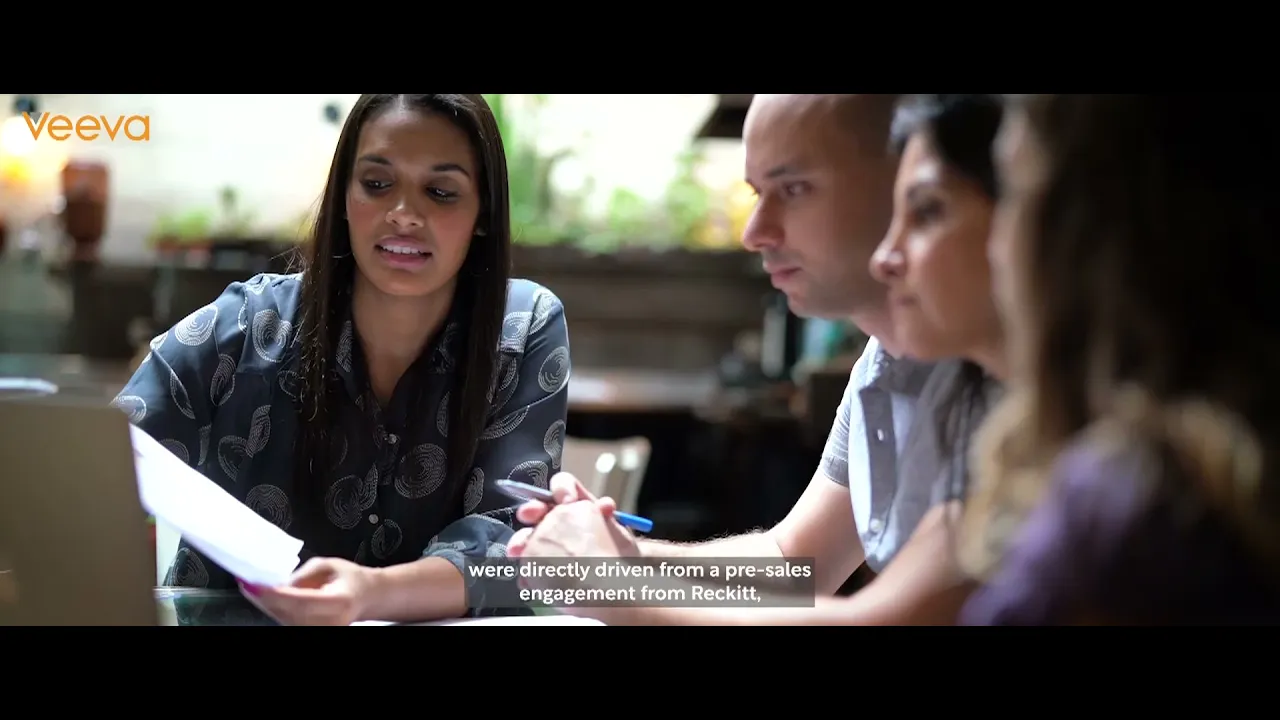
Reckitt Embarks on Quality Cloud Transformation with Veeva
Technology Magazine
/@TechnologyMagazine
Nov 24, 2021
This video provides an in-depth case study detailing the strategic partnership between Veeva Systems and Reckitt, focusing on Reckitt's global Quality Cloud transformation initiative. The collaboration aims to unify Reckitt's fragmented quality processes into a single, comprehensive system provided by Veeva. Brida Quinn, Global Transformation Quality Director at Reckitt, emphasizes the necessity of this transformation to ensure the delivery of high-quality, compliant, and safe products across the hundreds of markets Reckitt serves globally. The core challenge addressed is the need to connect disparate systems—including product lifecycle management (PLM), lab information systems (LIMS), and the Quality Management System (QMS)—to create a cohesive, modern technology stack capable of handling the complexity of global manufacturing and regulatory requirements. The partnership is characterized by a high degree of collaboration, extending beyond a typical vendor-client relationship. Ed Van Sicklin, VP of Business Development and Strategy at Veeva Systems, highlights that the engagement began with building trust, leading to Veeva incorporating features directly driven by Reckitt's pre-sales engagement into their product roadmap. This demonstrates Veeva’s commitment to building "fit-for-purpose applications" tailored for specific, regulated industries. Veeva's operational philosophy is defined by the term "running to complexity," a mindset focused on addressing the inherent difficulties and regulatory demands within the life sciences and health sectors rather than avoiding them. This approach is crucial for clients like Reckitt, who operate factories worldwide and must navigate diverse regulatory landscapes. The successful implementation hinges on three critical partnership attributes: agility, empowerment, and strategic alignment. Reckitt views Veeva not just as a technology vendor but as an appreciated, strategic partner that helps them focus on the right priorities during the complex transformation project. The goal is to move beyond simply installing software to fundamentally restructuring and unifying quality processes globally. By leveraging a single Veeva system, Reckitt is gaining the ability to standardize operations, improve data visibility, and enhance compliance tracking—essential components for any large-scale life sciences or consumer health organization facing stringent GxP requirements. Key Takeaways: • **Unification of Quality Processes is Paramount:** The primary driver for Reckitt's transformation was the need to unify global quality processes across numerous factories and markets into a single system, replacing fragmented legacy systems (PLM, LIMS, QMS) to ensure consistent delivery of compliant and safe products. • **Strategic Partnership Over Vendor Relationship:** Successful large-scale transformations require the technology provider (Veeva) to act as an "appreciated partner," focusing on strategic alignment, empowerment, and shared goals rather than merely delivering software features. • **Industry-Specific Fit-for-Purpose Applications:** Technology solutions in regulated industries must be built with a "running to complexity" mindset, meaning the applications are designed specifically to handle the intricate regulatory and operational challenges inherent to sectors like pharma and life sciences. • **Customer Feedback Drives Product Roadmap:** Veeva demonstrated agility by integrating features directly requested during Reckitt's pre-sales engagement into their official product roadmap, illustrating how deep customer collaboration can accelerate platform development for mutual benefit. • **The "Last Mile" of Compliance:** The video emphasizes the importance of technology in the "last mile" of delivering products—the final stage where quality, safety, and regulatory compliance are confirmed before reaching the market. • **Agility and Empowerment in Implementation:** The partnership’s success is summed up by three words: agility, empowerment, and strategic focus. Consultants should aim to empower client teams to manage the new system effectively while remaining agile enough to adapt to project complexities. • **Connecting Disparate Systems:** Modern quality transformation requires the integration of key enterprise systems, including the product lifecycle system, lab information system, and the quality management system, to ensure end-to-end data integrity and process flow. • **Global Scale Requires Unified Technology:** For companies like Reckitt operating factories and serving hundreds of markets globally, a single, unified quality system is essential for standardizing operations and maintaining consistent regulatory adherence across all jurisdictions. • **Focus on the Right Things:** A key benefit of the strategic partnership is that Veeva helps Reckitt’s internal teams maintain focus on the most critical quality and compliance priorities during the demanding transformation project. Tools/Resources Mentioned: * Veeva Systems (specifically Veeva Quality Cloud, implied) * Product Lifecycle System (PLM) * Lab Information System (LIMS) * Quality Management System (QMS) Key Concepts: * **Quality Cloud Transformation:** A comprehensive initiative to migrate and standardize all quality management processes (document control, training, deviations, CAPA, etc.) onto a cloud-based platform, typically Veeva Quality Suite, to enhance compliance and efficiency. * **Running to Complexity:** Veeva’s philosophy of actively engaging with and solving the most difficult, regulated, and complex operational challenges faced by industries like life sciences, ensuring their applications are robust and fit-for-purpose. * **Last Mile Delivery:** In the context of quality and compliance, this refers to the final stages of the product lifecycle—manufacturing, testing, release, and distribution—where the ultimate responsibility for product safety and regulatory adherence is met. Examples/Case Studies: * **Reckitt Quality Transformation:** Reckitt, a global company with factories worldwide, is undertaking a project to unify its quality processes using Veeva’s platform to ensure high quality, compliance, and safety across all markets. This transformation addresses the challenge of managing diverse regulatory requirements and operational standards globally.

Self-Funded w/ Spencer - Episode 27 - Geniece Brunson
Self-Funded
@SelfFunded
Nov 19, 2021
This episode provides an in-depth discussion with Geniece Brunson, a Principal at EPIC Insurance Brokers, focusing on her 16-year career in employee benefits consulting, the shifts in the self-funding landscape, and the critical challenges facing the industry, particularly claims control and transparency. Brunson emphasizes her role as a "problem solver" and "numbers person," detailing how she leverages deep analysis and vendor collaboration to manage costs for self-funded clients. The conversation also touches on the aggressive aggregation occurring in the brokerage space and the necessity of continuous innovation to stay ahead of rapidly evolving solutions. A key theme explored is the increasing complexity and cost of healthcare benefits, specifically the unsustainable annual claims trend of 6% to 9%. Brunson highlights the difficulty in controlling costs due to systemic issues in billing and a lack of transparency, noting that fully insured plans are inherently profitable for carriers. This has driven the trend of self-funding downstream, with groups as small as 150 employees now exploring level-funded or self-funded options, provided they have the necessary cash flow and risk appetite. The discussion underscores the importance of the advisor's knowledge in properly pricing risk and managing catastrophic claims exposure for these smaller groups. Brunson details the collaborative and objective approach at EPIC, which contrasts with firms that white-label solutions. EPIC maintains a neutral stance, utilizing dedicated teams for vendor vetting (including payroll and benefits administration systems) to ensure clients receive the best-fit technology rather than proprietary solutions. A significant operational insight shared is the acquisition of PSG, a large pharmacy consulting firm, which allows EPIC to tear apart and optimize pharmacy programs for large self-funded groups. This process involves creating detailed recommendations, even for incumbent PBMs, to clean up contracts and protect the employer from excessive costs. Finally, the speaker addresses the challenge of employee engagement, stressing the need to differentiate between "culture tools" (feel-good perks) and advocacy tools that offer demonstrable ROI by guiding employees toward lower-cost, high-quality care options. Key Takeaways: * **Self-Funding Trend Downstream:** Self-funding is increasingly accessible to smaller groups (e.g., 150 employees) via level-funded arrangements. However, successful implementation requires meticulous analysis of cash flow, appropriate pricing, and a clear understanding of the employer’s risk tolerance to absorb catastrophic claims. * **Pharmacy Program Optimization is Critical:** For self-funded employers, actively tearing apart and optimizing pharmacy benefit programs is essential for cost control. This involves deep contract analysis and creating specific recommendations to ensure the employer is protected from unfavorable PBM practices. * **Claims Trend is Unsustainable:** The industry faces a significant challenge with annual claims trends running at 6% to 9%, making it difficult to sustain benefits costs. Brokers must act as problem solvers, leveraging data and national underwriting resources to pull plans apart and justify renewals based on actual claims experience. * **Regulatory Impact on Operations:** Legislative changes like the ACA (minimum value, actuarial value) and the No Surprises Act fundamentally change the operational landscape for employers, requiring constant learning and adaptation in plan design and compliance. * **Neutral Vendor Vetting Strategy:** A best practice for consulting is maintaining complete neutrality when vetting technology and administrative systems. Firms should avoid white-labeling proprietary systems and instead use dedicated teams to find the optimal payroll, benefits administration, and HR technology solutions for the client’s specific needs. * **Differentiating HR Tech ROI:** When evaluating new employee tools, consultants must determine if the client seeks a "culture tool" (focused on employee thank-you/engagement) or a tool with measurable ROI (e.g., advocacy programs that drive employees to lower-cost providers). * **Importance of Employee Advocacy:** To control claims costs, employers must implement advocacy solutions that educate and incentivize employees to become better healthcare consumers. Proven ROI can be achieved by guiding employees to clinics offering significantly cheaper services (e.g., $700 savings on an MRI). * **Broker Collaboration Over Competition:** The internal culture of a brokerage firm should prioritize collaboration among producers (e.g., weekly accountability partnerships and vendor spotlights) over internal competition, ensuring clients benefit from collective expertise and the latest market insights. * **The "Never-Ending" Fourth Quarter:** The speed of the industry, driven by compliance deadlines and the necessity of year-round strategy development (watching claims data constantly), means the traditional seasonal slowdown following renewals no longer exists. Key Concepts: * **Self-Funding:** An arrangement where the employer assumes the financial risk for providing healthcare benefits to employees, paying claims directly rather than paying a fixed premium to an insurance carrier. * **Level-Funded Group:** A hybrid approach often used by smaller employers, where the employer pays a fixed monthly amount that covers administrative fees, stop-loss insurance, and expected claims. If claims are low, the employer receives a refund. * **ACA (Affordable Care Act):** Legislation that introduced requirements like minimum value and actuarial value, significantly impacting how employers design and price their health plans. * **No Surprises Act:** Legislation aimed at protecting consumers from unexpected medical bills from out-of-network providers in emergency situations or certain non-emergency settings. * **PBM (Pharmacy Benefit Manager):** Third-party administrator of prescription drug programs for health plans. The speaker emphasizes the need to scrutinize PBM contracts to control costs. Tools/Resources Mentioned: * **BombBomb:** A video messaging platform used for personalized outreach and prospecting, noted for its ability to track engagement (though the speaker admitted to early trial failure). * **Calendly/Bookings:** Scheduling tools used to streamline appointment setting via email integration. * **LinkedIn Video Feature:** Used as a personalized outreach tool for prospecting. * **PSG (Pharmacy Consulting Firm):** Acquired by EPIC, used to provide specialized, deep-dive analysis and optimization of client pharmacy programs.

OneVision RetEx with Veeva
OneVision Plus
/@onevisionplus4138
Nov 19, 2021
This video provides a demonstration of the OneVision Retail Execution (RetEx) module's integration with Veeva CRM, showcasing a streamlined workflow designed to optimize in-store product monitoring and inventory checks for field sales representatives. The core purpose is to illustrate how specialized computer vision technology can be seamlessly embedded within the pharmaceutical industry's leading commercial platform to enhance compliance and sales effectiveness at the point of sale. The demonstration focuses on efficiency, real-time data capture, and immediate analytical feedback, minimizing the administrative burden on field teams. The workflow begins within Veeva CRM, where the user initiates the store check activity by tapping a link that directs them to the OneVision RetEx application. Upon landing, the user is presented with a list of products requiring monitoring. The critical step involves leveraging the device’s camera, which activates the OneVision hybrid engine. This engine utilizes advanced computer vision technology to recognize brands and products down to the single Stock Keeping Unit (SKU) level simply by analyzing a photograph of the shelf. A significant feature highlighted is the engine’s ability to perform this recognition in real-time, even when the device is in "airplane mode," eliminating reliance on constant internet connectivity—a crucial requirement for field operations in varying geographic locations. Following the data capture, the system immediately processes the visual information and provides the user with real-time analytics directly within the store check window. These immediate insights offer an overview of the point of sale, specifically detailing the "share of facings" and "share of shelf" for the monitored products, allowing the representative to compare their findings against established market share data. This instant feedback loop empowers the field team to make tactical decisions and adjustments while still on-site. For deeper strategic analysis, headquarters staff access in-depth Tableau analytics available through the OneVision web application, enabling comprehensive trend analysis and performance tracking across multiple points of sale. Finally, the collected data is synchronized back into Veeva CRM, populating the inventory monitoring section. This ensures that Veeva remains the central system of record, providing the representative with a complete, updated data set to continue their subsequent activities at that specific point of sale. Key Takeaways: • **Seamless Veeva CRM Orchestration:** The video demonstrates Veeva CRM’s role as the primary platform for initiating and concluding field activities, proving that specialized tools can be effectively integrated to extend Veeva’s functionality without disrupting the core user experience or data governance structure. • **Offline AI Execution is Critical:** The ability of the OneVision hybrid engine to perform real-time SKU recognition in "airplane mode" (offline) is a vital capability for life sciences field teams, ensuring data capture and operational continuity even in areas with poor or non-existent cellular connectivity. • **Computer Vision for Compliance and Inventory:** Utilizing computer vision to monitor "share of facings" and "share of shelf" automates the auditing process, ensuring planogram compliance and accurate inventory data capture, which is essential for optimizing commercial supply chain and promotional spend. • **Real-Time Analytical Feedback Loop:** Providing immediate analytics to the field representative—such as comparing observed shelf share against market share—transforms the representative from a data collector into a strategic decision-maker, enabling instant course correction and maximizing the impact of the store visit. • **Data Engineering for BI Integration:** The reliance on "in-depth Tableau analytics" for headquarters staff emphasizes the necessity of robust data engineering pipelines capable of integrating high-volume, unstructured visual data (from the recognition engine) with structured CRM data for comprehensive business intelligence reporting. • **Focus on Commercial Operations Metrics:** The specific metrics highlighted ("share of facings," "share of shelf") are core indicators for commercial success in retail environments, demonstrating a direct link between the technology and key performance indicators for pharmaceutical consumer health or medical device sales. • **Extending Veeva Investment:** This integration model serves as a blueprint for IntuitionLabs.ai clients seeking to maximize their existing Veeva investment by integrating specialized, AI-powered modules that address niche commercial challenges, rather than relying solely on standard Veeva functionality. • **Bidirectional Data Synchronization:** The final step of synchronizing the captured store check data back into the Veeva CRM inventory monitoring section ensures data integrity and provides a unified view of commercial execution, eliminating data silos between specialized field tools and the enterprise CRM. • **Hybrid Engine Methodology:** The concept of a "hybrid engine" suggests a combination of local processing (for offline recognition) and cloud processing (for deeper analytics and synchronization), offering a balanced approach to performance, data security, and regulatory compliance. Tools/Resources Mentioned: * Veeva CRM * OneVision RetEx (Retail Execution module) * OneVision Hybrid Engine (Computer Vision/Recognition Technology) * Tableau (for in-depth web application analytics) Key Concepts: * **Retail Execution (RetEx):** The process of ensuring that products are correctly displayed, priced, and stocked at the point of sale, often involving field audits and compliance checks. * **Share of Facings/Share of Shelf:** Key commercial metrics measuring the amount of physical shelf space a product occupies relative to its competitors, directly impacting visibility and sales. * **SKU (Stock Keeping Unit):** A specific, identifiable product item used for inventory tracking and management. * **Computer Vision:** An AI technology used here to enable machines to "see" and interpret visual data (photos of shelves) to automatically identify and count products.

Veeva Site Connect Explainer Video
Veeva Systems Inc
/@VeevaSystems
Nov 15, 2021
This video provides an in-depth exploration of Veeva Site Connect, positioning it as a necessary technological advancement to overcome the pervasive collaboration challenges within clinical trials. The presentation begins by establishing the critical pain point: despite the increasing need for collaboration between investigative sites, trial sponsors, and Contract Research Organizations (CROs), the process remains heavily reliant on outdated, manual methods. Staff are frequently inundated with trial paperwork, forced to log into multiple disparate systems, and utilize non-integrated tools like email or generic portals to exchange vital information. The core inefficiency highlighted is the repetitive, time-consuming nature of manual data handling—documenting, uploading, downloading, collecting, printing, reconciling, and re-entering information. This manual burden must be repeated for every trial and every time information is updated or changed, creating substantial administrative overhead, slowing down trial timelines, and increasing the potential for human error and compliance lapses. The video frames this manual busy work as a significant drain on resources that detracts from core clinical responsibilities. Veeva Site Connect is introduced as the industry’s first and only solution designed to seamlessly connect sponsor and site operations, fundamentally automating the flow of trial information between them. The solution eliminates the reliance on external portals, manual handoffs, and extra steps traditionally required for data sharing. Instead, the system allows sponsors, CROs, and sites to maintain their specific processes and information within systems purpose-built for their respective roles. When information exchange is necessary, Site Connect ensures it is shared in a streamlined and, critically, compliant manner. The ultimate value proposition of Site Connect is the elimination of countless hours spent on manual administrative tasks. This automation directly translates into better, more efficient collaboration across the clinical trial ecosystem, leading to faster overall trial execution. By freeing up clinical staff from redundant data management activities, the solution allows them to dedicate more time and focus toward patient care, underscoring the strategic importance of operational efficiency in achieving better clinical outcomes. Key Takeaways: * **Addressing Collaboration Bottlenecks:** The primary challenge in clinical trials is the manual, multi-system approach to information exchange between sites, sponsors, and CROs, leading to significant delays and administrative overload. * **Automation of Information Flow:** Veeva Site Connect’s core functionality is the automation of trial information sharing, eliminating the need for manual handoffs, email exchanges, or generic portals that require repetitive data entry. * **Compliance-First Sharing:** The solution is engineered to ensure that shared information adheres to regulatory standards, facilitating compliant data exchange without requiring extra manual steps for documentation or audit trail creation. * **System Integration, Not Replacement:** Site Connect allows sponsors, CROs, and sites to continue managing their specific processes and data within their existing, role-specific systems, acting as a compliant bridge rather than forcing adoption of a single, monolithic platform. * **Elimination of Manual Busy Work:** The system targets highly repetitive administrative tasks—such as uploading, downloading, printing, and reconciling documents—which are identified as major time sinks in traditional trial management. * **Accelerated Trial Timelines:** By dramatically reducing the administrative burden and speeding up information exchange, the solution directly contributes to faster overall trial completion, a critical metric for life sciences organizations. * **Focus on Patient Care:** A key benefit emphasized is the ability for clinical staff to reallocate time saved from administrative tasks toward focusing on patient needs, highlighting the strategic impact of operational efficiency on clinical quality. * **Industry-First Positioning:** Veeva markets Site Connect as the pioneering solution for this specific challenge, indicating a unique capability for seamless, automated, and compliant sponsor-site connectivity. * **Targeted Audience:** The solution is designed for the entire clinical trial ecosystem, specifically sites (investigative centers), sponsors (pharmaceutical/biotech companies), and CROs (Contract Research Organizations). * **The Need for Digital Transformation:** The video implicitly argues that relying on manual tools like email and generic portals for complex, regulated data exchange is obsolete and necessitates a dedicated, integrated digital solution for modern clinical operations. Tools/Resources Mentioned: * **Veeva Site Connect:** The specific software solution designed to automate information flow between clinical trial sponsors and sites. Key Concepts: * **Sponsor-Site Collaboration:** The necessary, but often inefficient, partnership between the pharmaceutical company funding the trial (sponsor) and the investigative centers executing the trial (site). * **Clinical Trial Paperwork:** Refers to the massive volume of regulatory documents, protocols, consent forms, and data that must be constantly exchanged, updated, and reconciled throughout a trial's lifecycle. * **Compliant Information Sharing:** The requirement that all data exchange in clinical trials adheres to strict regulatory standards (e.g., FDA, EMA), often requiring detailed audit trails and secure transfer methods.

Iatrogenesis: Harm from Healthcare - Mortality and Economic Impact
AHealthcareZ - Healthcare Finance Explained
@ahealthcarez
Nov 14, 2021
This video provides an in-depth exploration of iatrogenesis, defined as harm caused by healthcare itself. Dr. Eric Bricker begins by establishing the term's Greek roots ("physician" and "origin") and immediately highlights its severe impact, citing a controversial but widely referenced study by Dr. Marty Makary from Johns Hopkins. This study suggests that iatrogenesis is responsible for 250,000 deaths per year in the United States, positioning it as the third leading cause of death, surpassing many well-known diseases. The speaker emphasizes that this harm extends beyond mortality to significant patient suffering, including side effects from medications and complications from surgical procedures. The presentation delves into specific examples to illustrate the nature of iatrogenesis. One common example is antibiotic-associated diarrhea, where antibiotics, while treating an infection, inadvertently kill beneficial gut bacteria, leading to severe gastrointestinal distress, dehydration, and even repeated hospitalizations. Another surgical example is dysphagia (difficulty swallowing) following a Nissen fundoplication, a procedure for severe heartburn. Dr. Bricker explains how improper tension during the surgical wrap of the stomach around the esophagus can lead to long-term swallowing problems for a significant percentage of patients. These examples underscore the unintended but serious consequences that can arise directly from medical interventions. A crucial aspect discussed is "informed consent," the process by which physicians are ethically and legally obligated to discuss the condition, treatment nature, anticipated results, alternatives (including non-treatment), and the risks, complications, and benefits of a proposed medical intervention with a patient. However, Dr. Bricker critically examines the practical shortcomings of informed consent, noting that it is often delegated to junior staff, performed with doctor bias, or even manipulated to ensure patient compliance. This gap between the ideal and the reality of informed consent means patients may not fully grasp the potential iatrogenic risks. The video then transitions to the significant economic burden of iatrogenesis, detailing how hospital inpatient complications lead to substantial costs, much of which is passed on to third-party payers and ultimately to employers through commercial insurance premiums. The economic analysis is particularly detailed, tracing the cost from a 2007 study on hospital inpatient iatrogenesis. The study found that while hospitals bore a direct cost of $238 per patient, they passed on an additional $1,775 per patient to third-party payers, totaling $2,013 per patient. Adjusting for healthcare inflation to 2021, this cost rises to $3,180 per patient. Factoring in the 88% passed to payers and the 40% typically covered by commercial insurance, Dr. Bricker calculates that iatrogenesis costs employers approximately $40.5 billion annually. This translates to a hidden cost of $522 per employee per year, or $44.50 per employee per month (PEPM), which is often more than the administrative service organization (ASO) fee for managing an entire employee health plan. This hidden financial impact, combined with the human suffering and mortality, underscores iatrogenesis as a critical and often overlooked issue in healthcare. Key Takeaways: * **Definition and Scale of Iatrogenesis:** Iatrogenesis refers to harm, suffering, side effects, or even death caused by medical care itself. It is a significant public health issue, with one study estimating 250,000 deaths per year in the US, making it the third leading cause of death. * **Diverse Manifestations of Harm:** Iatrogenesis can manifest in various ways, from medication side effects like antibiotic-associated diarrhea (affecting 5-35% of antibiotic users) to surgical complications such as dysphagia after a Nissen fundoplication (occurring in 3-24% of patients). * **Informed Consent: Ideal vs. Reality:** The concept of informed consent requires physicians to comprehensively discuss a condition, treatment, anticipated results, alternatives, and risks/benefits. However, in practice, this process is often flawed due to delegation to junior staff, physician bias, or even manipulation, leading to patients not being truly "informed." * **Significant Economic Burden:** Iatrogenesis imposes a substantial financial cost on the healthcare system. A 2007 study, adjusted for inflation to 2021, estimated the total cost of hospital inpatient iatrogenesis at $3,180 per patient. * **Hidden Costs for Employers:** A large portion of iatrogenesis costs (88%) is passed on to third-party payers, with commercial insurance bearing a significant share. This translates to an estimated $40.5 billion annually charged to commercial insurance plans, ultimately paid by employers. * **High Per-Employee Cost:** For employers, the cost of inpatient hospital iatrogenesis alone amounts to approximately $522 per employee per year, or $44.50 per employee per month (PEPM). This hidden cost often exceeds the administrative fees employers pay for their entire health plans. * **Lack of Transparency in Reporting:** These substantial iatrogenesis costs are typically hidden within general claims data and are not itemized in employer reporting, making it difficult for organizations to identify and address this specific financial drain. * **Impact on Pharmaceutical and Medical Device Industries:** The examples of harm from medications and surgical procedures directly relate to the products and services provided by the pharmaceutical and medical device sectors, highlighting the critical need for safety, efficacy, and robust post-market surveillance. * **Need for Improved Systems and Compliance:** The prevalence of iatrogenesis and the shortcomings of informed consent underscore the necessity for better systems, processes, and regulatory compliance to prevent medical errors and ensure patient safety. * **Relevance to Data Analysis and AI:** The hidden nature of iatrogenesis costs in claims data suggests a strong need for advanced data engineering and business intelligence to identify patterns, quantify impact, and inform strategies for mitigation. AI and LLM solutions could potentially assist in analyzing vast amounts of clinical data to predict risks, improve diagnostic accuracy, and enhance patient safety protocols. Key Concepts: * **Iatrogenesis:** Harm, suffering, side effects, or death caused by medical care itself. * **Informed Consent:** The process by which a patient gives permission for a medical procedure or treatment after understanding all the relevant facts, including risks and alternatives. * **Antibiotic-Associated Diarrhea (AAD):** Diarrhea caused by the disruption of beneficial gut bacteria due to antibiotic use. * **Nissen Fundoplication:** A surgical procedure to treat severe heartburn (GERD) by wrapping the upper part of the stomach around the lower esophagus. * **Dysphagia:** Difficulty swallowing, often a complication of surgical procedures affecting the esophagus. * **Per Employee Per Month (PEPM):** A common metric in employee benefits to express costs on a monthly basis per employee. Examples/Case Studies: * **Antibiotic-Associated Diarrhea:** Illustrated by a case of a 23-year-old woman hospitalized multiple times for severe diarrhea after taking antibiotics for a sinus infection. * **Nissen Fundoplication Complications:** Discussed in the context of food getting stuck in the esophagus (dysphagia) if the surgical wrap is too tight, affecting 3-24% of patients.
Superset Meetup: How Veeva Nitro is using Superset to power LifeSciences Analytics
Preset
/@Preset-io
Nov 11, 2021
This video provides an in-depth exploration of how Veeva Systems, a leading cloud software provider for the life sciences industry, leverages Apache Superset to power its Veeva Nitro analytics platform. Nitesh Baranwal, Director of Product for Veeva Nitro, and Chatham Reed, from Veeva's product management, detail Veeva's vision for an "industry cloud" for life sciences, covering both the development and commercial sides of the pharmaceutical coin. The presentation focuses on Nitro, their data science and analytics platform, which is specifically geared towards commercial operations. They explain how Nitro integrates proprietary Veeva data (CRM, CLM, Engage) with industry data (sales, claims, formulary) through robust data pipelines, making it available for analytics and data science. The speakers elaborate on the three key personas targeted by Veeva Nitro: system administrators who execute data pipelines, data analysts and scientists who build transformations and perform advanced analytics, and business users who consume reports and dashboards. A significant portion of the discussion centers on "Nitro Explorer," Veeva's bundled and packaged version of Apache Superset, which serves as their modern BI tool for HQ reporting, aiming to replace traditional tools like Tableau, Qlik, and Power BI. They highlight the strategic decision to adopt Superset, emphasizing its open-source nature, cloud-native compatibility, significant cost and time-to-market savings, and the strength of its community. Veeva has made several enhancements to the base Superset product to create Nitro Explorer, including direct connectivity to their data warehouse, S3-based workspaces for blending local files, integration with Nitro's existing authentication and authorization, and a unique multi-instance deployment model to support different customer groups or regions within a multi-tenant architecture. They also discuss challenges encountered, such as managing user expectations around SQL proficiency, handling large data volumes, and dashboard personalization. The presentation concludes with a showcase of various internal and external dashboards built using Nitro Explorer, demonstrating its versatility for use cases ranging from business benchmarking and digital event tracking to ETL job monitoring, sales performance, distribution analysis, medical insights, and digital engagement. Key Takeaways: * **Veeva's "Industry Cloud" Vision:** Veeva aims to provide an end-to-end cloud solution for the life sciences industry, supporting both the drug development (clinical operations, research) and commercialization (sales, marketing, safety) phases with software, data, and consulting services. * **Veeva Nitro's Role in Commercial Operations:** Nitro is positioned as an essential data science and analytics platform, integrating diverse data sources (Veeva products, industry data like sales and claims) through intelligent pipelines to power commercial analytics and strategic partnerships. * **Target Personas for Nitro:** The platform caters to system administrators for pipeline execution, data analysts/scientists for custom transformations and advanced modeling (forecasting, clustering), and business users for reporting and dashboarding, providing a comprehensive solution. * **Benefits of Veeva Nitro:** It offers accelerated time to value (weeks instead of months for data pipeline setup), delivers actionable insights through both field-facing (Veeva CRM MyInsights) and HQ-level reporting (Nitro Explorer), and is built as a flexible, cloud-native system on AWS leveraging a big data stack. * **Strategic Adoption of Apache Superset:** Veeva chose Superset (branded as Nitro Explorer) as its primary HQ BI tool due to its open-source nature, self-management capabilities, cloud-native integration, significant time-to-market advantage (saving months of development), and an active, supportive community. * **Commitment to Open Source:** Nitro Explorer represents Veeva's first user-facing open-source project, signifying a deep commitment to Superset, as it's not easily replaceable once integrated into customer workflows. Veeva plans to stay current with Superset versions and contribute back to the community. * **Multi-Tenant Deployment of Superset:** Veeva uniquely deploys Superset in a pseudo multi-tenant fashion using Kubernetes, allowing them to manage a single code line across all customers, which is crucial for their "product as a service" model in life sciences. * **Veeva's Enhancements to Superset (Nitro Explorer):** Key additions include direct connectivity to Veeva's data warehouse, S3-based "workspaces" for users to blend local files with enterprise data, integration with Nitro's SSO/authentication, and the ability to deploy multiple Explorer instances for regional or brand segregation. * **"Explorer for Explorer" for Usage Analytics:** Veeva developed a usage analytics dashboard within Nitro Explorer itself, by tapping into Superset's internal logs, to track top actions, most active users, and popular dashboards, which helps in developing future analytics roadmaps. * **Challenges and Best Practices:** Users coming from traditional BI tools require a mindset shift towards SQL proficiency for effective data set creation in Superset. Best practices for large datasets involve optimizing SQL at the data set level (filtering, projections, aggregations) to minimize data transferred to the dashboard. * **Internal Use Cases at Veeva:** Nitro Explorer is used internally by Veeva's Business Consulting team for benchmarking (migrating from Tableau) and by the Digital Events team (migrating from legacy .NET/SSRS) to rapidly create reports, and by service teams for ETL job monitoring. * **External Customer Use Cases:** Pharma customers utilize Nitro Explorer for diverse analytics, including sales performance, distribution center analysis (using arc maps), specialty sales tracking, medical insights (e.g., word clouds for trending topics), and digital engagement measurement. * **Rapid Dashboard Development:** The agility of Nitro Explorer allows teams to quickly build and deploy dashboards once data is onboarded, reducing reliance on traditional BI development cycles and empowering business users and analysts. **Tools/Resources Mentioned:** * **Veeva Products:** Veeva CRM, Veeva Nitro, Veeva CLM, Veeva Engage, MyInsights * **BI/Analytics Tools:** Apache Superset (Nitro Explorer), Tableau, Qlik, Power BI, MicroStrategy, Hotspot * **Cloud/Big Data Technologies:** Amazon Web Services (AWS), Amazon S3, Amazon EMR, Hadoop, Spark, Kafka, Kubernetes, Redshift (used as an IDP) * **Legacy Technologies:** .NET, SSAS (SQL Server Analysis Services), SSRS (SQL Server Reporting Services) * **Charting Libraries:** Echarts (mentioned as underlying Superset charts) **Key Concepts:** * **Industry Cloud:** A specialized cloud platform tailored for a specific industry, offering integrated software, data, and services. * **Public Benefit Corporation (PBC):** A type of for-profit corporate entity that includes positive impact on society, workers, the community, and the environment in addition to profit as its legally defined goals. * **Multi-tenant Architecture:** A single instance of a software application serves multiple customers (tenants), where each tenant's data is isolated and remains invisible to other tenants. * **Time Machine:** A concept within Veeva Nitro for aggregating and rolling up metrics by different cycles (e.g., quarterly, monthly) based on client needs. * **Field Reporting:** Analytics and reports designed for sales representatives and field-based teams, often accessed on mobile devices. * **HQ Reporting:** Analytics and dashboards for headquarters staff, typically used for strategic analysis and decision-making. * **Data Pipelines:** Automated workflows for moving and transforming data from various sources to a target destination for analysis. * **ETL (Extract, Transform, Load):** A data integration process that extracts data from sources, transforms it to fit business needs, and loads it into a data warehouse or other system. * **SSO (Single Sign-On):** An authentication scheme that allows a user to log in with a single ID and password to gain access to multiple connected systems without being prompted for credentials again. * **AuthN/AuthZ (Authentication/Authorization):** Authentication verifies user identity; Authorization determines what an authenticated user is allowed to do. * **Data API:** An interface that allows programmatic access to data, enabling other applications or services to retrieve or manipulate it. **Examples/Case Studies:** * **Pfizer and Moderna:** Mentioned as customers that Veeva helped through their vaccine development during the pandemic, highlighting the essential nature of the life sciences industry. * **Business Consulting Team Hackathon:** A 2-day workshop where Veeva's business consultants were able to convert 30-40% of their existing Tableau dashboards to Nitro Explorer, demonstrating the tool's rapid development capabilities. They are now near 100% conversion. * **Digital Events Team Migration:** An internal Veeva team migrating their reporting from a legacy .NET application using SSRS to Nitro Explorer, significantly reducing the time needed to create new reports. * **ETL Job Monitoring Dashboards:** Internal operational dashboards built by Veeva's service teams using Nitro Explorer to track daily/weekly job metrics, durations, and errors across client instances and connectors. * **Sales Performance Dashboards:** Examples of traditional sales performance dashboards, distribution analysis (using arc maps to show product spread), and specialty sales tracking, all replicated and enhanced in Nitro Explorer. * **Medical Insights Dashboard:** An example featuring a word cloud to visualize trending medical topics, top medical insights, and inquiries, helping reps prepare for doctor meetings. * **Digital Engagement Tracking:** A dashboard showing the correlation between increased digital engagement (e.g., virtual doctor contacts) and sales activity, particularly relevant during the pandemic.

Navigating eQMS in Medtech today with Greenlight Guru
Cannon Quality Group, LLC
/@cannonqualitygroup
Nov 9, 2021
This video provides an in-depth exploration of navigating Electronic Quality Management Systems (eQMS) in the Medtech industry, featuring a detailed demonstration of Greenlight Guru's platform. The session, hosted by Cannon Quality Group, aims to educate Medtech startups and established companies on the advantages and latest features of eQMS, which is increasingly becoming standard technology. The discussion highlights how eQMS can automate processes, improve compliance, reduce costs, increase productivity, enhance traceability, and alleviate documentation burdens, moving away from traditional lengthy and complex QMS implementations. Wade Schroeder, a Medical Device Quality Consultant from Greenlight Guru, positions their solution as a "Medical Device Success Platform" rather than just an eQMS, emphasizing its industry-specific design. Greenlight Guru is presented as the only eQMS built exclusively for medical devices, offering an out-of-the-box solution that handles validation for every release, thereby reducing a significant burden for users. The platform integrates core QMS functionalities, including document management with 21 CFR Part 11 compliant electronic signatures and robust change control, comprehensive training management with auto-tracked records, and structured quality processes for CAPA, customer feedback, non-conformances, and audits. A key differentiator highlighted is Greenlight Guru's multi-level design controls and risk management, which are built to align with ISO 13485, FDA 21 CFR Part 820, and ISO 14971. The platform enables users to build a full design control traceability matrix, linking user needs to design inputs, outputs, verifications, and validations directly within the system. This approach eliminates the need for separate requirement specifications and automatically generates the Design History File (DHF). The risk matrix is seamlessly integrated, allowing for a risk-based approach to design by linking design controls to specific harms and assessing initial and residual risk levels. The system also features an "Intelligent Document Management" system with built-in AI and a "Visualize" tool, which provides a dynamic, interconnected view of the entire quality system, helping users understand the impact of changes proactively. Key Takeaways: * **eQMS as a Medtech Standard:** Electronic Quality Management Systems are becoming essential for Medtech startups, offering significant benefits such as automation, improved compliance, cost reduction, increased productivity, enhanced traceability, and reduced documentation burden. * **Industry-Specific Solution:** Greenlight Guru is presented as a unique eQMS specifically designed for the medical device industry, ensuring alignment with sector-specific regulations and best practices, unlike generic QMS platforms. * **Pre-Validated and Continuously Updated:** The platform is an out-of-the-box solution that Greenlight Guru pre-validates with every release, removing the validation burden from customers and allowing for continuous product improvements without requiring re-validation. * **21 CFR Part 11 Compliance:** The system supports electronic signatures and maintains a detailed audit trail for all actions, ensuring compliance with 21 CFR Part 11 requirements for electronic records. * **Integrated QMS Ecosystem:** Greenlight Guru provides a fully integrated QMS where all elements—documents, projects, training, and quality processes (CAPA, complaints, non-conformances, audits)—are interconnected and traceable, serving as a single source of truth. * **Automated Design History File (DHF):** The platform automatically compiles the DHF by linking user needs, design inputs, design outputs, verifications, and validations, significantly streamlining the documentation process for regulatory submissions. * **Risk-Based Design Approach:** The system integrates risk management aligned with ISO 14971, allowing users to identify hazards, assess initial risk, link design controls as mitigations, and evaluate residual risk, providing a comprehensive risk file. * **Visual Project Management:** Design control matrices include visual indicators (e.g., green/pink for pass/fail, checkmarks for approved items) to help teams track progress and status of verifications, validations, and design reviews. * **Component-Based Design Controls:** Complex projects can be broken down into manageable subsections (e.g., software, electrical, mechanical components), allowing for focused reviews and easier navigation while maintaining overall traceability. * **Proactive Change Management with AI:** The "Visualize" tool leverages AI and natural language processing to show the interconnectedness of all QMS elements, enabling users to proactively assess the impact of changes across documents, projects, and quality processes. * **Automated Recommendations for Change Orders:** When initiating a change order, the system uses its AI capabilities to suggest other documents or items that might be impacted by the change, ensuring comprehensive consideration and reducing oversight. * **Comprehensive Quality Analytics:** Dashboards and analytics provide high-level reporting on change orders, CAPAs, audits, and customer feedback, offering insights into organizational quality health and supporting management reviews. * **Scalable Solution:** The platform offers different pricing and packaging tiers, allowing companies to start with essential functionalities (documents, change, projects) and add more advanced features as they grow and their needs evolve. * **Context-Aware Communication:** The system includes a comment feature that is context-aware, allowing users to add notes specific to a document or quality process and @mention colleagues for direct notifications and collaboration. **Tools/Resources Mentioned:** * **Greenlight Guru:** The eQMS and "Medical Device Success Platform" demonstrated. * **G2 Crowd:** A third-party review site mentioned for checking recommendations for Greenlight Guru. * **Greenlight Guru Academy:** An educational platform offering certifications and learning resources for the medical device industry. * **Greenlight Guru Blog/Podcast:** Content resources provided by Greenlight Guru for industry insights. **Key Concepts:** * **eQMS (Electronic Quality Management System):** A software system designed to manage and automate quality processes and documentation in a regulated industry. * **DHF (Design History File):** A compilation of records that describes the design history of a finished medical device. * **Design Controls:** A set of interrelated practices and procedures that are incorporated into the design and development process of a medical device. * **Risk Management (ISO 14971):** A systematic application of management policies, procedures, and practices to the tasks of analyzing, evaluating, controlling, and monitoring risk. * **CAPA (Corrective and Preventive Action):** A system for identifying and addressing existing nonconformities (corrective action) and preventing potential nonconformities (preventive action). * **21 CFR Part 11:** Regulations issued by the FDA that set forth requirements for electronic records and electronic signatures. * **ISO 13485:** An international standard for quality management systems specific to the medical device industry. * **FDA 21 CFR Part 820:** The Quality System Regulation (QSR) for medical devices in the United States. * **Visualize:** Greenlight Guru's AI-powered tool that graphically displays the interconnectedness of all QMS elements within the system. * **Natural Language Processing (NLP):** A form of AI that enables computers to understand, interpret, and manipulate human language, used in Greenlight Guru to auto-link documents based on content. **Examples/Case Studies:** The video uses a hypothetical "circuit board" as a central example to demonstrate various functionalities, including: * Linking the circuit board document to design outputs like an LCD screen or mechanical enclosure. * Showing how a complaint about the circuit board would be linked in the customer feedback and CAPA modules. * Illustrating how changes to the circuit board would trigger a change order and how the "Visualize" tool would show all impacted documents and design controls. * Discussing how different components (electrical, mechanical, software) can be managed within a single project's design control matrix.
Deleting Documents
Veeva SiteVault
/@VeevaSiteVault
Nov 8, 2021
This video provides a detailed instructional guide on the process of deleting documents within Veeva SiteVault, the eRegulatory and eISF (electronic Investigator Site File) system designed for clinical research sites. The primary context for document deletion is correcting errors, such as uploading duplicate files or documents in error, while maintaining strict adherence to regulatory requirements for document control and auditability. The tutorial distinguishes between two critical document states—the Draft state and the Approved/Steady state—as the deletion process and required user permissions vary significantly based on the document's lifecycle status. The video first addresses deleting documents in the Draft state. For a document that has not yet been approved, the deletion process is straightforward: users click into the document, access the action menu, and select "Delete." This action immediately removes the document from the SiteVault library. A more nuanced scenario involves "up-versioned" documents (e.g., version 2.1) that are currently in the Draft state. In this case, users can navigate to the version history section and delete only the specific draft version. This action does not delete the entire document record but reverts the document back to its latest approved or "steady state" version, ensuring that the previously approved record remains intact and accessible. Both Site Administrators and general Site Staff are permitted to delete documents in the Draft state. The process for deleting documents that have reached the Approved or Steady state is far more restrictive, reflecting the regulatory necessity of preserving official records. To delete a steady-state document, the user must possess the Site Administrator role. The administrator must click into the document, use the action menu, and select "Delete All Versions." Crucially, the system requires the administrator to choose a specific reason for deletion and add any necessary comments, creating a documented justification for the permanent removal. Once confirmed, the document is permanently removed from the main library. For compliance and auditing purposes, Veeva SiteVault maintains a comprehensive record of these actions. Site Administrators can access a dedicated "Deleted Document Records" report via the Reporting tab, which provides details on the document, the reason for deletion, and a copy of the full audit trail from the deleted document. This ensures that while the document is removed from the active library, a complete, auditable history of its existence and removal is preserved, a key requirement for GxP and 21 CFR Part 11 compliance. Key Takeaways: • Document deletion procedures in Veeva SiteVault are strictly governed by the document's lifecycle state (Draft vs. Steady/Approved) and the user's role, reflecting critical regulatory control requirements for clinical trial documentation (eISF/eRegulatory). • Deleting a document in the Draft state is permissible for all Site Staff and Site Administrators and results in the immediate removal of the document from the library without requiring a formal justification. • When a document is "up-versioned" (e.g., a draft version 2.1 exists), deleting the specific draft version does not delete the entire document; instead, it reverts the document back to its last approved "steady state" version (e.g., version 2.0). • Deleting documents that have reached the Approved or Steady state is a highly restricted action, requiring the Site Administrator role to execute, emphasizing the need for elevated permissions when managing finalized, regulated content. • Permanent removal of an approved document requires the administrator to select "Delete All Versions," mandating the input of a specific reason for deletion and accompanying comments to satisfy audit trail requirements. • The system ensures regulatory compliance by retaining a complete audit trail of the deleted document, which includes details about the document, the reason for its deletion, and the full history of actions taken on it prior to removal. • Site Administrators can access this crucial compliance information via the Reporting tab by navigating to the "Deleted Document Records" report, which serves as the official record of removed regulated content. • The audit trail of deleted documents is accessible only to internal Site Administrators; external users (e.g., monitors or sponsors) do not have access to this specific report, maintaining internal control over site documentation processes. • The necessity of providing a documented reason for deleting approved documents highlights the importance of maintaining data integrity and accountability within clinical research operations, aligning with GxP principles. Tools/Resources Mentioned: * Veeva SiteVault * Veeva SiteVault Free * eBinder (Implied location where deleted document records are reported) Key Concepts: * **Draft State:** The initial phase of a document's lifecycle where it is still being authored or reviewed and has not yet been formally approved. * **Steady State (Approved State):** The phase where a document has been formally reviewed, approved, and is considered the official, active version of the record. * **Up Versioning:** The process of creating a new draft version of an already approved document (e.g., moving from version 2.0 to a draft of 2.1). * **Audit Trail:** A chronological, unalterable record of all actions performed on a document, crucial for demonstrating regulatory compliance (e.g., 21 CFR Part 11). * **Site Administrator:** A user role with elevated permissions necessary to perform critical, regulated actions such as permanently deleting approved documents.

RegTalks about Regulatory Information Management Systems (RIMS)
Asphalion
/@Asphalion.
Nov 5, 2021
This video explores the critical role of Regulatory Information Management Systems (RIMS) within the pharmaceutical industry, particularly in light of the upcoming transition from XEVMPD to the more complex ISO IDMP standard. Featuring insights from Veeva's Director of Strategy for Vault RIM, Katrin Spaepen, the discussion highlights the drivers for RIMS adoption, essential capabilities of future systems, and the multi-departmental nature of their use. The speakers emphasize that RIMS are key to managing vast amounts of regulatory data, ensuring compliance, and optimizing operations for medicinal products. Key Takeaways: * **Strategic Importance of RIMS:** RIMS are fundamental for data management, operational efficiency, and maintaining regulatory compliance in the pharmaceutical industry, especially with the impending, more complex ISO IDMP standard. * **Drivers for RIMS Adoption:** Companies adopt RIMS for three primary reasons: driving enterprise-wide digital transformation, achieving process efficiencies and cost optimizations in regulatory domains, or ensuring compliance (often driven by mandates like IDMP). These drivers influence the scope and approach to implementation. * **Core Capabilities of Future RIMS:** Effective RIMS must offer native support for both data and documents, ensure synchronization between them, feature an open architecture for data exchange with non-RIM systems, provide a complete view of license data across the enterprise, and embed real-time reporting and business intelligence dashboards. * **Multi-Departmental Utility:** RIMS are not solely for regulatory affairs; they serve as an enterprise-wide solution involving various departments such as regulatory operations, CMC writers, medical writers, manufacturing, quality control, and safety, particularly in processes like post-approval variation management. * **Crucial Role of Implementation Partners:** Successful RIMS implementation necessitates strong partnerships for process re-engineering, organizational impact assessment, change management, gap analysis, and defining key performance indicators (KPIs) and user requirements (URS). * **Veeva's Market Presence:** Veeva's Vault RIM suite (encompassing submissions, archive, publishing, and registration) is positioned as a leading end-to-end solution supporting the full regulatory process, indicating its significance in the industry.

Self-Funded w/ Spencer - Episode 25 - Vincent Lewis
Self-Funded
@SelfFunded
Nov 5, 2021
This podcast episode features an in-depth discussion with Vincent Lewis, VP of Sales at Partners MGU, focusing on the dynamics of the self-funded healthcare market, the role of Managing General Underwriters (MGUs), and emerging risks like gene therapy. The conversation provides a deep dive into the operational and strategic aspects of medical stop-loss insurance, drawing on Lewis’s extensive 35+ year career, which began in underwriting before transitioning into sales. The speakers emphasize the importance of human connection and consultative expertise in the relationship-driven stop-loss business, particularly following recent industry conferences. A significant portion of the discussion is dedicated to defining the MGU model versus direct writing carriers. Lewis explains that MGUs perform most services—underwriting, policy issuance, premium collection, and claims payment—but typically take on very little or no risk, which is laid off to reinsurers. This structure allows MGUs, like Partners MGU, to offer greater access and intimacy, contrasting with the perceived bureaucracy of large carriers. Partners MGU’s unique value proposition, the "Build Sell Manage" model, is highlighted: the intent is to build the company to critical mass and eventually sell it, splitting 50% of the sale price with producer partners—a model successfully executed previously with Partners RX. The speakers also analyze current market conditions, noting an unprecedented aggressiveness in pricing due to many carriers being behind their growth goals for 2021. This commoditization of stop-loss is identified as a major pitfall, where the focus on the lowest price often overlooks crucial policy provisions (like plan mirroring) and the quality of the underlying contract. Looking forward, the conversation addresses the future of risk, particularly the impact of gene therapy. These emerging, high-cost, and often curative treatments (such as Zolgensma and CAR T-cell therapy for cancer) pose a significant threat to small employers and the sustainability of traditional stop-loss underwriting. Lewis suggests that a potential solution could be the creation of a specialty carve-out policy for gene therapy, similar to how organ transplants are often managed, to shift this unpredictable risk off the core stop-loss coverage. Finally, the discussion touches on operational innovation, specifically the use of advanced data analytics. Partners MGU has invested heavily in proprietary risk analytics using tools like Microsoft Business Intelligence (BI). This system allows them to analyze the propensity for a case to be profitable down the road, inform underwriting decisions, and provide objective data on TPA performance and block analysis to their producer partners. This consultative approach, combined with a commitment to developing talent through an internal "farm system" for underwriters, positions the MGU to navigate the evolving market and address the growing demand for self-funded options in the small group market (employers under 100 lives), which currently sits at only 12-13% self-funded penetration. Key Takeaways: • **Gene Therapy Risk Management:** Emerging high-cost gene therapies (e.g., Zolgensma, CAR T-cell therapy) present an unsustainable financial risk for small self-funded employers, potentially leading to public relations nightmares if treatment is denied. A strategic recommendation is to advocate for or create a specialty carve-out policy for gene therapy, akin to organ transplant policies, to shift this catastrophic risk away from standard stop-loss coverage. • **MGU Value Proposition (Access & Intimacy):** MGUs differentiate themselves from large direct writers by offering superior access to executive leadership (e.g., the CEO) and faster claims turnaround times (Partners MGU averages 4-5 days for clean claims, 14 days maximum for complex claims), fostering stronger, more responsive partnerships. • **Avoid Stop-Loss Commoditization:** Brokers and employers must look beyond the lowest price when purchasing stop-loss. Failure to read and understand critical fine print provisions, such as plan mirroring and exclusions, can lead to significant conflicts and denied claims when high-cost events occur. • **Leveraging Risk Analytics:** Sophisticated MGUs are moving beyond traditional underwriting by utilizing proprietary risk analytics programs (like those built on Microsoft BI) to analyze the long-term profitability potential of a case, rather than just using it for decline decisions. This data informs proactive suggestions to producers regarding adjustments to deductibles or plan design. • **Strategic Partnership for Risk Control:** Stop-loss should be viewed as a mutual partnership between the MGU and the producer/consultant. The MGU provides data-driven block analysis to help the consultant identify high-risk areas and implement programs to control unpredictable risk, ensuring better renewals and long-term case stability. • **Small Group Market Growth:** The primary growth area for self-funding is in the small group market (under 100 lives), which currently has only 12-13% penetration. Brokers who recognize this need are seeking level-funded and transitional products, highlighting the need for innovative underwriting solutions to overcome the barrier of limited claims data. • **Importance of Underwriting Expertise:** A background in underwriting is highly beneficial for stop-loss sales representatives, enabling them to act as subject matter experts who can answer technical questions immediately and explain complex provisions, building trust with producers without needing to defer to internal teams. • **Industry Talent Pipeline:** The average age in the insurance industry is high (around 55), necessitating a concerted effort to create mentorship roles and "farm systems" (like Partners MGU’s program of hiring and training college graduates) to attract and groom the next generation of talent, changing the perception of insurance as a "boring" career. • **Market Aggressiveness Warning:** Due to competitive pressures and carriers needing to hit growth goals, the stop-loss market is currently experiencing aggressive pricing. This may be unsustainable, and the industry should brace for potential rate corrections or the delayed impact of deferred healthcare utilization from the pandemic in 2022. Tools/Resources Mentioned: * **Microsoft Business Intelligence (BI):** Used by Partners MGU to develop proprietary risk analytics tools for block analysis and case profitability assessment. * **David Young:** Mentioned as a third-party system potentially used for underwriting. * **Voya, HEC:** Other industry entities mentioned in the context of gene therapy and transplant policies. Key Concepts: * **MGU (Managing General Underwriter):** A stop-loss provider that handles underwriting, policy issuance, premium collection, and claims payment, but typically lays off most or all of the risk to a reinsurer, operating under a carrier’s paper (e.g., U.S. Fire, Everest Re). * **Plan Mirroring:** A critical stop-loss policy provision ensuring that the stop-loss policy essentially duplicates or mirrors the provisions and coverage defined in the employer’s underlying self-funded plan document. * **Gene Therapy:** An emerging medical field involving the insertion of human-made genes to attack or replace bad genes causing ailments (e.g., cancer, hemophilia). These treatments are often curative but carry extremely high costs (up to $2 million per dose), creating significant financial risk for self-funded plans. * **Build Sell Manage Model:** Partners MGU’s unique business model where the company is built to a point of critical mass with the intent to sell, splitting 50% of the sale proceeds with producer partners, while the executive team remains contracted for continuity post-sale.

VISEVEN | Webinar | 2021| How to make the most of your Veeva content
Viseven
/@VisevenMarTech
Nov 2, 2021
This video provides an in-depth exploration of optimizing content management within the Veeva ecosystem for pharmaceutical and life sciences companies. The presenters, Maria and Nina from Viseven, begin by outlining common challenges faced by pharma marketers, such as the use of multiple content management systems, fragmented content storage, slow content lifecycles, high production costs, lack of content visibility, and the prevalence of irrelevant or outdated materials. They emphasize that in today's environment, success hinges on proper data management and the timely delivery of fresh, consistent information to healthcare professionals (HCPs). The core problem identified is the inefficiency and risk associated with managing digital assets across disparate systems, hindering effective customer-centric engagement. The webinar then introduces Viseven's eWizard platform as a comprehensive solution designed to address these issues. eWizard is presented as a content production platform driven by cost-effectiveness, a modular approach for efficient content reuse, and alignment with pharma's digital content production principles across multiple channels. Key capabilities highlighted include a modular content framework that enables the creation, update, and reuse of cross-channel modules, facilitated by eWizard's multi-channel content builder, localizer, and converter. This allows for easy assembly of channel-specific content (emails, e-detailers, websites) within global templates, effortless localization, and automatic publishing to various corporate ecosystems like Salesforce Marketing Cloud and Adobe Experience Manager, in addition to Veeva products. A significant portion of the presentation details the deep integration of eWizard with a suite of Veeva products, including Veeva CRM, Veeva Vault PromoMats, Veeva Approved Email, Veeva CLM, Veeva MyInsights, and Veeva Engage. These integrations are positioned as unlocking "unlimited opportunities" for content management, accelerating time to market, and enhancing compliance. Specific benefits include direct access to global content from Veeva Vault PromoMats, enabling users to add approved digital assets to presentations and control expiration dates. The integration also streamlines the approval process, allowing content to be approved within eWizard or automatically published to Veeva Vault for review with a single click. Furthermore, it automates the setup of required fields (country, therapeutic area, product) when uploading to Veeva Vault and facilitates multi-channel distribution to CRM systems, mobile apps, or web browsers. The video also covers how eWizard enables fast localization (up to four times faster) using global master templates and pre-designed components, adapting content for local cultural differences and ensuring compliance with CLM/CRM requirements for face-to-face and remote communication. The latter part of the webinar focuses on optimizing remote communication with HCPs and leveraging data for insights. eWizard, in combination with Veeva, provides tools to quickly adapt existing materials for online interactions, allowing users to customize presentation structures, rearrange slides, modify content, and create dynamic call flows. It also supports planning and conducting remote calls directly from eWizard or Veeva, sending personalized invitations, presenting interactive visual aids in real-time, and sending follow-up emails with surveys. Crucially, all data collected during remote calls is automatically synchronized and stored in Veeva, providing valuable customer insights for understanding needs, defining market share, and predicting sales potential. The integration with Veeva MyInsights is showcased for advanced monitoring, enabling users to create custom dashboards, visualize KPIs (basic monitoring like slide usage and advanced insights like doctor loyalty or prescription potential), and gain a 360-degree view of field activities to achieve commercial excellence. The presentation concludes by reiterating Viseven's status as a certified Veeva partner and the combined power of eWizard and Veeva for efficient, compliant, and accelerated content delivery. Key Takeaways: * **Challenges of Fragmented Content Management:** Many pharmaceutical companies struggle with multiple content management systems, leading to fragmented content, slow content lifecycles, high production costs, lack of visibility, and outdated materials, which ultimately hinders effective engagement with HCPs. * **Unified Content Management Solution:** An ideal content management system should provide a single solution for creating a holistic, customer-centric experience, coordinating all digital assets in one place to maintain effective customer relationships and ensure content is fresh and consistent. * **Modular Content Framework for Efficiency:** Viseven's eWizard platform utilizes a modular content framework, enabling the creation, update, and reuse of cross-channel modules. This approach significantly simplifies content production, remixing, and reuse for non-IT specialists, making it faster and more cost-effective. * **Deep Integration with Veeva Ecosystem:** eWizard offers extensive integrations with key Veeva products, including Veeva CRM, Veeva Vault PromoMats, Veeva Approved Email, Veeva CLM, Veeva MyInsights, and Veeva Engage, to streamline content flow and maximize the value of existing Veeva investments. * **Accelerated Content Approval and Distribution:** The eWizard-Veeva integration facilitates quick publishing for medical, legal, and regulatory (MLR) approval, reducing manual operations and developer involvement. It automates field population for Veeva Vault uploads and enables instant distribution across multiple channels like CRM systems, mobile apps, and web browsers. * **Global-to-Local Content Adaptation:** The platform supports a "global to local content hub," allowing brand managers and agencies to access approved global assets (templates, images, PDFs) and localize them effortlessly, ensuring consistency with global branding while adapting to local market needs and cultural differences. * **Optimizing Remote HCP Engagement:** The solution provides tools to quickly adapt existing materials for remote calls, allowing for customization of presentation structures, dynamic call flows, and distribution to field forces. This is crucial for maintaining HCP access and engagement, especially when face-to-face interactions are limited. * **Automated Data Synchronization for Insights:** Data collected during remote calls, email interactions, and other field activities is automatically synchronized and stored in Veeva. This enables companies to gain deep customer insights, understand HCP needs, define market share, and predict sales potential. * **Advanced KPI Monitoring with Veeva MyInsights:** The integration with Veeva MyInsights allows for dynamic KPI monitoring on two levels: basic (e.g., slides used, time spent) and advanced (e.g., doctor loyalty, prescription potential, competitor comparison). Users can create custom dashboards and visualize reports for improved decision-making. * **Cost and Time Savings:** By enabling in-house content editing and localization, the solution reduces reliance on external agencies, significantly cutting down on waiting times and additional budget expenditures for content updates and adaptations. * **Ensuring Regulatory Compliance and Brand Consistency:** The system helps maintain consistency and compliance with global branding and messaging, while also streamlining the approval process for medical and legal teams, ensuring all distributed content adheres to regulatory standards. * **360-Degree View of Field Activities:** The integrated system provides a comprehensive 360-degree view of all field activities, including completed and planned calls, orders, emails, and reaching frequency, allowing for better tracking of sales, marketing activities, and overall commercial excellence. * **Enhanced Email Marketing Flexibility:** Users can leverage pre-approved email templates from Veeva Vault, personalize them for target contacts, and send them directly from CLM presentations before, during, or after calls. The system also tracks email performance (opens, click-through rates) in real-time within the CRM. * **Viseven as a Certified Veeva Partner:** Viseven's status as a certified Veeva partner (Level 4 in multi-channel content creation and certified Veeva CRM administrator) underscores their expertise and the reliability of their integrations within the Veeva ecosystem. **Tools/Resources Mentioned:** * Viseven eWizard Platform * Veeva CRM * Veeva Vault PromoMats * Veeva Approved Email * Veeva CLM (Closed Loop Marketing) * Veeva MyInsights * Veeva Engage * Veeva CRM iPad * Salesforce Marketing Cloud * Adobe Experience Manager **Key Concepts:** * **Modular Content:** A content strategy where content is broken down into small, reusable components (modules) that can be easily assembled, updated, and localized across various channels and presentations, enhancing efficiency and consistency. * **Global-to-Local Content Hub:** A centralized repository and workflow that facilitates the adaptation and localization of global content assets (e.g., master templates, images, PDFs) for specific local markets, ensuring brand consistency while meeting local regulatory and cultural requirements. * **MLR Approval (Medical, Legal, Regulatory Approval):** The critical process in the pharmaceutical industry where all promotional and medical content must be reviewed and approved by medical, legal, and regulatory teams to ensure accuracy, compliance with regulations (e.g., FDA, EMA), and adherence to company policies before dissemination. * **Multi-channel Content Strategy:** An approach to content delivery that involves distributing content across various communication channels (e.g., e-detailers, emails, websites, mobile apps, remote calls) to reach target audiences effectively, ensuring a consistent message and optimized experience across all touchpoints. * **Dynamic KPIs (Key Performance Indicators):** Performance metrics that are automatically tracked, aggregated, and visualized on dashboards, often in real-time, to provide actionable insights into content effectiveness, sales performance, customer engagement, and other business objectives.

Starting a Training or Read and Understood Workflow
Veeva SiteVault
/@VeevaSiteVault
Nov 2, 2021
This video provides a practical demonstration of how to initiate a "Training or Read and Understood" workflow within Veeva SiteVault Free, an eRegulatory and electronic Investigator Site File (eISF) system designed for clinical research sites. The primary purpose of this feature is to electronically distribute essential documents, such as training materials or critical correspondence, and confirm that required study personnel have reviewed and acknowledged the content. This functionality is crucial for maintaining audit-ready documentation and ensuring regulatory compliance across clinical operations, particularly concerning GxP and personnel training requirements. The process begins by confirming that the document intended for distribution is in the "steady state," meaning it has been formally approved and is ready for use or dissemination. To initiate the workflow, users access the "Workflow or State Change" menu and select the "Send for Training" option. A key constraint of the system is that only users who are actively assigned to the specific study associated with the document are available as potential recipients. This ensures controlled access and proper documentation of training within the study team structure. Recipients can be selected either individually or as a group using the "Study Team" option, which automatically includes all assigned users. After selecting the necessary personnel, the user must define a due date for the completion of the task. Upon clicking "Start," the selected recipients are immediately notified via email and receive a corresponding task on their Veeva SiteVault homepage. This automated notification system streamlines the compliance process and provides an immediate electronic audit trail of the distribution. Furthermore, the video highlights the management capabilities available once the workflow is active. Users can utilize the "timeline view" to actively manage the task, allowing for necessary modifications such as adding new participants who may join the study later, adjusting the due date if circumstances change, or canceling the task entirely if the document or training requirement is superseded. This administrative flexibility is essential for dynamic clinical trial environments where personnel and documentation requirements frequently evolve, all while maintaining a verifiable record of training completion. Key Takeaways: * **Regulatory Documentation Necessity:** The "Training or Read and Understood" workflow is a core mechanism for meeting regulatory requirements (e.g., 21 CFR Part 11, GxP) by providing an electronic, auditable confirmation that study personnel have reviewed and acknowledged critical study documents, such as SOPs or protocol amendments. * **Prerequisite Document State:** Documents must be in the "steady state" and considered approved before they can be sent out for training or acknowledgment, reinforcing the importance of proper document lifecycle management within the eISF system. * **Targeted Recipient Selection:** The system enforces strict access control, limiting recipient selection only to users who are formally assigned to the specific study, ensuring that training tasks are correctly distributed and documented within the defined study team structure. * **Group vs. Individual Distribution:** Users have the flexibility to select the entire study team simultaneously using the "Study Team" group option, which is efficient for mandatory site-wide training, or to select individual team members for targeted training needs. * **Automated Task Notification:** Upon workflow initiation, recipients receive immediate email notifications and a corresponding task on their Veeva SiteVault homepage, minimizing delays and ensuring prompt awareness of required training completion. * **Importance of Due Dates:** Setting a specific due date is mandatory for the workflow, establishing clear expectations for timely completion and providing the site administrator with a metric for tracking compliance adherence. * **Active Task Management via Timeline View:** The timeline view provides administrative control, allowing the initiator to modify the active workflow by adding new participants (critical for onboarding new staff), changing the due date, or canceling the task if the training becomes obsolete. * **Resource for Document Eligibility:** The video directs users to the "Document Types Reference Spreadsheet" in the Veeva help section, which serves as a crucial resource for determining which specific document types are eligible to be sent through the training workflow. Tools/Resources Mentioned: * **Veeva SiteVault Free:** The specific eRegulatory / eISF platform where the workflow is executed. * **Document Types Reference Spreadsheet:** An external resource provided by Veeva to clarify which documents can be sent for training. Key Concepts: * **Read and Understood Workflow:** A formal, electronic process used in regulated environments to confirm that personnel have reviewed and acknowledged critical documentation, serving as a key component of the audit trail. * **Steady State:** The formal status of a document within the Veeva Vault system indicating that it has completed the approval process and is ready for use, distribution, or implementation. * **eRegulatory / eISF:** Electronic systems used by clinical research sites to manage regulatory documents and the Investigator Site File, replacing paper-based processes to enhance efficiency and compliance.
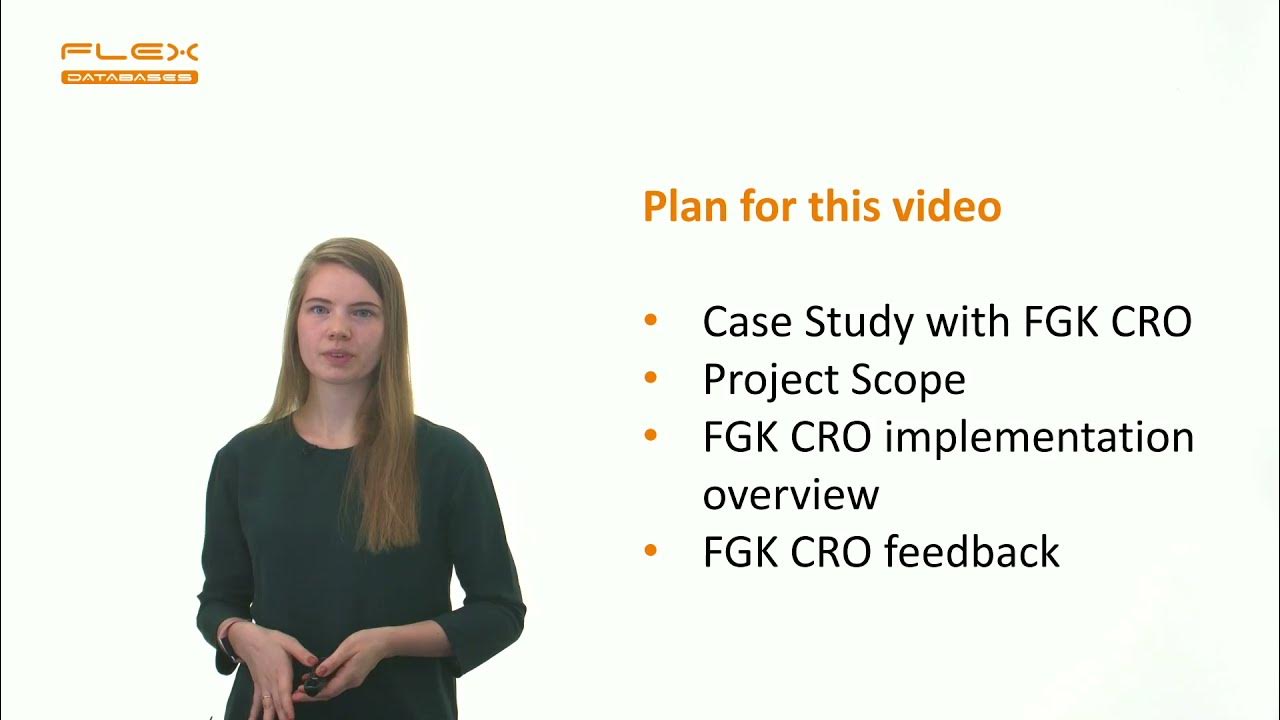
CTMS & eTMF implementation – Flex Databases & FGK CRO case study
Flex Databases
/@Flexdatabases
Nov 1, 2021
This video presents a case study on the successful implementation of Flex Databases' Clinical Trial Management System (CTMS) and electronic Trial Master File (eTMF) for FGK CRO, a full-service contract research organization. The discussion highlights FGK CRO's objectives to standardize and simplify clinical trial management across various phases and sponsors, aiming for increased cost-effectiveness and quality. The video details the project scope, a rapid implementation timeline (5.5 weeks vs. 8 weeks estimated), and emphasizes the critical role of client involvement in achieving a smooth and accelerated deployment. Key decision factors for FGK CRO included the system's clear structure, intuitive handling, flexible modules (e.g., investigator payments), offline capabilities for CRAs, and the competence of the Flex Databases team. Key Takeaways: * **Active Market for eClinical Solutions:** CROs and pharmaceutical companies are actively investing in and implementing eClinical platforms like CTMS and eTMF to enhance the efficiency, standardization, and quality of clinical trial operations. * **Importance of Implementation Expertise:** Successful and expedited software implementation is a critical value proposition, with client-vendor collaboration and high client involvement being crucial for achieving faster-than-expected deployment times. * **Client-Centric System Selection:** Key criteria for selecting eClinical systems include intuitive user interfaces, clear structure, specific functional advantages (e.g., offline access for CRAs, flexible payment modules), and the vendor's team competence. * **Foundation for Advanced Data Solutions:** The successful deployment of core eClinical systems like CTMS and eTMF creates a structured data environment, which serves as an ideal foundation for integrating advanced data engineering, business intelligence, and AI/LLM solutions to further optimize clinical operations and regulatory compliance. * **Focus on Regulated Environments:** The context of clinical trials and eClinical systems inherently involves strict regulatory compliance