Videos
Browse videos by topic
All Videos
Showing 49-72 of 1435 videos

Partnerships in Clinical Trials | Episode 8
SCDM - Society for Clinical Data Management
/@SCDMchannel
Oct 29, 2025
This video, an episode of the SCDM Podcast series "Partnership in Clinical Trials," features MaryAnne Rizk, Managing Director, Head of Healthcare & Lifescience Clinical Strategy at Amazon Web Services. The discussion centers on how collaboration and innovation, particularly through AI and big data, are fundamentally reshaping the future of clinical research. Rizk emphasizes that the current era, marked by rapid technological advancements, evolving policies, and a unified commitment from global pharma, biotechs, technology companies, and regulatory bodies, presents an unprecedented opportunity for clinical data managers to embrace change and drive smarter, faster, and more connected clinical trials. The conversation delves into the historical transformations in clinical trials, from Electronic Data Capture (EDC) to Risk-Based Quality Management (RBQM) and Decentralized Clinical Trials (DCTs), highlighting AI as the latest and most profound shift. Rizk predicts that 2025 will be the "year of agentic AI," where AI moves beyond conversational interfaces to become an integral part of business logic, driving go/no-go decisions in areas like protocol design, site startup, patient recruitment, and data management to accelerate regulatory submissions. This agentic layer, by automating activities and ensuring precision, accuracy, and speed, is seen as truly transformational for the industry. A significant portion of the discussion focuses on the critical role of data. The speakers underscore the immense potential of maximizing data through standardization and unification, moving towards a "fully digitalized ecosystem" where standards link seamlessly to data and protocols. AWS's vision for this transformation includes a strong emphasis on responsible AI, ensuring ethical considerations and unbiased data, alongside the foundational step of cloud migration. Rizk outlines a layered approach to AI implementation, comprising an infrastructure layer for unified data and standards, an orchestration layer for consistent operational models and workflow determination, and a control layer for automating agents based on established workflows and insights. This framework is crucial for organizing and simplifying the explosion of data from decentralized trials, wearables, and biomarkers, enabling effective automation and human-in-the-loop decision-making. The podcast also highlights the importance of partnerships across the entire ecosystem—patients, sites, sponsors, and regulatory authorities—to move from raw data to actionable decisions with precision, accuracy, and speed. Rizk envisions AI not as a replacement for humans but as a tool to create "superhumans," capable of making smarter decisions, shortening clinical trial cycles, and improving the body of evidence to recruit the right patient for the right trial at the right time. She advocates for a "three E's" approach to navigating change: Educate, Engage, and Evangelize, stressing the need for continuous learning, active participation in pilot programs, and sharing best practices to collectively advance the industry. Key Takeaways: * **AI as a Catalyst for Clinical Trial Transformation:** The current era is defined by technological advancements, policy changes, and cross-industry commitment, making it the most exciting time for AI to revolutionize clinical research and drug development. * **The Rise of Agentic AI:** 2025 is anticipated as the "year of agentic AI," where AI agents will integrate into business logic to automate and optimize critical workflows such as protocol design, site startup, patient recruitment, and data management, accelerating regulatory submissions. * **Evolving Role of Data Professionals:** The traditional role of a data manager is transforming into that of a data scientist or data orchestrator, requiring new skills to leverage advanced analytics and AI. * **Importance of Data Standardization and Unification:** Unifying data in a common, standardized way (e.g., through initiatives like 360i and CDISC) is crucial for creating a fully digitalized ecosystem that can be effectively maximized by AI solutions. * **Responsible AI and Cloud Foundation:** AWS emphasizes responsible AI practices, including ethical considerations and ensuring unbiased data, as well as the foundational step of migrating data and operations to the cloud for modernization and operational excellence. * **Layered Approach to AI Implementation:** A structured approach involves an infrastructure layer for unified data and standards, an orchestration layer for consistent operational models and workflow determination, and a control layer for automating agents based on insights. * **Addressing Data Volume and Variety:** The explosion of data from decentralized trials, wearables, digital biomarkers, and other sources necessitates robust strategies for organizing, simplifying, and standardizing data to enable automation and human-in-the-loop processes. * **Patient and Site-Centricity:** Technology should unify all personas, creating intuitive, integrated, and intelligent user interfaces that empower sites and ensure trials are patient-centered, moving efficiently from data collection to impactful decisions. * **AI Augmentation for "Superhumans":** AI is not expected to replace people but rather to create "superhumans" by augmenting human capabilities, leading to smarter decisions, shorter clinical trial cycles, and improved patient recruitment. * **Strategy for Navigating Change ("Three E's"):** Individuals and organizations should "Educate" themselves on new policies and technologies, "Engage" in practical applications and proofs of concept, and "Evangelize" learned best practices and findings to foster broader adoption. * **Effective Change Management:** Successful transformation requires a combination of "rules and tools," meaning new technologies must be accompanied by clear playbooks and an ecosystem of early adopters to test, demonstrate ROI, and mitigate risks. * **Value of Cross-Stakeholder Partnerships:** Collaboration among technology providers, sponsors, regulatory authorities, sites, and patients is essential for harmonizing systems and thinking, ensuring that modernization efforts align with quality by design principles and regulatory expectations. Tools/Resources Mentioned: * **AWS (Amazon Web Services):** Mentioned as a platform providing AI solutions and cloud infrastructure for life sciences. * **CDISC (Clinical Data Interchange Standards Consortium):** Implied through the discussion of data standards and unification. * **360i (Chris Decker's work):** Referenced for its focus on radically transforming how standards are conducted and unifying data models. Key Concepts: * **Agentic AI:** AI systems that can understand, reason, plan, and execute tasks autonomously, often by breaking down complex goals into smaller steps and interacting with tools and environments. Predicted to be a major force in 2025. * **Generative AI (GenAI):** AI models capable of generating new content, such as text, images, or code, often in a conversational manner, making AI more accessible. * **EDC (Electronic Data Capture):** A system used in clinical trials to collect data from sites electronically, replacing paper-based methods. * **RBQM (Risk-Based Quality Management):** A proactive approach to clinical trial oversight that focuses on identifying, assessing, monitoring, and mitigating risks to data quality and patient safety. * **DCT (Decentralized Clinical Trials):** Clinical trials conducted with remote elements, often leveraging technology like wearables, telemedicine, and digital health tools to reduce the need for in-person site visits. * **Data Orchestrator:** An evolved role for data managers, focusing on managing and coordinating data flows, standards, and integration across complex systems to ensure data readiness for advanced analytics and AI. * **Human-in-the-loop:** An AI approach where human intelligence is integrated into the machine learning process, allowing for human oversight, intervention, and decision-making at critical junctures. * **Quality by Design (QbD):** A systematic approach to development that begins with predefined objectives and emphasizes understanding of product and process, and process control, based on sound science and quality risk management. * **Superhumans:** A concept suggesting that AI will augment human capabilities, making individuals more efficient and effective rather than replacing them.
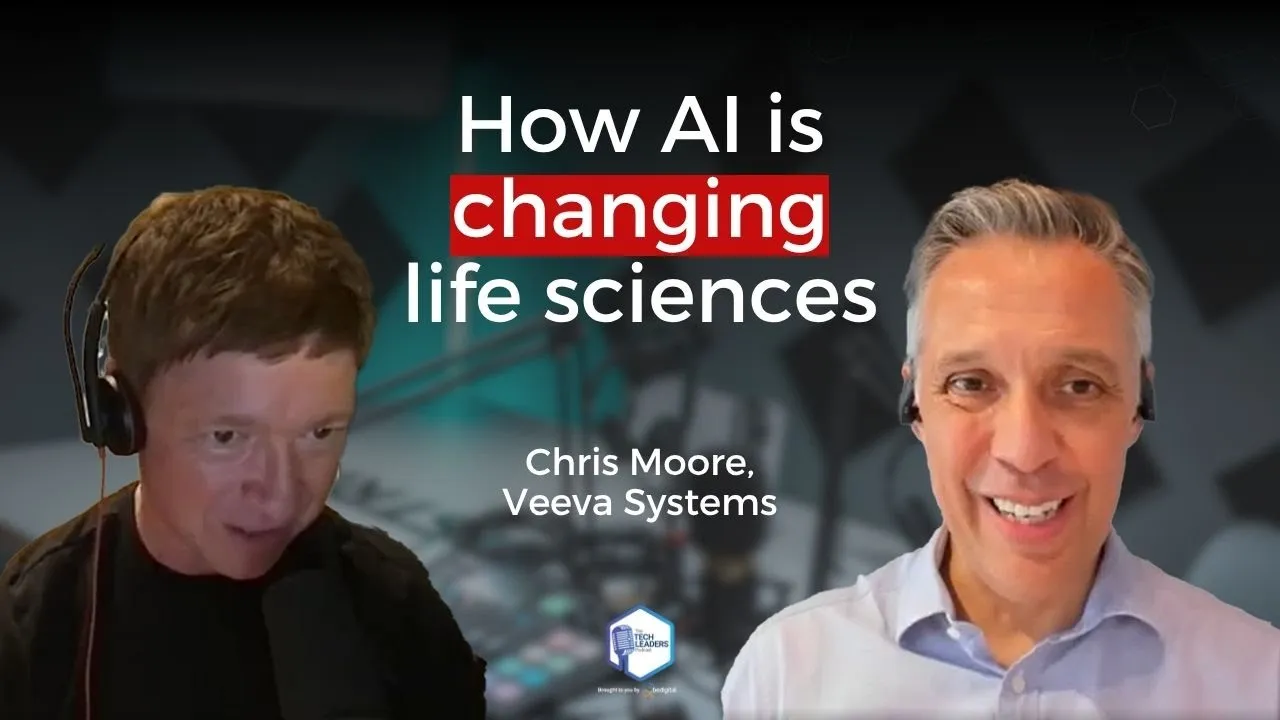
The Role of AI and Data in the Future of Life Sciences and Healthcare | Chris Moore, Veeva Systems
The Tech Leaders Podcast
/@thetechleaderspodcast9836
Oct 27, 2025
This video provides an in-depth exploration of the transformative role of AI and data in the future of life sciences and healthcare, featuring Chris Moore, European President at Veeva Systems. Moore discusses how AI and technology can enhance efficiency and effectiveness within the industry, ultimately leading to better healthcare outcomes and more fulfilling lives. The conversation also delves into the critical aspects of regulation, data security, and privacy, particularly within the inherently regulated life sciences sector. A significant portion of the discussion is dedicated to Veeva's strategic decision to conclude its decade-long partnership with Salesforce and the implications of this move for the company's future and its proprietary Vault platform. Moore elaborates on AI's primary function in life sciences as a supportive tool rather than a replacement for human oversight or established checks and balances. He highlights key areas where AI is making a substantial impact, such as accelerating drug discovery by identifying targets, enhancing drug safety monitoring by discerning meaningful adverse events, and bolstering compliance efforts. The speaker emphasizes that the life sciences industry, already heavily regulated, possesses a unique advantage in navigating AI integration, as the fundamental requirement to prove a drug's efficacy and safety provides a built-in framework for responsible AI deployment. This existing regulatory environment means AI applications must still adhere to rigorous validation and evidence-based standards. A core concern addressed is data security, which Moore identifies as paramount due to the highly personal and sensitive nature of health and drug development data. He stresses the importance of keeping such data secure throughout the drug development lifecycle while also ensuring its accessibility for early detection of issues. Furthermore, the discussion underscores the necessity of explicit consent and transparent communication regarding how contributed data will be used, where, and by whom, ensuring a mature dialogue if data usage parameters change. Veeva's approach to data management is presented as a collaborative model, securing client data in unique, safe environments and sharing anonymized industry data only with explicit consent for collective benefit. The video also sheds light on Veeva Systems' strategic evolution, particularly its decision to end its long-standing partnership with Salesforce. Moore explains this as a natural progression, stemming from the realization that the vast majority of Veeva's CRM offering had become proprietary Veeva product, with less reliance on the underlying Salesforce platform. The initial use of Salesforce for CRM was a foundational step, but as Veeva expanded into content management and other parts of the life sciences value chain, it developed its own Vault platform, purpose-built from day one to support data, process, and content in a harmonized environment specific to the industry's unique needs. This strategic shift aims to unify all 50 of Veeva's applications onto its proprietary Vault platform, providing a more integrated and innovative solution for its life sciences customers. Key Takeaways: * **AI as a Support Function:** In life sciences, AI's primary role is to support and enhance existing processes, such as drug discovery, safety monitoring, and compliance, rather than replacing human judgment or established regulatory checks. * **Inherent Regulatory Advantage:** The life sciences industry benefits from its already heavily regulated nature, which provides a foundational framework for the responsible integration and validation of AI technologies, requiring proof and evidence for all claims. * **Key AI Application Areas:** AI is poised to make significant impacts in identifying drug targets for new discoveries, analyzing drug safety cases to detect meaningful adverse events, and assisting companies in maintaining regulatory compliance in their day-to-day activities. * **Paramount Importance of Data Security:** Due to the highly personal and sensitive nature of health and drug development data, robust data security measures are critical throughout all stages of drug development to protect information and enable early issue detection. * **Explicit Consent for Data Usage:** Companies and individuals contributing data for AI innovation must have explicit consent regarding how their data will be used, where, and for what purpose, with transparent communication if these parameters change. * **Collaborative Data Innovation:** Veeva Systems exemplifies a collaborative approach to data management, securing client data in unique environments and facilitating the sharing of anonymized industry data only with consent, for the collective good of the industry. * **Veeva's Strategic Platform Shift:** Veeva's decision to end its 10-year partnership with Salesforce was a strategic move driven by the increasing dominance of Veeva's proprietary product within its CRM offerings and Salesforce's limitations in supporting content management. * **Unified Veeva Vault Platform:** The transition signifies Veeva's commitment to unifying all 50 of its applications onto its purpose-built Vault platform, designed specifically for life sciences to provide a harmonized solution for data, process, and content management. * **Industry-Specific Platform Needs:** The evolution from using a general-purpose CRM like Salesforce to a specialized platform like Veeva Vault highlights the unique and complex requirements of the life sciences industry that necessitate tailored software solutions. * **Efficiency as a Societal Imperative:** AI and technology are viewed as crucial tools to make the life sciences industry more efficient and effective, enabling it to address the limitless demand for better healthcare and drugs within societal economic constraints. * **Impact on Public Health:** By improving efficiency, AI empowers the industry to solve more healthcare issues, contributing to happier, more fulfilling, and productive lives for people globally. Tools/Resources Mentioned: * Veeva CRM * Salesforce * Veeva Vault platform Key Concepts: * **Generative AI:** AI systems capable of generating new content, such as text, images, or other media. * **Agentic AI:** AI systems designed to act autonomously or semi-autonomously to achieve specific goals. * **Data Security:** Measures taken to protect data from unauthorized access, corruption, or theft throughout its lifecycle. * **Regulatory Compliance:** Adherence to laws, regulations, guidelines, and specifications relevant to the life sciences industry (e.g., FDA, EMA, GxP, 21 CFR Part 11). * **Drug Discovery:** The process of identifying potential new medicines. * **Drug Safety (Pharmacovigilance):** The science and activities relating to the detection, assessment, understanding, and prevention of adverse effects or any other drug-related problem. * **Adverse Events:** Any untoward medical occurrence in a patient administered a pharmaceutical product. Examples/Case Studies: * **Veeva's Partnership with Salesforce:** The discussion details the history and eventual strategic termination of Veeva's 10-year partnership with Salesforce, explaining the rationale behind the move to Veeva's proprietary Vault platform.

Veeva Agentic AI 2025 is here !From the R&D & Quality Summit keynote
Anitech Talk
/@AnitechTalk
Oct 26, 2025
This video provides a critical strategic overview of Veeva's latest technological advancement, "Agentic AI 2025," specifically focusing on its integration within the Vault platform for Research & Development (R&D) and Quality management within the life sciences sector. The announcement, delivered during the R&D & Quality Summit keynote, signals a significant shift in how regulated processes—such as clinical trial documentation, quality control, and regulatory submissions—will be automated and managed. The core promise of this new capability is the deployment of intelligent, collaborative agents designed specifically for secure, regulated environments, moving beyond simple generative AI tools to autonomous systems capable of executing complex, multi-step tasks across various Vault applications. The key themes revolve around security, collaboration, and purpose-built functionality for regulated industries. Veeva's introduction of Agentic AI aims to solve the inherent challenges of data silos and manual handoffs prevalent in R&D and Quality workflows. By embedding intelligent agents directly into Vault, these systems can securely access, analyze, and synthesize data from disparate sources—such as clinical data management systems, quality management systems (QMS), and regulatory affairs platforms—to automate processes like audit trail generation, document comparison, and compliance checks. This shift is crucial for IntuitionLabs.ai, as it validates the market demand for sophisticated AI solutions that operate within established, regulated enterprise software like Veeva Vault, directly impacting the need for specialized consulting and integration services. The progression of Veeva’s strategy, as implied by the keynote context, emphasizes the transition from static, document-centric workflows to dynamic, AI-driven operations. Agentic AI is positioned as a secure, compliant layer that facilitates cross-system collaboration. For instance, an agent could monitor a deviation recorded in Vault Quality, automatically cross-reference related standard operating procedures (SOPs) in Vault RIM (Regulatory Information Management), and draft a preliminary impact assessment, all while maintaining a verifiable audit trail compliant with 21 CFR Part 11 requirements. This capability underscores the need for deep expertise in both Veeva architecture and AI governance, which is central to IntuitionLabs.ai's value proposition. The focus on "purpose-built for regulated industries" highlights that these agents are not general-purpose LLMs but are fine-tuned and constrained to operate within GxP guidelines, ensuring data integrity and compliance are maintained throughout the automated workflow. Key Takeaways: • **Strategic Shift to Agentic Systems:** Veeva's commitment to Agentic AI signifies that future pharmaceutical operations will rely on autonomous, goal-oriented software agents rather than simple LLM prompts, requiring clients to develop new strategies for AI governance and workflow orchestration within their Veeva environments. • **Integration of AI into Regulated Workflows:** The integration of AI directly into the Vault platform (R&D, Quality, RIM) confirms that AI adoption must prioritize regulatory compliance (GxP, 21 CFR Part 11) and data security, creating a strong demand for consulting services that specialize in compliant AI implementation and validation. • **Cross-System Collaboration Opportunities:** Agentic AI allows for seamless, secure collaboration across previously siloed Vault applications (e.g., connecting clinical data with regulatory submissions or quality events), presenting a significant opportunity for IntuitionLabs.ai to design and implement robust data pipelines and integration layers. • **Demand for Custom AI Agents:** While Veeva provides the foundational platform, pharmaceutical companies will require custom-developed AI agents tailored to proprietary SOPs, internal data structures, and specific commercial or clinical use cases, aligning perfectly with IntuitionLabs.ai's custom software development and LLM services. • **Focus on AI Validation and Audit Trails:** The regulated nature of the R&D and Quality domains means that every action taken by an Agentic AI must be traceable, auditable, and validated, necessitating specialized expertise in building AI solutions with robust audit trail capabilities and validation documentation. • **Impact on Commercial Operations:** Although the keynote focused on R&D and Quality, the underlying Agentic AI technology will inevitably extend to commercial operations (e.g., Veeva CRM), enabling sophisticated automation for sales operations, medical information requests, and compliance monitoring, which is a core service area for IntuitionLabs.ai. • **Need for Data Engineering Expertise:** Effective Agentic AI relies heavily on clean, integrated data. The ability of agents to collaborate across systems necessitates strong data engineering services to ensure data quality, harmonization, and pipeline reliability across the entire Veeva ecosystem. • **Competitive Advantage in Compliance:** Firms like IntuitionLabs.ai that can demonstrate early expertise in deploying and validating Veeva’s Agentic AI features while maintaining strict adherence to FDA and EMA guidelines will gain a significant competitive advantage in the life sciences consulting market. Tools/Resources Mentioned: * Veeva Vault Platform * Veeva Agentic AI 2025 * R&D & Quality Summit Key Concepts: * **Agentic AI:** A type of artificial intelligence system capable of autonomous, goal-directed behavior. Unlike simple generative AI, agents can plan, execute multi-step tasks, interact with external systems (like different Vault modules), and self-correct, all while operating within defined constraints. * **Vault Platform:** Veeva's suite of cloud-based applications designed specifically for managing content and data across the life sciences enterprise, including R&D, Quality, Regulatory, and Commercial functions. * **Regulated Industries Focus:** Emphasizes that the AI solutions are built with inherent controls and security features necessary to comply with stringent industry regulations, such as GxP (Good Practices) and 21 CFR Part 11 (electronic records and signatures).

Veeva Agentic AI 2025: Key Insights from the R&D & Quality Summit Keynote Part - 1
Anitech Talk
/@AnitechTalk
Oct 25, 2025
This video provides an in-depth exploration of Veeva's strategic shift towards "Agentic AI" within its Vault platform, based on insights from the R&D and Quality Summit keynote by CEO Peter Gassner. The speaker begins by contextualizing Veeva's historical innovation of unifying content and data in the cloud, a significant departure from previous industry standards like Documentum and Siebel which required constant application switching. The core message is that Veeva Vault is now evolving further to integrate data, content, and AI agents into a single, unified environment, signaling a fundamental transformation in how life sciences teams will operate. The presentation delves into the specifics of Veeva's AI strategy, highlighting two main pillars: Agentic AI operating directly within the Vault platform, and industry-specific agents designed to function across all Veeva applications. A bold mission is articulated: to achieve a 20% increase in industry productivity by 2030 through these AI advancements. The speaker elaborates on how Veeva agents are designed to "live inside Vault," securely accessing both content and data, much like a human user. These agents are application-specific, meaning their behavior adapts to the context of the Veeva application they belong to, such as RIM or QMS. The framework supports both standard Veeva agents (with 30 already available or planned) and custom agents that can be developed by customers or partners to address unique business challenges. A particularly exciting development discussed is the Model Context Protocol (MCP), a technology developed by Anthropic and implemented by Veeva, which enables agent-to-agent communication. This protocol allows agents to collaborate across disparate internal and external systems, such as a Veeva RIM agent interacting with SAP, or a Veeva Registration agent communicating with a Veeva Health Authorities agent. This cross-system collaboration is projected to streamline complex processes that once took days, completing them in minutes. The video concludes by outlining a timeline, noting that advanced security controls for agent interactions will be rolled out next year, while the first agent is scheduled for delivery into the Commercial Vault this year, marking the beginning of this new era of intelligent, compliant, and connected life sciences operations. Key Takeaways: * **Veeva Vault's Transformative Evolution:** The Veeva Vault platform is undergoing a major shift, integrating "Agentic AI" directly alongside its existing data and content management capabilities. This evolution creates a unified environment where AI agents have secure, real-time access to information, fundamentally changing life sciences workflows. * **Ambitious Productivity Goal:** Veeva has set a clear objective to boost industry productivity by 20% by 2030, driven by the implementation of Agentic AI. This goal underscores the company's commitment to delivering measurable impact and efficiency gains across the pharmaceutical and life sciences sectors. * **Dual AI Strategy:** Veeva's AI approach is structured around two core components: Agentic AI embedded within the Vault platform itself, and specialized industry-specific agents designed to operate seamlessly across all Veeva applications, ensuring comprehensive AI integration. * **Agents as Intelligent Task Handlers:** Veeva agents are designed to reside within Vault, capable of reading both content and data, similar to a human user. Their primary role is to automate repetitive and data-driven tasks, thereby freeing up human professionals to concentrate on critical judgment and decision-making. * **Flexible Agent Development:** The Agent Framework provides significant flexibility, offering both standard Veeva agents (with approximately 30 already available or planned) and the capability for customers and partners to build and customize agents to address specific business challenges and unique operational needs. * **Context-Aware Agent Behavior:** Each Veeva agent is engineered to behave distinctly based on the specific application it belongs to (e.g., a Veeva RIM agent will operate differently from a Veeva QMS agent). This ensures that automation is specialized, relevant, and context-aware for each functional area. * **Super Agent for Orchestration:** The concept of a "Super Agent" is introduced, which serves as a higher-level orchestrator. This agent is responsible for coordinating and managing the activities of multiple individual agents, enabling complex, multi-agent workflows and streamlined end-to-end processes. * **Cross-System Agent Communication via MCP:** A pivotal innovation is the Model Context Protocol (MCP), developed by Anthropic and adopted by Veeva. This protocol enables agents to communicate and collaborate with each other across various internal and external systems, such as a Veeva RIM agent interacting with SAP, or a Veeva Registration agent with a Health Authorities agent, significantly accelerating complex processes. * **Diverse Agent Trigger Mechanisms:** Agents can be activated through multiple channels, including chat interfaces, predefined workflows, specific tasks, or even API calls. This versatility allows for flexible integration into existing operational procedures and user interactions. * **Prioritizing Security and Compliance:** Recognizing the stringent regulatory requirements of the life sciences industry, Veeva plans to implement advanced security controls for agent interactions in the coming year. This commitment ensures that AI innovation proceeds safely and responsibly, adhering to critical regulatory standards. * **Phased Rollout Beginning with Commercial Vault:** The initial deployment of Veeva's Agentic AI will commence with the first agent being delivered into the Commercial Vault this year. This phased approach marks the beginning of a new era where AI securely collaborates with users within the Veeva Vault ecosystem. * **Strategic Partnership Opportunities:** The emphasis on customers creating custom agents with the assistance of partners highlights a significant opportunity for specialized consulting and software development firms, such as IntuitionLabs.ai, to provide expertise in leveraging and extending Veeva's Agentic AI capabilities for their clients. **Key Concepts:** * **Agentic AI:** A paradigm of artificial intelligence where autonomous software agents are embedded within a platform to perform tasks, access and process data and content, and interact with other systems, often exhibiting adaptive and intelligent behavior. * **Veeva Vault Platform:** Veeva's industry-leading, cloud-based platform designed for content and data management specifically for the pharmaceutical and life sciences sectors, now being enhanced with integrated AI agents. * **Agent Framework:** The foundational structure and set of tools provided by Veeva that facilitate the development, customization, deployment, and ongoing management of AI agents within their ecosystem. * **Model Context Protocol (MCP):** A communication protocol, initially developed by Anthropic and integrated by Veeva, that enables secure and intelligent collaboration and data exchange between different AI agents, allowing them to work together across various systems. * **Super Agent:** A specialized, higher-level AI agent responsible for orchestrating, coordinating, and managing the activities of multiple individual, more specialized agents to achieve broader, more complex objectives. * **Commercial Vault:** A specific module or instance within the broader Veeva Vault platform that is dedicated to supporting commercial operations, sales, and marketing activities within life sciences companies, and is the target for the initial Agentic AI deployment. **Tools/Resources Mentioned:** * **Veeva Vault Platform:** The central platform for data, content, and now AI agents. * **Veeva RIM (Regulatory Information Management):** A specific Veeva application mentioned in the context of agent-to-agent communication. * **Veeva QMS (Quality Management System):** Another specific Veeva application mentioned to illustrate application-specific agent behavior. * **SAP:** An external Enterprise Resource Planning (ERP) system mentioned as an example of a system that Veeva agents can communicate with via MCP. * **Anthropic:** The AI research company credited with developing the Model Context Protocol (MCP).

Veeva exec: hidden flaws in your projected data might be costing you
Fierce Life Sciences
/@Fierce_LS
Oct 24, 2025
This video provides an in-depth exploration of the critical role of data quality and strategy in optimizing commercial operations within the life sciences industry. Peter Stark, President of Compass and EVP of Data Cloud at Veeva, discusses how pharmaceutical commercial teams must adapt their go-to-market strategies to meet evolving stakeholder needs in an increasingly specialized and competitive market. He emphasizes that the industry's ultimate goal is to improve patient outcomes by ensuring accurate and early diagnosis, which necessitates a deep understanding of Healthcare Professionals (HCPs) and the changing landscape of medicine delivery, moving beyond traditional "white pill retail" to include procedure-based, in-office, injection, and infusion therapies. The core message revolves around the indispensable need for a robust data foundation to support effective analytics and AI initiatives, asserting that the output of these advanced tools is only as good as the underlying data. Stark outlines three key components for a forward-looking data strategy, particularly concerning "projected data." First, a "complete view" is essential, integrating both retail and non-retail data sources to reflect the current complexity of medicine distribution. Relying solely on historical retail data for modern challenges is insufficient. Second, "full visibility" requires the ability to tie all data together across different levels, from national to subnational (zip, HCO, HCP), ensuring a single source of truth and accuracy, especially when building projections from patient data. He highlights a common pitfall where data bundled at different levels doesn't reconcile, leading to inconsistencies. Third, "unlimited access" to a comprehensive data network is crucial, challenging the historical practice of artificially constraining customer access to data. This unconstrained access empowers deeper analytical exploration and fosters a more inquisitive approach to data utilization. The discussion then pivots to the significant risks associated with an inadequate projected data strategy. Stark warns that incorrect forecasting is the most immediate and impactful consequence, leading to a detrimental trickle-down effect on commercial operations. This includes misaligned promotional planning, such as incorrect allocation of field representatives, suboptimal digital media buying and placement, and inaccurate territory alignment. The analogy of an inaccurate snow forecast powerfully illustrates how being over- or under-prepared due to faulty projections can waste resources or leave critical needs unmet. Ultimately, these operational inefficiencies directly impede the industry's primary mission: getting patients on therapy as early as possible. Stark concludes by asserting that the single guiding principle for commercialization leaders should be data quality, urging a continuous evaluation of existing data strategies to ensure they are fit for purpose in today's and tomorrow's markets, rather than relying on past methods. Key Takeaways: * **Evolving Go-to-Market Strategies:** Commercial teams in life sciences must adapt to specialized and complex medicines by deeply understanding HCPs and the diverse channels of modern medicine delivery (e.g., procedure-based, injections, infusions) beyond traditional retail. * **Data as the Foundation for AI and Analytics:** The effectiveness of scaling analytics and AI solutions is directly dependent on the quality and completeness of the underlying data foundation. Without robust data, advanced tools will yield inaccurate or incomplete outputs. * **Three Pillars of a Forward-Looking Data Strategy:** A strong data strategy for projected data requires a "complete view" (integrating retail and non-retail data), "full visibility" (tying data across national and subnational levels for a single source of truth), and "unlimited access" to data to foster deeper inquiry and analysis. * **Pitfalls of Incomplete Data:** Relying on outdated or incomplete data, such as retail-only views for modern medicine, leads to significant gaps in understanding the market and stakeholder needs. * **Risks of Incorrect Forecasting:** A flawed data strategy results in incorrect forecasts, which have a severe trickle-down effect on commercial operations, including misallocation of field resources, inefficient promotional planning, and suboptimal digital media placement. * **Impact on Patient Outcomes:** Ultimately, an inaccurate data foundation and subsequent incorrect commercial strategies can delay patients getting on necessary therapies, compromising patient outcomes and the industry's core mission. * **Guiding Principle: Data Quality:** Commercialization leaders should prioritize data quality above all else, recognizing that a better understanding of the market, whether current or future, begins with superior data. * **Continuous Data Strategy Validation:** Organizations should not passively rely on past data foundations or strategies. It is crucial to continuously evaluate and validate whether existing data and methods are sufficient for current and future market needs, rather than assuming past success guarantees future relevance. * **Beyond Just "New Data":** Tackling new data streams isn't solely about acquiring novel datasets but also about ensuring existing data provides completeness and full visibility, and having the courage to re-evaluate how data is constructed and utilized. Tools/Resources Mentioned: * **Veeva Data Cloud:** Peter Stark is EVP of Data Cloud at Veeva, implying that Veeva offers solutions related to data management and analytics for the life sciences. * **Data Network:** The concept of an "unlimited access to a data network" is discussed as a crucial component of a modern data strategy. Key Concepts: * **Projected Data:** Refers to data used for forecasting and strategic planning, particularly in commercial operations. * **Go-to-Market Strategies:** The plans and approaches companies use to introduce products or services to new markets or customers. * **HCP (Healthcare Professional):** A key stakeholder in the pharmaceutical and life sciences industry, whose interactions and understanding are critical for commercial success and patient outcomes. * **Retail vs. Non-Retail Data:** Distinguishes between data from traditional pharmacy sales and data from other channels like procedure-based treatments, in-office administration, injections, and infusions. * **National vs. Subnational Data:** Refers to data aggregated at broad geographical levels (national, state) versus more granular levels (zip code, HCO - Healthcare Organization, HCP). * **Single Source of Truth:** The concept that all data points should originate from or reconcile to one authoritative source to ensure consistency and accuracy. * **Commercial Operations:** The activities related to selling and marketing products, including sales force management, promotional planning, and market forecasting.

Veeva Systems - The tech backbone of the global life sciences industry - $VEEV
emportop
/@emportop
Oct 24, 2025
This detailed analysis provides a comprehensive history and strategic deep dive into Veeva Systems, positioning it as the vertical SaaS champion that became the indispensable technology backbone of the global life sciences industry. The narrative explores how co-founders Peter Gastner and Matt Wallak, despite never having met, combined deep technical expertise (Gastner, ex-Salesforce/PeopleSoft) with profound industry knowledge (Wallak, ex-Siebel Pharma) to disrupt a technologically lagging sector in 2007. Veeva's initial, counterintuitive strategy was radical: focusing exclusively on the highly regulated pharmaceutical industry, prioritizing capital efficiency (raising only $7 million before a $4.4 billion IPO), and leveraging the Salesforce platform to quickly deliver a purpose-built CRM solution. The core progression of Veeva’s strategy is defined by two major phases. First, the successful launch of Veeva CRM on the Force.com platform, which provided instant enterprise credibility and allowed Veeva to focus solely on industry-specific features like compliance tracking and physician engagement via the newly launched iPad. This phase established Veeva's financial discipline, resulting in profitability years before its 2013 IPO. The second, more transformative phase began in 2011 with the introduction of Veeva Vault, a proprietary cloud-based content management system. Vault represented an existential bet on building their own platform from scratch, driven by the need to manage the vast, regulated documentation across R&D, Quality (GxP), and Clinical Operations (eTMF, CTMS). This multi-product expansion solidified Veeva’s dominance, turning it from a CRM vendor into a full life sciences platform provider supporting 50+ applications in a secure, validated environment. The analysis culminates in two major strategic moves: the 2021 conversion to a Public Benefit Corporation (PBC), legally cementing its commitment to balancing stakeholder interests over pure shareholder returns, and the bombshell 2022 announcement to sunset the Salesforce partnership by 2025. This "divorce" is framed as the ultimate bet on vertical integration, allowing Veeva to migrate its core CRM product onto the mature Vault platform. This transition, while risky, promises margin expansion (by eliminating Salesforce fees, which were 12% of revenue) and complete control over the customer experience and innovation roadmap, including the integration of Veeva AI and Generative AI agents like CRMbot. The video concludes by contrasting Veeva’s patient, focused, and profitable approach with Silicon Valley's "growth at all costs" mentality, arguing that deep industry expertise and high switching costs in regulated markets create an unassailable competitive moat. **Detailed Key Takeaways** * **Vertical Focus Amplifies Value:** Veeva’s success validates the thesis that extreme vertical focus (life sciences) does not limit market potential but amplifies it. By serving a small number of high-value customers (18 of the top 20 pharma companies) with mission-critical, compliance-driven software, Veeva achieved superior pricing power, retention, and a $46 billion valuation, proving that dominating a niche beats competing for a small share of a huge market. * **Capital Efficiency as a Competitive Advantage:** Veeva’s ability to turn $7 million in VC funding into a massive IPO proves that financial discipline and profitability (achieved three years before IPO) create a virtuous cycle. This efficiency allowed the company to maintain control, make long-term strategic decisions (like building Vault), and gain customer trust as a stable vendor that wouldn't disappear overnight. * **Platform Strategy: Leverage and Leave:** The decision to build Veeva CRM on Salesforce initially was a brilliant accelerator, providing instant enterprise credibility and reducing time-to-market. However, the simultaneous, patient investment in the proprietary Veeva Vault platform over 15 years ensured optionality, allowing them to exit the partnership on their own terms when Vault was mature enough to support the CRM workload, with a patient migration window extending through 2030. * **Regulatory Expertise is the Moat:** Veeva's primary competitive advantage is not technical but its deep understanding of complex pharmaceutical workflows, GxP, 21 CFR Part 11, and regulatory requirements. Vault applications are delivered with comprehensive Installation Qualification (IQ) and Operational Qualification (OQ) validation packages, substantially reducing the validation burden and risk for pharma clients. * **Multi-Product Expansion Template:** Veeva’s expansion model is a template for vertical SaaS: start by solving the most visible pain point (CRM for sales reps), establish credibility, and then systematically expand into adjacent, highly regulated workflows (Clinical, Regulatory, Quality, Safety) using a unified platform (Vault), where each new product strengthens the others. * **AI Strategy is Industry-Specific and Practical:** Veeva AI, including Generative AI and LLM-powered agents like CRMbot (planned for late 2025), is focused on immediate, context-driven value within specific pharmaceutical workflows (e.g., pre-call planning, suggested content, compliance documentation), rather than generic AI capabilities, leveraging deep access to industry data and workflows. * **The Vault Migration Unlocks Margin:** The transition of Veeva CRM from Salesforce to the Vault platform by 2025 is a high-stakes move aimed at achieving complete platform control and simplifying the IT landscape for customers, while the financial opportunity includes eliminating the 12% revenue cost paid to Salesforce, potentially expanding operating margins by 500-1,000 basis points over time. * **High Switching Costs in Regulated Markets:** Switching costs in life sciences are prohibitive due to the risk of regulatory non-compliance, data loss, and business continuity disruption during critical processes like clinical trials, making replacement practically unthinkable and cementing Veeva's entrenched position. * **Contrarian Thinking as Strategy:** Veeva’s success was built on ignoring conventional Silicon Valley wisdom—focusing on one industry, staying lean when competitors raised massive war chests, and prioritizing profitability over growth at all costs—proving that being different, patient, and focused creates enduring value. * **Long-Term Orientation:** The conversion to a Public Benefit Corporation (PBC) in 2021 formalized Veeva’s commitment to building a company that could last 100 years, giving them the legal framework to make long-term decisions that balance shareholder returns with the needs of customers and employees, such as the commitment to no layoffs through 2026. **Tools/Resources Mentioned** * **Veeva Systems:** The core subject of the analysis. * **Veeva Vault:** Veeva's proprietary cloud-based content and data management platform, now the foundation for all applications. * **Veeva CRM:** Customer Relationship Management solution for life sciences sales and marketing. * **Veeva Development Cloud:** Suite of Vault applications for R&D and Quality (e.g., eTMF, EDC, CTMS, Quality Docs, Safety). * **Veeva AI / CRMbot:** Generative AI and LLM agents integrated into the Vault platform and applications for automation and productivity. * **Salesforce (Force.com):** The platform Veeva initially built its CRM product on and is now migrating away from. * **IQVIA:** Salesforce's new strategic partner for life sciences CRM post-Veeva partnership expiration. **Key Concepts** * **Vertical SaaS (Software as a Service):** Software designed specifically for the needs of the life sciences industry, allowing for deep specialization and high pricing power. * **Capital Efficiency:** The practice of achieving high growth and profitability with minimal external funding and low burn rate. * **Public Benefit Corporation (PBC):** A for-profit corporate structure that legally requires the company to balance the interests of shareholders with the interests of other stakeholders (customers, employees, society). * **GxP (Good Practices):** A set of quality guidelines and regulations covering various aspects of pharmaceutical documentation and processes (e.g., Good Manufacturing Practice). * **21 CFR Part 11:** FDA regulation governing electronic records and electronic signatures, a critical compliance requirement. * **eTMF (Electronic Trial Master File):** A digital system for managing the essential documents of a clinical trial. * **IQ/OQ Validation:** Installation Qualification and Operational Qualification—the formal process of verifying that regulated software is installed and operates correctly, which Veeva automates for its clients.

Collaborating on a connected platform journey, with Alexander Alex and Florian Schnappauf
pharmaphorum media limited
/@Pharmaphorum
Oct 21, 2025
This video provides an in-depth exploration of Bayer's strategic migration to Veeva Vault CRM and the broader implications of a connected platform journey within the pharmaceutical industry. Featuring Alexander Alex, Head of Veeva Platform at Bayer, and Florian Schnappauf, VP of Enterprise Commercial Strategy at Veeva, the discussion centers on how this transition elevates Bayer's customer engagement model, integrates core business functions, and leverages artificial intelligence to drive innovation and efficiency across its value chain. The conversation begins by detailing Bayer's decision to move from its previous Salesforce partnership to Veeva's proprietary Vault CRM, a move necessitated by Veeva's strategic shift. This migration was not merely a technical upgrade but a foundational step towards a "next-generation customer engagement model" focused on empowering field teams and prioritizing customer insights. Bayer's goal was to evolve from a traditional "system of records" to a "customer insights platform," laying the groundwork for a new operating model. The speakers highlight the successful go-live of Vault CRM in the US and APAC markets, acknowledging the unique challenges and collaborative efforts involved in these complex rollouts. A central theme is the concept of the "Veeva Universe" at Bayer, where Veeva platforms are deployed across commercial, R&D, and quality functions, effectively serving as Bayer's "SAP in pharma." This integrated ecosystem aims to break down data silos, create a unified architecture and data layer, and enable end-to-end strategic processes. An illustrative example cited is the significant overlap (up to 50%) between individuals visited by R&D for studies and those engaged by commercial and medical teams, underscoring the critical need for data quality and shared insights. The discussion also delves into the power of embedding AI directly into the Veeva platform, with Veeva AI introducing "agentic AI" to accelerate workflows and enhance efficiency, moving towards a "system of insights." The speakers emphasize the importance of a committed bilateral partnership, a strong, trusted team, and a user-centric approach to transformation. Bayer's methodology included a bottom-up sourcing of challenges, leveraging Large Language Models (LLMs) to process unstructured user feedback into actionable user stories, and conducting a 3-day workshop with Veeva's product team to integrate these insights into the Vault CRM roadmap. Looking to the future, the vision is to create an "agentic sales rep experience," where AI acts as a catalyst for a dual transformation—both technological and business-oriented—to empower field forces as "mini-CEOs" of their territories. The ultimate ambition is to accelerate the entire journey from pipeline to patient, making drug development faster, trials safer, and information more valuable through connected platforms and AI. Key Takeaways: * **Strategic Shift to Customer Insights:** Bayer's migration to Vault CRM signifies a move from a traditional "system of records" to a "customer insights platform," aiming to empower field teams and enhance customer engagement through data-driven intelligence. * **Unified Platform for End-to-End Processes:** The "Veeva Universe" concept illustrates the integration of Veeva platforms across commercial, R&D, quality, and regulatory functions, enabling seamless data flow and strategic processes across the entire pharmaceutical value chain. * **Breaking Data Silos is Crucial:** A unified architecture and data layer are essential to connect disparate systems and leverage data effectively, as demonstrated by the 50% overlap in customer interactions between R&D and commercial/medical teams. * **AI as a Core Platform Enabler:** Veeva is deeply embedding AI, including "agentic AI," directly into its Vault platform and applications, moving beyond superficial AI integrations to create truly intelligent automation within workflows. * **Specific AI Agents for Commercial Operations:** Upcoming AI agents for Vault CRM include pre-call planning assistance, a voice agent for natural language interaction, and a compliance agent to analyze free text for potential regulatory infringements, enhancing efficiency and adherence. * **User-Centric Transformation Approach:** Bayer adopted a bottom-up strategy for platform transformation, actively soliciting feedback from end-users, processing unstructured data with LLMs to generate user stories, and directly collaborating with Veeva's product team. * **Leveraging LLMs for Requirements Gathering:** The innovative use of LLMs to analyze 170 pages of unstructured user feedback and distill it into 45 prioritized user stories highlights a powerful methodology for capturing user needs at scale. * **Bilateral Partnership and Trust are Paramount:** The success of the migration is attributed to a committed bilateral partnership, mutual trust, and transparent communication between Bayer and Veeva, allowing for frank discussions and shared problem-solving. * **Fostering Bottom-Up Innovation:** Bayer encourages innovation through initiatives like the "Veeva Hackathon," bringing together cross-functional teams to solve problems using platform capabilities and AI, leading to scalable blueprints. * **"Missions" for Focused Innovation:** Bayer has established "missions," such as the "AI Readiness Mission Team," to create governance, connect teams, and foster an environment for rapid, small-scale experiments (90-day proof-of-value projects) around Veeva and AI. * **Future Vision: Agentic Sales Rep Experience:** The long-term goal is to move beyond CRM as a component to an "agentic sales rep experience," transforming reps into "mini-CEOs" who are empowered by insights and AI to understand and lead their territories. * **Accelerating Pipeline to Patient:** Connected platforms and AI are seen as catalysts to significantly accelerate the entire drug development and commercialization journey, leading to faster drug development, quicker clinical trial startups, safer trials, and ultimately, quicker access to medicines for patients. Tools/Resources Mentioned: * Veeva Vault CRM * Veeva AI * Large Language Models (LLMs) * VIP coding Key Concepts: * **Veeva Universe:** Bayer's term for its extensive deployment of Veeva platforms across its entire value chain (commercial, R&D, quality, regulatory, content), functioning as an integrated enterprise system. * **System of Insights vs. System of Records:** A conceptual shift from merely recording data to actively generating actionable intelligence and recommendations from that data. * **Agentic AI:** AI systems designed to act autonomously or semi-autonomously within workflows, performing tasks and making decisions based on learned patterns and goals. * **Agentic Sales Rep Experience:** A future vision where sales representatives are augmented by AI agents, providing proactive insights, automating routine tasks, and enabling more strategic and personalized customer engagement. * **AI Readiness Mission:** A dedicated internal initiative at Bayer focused on establishing governance, connecting teams, and creating an environment conducive to innovative AI experimentation within the Veeva ecosystem. Examples/Case Studies: * **Bayer's Vault CRM Migration:** The core example, detailing the strategic decision, implementation challenges (US and APAC go-lives), and the benefits of moving to a unified Veeva platform. * **Customer Data Overlap:** An assessment revealed up to a 50% overlap between individuals visited by Bayer's R&D teams for studies and those engaged by commercial and medical teams, highlighting the need for integrated customer data. * **Veeva Hackathon:** An internal event where cross-functional teams from regulatory, quality, commercial, and content squads collaborated to solve problems using AI and VIP coding on Veeva platforms, fostering bottom-up innovation. * **LLM-Driven User Story Generation:** Bayer utilized LLMs to process 170 pages of unstructured user feedback into 45 prioritized user stories, which then informed a 3-day workshop with Veeva's product team to shape the Vault CRM roadmap.
The 2025-2026 Stop-Loss State Of The Union | with Jay Ritchie
Self-Funded
@SelfFunded
Oct 21, 2025
This video provides an in-depth analysis of the 2025-2026 stop-loss insurance market, delivered by Jay Ritchie, President of Tokio Marine HCC. The central theme is the transition into a "tightening, hardening market" characterized by double-digit rate increases for average-risk employers. Ritchie, drawing on his 32-year career in the industry, attributes this shift primarily to a massive increase in claims severity and frequency, particularly at the catastrophic level (claims exceeding $2 million). The conversation establishes that the core stop-loss product remains simple, but the underlying risk—the complex U.S. healthcare system—is driving volatility. A significant portion of the discussion focuses on the post-Affordable Care Act (ACA) environment, which eliminated lifetime and annual maximums, leading to truly unlimited risk and an exponential growth in multi-million dollar claims. Ritchie shares striking data, noting that claims over $2 million are disproportionately driven by infants under 10 (accounting for 40% of the total spend in this category), primarily due to premature births and congenital abnormalities. Furthermore, the market is profoundly impacted by the emergence of ultra-high-cost **gene therapies** (e.g., Zolgensma for spinal muscular atrophy, Elevidys for Duchenne muscular dystrophy), which carry gross price tags exceeding $2 million. These therapies, while often curative, contribute to the unpredictability and rising cost of catastrophic risk, forcing carriers to adjust pricing and terms. The path forward, according to Ritchie, centers entirely on data and active risk management. He argues that the insurance sector, historically slow to adopt technology, is uniquely positioned to leverage data due to its core competency in data analysis (being staffed by underwriters, accountants, and actuaries). The future of underwriting involves moving beyond 12-month predictions to 24- and 36-month risk forecasting, requiring access to granular first-dollar data and drug data. This enhanced data environment would allow carriers to move away from adversarial pricing models toward long-term partnerships, offering better rates to employers who actively manage risk through transparent PBM contracts, optimized networks, and robust claims review processes. The speaker emphasizes that stop-loss carriers are essentially "placing bets" on which risk management programs will perform best, incentivizing innovation and performance among third-party solutions. Key Takeaways: * **Market Hardening and Rate Increases:** The stop-loss market is definitively entering a tightening phase. Average-risk employers should expect double-digit rate increases going forward, a significant shift from the single-digit increases seen in softer markets. Only the top 10% of best-performing risks will likely secure single-digit renewals. * **Explosion of Catastrophic Claims:** Claims exceeding $2 million have seen exponential growth since the ACA eliminated coverage caps. This severity is heavily concentrated in two areas: high-cost gene therapies (curative but priced in the multi-million dollar range) and NICU stays for infants under 10 with congenital abnormalities, which account for 40% of the $2M+ spend. * **Impact of Gene Therapies:** The development of gene therapies has fundamentally changed the risk profile. Since coverage is unlimited, manufacturers can price drugs at $2 million or more, a market that wouldn't have existed pre-ACA. Understanding the prevalence and cost of these specific drugs (like Zolgensma and Elevidys) is critical for risk modeling. * **Data is the Future of Underwriting:** The industry needs to transition from conservative, pessimistic underwriting (assuming the worst with limited data) to data-driven precision. Underwriters require access to first-dollar claims data and comprehensive drug data to build predictive models that forecast risk 24 to 36 months out, enabling more stable, long-term pricing. * **Leverage Trend is Driving Cost:** A major factor in rising stop-loss costs is the failure of employers to consistently increase their specific deductibles. When medical trend increases (X) while the deductible (Y) remains stagnant for four or more years, the delta (leverage trend) grows, pushing more claims and higher costs onto the stop-loss carrier. * **The Problem with Wrap Networks:** For truly out-of-area or infrequent claims, using a quick wrap network is often inefficient. The speaker advises against automatically applying a network discount, preferring to negotiate those claims as out-of-network to achieve better cost containment results, as network contracts often protect inflated pricing. * **Decommoditizing Stop-Loss:** Employers and consultants must treat stop-loss carriers as partners, not commodities. Carriers are willing to invest in and support clients who demonstrate active risk management (e.g., transparent PBMs, high-performance networks). Treating the carrier as a commodity results in commodity-level service and less flexibility when claims go wrong. * **Innovation is in Risk Measurement:** True innovation in stop-loss is not in the core product structure (which remains basic financial reinsurance) but in the methods used to rate and measure risk. Carriers are placing bets on vendor performance and actively seeking data to validate which cost containment solutions (like Veilance or HPC) genuinely impact claims. * **Captives as a Stability Vehicle:** Captives have grown significantly because they offer employers a community for shared risk and active management, mitigating the "lone wolf" fear of self-funding. High retention rates (often 95%+) in captives demonstrate their value as a sticky, sustainable model for managing volatility. * **Focus on PBM and Claims Review:** The most actionable advice for employers seeking better stop-loss outcomes is to secure a truly transparent, pass-through PBM contract focused on lowest net cost, and ensure that the TPA or claims manager has a robust process for reviewing and "cleaning up" potentially abusive or erroneous claims (e.g., duplicate charges, excessive infusion costs). Key Concepts: * **Stop-Loss Insurance:** Financial reinsurance that protects self-funded employers from catastrophic claims exceeding a specific deductible (Specific Stop-Loss) or total annual claims exceeding a certain aggregate limit (Aggregate Stop-Loss). * **Leverage Trend:** The mathematical phenomenon where a fixed deductible absorbs a decreasing percentage of rising healthcare costs, causing the cost trend above the deductible (the stop-loss carrier's risk) to increase disproportionately. * **Hardening/Tightening Market:** An insurance market cycle characterized by rising premiums, stricter underwriting terms, reduced capacity, and less favorable contract provisions (e.g., elimination of experience refunds). * **Contingent Laser:** A specific exclusion (laser) applied to a high-risk member, contingent upon a specific condition or treatment protocol. The speaker expresses dislike for vague contingent lasers, preferring to use known risk management programs to mitigate the potential claim instead. Examples/Case Studies: * **Gene Therapies:** Zolgensma (spinal muscular atrophy) and Elevidys (Duchenne muscular dystrophy) were cited as examples of curative, multi-million dollar drugs driving claims severity. * **NICU Claims:** Claims for premature babies and full-term babies with congenital abnormalities are the leading driver of claims exceeding $4 million, highlighting the high cost of medical innovation and life-saving care for infants. * **Cost Containment Vendors:** Veilance and HPC (High Performance Claims) were mentioned as vendors that have shown good results in cost management, with Veilance focusing on pre-adjudication and HPC on aggressive post-payment negotiation and claim cleanup.

Veeva Systems Investor Day 2025 | Oct 16, 2025
Investing 101
/@i101_in
Oct 17, 2025
This video provides an in-depth exploration of Veeva Systems' strategic direction, product roadmap, and financial goals presented during its 2025 Investor Day. CEO Peter Gastner and other executives outlined the company's vision of building the "industry cloud for life sciences," spanning Development, Quality, Commercial, and Data Clouds, supported by a growing Business Consulting arm. The presentation affirmed Veeva is on track for its $6 billion revenue goal by calendar year 2030, driven by its large, underpenetrated Total Addressable Market (TAM) estimated at $20 billion, with a current penetration of only 16%. A core message was the durability of Veeva's business model, which prioritizes industry specialization, customer success, and regulatory compliance. The most critical strategic initiative unveiled was **Viva AI**, described as the most fundamental change ever made to the Vault platform. Viva AI is an agentic AI offering integrated across all Veeva applications, aiming for a significant increase in industry productivity. The platform is being upgraded to seamlessly handle data, content, and AI agents. A key demonstration focused on Vault CRM, showcasing agents like the Pre-call Agent (generating personalized engagement briefs), the Content Agent (summarizing approved content), and the Voice Agent (transcribing calls and identifying follow-up tasks). Crucially, the **Freeex Agent** was highlighted for its role in compliance, automatically flagging regulatory violations, such as patient name mentions, before a call record is submitted. This integration of AI with compliance workflows is central to Veeva’s strategy in the regulated life sciences space. Monetization will follow a usage-based token model, aligning cost with value delivered, with charging expected to begin in 2026. Updates across the product portfolio confirmed strong execution. In the Commercial Cloud, the migration to Vault CRM is proceeding, with Veeva winning the vast majority of competitive deals against Salesforce. Executives noted that the long-term competitive advantage lies in product excellence and the difficulty competitors face in converting "wins" into successful "go-lives" due to the necessity of custom software builds. Furthermore, the Data Cloud is expanding, benefiting from a strategic partnership with IQVIA that allows customers to use both data sets seamlessly. This partnership is fueling new, high-value data offerings like HCP 360, which provides detailed, global metrics on healthcare providers for advanced segmentation and targeting. The fastest-growing segment is R&D/Clinical, projected to grow at roughly 21% annually, driven by the depth of the Clinical Operations suite (e.g., RTSM, Site Connect) and Clinical Data products (EDC, ECOA). A compelling customer case study featuring Dr. Evan Bailey, CMO of Applied Therapeutics (an emerging biotech), provided real-world validation of the integrated platform's value. Dr. Bailey explained that by implementing a full suite of Veeva products (EDC, CTMS, Safety, Medical Affairs), the company saved millions of dollars by reducing reliance on CROs for database management and dramatically improved efficiency. The core benefit was establishing a "single source of truth," which eliminated data reconciliation issues that previously caused weeks of delay during critical regulatory submissions, such as the Integrated Safety Summary (ISS). The CMO also praised Veeva’s validated, compliant system, which simplifies interactions with regulatory authorities, allowing the lean biotech team to focus on drug development. Key Takeaways: * **Viva AI Focuses on Regulated Automation:** Veeva's new agentic AI offering is deeply integrated into the Vault platform, with specific agents like the Freeex Agent designed to automate compliance checks and heavy lifting, a direct application for firms specializing in AI solutions for regulated environments. * **AI Monetization is Usage-Based:** The company will charge for Viva AI using a token-based, usage model starting in 2026, ensuring that customers pay proportionally to the value and computational resources consumed by the AI agents. * **Clinical is the Primary Growth Driver:** The R&D/Clinical segment is projected to grow the fastest, contributing disproportionately to the 2030 revenue goal, fueled by the broad portfolio including RTSM, Site Connect, and the Clinical Data suite (EDC, ECOA, CDB). * **Vault CRM Migration Execution is Strong:** Veeva is successfully migrating customers to Vault CRM, with the competitive advantage resting on the fact that Veeva provides a complete, validated solution, whereas competitors often require extensive, high-risk custom development by the customer or systems integrator. * **AI Will Drive System Modernization:** The efficiency gains provided by integrated AI agents are expected to indirectly accelerate customer adoption of modern, connected Veeva applications, particularly in areas like pharmacovigilance and integrated clinical environments, pushing clients away from legacy systems. * **Strategic Partnership with IQVIA:** The collaboration with IQVIA is critical for data strategy, enabling customers to combine Veeva and IQVIA data sets seamlessly, which enhances the value proposition of Veeva’s data management products (Nitro, Network) and new data offerings (HCP 360). * **HCP 360 is a Major New Data Initiative:** This new product area, including HCP Metrics (detailed global doctor metrics for advanced targeting) and HCP Consent (industry-wide consent management), is a significant investment that aims to provide high-value, granular data insights outside the US market. * **Biotech Case Study Highlights Single Source of Truth Value:** The Applied Therapeutics example demonstrates that for lean biotechs, the integrated Veeva platform offers millions in cost savings and significant efficiency gains by centralizing data, eliminating reconciliation errors, and providing a validated system for regulatory interactions. * **AI Productivity Not Expected to Reduce Sales Headcount:** Unlike previous digital shifts, Veeva executives do not anticipate a major, industry-wide reduction in pharma sales force headcount due to AI. Instead, AI will enhance the productivity of existing field teams, who are still required to maintain HCP relationships and market coverage. * **Acquisition Strategy is Focused and Disciplined:** Veeva is continuously evaluating both incremental and transformative acquisitions, looking for opportunities in clinical, regulatory, new markets, and AI, prioritizing culture fit, product strategy fit, and a willing seller. **Tools/Resources Mentioned:** * **Vault CRM:** Next-generation CRM solution. * **Viva AI (Magent AI):** Agentic AI offering. * **Freeex Agent:** Compliance-focused AI agent in Vault CRM. * **Development Cloud:** Includes ETMF, CTMS, RTSM, Site Connect, Study Training. * **Data Cloud:** Includes Open Data, HCP 360 (HCP Metrics, HCP Consent), Link, Compass, Nitro, Network. * **IQVIA:** Strategic data partner. * **Open Evidence:** Partner providing AI solutions to doctors at the point of care. **Key Concepts:** * **Agentic AI:** AI systems that perform tasks and workflows autonomously within the application environment. * **Single Source of Truth:** A centralized, validated data system used across multiple departments (Clinical, Safety, Commercial) to ensure data consistency and compliance. * **HCP 360:** A new suite of products focused on providing detailed, individual-level data and metrics on Healthcare Providers globally for segmentation and targeting. **Examples/Case Studies:** * **Applied Therapeutics Efficiency:** The biotech saved millions and accelerated regulatory timelines by insourcing technology and centralizing data using the full Veeva suite, specifically citing the elimination of weeks of delay previously spent reconciling data from multiple CROs for the Integrated Safety Summary (ISS). * **Vault CRM AI Use Case:** Demonstrated the use of AI agents to streamline the territory manager workflow, including generating personalized engagement briefs and automatically flagging compliance violations in call notes.
2024 Veeva R&D and Quality Summit Site Perspective
Veeva SiteVault
/@VeevaSiteVault
Oct 16, 2025
This video provides an insightful perspective from research site attendees at the 2024 Veeva R&D and Quality Summit. The speakers, Theresa Oswald from Lurie Children's Hospital and Alisha Garibaldi from Skylight Health Research, share their experiences, emphasizing the significant value derived from direct interactions with sponsors, Contract Research Organizations (CROs), and fellow research sites. The overarching theme highlights a perceived shift in the industry towards greater inclusion and responsiveness to the needs and feedback of the sites, which are critical for the execution of clinical research. A key aspect of the summit experience for the attendees was the opportunity for face-to-face engagement, which is often lacking in other industry events. The speakers noted Veeva's efforts to ensure sites felt comfortable and well-represented, fostering an environment conducive to open dialogue. This direct interaction extended not only to sponsors and CROs but also to other research sites. The collaborative spirit among sites was particularly highlighted, with the understanding that advancing medicine requires collective effort rather than competition. This peer-to-peer exchange allowed sites to share experiences, learn from different approaches, and realize they are not isolated in facing common operational challenges. The discussion further delved into the critical role of technology in clinical research and the importance of bridging the gap between technology developers/sponsors and end-users (research sites). Attendees gained insights into how various technologies interact with their operations and, crucially, how sponsors are utilizing these tools. A significant takeaway was the empowerment felt by sites in having a "seat at the table" to provide specific feedback on Veeva's technological uses. One speaker recounted a breakfast session where sponsors actively sought feedback, leading to an acknowledgment from a sponsor that the input had genuinely shifted their thinking on how to approach future developments. This direct feedback loop is seen as instrumental in increasing efficiencies for sites, which in turn benefits science and medicine as a whole. Key Takeaways: * **Value of Direct Engagement:** Industry summits like the Veeva R&D and Quality Summit offer invaluable opportunities for research sites to engage face-to-face with sponsors, CROs, and peers, fostering collaboration and direct feedback that is often absent in other forums. * **Collaborative Site Community:** Research sites operate within a highly collaborative community, recognizing that collective effort and shared experiences are essential for advancing medicine, rather than individual competition. * **Bridging the Technology Gap:** Understanding how technologies interact with site operations and how sponsors utilize them is crucial. There's a shared challenge in technology adoption that can be addressed through open communication between sites, sponsors, and technology providers. * **Empowering Site Feedback:** Providing research sites with a "seat at the table" to offer specific feedback on technological uses, particularly concerning platforms like Veeva, is vital for developing practical and effective solutions. * **Impact on Sponsor Strategy:** Direct and constructive feedback from sites can significantly influence how sponsors and technology developers think about and implement their strategies, leading to more user-centric and efficient solutions. * **Efficiency Drives Advancement:** Increasing operational efficiencies for research sites directly translates into better outcomes for science and medicine, accelerating the pace of discovery and development. * **Industry Shift Towards Inclusivity:** There is a perceived positive shift in the industry towards greater inclusion of research sites in the development and refinement of operational processes and technological tools. * **Shared Challenges, Shared Solutions:** Sites are not alone in facing operational and technological challenges; sharing experiences with peers and engaging with sponsors can lead to collective problem-solving and improved best practices. * **Veeva's Role in Facilitation:** Veeva's efforts to create a comfortable and representative environment for sites at their summit underscore the importance of fostering an ecosystem where all stakeholders can contribute to improving clinical research. Tools/Resources Mentioned: * **Veeva:** The discussion centers around "Veeva" and its "technological uses," specifically within the context of an "R&D and Quality Summit," implying Veeva's suite of R&D and Quality solutions (e.g., Veeva SiteVault, Veeva Clinical One, Veeva QualityOne). Key Concepts: * **Site Perspective:** The unique viewpoint and operational realities of clinical research sites, which are critical for the successful execution of trials. * **Sponsor-Site Collaboration:** The essential partnership between pharmaceutical sponsors/CROs and research sites to conduct clinical trials efficiently and effectively. * **Technology Adoption in Clinical Research:** The process and challenges of integrating new digital tools and platforms into research operations to enhance efficiency, data management, and compliance. * **Industry Shift:** A perceived change in the pharmaceutical and life sciences industry towards greater stakeholder engagement, particularly involving end-users like research sites, in the development and implementation of solutions.

A deep dive into Veeva AI for Life science - Interview with Josh Callan and Manuel Mitola
ctcHealth Consulting, Manuel Mitola, AI for Pharma
/@AIForPharma
Oct 15, 2025
This video directly discusses Veeva AI, its integration with Veeva applications (including CRM), and its application within the pharmaceutical and life sciences industries. This video explores Veeva's recent launch of Veeva AI, delving into its unique value proposition, technical architecture, and strategic implications for the life sciences industry. Josh Callan, Head of Strategy for Southern Europe at Veeva, explains how Veeva AI is built directly into the core of life science-specific Vault applications, enabling it to understand business rules, context, and access all Veeva data, documents, and workflows. The discussion highlights the transformative potential of generative AI for automating tasks, improving productivity, and enhancing content personalization for field teams like MSLs and sales reps. A significant portion addresses critical concerns around compliance, reliability, and data security, outlining Veeva's approach to preventing hallucinations, ensuring auditability, and maintaining data privacy through a "bring your own LLM" model. The interview also touches upon common challenges in AI adoption, such as the lack of strategic vision, poor data foundations, and the need for effective change management, concluding with an overview of Veeva's AI Partner Program designed to foster ecosystem integration. Key Takeaways: * **Integrated & Life Science-Specific AI:** Veeva AI is deeply embedded within Veeva's Vault platform, leveraging existing business rules, context, and data to provide life science-specific AI applications and use cases, differentiating it from generic AI solutions. * **Compliance, Reliability, and Auditability:** Veeva addresses concerns about AI hallucinations and black-box outcomes through strict data grounding, continuous quality and auditing processes, and built-in safety filters to ensure outputs are accurate, high-quality, and compliant with industry regulations. * **Customer-Controlled Data Security & Flexibility:** Veeva's "bring your own LLM" model allows customers to run their chosen LLM within their own secure cloud environment, retaining full control over data processing and security, while also offering flexibility in selecting the most suitable LLM based on performance, cost, or regional compliance needs. * **Actionable AI Agents for Commercial Operations:** Flagship AI agents like the CRM bot are designed to proactively assist field teams (e.g., MSLs, sales reps) by recommending content, suggesting actions, summarizing HCP preferences, and even enabling direct actions like scheduling calls, significantly boosting productivity and HCP engagement quality. * **Critical Challenges to AI Adoption:** Successful AI implementation in life sciences faces hurdles including a lack of strategic vision (tech-first mindset), the necessity of a robust data foundation ("garbage in, garbage out"), and effective change management to ensure end-user adoption. * **Ecosystem-Driven Partner Strategy:** The Veeva AI Partner Program provides technology, support, and training (including access to the Vault direct data API and sandboxes) to enable partners to seamlessly integrate their AI solutions with the Vault platform, fostering a broader ecosystem of innovation.
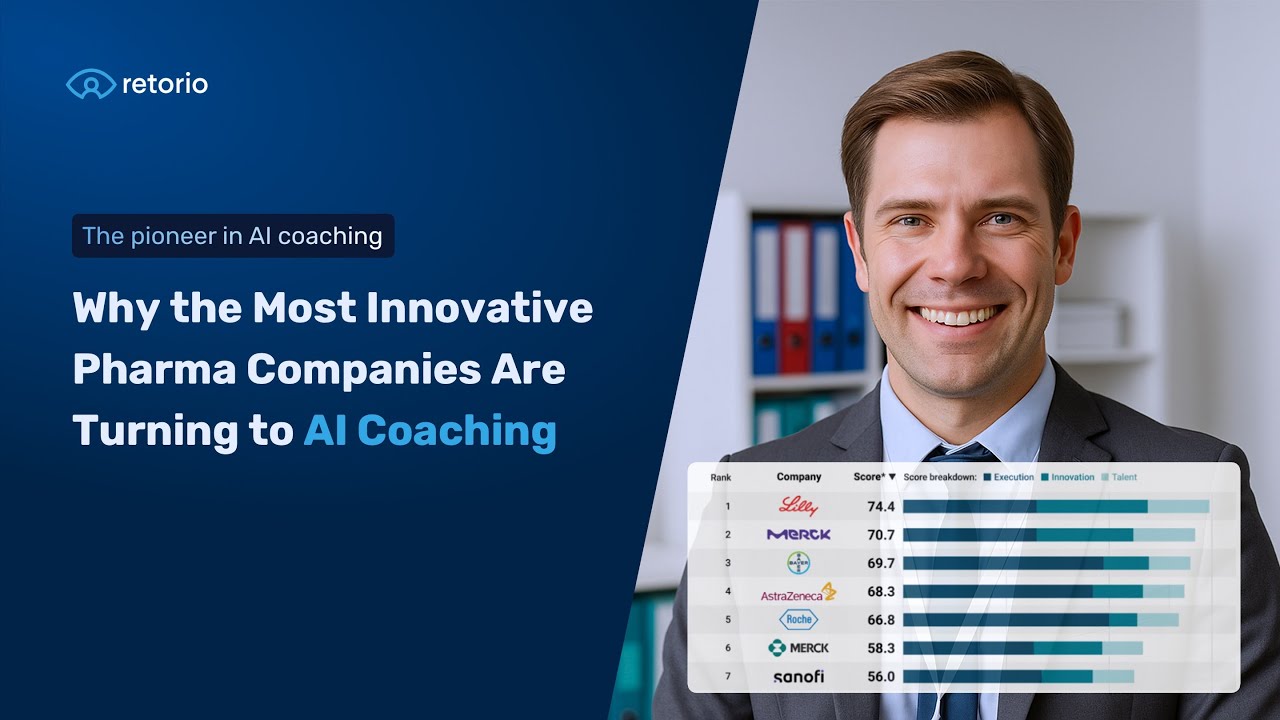
VEEVA & Salesforce Won't Tell You This: The AI Game Changer for Pharma Field Teams
Retorio
/@retorioofficial
Oct 13, 2025
This video from Retorio discusses the transformative impact of AI coaching on pharmaceutical field teams, particularly in overcoming challenges like digital channel saturation, underperforming drug launches, and the risk of losing direct HCP access to big tech platforms. It argues for a "renaissance of the field team," emphasizing the irreplaceable value of human connection and the need for sales reps and MSLs to possess both "warmth and competence" in their interactions with healthcare professionals. The video highlights how AI coaching can re-equip these teams, enabling them to practice and refine their messaging, empathy, and confidence in a safe, compliant, and scalable environment, ultimately leading to better commercial outcomes. Key Takeaways: * **AI Coaching for Commercial Excellence:** AI coaching is presented as a game-changer for pharma commercial and medical teams, transforming product lifecycles from pre-launch to maturity by enhancing human relationships and communication skills with HCPs. * **Addressing Digital Saturation & Underperformance:** Despite significant digital investments post-COVID, drug launches are underperforming due to oversaturated digital channels and a lack of meaningful human connection. AI coaching helps field teams cut through this noise by improving their direct engagement. * **Veeva/Salesforce & Data Ownership Risk:** The video cautions against over-reliance on big tech platforms like Veeva and Salesforce, suggesting they risk owning the entire value chain and potentially diminishing pharma companies' direct commercial capabilities and HCP relationships. * **Importance of "Warmth and Competence":** Effective HCP engagement requires field reps to demonstrate both warmth (empathy, active listening) and competence (applied knowledge, strategic communication). AI coaching provides targeted feedback to improve these critical behavioral dimensions. * **Compliant & Enterprise-Ready AI:** Solutions like Retorio emphasize enterprise readiness, EU AI Act compliance, data security, and MLR standards, ensuring that AI-powered coaching is safe, controlled, and free from hallucination risks, a crucial factor for the regulated pharma industry. * **Measurable Impact on Performance:** AI coaching delivers measurable results, including significant increases in field reps' warmth and competence scores, leading to higher customer satisfaction and faster product launch ramp-up periods (e.g., 38% faster launch ramp-up). * **Customizable AI Simulation:** The platform allows for the creation of customized coaching programs using a "Session Generator" (defining goals, integrating MLR-proof content) and a "Persona Generator" (creating digital twins of HCPs based on segmentation), enabling highly targeted and realistic role-play scenarios.

The Human Cost of Fragmented Technology: A Conversation with Veeva’s Bree Burks
Moe Alsumidaie
/@Annexclinical
Oct 13, 2025
This video provides an in-depth exploration of the "human cost" of fragmented technology within clinical research sites, featuring a conversation with Bree Burks, VP of Strategy at Veeva. The discussion, recorded at the Veeva R&D and Quality Summit, highlights how the proliferation of disconnected systems in clinical trials leads to significant inefficiencies, burnout among highly motivated staff, and ultimately hinders patient care. Burks, drawing on her background as a nurse and study coordinator, emphasizes that while technology is intended to streamline processes, its current fragmented state often exacerbates chaos, forcing site staff to manually re-enter data across multiple platforms and perform redundant tasks. The conversation delves into the reasons behind this persistent fragmentation, noting that sponsors and Contract Research Organizations (CROs) often adopt a "feature-function" approach, selecting different "best-of-breed" applications for individual studies without considering enterprise-level consistency. This leads to sites juggling upwards of six to ten systems per trial, on top of their own complex internal systems (some academic medical centers managing up to 26 internal systems). Burks argues that it's unrealistic to expect sites, which are focused on patient care rather than being technology businesses, to manage the complex integrations and frequent system changes. This mindset, where sponsors assume sites will simply adapt to new systems, overlooks the critical need for a holistic, platform-based approach that prioritizes the site experience and data standards. A core theme is the tension between standardization and site autonomy. While sites often pride themselves on unique local practices, Burks asserts that "uncontrolled variation is the enemy of quality." She shares Veeva's experience in evangelizing standardization for regulatory documentation, initially met with resistance but eventually leading to significant innovation and efficiency gains for sites. This standardization has not only decreased monitoring burden and streamlined FDA inspections but also enabled the application of advanced technologies like AI bots for automated document classification. The video concludes by introducing Veeva's "three C's" framework—Consistency, Connectedness, and Comprehensiveness—and proposing a crucial fourth C: Community, fostering collaborative environments where sites and sponsors can drive meaningful progress together. Key Takeaways: * **High Human Cost of Fragmentation:** The primary consequence of fragmented technology in clinical trials is the burnout of dedicated research site staff, including nurses, physicians, and study coordinators. These professionals, passionate about patient care and bringing new medicines to life, are demoralized by repetitive manual data entry and working across disconnected systems. * **Unrealistic Burden on Sites:** Clinical research sites are not technology companies; their core focus is patient care. Expecting them to manage complex integrations, adapt to numerous new systems per trial, and keep up with version changes for technologies that may be short-lived is unsustainable and detracts from their primary mission. * **Prevalence of Disconnected Systems:** A significant majority (70%) of research sites are currently managing more than six different technology systems per clinical trial, in addition to their own substantial internal IT infrastructure (e.g., 26 internal systems at a large academic medical center). * **Sponsor-Driven Fragmentation:** The root cause of much of this fragmentation lies in sponsors' historical approach of selecting "best for feature/function" applications for individual study teams, rather than adopting an enterprise-level strategy with consistent technology partners. This leads to constant switching of randomization technologies, patient questionnaires, and EDC systems. * **Need for a Platform Approach:** To alleviate the burden on sites and drive efficiency, sponsors and CROs must shift to a platform-centric mindset. This involves partnering with technology companies that can offer a comprehensive suite of applications, providing consistency across trials and the entire organization. * **Technology Infuses Process:** Modern technology implementations are not just tools; they mandate specific processes for sites. When sponsors layer numerous disparate systems onto sites, they inadvertently impose uncontrolled processes that sites often have no control over, leading to inefficiency and frustration. * **Standardization Drives Innovation:** While sites may value autonomy, standardization is crucial for quality and innovation. Embracing consistent ways of working, particularly in areas like regulatory documentation, can lead to significant efficiencies, reduced monitoring burden, and enable advanced technologies like AI for automation. * **AI Enabled by Standardization:** The adoption of standardized processes and data structures, such as consistent regulatory document management, creates the foundation for AI solutions. For example, AI bots can then effectively scrape and automatically classify documents, a capability that is impossible with uncontrolled variation. * **The Power of a Marketplace Model:** The video uses the analogy of Zillow to illustrate the power of a platform that brings multiple stakeholders (buyers, sellers, realtors, data assets) together. A similar holistic platform approach is needed in clinical trials to connect sponsors, CROs, sites, and patients, facilitating better communication and data exchange. * **Veeva's 3 C's Framework:** Bree Burks evangelizes a framework for improving the site experience centered on Consistency, Connectedness, and Comprehensiveness in technology solutions. * **The Fourth C: Community:** Beyond technology, fostering a "Community" where sites and sponsors can engage in meaningful conversations with accountability is essential to address long-standing issues and drive collective progress in clinical research. * **Pushing for Regulatory Compliance:** Sites must be empowered to adhere to federal regulations and their own SOPs, even if it means pushing back against outdated practices (e.g., a CRA requesting printed documents when electronic systems are compliant). Innovation sometimes requires standing firm on modern, compliant processes. Tools/Resources Mentioned: * **Veeva Vault:** Mentioned as a platform used by sites for managing regulatory documentation, demonstrating how standardization can lead to innovation and efficiency. * **Zillow:** Used as an analogy for a powerful platform that brings multiple stakeholders and data assets together in a marketplace. * **iPhone:** Used as an analogy for how simplicity and ease of use, often born from standardization, can drive innovation and widespread adoption. Key Concepts: * **Fragmented Technology:** The state where multiple, disconnected software systems are used for a single purpose or across an organization, leading to inefficiencies, manual data re-entry, and lack of a unified view. * **Human Cost of Fragmentation:** The negative impact on individuals, such as burnout, reduced morale, and decreased job satisfaction, resulting from inefficient and frustrating technological environments. * **Feature-Function Focus:** A strategy where technology selections are made based on the specific capabilities of an application for a particular task or study, often without considering broader integration or enterprise-level consistency. * **Platform Approach:** A strategy that involves adopting a comprehensive, integrated suite of technologies from a single vendor or a tightly integrated ecosystem, aiming for consistency, connectedness, and comprehensiveness across an organization's operations. * **Data Standards:** Agreed-upon rules and formats for data collection, storage, and exchange, which are crucial for effective integration and automation. * **Uncontrolled Variation:** The lack of standardized processes or practices, leading to inconsistencies that hinder quality, efficiency, and the ability to leverage advanced technologies. Examples/Case Studies: * **Academic Medical Center System Overload:** An example of a large academic medical center struggling to integrate 26 internal systems, highlighting the immense challenge when sponsor systems are added on top. * **Veeva Vault for Regulatory Documentation:** A real-world example of how Veeva initially faced resistance from sites regarding standardizing regulatory document management but ultimately demonstrated how standardization led to innovation, reduced monitoring burden, and enabled AI capabilities. * **CRA Requesting Printed Documents:** A personal anecdote from the interviewer about a CRA requesting printed e-reg binder documents, illustrating the need for sites to uphold modern, compliant electronic processes against outdated practices.
Healthcare Change Management and Leadership
AHealthcareZ - Healthcare Finance Explained
@ahealthcarez
Oct 12, 2025
This video provides an in-depth exploration of the critical role of leadership in successful organizational change, particularly within the healthcare sector. Dr. Eric Bricker, from AHealthcareZ, begins by highlighting real-world examples of successful employee health plan transformations, attributing their success directly to the exceptional leadership involved. He then delves into a meta-analysis from "Current Psychology" (April 2022) that quantitatively underscores leadership's paramount influence on change outcomes, establishing why effective leadership is not just beneficial but essential for any significant organizational shift. The presentation systematically breaks down the seven indispensable functions that leaders perform to drive change: setting the vision and direction, aligning and building a coalition, establishing credibility, communicating the change story repeatedly, managing resistance, executing robust project management, and sustaining the change over time. Dr. Bricker emphasizes that a leader's personality, rather than just their title or position, is the driving force. He further explores the psychological underpinnings of leadership, discussing why individuals choose to lead (desire for influence, accomplishment, and service) and why others might shy away (fear of failure, introversion, preference for individual contribution, and burnout). Throughout the video, Dr. Bricker argues that healthcare change, whether in employee health plans, hospitals, or government agencies, is fundamentally "personality-driven." He dismisses industry, geography, or economic circumstances as primary determinants of success, asserting that the presence of a strong leader with the right personality traits is the most significant factor. The examples provided, spanning different industries (higher education, hospitality, manufacturing) and geographies, serve to reinforce this central thesis, demonstrating that effective leadership transcends specific contextual variables. Key Takeaways: * **High Failure Rate of Organizational Change:** The video highlights that organizational change generally fails, underscoring the inherent difficulty and complexity of such initiatives. This sets the stage for appreciating the factors that contribute to success. * **Leadership's Dominant Impact on Success:** A meta-analysis of 79 studies on organizational change found that leadership contributed a remarkable 71% to the success of change initiatives. This statistic emphasizes that leadership is the single most critical factor in determining whether change will succeed or fail. * **Seven Essential Functions of a Leader in Change:** Effective leaders perform specific, vital roles: setting the vision and direction, aligning stakeholders and building a coalition, possessing and leveraging credibility, communicating the future state repeatedly, actively managing resistance, demonstrating strong project management skills (setting goals, deadlines, KPIs, accountability), and sustaining the change through setbacks. * **Personality Over Position:** The speaker stresses that "leader" refers to a personality type with specific traits and capabilities, not merely someone holding a leadership title or position. True leadership for change is about inherent drive and ability. * **Motivations for Leadership:** Individuals are typically motivated to lead by a desire to have influence and impact, a sense of accomplishment from achieving challenging goals, and a drive to serve and help other people. These intrinsic motivations fuel their commitment to change. * **Barriers to Leadership:** Conversely, reasons people avoid leadership roles include a fear of failure, introversion (as leadership often requires extensive communication and outward energy), a preference for being an individual contributor, and burnout, indicating a lack of sustained energy or passion for the demanding nature of leadership. * **Healthcare Change is Personality-Driven:** The video concludes that successful healthcare change is largely dependent on the personality of the leaders involved, rather than external factors like the specific industry, geographical location, or prevailing economic conditions. * **Strategic Importance of Identifying Leaders:** For any organization aiming to implement significant change, the crucial step is to either identify existing leaders with the necessary personality traits or actively cultivate such leadership within the organization. * **Project Management as an Olympic Task:** The analogy of putting on the Olympics is used to illustrate the complex project management skills required of leaders, involving meticulous planning, goal setting, deadline management, KPI tracking, and holding people accountable. * **Resilience in Sustaining Change:** Leaders must possess resilience, understanding that change is often characterized by "two steps forward, one step back." Their ability to recover from setbacks and persist is vital for long-term success. * **Real-World Examples of Successful Change:** Case studies like Candace Schaffer at Purdue University, Virginia Nesbbit at Brinker International, and John Torres at Sara Lee demonstrate how strong leaders successfully kept healthcare costs flat or reduced them while simultaneously improving employee health. Key Concepts: * **Organizational Change Management:** The systematic approach to dealing with the transition or transformation of an organization's goals, processes, or technologies. * **Leadership (Personality vs. Position):** The distinction between someone who holds a leadership title (position) and someone who embodies the traits and behaviors necessary to effectively guide and motivate others (personality). * **Vision and Direction:** The clear articulation of the desired future state and the path to achieve it, a fundamental role of a leader. * **Coalition Building:** The process of gathering support and aligning various stakeholders within an organization to back a change initiative. * **Resistance Management:** Strategies employed by leaders to address and overcome opposition or reluctance to change within an organization. * **Sustaining Change:** The ongoing effort required to embed new practices and ensure that changes endure beyond the initial implementation phase. Examples/Case Studies: * **Candace Schaffer (Purdue University):** Head of benefits who achieved amazing results in changing their employee health plan. * **Virginia Nesbbit (Brinker International - Chili's and Maggiano's restaurants):** Successfully kept healthcare costs flat for nine years while improving employee health. * **John Torres (Sara Lee):** Revolutionized their employee health plan, decreasing healthcare costs by 20% while improving employee health.

October 12, 2025
Elizabeth Bonsu, Regulatory Project Manager
/@PharmaBiotechConsultant
Oct 12, 2025
This video provides an in-depth exploration of regulatory compliance requirements, specifically Good Laboratory Practices (GLP), Good Clinical Practices (GCP), and Good Manufacturing Practices (GMP), and their foundational reliance on a robust Quality Management System (QMS) within the pharmaceutical and medical device industries. The speaker, a Regulatory Project Manager, emphasizes that quality management is an integral, not separate, component of regulatory affairs, a point often misunderstood. The discussion highlights the critical need for companies developing drugs or medical devices to establish and maintain a comprehensive QMS to ensure compliance with regulatory bodies like the FDA and DEA, and to successfully navigate audits and submissions. The presentation systematically breaks down each compliance environment, starting with GLP for laboratory settings, GCP for clinical research sites involving human volunteers, and GMP for manufacturing facilities. A central theme is how all three practices converge under the umbrella of a QMS, which can be paper-based but is increasingly electronic. The QMS must encompass detailed processes, procedures, and Standard Operating Procedures (SOPs), all of which require validation to ensure consistent, repeatable quality outcomes. A significant portion of the discussion is dedicated to data integrity, particularly in the context of 21 CFR Part 11 compliance, outlining requirements for computer system validation, user access controls, password policies, and documented employee training on SOPs. The speaker further details the auditing landscape for each environment, noting that GMP sites face audits from both the FDA and DEA, while GCP environments are subject to audits by Institutional Review Boards (IRBs) and the FDA, adhering to ICH guidelines. The concept of a "regulatory binder" at clinical sites is introduced as a crucial component of the QMS, housing all patient and regulatory documentation, including consent forms and clinical protocols. The video also touches upon the extensive validation requirements for equipment, processes, and computer systems, necessitating formal protocols, execution, and the diligent capture of deviations and corrective and preventive actions (CAPA). The speaker concludes by reinforcing the interconnectedness of quality and regulatory functions, mentioning ISO certification as another framework that similarly mandates a QMS, and citing Veeva as an example of an integrated electronic QMS solution suitable for organizations like Contract Development Manufacturing Organizations (CDMOs) that operate across all three compliance environments. Key Takeaways: * **Integrated Quality and Regulatory Affairs:** Quality Management Systems (QMS) are not merely about quality standards but are fundamental to regulatory compliance in the medical device and drug development sectors. Regulatory affairs professionals must recognize this intrinsic link. * **Three Pillars of Compliance:** GLP (Good Laboratory Practices), GCP (Good Clinical Practices), and GMP (Good Manufacturing Practices) are the core regulatory frameworks for lab development, clinical research, and manufacturing, respectively, all requiring a robust QMS. * **QMS Structure and Validation:** A QMS must define processes, procedures, and Standard Operating Procedures (SOPs). These systems, whether paper-based or electronic, must be validated to demonstrate their ability to consistently produce quality outcomes. * **21 CFR Part 11 for Data Integrity:** Compliance with 21 CFR Part 11 is crucial for data integrity, especially when using computer systems for FDA submissions. This includes requirements for audit trails, risk assessments, and secure electronic records. * **Computer System Validation (CSV):** Any computer system used for data generation or management in a regulated environment must undergo rigorous validation by experienced personnel to ensure its reliability and compliance. * **Strict User Access and Password Policies:** To maintain data integrity and 21 CFR Part 11 compliance, only designated administrators should have special login privileges. Password sharing among employees is strictly prohibited, and individual, secure passwords are mandatory. * **Mandatory Employee Training and Documentation:** All relevant employees must be thoroughly trained on SOPs and their daily work instructions. Implementing quizzes attached to SOPs is a recommended practice to verify comprehension and provide auditable proof of training. * **Comprehensive Auditing Landscape:** Companies face audits from various regulatory bodies: FDA and DEA for GMP sites; IRBs and FDA for GCP environments, which also must adhere to ICH guidelines. A well-maintained QMS is essential for successful audits. * **Regulatory Binder in GCP:** In clinical research sites, the "regulatory binder" is considered a vital part of the QMS, containing all critical patient and regulatory documentation, including IRB approvals, sponsor documents, and patient consent forms. * **Equipment and Process Validation:** Beyond computer systems, all equipment and processes used in drug or device development must be validated. This involves writing and executing protocols, capturing deviations, and implementing Corrective and Preventive Actions (CAPA) to address issues. * **Electronic QMS Solutions:** The industry is moving towards electronic QMS platforms, which can integrate various compliance aspects. Veeva is cited as an example of a platform capable of managing QMS across GLP, GCP, and GMP environments, particularly beneficial for organizations like CDMOs. * **ISO Certification Alignment:** Achieving ISO certification also necessitates a QMS, sharing similar underlying principles with regulatory compliance requirements, further underscoring the universal importance of structured quality management. Tools/Resources Mentioned: * **Veeva:** Mentioned as a platform for integrated electronic Quality Management System (QMS) solutions, capable of managing compliance across GLP, GCP, and GMP environments. Key Concepts: * **GLP (Good Laboratory Practices):** A set of principles intended to ensure the quality and integrity of non-clinical laboratory studies. * **GCP (Good Clinical Practices):** An international ethical and scientific quality standard for designing, conducting, recording, and reporting trials that involve the participation of human subjects. * **GMP (Good Manufacturing Practices):** A system for ensuring that products are consistently produced and controlled according to quality standards. * **Quality Management System (QMS):** A formalized system that documents processes, procedures, and responsibilities for achieving quality policies and objectives. * **SOP (Standard Operating Procedure):** Detailed, written instructions to achieve uniformity of the performance of a specific function. * **21 CFR Part 11:** Regulations issued by the FDA that provide criteria for electronic records and electronic signatures to be considered trustworthy, reliable, and equivalent to paper records. * **Data Integrity:** The assurance that data is accurate, consistent, and complete throughout its lifecycle. * **Validation:** Documented evidence that provides a high degree of assurance that a specific process, system, or equipment will consistently produce a result meeting predetermined specifications and quality attributes. * **CAPA (Corrective and Preventive Actions):** A system for investigating and correcting nonconformities (corrective actions) and preventing their recurrence (preventive actions). * **IRB (Institutional Review Board):** A committee that reviews and approves research protocols involving human subjects to ensure ethical conduct and protection of participants' rights and welfare. * **ICH (International Council for Harmonisation of Technical Requirements for Pharmaceuticals for Human Use):** An initiative that brings together regulatory authorities and pharmaceutical industry to discuss scientific and technical aspects of drug registration. * **CDMO (Contract Development Manufacturing Organization):** A company that serves the pharmaceutical industry, on a contract basis, to provide comprehensive services from drug development to drug manufacturing. Examples/Case Studies: * **CDMOs (Contract Development Manufacturing Organizations):** Highlighted as an example of organizations that often perform all three functions (lab development, clinical testing, manufacturing) and therefore require a single, comprehensive QMS to cover GLP, GCP, and GMP.

✅ VEEVA VAULT CRM TUTORIAL FOR BEGINNERS – FULL UPDATED GUIDE 🚀✨😱✅
Tech Help Man
/@TechHelpMan
Oct 11, 2025
This video provides a beginner's tutorial on Veeva Vault CRM, an enterprise CRM solution specifically designed for the life sciences industry. The presenter, from Tech Help Man, aims to equip pharmaceutical and biotech field teams with the foundational knowledge needed to effectively manage healthcare provider relationships, track activities, and ensure regulatory compliance within a cloud-based environment. The tutorial covers the initial steps of accessing the platform, navigating its core features, and understanding its role in optimizing commercial operations for companies in the pharmaceutical, biotech, and broader life sciences sectors. The tutorial begins by guiding users through the process of signing up and logging into Veeva Vault CRM via Veeva's official site. It immediately establishes the platform's core purpose: to assist field teams in managing interactions with healthcare providers (HCPs), logging calls, presenting content, and tracking samples while adhering to strict compliance standards. The video then delves into the main dashboard, highlighting essential functionalities such as account and call management. It emphasizes how users can review historical data, prepare for visits using AI-driven insights, and meticulously document outcomes during their interactions. A key feature discussed is Closed Loop Marketing (CLM), which allows for tailored presentations using selected slides while automatically tracking content engagement for analytics and audit purposes. Beyond the basic operational features, the tutorial touches upon more advanced capabilities like dashboards, reporting tools, and administrative functions. These features are presented as crucial for gaining deeper insights into commercial activities and customizing the system to meet specific organizational needs. The speaker underscores the platform's user-friendly performance, whether accessed on desktop or mobile devices, and its design to streamline workflows while maintaining speed and compliance. The overarching message is that mastering Veeva Vault CRM is vital for improving customer engagement, enhancing field productivity, ensuring regulatory adherence, and ultimately strengthening an organization's commercial strategy within the highly regulated life sciences landscape. Key Takeaways: * **Veeva Vault CRM's Core Purpose:** Veeva Vault CRM is a specialized, cloud-based enterprise CRM solution built on the Vault platform, exclusively designed for the life sciences industry to help pharmaceutical and biotech field teams manage healthcare provider (HCP) relationships, log calls, present content, and track samples in a compliant manner. * **Initial Access and Navigation:** New users can get started by signing up on Veeva's official site and then logging in to access the main dashboard, which serves as the central hub for all CRM activities. * **Essential Features for Field Teams:** The platform offers core features like account management for organizing HCP information and call management for documenting interactions, reviewing history, and preparing for visits with AI-driven insights. * **Compliance and Audit Tracking:** A significant benefit of Veeva Vault CRM is its ability to support regulatory compliance, particularly through features like Closed Loop Marketing (CLM), which automatically tracks content shown during presentations for analytics and audit purposes. * **Optimizing Customer Engagement:** The system helps improve customer engagement by enabling tailored presentations and providing tools to efficiently manage and track interactions, leading to better field productivity. * **Data-Driven Decision Making:** Advanced features such as dashboards and reporting tools offer deeper insights into commercial operations, allowing organizations to analyze data, track KPIs, and make informed strategic decisions. * **Streamlined Workflow and Efficiency:** Veeva Vault CRM is designed for fast, compliant, and user-friendly performance across both desktop and mobile platforms, aiming to streamline workflows and reduce data errors for commercial teams. * **Importance of Data Hygiene:** A critical tip for new users is to keep CRM data clean and updated regularly, as accurate data is fundamental for effective customer management and reliable reporting. * **Leveraging Mobile Access:** Utilizing mobile access for real-time updates in the field is recommended to maintain data accuracy and efficiency, ensuring that information is current even when away from the office. * **Understanding Permissions and Workflows:** Users should familiarize themselves with Veeva Vault's permissions and workflows to ensure proper data handling, security, and adherence to organizational processes. * **Automation for Productivity:** The video suggests automating repetitive tasks using built-in CRM tools to further boost efficiency and allow field teams to focus on higher-value activities. * **Continuous Performance Monitoring:** Regularly reviewing reports is crucial for tracking Key Performance Indicators (KPIs) and monitoring compliance, enabling proactive adjustments to commercial strategies. Tools/Resources Mentioned: * **Veeva Vault CRM:** The primary enterprise CRM solution discussed. * **Veeva's Official Site:** The platform mentioned for signing up and accessing the CRM. Key Concepts: * **Closed Loop Marketing (CLM):** A feature within Veeva CRM that allows sales representatives to tailor presentations with specific content (slides) and automatically tracks what content was shown, to whom, and for how long, providing valuable data for analytics and audit. * **AI-driven insights:** Refers to the use of artificial intelligence to analyze data and provide actionable recommendations or predictive analytics, helping field teams prepare for interactions more effectively. * **Regulatory Compliance:** Adherence to industry-specific rules and regulations, particularly crucial in the life sciences sector (e.g., FDA, EMA), which Veeva Vault CRM helps manage through its structured data handling and audit capabilities.

Final Trades: Veeva Systems, PG&E, Conagra Brands, and EQT
CNBC Television
/@CNBCtelevision
Oct 7, 2025
This video segment, taken from CNBC's "Final Trades," provides a rapid-fire analysis of top stock picks recommended by investment committee members for the second half of the year. The primary focus is on financial momentum and investment theses for several diverse companies, including a major California utility, a consumer staples brand, an energy producer, and, most notably for the life sciences sector, Veeva Systems. The segment is brief, designed to convey high-conviction investment ideas rather than deep operational analysis. The discussion begins with Josh Brown highlighting the recent strong performance of Veeva Systems (VEEV). Brown notes that he had previously identified Veeva as a top stock poised for a breakout, and that the stock has successfully moved above the $300 price level. This observation confirms a strong bullish sentiment surrounding the company, which other analysts (like Weiss, who is mentioned) also share. For firms operating within the pharmaceutical technology ecosystem, this financial endorsement is significant, as Veeva is the dominant provider of cloud-based software solutions for commercial, clinical, quality, and regulatory operations in the life sciences industry. The stock's breakout suggests robust investor confidence in the continued growth and market penetration of specialized pharma tech solutions. Following the Veeva discussion, the segment quickly pivots to other sectors. The subsequent picks include PG&E, a California utility, which is identified as having been oversold due to wildfire liabilities that the market may have overestimated. Another pick is Conagra Brands, positioned as a defensive consumer staple trading at a low price-to-earnings multiple with a high dividend yield, appealing to investors seeking stability. Finally, EQT is suggested as the primary way to play the recent upward trend in natural gas prices, signaling a belief that a bull rally is restarting in the energy sector. While these latter picks are unrelated to life sciences, the initial focus on Veeva provides a crucial indicator of the financial health and perceived stability of the pharmaceutical technology market. Key Takeaways: • **Validation of the Pharma Tech Ecosystem:** The strong stock performance and "breakout" status of Veeva Systems (VEEV) above the $300 mark serve as a powerful validation of the specialized technology market serving the pharmaceutical and life sciences industries. Investor confidence in Veeva translates directly into perceived stability and growth potential for the entire ecosystem. • **Implications for Consulting Demand:** A financially strong Veeva indicates high adoption rates and continued investment by pharmaceutical companies in the Veeva platform suite (CRM, Vault, etc.). This environment suggests sustained or increasing demand for specialized Veeva CRM consulting, implementation, and integration services, which are core offerings for firms like IntuitionLabs.ai. • **Bullish Investor Sentiment:** The explicit mention of "bullish" sentiment from multiple investment committee members (Brown and Weiss) regarding Veeva suggests that the market anticipates continued operational success and revenue growth, likely driven by successful product expansion (e.g., AI integration, new Vault modules) and global market penetration. • **Market Position of Regulated Software:** Veeva's success underscores the critical nature of regulated enterprise software in the life sciences sector. Companies are willing to invest heavily in platforms that ensure compliance (FDA, EMA) while optimizing commercial and clinical workflows, reinforcing the value proposition of partners who specialize in this regulated space. • **Focus on Growth over Value:** Unlike the consumer staples pick (Conagra, which is cited for its low P/E and high yield), Veeva is discussed purely in the context of momentum and growth ("breakout"), indicating that investors see significant runway for expansion in the pharma cloud space. • **Strategic Monitoring of VEEV:** Firms heavily invested in the Veeva ecosystem should continuously monitor VEEV's stock performance and underlying operational announcements, as the stock price often reflects the health of the commercial and clinical technology budgets of major pharmaceutical clients. • **Opportunity for AI Integration:** As Veeva continues to grow, there is an increasing opportunity for consulting firms to integrate cutting-edge technologies, such as LLMs and AI agents, directly into the Veeva platform, enhancing its core functionality and driving further value for clients. Tools/Resources Mentioned: * Veeva Systems (VEEV): Mentioned as a top stock pick showing strong market momentum. Key Concepts: * **Stock Breakout:** A technical analysis term referring to when a stock price moves outside a defined support or resistance level, often accompanied by increased volume, signaling the start of a new trend (in this case, upward momentum above the $300 resistance level). * **Bullish Sentiment:** An expectation that the price of a stock or the market in general will rise. This sentiment regarding Veeva suggests widespread confidence in the company's future earnings and market dominance.

How Better Beef Can Solve America's Health Crisis
Self-Funded
@SelfFunded
Oct 7, 2025
This video provides an in-depth exploration of the connection between the modern commercial food system, particularly beef production, and the escalating healthcare crisis in the United States. Featuring Chef Austin Simmons of Chef and Rancher and employee benefits advisor Chris Pierron, the discussion establishes that the quality of food, or lack thereof, is the primary driver of chronic disease and unsustainable healthcare costs. The speakers advocate for a fundamental shift in food sourcing and consumption, moving away from mass-produced, efficiency-driven models toward genetically verified, nutrient-dense products. Chef Simmons details the "hoof to fork" model employed by Chef and Rancher, which prioritizes cattle genetics (crossing purebred Black Wagyu and French Charolais) to achieve superior flavor and health benefits. The core distinction lies in breeding for monounsaturated fat (Omega-3 properties, similar to olive oil) and leveraging the double-muscle myostatin gene in Charolais to trap more collagen, amino acids, and sugars in the muscle tissue. This genetic focus, combined with clean feeding practices—avoiding hormone implants, antibiotics, steroids, and manufactured byproducts like seed oils and used fryer oil—results in beef that is both intensely flavorful ("beefy") and significantly healthier, rendering fat at a lower melting point for better cooking and digestion. The conversation progresses to dissect the failures of the commercial cattle industry, which is driven by maximizing weight-to-age efficiency to meet market demands. This pursuit leads to feeding cattle high-calorie, hormone-disrupting byproducts (like seed oils and high-fructose corn syrup remnants) that cause liver damage, necessitating massive antibiotic administration. The speakers stress that these contaminants and residual medicines are then consumed by humans, contributing to systemic inflammation, hormonal disruption, and chronic health issues. They also highlight the lack of consistency in USDA Prime beef due to grading based on phenotype (hide color) rather than genotype (DNA/genetics), which is a key motivator for Chef Simmons' obsession with consistent quality. Finally, the discussion pivots to solutions, emphasizing the critical role of consumer education and employer-led initiatives. Chris Pierron argues that the reactive nature of the current healthcare system must be replaced by preventative measures, with food being the most powerful lever. The concept of offering "food as a benefit" is proposed as a viable strategy for employers to achieve a massive ROI by preventing chronic diseases that lead to six-figure specialty drug costs (like GLP-1s) and high claims. Chef Simmons counters the common argument that quality meat is unaffordable by demonstrating that their ground beef is priced competitively, suggesting that the perceived high cost is often a "misnomer" when compared to the long-term costs of poor health. The ultimate goal is to change regulation, reduce foreign ownership of US packing facilities, and refocus agricultural subsidies away from GMO corn/soy toward healthier, sustainable food production. ### Detailed Key Takeaways * **Food System Drives Healthcare Costs:** The current American food infrastructure, characterized by ultra-modified foods, seed oils, and contaminated protein sources, is a fundamental driver of chronic diseases, obesity, neurological issues, and digestive problems, leading directly to exploding healthcare expenditures. * **Genetic Verification Over Phenotype:** Commercial beef grading (Select, Choice, Prime) relies on phenotype (hide color) rather than genotype (DNA), resulting in inconsistent quality, flavor, and fat properties. The solution involves using genetic verification to breed cattle dominant in monounsaturated fat (Omega-3) and double-muscle traits for superior tenderness and health benefits. * **The Danger of Seed Oils and Byproducts:** Commercial cattle are fed high-calorie, hormone-disrupting manufactured byproducts, including seed oils and used fryer oil from restaurants, to achieve rapid weight gain. This practice causes liver damage in the animals, necessitating large doses of antibiotics, residuals of which are consumed by humans, spiking cortisol and causing inflammation. * **Monounsaturated Fat Advantage:** Purebred Wagyu genetics can be leveraged to produce monounsaturated fat, which has a lower melting point than saturated fat (Omega-6). This lower melting point allows the fat to render faster during cooking, caramelizing the trapped sugars and amino acids in the muscle tissue (the Maillard reaction) for a more intense, "beefy" flavor. * **Employer-Led Health Intervention:** Employers should consider implementing "food as a benefit" programs. Investing in properly sourced, clean food for employees is a preventative measure that could yield significant long-term ROI by reducing large claims, chronic disease rates, and the need for expensive specialty medications like GLP-1s. * **Cost vs. Value of Clean Food:** The argument that clean, high-quality protein is unaffordable is challenged by the speaker, who notes that their genetically superior ground beef is available for $5 per pound. This cost is negligible compared to the lifetime expense of managing chronic diseases caused by poor nutrition. * **Regulatory and Subsidy Reform Needed:** To scale healthier food production, the US must change regulations regarding cattle ownership (currently dominated by foreign entities), implement country-of-origin labeling, and shift federal subsidies away from GMO corn and soy toward healthier, sustainable agricultural practices. * **The Importance of Fermentation in Feed:** Chef and Rancher uses fermented molasses and other fermented products (like potential fermented rice) in their cattle feed. Fermentation aids in digestion and relaxes the animals' systems, reducing the need for antibiotics when high-energy feed is required for growth. * **Full Animal Utilization:** The Chef and Rancher program utilizes the whole animal, including cuts often discarded by commercial packers, allowing them to offer a wider range of high-quality, less expensive butcher cuts to consumers, supporting multi-price point affordability. * **Education Precedes Demand:** Any large-scale change, particularly in employer benefits, must begin with robust education to inform consumers about the hidden "poisons" and addictive properties in common foods (e.g., seed oils, high-fructose corn syrup) to generate the necessary demand for healthier alternatives. * **AI and Data for Preventative Health ROI:** The speakers anticipate that future AI and data analytics will be crucial for rationalizing and proving the long-term return on investment (ROI) for preventative health measures like dietary changes, providing the objective facts needed to drive consumer and corporate behavior change. * **Avoid Ultra-Processed Ingredients:** Consumers are warned to meticulously check ingredient decks for seed oils (palm, sunflower, canola) and other manufactured byproducts, as these are pervasive even in packaged goods like nuts and bread, contributing significantly to inflammation. ### Key Concepts * **Hoof to Fork:** A vertically integrated model where the producer (rancher) and preparer (chef) control the entire process from cattle genetics and feeding to final distribution and cooking, ensuring quality and transparency. * **Genotype vs. Phenotype:** Genotype refers to the genetic makeup (DNA) of the cattle, which determines fat properties and muscle structure. Phenotype refers to the physical appearance (e.g., black hide), which is the current basis for commercial grading but is insufficient for quality control. * **Myostatin Genetic:** A double-muscle trait found in French Charolais cattle that increases muscle density and tenderness, allowing the muscle to trap more collagen and sugars, enhancing flavor. * **Maillard Reaction:** The chemical reaction between amino acids and reducing sugars that gives browned food its distinctive flavor. In the context of beef, a lower fat melting point (due to monounsaturated fat dominance) allows for faster caramelization of sugars trapped in the muscle tissue. * **Food as Medicine:** The concept that proper nutrition and clean food sources are the most effective preventative measure against disease, contrasting with the reactive approach of using medicine (pharmaceuticals) to treat existing illnesses. ### Examples/Case Studies * **The Inconsistent Prime Beef Problem:** Chef Simmons’ obsession began when he realized that weekly orders of USDA Prime beef lacked consistency in flavor, texture, and marbling because the industry prioritizes volume and efficiency over genetic quality. * **Rancher Health Outcomes:** Larry Ludiki (Chef and Rancher partner) and Joe Morris (another rancher) both successfully went off statin and blood pressure medications after adopting a diet based on the clean, genetically superior beef they raised, demonstrating the direct health benefits of the program. * **Used Fryer Oil in Feed:** Restaurants are paid to have their used cooking oil collected, which is then sold to feed yards to be incorporated into animal feed rations, serving as a cheap, high-calorie, hormone-disrupting input for rapid fattening.

Veeva Vault CRM Review & Demo | What to Know Before Buying
How to Hippo 🦛
/@HowToHippopotamus
Oct 6, 2025
This video provides a detailed review and demo of Veeva Vault CRM, an enterprise application specifically designed for the life sciences industry, including pharmaceutical, biotech, and medical device companies. It highlights how the platform helps streamline operations, ensure regulatory compliance, and enhance engagement with healthcare providers (HCPs). The discussion covers the core functionalities of Veeva Vault CRM, including its central customer relationship management module for managing HCP interactions and field rep activities, a Campaign Manager for compliant multi-channel marketing, a Service Center for handling medical information requests and customer support, and a Patient CRM focused on patient engagement and support programs while maintaining HIPAA compliance. The video also touches upon Veeva's broader ecosystem, mentioning Development, Quality, Medical, and Commercial Clouds, and notes the inclusion of AI-powered features. It advises potential buyers to consider the platform's specialized design for the regulatory environment and customer needs of the life sciences sector. Key Takeaways: * Veeva Vault CRM is an enterprise solution tailored for pharmaceutical, biotech, and medical device companies, integrating CRM functionalities with deep compliance and regulatory management for HCP engagement. * The platform offers a comprehensive suite of modules including a core CRM for managing HCP interactions, a Campaign Manager for compliant marketing, a Service Center for medical information requests, and a Patient CRM for patient engagement and support. * Veeva Vault is part of a larger ecosystem, encompassing Development, Quality, Medical, and Commercial Clouds, indicating its extensive capabilities across various life sciences operations. * The system is positioned as a next-generation CRM, incorporating AI-powered features to enhance commercial operations and other functions. * Pricing for Veeva Vault CRM is not publicly disclosed and requires direct consultation with Veeva sales, reflecting its enterprise-level, tailored solution approach. * Companies in the life sciences industry should consider Veeva Vault CRM for its specialized understanding of regulatory environments and customer needs, while those outside this niche may find it less suitable.
Season 1 Episode 6: Improving the Customer Experience through Medical-Commercial Collaboration
Veeva Systems Inc
@VeevaSystems
Oct 3, 2025
This video explores the critical importance of medical-commercial collaboration within the pharmaceutical industry to enhance the customer (HCP) experience and drive better patient outcomes. Industry leaders from UCB and Takeda discuss the challenges of traditional silos, the strategic imperative for integrated efforts in product launches, and the pivotal role of technology, data, and AI in fostering a more unified and effective future for healthcare engagement. Key Takeaways: * **Essential Cross-Functional Collaboration:** Effective medical-commercial-clinical collaboration is paramount for successful product launches, optimizing HCP engagement, and ultimately improving patient outcomes. A lack of coordination leads to inefficiencies, missed opportunities, and confusion among healthcare providers. * **Technology as an Integration Enabler:** Platforms like Veeva CRM, Veeva Vault, Veeva Link Key People, and Veeva Link Workflow are crucial for creating transparency around HCP engagements, centralizing approved medical content, and facilitating coordinated cross-functional planning. * **AI Augments, Data Foundations Enable:** While AI, particularly Generative AI, is recognized as a powerful tool to augment medical affairs by optimizing tasks and enhancing insight detection, a robust data foundation (including data governance, standards, and management) is critical for its successful implementation and for deriving actionable insights. * **Change Management is Key to Adoption:** Successful implementation of integrated processes and technologies requires strong senior leadership buy-in, early and continuous engagement with all stakeholders (including compliance and legal), and a phased approach to manage change fatigue and ensure end-user adoption. * **Measuring Impact through Data:** Increased adoption of integrated systems provides the necessary data to measure operational effectiveness, engagement quality, and insights gathering, which are foundational steps towards ultimately assessing and improving medical affairs' impact on patient outcomes and clinical practice.

Josh Brown's 'Best Stocks in the Market': Veeva Systems
CNBC Television
/@CNBCtelevision
Oct 3, 2025
This video features Josh Brown, CEO of Ritholtz Wealth Management, spotlighting Veeva Systems (VEEV) as one of his "best stocks in the market" on CNBC's "Halftime Report." The primary purpose of the segment is to explain why Veeva Systems, a company he believes is often overlooked by the broader market, represents a compelling investment opportunity. Brown provides a detailed analysis, blending fundamental business strengths with technical stock performance indicators, to make his case for Veeva's significant value and growth potential within the pharmaceutical and biotech sectors. Brown emphasizes Veeva's critical role as the "industry standard CRM platform for drug discovery," highlighting its deep integration within the healthcare ecosystem. A key point of his analysis is Veeva's strategic shift from building its system on top of Salesforce to developing its own proprietary platform, "Vault CRM." This significant capital expenditure and strategic move have allowed Veeva to enhance its offerings, increase operating margins, and sign major deals with leading pharmaceutical companies like Bristol-Myers. The speaker also draws a direct connection between Veeva's technology and the excitement among pharmaceutical and biotech CEOs regarding the potential of AI in their businesses, suggesting Veeva is a foundational enabler of AI adoption in the life sciences. The discussion delves into Veeva's robust financial performance, noting a substantial increase in net income, up 36% to $714 million, and impressive operating margins of 25.2%. Brown points out that the current fiscal year is projected to be the company's most profitable in absolute dollar terms since 2020, underscoring the success of its investment in the Vault CRM platform. From a technical perspective, he identifies the $300 level as a significant resistance point for the stock, with $260-$265 acting as prior resistance that could now serve as support. Brown concludes that if Veeva can break and hold above the $300 mark, it could signal a new leg in its bull market, making it an attractive long position for investors. Key Takeaways: * **Veeva Systems as an Industry Standard:** Veeva has established itself as the de facto CRM platform for drug discovery within the pharmaceutical and biotech industries, making it an indispensable technology partner for companies in these sectors. * **Strategic Platform Independence:** A major growth driver for Veeva has been its successful transition from an OEM system built on Salesforce to its own proprietary "Vault CRM" platform, a move that involved significant capital investment but has yielded substantial returns. * **Strong Financial Performance:** Post-platform investment, Veeva has demonstrated impressive financial health, with net income up 36% to $714 million and operating margins reaching 25.2%, indicating efficient operations and profitability. * **Enabler of AI in Life Sciences:** The speaker suggests that Veeva's platforms are instrumental in helping pharmaceutical and biotech CEOs leverage AI for their businesses, positioning Veeva as a key player in the digital transformation of the life sciences. * **Significant Market Adoption:** Veeva continues to secure major clients, including large pharmaceutical companies like Bristol-Myers, affirming its market leadership and the value proposition of its solutions. * **Under-Recognized Market Leader:** Despite its critical role and strong performance, Veeva Systems is presented as a company that is not widely discussed or fully appreciated by the broader investment community, potentially offering an opportunity for informed investors. * **Profitability Growth:** The current fiscal year is anticipated to be Veeva's most profitable in absolute dollar terms since 2020, reflecting the positive impact of its strategic investments and market penetration. * **Technical Stock Indicators:** For investors, the $300 level is identified as a critical resistance point; a sustained break above this could signal further upside, with $260-$265 serving as a key support level for managing risk. * **Value of Proprietary Systems:** The success of Vault CRM underscores the strategic advantage and long-term value creation potential of companies investing in and owning their core technology platforms, leading to increased margins and market share. Tools/Resources Mentioned: * Veeva Systems * Vault CRM * Salesforce Key Concepts: * **Industry Standard CRM:** A customer relationship management platform that has become the widely accepted and dominant solution within a specific industry, in this case, drug discovery for pharma/biotech. * **OEM System (Original Equipment Manufacturer):** Refers to a system or product built by one company and then rebranded or integrated into another company's product, as Veeva initially did with Salesforce. * **CapEx (Capital Expenditure):** Funds used by a company to acquire, upgrade, and maintain physical assets such as property, industrial buildings, or equipment. In this context, it refers to Veeva's investment in building its own platform. * **Net Income:** A company's total earnings or profit, calculated by subtracting all expenses, including taxes, from revenue. * **Operating Margins:** A profitability ratio that measures how much profit a company makes on a dollar of sales after paying for variable costs of production, such as wages and raw materials, but before paying interest or taxes. * **Stock Resistance/Support Levels:** In technical analysis, resistance is a price level where a rising stock price is expected to pause or reverse due to selling pressure, while support is a price level where a falling stock price is expected to pause or reverse due to buying pressure. * **Bull Market:** A market in which share prices are rising, encouraging buying. Examples/Case Studies: * **Bristol-Myers:** Mentioned as one of the major pharmaceutical companies that has recently signed on with Veeva Systems, illustrating Veeva's ability to attract and retain top-tier clients in the life sciences sector.

Season 1 Episode 2: Three Pillars of PV Transformation: Technology, Process, and People
Veeva Systems Inc
@VeevaSystems
Oct 2, 2025
This video provides an in-depth exploration of Pharmacovigilance (PV) transformation, focusing on the three critical pillars: Technology, Process, and People. Hosted by Veeva Systems, the discussion features consultants from Eliquent Life Sciences (formerly Truliant Consulting), who offer historical context on how PV operations have evolved—from the days of typewriters and disparate, homegrown systems to the current complex global landscape. The speakers highlight that early PV environments were characterized by low-tech operations and localized processes, which have since been complicated by globalization, increasing regulatory demands, and the proliferation of point solutions. A major theme explored is the downstream business challenge resulting from this historical evolution. Companies now struggle with managing global environments across time zones and cultural barriers, exacerbated by localized regulations (e.g., stricter rules emerging in China and Korea) that often lead to segregated systems and processes (e.g., Japan operating completely detached from global PV). This fragmentation results in a high cost of maintaining and upgrading numerous disparate systems that were never built to communicate, leading to unmanageable complexity and unsustainable operations. PV leaders are now actively seeking platform approaches that enable end-to-end harmonization and standardization across the globe, aiming for maximum operational efficiency and simplification. The consultants emphasize that technology alone cannot drive transformation; the pillars of Process and People are equally vital. They advocate for a top-down approach to process harmonization, starting with stakeholder identification and management. A key methodology employed is the "Five Whys" technique to deeply understand current processes, uncover workarounds, and identify the true underlying reasons for existing inefficiencies. Regarding the 'People' pillar, the discussion stresses the necessity of early and continuous change management, recognizing that large-scale projects often face resistance, especially concerning the adoption of AI. The speakers counter the fear of job displacement by reframing AI's role as an enabler to cope with increasing data volumes (e.g., from wearables) and decreasing budgets, allowing PV professionals to focus on higher-value tasks like signal detection and patient safety. Furthermore, the video addresses the critical role of external stakeholders, including other internal departments (Clinical, Quality, Medical Information) and Contract Research Organizations (CROs). Achieving cross-functional connectivity requires standardizing data quality upfront, often necessitating large data cleaning projects to ensure consistent terminology and language across functions before system migration. CROs are identified as crucial partners who possess deep knowledge of the sponsor's data and current operational pain points, making their early involvement in design workshops and data migration planning essential for project success. The consultants conclude by sharing lessons learned, advising against attempting to change all systems and processes simultaneously due to decision fatigue, and predicting that future PV innovation will involve AI automating routine tasks like updating SOPs and training materials, necessitating a shift in the required skill sets of PV professionals. Key Takeaways: • **Prioritize Platform over Point Solutions:** Historically, new regulations led to the adoption of bolt-on point solutions, creating unmanageable complexity; PV leaders must now shift toward comprehensive platform approaches to achieve end-to-end harmonization and reduce the high cost of system maintenance and upgrades. • **Change Management Must Start Early:** Change management is not merely training at the end of a project; it must begin at the outset with steady, skilled engagement to monitor organizational temperature, address open wounds from past failed implementations, and ensure sustained adoption post-go-live. • **The "Five Whys" for Process Design:** To design an effective future state, consultants use the "Five Whys" technique to peel back layers of existing processes, uncover workarounds, and understand the true reasons behind current operational inefficiencies. • **Establish Guiding Principles for Consensus:** Before designing detailed future state processes, project teams must agree on a common set of guiding principles to ensure all stakeholders (including representatives from Quality and Clinical) are working toward the same goal, accelerating decision-making and consensus. • **Address AI Anxiety Proactively:** When introducing AI, project objectives must be clearly communicated to alleviate fears of job displacement; AI should be framed as a tool to handle increasing data volumes and budget constraints, enabling staff to focus on critical patient safety activities. • **Data Standardization is Foundational:** Connecting different functional domains (PV, Quality, Clinical) is technically easy, but functionally difficult without standardized data. Significant time must be budgeted for cleaning "dirty data" and aligning on common language and terminology across departments to ensure effective signal detection and system interoperability. • **Involve CROs Early and Deeply:** CROs often know the sponsor's data and operational pain points better than the sponsor's oversight team; they must be included in design, process, and data migration workshops as crucial stakeholders, even if their long-term partnership status is uncertain. • **Avoid Decision Fatigue via Phased Rollouts:** Do not attempt to change every system, process, and country simultaneously. Transformation should be sequenced logically (e.g., safety database first, then intake automation, then translation tools) to prevent stakeholder burnout and decision fatigue. • **Ensure Adequate Business-as-Usual Coverage:** Sponsors must budget for robust external support or internal backfilling to ensure that business-as-usual operations and compliance activities (including unplanned inspections) can continue uninterrupted while internal resources are dedicated to the transformation project. • **Visibility of Project Sponsors is Key:** High-level sponsor visibility (e.g., having them open kickoff meetings) demonstrates the project's weight and importance, boosting morale, engagement, and the overall success trajectory. • **Leverage Peer-to-Peer Learning:** PV companies should connect with other organizations undertaking similar transformation journeys to share lessons learned, brainstorm solutions, and collaborate, recognizing that PV is a patient safety function, not a competitive sales area. • **Future PV Skills Will Shift:** The coming automation of tasks like updating SOPs, training materials, and user manuals using AI engines will necessitate a change in the required skill profile of PV professionals, demanding new competencies to manage and validate these automated outputs. Tools/Resources Mentioned: * **Veeva Systems Inc:** Host of the podcast, focusing on platform solutions for the life sciences industry (specifically PV/Safety). * **Eliquent Life Sciences (formerly Truliant Consulting):** Consulting firm specializing in safety, quality, and regulatory transformation projects. Key Concepts: * **Pharmacovigilance (PV) Transformation:** Large-scale projects focused on modernizing the systems, processes, and organizational structure used to monitor the safety of medicines. * **Five Whys:** A root cause analysis technique where the question "Why?" is asked repeatedly (typically five times) to drill down to the underlying cause of a problem or inefficiency. * **Platform Approach:** Moving away from multiple, disconnected point solutions toward an integrated, unified software environment (like those offered by Veeva) that supports end-to-end processes across different functions and geographies. * **Decision Fatigue:** The psychological phenomenon where the quality of decisions deteriorates after an extended period of decision-making, a common pitfall in large, complex transformation projects.

Season 4 Episode 2: Patient vs Process Bridging the Gap for a Better Trial Experience
Veeva Systems Inc
@VeevaSystems
Oct 1, 2025
This video provides an in-depth exploration of bridging the gap between patient experience and clinical trial processes, emphasizing a patient-centric approach. Hosted by Manny Vazquez, Senior Director of Clinical Data Strategy at Veeva, the episode features Joyce Moore, a leading voice in patient recruitment with 25 years of industry experience, most recently at Allucent. The discussion highlights the critical shift from viewing patients merely as subjects to seeing them as collaborators, underscoring the importance of understanding their lives and challenges outside the clinical setting. The conversation delves into how patient engagement and site engagement are intrinsically linked, asserting that one cannot truly thrive without the other. Joyce Moore shares her journey from traditional patient recruitment to embracing decentralized trials (DCTs) and Electronic Clinical Outcome Assessment (eCOA) technologies, all driven by the goal of making trial participation easier for patients. She explains her team's role at Allucent in defining sponsor problems, developing patient-resonant materials, conducting digital outreach, and working with patient advocacy groups. A significant portion of the discussion focuses on the burden placed on both patients and sites by increasingly complex protocols, advocating for technology solutions that seamlessly integrate into existing workflows without adding undue stress. The speakers also explore the ethical implications of data collection, questioning the necessity of extensive exploratory endpoints and advocating for an "endpoint-driven design" that focuses on critical data. They discuss the potential of digital endpoints as exploratory measures to pave the way for more patient-centric trials in the future, while acknowledging the need for regulatory acceptance and clear communication with patients. The concept of "immemorable" technology for sites is introduced, suggesting that the best technology is one that is so intuitive and integrated that site staff barely notice they are using it. The episode concludes with a powerful call to action for the industry to engage patients earlier, simplify protocols, and prioritize sharing data and trial progress back with participants. Key Takeaways: * **Patient-Centricity is Paramount:** Patients should be viewed as collaborators, not just subjects. Understanding their daily lives, challenges, and motivations is crucial for successful engagement and retention in clinical trials. * **Interconnectedness of Patient and Site Engagement:** Effective patient engagement cannot occur without robust site engagement. Supporting sites and reducing their burden directly translates to a better experience for patients. * **Technology for Seamless Integration:** Clinical trial technology, such as eCOA, must be designed to integrate smoothly into existing site workflows and SOPs. The goal is for technology to be "immemorable," meaning it's so intuitive that site staff don't even notice they're using it, allowing them to focus on patient care. * **Addressing Trial Complexity and Burden:** The increasing complexity of clinical trial protocols places significant burden on both sites and patients. This includes long site visits, extensive travel, and the impact on patients' families, which can turn a short appointment into an all-day event. * **Protocol Optimization is Essential:** There is a critical need for protocol optimization to reduce unnecessary data collection. Focusing on "endpoint-driven design" ensures that only data essential for proving the hypothesis is collected, potentially reducing patient and site burden. * **Ethical Data Collection:** The ethics of collecting extensive exploratory endpoints, especially if their future use is uncertain, should be carefully considered. Every data point collected from a patient should have a clear purpose and value. * **The Value of Digital Endpoints:** Digital endpoints, even when initially exploratory, are vital for gathering data that can lead to more patient-centric clinical trials and monitoring in the future, potentially replacing traditional, burdensome assessments. * **Transparent Communication with Patients:** Explaining the "why" behind data collection and trial procedures to patients can significantly improve compliance and engagement. Treating patients like adults who understand the purpose of their participation fosters trust. * **Strategic Decentralized Trial (DCT) Implementation:** While DCTs aim to reduce patient burden, the specific implementation (e.g., centralized home health vs. site-led home visits) needs to consider patient and site preferences. Patients, especially in pediatric or elderly populations, may prefer familiar site staff visiting their homes. * **Early Patient Community Engagement:** Engaging patient communities as early as possible in the protocol design phase allows for true input, leading to lighter, more patient-friendly protocols that better reflect their needs and realities. * **Returning Data to Patients:** The industry has a responsibility to give patients their data back, both personal health information and updates on trial progress. This reciprocates their significant contribution and provides valuable insights into their own health and the study's impact. * **Just-in-Time Training for Sites:** Overburdening sites with extensive training should be avoided. "Just-in-time" training, delivered precisely when needed, is a more effective and less burdensome approach for site staff who are primarily focused on patient care. * **Cost-Benefit Analysis of Data Points:** Attaching a value or cost to each data point can serve as ammunition for sponsors to critically evaluate the necessity of collecting certain information, potentially streamlining protocols and reducing overall trial costs. **Key Concepts:** * **eCOA (Electronic Clinical Outcome Assessment):** Technology used to collect patient-reported outcomes, clinician-reported outcomes, or observer-reported outcomes electronically, often via devices like tablets or smartphones. * **DCT (Decentralized Clinical Trials):** Clinical trials where some or all trial-related activities occur at locations other than traditional clinical sites, such as a patient's home, using technology for remote monitoring and data collection. * **Endpoint-Driven Design:** A methodology for designing clinical trial protocols that prioritizes the collection of only the data necessary to prove the primary and critical secondary endpoints, thereby reducing unnecessary data points and associated burden. * **Patient Burden vs. Site Burden:** The cumulative physical, emotional, and logistical challenges faced by patients participating in a trial versus the operational and administrative challenges faced by clinical trial sites. * **Digital Endpoints:** Objective, quantifiable physiological and behavioral measures collected by connected digital health technologies (e.g., wearables, sensors) that are relevant to a patient's health status. **Examples/Case Studies:** * **Father of a child with a rare disease:** A personal anecdote illustrating how a two-hour site appointment could translate into an 8-10 hour day for a patient and their family due to travel, preparation, and logistical challenges, highlighting the significant patient burden. * **Elderly patient population and home health:** An example where sites expressed concern about centralized nurses visiting their elderly patients, preferring to send their own known staff. This underscores the importance of trust and established relationships in home health settings within DCTs.

VEEVA APPROVED Accurate Variant Classification and Clinical Impact of Variability
EMQN CIC
/@EMQN
Oct 1, 2025
This webinar provides an in-depth exploration of accurate variant classification, focusing specifically on *BRCA2* and other Homologous Recombination Repair (HRR) genes, and the clinical impact of classification variability. The session is structured around two main presentations: a scientific deep dive into high-throughput functional assays for *BRCA2* variants, and a review of classification challenges and guideline discrepancies observed in recent External Quality Assessment (EQA) runs. The overarching goal is to improve the consistency and accuracy of variant classification, which is critical for clinical management, risk assessment, and therapeutic decisions (such as PARP inhibitor eligibility). Dr. Fergus Couch details the use of a high-throughput, CRISPR-based technology (MAVE) to functionally evaluate thousands of Variants of Uncertain Significance (VUS) within the key DNA binding domain of *BRCA2*. This methodology involves inserting every possible single nucleotide change into haploid cells, measuring cell viability over time, and deriving a functional score. The assay demonstrated high sensitivity and specificity (around 95-99%) against known pathogenic and benign standards. By combining this functional data with clinical and genetic evidence within the ACMG AMP classification framework (down-weighting the functional evidence to a PS3/BS3 +4 score for conservatism), the study successfully classified over 90% of the nearly 7,000 variants analyzed, significantly reducing the number of VUS to only 611. A key advancement discussed was the integration of data from two large, independent CRISPR studies (Mayo Clinic and NCI) using the VarCall statistical model. This integrated approach substantially improved the quality and confidence of classifications, leading to 175 additional variants being classified as pathogenic or likely pathogenic compared to simpler concordance models. Furthermore, the functional classification was validated through large case-control association studies, confirming that variants classified as pathogenic strong (P-strong) were associated with high odds ratios for breast and ovarian cancer, similar to protein-truncating mutations. The presentation also highlighted the identification of hypomorphic (intermediate function) variants, which show partial activity (30-50%) and are associated with intermediate lifetime risks (e.g., 20-25% for breast cancer), suggesting a need to modify risk assessment and management guidelines for these specific variants. Prof. Thomas Van Overeem Hansen reviewed the learnings from EQA run 14, focusing on the practical challenges of applying classification criteria for *ATM*, *BRCA1*, and *BRCA2* variants. A major theme was the discrepancy between different gene-specific guidelines, particularly between the ClinGen/Enigma and CanVIG guidelines, regarding the application of criteria like PM2 (absence in control populations) and BS1 (frequency greater than expected). For instance, the guidelines differ on which Nomad version to use (v2.1/3.1 non-cancer cohorts vs. v4.1 focusing on females) and the strength assigned to evidence (e.g., BP1 for missense variants outside functional domains). The review emphasized that such differences can lead to varying final classifications, underscoring the necessity for laboratories to clearly indicate which guidelines and versions were followed in clinical reports, as classification standards are continually evolving. ### Detailed Key Takeaways * **High-Throughput Functional Assays are Transforming VUS Classification:** CRISPR-based MAVE (Multiplexed Assays of Variant Effect) studies, such as those performed on the *BRCA2* DNA binding domain, can classify over 90% of VUS, dramatically reducing the burden on clinical genetics labs and improving patient management. * **Integrated Data Models Enhance Accuracy:** Combining data from multiple large-scale functional assays (e.g., two independent CRISPR studies) using sophisticated statistical models like VarCall significantly improves classification quality and confidence, reducing the inherent 5% error rate found in single biological systems. * **Functional Data Must Be Down-Weighted:** Even highly accurate functional assays should be conservatively weighted (e.g., PS3/BS3 +4 points in the ACMG framework) to prevent classification based on a single piece of evidence, forcing the requirement for corroborating phenotypic or genetic data to reach likely pathogenic status. * **Hypomorphic Variants Require New Guidelines:** A significant number of *BRCA2* missense variants exhibit intermediate function and are associated with moderate cancer risks (e.g., 20-25% lifetime breast cancer risk), falling below the high-risk threshold for prophylactic surgery but often above the threshold for enhanced screening (e.g., MRI). These variants necessitate the development of specialized risk assessment and management protocols. * **Classification Guideline Discrepancies Persist:** Significant differences exist between major classification bodies (e.g., ClinGen/Enigma vs. CanVIG) regarding the application and weighting of criteria, particularly PM2 (population frequency) and BS1 (benign frequency), including which specific Nomad data sets (v2.1/3.1 non-cancer vs. v4.1 female) should be used. * **Reference Sequence and Nomenclature Clarity is Crucial:** EQA results highlight common errors in reporting large genomic alterations (deletions/duplications), often due to inconsistencies in HGVS nomenclature, reference sequences (main transcripts vs. RefSeq), and the use of MLPA probe endpoints. Laboratories should prioritize clear, simple written descriptions and ensure adherence to current, standardized nomenclature. * **PM2 Application Varies by Gene and Guideline:** For *ATM* variants, the application of PM2 (absence in controls) differs between the ClinGen v1.3 publication and the hereditary breast/ovarian/pancreatic cancer VCEP publication, specifically regarding the frequency threshold and the specified Nomad version, highlighting the need to track specific guideline versions. * **BP1 is Gene-Specific:** The benign evidence criterion BP1 (missense variant in a gene where truncating variants primarily cause disease) is applicable for *BRCA1*, *BRCA2*, and *PALB2* missense variants outside functional domains, but explicitly *not* applicable for *ATM* variants according to both ClinGen and CanVIG guidelines. * **PM5 Can be Repurposed for PTC Variants:** For genes like *ATM*, PM5 (novel missense change at a residue where a different missense change is pathogenic) can be repurposed to provide supporting evidence for protein-truncating codon (PTC) variants located upstream of a specific codon (e.g., codon 30047 in *ATM*). * **Functional Studies (BS3) Strength Differs:** The strength assigned to benign functional studies (BS3) can vary between guidelines; for example, one specific *BRCA2* variant received BS3 strong under Enigma/ClinGen but only BS3 moderate under CanVIG, impacting the final classification score. ### Tools/Resources Mentioned * **VEEVA:** Mentioned in the title ("VEEVA APPROVED"), indicating the regulatory context of the findings. * **EMQN CIC & GenQA:** Organizations responsible for the EQA (External Quality Assessment) runs discussed. * **Genie Platform:** Genomic Online Individual Education platform used by GenQA for EQA delivery. * **ClinVar:** Database used as a standard for VUS classification comparison. * **Nomad (v2.1, v3.1, v4.1):** Genomic data sets used for population frequency analysis (PM2, BS1 criteria). * **ClinGen Criteria Specification Registry:** Resource for finding the most recent classification guidelines. * **CanVIG:** Classification working group whose guidelines are compared against Enigma/ClinGen. * **VarCall Model:** Statistical model developed by Ed Iverson (Duke University) used for batch correction and integrating multiple functional assay data sets. ### Key Concepts * **Variants of Uncertain Significance (VUS):** Genetic variants whose effect on protein function and pathogenicity is currently unknown, posing a major challenge for clinical management. * **MAVE (Multiplexed Assays of Variant Effect):** High-throughput functional assays (often CRISPR-based) that allow simultaneous testing of thousands of single nucleotide variants to determine their functional impact (e.g., viability, DNA repair capacity). * **Hypomorphic/Intermediate Variants:** Variants that retain partial protein function (e.g., 30-50% activity) and are associated with moderate, rather than high, lifetime cancer risk. * **ACMG AMP Guidelines:** The standard framework (developed by the American College of Medical Genetics and Genomics and the Association for Molecular Pathology) for interpreting sequence variants, often adapted by gene-specific expert panels (VCEPs) like Enigma and CanVIG. * **EQA (External Quality Assessment):** Proficiency testing schemes (like those run by EMQN/GenQA) used to assess the competency and consistency of laboratories in applying variant classification guidelines. * **Homologous Recombination Repair (HRR) Genes:** A group of genes, including *BRCA1*, *BRCA2*, *ATM*, *PALB2*, and *CHECK2*, critical for DNA double-strand break repair, whose inactivation increases cancer risk.