Videos
Browse videos by topic
All Videos
Showing 577-600 of 1435 videos
Episode 100 - Benefits in the Round - Seth Denson, Chris Hamilton & Dennis Fowler
Self-Funded
@SelfFunded
Jun 27, 2023
This roundtable discussion, featuring expert employee benefits consultants, provides an in-depth analysis of the current state and future trajectory of the employee benefits and healthcare industries. The central theme revolves around navigating the complexities of rising healthcare costs, the shifting power dynamics among major carriers, and the essential role of the modern advisor in guiding employers toward sustainable, high-quality benefit solutions. The conversation stresses the need for advanced data utilization, technological integration, and a fundamental shift in the advisor's focus from transactional sales to strategic business consulting. A major focus of the discussion is the "convergence of three trends," primarily the aggressive vertical integration of major insurance carriers (payers) into the provider space. Carriers like United Healthcare and CVS/Aetna are amassing large armies of physicians, owning PBMs, and controlling specialty distribution, aiming to steer patients through their proprietary systems. The consultants view this as a potential conflict of interest that often leads to higher costs and a lack of control for employers. To combat this, the experts advocate for "deconstructing and reconstructing" the healthcare ecosystem, unbundling carrier services, and strategically rebundling them using independent, high-performing vendors. This approach leverages direct contracting, direct primary virtual care, and technology to achieve better outcomes and lower unit costs. The consultants also delve into the critical need for enhanced business acumen among advisors. Success is defined not by selling insurance products, but by understanding the client's core business strategy, P&L, EBITDA, and labor market challenges. This elevated consultative approach requires asking better questions to identify, quantify, and solve business problems, with benefits being a crucial component of the solution. Furthermore, the discussion highlights the generational shift in the workforce, emphasizing that successful benefit plans must be "multilingual," catering to both older generations who prefer human interaction and younger generations who demand seamless, app-based virtual access and high financial literacy. The ultimate goal is to design plans that automate incentives, making the "right choice" (high quality, low cost) the easiest and most rewarding choice for the employee. ### Detailed Key Takeaways * **Vertical Integration Creates Conflicts:** Major carriers are vertically integrating by acquiring PBMs, specialty distribution, and provider groups (including physicians and facilities). This strategy aims to amass scale and steer patients, often resulting in misaligned incentives and higher costs for employers, necessitating independent advisory intervention. * **Reconstruct the Healthcare Ecosystem:** Advisors must deconstruct the bundled carrier model and reconstruct a tailored ecosystem using independent vendors. This includes leveraging direct contracts for high-cost services (like MRIs or surgeries) and implementing direct primary virtual care to increase utilization of lower-cost, preventative services. * **Data is the New Currency, but Action is Key:** The industry is currently "informed idiots," possessing vast amounts of claims, EMR, and hospital data but lacking the clinical capability and strategic direction to act on it effectively. Robust data engineering and clinical analysis are essential to move beyond simple cost containment. * **Focus on Population Health Management:** Meaningful cost reduction comes from identifying and managing the small percentage of "complex patients" (e.g., those with multiple comorbidities like diabetes and heart disease) who drive the majority of spend. This requires integrating all data sources and providing dedicated clinical quarterbacking for these individuals. * **Advisor Role Must Shift to Consulting:** The modern advisor must transition from a transactional "broker" to a strategic "consultant" or "advisor." This involves understanding the client's business strategy (P&L, EBITDA, talent retention) before discussing insurance specifics, and operating on a fee-based model to eliminate conflicts of interest inherent in commission-based structures. * **Incentives Drive Consumerism:** Effective plan design requires strong incentives (carrots and sticks). The most successful plans make the high-quality, low-cost option free for employees, while making the non-compliant or high-cost option very painful (high deductibles). This foundational component is necessary to drive true consumerism. * **Be a Specialist, Not a Generalist:** Consultants should focus on what they excel at (being an expert) and be willing to bring in other experts (vendors, partners) for areas outside their core competency. The value lies in identifying the problem, quantifying it, and revealing the solution, not in controlling every piece of the solution. * **Small Group Market Opportunity:** The small group market (50-1000 employees) is underserved and ripe for disruption. Captives and hybrid self-funded models offer these employers access to sophisticated risk management and cost control strategies previously reserved for large corporations. * **Preparation Leads to Confidence:** Young advisors must prioritize preparation and continuous learning (business acumen, market trends) to build knowledge and confidence. This knowledge allows them to articulate complex solutions without arrogance and navigate the constant economic and legislative changes. * **Embrace Multilingual Benefit Delivery:** Benefit communication and access must cater to generational preferences. While human concierges are vital for complex navigation, technology (apps, virtual care) is necessary to meet the demands of the younger, digitally native workforce. * **The Future of Advisory is Problem Solving:** Technology (including AI/LLMs) will automate underwriting, placement, and network identification. The enduring value of the human advisor will be in asking the right questions, providing independent change management, and serving as the Arbiter of Independence against carrier conflicts. ### Key Concepts * **Vertical Integration:** The strategy where insurance carriers (payers) acquire or control entities across the healthcare supply chain, such as PBMs, specialty pharmacies, and provider groups/facilities. * **Informed Idiots:** A term used to describe industry professionals who possess vast amounts of data but lack the strategic capability or clinical guidance to translate that data into actionable, cost-saving solutions. * **Deconstruction/Reconstruction:** The process of breaking down the traditional, bundled carrier plan and rebuilding it with best-in-class, independent vendors (PBMs, TPAs, Direct Primary Care, etc.) to optimize cost and quality. * **Multilingual Benefits:** Designing benefit access and communication strategies that cater to different generations—some requiring high-touch human interaction, others preferring virtual, app-based self-service. ### Examples/Case Studies * **100-Employee Success Story:** A small company (100 employees) moved from a fully insured Blue Cross plan (facing a 30% increase) to a self-insured plan utilizing cost management strategies. Over five years, the company saved approximately $2 million (30% less than their initial fully insured rates) while simultaneously offering free healthcare access to their employees through strategic plan design. * **Acute Cost Steering:** Successful strategies involve steering employees away from high-cost hospital settings for routine procedures. Example: Directing an employee to a specialized facility for a $400 MRI instead of allowing them to get the same service at a hospital for $2,000. * **Free vs. Painful Plan Design:** An extreme example of incentive design where an employer offers completely free healthcare (zero copay, zero deductible) if the employee uses the preferred, high-quality, directly contracted providers, but imposes very high deductibles if the employee chooses to go outside the guided ecosystem.
Specialty Pharmacy Scam - Same Drug Ranges from $37.41 to $2,172
AHealthcareZ - Healthcare Finance Explained
@ahealthcarez
Jun 25, 2023
This video provides an in-depth exploration of a significant pricing discrepancy, or "scam," within the generic specialty medication market, specifically focusing on Dimethyl Fumarate, the generic version of the Multiple Sclerosis drug Tecfidera. Dr. Eric Bricker, the speaker, begins by establishing the context: while generic drugs are typically expected to be significantly cheaper than their brand-name counterparts, this is not always the case for specialty generics, leading to massive cost variations depending on the pharmacy. He highlights that Dimethyl Fumarate, despite being a generic available since 2020, exhibits an astonishing price range, with some pharmacies charging up to 58 times more than others for the exact same pill. The presentation meticulously details these price differences using specific examples and data points, primarily sourced from GoodRx. Dr. Bricker contrasts the prices offered by grocery store pharmacies like HEB, Giant, Publix, ShopRite, and Jewel-Osco, where a one-month supply of Dimethyl Fumarate ranges from approximately $37 to $104. He then starkly compares these to the prices at major retailers and PBM-owned specialty pharmacies, including Costco, Walmart, Walgreens, and CVS, where the same medication costs between $1,500 and $2,172. This dramatic disparity underscores the central argument that the higher-priced entities are adding no value for what is essentially a commodity drug. Dr. Bricker then shifts to the profound financial implications for employer-sponsored health plans. He explains that Multiple Sclerosis, an autoimmune neurological disease, typically affects individuals between the ages of 20 and 50, placing it squarely within the employed population. Using a ratio of 1 in 203 adults having MS, he illustrates how an employer with 1,000 adults on their plan likely has five employees with MS who might be taking Dimethyl Fumarate. If these employees obtain the drug through PBM specialty pharmacies or high-cost retail chains, the employer could be spending approximately $130,000 annually for just these five patients. In contrast, if the drug were purchased at the lower, cash-pay prices, the annual cost would be around $3,000, representing an annual overspend of $127,000 due to this pricing "scam." To address this issue, the video proposes a practical and actionable solution for self-funded employers: delist Dimethyl Fumarate from their PBM formulary. Instead, employers should instruct plan members to pay cash for the medication at lower-cost pharmacies (leveraging tools like GoodRx) and then reimburse the employees for the full cost. Dr. Bricker emphasizes that this approach eliminates the need for complex patient assistance programs for this specific drug, as the cash price at certain pharmacies is already remarkably low. He concludes by challenging employee benefits professionals, HR, and benefits consultants to be aware of these discrepancies and proactively implement solutions, asserting that such information should not be news to those managing employer-sponsored health plans. Key Takeaways: * **Significant Price Discrepancy in Generic Specialty Drugs:** Even for generic medications like Dimethyl Fumarate (generic Tecfidera for Multiple Sclerosis), there can be an enormous variability in cost, with prices differing by up to 58 times for the exact same drug depending on the pharmacy. * **PBMs and Major Retailers Charge Exorbitantly:** PBM-owned mail-order specialty pharmacies and large retail chains (e.g., Costco, Walmart, Walgreens, CVS) often charge significantly higher prices (e.g., $1,500-$2,172 per month) for generic specialty drugs compared to smaller grocery store pharmacies (e.g., $37-$104 per month). * **No Added Value for Higher Cost:** The video argues that the higher-priced pharmacies are providing no additional value for the increased cost, as the generic drug is a commodity produced by companies like Dr. Reddy's. * **Burden on Employer-Sponsored Health Plans:** The inflated costs for these generic specialty medications are primarily borne by employer-sponsored health insurance plans, leading to substantial and unnecessary expenditures. * **Substantial Financial Impact on Employers:** For an employer with 1,000 adults on their plan, approximately five individuals may have MS and require Dimethyl Fumarate. This could lead to an annual spend of $130,000, whereas the actual cost at lower-priced pharmacies would be around $3,000, resulting in an overspend of $127,000. * **Practical Employer Solution: Formulary Exclusion and Reimbursement:** Self-funded employers can combat this by excluding specific high-variability generic drugs like Dimethyl Fumarate from their PBM formulary. * **Cash-Pay and Reimburse Strategy:** Instead of PBM coverage, employers should advise plan members to pay cash at lower-cost pharmacies (utilizing tools like GoodRx) and then reimburse them for the full cash amount. * **No Need for Patient Assistance Programs:** For drugs with readily available low cash prices, complex patient assistance programs are often unnecessary, simplifying the process and reducing administrative overhead. * **Call to Action for Benefits Professionals:** Directors of benefits, HR professionals, and benefits consultants are urged to be aware of these pricing discrepancies and proactively seek solutions to optimize pharmacy spend for their organizations. * **Importance of Transparency and Proactive Management:** The video underscores the critical need for transparency in drug pricing and a proactive approach to managing pharmacy benefits to identify and eliminate hidden costs and "scams." Tools/Resources Mentioned: * **GoodRx:** A platform that provides prescription drug prices and discounts, often allowing consumers to find lower cash prices than through their insurance. Key Concepts: * **Specialty Medication:** Drugs used to treat complex, chronic, or rare conditions. They often have high costs, may require special handling or administration, and can include oral pills despite their "specialty" classification. * **PBM (Pharmacy Benefit Manager):** A third-party administrator of prescription drug programs for health plans. PBMs negotiate drug prices with manufacturers, contract with pharmacies, and manage formularies, but can also own specialty pharmacies that may charge higher prices. * **Formulary:** A list of prescription drugs covered by a health plan. Drugs not on the formulary may not be covered or may require prior authorization. * **Generic Drug:** A medication that is chemically identical to a brand-name drug and is typically much cheaper once its patent expires. * **Commodity:** A basic good that is interchangeable with other goods of the same type, implying that price should be a primary differentiator if quality is consistent. Examples/Case Studies: * **Dimethyl Fumarate (generic Tecfidera):** A generic medication used to treat Multiple Sclerosis. * **Price Comparison:** * Low-Cost Pharmacies (one-month supply): HEB ($37.41), Giant ($39.21), Publix ($40.41), ShopRite ($88.07), Jewel-Osco ($104.90). * High-Cost Pharmacies (one-month supply): Costco ($1,500), Walmart ($1,593), Walgreens ($2,086), CVS ($2,172). * **Employer Financial Impact:** Calculations demonstrating how an employer with 1,000 adults on their plan (estimated 5 MS patients) could save $127,000 annually by switching from high-cost PBM/retail options to low-cost cash-pay pharmacies for Dimethyl Fumarate.

Navigating the Impact of New EU Regulations EU CTR
Astrix On Demand Webinars for Life Sciences
/@astrixlifescience
Jun 22, 2023
This video provides a comprehensive overview of the new EU Clinical Trial Regulation (EU-CTR) and its accompanying Clinical Trials Information System (CTIS), detailing their transformative impact on the regulatory landscape for pharmaceutical and life sciences companies. The speaker outlines the intent to simplify the regulatory model, enhance patient safety, and increase transparency across the European Union, moving from a fractured country-by-country directive to a unified regulation. Key changes include a single authorization procedure, a centralized CTIS for all submissions and communications, and significantly increased public transparency of clinical trial data. The presentation also delves into critical operational impacts on electronic Trial Master Files (eTMF) and Regulatory Information Management (RIM) systems, highlighting challenges related to new document types, extended archiving requirements, tight response timelines for regulatory queries, and the need for robust internal process adjustments. Key Takeaways: * **Unified EU Regulatory Framework:** The EU-CTR, effective from January 2022 with full transition by January 2025, replaces the previous directive with a single, streamlined regulation and a centralized CTIS for all clinical trial applications and communications across EU/EEA member states. * **Enhanced Transparency and Public Access:** CTIS introduces public workspaces, making significant clinical trial data and documentation (e.g., protocols, results, inspection reports) publicly available after standardized timelines (1 to 7 years post-study, depending on phase), with exceptions for personal or commercially confidential data. * **Strict Timelines and Consequences:** Sponsors face stringent 12-day deadlines for responding to regulatory queries; failure to comply results in automatic application lapse. Authorizations also expire if no patients are recruited within two years, and serious breaches must be reported within seven days. * **Significant Operational and Systemic Impacts:** The regulations necessitate major adjustments to study startup processes, eTMF and RIM systems. This includes managing new document types, adhering to 25-year archiving requirements, clarifying the repository for rolling submissions (eTMF vs. RIM), and adapting to co-sponsorship and low-interventional study definitions. * **Critical Need for Internal Alignment and System Enhancements:** Organizations must conduct thorough impact analyses, clearly define roles and responsibilities across clinical operations, regulatory, and IT departments, and implement system enhancements to track compliance, manage new requirements, and support the CTIS. Updating SOPs, providing comprehensive training, and establishing robust change management are essential for successful adaptation. * **Opportunities for AI/Automation:** The complexities of managing redaction requirements for public transparency, the tight RFI response timelines, and the need for consistent compliance tracking across a unified system present clear opportunities for AI and automation solutions to streamline processes and reduce administrative burden.
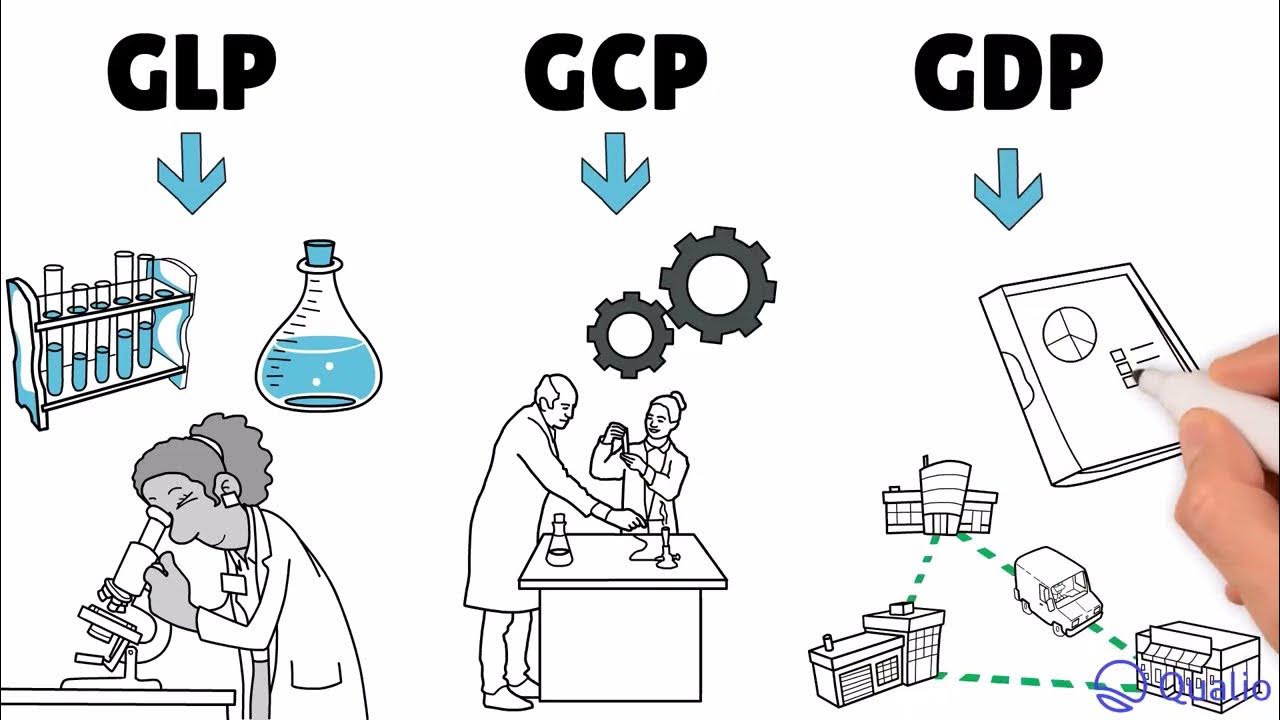
What is GxP?
Qualio
/@QualioHQ
Jun 22, 2023
This video provides an in-depth exploration of GxP, a fundamental and often misunderstood concept in quality management within highly regulated industries, particularly life sciences. The presenter begins by establishing the critical context: professionals in life sciences operate under stringent regulations to ensure the safe, pure, and effective delivery of drugs and medical devices, which is paramount for patient well-being. GxP serves as the overarching framework that guides these essential practices. It is explained as a broad umbrella term, standing for "Good Practice," where the 'X' acts as a flexible placeholder, adapting to specific operational areas. The presentation then delves into the various subsets of GxP, illustrating how the 'X' is swapped for different letters depending on the relevant guidelines for a business. The most prominent subset discussed is GMP, or Good Manufacturing Practice, which encompasses a series of globally enforced guidelines designed to ensure life science products are consistently produced and controlled according to quality standards. The video highlights that these guidelines are dynamic, leading the FDA to refer to them as cGMP (current Good Manufacturing Practice) to emphasize their evolving nature. Beyond manufacturing, other crucial GxP subsets are introduced, including GLP (Good Laboratory Practice) for businesses involved in laboratory work, GCP (Good Clinical Practice) for organizations conducting clinical trials, GDP (Good Distribution Practice) for companies distributing products, and GDocP (Good Documentation Practice) for proper document management. A key insight emphasized is that GxP is not a singular, accessible set of guidelines for compliance. Instead, it functions as the foundational inspiration behind a multitude of specific life science standards and regulations. The video provides concrete examples of how GxP principles are codified into regulatory frameworks: medical device cGMP forms the basis of FDA 21 CFR Part 820, while pharmaceutical cGMP is detailed in FDA 21 CFR Parts 210 and 211. Similarly, GCP principles are reflected in international guidelines such as ICH E6 and ISO 14155, and GDP structures the guidelines from organizations like the WHO and Annex 5. The video concludes by offering a practical approach to achieving GxP compliance. It advises organizations to first assess their specific business context to determine which GxP subsets are applicable to their operations. Following this, the next crucial step is to identify and adhere to the precise, detailed regulations that stem from those relevant GxP requirements. The overarching message is that embedding GxP principles is indispensable for ensuring high product quality and maintaining regulatory compliance, underscoring that life-saving products cannot be marketed without strict adherence to these good practices. Key Takeaways: * GxP is a comprehensive umbrella term for "Good Practice" in the highly regulated life science industries, serving as a critical framework to ensure the safety, quality, and efficacy of drugs and medical devices for patients. * The 'X' in GxP is a placeholder, signifying that the term adapts to various operational areas; it is replaced by a letter that denotes the specific type of good practice relevant to a particular business function. * GMP (Good Manufacturing Practice) is the most common and widely recognized subset of GxP, comprising global guidelines enforced by regulatory agencies to ensure the proper and consistent manufacturing of life science products. * Due to the dynamic nature of quality standards and manufacturing processes, the FDA refers to GMP as cGMP (current Good Manufacturing Practice) to highlight the continuous evolution and updates to these guidelines. * Beyond manufacturing, other vital GxP subsets include GLP (Good Laboratory Practice) for laboratory operations, GCP (Good Clinical Practice) for clinical trials, GDP (Good Distribution Practice) for product distribution, and GDocP (Good Documentation Practice) for managing records and documents. * GxP is not a single, unified set of regulations but rather the foundational inspiration and guiding philosophy behind numerous specific, detailed life science standards and regulatory requirements. * Specific regulatory frameworks directly embody GxP principles; for example, medical device cGMP is the bedrock of FDA 21 CFR Part 820, which outlines quality system requirements for medical device manufacturers. * Pharmaceutical cGMP requirements are detailed in FDA 21 CFR Parts 210 and 211, specifying the minimum current good manufacturing practice for methods, facilities, and controls used in manufacturing, processing, packing, or holding drugs. * GCP principles are formalized in international guidelines such as ICH E6 (Good Clinical Practice) and ISO 14155 (Clinical investigation of medical devices for human subjects), ensuring ethical and scientific quality standards for clinical trials. * GDP guidelines, structured by organizations like the World Health Organization (WHO) and its Annex 5, are crucial for maintaining the quality and integrity of medicinal products throughout the entire distribution chain. * To achieve GxP compliance, organizations must first conduct a thorough assessment of their specific business context and operations to accurately identify which GxP subsets are applicable to them. * Following the identification of relevant GxP areas, the next critical step is to pinpoint and rigorously adhere to the specific, detailed regulations and standards that are derived from those GxP requirements. * Embedding GxP principles into every aspect of operations is paramount for ensuring consistent product quality, safeguarding patient safety, and achieving and maintaining essential regulatory compliance. * Strict adherence to GxP is a mandatory prerequisite for any life science company wishing to market and distribute its life-saving products in regulated global markets. Key Concepts: * **GxP (Good Practice):** An umbrella term for quality guidelines and regulations in regulated industries, particularly life sciences, ensuring products are safe, effective, and of high quality. * **GMP (Good Manufacturing Practice) / cGMP (current Good Manufacturing Practice):** Guidelines ensuring products are consistently produced and controlled according to quality standards. 'Current' emphasizes the evolving nature of these guidelines. * **GLP (Good Laboratory Practice):** A set of principles that provides a framework within which laboratory studies are planned, performed, monitored, recorded, reported, and archived. * **GCP (Good Clinical Practice):** An international ethical and scientific quality standard for designing, conducting, recording, and reporting trials that involve the participation of human subjects. * **GDP (Good Distribution Practice):** Guidelines for the proper distribution of medicinal products, ensuring their quality and integrity are maintained throughout the supply chain. * **GDocP (Good Documentation Practice):** Principles for the proper creation, maintenance, and archiving of documents to ensure data integrity and traceability. * **FDA 21 CFR Part 820:** U.S. Food and Drug Administration regulation outlining quality system requirements for medical device manufacturers. * **FDA 21 CFR Parts 210 and 211:** U.S. FDA regulations detailing current good manufacturing practice for pharmaceutical products. * **ICH E6:** International Conference on Harmonisation of Technical Requirements for Registration of Pharmaceuticals for Human Use, specifically its guideline on Good Clinical Practice. * **ISO 14155:** International Organization for Standardization standard for clinical investigation of medical devices for human subjects. * **WHO's GDP / Annex 5:** World Health Organization guidelines and specific annexes pertaining to Good Distribution Practices for pharmaceutical products.

University of Louisville: Improving Regulatory Compliance with Veeva SiteVault
Veeva SiteVault
/@VeevaSiteVault
Jun 22, 2023
This video presents a case study from the University of Louisville, detailing their journey to improve regulatory compliance and operational efficiency within their complex clinical research environment through the adoption of Veeva SiteVault. The speaker highlights the escalating challenges faced by universities engaged in clinical research, primarily driven by the continuous introduction of new, more stringent regulations and increasingly intricate study protocols. This evolving regulatory landscape, coupled with intense market competition, necessitated a re-evaluation of their existing processes and technological infrastructure. Prior to implementing Veeva SiteVault, the University of Louisville struggled significantly with documentation management and operational speed. Their primary challenges included the inability to quickly locate critical documents when needed and the slow pace of task accomplishment, largely due to their research teams being geographically dispersed across a large campus. Their previous attempt to manage these issues involved utilizing a central server and attempting to enforce specific pathways for end-users. However, this approach proved ineffective, as users invariably reverted to their individual "comfort zones," undermining standardization and efficiency. The speaker emphasizes that to remain competitive and responsive in such a demanding environment, a specialized system was crucial. Veeva SiteVault emerged as the chosen solution, effectively addressing their core problems. The platform introduced much-needed standardization, particularly in document naming conventions, which was a significant improvement over their previous ad-hoc methods. The adoption of SiteVault has led to substantial process improvements and has been met with positive feedback from external partners, including sponsors and Contract Research Organizations (CROs), who readily understand and appreciate the system. Ultimately, the University of Louisville's experience with Veeva SiteVault has been overwhelmingly positive. The speaker describes the product as intuitive, top-notch, innovative, easy to use, and flexible, underscoring their satisfaction with the choice. The implementation has not only streamlined their internal operations but also enhanced collaboration with study partners, positioning the university more strongly within the competitive clinical research landscape. Key Takeaways: * **Escalating Regulatory Complexity:** Clinical research institutions are grappling with an increasing volume and complexity of regulations and protocols, making compliance a constant and growing challenge. This necessitates robust systems to manage the evolving regulatory environment effectively. * **Operational Inefficiencies from Distributed Teams:** Organizations with geographically dispersed teams face significant hurdles in documentation management, collaboration, and maintaining operational speed, leading to difficulties in finding critical information and accomplishing tasks promptly. * **Limitations of Generic IT Solutions:** Relying on general-purpose tools like shared servers for complex regulatory documentation often fails due to a lack of inherent standardization and the natural tendency of users to revert to individual, less structured methods, hindering overall efficiency and compliance. * **Strategic Imperative for Specialized Systems:** To remain competitive and responsive in the fast-paced and highly regulated clinical research market, organizations must invest in specialized systems designed to support complex protocols, ensure standardization, and facilitate compliance. * **Veeva SiteVault as a Standardization Catalyst:** The implementation of Veeva SiteVault significantly improved standardization, particularly in document naming conventions, which is crucial for efficient documentation retrieval and regulatory adherence. This consistency helps mitigate risks associated with audits and data integrity. * **Enhanced Industry Recognition and Collaboration:** Using a recognized industry platform like Veeva SiteVault fosters better understanding and collaboration with external partners, such as sponsors and CROs, who are familiar with and trust the system. This positive external validation streamlines interactions and builds confidence. * **Significant Process Improvement:** The adoption of Veeva SiteVault has led to substantial process improvements within the University of Louisville's clinical research operations, contributing to greater overall efficiency, faster task completion, and more reliable data management. * **User-Centric Design is Key for Adoption:** The success of a new system hinges on its usability. Veeva SiteVault's description as "intuitive, easy to use, and flexible" highlights the importance of user-friendly design in overcoming resistance to change and ensuring widespread adoption across diverse user groups. * **Competitive Advantage through Technology:** Embracing innovative, top-notch technology solutions like Veeva SiteVault provides a distinct competitive advantage, enabling research organizations to be more agile, compliant, and attractive to study sponsors seeking reliable and efficient partners. * **Centralized Documentation for Audit Readiness:** While not explicitly stated, the ability to easily find documentation and enforce naming conventions implies a move towards a more centralized and organized system, which is critical for audit readiness, demonstrating compliance, and reducing the burden of regulatory inspections. Tools/Resources Mentioned: * **Veeva SiteVault:** A specialized platform designed to improve regulatory compliance, efficiency, and collaboration in clinical research organizations, particularly for managing site-level documentation and processes. Key Concepts: * **Regulatory Compliance:** Adherence to established rules and regulations, particularly in the context of clinical research (e.g., FDA, EMA guidelines). The video emphasizes the increasing complexity and stringency of these regulations. * **Clinical Research:** Systematic investigation involving human participants to understand health and disease, and evaluate medical interventions. * **Standardization:** The process of implementing and maintaining consistent methods, procedures, and formats, especially for documentation, to improve efficiency, quality, and compliance. * **Process Improvement:** The systematic approach to identifying, analyzing, and improving existing business processes to meet new goals or standards, leading to greater efficiency and effectiveness. * **Documentation Management:** The organized system for creating, storing, retrieving, and archiving documents, crucial for regulatory compliance, audit trails, and operational efficiency in research. Examples/Case Studies: * **University of Louisville's Clinical Research Operations:** The video serves as a case study demonstrating how the university addressed challenges related to increasing regulatory complexity, inefficient documentation management across a distributed campus, and the failure of generic server-based solutions by implementing Veeva SiteVault. The outcome was improved standardization, process efficiency, and positive feedback from sponsors and CROs, highlighting the tangible benefits of adopting specialized, industry-specific technology.

Celerion: Simplifying Clinical Trial Management with Veeva SiteVault
Veeva SiteVault
/@VeevaSiteVault
Jun 22, 2023
This video provides an in-depth exploration of how Celerion, a Phase I clinical research unit, leveraged Veeva SiteVault to significantly enhance their clinical trial management processes, focusing intensely on regulatory compliance and operational efficiency. The primary objective of the implementation was to achieve immediate "inspection readiness," addressing the constant concern of being prepared should the FDA or other regulatory bodies conduct an unannounced audit. The speaker emphasizes that SiteVault transformed their document management "overnight," establishing a centralized, reliable source of truth for all study documentation. The core functionality highlighted is the ability of SiteVault to act as a sophisticated electronic binder (e-binder). This system ensures that all critical documents, such as the study protocol, are stored in the correct, designated location and are instantly searchable. Critically, the platform guarantees that the version retrieved is 100% the most current document for that study, eliminating the risk associated with relying on physical copies, shared network drives, or email attachments—a common pitfall in decentralized clinical operations. This single source of truth drastically simplifies the audit process, allowing staff to present required documentation with "a click of a button." Beyond regulatory assurance, the video details a significant, albeit initially "not planned," operational benefit: reduced time spent by clinical research monitors on site. By digitizing all necessary data and making it accessible within SiteVault, monitors can accomplish their required tasks much faster. The speaker notes a typical monitoring visit was reduced from three days to potentially a single day. This efficiency gain translates directly into substantial cost savings by reducing travel days, hotel expenses, and the consumption of physical space and internal resources at the clinical site. The adoption of digital data management thus serves as a powerful tool for both compliance adherence and financial optimization within clinical operations. Key Takeaways: • **Achieving Instant Inspection Readiness:** The primary strategic benefit of implementing Veeva SiteVault is the immediate establishment of audit preparedness, ensuring that all necessary documentation is organized and ready for regulatory review (e.g., FDA inspections) at any moment. • **Guaranteed Document Version Control:** SiteVault eliminates the dangerous ambiguity of document management by ensuring that staff and auditors can instantly retrieve the 100% most current version of a protocol or other study document, mitigating compliance risks associated with outdated files stored on local drives or email. • **Centralized e-Binder Functionality:** The platform serves as an organized, searchable electronic binder, replacing disparate storage methods (desks, drives, email) and allowing for simple search features that drastically reduce the time needed to locate specific regulatory documents during an audit. • **Significant Reduction in Monitor Site Time:** A major operational efficiency gain is the ability for clinical research monitors to complete their work in a fraction of the time, potentially reducing a three-day visit to one day due to the immediate availability of digital data. • **Direct Cost Savings through Digitalization:** The reduction in monitor time translates directly into tangible financial savings by cutting down on travel expenses, hotel costs, and the consumption of physical space and internal resources required to host monitors for extended periods. • **Strategic Value of Digital Data Access:** The shift to a fully digital data environment provides value beyond compliance, streamlining the entire monitoring workflow and allowing clinical staff to focus more on patient care and core research activities rather than document retrieval. • **Optimizing Resource Allocation:** By reducing the physical footprint and resource strain associated with hosting monitors and managing paper archives, the organization can better allocate staff time and physical space to revenue-generating or core scientific activities. Tools/Resources Mentioned: * **Veeva SiteVault:** The specific platform used for clinical trial document management (eTMF/eISF functionality). * **e-binder:** The conceptual framework used within SiteVault to organize and manage digital study documentation. Key Concepts: * **Inspection Readiness:** The state of having all regulatory documentation and processes organized, complete, and immediately accessible for review by regulatory bodies (e.g., FDA). * **Clinical Trial Management:** The comprehensive process of planning, conducting, monitoring, and closing out a clinical study, which heavily relies on accurate and compliant document control. * **Digital Data Management:** The practice of storing and managing all essential study documents electronically, enabling instant access, version control, and remote monitoring capabilities.

Fax from Veeva Vault demo | SMS and Fax Guru | Cloud Maven, Inc.
Cloud Maven, Inc
/@cloudmaveninc843
Jun 21, 2023
This video provides a demonstration of an integration solution that facilitates sending electronic faxes (eFaxes) directly using files stored within Veeva Vault, a foundational content management platform for the Life Sciences industry. The integration, offered by Cloud Maven, Inc., focuses on streamlining operational workflows by connecting regulated content storage with necessary external communication channels, specifically within a Salesforce environment. The presenter establishes the context by highlighting Veeva Vault's role in managing content for life sciences and then illustrates how the eFax component can be embedded into standard or custom Salesforce objects. The core functionality showcased involves accessing the Veeva Vault file library directly from a component placed on a Salesforce record, specifically the Accounts object in this demo. Users are presented with a list of files pulled from Vault, which can be filtered based on specific requirements. This eliminates the manual, multi-step process of downloading a file from Veeva Vault, navigating to a separate fax service, and then manually logging the communication. Instead, the user simply selects the desired, controlled document from the integrated list and clicks the "send eFax" button to initiate transmission. A significant benefit for companies operating in regulated sectors is the automatic logging and data association capability. The system ensures that all sent eFaxes are securely stored within Salesforce and are automatically linked back to the parent object (the Account). This feature is crucial for maintaining a complete and compliant audit trail, providing immediate proof of communication and content used, which is vital for regulatory reporting and compliance with standards such as HIPAA and GxP. The solution effectively bridges two critical enterprise systems—Veeva Vault for content governance and Salesforce for commercial operations—to create a more efficient and auditable communication process for pharmaceutical and biotech companies. Key Takeaways: * **Veeva Vault Content Utilization:** The integration directly addresses the challenge of leveraging controlled, approved content stored in Veeva Vault for external communication, ensuring that only the correct versions of documents (e.g., medical information responses, regulatory documents) are transmitted. * **Operational Efficiency via System Integration:** By embedding the eFax functionality within Salesforce and linking it directly to Veeva Vault, the solution significantly reduces friction in commercial and medical affairs workflows, eliminating manual file handling and reducing the risk of human error. * **Mandatory Audit Trail Creation:** All eFaxes sent through the system are automatically stored within the Salesforce record associated with the recipient (e.g., the Account or Contact), providing an immediate, unalterable audit trail necessary for regulatory compliance and internal reporting requirements. * **Flexibility Across Salesforce Objects:** Although demonstrated on the Accounts object, the component is designed to be object-agnostic, allowing it to be deployed on any standard or custom Salesforce object, enabling its use across various departments like Clinical Operations, Regulatory Affairs, or Medical Affairs. * **Addressing Legacy Communication Requirements:** The solution modernizes the process of sending faxes—a communication method still required by many healthcare providers and regulatory bodies—by digitizing the transmission and integrating it into modern enterprise software stacks. * **Filtered Content Access:** The ability to filter and pull specific files from the vast Veeva Vault library directly into the Salesforce interface based on predefined criteria ensures users can quickly locate and utilize the relevant, approved content without extensive searching. * **AppExchange Ecosystem Leverage:** The product is available on the Salesforce AppExchange, demonstrating the common pharmaceutical industry strategy of utilizing specialized third-party solutions to enhance core platform capabilities (Veeva and Salesforce) for highly specific, regulated tasks. * **Regulatory Compliance Support:** The automatic logging and association features inherently support compliance initiatives (e.g., GxP, 21 CFR Part 11) by ensuring that every communication involving regulated content is documented and traceable within the enterprise system. Tools/Resources Mentioned: * Veeva Vault (Content Management Platform) * Salesforce (CRM/Operational Platform) * SMS and Fax Guru (AppExchange Integration Product) Key Concepts: * **Veeva Vault:** The industry-standard cloud platform for managing content and data across the pharmaceutical lifecycle, ensuring regulatory compliance and version control. * **eFax:** Electronic faxing, which is critical for secure, documented communication in healthcare and life sciences, replacing physical fax machines with digital, auditable transmissions. * **Salesforce Integration:** The practice of connecting Salesforce CRM with other enterprise systems (like Veeva Vault) to create unified workflows and comprehensive customer/account records, essential for commercial operations in pharma. * **Life Sciences Content Management:** The specialized governance required for managing documents in a highly regulated environment, ensuring content integrity, approval workflows, and adherence to global health authority standards.

How AI Could Repair our Healthcare System - Meet Healthee
Self-Funded
@SelfFunded
Jun 20, 2023
This video provides an in-depth exploration of how artificial intelligence is being deployed to revolutionize the complex and often opaque US healthcare benefits system, featuring Guy Benjamin, Co-CEO and Co-Founder of Healthee. Healthee’s core offering is "Zoe," an AI-based personal health assistant designed to serve as a single, centralized platform for all employee health and wellness needs. Benjamin details the company's mission, born from his own frustrating experiences navigating US health benefits, to inject technology and transparency into a system characterized by inefficiency and high costs. The platform aims to make employees "smarter consumers" by providing personalized, instant answers regarding coverage, provider options, deductibles, and out-of-pocket costs. The core technological framework involves sophisticated data engineering and AI/LLM utilization. Healthee ingests unstructured data—specifically the hundreds of pages long Evidence of Coverage PDFs—and converts them into a structured, mapped database. This allows Zoe to instantly cross-reference coverage details with other vital data sources, including carrier websites, provider availability, and localized pricing information. The result is a highly personalized response; for example, if a user searches for an MRI, Zoe provides specific cost projections ($21 vs. $100) based on the user's current deductibles, network status, and location, effectively steering employees toward high-quality, low-cost options. This personalization is critical, as Benjamin notes that the system must account for different demographics, plans, and geographies. Healthee’s platform extends beyond simple Q&A, functioning as a comprehensive ecosystem that engages employees from the moment they join a company or during Open Enrollment. The platform includes a plan comparison tool that analyzes financial scenarios (premiums, deductibles, catastrophic event projections) and coverage to help employees select the optimal plan, addressing the fact that 50% of employees typically choose the wrong plan. Furthermore, the platform integrates features like a Wellness Tracker that maps out preventive care for the year (e.g., skin screenings, dental cleanings) and assists with appointment booking, either through integrations like ZocDoc or via a dedicated team of human benefit experts who handle scheduling for less tech-savvy providers. A significant value proposition for employers is the data intelligence derived from employee usage. By tracking every click, question asked, and search query—all anonymously and aggregated—Healthee provides employers with unbiased insights into the benefits employees are actually seeking, including those the company might not currently cover. This data helps HR and CFOs make informed decisions about future benefit packages, moving beyond traditional claims data reports that only reflect covered services. The company reports tangible ROI, including a 4% to 14% reduction in claims costs and saving employees $1,000 to $2,000 annually in out-of-pocket expenses, positioning the solution as a necessity rather than a "nice to have" quality-of-life improvement. ### Key Takeaways * **AI for Benefits Navigation:** Healthee's "Zoe" demonstrates the successful application of LLMs to transform complex, unstructured health plan documents (e.g., 600-page PDFs) into actionable, structured data, enabling instant and personalized answers to coverage questions. * **Personalized Cost Transparency:** The platform calculates specific out-of-pocket costs for members based on their current deductible status, network, and chosen provider location, empowering true consumerism by showing price variations for the same service (e.g., an MRI costing $21 vs. $100 nearby). * **Engagement is the Core Metric:** The company’s number one KPI is monthly active users (MAU), recognizing that high engagement is the only way to influence employee health decisions and reduce overall healthcare costs. * **Data-Driven Benefit Strategy:** The platform captures anonymized, aggregated usage data (questions asked, features used) to provide employers with unique insights into employee needs and benefit gaps, including benefits employees are searching for but are not currently covered. * **Mitigating Biases and Fear:** The AI assistant provides a private, non-judgmental channel for employees to ask sensitive health questions (e.g., planning a pregnancy, anxiety), which they might be uncomfortable sharing with HR, thereby increasing disclosure and engagement. * **High ROI Quantification:** Healthee reports substantial financial returns for employers, including a 4% to 14% reduction in overall claims costs and significant time savings for HR staff (up to nine hours per week) by automating routine benefits inquiries. * **Steering to High-Quality, Low-Cost Care:** The system actively directs users to cost-effective, high-quality providers and services, often paying for itself through the intervention of just one redirected, high-cost claim (e.g., steering away from expensive hospital-based imaging). * **Addressing Point Solution Fatigue:** Healthee positions itself not as a single point solution, but as a platform where all existing employer point solutions (e.g., mental health, fertility) can live, increasing the utilization and ROI of those existing investments. * **Future of Healthcare Demand:** The shift in the workforce toward Millennials and Gen Z will drive demand for instant, transparent, and seamless digital healthcare experiences, making traditional call centers and opaque billing practices unsustainable. * **Seamless Implementation:** Deployment is straightforward (4-6 weeks) and requires minimal lift from the employer, needing only the health plan PDFs and census data; the solution can be implemented off-cycle to build engagement before Open Enrollment. ### Tools/Resources Mentioned * **Zoe:** Healthee’s AI-based personal health assistant. * **ZocDoc:** Appointment booking platform (integrated for provider scheduling). * **Wellness Tracker:** A feature within Healthee that builds and tracks an employee’s annual preventive care plan. ### Key Concepts * **Smart Consumerism in Healthcare:** The concept that technology should provide individuals with the necessary cost and coverage data *before* they consume care, allowing them to make financially optimal decisions, contrasting with the current system where costs are often unknown until after treatment. * **Unbiased Surveying:** Using anonymous, aggregated search and usage data from the AI platform to understand employee needs, which is more objective than traditional surveys where employees might fear judgment or privacy violations. * **One-Stop Shop Platform:** The strategy of consolidating all health and wellness resources (plan selection, coverage Q&A, provider search, appointment booking, billing audit) into a single, cohesive platform to combat employee confusion and "platform fatigue." ### Examples/Case Studies * **MRI Cost Comparison:** Zoe can show a user that an MRI at one location costs $21 out-of-pocket, while a location a mile away costs $50, and another costs $100, based on their specific deductibles and network status. * **Undiscovered Benefits:** An employer was shown that the number one benefit their employees were asking Zoe about was a service the company did *not* cover, providing an immediate and actionable insight into benefit package gaps. * **Preventive Care Tracking:** The Wellness Tracker feature proactively reminds employees about necessary preventive care (e.g., skin screening, dental cleaning) and helps map out the year, ensuring higher utilization of no-cost services.
Understand an investigational product mechanism of action when prescreening in clinical research
Dan Sfera
/@dansfera
Jun 18, 2023
This video provides an in-depth exploration of a critical aspect of patient pre-screening in clinical research: understanding the mechanism of action (MOA) of an investigational product. The speaker emphasizes that at the research site level, a thorough grasp of how the study drug works is paramount, particularly in relation to a patient's existing concomitant medications and medical history. This foundational understanding is presented as the most important factor in effectively evaluating potential study participants. The discussion highlights the necessity of not only comprehending the MOA but also identifying the riskiest aspects of the investigational product. This proactive approach ensures that potential interactions, contraindications, or adverse events can be anticipated and mitigated during the pre-screening phase. The speaker outlines various resources available to research site personnel for acquiring this crucial knowledge, including direct consultation with the Principal Investigator (PI), sub-investigators (sub-Is), and the medical monitor. Additionally, the investigator's brochure is cited as a primary document, complemented by independent research through online searches to understand real-world drug interactions. The underlying rationale for this detailed investigation is that patients' primary concerns often revolve around how the study drug's MOA will interact with their current medications and health conditions. The progression of ideas underscores a practical, site-level methodology for ensuring patient safety and trial integrity from the very first interaction. It moves from identifying the core information needed (MOA, risks) to detailing the authoritative and supplementary sources for that information, and finally, to acknowledging and addressing the patient's perspective. The speaker's approach is grounded in the realities of clinical site operations, offering actionable guidance for research coordinators and other site staff on how to prepare themselves to answer patient questions and make informed pre-screening decisions. This process is crucial for minimizing risks, optimizing patient recruitment, and maintaining the ethical standards of clinical trials. Key Takeaways: * **Mechanism of Action is Paramount:** The most critical element in pre-screening patients for a clinical trial is a deep understanding of the investigational product's mechanism of action (MOA). This knowledge forms the basis for assessing patient suitability and safety. * **Interaction with Concomitant Medications:** It is essential to analyze how the study drug's MOA will interact with any medications a patient is currently taking. This prevents potential drug-drug interactions that could compromise patient safety or trial outcomes. * **Consider Patient Medical History:** A comprehensive review of a patient's medical history is necessary to identify pre-existing conditions that might be affected by or interact with the investigational product's MOA. This ensures that the trial does not exacerbate existing health issues. * **Identify Riskiest Aspects of the IP:** Research site staff must proactively identify and understand the most significant risks associated with the investigational product. This enables them to effectively counsel patients and monitor for potential adverse events. * **Leverage Principal Investigator (PI) Expertise:** The PI and sub-investigators are primary resources for understanding the study drug's MOA and potential risks. Direct consultation with them provides authoritative insights and guidance. * **Consult the Medical Monitor:** The medical monitor serves as another crucial resource for clarifying complex aspects of the investigational product, especially concerning safety and medical implications. * **Thorough Review of Investigator's Brochure (IB):** The Investigator's Brochure is a foundational document containing comprehensive information about the investigational product, including its MOA, known risks, and pharmacology. It should be meticulously studied. * **Conduct Independent Research:** Beyond official documents, site staff should perform their own research, including online searches (e.g., "Googling things" and "long tail search"), to gain a broader understanding of how the study drug and its components interact in real-world scenarios. * **Address Patient Concerns Proactively:** Patients' primary concerns during pre-screening often revolve around how the investigational product's MOA will affect them, particularly in conjunction with their current medications. Being prepared to address these concerns builds trust and facilitates informed consent. * **Foundation for Patient Safety and Trial Integrity:** A robust understanding of the investigational product's MOA and potential interactions is fundamental to ensuring patient safety, minimizing adverse events, and maintaining the scientific integrity of the clinical trial. Tools/Resources Mentioned: * **Investigator's Brochure (IB):** A comprehensive document detailing the investigational product. * **Principal Investigator (PI):** The lead researcher at the clinical site. * **Sub-Investigators (sub-Is):** Other qualified researchers working under the PI. * **Medical Monitor:** A physician responsible for the safety of trial participants. * **Google:** For independent online research and "long tail searches." * **Veeva Site Vault:** (Mentioned in video description) A cloud-based application for clinical trial site management. * **Versatrial:** (Mentioned in video description) A clinical trial management system. * **CRIO (Clinical Research.io):** (Mentioned in video description) An eSource and CTMS platform for clinical research. * **Inato:** (Mentioned in video description) A platform for patient recruitment in clinical trials. Key Concepts: * **Mechanism of Action (MOA):** The specific biochemical interaction through which a drug substance produces its pharmacological effect. * **Investigational Product (IP):** A pharmaceutical form of an active ingredient or placebo being tested or used as a reference in a clinical trial. Also referred to as "study drug." * **Pre-screening:** The initial process of evaluating potential clinical trial participants against basic inclusion/exclusion criteria before a full screening visit. * **Concomitant Medications (con meds):** Any medications a patient is taking concurrently with the investigational product, whether prescribed or over-the-counter. * **Medical History:** A record of a patient's past and present health conditions, illnesses, surgeries, and treatments. * **Research Site Level:** Refers to the operational activities and responsibilities carried out by staff at the clinical trial site (e.g., research coordinators, nurses, PIs).

The Connective Tissue of a Health Plan - Planned Administrators Inc
Self-Funded
@SelfFunded
Jun 13, 2023
This video provides an in-depth exploration of the evolving role of Third-Party Administrators (TPAs) in the self-funded healthcare landscape, featuring George Stiles, President and COO of Planned Administrators Inc (PAI). The discussion centers on PAI's approach to TPA services, emphasizing partnership, flexibility, and leveraging data analytics to optimize health plans. Stiles shares his career journey, highlighting the value of foundational understanding in the complex healthcare industry and the concept of "corporate entrepreneurship" within a large organization like Blue Cross Blue Shield of South Carolina. The conversation delves into PAI's core services, including traditional Administrative Services Only (ASO) for groups ranging from 250 to 1500 lives, and their growing focus on level funding for smaller groups (down to 10 members) as a stepping stone to full self-funding. A significant portion of the discussion is dedicated to the benefits of Direct Primary Care (DPC) models, with PAI's successful partnership with Proactive MD serving as a key example. This model, which prioritizes quality care and tight coordination, is presented as a powerful tool for reducing overall medical spend and improving member outcomes, even for geographically dispersed populations through telehealth and scalable clinic models. Furthermore, the episode explores the critical role of data analytics in effective benefits management. PAI's "PAA Analytics" platform, built on Deerwalk, is highlighted for its comprehensive reporting capabilities and the transparency it offers to brokers, consultants, and employers. The dialogue also touches upon the impact of new healthcare transparency regulations, including gag clause attestations, and the broader implications of increased access to hospital and claims pricing data. Stiles expresses optimism for the future of healthcare, driven by innovation, data-driven decision-making, and the potential of emerging technologies like AI, while also stressing the importance of nurturing the next generation of industry talent and fostering collaborative relationships between TPAs and their partners. Key Takeaways: * **TPA as a Strategic Partner:** A TPA's primary role is to act as a partner and the "connective tissue" of a health plan, integrating various solutions and providing expertise to create a cohesive benefits package for employers and members. * **Importance of Data Analytics and Transparency:** Robust data analytics, like PAI's Deerwalk-based platform, are crucial for self-funded plans, enabling employers and consultants to measure, manage, and impact claims trends, ultimately leading to better decision-making and cost control. * **Level Funding as a Growth Opportunity:** Level funding serves as an effective stepping stone for smaller groups (e.g., down to 10 members) to transition into self-funding, offering claims experience and potential savings, provided the administrative approach remains streamlined and scalable. * **Direct Primary Care (DPC) for Quality and Cost:** DPC models, exemplified by Proactive MD, offer significant value by focusing on quality of care, tight coordination with specialists, and proactive health management, which can lead to reduced hospital admissions and overall medical spend. * **Scalability of DPC Models:** DPC can be scaled for diverse populations through a network of clinics, telehealth services, and a model that doesn't require high volume, making it viable even in rural areas. * **Navigating Healthcare Transparency Regulations:** New regulations, such as gag clause attestations and requirements for pricing transparency, are intended to empower employers and members with data, despite initial implementation challenges, and are expected to drive positive changes in the healthcare system. * **Value of Long-Term Stop-Loss Relationships:** Constantly switching stop-loss carriers for minor rate reductions can be detrimental, as it erodes relationships that are crucial for navigating complex year-end claims and securing favorable outcomes. * **Corporate Entrepreneurship (Intrapreneurship):** Opportunities exist within large organizations for individuals to act as "fixers" or "startup guys," taking on new challenges and developing innovative solutions with the backing and resources of an established company. * **Attracting and Developing Future Talent:** The healthcare industry faces the challenge of attracting and preparing the next generation of leaders and innovators, emphasizing the need for foundational business understanding over immediate high-level positions. * **TPA Role in Vendor Vetting and Security:** A reputable TPA thoroughly vets its vendor partners, ensuring robust system security, compliance protocols, and due diligence (e.g., SOC reports) to protect client data and prevent breaches. * **Flexibility in Solution Integration:** A strong TPA partner offers flexibility to integrate with a client's preferred third-party solutions (e.g., PBMs, enrollment systems) while ensuring all data is consolidated for comprehensive analytics. * **Exploration of Iqra Administration:** TPAs are exploring roles in Individual Coverage Health Reimbursement Arrangement (Iqra) administration, providing support for plan design, employee decision-making, and back-end reporting for employer contributions. * **Optimism for Healthcare Innovation:** The industry is ripe with opportunities for improvement through captives, DPC, AI technology, and increased transparency, suggesting a potential "renaissance" in healthcare. **Tools/Resources Mentioned:** * **PAA Analytics:** PAI's proprietary data analytics solution, built on the Deerwalk platform. * **Proactive MD:** A Direct Primary Care (DPC) provider based in South Carolina, operating in 17 states, with whom PAI partners. * **Blue Cross data center:** PAI leverages this highly secure, high-volume data center for its operations, processing billions of claims annually. * **SIA (Self-Insured Institute of America):** Mentioned as an organization with a TPA workgroup discussing industry issues. **Key Concepts:** * **Third-Party Administrator (TPA):** An organization that processes claims and performs other administrative services for a self-funded health plan. * **Self-Funded Health Plan:** An employer-sponsored health plan where the employer directly pays for employees' medical claims rather than purchasing traditional health insurance. * **Administrative Services Only (ASO):** A contract under which an insurer or TPA provides administrative services for a self-funded plan without assuming any risk for claims. * **Level Funding:** A hybrid self-funded model where an employer pays a fixed monthly amount, covering administrative costs, claims funding, and stop-loss insurance, with potential for refunds if claims are low. * **Direct Primary Care (DPC):** A healthcare model where patients pay a recurring fee (e.g., monthly) directly to their primary care provider for a defined set of services, often bypassing insurance. * **Stop-Loss Insurance:** Insurance purchased by self-funded employers to protect against catastrophic claims that exceed a certain threshold. * **Iqra (Individual Coverage Health Reimbursement Arrangement):** An HRA that allows employers to reimburse employees for health insurance premiums purchased on the individual market, as well as other qualified medical expenses. * **Gag Clause Attestations:** A regulatory requirement under the Consolidated Appropriations Act (CAA) for health plans to attest that they are not restricting access to cost and quality information. * **Corporate Entrepreneurship / Intrapreneurship:** The act of behaving like an entrepreneur while working within a large organization, often by developing new products, services, or processes. **Examples/Case Studies:** * **George Stiles' Career Progression:** His journey from a Medicare claims processor at Blue Cross Blue Shield to President and COO of PAI exemplifies internal career growth and the ability to take on diverse roles within a single large organization. * **PAI's DPC Partnership with Proactive MD:** PAI successfully partnered with Proactive MD for a university client, implementing a model where employees are mandated to use the DPC for primary care, with referrals required for specialist coverage, leading to improved quality and cost outcomes. * **PAI's Data Center Infrastructure:** PAI leverages the highly secure Blue Cross data center, which processes billions of claims annually and features advanced security measures like retinal scans and fingerprints, demonstrating a commitment to data integrity and protection.

What's Inside Typical Clinical Research Source Documents? An Inside Look!
Dan Sfera
/@dansfera
Jun 12, 2023
This video provides a foundational understanding of clinical research source documents, explaining their critical role beyond mere data collection. The speaker emphasizes that source documents are essential for demonstrating Good Clinical Practice (GCP), ensuring patient safety, documenting Principal Investigator (PI) oversight, and verifying protocol compliance, adhering to ALCOA principles (Attributable, Legible, Contemporaneous, Original, Accurate, Complete). It highlights the limitations of Electronic Data Capture (EDC) systems in capturing the nuanced narrative and process details necessary for regulatory compliance and audit trails, advocating for the continued importance of detailed source documentation, particularly progress notes. The video also touches upon the common elements found in source documents, such as informed consent, inclusion/exclusion criteria, adverse events, concomitant medications, and investigational product accountability, noting the variability and protocol-specific details for each. The discussion points to the industry's evolving landscape, where solutions like eSource (e.g., CRIO, and the mention of Veeva Site Vault in the description) are beginning to integrate and blur the lines between traditional source and EDC to address these challenges. Key Takeaways: * **Source Documents are Foundational for Compliance:** Source documentation is indispensable for demonstrating adherence to Good Clinical Practice (GCP), ensuring patient safety, and proving protocol compliance, going beyond just capturing raw data. * **EDC Limitations Highlight Need for Narrative:** Current EDC systems are often insufficient for capturing the detailed narrative, process of consent, PI oversight, and contextual information (e.g., for adverse events or medication changes) that progress notes in source documents provide, which is crucial for audits and query resolution. * **ALCOA Principles Drive Documentation Requirements:** The need for source documents is rooted in the ALCOA principles (Attributable, Legible, Contemporaneous, Original, Accurate, Complete), which dictate high standards for data integrity and traceability in clinical research. * **Proper Source Design Enhances Protocol Compliance:** Well-designed source document templates are vital for streamlining study visits, assisting researchers, and proactively ensuring consistent adherence to complex protocol requirements. * **Evolving Landscape of eSource and EDC Integration:** The industry is moving towards more integrated eSource solutions that aim to bridge the gap between traditional source documentation and EDC, indicating a growing demand for advanced digital tools to manage clinical data and compliance. * **Long-Term Value of Detailed Documentation:** Comprehensive and detailed source documentation, especially progress notes, is critical for addressing data queries that may arise long after a visit, ensuring continuity and accuracy for future reviews or audits.
Generative AI in Healthcare: Current and Future Applications
AHealthcareZ - Healthcare Finance Explained
@ahealthcarez
Jun 11, 2023
This video provides an in-depth exploration of the current and immediately applicable uses of Generative AI within the healthcare sector. Dr. Eric Bricker, the speaker, focuses on practical applications that are either already in use or beginning to be implemented, rather than speculative future possibilities. He highlights how Generative AI can significantly reduce the administrative burden on healthcare professionals, improve efficiency, and enhance access to critical information, ultimately saving time and resources. The presentation systematically covers three primary areas where Generative AI is making an impact. First, it delves into the automation of medical documentation, explaining how ambient listening devices combined with natural language processing and Generative AI can automatically create comprehensive doctor's visit notes, adhering to established medical formats. Second, the video discusses the use of Generative AI for streamlining prior authorization requests, a notoriously time-consuming task for physicians. Finally, it explores how AI can revolutionize the way healthcare professionals and patients interact with complex documents like health insurance plan details and extensive medical records, enabling quick summarization and targeted information retrieval. Throughout the discussion, Dr. Bricker provides concrete examples of companies and initiatives currently leveraging these technologies, such as Deep Scribe for documentation, Doximity for prior authorizations, and Unriddle.ai for document analysis. He also touches upon the strategic partnership between Mayo Clinic and Google to apply Generative AI to de-identified patient data for medical record summarization. While emphasizing the immense benefits, he also prudently addresses important limitations, such as the training data cutoff dates for some LLMs and the potential for AI to "hallucinate" or fabricate sources, underscoring the ongoing need for human oversight and verification in critical healthcare applications. Key Takeaways: * **Significant Time Savings in Documentation:** Generative AI, combined with ambient voice recognition and natural language processing, can automatically create detailed doctor's visit notes. This technology, exemplified by Deep Scribe, can save physicians up to three hours per day, addressing the issue where 62% of a doctor's time is spent on Electronic Medical Records (EMR) rather than patient interaction. * **Cost-Effective Administrative Support:** Automating medical scribing through AI is substantially more cost-effective than employing human scribes, with AI solutions costing approximately one-sixth of the human equivalent, while delivering comparable or superior efficiency. * **Streamlining Prior Authorizations:** Generative AI can automate the creation of prior authorization request letters, including referencing supporting scientific literature. This drastically reduces the manual effort and time physicians spend on these administrative tasks, as demonstrated by Doximity's beta version. * **Limitations of LLM Training Data:** Current Generative AI models like ChatGPT have limitations, such as being pre-trained on data up to a certain date (e.g., pre-2021 for ChatGPT). This means they may not have access to the latest medical literature, standards of care, or regulatory updates, necessitating human review for up-to-date information. * **Risk of AI Hallucination:** It is crucial to verify AI-generated content, especially references and sources, as LLMs can sometimes "hallucinate" or fabricate information. This highlights the ongoing need for human oversight and validation in medical and legal contexts. * **Enhanced Document Search and Summarization:** Generative AI tools, such as Unriddle.ai, can efficiently search, summarize, and answer specific questions from lengthy and complex PDF documents like health insurance plan documents or medical policies. This capability benefits various stakeholders, including HR, benefits managers, and patients, by providing quick access to critical coverage information. * **Revolutionizing Medical Record Review (Chart Biopsy):** Generative AI can significantly improve the efficiency and accuracy of reviewing extensive patient medical records. By summarizing complex patient histories or pinpointing specific information, AI can assist clinicians, especially in time-sensitive environments like the ER, as evidenced by the Mayo Clinic and Google partnership. * **Importance of De-identified Data:** The application of Generative AI to medical records, as seen in the Mayo Clinic/Google collaboration, relies on the use of de-identified patient data to ensure privacy and compliance while still enabling the AI to learn and provide valuable insights. * **Bridging Technology Gaps:** Despite the advanced nature of Generative AI, its outputs often still need to be integrated with legacy systems, such as transmitting prior authorization letters via fax machines, highlighting the ongoing challenges of digital transformation in healthcare. * **Focus on Practical, Immediate Applications:** The video emphasizes that the discussed applications are not futuristic concepts but are being implemented "right now," demonstrating the immediate value and transformative potential of Generative AI in addressing current healthcare challenges. Tools/Resources Mentioned: * **Deep Scribe:** A company utilizing Generative AI for automated medical documentation. * **Doximity:** A professional network for physicians, offering a beta version of Generative AI for prior authorizations. * **Unriddle.ai:** A software tool that uses AI to read, summarize, and answer queries from PDF documents. * **ChatGPT:** Mentioned as a general example of a Large Language Model (LLM). * **Google's Generative AI:** Partnered with Mayo Clinic for medical record analysis. Key Concepts: * **Generative AI:** Artificial intelligence capable of generating new content, such as text, images, or audio, based on learned patterns from existing data. * **Ambient Voice Recognition:** Technology that captures and interprets spoken language in an environment without direct user interaction. * **Natural Language Processing (NLP):** A field of AI that enables computers to understand, interpret, and generate human language. * **Electronic Medical Record (EMR):** A digital version of a patient's chart, containing their medical and treatment history from a single practice. * **Prior Authorization:** A requirement from a health insurance company that a patient or provider obtain approval for a service or medication before it is rendered or prescribed. * **Medical Policy:** Detailed guidelines issued by health insurance companies that define the medical necessity and coverage criteria for specific procedures, treatments, or services. * **Chart Biopsy:** A slang term referring to the process of thoroughly reviewing a patient's medical chart to extract relevant information, often for complex cases or consultations. * **De-identified Patient Data:** Health information that has been stripped of direct identifiers, making it impossible to link the data back to an individual, often used for research and AI training while protecting privacy. * **AI Hallucination:** A phenomenon where an AI model generates information that is factually incorrect, nonsensical, or fabricated, despite appearing plausible.

Veeva R&D and Quality Summit Europe, 2023 Highlights
Veeva Systems Inc
/@VeevaSystems
Jun 8, 2023
This video provides a concise overview of the Veeva R&D and Quality Summit Europe 2023, a critical annual gathering for life sciences professionals focused on technological innovation within the highly regulated research and development lifecycle. Held in Madrid, the summit centered on the theme, "Delivering for Patients: Innovation in R&D and Quality," emphasizing the industry's need to accelerate drug development and maintain stringent quality standards simultaneously. The event successfully convened over 850 attendees, highlighting its significance as a major platform for strategic planning, networking, and understanding the future direction of Veeva's R&D and Quality product suite. The summit’s structure was highly segmented, reflecting the comprehensive nature of Veeva’s Vault platform and the distinct yet interconnected phases of the R&D process. The content was organized into five dedicated zones: Clinical, Quality, Regulatory, Safety, and Platform. This segmentation underscores the industry’s shift toward integrated data management across the entire product lifecycle. The Clinical zone likely focused on optimizing trial operations and data capture; Quality addressed GxP compliance and documentation control; Regulatory focused on submission readiness and global health authority requirements; and Safety covered pharmacovigilance and post-market surveillance. A key focus of the event was "next-generation innovation," featured prominently in six dedicated roadmap sessions. This area is particularly vital as it signals Veeva’s strategic direction regarding the integration of emerging technologies, such as AI, machine learning, and advanced data engineering capabilities, into the core Vault platform. For consulting firms, these sessions provide essential foresight into where clients will need expertise in system integration, custom software development, and the deployment of intelligent automation tools designed to operate within a validated, compliant environment. The summit serves as a crucial barometer for understanding current client pain points in data harmonization and process optimization within the Veeva ecosystem. Key Takeaways: * **Strategic Importance of Veeva R&D Suite:** The summit confirms that Veeva Vault is the dominant enterprise platform for managing R&D and Quality data in the life sciences sector. Deep expertise in integrating AI solutions directly into the Vault Clinical, QualityDocs, and RIM (Regulatory Information Management) modules is essential for maximizing client investment. * **Integrated Data Pipeline Demand:** The five core zones (Clinical, Quality, Regulatory, Safety, Platform) emphasize the industry's need for seamless data flow between previously siloed functions. This creates a high demand for data engineering services focused on building robust, compliant pipelines that ensure data integrity from clinical capture through regulatory submission. * **Regulatory Technology (RegTech) Acceleration:** The strong focus on Quality and Regulatory sessions indicates that clients are prioritizing technology solutions that automate compliance, audit trail management, and GxP documentation. AI-powered tools for compliance tracking and automated validation are becoming critical requirements. * **Future of Platform Innovation:** The inclusion of "next-generation innovation sessions" signals Veeva’s intent to incorporate advanced AI capabilities. This provides a direct opportunity to develop and deploy custom LLM solutions, such as specialized Generative AI Sales Ops Assistants or Medical Info Chatbots, that leverage Veeva data while adhering to strict regulatory protocols. * **European Market Insight:** Holding the summit in Europe (Madrid) provides specific market intelligence regarding the adoption rates, regulatory nuances (EMA requirements), and regional challenges faced by pharmaceutical and biotech companies operating within the EU. * **Roadmap Alignment for Custom Development:** Understanding the Veeva roadmap is crucial for custom software developers. Any bespoke solutions or AI agents built for clients must be designed for long-term compatibility and seamless integration with future platform updates, minimizing disruption during mandatory upgrades. * **Focus on Patient Outcomes:** The summit theme, "Delivering for Patients," reinforces the industry's focus on speed and efficacy. AI solutions should be positioned not just as efficiency tools, but as accelerators for clinical development and quality assurance that ultimately improve patient access and safety. * **Need for Validation Expertise:** As more AI and automation are introduced into GxP-regulated processes (Clinical, Quality), there is a growing need for consulting expertise that can validate these complex, often black-box, systems according to 21 CFR Part 11 and other regulatory standards. Tools/Resources Mentioned: * Veeva Vault (Implied, covering Clinical, Quality, Regulatory, Safety modules) Key Concepts: * **GxP Compliance:** Good Practices (including Good Clinical Practice, Good Manufacturing Practice, etc.)—the foundational quality system requirements for the life sciences industry, which Veeva Vault systems are designed to manage. * **Platform Innovation:** The strategic integration of emerging technologies (like AI and LLMs) into established enterprise software platforms (Veeva) to drive efficiency and new capabilities. * **R&D Lifecycle Management:** The holistic management of data and processes from early-stage research through clinical trials, regulatory submission, manufacturing quality, and post-market safety surveillance.
The Cost of Getting Paid... Doctor Billing and Collections on Healthcare Uncovered Episode 9
AHealthcareZ - Healthcare Finance Explained
@ahealthcarez
Jun 7, 2023
This video provides an in-depth exploration of the financial burden placed on physician practices due to the complexity and inefficiency of the healthcare billing and collections process, known in the industry as Revenue Cycle Management (RCM). Dr. Eric Bricker, a physician and healthcare finance expert, establishes the central thesis that simply getting paid by insurance companies is prohibitively expensive, consuming vast amounts of administrative resources and resulting in significant lost revenue. The presentation aims to educate doctors on the true cost of RCM and introduce alternative payment models designed to streamline revenue collection and maximize profitability. The core of the analysis focuses on quantifying the costs associated with RCM, which are divided into two major categories: direct billing and collections expenses, and write-offs. Citing a study from the Journal of the American Medical Association (JAMA), the video notes that one academic physician practice spent $99,000 per primary care doctor annually on billing and collections, representing 14% of their total revenue—the equivalent of two months of work. For some specialties, this direct cost can soar to nearly 25% of total revenue. The second major cost, write-offs (payments that are uncollected and deemed unrecoverable), adds an additional 5% to 10% of lost revenue. When combined, the total cost of simply getting paid can exceed one-third of a practice’s total revenue, equating to four months of work for which the practice receives no compensation. The video attributes this massive administrative waste to the inherent complexity and error-prone nature of the traditional RCM system. The speaker, drawing on his experience as a former RCM consultant, describes the process as a "Quagmire" filled with errors, including incorrect information collected from the patient, wrong data entered into billing software, and information placed in the wrong fields. A specific example highlights the administrative burden: one practice used a drop-down list containing 45 different insurance plans, leading employees to constantly select the wrong plan. This complexity creates an "endless game of non-payment whack-a-mole," where fixing one error immediately leads to the emergence of multiple new issues, preventing practices from achieving efficient revenue capture. As an alternative to the broken traditional health insurance system, the video promotes the concept of direct contracting relationships. These arrangements, made directly with employers or government entities, bypass the complexities and high administrative costs of traditional insurance billing. While acknowledging that practices cannot transition all revenue overnight, the speaker suggests joining direct contract networks, such as the Nomi Health open network, as a viable starting point to reduce RCM friction, get paid faster, and recover revenue lost to administrative overhead. ### Detailed Key Takeaways * **Exorbitant Cost of RCM:** The administrative cost of billing and collections is substantial, ranging from 14% of total revenue for primary care practices (based on a JAMA study) up to 25% for certain specialties. * **Write-Offs as Hidden Costs:** Beyond direct billing fees, uncollected payments, known as write-offs, constitute an additional major financial drain, often costing practices an extra 5% to 10% of their revenue. * **Total Financial Waste:** When combining direct RCM costs and write-offs, the total cost of getting paid can easily exceed one-third (33%) of a physician practice’s total revenue, representing four months of work performed without compensation. * **Time Value of Money Ignored:** This calculation of RCM cost does not even account for the time value of money lost while practices carry receivables on their books, further increasing the true financial burden. * **Complexity Drives Errors:** The RCM process is fundamentally complex, leading to a high frequency of errors, including collecting incorrect patient information, inputting wrong data into billing software, and selecting incorrect codes or plans. * **Data Entry Friction:** A specific example of administrative friction cited is a practice using a drop-down list containing 45 different insurance plans, which employees constantly misselect, resulting in billing denials and delays. * **"Non-Payment Whack-a-Mole":** The process of fixing billing errors is described as an "endless game of non-payment whack-a-mole," where the resolution of one issue immediately triggers the appearance of multiple new errors, preventing systemic efficiency. * **Revenue Cycle Management (RCM) Definition:** RCM is the industry term encompassing the entire process of billing and collecting payments from insurance companies and patients, a process the speaker identifies as a financial "Quagmire." * **Strategic Alternative: Direct Contracting:** Doctors should explore new direct contracting relationships with employers and government entities as a means to bypass the traditional, high-cost health insurance system. * **Incremental Transition Strategy:** While switching all revenue streams overnight is impractical, practices can begin the transition by joining existing direct contract networks to incrementally reduce their reliance on traditional insurance billing. ### Key Concepts * **Revenue Cycle Management (RCM):** The administrative and clinical processes that track revenue from the time a patient appointment is scheduled or service is rendered to the final payment of the balance. In the context of the video, it is highlighted as a source of massive inefficiency and financial loss. * **Write-offs:** Uncollected payments from insurance companies or patients that the practice determines are unrecoverable and removes from its accounts receivable, representing pure revenue loss. * **Direct Contracting:** A payment model where healthcare providers contract directly with payers (often large employers or government agencies) to provide services, bypassing traditional third-party insurance intermediaries and aiming for simpler, faster payment terms. ### Examples/Case Studies * **JAMA Study Data:** A study of one academic physician practice found that billing and collections cost $99,000 per primary care doctor per year, equating to 14% of their total revenue. * **45-Plan Dropdown List:** A medical biller reported that one practice utilized a billing software dropdown list containing 45 different insurance plans, resulting in constant employee errors due to the sheer complexity of choice.

Veeva Systems (VEEV) Q1 2023 Earnings Call Summary
SpeedyEarnings
/@SpeedyEarnings-le4ht
Jun 6, 2023
This video summarizes Veeva Systems' Q1 2023 earnings call, highlighting the company's strong financial performance and strategic advancements across its product portfolio. Key discussions revolved around the ongoing transition to Vault CRM, the integration of generative AI features like the CRM bot and Service Center, and the expansion of its data offerings with new Compass products and Link. The call also provided updates on Veeva's clinical data management solutions, quality management suite adoption, and insights into the stable yet cautious macroeconomic environment affecting project scrutiny in the life sciences sector. Key Takeaways: * **Veeva's Strategic Shift to Vault CRM with Integrated AI:** Veeva is actively transitioning customers from its legacy CRM to Vault CRM, a process anticipated to span from 2025 to 2029. A significant draw for this migration is the integration of new features like Service Center and a Generative AI-powered CRM bot, indicating a strong push towards AI-enhanced commercial operations. * **Deepening Investment in AI and LLM Solutions:** Veeva views AI as a critical component to enhance the value of its core systems of record. The development of proprietary data assets and applications, alongside an open ecosystem for customers to integrate their own AI, signals a future where AI and LLMs will play an increasingly central role in pharmaceutical commercial and clinical operations. * **Data as a Core Competitive Advantage:** Veeva is expanding its data product suite with Compass (prescriber and sales data) and Link (real-time customer intelligence), positioning them as modern, integrated alternatives to incumbents like IQVIA. This strategy emphasizes providing better, unified data for actionable insights. * **Modernization of Clinical Data Management:** The company is making significant strides in clinical data management with its EDC system, enabling faster study builds and seamless amendments. Plans for efficient, standardized integration with Drug Safety Systems aim to replace legacy providers and offer greater efficiency across the industry. * **Increased Scrutiny on Life Sciences Projects:** While the macro environment is stable, there's heightened caution from larger companies and tighter funding for emerging biotechs. This leads to increased scrutiny on project spending, favoring investments in core capabilities like CRM, safety, and regulatory compliance over discretionary or one-off projects. * **Growing Traction for Quality Management Solutions:** Sanofi's adoption of Veeva's unified Quality Management Suite underscores the market's demand for integrated solutions that streamline documentation, ensure higher quality standards, and modernize operations, aligning with regulatory compliance needs.ai to offer complementary solutions.

7 Costs of Healthcare Bureaucracy
AHealthcareZ - Healthcare Finance Explained
@ahealthcarez
Jun 4, 2023
This video provides an in-depth exploration of healthcare bureaucracy, framing it as a significant public health threat. Dr. Eric Bricker, drawing upon concepts from the Harvard Business Review, meticulously outlines seven distinct costs of bureaucracy and illustrates each with specific, relatable examples from the healthcare sector. The overarching purpose is to demonstrate how entrenched administrative processes and organizational structures lead to healthcare that is "worse, slower, and more expensive" – the antithesis of desired outcomes like "better, faster, cheaper." The presentation progresses by systematically addressing each of the seven costs: bloat, friction, insularity, disempowerment, risk aversion, inertia, and politics. For each cost, Dr. Bricker provides concrete healthcare-specific examples, such as the high percentage of non-clinical hospital employees (63%) to exemplify "bloat," and prior authorization as a prime example of "friction" and "disempowerment." He highlights how these bureaucratic elements not only impede efficiency and innovation but also contribute to clinician burnout and compromise patient care quality and access. The speaker's perspective is critical and evidence-based, emphasizing the systemic nature of these problems. He cites the "To Err is Human" report from the Institute of Medicine, published 23 years prior, to underscore the persistent issue of medical errors and the profound "inertia" within the system. Similarly, the statistic that it takes 17 years for new evidence-based care to be broadly adopted further illustrates the deep-seated resistance to proactive change. The video effectively argues that these bureaucratic costs are not merely administrative inconveniences but fundamental barriers to achieving optimal health outcomes and a more efficient, patient-centric healthcare system. Key Takeaways: * **Healthcare Bureaucracy as a Public Health Threat:** The video posits that bureaucracy within healthcare is not just an operational challenge but a direct threat to public health, leading to outcomes that are demonstrably worse, slower, and more expensive. * **Excessive Administrative Bloat:** A significant portion of hospital employees (63%) are non-clinical and non-patient-facing, indicating an administrative bloat that adds layers of management and cost without directly contributing to patient care. * **Friction from Busywork:** Processes like prior authorization are highlighted as prime examples of "busywork" that create friction, slow down decision-making, and impede the timely delivery of care. * **Insular Focus in Meetings:** Many healthcare meetings, particularly in hospitals, are characterized by excessive internal discussion that yields little to no actionable outcomes, diverting valuable time and resources from patient-focused initiatives. * **Disempowerment of Clinicians:** Bureaucratic constraints, such as prior authorization, directly limit physician autonomy and decision-making, leading to disempowerment among healthcare professionals. * **Profound Risk Aversion:** The healthcare system, particularly providers and hospitals, exhibits significant risk aversion, exemplified by the reluctance to shift from traditional fee-for-service models to risk-based or accountable payment structures. * **Systemic Inertia to Change:** Bureaucracy inherently resists proactive change, as demonstrated by the continued prevalence of medical errors 23 years after the "To Err is Human" report and the alarming 17-year lag in the broad adoption of new evidence-based care. * **Politics and Conformity:** Internal power dynamics and a culture of deference, especially in academic medical centers, reward conformity ("going along") over challenging the status quo, thereby stifling innovation and critical feedback. * **Opposite of "Better, Faster, Cheaper":** The cumulative effect of these seven bureaucratic costs is a healthcare system that operates in direct opposition to the goals of improved quality, speed, and cost-effectiveness. * **Impact on Clinician Burnout:** While not explicitly stated as a cost, the video implicitly links bureaucratic burdens, busywork, and disempowerment to the widespread issue of clinician burnout. * **Need for Systemic Overhaul:** The examples provided underscore a deep-seated need for fundamental changes in how healthcare organizations operate, suggesting that technological solutions and process re-engineering could play a crucial role in mitigating these bureaucratic inefficiencies. **Tools/Resources Mentioned:** * Harvard Business Review (framework for the 7 costs of bureaucracy) * Investopedia * PubMed * "To Err is Human" report from the Institute of Medicine (published in 2000) **Key Concepts:** * **Healthcare Bureaucracy:** The administrative system governing healthcare operations, characterized by complex rules, processes, and hierarchies. * **Bloat:** Excessive layers of management and administration that do not directly contribute to the core mission (e.g., patient care). * **Friction:** Unnecessary busywork and procedural hurdles that slow down decision-making and operational efficiency. * **Insularity:** An inward focus on internal issues and politics rather than external goals or patient needs. * **Disempowerment:** Constraints on individual autonomy and decision-making, particularly for clinicians. * **Risk Aversion:** A reluctance to embrace change or new models, preferring established (even if inefficient) practices. * **Inertia:** Resistance to proactive change, leading to stagnation and slow adoption of improvements. * **Politics:** Energy devoted to gaining and maintaining power or influence within an organization, often at the expense of productivity or innovation. * **Prior Authorization:** A bureaucratic process requiring approval from insurers before certain medical services or medications can be provided. * **Fee-for-Service:** A payment model where providers are paid for each service rendered, regardless of patient outcomes. * **Evidence-Based Care:** Medical practices and treatments supported by robust scientific research and clinical trials. **Examples/Case Studies:** * **Hospital Staffing:** 63% of hospital employees are non-clinical, illustrating administrative bloat. * **Prior Authorization:** Cited as a primary example of busywork (friction) and a constraint on physician autonomy (disempowerment). * **Unproductive Meetings:** Doctors' firsthand accounts of hospital meetings where "nothing gets done" due to excessive internal discussion (insularity). * **Fee-for-Service Model:** Hospitals and physicians holding onto this payment model is presented as an example of risk aversion against adopting accountable or risk-based payments. * **"To Err is Human" Report:** The 2000 report highlighting 98,000 annual deaths from medical errors, used to demonstrate the system's inertia as many issues persist 23 years later. * **Adoption of Evidence-Based Care:** The statistic that it takes 17 years for new evidence-based care to be broadly adopted, showcasing the profound inertia within healthcare. * **Academic Physician Culture:** The system of rewarding conformity and "going along" for tenure and promotion, illustrating how internal politics stifle change and critical voices.

Hospital Departments Explained
AHealthcareZ - Healthcare Finance Explained
@ahealthcarez
May 29, 2023
This video provides an in-depth exploration of various departments within a hospital setting, offering "clinical training for non-clinical healthcare professionals" on how these crucial areas function. Dr. Eric Bricker systematically guides viewers through the operational intricacies of departments such as Radiology, Interventional Radiology, the Cardiac Catheterization Lab, Endoscopy, the Operating Room, Cardiac Stress Testing, Lab and Phlebotomy, Pharmacy, Blood Bank, and Nutrition. The presentation aims to demystify complex medical environments, explaining common procedures and the roles of different personnel, while also highlighting significant operational challenges and patient experience issues. The speaker details the specific functions and technologies employed in each department. For instance, in Radiology, he covers imaging modalities like CT, MRI, X-rays, PET scans, and specialized GI procedures involving contrast. He then distinguishes Interventional Radiology, emphasizing image-guided procedures like abscess drainage, biopsies, and IVC filter placement using a "c-arm" for real-time X-ray "movies." Similarly, the Cardiac Cath Lab's role in angioplasty, stenting, and electrophysiology (EP) lab procedures for conditions like atrial fibrillation and pacemaker insertions are thoroughly explained, illustrating the use of catheters and continuous patient monitoring. A significant portion of the discussion focuses on the operational realities and common breakdowns within hospitals. Dr. Bricker uses the Pharmacy and Lab departments to illustrate these points, detailing the "tubing system" used for transporting medications and samples. He reveals how delays in this system can lead to inaccurate lab results (e.g., lactate samples) or critically slow "stat" medication delivery, which, despite physician expectations, often means "within one hour" by hospital protocol. He also sheds light on the often-overlooked patient experience, particularly the impact of "NPO" (nothing per oral) status on elderly patients, leading to sleep deprivation, hunger, and increased risk of delirium, underscoring the human cost of operational inefficiencies. The video concludes by emphasizing that these systemic process breakdowns often necessitate the "heroics" of nurses, doctors, and technicians to ensure patient care. Key Takeaways: * **Detailed Departmental Functions:** Hospitals comprise numerous specialized departments, each with distinct functions, technologies, and procedures, from advanced imaging in Radiology to life-saving interventions in the Cardiac Cath Lab and complex surgeries in the Operating Room. * **Interventional Procedures and Technology:** Many modern medical procedures are minimally invasive, relying on advanced imaging (e.g., C-arm in Interventional Radiology) and catheter-based techniques (e.g., angioplasty, ablations in the Cardiac Cath Lab), highlighting the critical role of medical devices. * **Pharmacy Operations and Medication Delivery:** The hospital pharmacy is a central hub for medication dispensing, but its efficiency is often hampered by logistical challenges, such as the "tubing system" for transport, leading to significant delays in medication administration. * **Misalignment on "Stat" Orders:** There's a common disconnect between physician expectations for "stat" medication delivery (immediate) and the operational reality in hospitals (often defined as within one hour), which can critically impact patient outcomes, especially in emergencies like sepsis. * **Data Integrity in Lab Services:** The handling and processing of lab samples are prone to errors; for example, blood samples like lactate can yield inaccurate readings if they sit too long before analysis, underscoring the importance of timely processing for reliable data. * **Logistical Bottlenecks and Process Breakdowns:** Hospitals frequently experience systemic inefficiencies, such as delays in the tubing system for medication and sample transport, which are not due to staff laziness but rather busy schedules and inadequate protocols for checking deliveries. * **Impact of Patient Experience on Health Outcomes:** Fundamental patient needs like sleep and nutrition are often compromised due to hospital protocols (e.g., NPO status, frequent interruptions), significantly affecting patient well-being, particularly for the elderly who are prone to delirium. * **Reliance on Staff "Heroics":** Operational shortcomings and process breakdowns in hospitals are frequently compensated for by the extraordinary efforts and "heroics" of clinical staff, rather than robust, efficient systems. * **Opportunities for Process Optimization:** The numerous inefficiencies and communication gaps highlighted across departments (e.g., medication delivery, lab processing, patient flow management) present significant opportunities for technological solutions and process re-engineering. * **Importance of Cross-Functional Understanding:** Non-clinical healthcare professionals benefit immensely from understanding the day-to-day clinical workflows and challenges within hospital departments, which can inform better support systems and strategic decisions. **Key Concepts:** * **C-arm:** A mobile X-ray image intensifier used in Interventional Radiology and Cardiac Cath Labs to provide real-time fluoroscopic images during procedures. * **IVC Filter (Inferior Vena Cava Filter):** A medical device placed in the inferior vena cava to prevent pulmonary embolisms by catching blood clots that break off from deep vein thromboses (DVTs). * **Balloon Angioplasty & Stent:** Procedures performed in the Cardiac Cath Lab to open blocked arteries (typically coronary arteries) using a balloon, often followed by the insertion of a stent to keep the artery open. * **Electrophysiology (EP) Lab:** A specialized cardiac lab focused on diagnosing and treating heart rhythm disorders, often involving ablation procedures to correct erratic heartbeats like atrial fibrillation. * **EGD (Esophagogastroduodenoscopy) & Colonoscopy:** Common endoscopic procedures performed by gastroenterologists to visualize the upper gastrointestinal tract and the colon, respectively. * **AAA (Abdominal Aortic Aneurysm):** A serious condition involving a weakened, bulging area in the aorta in the abdomen, requiring significant vascular surgery. * **Tubing System:** A pneumatic tube system used in hospitals for rapid transport of small items like medications, lab samples, and documents between departments. * **Stat Order:** A medical order indicating that a medication or procedure is to be performed immediately, though its operational definition can vary (e.g., within one hour). * **NPO (Nil Per Os / Nothing Per Oral):** A medical instruction to withhold food and fluids by mouth, often required before surgeries or diagnostic tests. * **Delirium:** An acute state of confusion, often reversible, common in elderly hospitalized patients due to factors like sleep deprivation, lack of nutrition, and unfamiliar environments. **Examples/Case Studies:** * **Inaccurate Lactate Readings:** Blood samples for lactate levels, if left sitting too long in the lab after being "tubed," can yield inaccurate results, impacting critical patient care decisions. * **Delayed Stat Antibiotics:** A physician ordering "stat" antibiotics for a septic patient expects immediate delivery, but due to pharmacy filling times, tubing system delays, and nursing workload, the medication often isn't administered within the perceived "stat" timeframe, potentially worsening patient condition. * **Elderly Patient Delirium:** An anecdote of an elderly patient mistaking his call bell for a fishing pole illustrates the disorientation and confusion (delirium) that can arise from sleep deprivation and prolonged NPO status in the hospital.

Documents: Uploading a Document
Envu's Guide Through Veeva Vault
/@envusguidethroughveevavaul5558
May 26, 2023
This video provides a step-by-step guide on uploading documents directly into the document library of Veeva Vault, a critical content management system in the life sciences industry. The presenter focuses on the direct upload method via the 'documents' tab, acknowledging that other upload avenues exist through regulatory actions or study modules. The primary objective is to demonstrate the process from initial document selection to its final release within the system, emphasizing the crucial role of metadata and proper workflow management for compliance and traceability. The tutorial meticulously walks through the user interface, starting with navigating to the documents tab, selecting 'create,' and then 'add document.' It highlights the importance of choosing the correct upload option, specifically for documents originating from a desktop or shared drive. A significant portion of the video is dedicated to the metadata entry process, explaining the distinction between required (yellow fields) and optional (white fields) information. The speaker stresses the necessity of accurately completing all applicable fields to ensure high-quality metadata, which is vital for future searchability and maintaining robust documentation standards. Specific metadata fields like file name, full title, document date, author, 'for use in' (country/global/territory), direct release option, language, ownership, confidentiality, and specific product (108 number) and specification (102 number) numbers are detailed. Following the metadata entry and saving the document, the video explains the document's initial 'draft' state within the Veeva Library. It then covers post-upload functionalities, such as reviewing and editing information, and the ability to attach or link other related documents using the 'relationship' tab. This includes linking different versions, redacted copies, supporting documents, or translations. A key feature discussed is the 'document files' section, which provides the downloadable 'viewable rendition' of the document. The presenter strongly recommends using this viewable rendition when submitting documents to regulatory authorities, as it automatically includes the document number and version, ensuring traceability back to the Veeva system. Finally, the video demonstrates the process of releasing the document, either directly if pre-approved or by sending it for review, ultimately moving it from a draft to a released, version 1 state, making it available for linking with regulatory actions, dossiers, or general use. Key Takeaways: * **Direct Document Upload Workflow:** The primary method demonstrated for uploading documents into Veeva Vault involves navigating to the 'documents' tab, selecting 'create,' and then 'add document,' specifically choosing the option for direct upload from a desktop or shared drive. * **Criticality of Metadata:** Accurate and comprehensive metadata entry is paramount for document searchability, organization, and compliance within Veeva Vault. Users must diligently fill out all required (yellow) and applicable optional (white) fields. * **Specific Metadata Fields:** Key metadata fields include file name, full title, document date, author, 'for use in' (specifying country, global, or territory), language, ownership, and confidentiality. The video also highlights specific numerical fields for 'products' (e.g., 108 number) and 'specifications' (e.g., 102 number). * **'Direct Release' Option:** Veeva Vault offers a 'direct release' option that allows a document to transition immediately from a draft to a released state, bypassing a formal review workflow if pre-approved. Otherwise, documents can be sent for editing, review, or a standard release process. * **Document States and Version Control:** Uploaded documents initially reside in a 'draft' state. Upon completion of the release process, they transition to a 'released' state, typically as version 1, ready for broader use and linking within the system. * **Document Relationships and Linking:** Veeva Vault facilitates robust document management through its 'relationship' tab, enabling users to link different versions of a document, redacted copies, supporting documents, or translations, ensuring a comprehensive document ecosystem. * **Importance of the Viewable Rendition:** The downloadable 'viewable rendition' of a document, found under 'document files,' is crucial for regulatory submissions. It automatically embeds the document number and version, providing essential traceability back to the Veeva system when submitted to authorities. * **Traceability for Regulatory Submissions:** Submitting the viewable rendition to regulatory bodies is a best practice, as it ensures that the document can be unequivocally traced back to its source within Veeva Vault, supporting compliance and audit trails. * **Post-Upload Review and Editing:** After initial upload, users can review the entered information and make edits using the pencil icon, ensuring accuracy before the document proceeds through its lifecycle. * **Integration with Other Modules:** While the video focuses on direct upload, it acknowledges that documents can also be uploaded through other modules like 'regulatory actions' or the 'study module,' indicating Veeva Vault's integrated nature within broader life sciences operations. Tools/Resources Mentioned: * **Veeva Vault:** The core document management system demonstrated in the video. Key Concepts: * **Metadata:** Data that provides information about other data. In Veeva Vault, it includes details like author, date, title, and usage, crucial for document organization and retrieval. * **Viewable Rendition:** A specific, system-generated version of a document (often a PDF) that includes embedded metadata like document number and version, intended for external sharing or regulatory submission to ensure traceability. * **Direct Release:** A workflow option in Veeva Vault that allows a document to bypass a formal review process and move directly from a draft to a released state. * **Document States:** The lifecycle stages of a document within Veeva Vault, such as 'Draft' (initial state) and 'Released' (final, approved state). * **Document Relationships:** The ability within Veeva Vault to link various related documents (e.g., different versions, supporting files, translations) to a primary document, creating a comprehensive information package.

Doctor Burnout: Just Too Much Work?
AHealthcareZ - Healthcare Finance Explained
@ahealthcarez
May 24, 2023
This video provides an in-depth exploration of physician burnout, arguing that the primary cause is simply an excessive workload. Presented by Dr. Eric Bricker, a healthcare finance expert, the analysis shifts the focus from individual resilience or systemic complexity to a straightforward operational issue: too much work for too few resources. The discussion establishes that while the COVID-19 pandemic brought physician burnout into public awareness, it has been a long-standing problem in healthcare. The central thesis is that healthcare administrators must recognize that managing physician mental health by alleviating workload is not just an ethical imperative, but a sound business strategy that reduces churn and improves the quality of care decisions. The analysis substantiates its claim using data from a 2021 survey of 13,000 doctors across various specialties conducted during the peak of the pandemic. This data clearly illustrates a direct correlation between workload intensity and burnout rates. Emergency Medicine and Critical Care—the specialties slammed with unprecedented patient volumes and high-stakes, life-or-death situations—reported the highest burnout rates at 60% and 56%, respectively. Conversely, specialties that experienced a significant reduction in patient volume due to the postponement of optional procedures, such as Dermatology (patient volume down over 50%) and Orthopedics (surgeries down 23%), reported the lowest burnout rates (33% and 37%). This comparative data serves as compelling evidence that decreased workload directly correlates with lower incidence of burnout. The video then transitions to discussing actionable solutions, emphasizing the effectiveness of team-based care models in mitigating physician workload. A study conducted at Stanford University is cited, showing that primary care physician burnout decreased significantly over 16 months when a team-based approach, utilizing a variety of clinicians (such as nurse practitioners and physician assistants), was implemented. Crucially, the study also demonstrated the cause-and-effect relationship when this support was later reduced due to budget cuts: physician burnout rates immediately rose as doctors were forced to take over the tasks previously handled by the support staff. The speaker concludes that if healthcare organizations want to reduce staff churn, keep vacancies low, and ensure doctors are making optimal care decisions, they must allocate more resources to systematically alleviate the physician workload, making mental health a guiding principle for organizational management. Key Takeaways: • **Workload is the Primary Driver of Burnout:** The core argument is that physician burnout is fundamentally caused by "too much damn work," rather than complex systemic factors or individual failings, making the solution straightforward: reduce the workload. • **Direct Correlation Between Workload and Burnout Rates:** Data from a 2021 survey of 13,000 doctors showed a clear inverse relationship between patient volume/intensity and burnout incidence during COVID-19. • **High-Stakes Specialties Suffer Most:** Emergency Medicine (60% burnout) and Critical Care (56% burnout) experienced the highest rates due to being overwhelmed with life-or-death patient situations during the pandemic. • **Reduced Workload Mitigates Burnout:** Specialties like Dermatology (33% burnout) and Orthopedics (37% burnout) saw lower rates, directly attributed to patient volumes dropping significantly (over 50% and 23% respectively) as optional procedures were postponed. • **Team-Based Care is an Effective Solution:** Implementing a team-based approach utilizing clinicians like Nurse Practitioners (NPs), Physician Assistants (PAs), nurses, and medical technicians effectively decreases the workload burden on physicians. • **Resource Cuts Immediately Reverse Progress:** A Stanford University study demonstrated that when team-based support was reduced due to budget cuts, physician burnout rates quickly returned to previous high levels, proving the direct causal link between support staff and physician well-being. • **Burnout is a Business Issue, Not Just a Health Issue:** Healthcare administrators should view managing physician mental health and workload reduction as "good business," as it reduces staff churn, lowers vacancy rates, and ensures doctors are rested enough to make the best possible care decisions. • **Administrative Responsibility for Resource Allocation:** The responsibility for addressing burnout lies with healthcare administrators who must allocate more resources specifically to alleviate the doctor workload, rather than expecting physicians to simply cope with the existing demands. • **Mental Health as a Guiding Principle:** Organizations should adopt physician mental health as a core guiding principle for their operations to ensure long-term retention and high-quality patient outcomes. Key Concepts: * **Physician Burnout:** Defined not medically, but as a real job-related condition (per sources like the Mayo Clinic) that negatively impacts physical and mental health, primarily driven by excessive job demands. * **Team-Based Care:** A model where patient care is managed by a variety of clinicians (physicians, NPs, PAs, nurses) working collaboratively, distributing the workload and reducing the administrative and clinical burden on the primary physician. Examples/Case Studies: * **2021 Doctor Burnout Survey:** A survey of 13,000 doctors during COVID-19 highlighted the disparity in burnout rates, contrasting high-workload specialties (ER, Critical Care) with low-workload specialties (Dermatology, Orthopedics). * **Stanford University Study:** Demonstrated the efficacy of a team-based approach in reducing Primary Care Physician burnout over 16 months, and conversely, showed the immediate negative impact when that support was subsequently removed due to budget constraints.
Top 10 Sales Tactics in Healthcare
AHealthcareZ - Healthcare Finance Explained
@ahealthcarez
May 21, 2023
This video, presented by Dr. Eric Bricker of AHealthcareZ, provides an insightful exploration of the top 10 sales tactics crucial for success in the healthcare sector, particularly when selling innovative solutions to employer-sponsored health plans. The core premise is that while a strong value proposition is essential, it is insufficient without effective sales skills to persuade and influence potential clients. Dr. Bricker highlights a common challenge where deep domain expertise in healthcare often coexists with a lack of practical sales experience, emphasizing that these sales tactics are learnable skills, akin to shooting a basketball, and are vital for any professional aiming to succeed in business-to-business sales within healthcare. The presentation delves into a curated list of ten tactics, drawing from the experiences of two highly successful insurance broker benefits consultants known for being top producers in their field, specifically working with self-funded groups ranging from 1,000 to 10,000 employees. Dr. Bricker explains the psychological underpinnings and practical applications of each tactic, providing actionable advice for implementation. The progression of ideas moves from initial impression management to building rapport, effective communication, leveraging social dynamics, and finally, adapting to client needs and feedback. Key themes include the rapid formation of first impressions, the power of non-verbal communication, the human brain's predisposition to stories, and the importance of a problem-solving mindset that extends beyond the immediate product or service. Dr. Bricker shares personal anecdotes, such as his own journey in learning small talk by practicing with cashiers, to illustrate the learnable nature of these skills. He stresses that consistent practice, even starting with smaller opportunities to gain more "at-bats," is fundamental to mastering these tactics. Ultimately, the video serves as a compelling argument for healthcare professionals to prioritize the development of their sales acumen alongside their technical or domain expertise. It underscores that without the ability to effectively communicate, persuade, and build relationships, even the most innovative and valuable solutions may fail to gain traction in the market. The speaker encourages viewers to shift focus from solely refining their product or value proposition to actively honing their sales capabilities, positioning these skills as the linchpin of commercial success. Key Takeaways: * **Sales Skills are Paramount:** A compelling value proposition alone is insufficient; effective sales tactics are equally, if not more, critical for persuading clients in the healthcare sector to adopt innovative solutions. Many healthcare domain experts lack these essential skills. * **First Impressions are Instantaneous:** Initial perceptions are formed in as little as 0.1 seconds. Leveraging enthusiasm and a genuine smile are the most effective ways to make a positive first impression within this critical timeframe. * **Build Rapport Systematically:** Remembering and using people's names, along with engaging in good small talk, are fundamental for building rapport. These skills can be practiced and improved, even in everyday interactions like with a cashier. * **Harness the Power of Storytelling:** Our brains are hardwired to listen to and remember stories. Instead of just presenting facts, encasing value propositions within narratives significantly enhances memorability and engagement, making solutions more valuable to the listener. * **Leverage Social Proof:** Name-dropping individuals or businesses that are already using or associating with a product or service provides powerful social proof, influencing potential clients through the "monkey see, monkey do" phenomenon. * **Utilize the Halo Effect:** Dressing well contributes to a positive first impression, which can trigger the "halo effect" or consistency bias. This subconscious psychological phenomenon leads people to view subsequent actions and statements more favorably if they initially liked something about you. * **Embrace a Problem-Solving Mindset:** Successful salespeople actively seek to solve problems for their clients, even those unrelated to their core product or service. This demonstrates a genuine commitment to the client's well-being and builds trust, reinforcing the idea that sales is fundamentally about problem-solving. * **Master Non-Verbal Communication:** Only 3% of communication is verbal; the remaining 97% consists of intonation, facial expressions, and body language (UCLA study). Sales professionals must be adept at reading body language to understand audience engagement and adapt their presentations accordingly. * **Dynamic Presentation Adaptation:** Based on observed body language and non-verbal cues, successful salespeople continuously adapt their presentation in real-time. This responsiveness ensures the message resonates and maintains audience interest, as clients rarely explicitly state their disengagement. * **Sales Skills are Learnable Through Practice:** Like any skill, sales tactics can be learned and mastered through consistent practice. Starting with smaller opportunities provides more "at-bats," allowing individuals to refine their approach before engaging with larger, more complex clients. * **Prioritize Sales Skill Development:** Dr. Bricker advises that professionals should dedicate significant effort to developing their sales skills, potentially even more than refining their product or value proposition, as without effective sales, even the best offerings will struggle to succeed. * **Context of High-Value Sales:** The tactics discussed are particularly effective in high-stakes B2B sales environments, such as selling innovative healthcare solutions to self-funded employer groups with 1,000 to 10,000 employees, where relationships and persuasion are key. Key Concepts: * **First Impressions:** The rapid formation of judgments about a person or situation, often within milliseconds, based on initial sensory input. * **Rapport:** A close and harmonious relationship in which the people or groups concerned understand each other's feelings or ideas and communicate well. * **Storytelling:** The use of narratives to convey information, ideas, or experiences, leveraging the brain's natural inclination to process and remember information presented in this format. * **Social Proof:** A psychological and social phenomenon wherein people assume the actions of others in an attempt to reflect correct behavior for a given situation. * **Halo Effect (Consistency Bias):** A cognitive bias in which an observer's overall impression of a person, company, brand, or product influences the observer's feelings and thoughts about that entity's character or properties. * **Non-Verbal Communication:** Communication through sending and receiving wordless cues, including body language, facial expressions, and tone of voice. * **At-Bats:** A metaphor from baseball, referring to opportunities to practice or attempt something, emphasizing the importance of repeated exposure and experience for skill development. Examples/Case Studies: * **Dr. Bricker's Personal Journey:** The speaker recounts his own initial lack of sales skills despite domain expertise and how he learned by observing successful individuals. * **Practicing Small Talk:** Dr. Bricker shares his method of practicing small talk with cashiers at grocery stores to overcome his discomfort and improve his rapport-building abilities. * **The CFO Golf Ball Story:** An anecdote where a salesperson, after learning a CFO client frequently ran out of golf balls, brought him a sleeve of golf balls at their next meeting, demonstrating a problem-solving approach beyond the core business.

This CEO Thinks Noncompetes Hurt The Economy | Forbes
Forbes
/@Forbes
May 17, 2023
This video features an interview with Peter Gassner, founder and CEO of Veeva Systems, a leading cloud software, data, and professional services provider for over a thousand life sciences companies, including major pharmaceutical firms and small biotechs. Gassner discusses two significant aspects of Veeva's corporate philosophy and structure: its pioneering transition to a Public Benefit Corporation (PBC) and its strong stance against non-compete agreements. He explains that as a PBC, Veeva is legally bound to balance the interests of its employees, customers, and shareholders, a departure from the traditional shareholder-maximization model. This approach, he argues, fosters a more durable company, deeper customer trust, and the ability to attract values-aligned talent, ultimately benefiting long-term investors. Gassner also passionately advocates for the elimination of non-compete clauses, viewing them as detrimental to employee freedom and the broader U.S. economy, while distinguishing them from necessary intellectual property protections. He reflects on the evolution of his leadership mindset from short-term startup survival to long-term responsibility and societal impact. Key Takeaways: * **Veeva's Strategic Vision as a PBC:** Veeva Systems, a critical platform in the life sciences industry, operates as a Public Benefit Corporation, legally committing to balance the interests of all stakeholders (employees, customers, shareholders). This signals a long-term, trust-based approach to business, which is vital for partners and clients.ai, this indicates a stable and ethically aligned ecosystem with their primary platform provider. * **Impact of PBC on Customer Relationships:** The PBC model allows Veeva to cultivate longer and deeper relationships with its customers, who feel they have an actual seat at the table.ai in their Veeva CRM consulting to emphasize the long-term partnership and trust clients can expect. * **Non-Compete Stance Reflects Employee-Centric Values:** Veeva's ban on non-compete agreements highlights a commitment to employee freedom and a belief that such clauses hinder economic growth. * **Long-Term Durability and Trust:** Gassner emphasizes that the PBC structure contributes to Veeva's durability and efficiency by fostering trust with both customers and employees.ai building solutions on their platform, potentially enhancing client confidence. * **Evolving Leadership for Societal Impact:** The CEO's journey from a startup mindset to one focused on generational responsibility and societal impact underscores a mature and values-driven leadership.

This CEO Thinks Noncompetes Hurt The Economy
Forbes Breaking News
/@ForbesBreakingNews
May 17, 2023
This video features Peter Gassner, the Founder and CEO of Veeva Systems, discussing his company's operations and its unique status as a Public Benefit Corporation (PBC). Gassner begins by outlining Veeva's core business, which involves providing cloud software, data, and professional services to over a thousand life sciences companies. These clients range from major pharmaceutical players like Pfizer and Merck to numerous small biotechs, all of whom Veeva assists in bringing medicines to market and ensuring they reach the appropriate patients, thereby contributing to global health. The central theme of the discussion revolves around Veeva's conversion to a Public Benefit Corporation approximately two years prior. Gassner defines a PBC as a public, for-profit company that is legally obligated to balance the interests of its primary stakeholders: employees, customers, and shareholders. This legal structure fundamentally differentiates it from a traditional corporation, which is typically mandated to maximize shareholder value above all else. He emphasizes that this is not merely a philosophical stance but a legally binding duty embedded in Veeva's corporate charter, specifically as a Delaware Public Benefit Corporation. Gassner passionately argues for the necessity of institutionalizing stakeholder capitalism through the PBC model, rather than just "talking the talk." He provides a concrete example: a board of directors for a PBC, unlike that of a regular company, cannot simply accept a takeover offer solely because it promises more money for shareholders. They are legally bound to consider the broader impact on employees and customers. This commitment, he explains, is crucial for Veeva, given its vital role in the life sciences industry and its ambition to be a "generational company" focused on long-term stability and societal contribution, rather than being swayed by short-term market fluctuations. He views the PBC as a modern return to a fundamental business principle, akin to a village baker or a small machine shop owner who inherently balanced the needs of their community, employees, and their own livelihood. Key Takeaways: * **Veeva's Core Business in Life Sciences:** Veeva Systems is a critical provider of cloud software, data, and professional services to over a thousand life sciences companies, including major pharmaceutical firms and small biotechs. Their mission is to facilitate the process of bringing medicines to market and ensuring patient access, directly supporting global health initiatives. * **Definition and Purpose of a Public Benefit Corporation (PBC):** A PBC is a public, for-profit company that holds a legal duty to balance the interests of all its key stakeholders—employees, customers, and shareholders. This contrasts sharply with traditional corporate structures primarily focused on maximizing shareholder value. * **Institutionalizing Stakeholder Capitalism:** Veeva's decision to convert to a PBC signifies a deep commitment to stakeholder capitalism, embedding this philosophy into its legal charter rather than merely adopting it as a corporate ideal. This ensures a permanent and legally enforceable adherence to multi-stakeholder interests. * **Expanded Fiduciary Duty for Boards:** The board of directors in a PBC has an expanded fiduciary duty. They are legally required to consider the interests of employees and customers alongside shareholders when making significant decisions, such as evaluating a takeover bid, preventing choices driven solely by short-term financial gains for shareholders. * **Long-Term Vision and Generational Company Status:** The PBC structure supports Veeva's strategic goal of being a "generational company," fostering long-term stability and a focus on sustainable impact over transient market pressures. This provides a predictable and values-driven foundation for its operations and partnerships. * **Critical Industry Role:** Peter Gassner emphasizes Veeva's increasingly critical role within the life sciences industry, highlighting its direct impact on human health worldwide. This underscores the societal importance of Veeva's technology and services, and by extension, the ecosystem it supports. * **"Walk the Walk" Philosophy:** The conversion to a PBC is presented as a tangible manifestation of the "walk the walk" principle, transforming a commitment to multi-stakeholder responsibility into an official and enduring part of the company's legal identity. * **Modern Application of an Ancient Concept:** Gassner frames the PBC model as a contemporary re-application of a fundamental business principle, drawing parallels to historical examples like a village baker or a small machine shop owner who naturally balanced the needs of their community, employees, and personal profitability. * **Impact on Strategic Decision-Making:** The PBC status fundamentally influences Veeva's strategic decision-making framework, ensuring that all major stakeholders' well-being is a core consideration, not just financial returns. This approach can shape how Veeva develops products, manages customer relationships, and engages with its workforce. * **Relevance for Ecosystem Partners:** For companies like IntuitionLabs.ai, which specialize in Veeva CRM consulting and serve the life sciences industry, understanding Veeva's PBC status offers valuable insights into the long-term stability, ethical considerations, and strategic priorities of a key platform provider. It suggests a partner committed to sustainable growth and balanced stakeholder value. **Key Concepts:** * **Public Benefit Corporation (PBC):** A type of for-profit corporate entity that includes positive impact on society, workers, the community, and the environment in addition to profit as its legally defined goals. * **Stakeholder Capitalism:** An economic system in which companies are oriented to serve the interests of all their stakeholders, including customers, employees, partners, and society as a whole, not just shareholders. * **Fiduciary Duty:** A legal obligation of one party to act in the best interest of another. In a traditional corporation, this is primarily to shareholders; in a PBC, it is expanded to include other stakeholders. **Examples/Case Studies:** * **Veeva Systems' Conversion:** The primary example is Veeva Systems' own conversion to a Public Benefit Corporation approximately two years prior to the interview. * **Hypothetical Takeover Scenario:** Gassner uses a hypothetical scenario where a PBC board would be unable to accept a takeover offer solely based on higher shareholder value, as they must also consider the impact on employees and customers. * **Historical Business Analogies:** Analogies of a "village baker" and a father's "small Machine Shop" are used to illustrate the historical concept of businesses inherently balancing the interests of their local community, employees, and owners.

Informed Consent Form of Clinical Trials - ICF
Sumtrial
/@Sumtrial_Exeltis
May 16, 2023
This video provides a foundational explanation of the Informed Consent Form (ICF), defining it as a mandatory document containing a full description of a clinical trial. The ICF is essential for a person to participate in research, serving as the legal and ethical basis for enrollment. The investigator is responsible for providing this document to potential participants, ensuring they have the necessary information to make an informed decision before signing. The core of the video details the mandatory elements that an ICF must include, emphasizing transparency and participant rights, which are critical components of regulatory compliance in clinical research. These elements begin with a clear statement that the trial is a research study and that participation is entirely voluntary. Crucially, the document must explicitly state that participants retain the right to revoke their consent and cease participation at any time without penalty or loss of benefits. Furthermore, the ICF must summarize the study protocol, covering the study's purpose, expected duration, a comprehensive list of procedures, and the schedule for when these procedures will be carried out. Beyond procedural details, the ICF must disclose all known and potential side effects, risks, or discomforts the patient might experience. If the clinical trial involves multiple medications or randomization into different arms, the ICF must clearly state the likelihood of receiving each specific medication. A critical compliance requirement highlighted is the necessity of including a statement guaranteeing that participants will be notified immediately if any updates occur to the clinical trial protocol or to the information contained within the ICF itself, underscoring the need for robust version control and communication mechanisms. The process of obtaining consent is emphasized as interactive and educational, requiring more than just a signature. The investigator must sit down with the potential participant, review the ICF details, and answer any questions they may have. Participants must also be afforded adequate time to discuss the trial with trusted third parties, such as their doctors, family, and friends, before committing to participation. Finally, the video addresses the legal capacity to consent, noting that the signer must understand the information and be capable of making an informed decision. If an adult lacks this capacity, a third party (e.g., legal representative, Power of Attorney, or social worker) must provide consent. Similarly, children are not considered capable of giving consent and require consent from their parents or guardians. Key Takeaways: * The Informed Consent Form (ICF) is the primary regulatory and ethical document in clinical trials, serving as proof of voluntary participation and informed decision-making, which is a key focus area during GxP and FDA audits. * The ICF must clearly establish the research nature of the study and explicitly guarantee the participant’s right to revoke consent and stop participation at any time without consequence, necessitating clear communication and operational procedures for withdrawal management. * Regulatory requirements mandate that the ICF include a summary of the study protocol, detailing the trial's purpose, duration, and a comprehensive list of all procedures and their scheduled timing, requiring accurate translation of complex protocol language into accessible terms. * Full transparency regarding patient safety is non-negotiable; the ICF must explicitly detail all known and potential side effects, risks, or discomforts associated with the study intervention, demanding careful risk communication strategies. * In randomized or multi-arm trials, the ICF must clearly communicate the statistical likelihood of receiving each specific medication or treatment, which requires careful drafting to ensure participant comprehension of randomization concepts. * The continuous nature of consent requires a formal process for notifying participants of any updates or amendments to the clinical trial protocol or the ICF information, highlighting the need for automated version control and participant communication systems (e.g., eConsent platforms). * The investigator holds the primary responsibility for ensuring informed consent, which involves an interactive session to review details and answer questions, emphasizing the need for standardized training and quality control in the consent process. * Legal capacity is a prerequisite for signing an ICF; if a potential adult participant lacks the ability to understand the information and make an informed decision, consent must be obtained from a legally recognized third party, such as a legal representative or guardian. Key Concepts: * **ICF (Informed Consent Form):** A required regulatory document in clinical trials that fully describes the research study, its risks, and the participant's rights, serving as the formal agreement for voluntary enrollment. * **Capacity to Consent:** The legal and ethical requirement that a person must be capable of understanding the information provided in the ICF and making a rational, informed decision regarding participation. * **Revocation of Consent:** The absolute right of a participant to withdraw from a clinical trial at any time, even after signing the ICF, without penalty or loss of standard medical care. * **Study Protocol Summary:** A mandatory component of the ICF that outlines the purpose, duration, and specific procedures of the clinical trial.

What Systems Do You Need to Know as a Clinical Trial Manager?
ClinEssentials
/@ClinEssentials
May 15, 2023
This. This video explores the five essential systems Clinical Trial Managers (CTMs) need to master for effective oversight of clinical trials: the Interactive Voice Response System (IVRS), Clinical Trial Management System (CTMS), Electronic Data Capture (EDC) system, Lab Portal, and IRB Portal. The speaker, Tiffany Ashton, details how CTMs utilize each system to pull critical metrics, monitor study progress, ensure data quality, manage regulatory submissions, and support site operations. She emphasizes the importance of CTMs having direct access and proficiency in these systems to proactively manage trials, respond to sponsor inquiries, and maintain a pulse on overall study performance, from recruitment and data integrity to safety and regulatory compliance. Key Takeaways: * **Multi-System Proficiency for CTMs:** Clinical Trial Managers require hands-on familiarity with a suite of specialized systems (IVRS, CTMS, EDC, Lab Portal, IRB Portal) to effectively manage and monitor clinical trials. * **Data-Driven Oversight:** Each system provides unique, critical data points—from patient recruitment and randomization metrics (IVRS) to monitoring reports and protocol deviations (CTMS), real-time source data (EDC), lab results and alerts (Lab Portal), and regulatory submission statuses (IRB Portal). * **Operational Efficiency & Reporting:** CTMs leverage these systems to pull reports, track key performance indicators, respond to sponsor requests, and ensure timely communication, underscoring the need for efficient data access and reporting capabilities. * **Regulatory & Compliance Management:** The video highlights the CTM's direct responsibility for managing central IRB submissions and tracking protocol deviations, emphasizing the critical role of these systems in maintaining regulatory compliance.ai to offer AI-powered solutions, data engineering, and business intelligence services to integrate, automate, and provide actionable insights from these crucial clinical trial data sources.