Videos
Browse videos by topic
All Videos
Showing 409-432 of 1435 videos

Healthcare Innovation Catch 22: Best Customers are Hardest to Win
AHealthcareZ - Healthcare Finance Explained
@ahealthcarez
Jun 16, 2024
This video provides an in-depth exploration of the "Healthcare Innovation Catch 22," detailing why the most promising customers for healthcare innovation are often the hardest to secure. Dr. Eric Bricker, the speaker, begins by identifying employer-sponsored health plans as ideal customers due to their large market size (over 100 million Americans covered by self-funded plans), their direct financial alignment with lower costs and improved quality, reasonably short sales cycles, and their ability to create a "domino effect" for broader adoption. He cites successful examples like Consumer Directed Health Plans (Definity, Luminos), Teledoc, and Hinge Health, emphasizing Hinge Health's substantial $6.2 billion valuation achieved by targeting this market. The core challenge, or "Catch 22," lies in the significant career risk faced by the key decision-makers within these employer clients, specifically the Head of Benefits and the VP of HR. These individuals are highly motivated to maintain their jobs and avoid professional setbacks, often prioritizing job security over the "rational logic" of an innovative healthcare solution. The speaker recounts a personal experience in a meeting with a large self-funded employer, noting the prevalence of "older" (middle-aged) professionals in decision-making and consulting roles, suggesting a preference for engaging with similarly experienced individuals when evaluating new solutions. To navigate this career risk and successfully sell healthcare innovation, the video outlines two primary strategies. The first involves securing substantial venture capital funding (tens to hundreds of millions of dollars) to hire expensive, experienced salespeople, typically in their 40s or 50s. These seasoned professionals command high "On Target Earnings" (OT), averaging around $244,000 annually, representing 20-25% of their sales quota. This approach positions venture capitalists as "kingmakers" in the healthcare innovation landscape, capable of funding the necessary sales infrastructure. The second strategy, for entrepreneurs without significant VC backing, requires the founder to personally lead sales efforts, focusing on a defined niche of mid-market employers (200 to 2,000 employees) within a specific geographic area, brokerage network, or industry. This "Off Broadway" approach acknowledges the limitations of bootstrapped ventures in competing for large enterprise clients. Key Takeaways: * **Employer-Sponsored Health Plans as a Prime Market:** Self-funded employer-sponsored health plans represent a massive market (100M+ Americans) with inherent financial alignment for cost reduction and quality improvement, offering a strong incentive for adopting healthcare innovation. * **The "Catch-22" of Innovation Sales:** While employer-sponsored health plans are ideal customers for healthcare innovation, they are exceptionally difficult to sell to due to the significant career risk perceived by key decision-makers. * **Career Risk is a Dominant Factor:** Heads of Benefits and VPs of HR prioritize job security and avoiding professional missteps, often overriding purely rational arguments for adopting new healthcare solutions. Innovators must appeal to these personal interests. * **Need for Experienced Sales Professionals:** Successful B2B sales of healthcare innovation often require "older" (40s-50s) salespeople who are perceived as more credible and trustworthy by risk-averse buyers. * **High Cost of Enterprise Sales Talent:** Competent, experienced sales professionals in this sector command substantial "On Target Earnings" (OT), typically averaging around $244,000 annually, which can represent 20-25% of their annual sales quota. * **Two Paths for Healthcare Innovators:** Companies must either raise significant venture capital to fund expensive, experienced sales teams or, if bootstrapped, rely on the founder to sell directly to a specific niche. * **Venture Capitalists as "Kingmakers":** Large venture capital firms and influential figures play a critical role in enabling healthcare innovation by providing the capital necessary to build and scale sales organizations. * **Bootstrapped Strategy: Founder-Led Sales:** For companies without substantial VC funding, the founder must be directly involved in sales, as delegating this function without adequate resources is often ineffective. * **Focus on Mid-Market Employers:** Bootstrapped innovators should target mid-market employers (typically 200-2,000 employees) rather than large enterprises, as these smaller organizations may be more accessible. * **Define a Niche for Sales Efficiency:** To manage limited resources, founders selling to mid-market employers must define a specific niche, whether by geographic location, a particular brokerage or consulting firm's book of business, or a specific industry. * **Examples of Successful Innovation:** Consumer Directed Health Plans (Definity, Luminos), Teledoc (pioneered telemedicine), and Hinge Health (a successful point solution valued at $6.2 billion) demonstrate the potential for significant impact by effectively targeting employer-sponsored health plans. Key Concepts: * **Employer-Sponsored Health Plans:** Health insurance coverage provided by an employer to its employees and their dependents. * **Self-Funded Employers:** Employers who directly bear the financial risk for their employees' healthcare costs, often administering their own health plans rather than purchasing fully insured plans. * **Career Risk:** The potential for negative professional consequences (e.g., job loss, damage to reputation) associated with making a decision, particularly when adopting unproven innovations. * **On Target Earnings (OT/OTE):** The total compensation a salesperson can expect to earn if they meet 100% of their sales quota, typically comprising a base salary plus commissions or bonuses. * **Venture Capital Kingmakers:** Influential venture capitalists or figures who have the power and resources to significantly propel certain companies or entrepreneurs to success within an industry. * **Mid-Market Employers:** Companies typically defined by their employee count, in this context, between 200 and 2,000 employees. Examples/Case Studies: * **Definity and Luminos:** Spearheaded the adoption of Consumer Directed Health Plans (CDHPs) with Health Savings Accounts (HSAs) in the early 2000s by targeting employer-sponsored health plans. * **Teledoc:** Invented telemedicine (initially using only telephones) and achieved success by selling its services to employer-sponsored health plans. * **Hinge Health:** A modern example of a highly successful point solution in healthcare, valued at $6.2 billion, which primarily sells to employer-sponsored health plans. * **Carebridge (Bill Frist's company):** An example of a company that received significant investments from major health insurance carriers (United, Anthem, Cigna, Aetna) due to the influence of its founder, Bill Frist, illustrating the "kingmaker" effect.

Incentivizing Employees To Stay Fit (with Chris Hamilton)
Self-Funded
@SelfFunded
Jun 11, 2024
This video provides an in-depth exploration of personal health optimization and its direct application to improving professional performance and reforming employer-sponsored health benefits. The hosts, Chris Hamilton (an employee benefits practice leader) and Spencer, share their personal journeys into "human optimization," moving beyond aesthetics to focus on longevity, energy, and mental acuity necessary for high-stress professional careers. They establish that fitness and health are not just personal matters but critical components of professional performance, arguing that energy levels and mental clarity directly impact work output. The discussion quickly pivots to the crucial role of data and precision in health management. Chris Hamilton details his meticulous approach, including quarterly comprehensive blood panels, genetic testing (like the discovery of the slow metabolizer gene affecting Statin efficacy, and the ApoE4 dementia gene), and continuous tracking using devices like the Dexcom G7 Continuous Glucose Monitor (CGM), Apple Watch (AutoSleep), and V2 Max testing. This data-driven methodology allows for personalized health interventions, such as tailored fasting protocols and precise vitamin supplementation (e.g., Vitamin D and B12 deficiencies). The speakers emphasize that while "how you feel" is a factor, objective metrics are necessary to combat the "I feel fine syndrome," where chronic poor health is normalized until a catastrophic event occurs. A significant portion of the conversation focuses on translating these personal optimization strategies into scalable solutions for group health plans. The speakers express cynicism about traditional wellness programs, noting they primarily benefit employees already engaged in health (the "Spencer Smiths of the world"). The real challenge is reaching the majority who need easy, quick, and cheap interventions. They propose a radical shift in the economic incentive model, moving away from the fee-for-service model that profits from sickness. Chris Hamilton advocates for aligning incentives by treating employees as a high-performance team, suggesting that if the health plan performs well (due to better employee health and utilization), employees should receive financial rewards, such as premium holidays or bonuses, mirroring profit-sharing structures. This model transforms employees into "stewards" of the plan, giving them skin in the game. The speakers conclude by discussing the need for a generational shift in health culture, starting with younger generations and integrating health into the workplace environment. They suggest that employers should build a culture that actively supports health—such as building on-site gyms or using co-working spaces near wellness facilities (like Lifetime Fitness)—to attract high-performing, health-conscious employees (a "pull" strategy rather than a "push" strategy). This cultural shift, combined with data-driven precision health interventions (like those offered by models such as BioCoach, which was referenced), represents the future of benefits strategy, aiming to reduce utilization of high-cost units (like chronic medications or surgeries) by fostering genuine long-term health. Key Takeaways: • **Health as Professional Performance:** Fitness and health are directly tied to professional performance, energy levels, and mental acuity, especially in high-stress, high-pace environments like consulting and corporate leadership. • **Data-Driven Health Optimization:** Effective health management requires continuous, objective data tracking using tools like CGMs (Continuous Glucose Monitors), comprehensive quarterly blood panels, and genetic testing to establish baselines and measure the impact of lifestyle changes. • **Precision Medicine in Lifestyle:** Genetic testing can inform personalized health protocols, such as determining appropriate drug dosages (e.g., Statins) or identifying genetic predispositions (e.g., ApoE4 gene for dementia), allowing individuals to adapt their lifestyle proactively. • **The 80/20 Rule for Health:** The most profound health improvements come from prioritizing three core areas: quality sleep, removing overly processed foods (eating whole, single-ingredient foods), and consistent physical movement/exercise. • **Sleep is Foundational:** Sleep is identified as the single most critical factor for overall health and performance, often outweighing the benefits of exercise if sleep is chronically deficient. Alcohol consumption is noted as a significant destroyer of sleep quality. • **Exercise as the Great Equalizer:** Exercise acts as a "free pass" for mitigating the negative blood sugar spikes associated with less optimal food choices, demonstrating its powerful role in metabolic health management. • **Failure of Traditional Wellness:** Traditional, broad-based wellness programs are often ineffective because they fail to engage the high-risk, sedentary population; they primarily serve those already committed to health. • **Aligning Economic Incentives:** To drive widespread health change, employers must turn the incentive model on its head by financially rewarding employees (e.g., premium holidays, bonuses) for positive health behaviors and plan performance, making them "stewards" of the health plan. • **The Concierge Medicine Advantage:** The speaker found immense value in concierge medicine, which allows doctors the time (hours for intake) and flexibility to order extensive, non-traditional tests not covered by standard insurance, leading to highly personalized care. • **Impact of Processed Foods:** The rise in chronic conditions and obesity is attributed to the compounding effect of environmental factors, including the easy access to cheap, junk calories and the high prevalence of artificial ingredients, sugars, and fillers in supermarket foods. • **Culture Attracts Performance:** Employers should actively build a workplace culture and physical environment (e.g., on-site gyms, wellness facilities) that attracts health-conscious, high-performing employees, rather than trying to force change upon a resistant workforce. Tools/Resources Mentioned: * **Dexcom G7:** Continuous Glucose Monitoring (CGM) system. * **Apple Watch / AutoSleep App:** Used for tracking sleep quality. * **Whoop Band:** Mentioned as an alternative wearable health tracker. * **Red Light Therapy Panels:** Used for inflammation reduction, scar healing, and noted for improving eyesight. * **BioCoach (Derell):** Referenced as an interesting model for integrating precision health coaching into group health plans. Key Concepts: * **Human Optimization/Biohacking:** The practice of using science, data, and technology to improve physical and mental performance and health longevity. * **I Feel Fine Syndrome:** A state where individuals normalize chronic poor health (inflammation, low energy) until a major catastrophic health event occurs (e.g., heart attack). * **Precision Medicine/Health:** Tailoring medical treatment and lifestyle interventions to the individual characteristics of each patient, often informed by genetic, metabolic, and continuous monitoring data. * **Carrot and Stick Economics:** Designing incentives (carrots, like financial rewards) and disincentives (sticks, like higher cost-sharing) to influence human behavior in the desired direction (e.g., better health decisions). * **Unit Cost vs. Utilization:** The difference between reducing the price paid for a service (unit cost) and reducing the frequency with which the service is used (utilization); the ultimate goal of wellness is reducing utilization. Examples/Case Studies: * **Statin Metabolism:** The speaker detailed how genetic testing revealed he was a slow metabolizer of Statins, leading his concierge doctor to adjust the frequency and dosage to maintain benefits while eliminating severe side effects. * **Fasting Protocol:** The speaker underwent a 3-day and a 7-day water-only fast, with blood work taken before and after, to objectively measure the profound positive changes in markers like inflammation and cholesterol. * **Coffee and Cold Plunge Impact:** Personal experimentation showed that coffee consumption raises blood sugar (attributed to cortisol), while immediately following a cold plunge, blood sugar levels drop dramatically before quickly rebounding, illustrating the body's physiological survival response.

Veeva Systems Stock Crashes Again! Oh No! Is It Time To Get Out?
News Channel
/@ChannelNews1
Jun 4, 2024
This video provides an in-depth analysis of Veeva Systems (VEEV) stock performance, focusing on a recent 14% price crash following its earnings report. The speaker, a financial analyst, contextualizes this event by referencing a previous forecast made in November, which predicted a significant return for Veeva stock. Despite the recent downturn, the core message of the video is that Veeva remains a fundamentally strong business, and the price drop presents a potential buying opportunity for investors. The analysis delves into Veeva's robust financial health, highlighting explosive and consistent year-over-year growth in revenue, net income, EBITDA, operating cash flow, and free cash flow. The company is noted for its exceptional cash reserves and minimal debt, placing it among the top 1% of publicly traded companies in terms of financial strength. The speaker attributes the stock's 14% decline not to any deterioration in these strong fundamentals, but rather to conservative guidance that narrowly missed market expectations by approximately 1%. This pattern of stock drops due to guidance, despite blowout earnings, is identified as a recurring theme for Veeva. From a technical analysis perspective, the video identifies the 160s-170s range as a significant and historically strong level of support for Veeva's stock price. The speaker suggests this range as an opportune entry point for investors, recommending strategies such as direct stock purchase or selling put options to capitalize on potential rebounds. The discussion also broadens to the wider market context, noting that Veeva's decline is not isolated but part of a broader downturn affecting the software sector, citing examples like Salesforce, Microsoft, and Adobe, which have also experienced significant drops. This sector-wide selling, reminiscent of the 2022 tech meltdown, further supports the idea that Veeva's dip is more a market phenomenon than a company-specific problem, reinforcing the speaker's conviction that it's a "great business" worth holding for the long term. Key Takeaways: * **Veeva Systems Stock Drop:** Veeva (VEEV) experienced a significant 14% stock price decline shortly after its latest earnings report, despite reporting strong financial results. * **Guidance as the Primary Cause:** The stock crash was primarily attributed to the company's conservative guidance for future performance, which, despite being positive, slightly missed elevated market expectations (by approximately 1%). This is a recurring pattern for Veeva. * **Exceptional Financial Strength:** Veeva boasts explosive and consistent year-over-year growth in revenue, net income, EBITDA, operating cash flow, and free cash flow. It maintains a very strong balance sheet with substantial cash reserves and minimal debt, positioning it in the top tier of publicly traded companies. * **Strong Support Level Identified:** The 160s-170s price range is highlighted as a historically robust level of support for Veeva's stock, where it has consistently bounced back after previous dips. * **Buying Opportunity:** The speaker views the current price drop as a compelling buying opportunity to acquire a high-quality business at a lower valuation, recommending consideration of an entry point around the 160s level. * **Options Strategy Recommendation:** For investors, selling put options below the current price is suggested as a strategy to either acquire shares at a desired lower price or collect premium, especially given the high implied volatility (IV) post-crash. * **Long-Term Investment Perspective:** Veeva is characterized as a "great business" with strong fundamentals, making it a suitable long-term investment where one can "sleep at night" despite short-term market volatility, unlike speculative "meme stocks." * **Broader Sector Downturn:** The stock's decline is not an isolated incident but part of a broader negative sentiment affecting the software industry, with other major players like Salesforce, Microsoft, and Adobe also experiencing significant drops. * **Market Sentiment Impact:** The current market environment is described as "not popular" for the software sector, drawing parallels to the tech meltdown of 2022, where many fundamentally strong companies saw declines due to sector-wide selling. * **Patience is Key:** While the stock might be up strong on the day of the recording, the speaker advises patience for investors looking to enter, suggesting waiting for the price to potentially retest the 160s range. **Key Concepts:** * **Guidance:** A company's forecast for its future financial performance, often a key driver of stock price movements, especially when it deviates from analyst expectations. * **Support Level:** A price point on a stock chart where buying interest is historically strong enough to prevent the price from falling further. * **Put Options:** A financial contract giving the owner the right, but not the obligation, to sell a specified amount of an underlying security at a specified price within a specified time frame. Selling puts can be a strategy to generate income or acquire stock at a lower price. * **IV (Implied Volatility):** A measure of the market's expectation of future price fluctuations of a stock or other asset. High IV typically means options premiums are more expensive. * **EBITDA (Earnings Before Interest, Taxes, Depreciation, and Amortization):** A measure of a company's overall financial performance, often used as an alternative to simple earnings or net income. * **Operating Cash Flow:** The cash generated by a company's normal business operations. * **Free Cash Flow:** The cash a company generates after accounting for cash outflows to support operations and maintain its capital assets. * **Balance Sheet:** A financial statement that reports a company's assets, liabilities, and shareholder equity at a specific point in time. * **Meme Stock:** A stock that gains popularity among retail investors through social media, often experiencing rapid and volatile price movements detached from fundamental value. **Examples/Case Studies:** * **Salesforce, Microsoft, Adobe:** These companies are cited as examples of other large, fundamentally strong software businesses that have also experienced significant stock declines, illustrating a broader sector-wide downturn rather than an issue specific to Veeva.

Designing Better Healthcare Experiences (with Ben Callaghan)
Self-Funded
@SelfFunded
Jun 4, 2024
This video provides an in-depth exploration of how design and technology can fundamentally improve the healthcare experience, featuring Ben Callaghan, Chief Experience Officer at Empara. Callaghan argues that the healthcare industry significantly lags behind consumer sectors like retail and entertainment in terms of user experience (UX), leading to frustration, mistrust, and complexity for members. The core philosophy driving Empara and its parent organization, Good Root, is the belief that making the healthcare experience "more rewarding and more enjoyable" is the key driver for achieving cost savings and fostering innovation. The discussion details Empara's strategy for addressing this challenge, primarily through the development of its Health Engagement Platform. This platform is designed to act as the "connective tissue" that integrates the myriad of point solutions common in self-funded plans, solving the problem of "choice paralyzation" for employers and fragmentation for members. A significant focus is placed on operational efficiency for buyers (TPAs, consultants), achieved through deep data integration work to streamline eligibility, file sharing, and consolidation of disparate systems. The company views its mission as Reinventing Healthcare one system at a time, with a broader goal of alleviating and eliminating medical debt, which is cited as the leading cause of bankruptcy in the U.S. A critical component of Empara's technological approach is the deployment of AI and Large Language Models (LLMs). They are currently beta testing a virtual AI assistant named "M," which is trained on all plan documentation, employee handbooks, and add-on solution details to provide context-aware, personalized answers. This AI is projected to potentially remove 70% to 80% of basic, high-volume calls to member services. Furthermore, the future roadmap involves interrogating actual claims data to deliver customized, relevant content to members, mirroring the personalization expected in modern consumer applications (like social media feeds). The conversation also touches on the importance of driving member engagement, noting that current app utilization is around 50%, and strategies include implementing digital-first approaches (such as digital ID cards) and integrating benefit sponsors (HR teams) directly into the platform's message center to reinforce its value as a central resource. Key Takeaways: • **Experience Drives Outcomes and Cost Savings:** The primary lever for innovation and cost reduction in healthcare is improving the end-user experience, making it seamless and consumer-grade to drive positive behavior change and utilization of cost-effective solutions. • **AI for Operational Efficiency:** The deployment of context-aware virtual AI assistants, trained on comprehensive plan documentation, can significantly reduce operational burden by eliminating 70% to 80% of basic member service call volume for TPAs and employers. • **Data Integration is the Connective Tissue:** Solving the "point solution fatigue" requires deep data engineering to streamline eligibility, file sharing, and system integration between all trading partners (TPAs, carriers, vendors), ensuring a cohesive experience for the member. • **Digital-First Engagement:** Moving away from antiquated processes, such as physical ID cards, toward digital-first strategies (like dynamically branded mobile apps with shareable digital cards) is crucial for increasing member adoption and utilization of benefits technology. • **Addressing Medical Debt:** A core focus for innovation should be on solutions that alleviate medical debt, which is the leading cause of bankruptcy, noting that 80% of those affected had insurance at the time of the claim. • **High Thresholds for Financial Assistance:** Solutions must connect members to often-overlooked resources like Hospital Financial Assistance, which can apply to households earning up to $120,000 annually, challenging the stigma associated with "charity care." • **Customization via Claims Data:** The next evolution of member engagement platforms will involve interrogating real-time claims data to proactively deliver personalized, contextually relevant information (e.g., notifying a member on a specific prescription about a more affordable cash option). • **Buyer Flexibility and Configuration:** Technology platforms must be highly configurable to serve diverse buyers (TPAs, brokers, associations) by allowing them to set up plan templates, integrate preferred partners, and dynamically brand the application to maintain competitive advantage and brand recognition. • **The Need for Evergreen Technology:** Companies should avoid building or adopting solutions that paint them into a corner; technology must be built to evolve and allow for continuous improvement and feature deployment, avoiding the obsolescence seen in many 10- to 20-year-old systems. • **Future of Cash Pay:** The industry is trending toward simplified user journeys, potentially leveraging cash pay or reference-based pricing models, requiring robust healthcare navigation support to mitigate risks like balance billing and ensure a smooth member experience. Tools/Resources Mentioned: * **Empara Health Engagement Platform:** A fully native iOS, Android, and web application designed to consolidate benefits and drive member engagement. * **Virtual AI Assistant "M":** An LLM-based assistant currently in beta testing for answering member questions based on ingested plan documentation. Key Concepts: * **Chief Experience Officer (CXO):** A role focused on taking responsibility for the end-user experience of healthcare, ensuring consumer-grade quality and usability. * **Future Design:** A consulting approach focused on strategic planning and creating purpose-driven organizations by helping executive teams set audacious, long-term goals (3-10 years) and work backward using frameworks like OKRs. * **Hum Driven, Tech Enabled:** A methodology for care navigation that prioritizes human support and expertise while leveraging technology to enhance efficiency and reach.
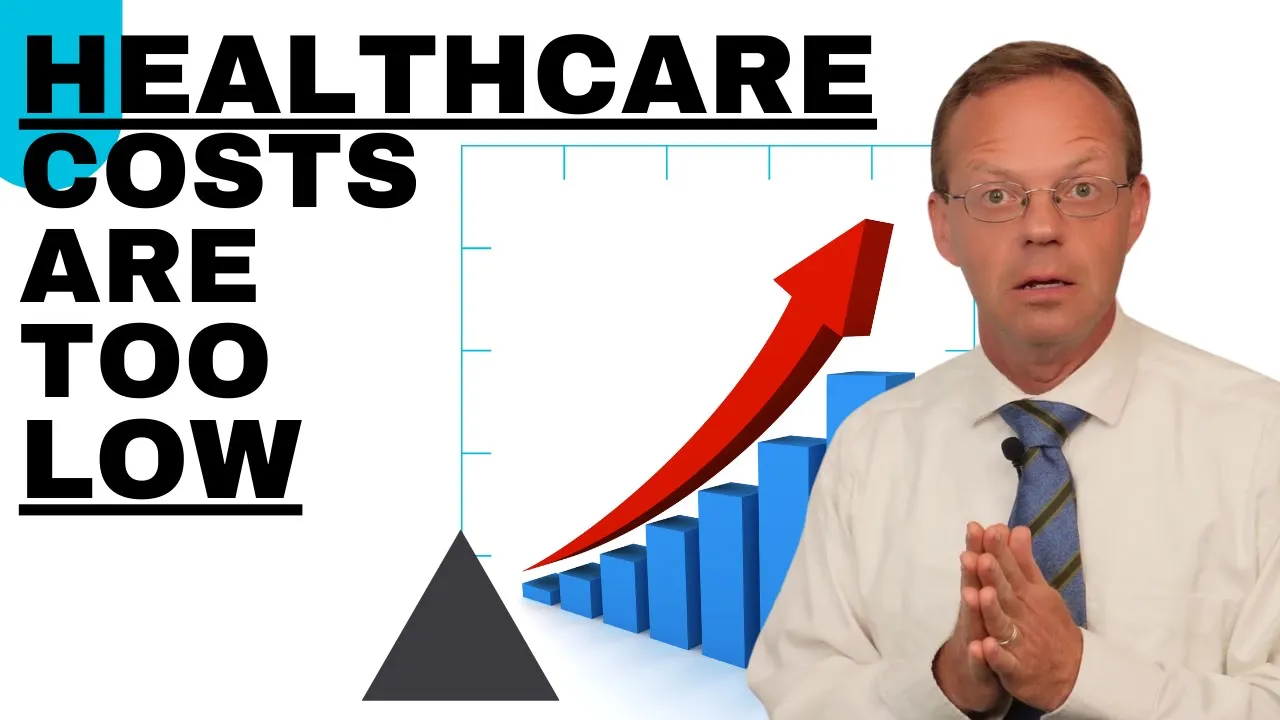
Healthcare Costs Are Too Low - $4.5 Trillion Per Year is Not Enough
AHealthcareZ - Healthcare Finance Explained
@ahealthcarez
Jun 2, 2024
This video, presented by Dr. Eric Bricker on the AHealthcareZ channel, offers a provocative "CounterPoint" argument: that current U.S. healthcare costs, despite totaling $4.5 trillion annually, are paradoxically *too low* and need to increase to adequately support the system and its workers. Historically advocating for lower costs, Dr. Bricker shifts perspective to explore the rationale behind the argument for increased spending. He begins by dissecting the massive scale of U.S. healthcare expenditure, highlighting that hospitals constitute the largest segment at 30%, amounting to $1.35 trillion per year. A significant portion of these hospital costs, 60% or $810 billion annually, is attributed to labor – the wages of healthcare professionals. Dr. Bricker emphasizes that this figure, nearly equivalent to the entire Department of Defense budget, is still insufficient. He provides specific average annual salaries for key hospital roles: doctors ($352,000), nurses ($83,000), physical therapists ($98,000), and medical billers ($47,000), asserting that these are all "too low" given the critical nature of their work and the societal value they provide. To underscore this point, the video draws stark comparisons between healthcare worker compensation and salaries in other sectors funded by major healthcare payers – the government and corporations. For instance, employees at the Los Alamos nuclear weapons lab earn an average of $113,000, while partners at top corporate law firms like Kirkland Ellis average $306,000. Dr. Bricker questions whether healthcare workers, dealing with life, death, and suffering, are less important than those in defense or corporate law, implying a societal misprioritization of compensation and investment. Finally, the video addresses how higher healthcare costs could be funded. Dr. Bricker proposes two primary sources: increased federal income taxes, noting that the top tax rate was 91% in the 1960s and 50% in the 1980s, compared to less than 40% today; and corporate profits, which have surged from 10% in the 1980s to 17% currently, representing $3 trillion in 2022. He concludes that the perceived dysfunction, antiquated systems (like fax machines), and quality issues in American healthcare are a direct consequence of underfunding, asserting that sometimes, to make things better, "you just got to throw money at it." Key Takeaways: * **Challenging the "Healthcare Costs Are Too High" Narrative:** The video presents a counter-intuitive argument that U.S. healthcare costs are currently too low, suggesting that increased spending is necessary to improve the system's quality, accessibility, and overall functionality. This perspective challenges conventional discussions around healthcare finance. * **Hospital Labor as a Major Cost Driver:** Hospitals account for 30% of the $4.5 trillion annual U.S. healthcare spending, with 60% of hospital expenditures ($810 billion) dedicated to labor costs. This highlights the significant human capital investment required to run healthcare facilities and the direct impact of workforce compensation on overall system costs. * **Perceived Underpayment of Healthcare Professionals:** Despite the substantial labor costs, the speaker argues that average salaries for critical healthcare roles—such as doctors ($352K), nurses ($83K), physical therapists ($98K), and medical billers ($47K)—are insufficient, leading to a "short-changing" of these essential workers and potentially impacting recruitment and retention. * **Societal Value Misalignment in Compensation:** The video uses comparative salary data to illustrate a perceived societal undervaluation of healthcare work. It contrasts healthcare worker salaries with those at government facilities like Los Alamos ($113K average) and corporate law firms like Kirkland Ellis (partners average $306K), questioning the prioritization of other sectors over direct patient care. * **Potential Funding Sources for Increased Healthcare Spending:** Two main avenues are proposed to fund higher healthcare costs: raising federal income taxes (citing historical top rates of 91% in the 1960s and 50% in the 1980s, compared to less than 40% today) and leveraging increased corporate profits (which have risen from 10% in the 1980s to 17% currently, totaling $3 trillion in 2022). * **"You Get What You Pay For" in Healthcare:** The speaker posits that the widely criticized issues within the U.S. healthcare system—such as difficulty getting appointments, inconsistent quality, extensive paperwork, and antiquated technology (e.g., fax machines)—are direct symptoms of underinvestment. This suggests that improving these aspects requires greater financial commitment. * **Investment in Technology as a Solution:** The explicit mention of "antiquated software and computer systems" and the continued use of "fax machines" implies that a portion of increased spending should be directed towards modernizing healthcare infrastructure and adopting advanced technologies. This aligns with the need for custom software development, AI solutions, and data engineering to optimize operations. * **Historical Economic Precedent for Higher Taxation:** The video references periods of U.S. economic prosperity in the 1960s when top income tax rates were significantly higher (91%), suggesting that increased taxation does not inherently lead to economic collapse and could be a viable mechanism for funding critical sectors like healthcare. * **Corporate Responsibility in Healthcare Funding:** The argument that corporations are "rolling in cash money" with high profit margins (17%) implies a corporate responsibility to contribute more to healthcare costs, especially since they are major payers for employee health benefits and rely on a healthy workforce. * **Broader Implications for the Life Sciences Ecosystem:** While focusing on hospitals, the discussion on overall healthcare costs, worker compensation, and systemic inefficiencies (like outdated technology) provides crucial context for pharmaceutical, biotech, and medical device companies. These entities operate within and are significantly impacted by the financial health and operational effectiveness of the broader healthcare system. **Key Concepts:** * **CounterPoint:** The central premise of the video, presenting an argument contrary to commonly held beliefs or the speaker's usual stance regarding healthcare costs. * **Hospital Labor Costs:** The significant portion of hospital expenditures (60%) dedicated to the wages and benefits of healthcare professionals, highlighting the human capital intensity of the sector. * **Corporate Profits:** The net earnings of corporations after taxes, highlighted as a potential source of funding for increased healthcare spending due to their current high levels and historical context. * **Antiquated Systems:** Refers to outdated technology and processes within the healthcare system, such as reliance on fax machines, which contribute to inefficiency, administrative burden, and potentially lower quality of care. **Examples/Case Studies:** * **Los Alamos National Laboratory:** Used as an example of a government-funded entity where average employee wages ($113,000) are significantly higher than many critical healthcare roles, prompting a comparison of societal value and compensation priorities. * **Kirkland Ellis:** Cited as the largest corporate law firm in America, with partners earning an average of $306,000 annually, serving as an example of high corporate spending on non-healthcare services compared to what is paid to healthcare workers. **Tools/Resources Mentioned:** The video description lists numerous sources for its statistical data and claims, including reputable organizations and data providers such as Statista, Zippia, Weatherby Healthcare, Incredible Health, Money.usnews.com, ZipRecruiter, Forbes Advisor, Healthsystemtracker.org, CMS.gov (Centers for Medicare & Medicaid Services), AHA.org (American Hospital Association), Defense.gov, Los Alamos Reporter, Wikipedia, and the Federal Reserve. These sources primarily provide statistical data on salaries, healthcare spending, corporate profits, and historical tax rates.

Cathie Wood's Shocking Veeva Systems Stock Move #shorts
Stockology Insider
/@StockologyInsider
Jun 2, 2024
This video provides a brief but critical analysis of a significant financial event concerning Veeva Systems (VEEV), the dominant cloud software provider for the pharmaceutical and life sciences industries. The central focus is the substantial $2.8 million sale of VEEV stock by prominent institutional investor Cathie Wood on May 30th. This event is framed as a "shocking move," immediately positioning the content as a high-impact market signal for stakeholders relying on the Veeva ecosystem. The core of the analysis, despite the minimal transcript, centers on reconciling this institutional divestment with technical market indicators. The speaker contrasts the fundamental or strategic decision of a major investor (Wood) with objective price action analysis derived from the monthly chart. The technical analysis suggests that despite the high-profile sale, strong support levels are anticipated, specifically citing the $160 mark as the immediate floor for continued support. The description further hints at deeper, critical support levels at $100 and $60, suggesting a preparedness for significant potential volatility in the stock price. For an AI consulting and software development firm like IntuitionLabs.ai, specializing in Veeva CRM consulting and AI integration within the life sciences sector, the performance and stability of Veeva Systems stock are crucial indicators of market health and future client investment. A major sale by a growth-focused investor like Cathie Wood can signal potential concerns regarding Veeva’s near-term growth trajectory, valuation, or strategic direction, particularly concerning their expansion into new areas like clinical data management or their response to emerging AI competition. This market uncertainty requires IntuitionLabs.ai to monitor client sentiment and prepare strategies that emphasize the enduring necessity and regulatory compliance features of the Veeva platform, irrespective of short-term stock fluctuations. Ultimately, the video serves as a prompt for market surveillance, highlighting the tension between institutional investor confidence and the technical resilience of VEEV stock. The identification of key support levels provides a framework for tracking potential market bottoming, which, if successful, would reinforce the long-term viability of the Veeva platform as the foundational technology stack for IntuitionLabs.ai’s target market. Continued monitoring of VEEV stock performance is essential for anticipating shifts in client budgets for commercial operations and R&D, which directly affect demand for specialized consulting and custom AI solutions built atop the Veeva architecture. Key Takeaways: • **Veeva Market Sentiment Indicator:** The high-profile sale of VEEV stock by Cathie Wood serves as a leading indicator of institutional investor sentiment regarding the future growth and valuation of the dominant life sciences cloud platform. This signals potential market skepticism that IntuitionLabs.ai should track. • **Anticipate Client Budget Scrutiny:** Stock volatility in VEEV can correlate with increased financial scrutiny within pharmaceutical commercial operations departments. IntuitionLabs.ai should prepare to emphasize the demonstrable ROI and efficiency gains of their Veeva CRM consulting and AI automation solutions to justify continued client investment. • **Technical Support as a Stability Benchmark:** The identified technical support level at $160 (and potential lower levels at $100/$60) provides critical benchmarks for assessing the market’s perception of Veeva’s intrinsic value and long-term stability, which directly underpins the value of IntuitionLabs.ai’s specialized services. • **Strategic Alignment with Veeva Innovation:** If VEEV stock faces sustained pressure, Veeva Systems may accelerate product innovation, particularly in high-growth areas like AI, data cloud, and regulatory compliance features. IntuitionLabs.ai must proactively align its custom software development and LLM solutions roadmap to integrate seamlessly with these anticipated platform updates. • **Proactive Communication Strategy:** IntuitionLabs.ai should use significant VEEV stock events as an opportunity for proactive communication with existing and prospective clients, reassuring them of the platform’s mission-critical nature and regulatory necessity, insulating them from short-term financial noise. • **Competitive Landscape Monitoring:** A dip in VEEV stock valuation could embolden competitors or alternative platform providers. IntuitionLabs.ai should monitor for any shifts in the competitive landscape and be prepared to articulate why Veeva remains the superior choice for regulated GxP environments. • **Focus on Regulatory Resilience:** The stability of Veeva Systems is deeply tied to its entrenched position in regulated workflows (FDA, EMA). IntuitionLabs.ai should leverage this stability by promoting its AI-powered compliance tracking and 21 CFR Part 11 solutions, reinforcing the platform's non-negotiable role in the industry. • **Investment in Data Engineering:** Regardless of stock price, the need for robust data pipelines and business intelligence dashboards (a core IntuitionLabs.ai service) remains constant. The company should emphasize data integration services that maximize the value extracted from the Veeva ecosystem, providing actionable insights even during periods of market uncertainty. Key Concepts: * **Veeva Systems (VEEV):** The primary technology provider for cloud-based software solutions across the life sciences industry, particularly dominant in CRM (Veeva CRM), clinical, and regulatory operations. Its performance is a proxy for the health of the commercial pharma tech sector. * **Technical Support Levels:** Price points on a stock chart where buying interest is historically strong enough to prevent the price from falling further. The identification of $160, $100, and $60 suggests critical thresholds for VEEV's valuation. * **Institutional Divestment:** The sale of a large block of shares by a major investment firm (like Cathie Wood's Ark Invest), often signaling a shift in investment thesis or concerns about future growth prospects.

Drill Down Earnings, Ep. 129: Veeva Systems Q1 earnings essentials ($VEEV)
Six Five Media
/@SixFiveMedia
May 30, 2024
This video provides an in-depth analysis of Veeva Systems' ($VEEV) Q1 earnings, presented by Cory Johnson, Chief Market Strategist for Futurum Group. The primary purpose is to dissect the business story behind the stock's recent decline, despite a technically strong quarter, focusing on the implications of weak forward guidance and a significant accounting change. The discussion frames Veeva as a leading software-as-a-service (SaaS) provider for the biotech and pharmaceutical industries, specializing in managing trials and other critical operations. Johnson details Veeva's Q1 financial performance, highlighting total revenues of $650 million and robust subscription revenues of $534 million, which grew an impressive 29% year-over-year. Overall revenues increased by 24% year-over-year. However, the core issue that triggered a sharp market reaction was the company's forward guidance, which projected a substantial deceleration in total year-over-year revenue growth to just 13% from the current 24%. This anticipated slowdown also impacts non-GAAP operating income growth and, notably, annual Billings growth, which is expected to plummet to a mere 10%. This outlook signals a significant shift in Veeva's growth trajectory, causing investor concern. A critical factor contributing to this cautious guidance is a newly announced accounting change related to "termination for convenience" (TFC) clauses in customer contracts. Historically, Veeva's customers often signed one-year deals, but a shift towards multi-year contracts has introduced complexities. Because customers now have the right to terminate these longer contracts, Veeva must account for this risk, leading to a non-straight-line revenue recognition model. Consequently, less revenue from new multi-year deals will be recognized in their first year, directly impacting reported revenue and bookings growth. Wall Street reacted negatively to this news, with Veeva's stock falling 11% in after-hours trading, further widening its underperformance against the S&P 500 over the past year. Despite these financial headwinds, the video also highlights Veeva CEO Peter Gassner's strategic focus on artificial intelligence. Gassner emphasized the foundational need for "clean, concurrent, fast data" for all AI applications. To support this, Veeva recently released a new "Direct Data API" on its Vault platform in April, designed to provide data "about 100 times faster" than conventional APIs. This initiative aims to prepare customers' data for various AI uses, whether developed by customers, partners, or eventually by Veeva itself, with the company positioning itself as the provider of essential data infrastructure for AI in life sciences. Key Takeaways: * Veeva Systems reported strong Q1 financial results, with total revenues reaching $650 million and subscription revenues growing 29% year-over-year, alongside a 24% overall revenue increase. This indicates solid performance in the immediate past quarter. * The stock experienced a significant decline (11% after-hours) primarily due to weak forward guidance, which projected a slowdown in total year-over-year revenue growth from 24% to a much lower 13%. This signals a challenging period for future growth. * A major contributing factor to the revised guidance is an accounting change related to "termination for convenience" (TFC) clauses in multi-year customer contracts. This change mandates a non-straight-line revenue recognition, meaning less revenue from new deals will be recognized in their first year. * Annual Billings growth, a key indicator of future revenue, is projected to slow dramatically to just 10%, suggesting a significant deceleration in new business acquisition and expansion within Veeva's customer base. * Veeva is strategically investing in AI enablement by focusing on foundational data infrastructure, with CEO Peter Gassner emphasizing the critical need for "clean, concurrent, fast data" for effective AI applications. * To facilitate AI adoption, Veeva launched a new "Direct Data API" on its Vault platform in April, designed to provide data approximately 100 times faster than traditional APIs, significantly enhancing data accessibility and speed for customers. * Veeva's AI strategy involves providing the core data system and APIs, empowering customers and partners to develop their own AI applications, while also hinting at future proprietary AI solutions from Veeva. * The shift from one-year to multi-year customer contracts, while potentially indicating stronger customer commitment, has introduced accounting complexities that negatively impact short-term revenue recognition due to the TFC clauses. * The stock's underperformance relative to the S&P 500 over the past year, exacerbated by the recent earnings call, reflects market skepticism regarding Veeva's near-term growth prospects despite its long-term AI vision. * For companies leveraging Veeva's platform, understanding these financial and strategic shifts is crucial for planning. The accounting change impacts how Veeva's reported growth should be interpreted, while the AI data initiatives present significant opportunities for advanced data utilization. * The emphasis on "clean data" by Veeva's CEO validates the importance of robust data engineering and data quality initiatives for any organization aiming to implement AI solutions effectively. * The introduction of the Direct Data API on the Vault platform could be a game-changer for life sciences companies, enabling faster integration and more sophisticated analytics and AI applications built on top of their Veeva data. Tools/Resources Mentioned: * Veeva Systems (SaaS platform for biotech and pharma industries) * Veeva Vault platform * Direct Data API (on Veeva Vault platform) Key Concepts: * **Termination for Convenience (TFC):** A contractual provision allowing one party to terminate a contract without cause. In Veeva's context, this right in multi-year contracts necessitates a specific accounting treatment that delays revenue recognition, impacting reported first-year revenues. * **Non-GAAP Operating Income:** A financial metric that adjusts standard GAAP (Generally Accepted Accounting Principles) operating income by excluding certain non-cash or non-recurring expenses (e.g., stock-based compensation) to provide a clearer view of a company's core operational profitability. * **Billings Growth:** A measure of the total value of invoices issued to customers for products and services. It is often used as a forward-looking indicator of revenue for subscription-based businesses, reflecting new sales and renewals. * **Direct Data API:** An Application Programming Interface designed to provide high-speed, concurrent, and consistent access to data, as implemented by Veeva for its Vault platform to facilitate faster data extraction for AI and analytical purposes.

$VEEV Veeva Q1 2025 Earnings Conference Call
EARNMOAR
/@EarnMoar
May 30, 2024
This video provides an in-depth exploration of Veeva Systems' fiscal 2025 first-quarter earnings, offering a comprehensive look into the company's financial performance, strategic initiatives, and market dynamics within the life sciences industry. The call features Veeva's CEO, Peter Gassner, EVP of Commercial Strategy, Paul Shawah, and Interim CFO, Tim Cabal, who discuss key updates across their R&D and Commercial Cloud offerings, data solutions, and the evolving impact of artificial intelligence on enterprise decision-making. Despite a challenging macro environment, Veeva reported strong Q1 results, though full-year revenue guidance was slightly reduced due to deal timing and AI-related disruptions in large enterprises. A significant portion of the discussion centers on Veeva's product strategy, particularly the ongoing migration to Vault CRM and the momentum in its Data Cloud products like Compass and Crossix. The company is actively pursuing a vision to unify sales, marketing, and medical operations on a single Vault platform, enabling greater collaboration and efficiency. Furthermore, Veeva's approach to AI is highlighted, focusing on providing foundational data access and APIs to empower customers and partners to build specific AI applications rather than developing speculative in-house solutions. The introduction of "Vault Basics" for smaller biotech companies also signals a strategic move to broaden market reach and standardize processes. The call also delves into the operational aspects, including the performance of Veeva's services segment, which has experienced some weakness attributed to deal timing and a shift towards subscription models for new offerings. Competitive dynamics, such as the Salesforce-IQVIA partnership, are addressed, with Veeva expressing confidence in its differentiated product strategy. Throughout the Q&A session, executives provide granular details on customer adoption, product maturity across clinical trial phases, and the broader economic factors influencing spending in the pharmaceutical and biotech sectors, reinforcing Veeva's commitment to customer success and long-term growth. Key Takeaways: * **Q1 2025 Performance and Guidance Adjustment:** Veeva reported a strong start to the year with Q1 revenue of $650 million and non-GAAP operating income of $261 million, exceeding guidance. However, full-year revenue guidance was reduced by $30 million (from $2.74 billion to $2.71 billion) primarily due to challenging macro conditions and deal timing delays, particularly in R&D subscription outlook for large enterprises. * **AI's Impact on Enterprise Decision-Making:** The emergence of generative AI has created a "disruption" in large pharmaceutical and biotech companies, leading IT departments to prioritize AI strategy and experimentation budgets. This has caused delays in core system projects, shifting focus and investment away from existing plans, though these delays are seen as temporary and creating pent-up demand. * **Veeva's AI Strategy:** Veeva's primary AI strategy is to enable customers and partners to develop specific AI applications by providing clean, concurrent, and fast data. The new Direct Data API on the Vault platform, released in April, offers data access about 100 times faster than normal APIs, serving as a crucial foundation for AI solutions. Veeva aims to be targeted and non-speculative if it develops its own AI applications, focusing on proven use cases. * **Vault CRM Migration and Vision:** Veeva is making significant progress on its commercial Cloud vision with Vault CRM, aiming to unify sales, marketing, and medical operations on a single Vault platform. This multi-year journey enables real-time collaboration and a reimagined content supply chain. Early wins include smaller, pre-commercial companies, with three top 20 biofarma companies committed to Vault CRM. * **Data Cloud Momentum (Compass & Crossix):** Compass is showing strong early momentum, driven by its innovative approach to patient data (easier brand-based purchasing, more complete data from diverse sources, daily updates). It helps customers find new patients/prescribers and uncover usage patterns. Crossix also had a strong quarter in both marketing optimization and audiences, with efforts to transition the marketing and optimization side to a more stable, recurring Enterprise license agreement model. * **Introduction of Vault Basics:** A new initiative targeting very small companies (under 200 employees) to provide access to Veeva Vault systems with no implementation cost. These companies run on industry-standard Veeva processes and can "graduate" to full Vault over time. This is considered a fundamental, long-term strategic move to address a previously underserved market segment (estimated $100M+ TAM) and drive standardization. * **Services Revenue Weakness:** The reduction in services revenue guidance is primarily attributed to the timing of large deals shifting later in the year, rather than a fundamental change in customer appetite for services. The shift towards offerings like Vault Basics, which reduce implementation services, also contributes to this trend. * **Competitive Landscape:** The recently announced Salesforce-IQVIA partnership to co-develop a life sciences cloud using OCE was met with "lukewarm to slightly negative" market chatter. Veeva views OCE's past performance as a hindrance and does not see this partnership as a material threat or impact on its product or go-to-market strategy. * **R&D Cloud Adoption:** Veeva continues to see strong adoption across all areas of its Development Cloud, including three top 20 biofarma wins that span multiple products. These are core system upgrades that, even if delayed, are not lost deals but rather deferred demand. * **MedTech Expansion:** Veeva secured a significant Vault CRM win with a large MedTech company that operates similarly to a pharmaceutical company, converting from a custom Salesforce solution. This indicates an expansion into a specific subset of the MedTech CRM market. * **Clinical Data Management Maturity:** Veeva's clinical data management products (EDC, RTSM, EO) are designed to work across all phases of clinical trials. EDC is the most mature and proven, followed by RTSM, with EO being the younger product, all capable of handling complex trials. * **Macro Environment Impact:** The broader macro environment, including interest rates, global conflicts, and regulatory stability (e.g., IRA), continues to influence spending. The life sciences industry, being capital-intensive and innovation-driven, is sensitive to these factors, with delays in funding flow-through. **Tools/Resources Mentioned:** * **Veeva Commercial Cloud:** Veeva CRM, Vault PromoMats, Vault Medical, Crossix, OpenData, Link, Compass. * **Veeva Development Cloud:** Vault Clinical, Vault RIM, Vault Safety, Vault Quality, QualityOne, RegulatoryOne, Claims. * **Specific Products:** Vault CRM, Compass (Patient, Prescriber, National Prescriber), Crossix (Marketing and Optimization, Audiences), Veeva Link, Vault Basics, Service Center, Campaign Manager, EDC (Electronic Data Capture), RTSM (Randomization and Trial Supply Management), EO (Electronic Patient-Reported Outcomes). * **Platform Feature:** Direct Data API (on Vault platform). * **Competitors/Partners:** Salesforce, IQVIA (and their OCE product). **Key Concepts:** * **AI Disruption:** The phenomenon where the rapid emergence and accessibility of generative AI cause large enterprises to re-evaluate and re-prioritize their IT spending and strategic initiatives, potentially delaying existing core system projects. * **Vault CRM Vision:** Veeva's strategic goal to integrate and unify commercial operations (sales, marketing, medical) onto a single, shared Vault platform, enabling enhanced real-time collaboration, data consistency, and a streamlined content supply chain. * **Data Sourcing Strategy (Compass):** A differentiated approach to collecting and delivering patient data that emphasizes patient-level accuracy, broader data completeness (beyond traditional retail pharmacy sources), and daily updates to provide more timely and comprehensive insights for pharmaceutical brands. * **Vault Basics:** An innovative offering designed for very small pharmaceutical and biotech companies (typically under 200 employees) that provides access to core Veeva Vault systems with a standardized, no-implementation model, allowing for rapid adoption and a clear upgrade path to full Vault functionality. **Examples/Case Studies:** * **Top 20 Biofarma Wins:** Veeva secured three new top 20 biofarma wins in R&D Cloud, spanning multiple products, demonstrating continued strong adoption among large enterprises. * **Vault CRM Go-Lives:** Multiple new Vault CRM customers, particularly smaller, pre-commercial companies, have successfully gone live, providing early proof points for the platform's readiness and ease of implementation for certain segments. * **MedTech Vault CRM Conversion:** A significant Vault CRM deal was secured with a large MedTech company that operates with a pharmaceutical-like selling model, converting from a custom Salesforce solution. This highlights Veeva's ability to attract clients beyond traditional pharma by leveraging Vault CRM's capabilities.

Accelerating Regulatory Success: QuickStart QMS Package for MedTech Start-ups
Rook Quality Systems
/@RookQualitySystems
May 30, 2024
This session explores the critical hurdles encountered by startup medical device (MedTech) companies as they navigate complex regulatory requirements and introduces the QuickStart QMS package, a collaborative solution developed by Rook Quality Systems and Veeva QuickVault. The core premise is that while startups recognize the need for a Quality Management System (QMS), simply implementing documentation is insufficient; success requires integrating modern software and expert guidance tailored to the company's specific operations. The speakers—Kyle Rose (Rook Quality Systems), Axel Strombergsson, and Jeff Hau (Veeva Systems)—share their extensive experience, emphasizing that foundational quality and regulatory planning must begin early in the product design lifecycle to ensure successful commercialization and avoid costly delays or compliance gaps. The presentation establishes a three-pillar approach essential for MedTech startup success: a full QMS documentation package, leveraging modern eQMS software (QuickVault), and ongoing expert support and knowledge from consultants (Rook). Axel Strombergsson recounts his personal experience with a startup that implemented a QMS but lacked the context and adaptation necessary to operate compliantly, leading to difficulties during their first notified body audit. This anecdote underscores the necessity of customizing procedures to reflect day-to-day business operations. The QuickStart package bundles these three components—QMS templates, QuickVault access for three users, and five hours of monthly expert consulting—at a startup-friendly discounted rate, positioning it as an appreciating asset that develops over time without increasing subscription cost. Jeff Hau provides a live demonstration of Veeva QuickVault, showcasing its out-of-the-box, fully validated electronic Quality Management System (eQMS) capabilities, which are compliant with applicable medical device regulations. The demo highlights simple, easy-to-use workflows for document control, including Part 11 compliant electronic signatures and automated PDF generation with appended approval pages. Key features include comprehensive training management (read-and-understood, batch assignments, curricula for automated training matrix management, and logging external training), and streamlined quality event workflows (quality issues, CAPAs, change controls, and effectiveness checks). A sneak peek of the upcoming design control and risk management module reveals automated design reviews, traceability linking user needs to design inputs, and the ability to export content to automatically generate the Design History File (DHF), Device Master Record, and risk reports. Kyle Rose reinforces the consulting value, noting that Rook helps companies define user needs, establish the regulatory path (including pre-submission meetings with the FDA), and plan verification and validation early to optimize timelines and funding. Key Takeaways: * **Three Pillars of Regulatory Success:** MedTech startups require a combination of robust QMS documentation, modern eQMS software (like QuickVault), and ongoing expert support (like Rook) to achieve and maintain compliance efficiently. * **QMS Customization is Crucial:** Simply purchasing or implementing a generic QMS is insufficient; procedures must be adapted and customized to accurately reflect the company's specific product, business model, and day-to-day operations to avoid operating out of compliance. * **Early Regulatory Planning Mitigates Risk:** Identifying the regulatory path, including classification and necessary testing, must be done early in the design phase to accurately plan timelines and funding, preventing significant delays (e.g., a missed test delaying submission by six months). * **Veeva QuickVault Value Proposition:** QuickVault is offered as a fully validated, out-of-the-box eQMS solution, eliminating long configuration projects and the need for customers to reassess validation status during ongoing software updates, allowing companies to start operating compliantly immediately. * **Automated Training Management:** The system supports advanced training features like Curricula, which automates the assignment of required documents based on roles (acting as an automated training matrix) and ensures users are automatically assigned new versions of documents upon approval. * **Integrated Quality Event Management:** QuickVault provides tailored, actionable workflows for quality issues (deviations, incidents, complaints), CAPAs (with two-stage approval for plan and execution), and change controls, replacing cumbersome paper or Word document processes. * **Design Control Automation (Upcoming Feature):** The new module will automate design reviews, allowing formal reviews to be conducted and documented directly within the system, linking user needs, design inputs, and risk assessments for complete traceability. * **Risk Management Integration:** The system supports risk assessment (e.g., 5x5 matrix) and mitigation documentation, linking risks directly to design controls, and facilitating the export of comprehensive risk reports. * **Compliance Gaps and Consequences:** Common pitfalls include incomplete Design History Files (DHF), failure to conduct annual internal audits/management reviews, using non-customized QMS procedures, and poor product quality, which can lead to FDA warning letters, company shutdowns, or reduced valuation during acquisition or fundraising due diligence. * **Startup-Friendly Model:** QuickVault operates on a month-to-month subscription model, avoiding multi-year contracts that can be a barrier for early-stage companies facing cash flow challenges, and the company is committed to working with clients experiencing funding issues. * **Continuous Improvement Without Price Change:** Veeva commits to continuous improvement and adding new functionality (like regulatory submission preparation tools) without increasing the subscription cost for existing QuickVault customers, making it an "appreciating asset." Tools/Resources Mentioned: * **Veeva QuickVault:** An electronic Quality Management System (eQMS) specifically built for MedTech startups, offering document control, training, quality events, and upcoming design control/risk modules. * **Rook Quality Systems:** Consulting firm providing quality system design, regulatory submissions (US and International), software validation, risk management, and fractional quality management support. * **Veeva Systems:** Parent company providing cloud-based solutions for the life sciences industry (quality, clinical, regulatory, commercial). * **ISO 13485:** International standard for medical device quality management systems (mentioned as a standard Rook helps clients achieve). * **FDA 21 CFR Part 11:** Regulation governing electronic records and electronic signatures (QuickVault is compliant). * **eSTAR:** Electronic submission template used for FDA submissions (mentioned as future functionality for QuickVault). Key Concepts: * **QMS (Quality Management System):** The formalized system that documents processes, procedures, and responsibilities for achieving quality policies and objectives, essential for regulatory compliance in MedTech. * **eQMS (Electronic Quality Management System):** Software used to manage quality and regulatory processes digitally, offering automation and centralized data storage. * **DHF (Design History File):** A compilation of records that describes the design history of a finished medical device, crucial for regulatory submissions and audits. * **Design Controls:** A set of quality practices and procedures integrated into the design and development process of a medical device to ensure the device meets user needs and intended use. * **510(k):** A premarket submission made to the FDA to demonstrate that the device to be marketed is substantially equivalent to a legally marketed predicate device. * **CAPA (Corrective and Preventive Action):** A system for investigating, documenting, and resolving nonconformities and preventing their recurrence.

Season 2 Episode 9: Are We Too Risk Averse in Clinical Research?
Veeva Systems Inc
@VeevaSystems
May 29, 2024
This episode of the State of Digital Clinical Trials podcast features a discussion between Richard Young and Ken Getz, Executive Director of the Tufts Center for the Study of Drug Development (CSDD), exploring the evolution of clinical research, the industry’s pervasive risk aversion, and the transformative role of data and patient engagement. Getz provides a historical perspective spanning 35 years, categorizing industry shifts from the privatization of research in the late 80s/early 90s to the focus on operational feasibility and efficiency in the 2000s, culminating in the current era defined by personalized medicine and patient engagement. A central theme is the industry's conservatism, which Getz argues is reinforced by historically low success rates and worsening phase transition probabilities, creating inertia against adopting novel trial designs and executional models. The discussion heavily emphasizes the changing role of data management, transitioning from siloed, reactive, paper-based data to centralized Electronic Data Capture (EDC) systems, and now moving toward integrated, cloud-based, and synchronized data environments leveraging data science and AI enablement for predictive qualities. A critical insight shared by Getz is the quantitative evidence demonstrating the increasing complexity and inefficiency of trials; his research shows that the average number of protocol amendments has increased significantly, often leading sites to bundle necessary scientific changes until they reach a threshold deemed worth the administrative burden, resulting in suboptimal study execution in the interim. The speakers agree that if clinical trials were redesigned today, they would look fundamentally different, driven by novel, decentralized models and greater site autonomy in technology selection (e.g., telemedicine solutions). Furthermore, the conversation addresses the crucial need for improved collaboration and trust across the ecosystem—between sponsors, CROs, investigative sites, and patients. Getz, who also founded CISCRP (Center for Information and Study on Clinical Research Participation), highlights the industry's failure to establish sustainable public trust and perceived value in clinical research, noting that the awareness boost from the COVID-19 pandemic was temporary. He stresses that while the intent for patient centricity is widespread, execution is lacking, often resulting in decentralized patient engagement functions focused on short-term recruitment goals rather than long-term partnership. The ultimate aspirational goal is to remove the separation between clinical care and clinical research, moving toward a "learning health model" that leverages existing infrastructure and data within the clinical care environment to accelerate research and elevate public health. Key Takeaways: • **Rising Protocol Complexity and Amendments:** Research confirms that protocol complexity is a persistent issue, with a significant increase in the number of protocol amendments over the last seven years. This inefficiency is compounded by the practice of delaying necessary scientific amendments until enough changes accumulate, leading to periods of suboptimal study execution. • **Data Transition to Predictive AI:** The evolution of data in clinical research has moved from siloed, reactive data to strategic assets. The current phase is defined by the promise of AI and machine learning, requiring greater focus on data compatibility, interoperability, harmonization, and centralized, synchronized, cloud-based access to leverage predictive analytics. • **Risk Aversion Hinders Innovation:** The industry remains fundamentally risk-averse, a mindset reinforced by historically low success rates in phase transitions. Overcoming this conservatism requires a cultural shift and a willingness to embrace entrepreneurial approaches—succeeding quickly but failing early—without compromising patient safety. • **Site Enablement and Autonomy:** The current "sponsor-flows-downstream" model is inefficient. Innovation should be sourced from investigative sites, which often solve problems locally (e.g., telemedicine). Sponsors and CROs should accommodate site-preferred technologies rather than imposing proprietary systems, fostering better efficiency and automation. • **The Need for a Learning Health Model:** A major transformative goal is to eliminate the separation between clinical care and clinical research. Leveraging the infrastructure, data, and personnel within the clinical care environment is essential for realizing a "learning health model" that benefits both patient treatment and scientific discovery. • **Patient Centricity vs. Engagement:** While patient centricity is a universally accepted goal, execution is often flawed. The focus should shift to "patient involvement" or "patient engagement," treating patients as active partners in the process, ensuring scientific rigor is maintained alongside relevance to patient outcomes. • **Quantifying Diversity Disparities:** Empirical research has confirmed that the race and ethnicity of investigative site personnel are correlated with and predictive of the race and ethnicity of enrolled patients, providing quantitative evidence that supports the need for greater diversity and inclusion efforts within research staff. • **Eliminating Redundancy and Lack of Trust:** Two major inefficiencies that should be eliminated include labor-intensive practices like 100% Source Data Verification (SDV) and the redundant oversight stemming from an inherent lack of trust between sponsors, CROs, and contracted providers. • **Temporary Public Trust:** The increased public awareness and trust in clinical research generated during the COVID-19 pandemic were temporary. Sustainable public support requires integrating clinical research into the mainstream societal mindset and providing continuous education on its value, rather than viewing it merely as an alternative for the desperately ill. • **Impact of Technology on Data Management:** The introduction of certain technological advances, specifically EDC, inadvertently broke the focus on the patient by centralizing data management and fragmenting the process. The industry is now circling back to personalized medicine, requiring data systems that support patient-level management and distributed access. Tools/Resources Mentioned: * **Veeva Systems Inc:** (Channel host/context) A leading platform in the pharmaceutical industry, particularly for CRM and clinical trial solutions. * **Tufts Center for the Study of Drug Development (CSDD):** Research organization providing data and insights on drug development efficiency and trends. * **Center for Information and Study on Clinical Research Participation (CISCRP):** A non-profit organization dedicated to educating the public and patients about the clinical research process. * **EDC (Electronic Data Capture):** Mentioned as a technology that centralized data but inadvertently fragmented the patient focus. Key Concepts: * **Risk Aversion/Conservatism:** The deeply entrenched culture in the pharmaceutical industry that prioritizes safety and compliance over innovation, often leading to slow adoption of new technologies and methodologies. * **Protocol Amendments:** Changes made to a clinical trial protocol after the study has begun, often cited as a major source of inefficiency and cost. * **Patient Engagement/Involvement:** Moving beyond simply recruiting patients to actively partnering with them in trial design and execution, ensuring outcomes are meaningful to patients. * **Learning Health Model:** A conceptual framework aiming to integrate clinical care and clinical research, allowing data generated during routine care to inform research and vice versa. * **Site Centricity:** The concept that clinical trials should be designed and executed with the needs and capabilities of the investigative sites at the forefront, recognizing that sites are where research is localized.

How To Stay Disciplined As A Consultant (with Nick Bellanca)
Self-Funded
@SelfFunded
May 28, 2024
This video provides an in-depth exploration of the discipline, mindset, and innovative strategies required for success in the employee benefits consulting field, with a strong focus on emerging proactive health solutions relevant to the life sciences sector. Nick Bellanca, a Vice President of Employee Health and Benefits at MMA, shares his journey from a career at a major carrier (Unum) and a genetic testing startup to becoming a strategic benefits consultant. He emphasizes that the transition required a significant shift in mindset, moving from a product-selling approach to an investigative, problem-solving role where the consultant acts as the client’s strategic "quarterback." A core theme of the discussion is the evolution of employer-sponsored health benefits, particularly the move toward "Wellness 3.0." Bellanca highlights the importance of financial strategies like self-funding and group captives, noting that many mid-sized employers (100–500 lives) remain fully insured and are unaware of the cost-saving and risk-management benefits offered by captive models. The conversation then pivots to cutting-edge health technology. Bellanca details his experience at a genetic testing startup, citing a personal example where his wife discovered a BRCA1 mutation through an employee benefit—a finding that had no basis in family history but allowed for life-saving preventative measures. Bellanca champions two specific innovations: Grail’s Galleri liquid biopsy test for early cancer detection and Life Force, a personalized health optimization platform. He argues that these solutions offer immense value by shifting the focus from sick care to proactive health. The Galleri test, which screens for up to 50 cancers via a blood draw, is presented as a crucial tool for improving survivability and drastically reducing the cost of late-stage treatment. Life Force, which tracks 40-45 biomarkers quarterly and provides personalized action plans (including neutraceuticals and pharmaceuticals), is framed as a "productivity play" for employers, ensuring highly valued employees maintain optimal health. Bellanca stresses that consultants must educate clients to view these new solutions through a lens of productivity and long-term health investment, rather than demanding immediate, guaranteed ROI metrics typical of traditional wellness programs. Key Takeaways: * **Consulting Requires a Mindset Shift from Selling to Investigating:** Effective benefits consulting demands moving past the carrier sales mentality. Success hinges on adopting an investigative approach—asking strategic questions, listening actively, and seeking mutual clarity on the client's specific challenges before presenting any solutions. * **Proactive Diagnostics Drive Life Sciences Value:** The speaker's experience with genetic testing, including the discovery of a BRCA1 mutation, underscores the immense, life-changing value of proactive diagnostics and the potential for these services to be integrated into employee benefits programs within the life sciences ecosystem. * **Early Cancer Detection is a Major Healthcare Opportunity:** Solutions like Grail's Galleri liquid biopsy test are positioned as essential benefits, offering employers a way to detect up to 50 cancers early, thereby significantly improving patient outcomes and mitigating the massive financial impact of advanced-stage cancer treatment. * **Wellness 3.0 Focuses on Biomarker Optimization and Productivity:** New platforms like Life Force analyze a broad spectrum of biomarkers (40-45 markers) quarterly, providing personalized health optimization plans that may include neutraceuticals or pharmaceuticals, which should be marketed to employers as a critical investment in employee productivity. * **Self-Funding and Captives Remain Underutilized in the Mid-Market:** Consultants have a significant opportunity to educate mid-sized employers (100–500 lives) who are currently fully insured about the benefits of transitioning to self-funding, particularly through group captive models like Paro Health, to gain control over costs and risk. * **Extreme Discipline is Foundational for Consultant Success:** Bellanca emphasizes that consistent success requires rigorous personal discipline, including setting strict routines, prioritizing self-care (workouts, cold plunges), and meticulously managing time using color-coded calendars to ensure focus and balance. * **Effective Communication Requires Intentional Pausing:** A common sales habit to break is interrupting or rushing to answer. Consultants must practice asking a question, remaining silent, and listening intently to gather deeper, more valuable insights from the client, a practice augmented by tools like Gong. * **Embrace the Growth Mindset to Overcome Knowledge Gaps:** New consultants should not be deterred by perceived knowledge deficits in complex areas like medical or stop-loss insurance; the key is to adopt a continuous learning approach and be comfortable admitting what they don't know. * **Detachment from Outcomes Fosters Abundance:** Approaching client interactions with an "abundant mindset"—focusing on providing genuine value and making connections rather than obsessing over securing an immediate sale—builds stronger relationships and leads to better long-term business development. * **The "Hard Things Now" Mantra:** Success is built on daily discipline; by consistently choosing to do difficult tasks (e.g., waking up early for a cold plunge), individuals set their future selves up for success, reinforcing the importance of personal accountability. **Tools/Resources Mentioned** * **Paro Health:** Manager of a large employee benefits group captive. * **Grail (Galleri Test):** Liquid biopsy test for early cancer detection. * **Life Force (Life Force for Teams):** Proactive health solution for biomarker analysis and personalized optimization. * **Whoop/Oura:** Wearable technology platforms for tracking sleep, activity, and recovery. * **Gong:** Sales observation augmentation tool (mentioned by the interviewer, Spencer). **Key Concepts** * **Wellness 3.0:** The next generation of employer wellness programs focused on personalized, data-driven health optimization using advanced diagnostics. * **Group Captive:** A risk management strategy where multiple employers pool risk to self-fund health plans. * **Liquid Biopsy:** A non-invasive diagnostic technique (blood draw) used for early detection of disease biomarkers.

IQVIA and Salesforce unite against Veeva in Pharma
showerthinking
/@showerthinking
May 28, 2024
The video details the recent strategic alliance between IQVIA and Salesforce, explicitly framed as a unified effort to challenge Veeva’s long-standing dominance in the pharmaceutical CRM and commercial operations platform space. This collaboration, announced on April 9th, signals a significant shift in the competitive landscape for life sciences technology, focusing primarily on revolutionizing omnichannel engagement capabilities for pharma companies. The core strategy involves leveraging IQVIA’s deep industry expertise, data assets, and existing client relationships to bolster Salesforce’s cloud-based life science solution. The alliance is structured to facilitate a transition toward a new, integrated platform. The transcript indicates that IQVIA will redirect its substantial resources and industry headcount to assist Salesforce in developing and enhancing its Life Science Cloud offering. A key component of this transition involves the eventual integration of IQVIA’s current clients into this new Salesforce solution. While the existing IQVIA Orchestrated Customer Engagement (OCE) solution will remain available under Salesforce licenses until 2029, the market focus will shift rapidly, as the new Salesforce Life Science Cloud is scheduled for launch and general availability starting in 2025. From the speaker’s perspective, this agreement is poised to elevate Salesforce Life Science Cloud, potentially establishing it as the superior omnichannel option for pharmaceutical enterprises. This assessment is based on the powerful combination of Salesforce’s robust cloud technology and IQVIA’s unparalleled access to real-world data, commercial intelligence, and established relationships across the life sciences ecosystem. However, the analysis remains balanced, acknowledging the formidable challenge posed by Veeva’s deeply entrenched customer base and specialized industry focus, prompting a discussion on how this competitive dynamic will ultimately play out in the market. Key Takeaways: * **Major Market Disruption in Pharma CRM:** The IQVIA-Salesforce alliance represents the most significant competitive challenge to Veeva in years, forcing life sciences companies and their technology partners (like IntuitionLabs.ai) to evaluate the long-term viability and strategic direction of their core commercial platforms. * **Strategic Need for Dual Platform Expertise:** IntuitionLabs.ai must proactively build deep consulting and integration expertise around the Salesforce Life Science Cloud, complementing its established Veeva CRM consulting services. The ability to consult on both leading platforms will be critical for serving clients navigating this competitive transition. * **Omnichannel Engagement as the Battleground:** The alliance is specifically aimed at revolutionizing omnichannel engagement. This reinforces the necessity for IntuitionLabs.ai to focus its AI and LLM solutions on enhancing personalized, compliant, and integrated customer journeys across both Veeva and the emerging Salesforce/IQVIA ecosystem. * **Implications for AI Integration Strategy:** As the industry shifts, IntuitionLabs.ai needs to ensure its Generative AI Sales Ops Assistant and Medical Info Chatbot solutions are modular and easily deployable across both Veeva and Salesforce Life Science Cloud APIs, maintaining platform neutrality where possible. * **Focus on Data Integration and Intelligence:** IQVIA's involvement injects massive commercial data and intelligence into the Salesforce platform. IntuitionLabs.ai should prioritize data engineering services that focus on integrating proprietary client data with IQVIA’s commercial data streams within the Salesforce environment to deliver superior business intelligence. * **Timeline for Client Migration Planning:** The 2025 availability of the new Life Science Cloud and the 2029 sunset date for IQVIA OCE necessitate immediate strategic planning for clients currently using IQVIA solutions. IntuitionLabs.ai should offer advisory services to help clients assess migration risks, costs, and opportunities associated with switching platforms. * **Veeva’s Entrenched Position:** Despite the aggressive challenge, Veeva maintains a strong, specialized customer base and robust compliance features (e.g., 21 CFR Part 11). IntuitionLabs.ai must continue to highlight the value of optimizing existing Veeva investments, particularly concerning regulatory compliance and clinical operations integration, where Veeva remains highly specialized. * **Regulatory Compliance as a Differentiator:** While Salesforce is robust, Veeva’s platform was purpose-built for pharma regulatory requirements. IntuitionLabs.ai must ensure that any AI or custom software developed for the new Salesforce Life Science Cloud rigorously adheres to FDA and EMA compliance standards, leveraging its expertise to bridge any potential gaps in the new platform. Tools/Resources Mentioned: * Veeva (CRM platform) * Salesforce Life Science Cloud (Emerging platform) * IQVIA OCE (Orchestrated Customer Engagement) Key Concepts: * **Omnichannel Engagement:** The strategy of providing a seamless, integrated, and personalized experience for healthcare professionals (HCPs) across all communication channels (digital, field force, medical affairs). This is the primary area of competition highlighted by the alliance. * **Life Science Cloud:** Salesforce’s dedicated industry solution tailored for pharmaceutical, biotech, and medical device companies, now significantly enhanced by IQVIA’s industry-specific data and resources. * **Strategic Alliance:** A formal partnership between two major industry players (IQVIA and Salesforce) aimed at achieving a shared, high-stakes market objective (challenging Veeva’s market leadership).
4 Keys to Patient Navigation
AHealthcareZ - Healthcare Finance Explained
@ahealthcarez
May 19, 2024
This video provides an in-depth exploration of the "Four Keys to Patient Navigation," drawing on the extensive experience of Dr. Eric Bricker, a co-founder of Compass Professional Health Services. Dr. Bricker recounts the genesis and growth of Compass, one of the original patient navigation companies, which grew to serve 1.8 million members across 2,000 employer clients over 11 years before being acquired by Alight Solutions. The video's main purpose is to share critical insights gleaned from this large-scale operation about how patients interact with and navigate the complex US healthcare system. The presentation details two initial key insights. Firstly, patient navigation has evolved from a nascent concept into a widespread and valuable service, now integrated into various healthcare entities such as Accountable Care Organizations (ACOs), on-site clinics, Medicare Advantage plans, oncology departments, employer-sponsored plans, and Medicaid programs. Specific examples include Methodist Health System's ACO, Proactive MD's on-site clinics, Devoted Health for Medicare Advantage, and Memorial Hermann Health System's dedicated oncology navigators. Secondly, Dr. Bricker emphasizes that their work provided a "tremendous cross-sectional view" of patient behavior across all 50 states and numerous medical specialties. This perspective revealed significant geographic variations in how patients access care; for instance, patients in the Northeast (Washington D.C. to Maine) tend to bypass primary care physicians (PCPs) and directly access specialists due to a high concentration of specialists, a trend not observed in the Midwest, South, or West. Furthermore, the most common doctor searches through navigators are for PCPs (outside the Northeast), followed by OBGYNs and orthopedists, with all other specialties tying for third. The third key insight focuses on the patient's primary motivators when seeking a doctor: "time" and "location." Patients overwhelmingly prioritize getting an appointment quickly (ideally within seven days) and having the service location be close, familiar, and easy to access. Surprisingly, factors like price or quality are secondary to these immediate concerns. Dr. Bricker explains that fear of the unknown (xenophobia) and an aversion to difficulty significantly influence patient behavior, making ease of access and familiarity crucial. If a location is perceived as too hard to get to, two-thirds of patients will simply not go. This highlights that basic access and convenience are fundamental challenges that patient navigation must address before more complex considerations. Finally, the fourth key insight underscores the highly female-driven nature of household healthcare decisions. Women are responsible for over 80% of medical decisions for themselves, their children, and their partners. This demographic reality necessitates a specific communication approach for patient navigators. Dr. Bricker notes that women typically communicate to establish relationships, contrasting with a more transactional male communication style. Therefore, effective patient navigation communication must be relationship-driven, ideally involving the same navigator over time to build trust and rapport. While modern communication channels like phone, email, text, or in-person interactions can be utilized, the emphasis remains on fostering a strong, consistent human connection. These collective insights offer a foundational understanding of patient needs and behaviors within the healthcare ecosystem. Key Takeaways: * **Patient Navigation is Ubiquitous and Valuable:** Patient navigation has become a mainstream and essential service, widely adopted by diverse healthcare entities including ACOs, on-site clinics, Medicare Advantage plans, oncology departments, employer-sponsored plans, and Medicaid programs. * **Cross-Sectional View Reveals Geographic Disparities:** Extensive patient navigation services provide a unique, broad perspective on healthcare utilization, highlighting significant geographic differences in patient behavior, such as the direct access to specialists in the Northeast versus the greater reliance on PCPs in other regions. * **Prioritization of Physician Types:** Outside the Northeast, the most common physician type patients seek help finding is a Primary Care Physician (PCP), followed by OBGYNs and Orthopedists, indicating where navigation efforts can be most impactful. * **"Time" and "Location" are Paramount for Patients:** When searching for a doctor, patients prioritize the speed of getting an appointment (ideally within 7 days) and the proximity, familiarity, and ease of access to the service location above other factors like price or perceived quality. * **Access is a Core Challenge:** The fundamental value of patient navigation often lies in simply helping patients overcome the difficulty of scheduling appointments and finding convenient locations, addressing the "access" barrier before more complex care coordination. * **Fear and Difficulty Deter Care Seeking:** Patient decisions are heavily influenced by fear of the unknown and an aversion to difficulty; making healthcare access easy and familiar is crucial, as two-thirds of people will avoid care if it's perceived as too hard. * **Women Drive Household Healthcare Decisions:** Over 80% of healthcare decisions within a household are made by women, making them the primary target for patient navigation communication and requiring a tailored approach. * **Relationship-Driven Communication is Essential:** Effective patient navigation communication, especially with women, must focus on establishing and nurturing relationships rather than being purely transactional, emphasizing trust and continuity with the same navigator. * **Modern Communication Channels Support Connection:** While the human connection is paramount, patient navigators can leverage various modern communication methods (phone, email, text, in-person) to maintain consistent, relationship-driven interactions. * **Insights Inform Commercial and Patient Support Strategies:** Understanding patient priorities (time, location), decision-makers (women), and access challenges can profoundly inform pharmaceutical and life sciences companies in developing more effective commercial strategies, patient support programs, and digital solutions. Key Concepts: * **Patient Navigation:** A service designed to guide patients through the complex healthcare system, helping them find providers, schedule appointments, understand their benefits, and overcome barriers to care. * **Cross-Sectional View:** A broad, aggregated perspective of patient data and behavior across diverse demographics, geographies, and medical specialties, providing comprehensive insights into healthcare utilization patterns. * **Access (Healthcare):** Refers to the ease with which individuals can obtain needed healthcare services, encompassing factors like appointment availability, geographic proximity, transportation, and ease of navigation through administrative processes. * **Relationship-Driven Communication:** A communication style focused on building rapport, trust, and a sustained connection with an individual, particularly important in sensitive areas like healthcare navigation. Examples/Case Studies: * **Compass Professional Health Services / Alight Solutions:** Dr. Bricker's former company, which provided patient navigation services to 1.8 million members across 2,000 employer clients, demonstrating the scale and impact of such services. * **Geographic Variation in PCP Use:** The example of the Northeast (Washington D.C. to Maine) having a high concentration of specialists leading to patients directly accessing specialists, contrasting with other regions where PCPs are more commonly sought. * **Oncology Patient Navigators:** Memorial Hermann Health System in Houston employs 20 dedicated oncology patient navigators to help patients navigate the complexities of cancer treatment. * **Companies Utilizing Navigation:** Methodist Health System ACO (Dallas, TX), Proactive MD (on-site clinics), Devoted Health (Medicare Advantage), and City Block Health (Medicaid) are cited as examples of organizations integrating patient navigation into their models.
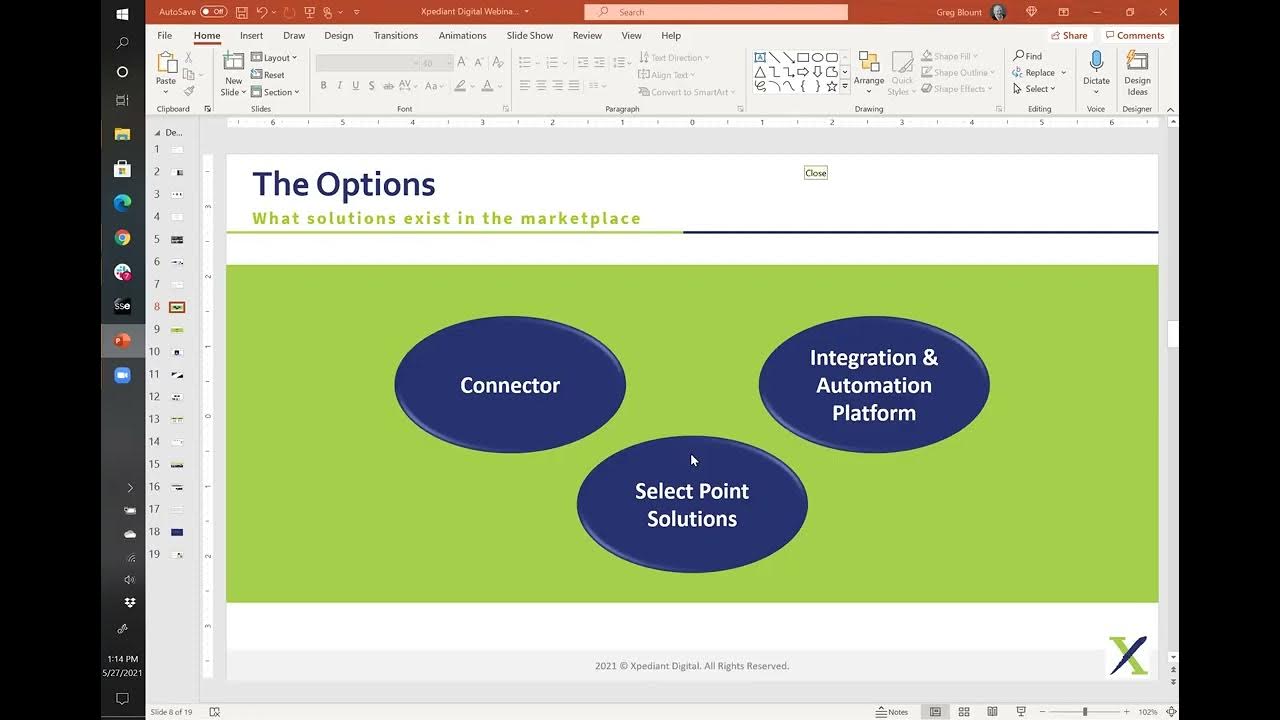
Bridging the Gap Between Adobe AEM and Veeva Vault
Xpediant Digital
/@XpediantDigital
May 15, 2024
This video provides an in-depth exploration of bridging the technology gap between Adobe AEM (Adobe Experience Manager) and Veeva Vault, specifically Veeva Vault PromoMats, using Xpediant Digital's XpConnect® platform. The main purpose is to demonstrate how this integration streamlines the digital asset supply chain for pharmaceutical and life sciences companies, enabling automation, improving user experience, and significantly reducing time to market for promotional content. The discussion highlights the critical differences and value propositions between a basic connector and a comprehensive integration and automation platform, emphasizing the benefits of modular content and multi-channel authoring within AEM. The presentation begins by outlining the common problem of highly siloed systems between creative platforms like Adobe and regulatory content management systems like Veeva Vault. This siloed environment leads to manual processes for asset creation, curation, MLR (Medical, Legal, Regulatory) package preparation, and publishing, resulting in significant costs, frequent rejections, and slow speed to market. The speakers, Demitri (Sales Director) and Greg (CGO), set the stage by discussing the importance of a formalized business case to assess the value of integration solutions, drawing an analogy to choosing a new truck based on specific requirements. Roohi (Director of Product) then dives into the technical details and a live demonstration of XpConnect®, showcasing its capabilities. The core of the video focuses on XpConnect® as an integration and automation platform that goes beyond basic bidirectional connectivity. It enables configurable workflows to handle different document types (web pages, emails, IVAs) and their specific routing needs within Veeva Vault. A key feature demonstrated is the Modular Content Builder, which allows authors to create reusable content fragments in AEM, combining assets synced from Veeva Vault with text, and then deploy these fragments across multiple channels while maintaining channel-specific styling. The platform automates the creation of MLR-ready packages, including PDFs, HTML source files, and associated metadata, and facilitates the review process by allowing AEM authors to directly view annotations made by MLR reviewers in Veeva Vault, drastically accelerating resubmission cycles. Key Takeaways: * **Addressing Siloed Systems:** The primary challenge in pharmaceutical content creation and distribution is the highly siloed nature of creative platforms (like Adobe AEM) and regulatory content management systems (like Veeva Vault), leading to inefficiencies and increased costs. * **Connector vs. Platform:** A basic connector provides bidirectional connectivity between AEM and Veeva Vault, allowing for basic asset and metadata transfer. An integration and automation platform, like XpConnect®, builds on this foundation by adding layers of automation, configurable workflows, and advanced features for multi-channel authoring and MLR package creation. * **Streamlining the Digital Asset Supply Chain:** The platform aims to streamline the entire process from creative design and content authoring to MLR review and publishing, reducing manual effort and accelerating speed to market. * **Modular Content for Reuse:** Leveraging modular content in AEM allows for the creation of reusable content fragments (e.g., claims with supporting images) that can be deployed across various channels (web, email, IVA slides). This significantly improves content leverage and reuse, reducing the need to build 65-85% of assets as one-offs, which can save large clients tens of millions annually. * **Multi-Channel Authoring in AEM:** The XpConnect® platform enables AEM to serve as a single authoring platform for all channels, including websites, emails, and IVA (Interactive Visual Aid) presentations, eliminating the need for custom coding for each channel. * **Automated MLR Package Creation:** The system automates the creation of MLR-ready packages, including generating PDFs of web pages, attaching distribution packages (HTML, assets), populating metadata, and linking component assets, which is crucial for regulatory compliance. * **Accelerated MLR Review Cycles:** The platform facilitates a more efficient MLR review process by allowing AEM authors to view annotations made by reviewers in Veeva Vault directly within AEM, streamlining updates and resubmissions. This can reduce typical rejection cycles from 3-4 down to fewer. * **Veeva Vault Integration:** The solution integrates deeply with Veeva Vault PromoMats, supporting features like autoclaims linking for HTML documents, ensuring that claims are validated and linked to supporting documents within Veeva. * **Veeva CRM Integration:** Approved emails and IVA presentations can be automatically pushed from Veeva Vault to Veeva CRM for distribution to sales representatives in the field, ensuring compliance and consistency. * **Cost and Time Savings:** Using an authoring approach with AEM and an integration platform can reduce the time taken to create content (e.g., IVA slides) by approximately 30% compared to custom coding, leading to significant cost savings and improved efficiency. * **Ongoing Innovation and Support:** Opting for a productized solution over custom-built connectors ensures ongoing updates, innovation, and support, which is critical given the frequent changes in platforms like AEM and Veeva. * **Importance of Business Case:** Companies are encouraged to formalize a business case process to accurately assess the value and ROI of integration solutions, considering functional requirements, operational improvements, and long-term support implications. Tools/Resources Mentioned: * **Adobe AEM (Adobe Experience Manager):** Content management system used for authoring and managing digital experiences. * **Veeva Vault:** Cloud-based content management platform for the life sciences industry. * **Veeva Vault PromoMats:** Specific module within Veeva Vault for managing promotional materials and MLR review. * **Veeva CRM:** Customer Relationship Management platform for pharmaceutical sales and marketing. * **XpConnect® Platform:** Xpediant Digital's integration and automation platform for connecting AEM and Veeva Vault. * **XP OmniChannel Framework:** A starter kit/framework (templates and components) for creating emails and IVAs within AEM, built on XpConnect®. * **Adobe XD:** Design and prototyping tool (mentioned in a Q&A as a potential upstream tool). Key Concepts: * **MLR (Medical, Legal, Regulatory) Review:** The critical process in the pharmaceutical industry where promotional and medical content is reviewed for accuracy, compliance, and adherence to regulations (e.g., FDA, EMA). * **Modular Content:** Content broken down into reusable, channel-agnostic components that can be assembled and styled for different digital channels, promoting consistency and efficiency. * **Bidirectional Connectivity:** The ability for two systems to send and receive data from each other. * **Distribution Package:** A collection of files (e.g., HTML, CSS, images) that constitute the source code of a digital asset, often required for MLR review and distribution. * **Autoclaims Linking:** A feature in Veeva Vault that automatically identifies and links claims within a document to their supporting evidence or references. * **IVA (Interactive Visual Aid):** Digital presentations used by pharmaceutical sales representatives on tablets (e.g., iPads) to engage with healthcare professionals. Examples/Case Studies: * **Asset Reuse Statistics:** The speakers noted that many clients build 65-85% of their assets as one-offs, never to be used again. One large client creating 8,000 new assets annually, used only once, represented a cost of $45-60 million, highlighting the immense waste from lack of content reuse. * **MLR Rejection Rates:** Typically, 3-4 rejections are common before an asset or composite asset is approved through the MLR process due to manual errors and lack of integrated feedback. * **IVA Slide Creation Time:** Using the AEM authoring approach with the XP OmniChannel framework reduces IVA slide creation time by approximately 30% compared to traditional custom coding.

Veeva Systems (VEEV) and H&E Equipment Services (HEES): 5/13/24 Bull & Bear
Zacks Investment Research
/@ZacksInvestmentNews
May 13, 2024
This video, presented by Zacks Investment Research, serves as a concise introductory segment to their daily "Bull of the Day" and "Bear of the Day" stock analysis. The primary purpose of this particular transcript is to quickly present these two stock picks, which are identified using Zacks' proprietary ranking system, and to direct viewers to their website for more extensive investment insights. While the transcript itself is brief and promotional, the video's title explicitly names Veeva Systems (VEEV) and H&E Equipment Services (HEES) as the subjects of the day's investment discussion, indicating that the full video content would delve into the specific financial and market factors influencing these companies. The segment highlights Zacks' methodology by referring to a "Zacks ranked number one strong buy" for the Bull of the Day, signifying a company with strong potential for appreciation, and a "Zacks rank number five strong sell" for the Bear of the Day, indicating a stock expected to underperform. This framework suggests a systematic, data-driven approach to stock selection, where companies are quantitatively assessed and assigned ranks that are believed to predict their market trajectory over a defined period. The speaker's invitation to visit Zacks.com/bull for "seven stocks set to outperform the market over the next 30 days" further underscores Zacks' focus on providing actionable, short-to-medium term investment recommendations based on their analytical models. The inclusion of Veeva Systems (VEEV) in the video's title is particularly significant for stakeholders in the pharmaceutical and life sciences industries. Veeva Systems is a dominant provider of cloud-based software for these sectors, offering critical solutions like CRM, content management, and regulatory compliance tools. Its presence in a prominent investment research firm's daily analysis implies that its financial performance, market position, and future growth prospects are subjects of keen interest within the broader financial community. Although the transcript does not elaborate on the specific reasons behind Veeva's "Bull" or "Bear" status, its discussion by Zacks indicates ongoing scrutiny of its business fundamentals, competitive landscape, and overall valuation in the context of the technology and healthcare markets. This financial perspective can offer an external validation or challenge to the perceived strength and stability of key technology enablers within the life sciences ecosystem. The segment concludes with a clear call to action, encouraging viewers to explore Zacks' website for more detailed reports, promotional offers, and subscription services like Zacks Ultimate. This reinforces the transcript's role as a gateway to Zacks' broader suite of investment research tools and expert analysis, positioning the daily "Bull & Bear" segment as a teaser designed to engage potential subscribers and inform existing ones about their latest top-ranked stock picks. Key Takeaways: * **Zacks Investment Research's Analytical Framework:** The video introduces Zacks' proprietary system for evaluating stocks, distinguishing between a "Bull of the Day" (a Zacks #1 Strong Buy) and a "Bear of the Day" (a Zacks #5 Strong Sell). This highlights a structured, quantitative approach to identifying investment opportunities and risks. * **Focus on Actionable, Short-Term Investment Insights:** The segment promotes access to "seven stocks set to outperform the market over the next 30 days," indicating that Zacks' analysis is geared towards providing timely, actionable recommendations for investors with a short-to-medium term investment horizon. * **Veeva Systems (VEEV) as a Prominent Investment Subject:** The explicit mention of Veeva Systems in the video title signifies its importance within the financial markets, positioning it as a company whose stock performance is actively monitored and analyzed by leading investment research firms like Zacks. * **Implications of Market Sentiment for Life Sciences Technology:** The discussion of Veeva Systems as either a "Bull" or "Bear" pick reflects current market sentiment and analytical perspectives on its financial health, growth trajectory, and overall valuation. This provides an external gauge of confidence in a critical technology provider for the pharmaceutical and life sciences sectors. * **Relevance for Veeva Ecosystem Stakeholders:** For companies that specialize in Veeva CRM consulting and related AI solutions for the life sciences, the financial community's assessment of Veeva Systems is indirectly valuable. It can offer insights into the broader market's perception of the stability and growth potential of the platforms they support. * **Promotional Nature and Call to Action:** The transcript primarily functions as a promotional lead-in, designed to pique viewer interest in Zacks' daily stock picks and encourage them to visit the Zacks website for detailed reports, further analysis, and access to premium investment services. * **Understanding Investment Rating Scales:** The reference to "Zacks ranked number one strong buy" and "Zacks rank number five strong sell" illustrates the categorical nature of investment recommendations, providing context on how financial analysts communicate their conviction levels regarding a stock's future performance. * **Access to Deeper Research:** The segment serves as a gateway, directing viewers to Zacks.com for comprehensive research, including the specific rationale behind the "Bull" and "Bear" designations, and additional handpicked stocks, implying that the full value lies beyond this introductory clip.

Shortages in Healthcare: Why? How Do We Fix Them?
AHealthcareZ - Healthcare Finance Explained
@ahealthcarez
May 12, 2024
This video provides an in-depth exploration of healthcare shortages, specifically focusing on the scarcity of medical professionals like primary care physicians and nurses. Dr. Eric Bricker, the presenter, uses fundamental economic principles, particularly the law of supply and demand, to explain the root causes and inevitable consequences of these shortages within the healthcare system. He establishes that a shortage, by definition, occurs when the price of a good or service (in this case, labor or medical services) is set artificially low, preventing the market from reaching an equilibrium where supply meets demand. The presentation details how an artificially low price leads to a situation where the quantity demanded far exceeds the quantity supplied, resulting in a deficit. When such a shortage exists, rationing becomes an unavoidable consequence. Dr. Bricker identifies two primary forms of rationing: queue rationing (waiting lists or first-come, first-served systems) and price rationing (where access is determined by the ability to pay a higher price). He argues that healthcare systems globally, including in the United States, exhibit both forms of rationing, often simultaneously, depending on the specific medical service or national policy. To illustrate these concepts, the video provides compelling examples from various healthcare contexts. It highlights the projected shortage of 21,000 to 55,000 primary care physicians by 2033 and the annual vacancy of 195,000 nursing positions in the U.S. For rationing, Dr. Bricker contrasts trauma surgery, where government and insurance payments create an artificially low price and thus queue rationing (e.g., a single hand surgeon for a million people on a weekend), with LASIK eye surgery, which is typically self-pay, allowing for price rationing and no shortage of available services. He also draws international comparisons, citing the extensive waiting lists in the British National Health Service and the Canadian single-payer system, including a dramatic example of a 16-month wait for a pediatric pulmonologist in Canada, to underscore the real-world impact of artificially low prices and queue rationing. The overarching message is that while these issues are complex and multifaceted, their economic underpinnings are straightforward, and understanding them is crucial for informed decision-making. Key Takeaways: * **Significant Healthcare Labor Shortages:** The U.S. faces substantial projected shortages, including 21,000 to 55,000 primary care physicians by 2033 and approximately 195,000 annual nursing vacancies, indicating a critical imbalance between demand and supply. * **Economic Basis of Shortages:** Shortages in healthcare, like in any market, are fundamentally caused by an "artificially low set price" for labor or services, preventing the market from reaching an equilibrium where supply matches demand. * **Inescapable Rationing:** When a shortage exists due to artificially low prices, rationing is an inevitable outcome. This means that not everyone who demands a service at that price can receive it. * **Two Forms of Rationing:** Rationing primarily manifests in two ways: "Queue Rationing" (waiting lists, first-come-first-served basis) and "Price Rationing" (access determined by willingness and ability to pay a higher price). * **Dual Rationing in U.S. Healthcare:** The American healthcare system exhibits both queue and price rationing. The specific form of rationing often depends on the payment model for the service (e.g., government/insurance-funded vs. self-pay). * **Example of Queue Rationing (Trauma Care):** Services like emergency trauma surgery, often paid for by government or third-party insurers at set rates, experience queue rationing. This can lead to long waits for critical procedures, such as a single hand surgeon covering a million-person county on weekends. * **Example of Price Rationing (LASIK Surgery):** Elective procedures like LASIK eye surgery, which are typically self-pay, operate under price rationing. This results in no shortage of available services, though affordability can be a barrier for some patients. * **International Comparisons Highlight Consequences:** Countries with predominantly government-set, artificially low prices, such as the UK's NHS or Canada's single-payer system, experience extensive queue rationing, leading to very long wait times for specialized care (e.g., a 16-month wait for a pediatric pulmonologist in Canada). * **Understanding Over Solving:** The video emphasizes that the goal is not to "solve" these complex issues definitively but to understand their fundamental economic causes and consequences. This understanding allows individuals, companies, and governments to make informed decisions about which forms of rationing they are willing to accept in different medical situations. * **Implications for Healthcare Operations:** Shortages of medical professionals and the resulting rationing directly impact the efficiency and accessibility of healthcare services, creating significant operational challenges for pharmaceutical companies, medical device manufacturers, and healthcare providers. Key Concepts: * **Law of Supply and Demand:** The economic principle that describes how the price of a good or service affects the quantity supplied and quantity demanded, leading to an equilibrium point. * **Equilibrium Price and Quantity:** The point at which the quantity of a good or service supplied equals the quantity demanded, resulting in no shortage or surplus. * **Artificially Low Price:** A price set below the market equilibrium, which inevitably leads to demand exceeding supply and thus a shortage. * **Rationing:** The controlled distribution of a scarce resource or service, necessary when demand outstrips supply. * **Queue Rationing:** Allocation based on waiting lists or a first-come, first-served basis. * **Price Rationing:** Allocation based on the ability and willingness to pay a higher price. * **Perfectly Inelastic Demand:** A situation where the quantity demanded does not change regardless of price, often seen in critical, life-saving medical situations (e.g., trauma). Examples/Case Studies: * **U.S. Physician Shortages:** Projected shortage of 21,000-55,000 primary care physicians by 2033. * **U.S. Nursing Shortages:** Approximately 195,000 open nursing positions annually. * **U.S. Trauma Surgery:** Example of queue rationing due to artificially low prices, leading to limited availability of specialists (e.g., one hand surgeon for a million people on weekends). * **U.S. LASIK Eye Surgery:** Example of price rationing, where self-pay allows for an equilibrium of supply and demand, resulting in no service shortage. * **British National Health Service (NHS):** Utilizes both queue and private pay (price) rationing, with government-set prices leading to waitlists. * **Canadian Healthcare System:** Primarily relies on queue rationing due to a ban on private pay for services covered by the public system, leading to extended wait times (e.g., 16-month wait for a pediatric pulmonologist).

Season 2 Episode 8: Richard Young interviews Terttu Haring & Leonie Christianson
Veeva Systems Inc
@VeevaSystems
May 9, 2024
This episode of the "State of Digital Clinical Trials" podcast, hosted by Richard Young of Veeva, features Terttu Haring (President of Sites and Patients) and Leonie Christianson (Advisor R&D Practices) from Syneos Health, who discuss the imperative to modernize clinical trials by placing patients and sites back at the center of the clinical strategy. The conversation explores how the industry can leverage new technologies, including AI and advanced data platforms, to overcome fragmentation and ethical challenges posed by the current influx of data, ultimately aiming for faster and more patient-friendly drug development. Haring and Christianson emphasize that while the industry has better tools and platforms for data aggregation, the focus must shift toward operational efficiency at the site level. Haring, drawing on her experience as a former principal investigator, champions "site centricity," arguing that sites are the operational execution hotspots and must be supported to enroll patients successfully and efficiently extract data. She critiques the industry's historical approach, particularly during the pandemic, of "tipping" technology onto sites without adequate integration, which forced investigators outside their comfort zones and complicated data oversight. The speakers advocate for a model where on-site staff focus only on essential patient care and interaction, while continuous, remote data surveillance and quality checks are handled behind the scenes. Christianson focuses on the evolution of data management, noting that the industry has perhaps "over-structured" data over time, moving away from the rich, unstructured data of the past. She highlights the transformative potential of modern technology, specifically Generative AI and Natural Language Processing (NLP), to analyze free-text fields, verbal recordings, and other forms of unstructured patient-generated data. This capability allows for the extraction of deeper insights, such as identifying linguistic trends that might signal a patient's risk of dropping out of a trial. Both experts agree that the fragmentation of data management roles—where CRAs and data managers often duplicate checks—must be resolved through integrated data review, advanced risk-based monitoring, and the use of common data platforms that enable real-time collaboration. The discussion also tackles the terminology surrounding modern trials, with both speakers expressing a strong preference for "distributed" clinical trials over the often-misleading term "decentralized clinical trials" (DCT). They argue that remote data collection has always been a component of trials (e.g., patient diaries). The true opportunity lies in using current mobile and telemedicine technologies to unlock trial participation for any protocol-eligible patient, regardless of their physical proximity to a site. The ultimate goal is to impose best practices, such as ensuring that the industry measures only what truly matters to patients and using integrated systems to accelerate the time from database lock to submission results from months or weeks down to a matter of days. Key Takeaways: * **Prioritize Site Centricity:** Sites must be treated as the operational execution hotspot. Technology implementation should be focused on making the investigator's life easier, ensuring they can focus on patient care and successful enrollment rather than administrative burdens. * **Leverage AI for Unstructured Data Insights:** The industry should utilize Generative AI and Natural Language Processing (NLP) to analyze rich, unstructured patient data (e.g., free text, verbal recordings). This capability can reveal powerful, subtle insights, such as predicting patient dropout based on language patterns. * **Integrate Data Review Processes:** A major pain point for sites is receiving duplicate queries from different functional groups (e.g., medical, pharmacovigilance, data management). Data management must integrate all data review and querying into a single, cohesive request to the investigator. * **Shift to Distributed Trial Models:** The concept of "Decentralized Clinical Trials" (DCT) should be replaced by "distributed" clinical trials. The goal is to use technology (telemedicine, mobile apps) to enable trial participation for any eligible patient, irrespective of geographical location, making remote collection standard practice. * **Focus on Patient Generated Data (PGD):** The industry must impose the practice of measuring what truly matters to the patient in their health journey, moving beyond solely clinician-generated or centrally generated data to prioritize PGD. * **Eliminate Data Redundancy:** Operational rigor demands eliminating instances where site staff manually transcribe data from one system screen to another, and where CRAs then perform checks on that transcription. Data flow should be automated and continuous. * **Transform Clinical Roles:** Technology should drive a clearer differentiation between the roles of CRAs and data managers. CRAs should evolve to focus on supporting site success and patient oversight, while data managers focus on holistic, analytics-based data surveillance. * **Accelerate Data Closure:** The ultimate measure of modernization success is speed. New platforms and integrated workflows should aim to reduce the time from database lock to clinical trial submission results from months/weeks to days. * **Avoid Innovation Fear:** While risk aversion is a factor, companies should adopt an iterative approach to innovation—short bursts and small implementations—to allow for course correction and build confidence in new methodologies. * **Regulatory Alignment is Key:** Regulators should be supportive of applying common medical practices (like telemedicine and remote data collection) to clinical development, provided there is appropriate data quality oversight and risk management. * **Ethical Data Collection:** The industry must stop collecting data that is never used in the final submission (estimated at 40-50% of collected data), as this imposes unnecessary cost and burden on sites and patients. Key Concepts: * **Site Centricity:** The principle of designing clinical trial operations and technology implementation around the needs and workflows of the investigators and site staff to maximize efficiency and success. * **Patient Generated Data (PGD):** Data collected directly from the patient regarding their health journey, symptoms, and quality of life, often via digital tools, as opposed to data collected by clinicians. * **Distributed Clinical Trials:** A preferred term over DCT, emphasizing the use of technology to connect people and data sources across geographical and traditional boundaries, enabling participation wherever the patient lives. * **Integrated Data Review:** The process of consolidating data quality checks, medical review, and pharmacovigilance queries into a single, cohesive process to avoid burdening sites with duplicate questions about the same data points. Tools/Resources Mentioned: * **Veeva Systems:** The platform hosting the podcast and a key technology provider in the clinical space. * **EDC (Electronic Data Capture):** Mentioned as a technology that, in its early implementation, contributed to the fragmentation of clinical data. * **Generative AI / Natural Language Processing (NLP):** Highlighted as crucial technologies for analyzing unstructured patient data (free text, verbal recordings) to gain deeper insights.

Avoiding Unnecessary Surgeries And Imaging (with Heidi Ojha)
Self-Funded
@SelfFunded
May 7, 2024
This video provides an in-depth exploration of the pervasive issue of unnecessary surgeries and imaging, particularly within Musculoskeletal (MSK) care, and advocates for a shift towards conservative, patient-centered approaches. Hosted by Spencer of Self-Funded, the conversation features Heidi Ojha, founder and CEO of Aware Health, who shares her clinical and research insights into the flaws of the current healthcare system. The discussion highlights MSK as the leading driver of chronic healthcare spend, often overshadowed by high-cost, low-frequency conditions like cancer, and emphasizes the critical role of behavioral health comorbidities in influencing surgical decisions and patient outcomes. Heidi Ojha, drawing from her background as a clinician and professor, reveals that an alarming 95% of elective orthopedic surgeries (such as shoulder/knee repairs, back fusions, and even some pelvic floor surgeries) are, on average, no more effective than doing nothing at all, especially when accounting for spontaneous recovery. This counterintuitive finding is attributed to misaligned incentives within the fee-for-service model, where providers are reimbursed more for procedures, and patients often seek quick fixes due to pain and time constraints, overlooking the potential harms and ineffectiveness of surgery. The discussion also touches upon the "white coat effect" and the over-specialization in healthcare, which can lead to misdiagnoses and treatments that address symptoms rather than root causes, as illustrated by a case of referred low back pain treated as a foot issue. Aware Health's model is presented as a solution to these systemic problems. It focuses on empowering patients to avoid unnecessary surgeries by providing direct access to non-surgical specialists, leveraging diagnostic algorithms based on published research, and prioritizing conservative care upfront. The company aims to manage MSK spend for self-funded employers by reducing the frequency of costly interventions, offering a money-back guarantee on their services, and achieving significant ROI by preventing surgeries that average tens of thousands of dollars each. The conversation underscores the importance of data accessibility for understanding group-specific MSK spend and highlights how factors like geographic location (ZIP code) and the number of surgeons in an area can disproportionately influence surgical rates, rather than actual medical necessity. Key Takeaways: * **MSK is the Top Chronic Spend Driver:** Musculoskeletal conditions are the leading cause of chronic healthcare spending, surpassing cardiovascular disease, diabetes, and cancer when combined with behavioral health. This category is often overlooked by employers and advisors due to its "death by a thousand cuts" nature, comprising many medium-sized claims rather than a few catastrophic ones. * **Ineffectiveness of Elective Surgeries:** Research indicates that, on average, 95% of elective orthopedic surgeries (e.g., shoulder/knee repairs, back fusions) are no more effective than conservative care or doing nothing at all, especially when considering spontaneous recovery. * **Misaligned Incentives Drive Unnecessary Care:** The fee-for-service model incentivizes more procedures, leading to over-prescription of surgeries and imaging. This system pushes productivity over quality, reducing the time providers spend understanding patient needs and root causes. * **Behavioral Health's Crucial Role:** Behavioral health comorbidities (anxiety, depression) are the biggest drivers of surgical decisions for conditions like back pain, even more so than the severity of tissue damage seen on imaging. Anxiety-provoking MRI reports can lead to self-labeling and fear-avoidance behaviors that exacerbate pain and prolong recovery. * **Imaging is Often Unnecessary and Harmful:** While intuitively appealing, imaging (X-rays, MRIs) is frequently over-ordered. It's often not helpful for diagnosis in most MSK cases and can be harmful by increasing patient anxiety and leading to unnecessary interventions, rather than providing clarity. * **Conservative Care First:** Patients in pain should first consult non-surgical specialists (like physical therapists) who are trained in comprehensive history-taking and objective exams to identify root causes, rather than immediately seeking surgical opinions which primarily focus on surgical candidacy. * **Aware Health's Model for Cost Savings:** Aware Health offers direct access to non-surgical specialists, leveraging diagnostic algorithms to determine the necessity of imaging (only 3-5% of cases require it) and surgery. This approach significantly reduces MSK spend for self-funded employers, with observed ROIs ranging from 1x to 5.3x. * **The "Cost of Doing Nothing" is Substantial:** Delaying the implementation of solutions to manage MSK spend results in continuous financial bleeding for employers, as unnecessary surgeries and prolonged treatments accumulate significant costs monthly. * **Patient Empowerment and Education are Key:** A patient-centered approach involves collaborative care, where patients are heard and co-create their treatment plans. Reassurance, education about pain science, and activity guidelines (e.g., "million ways to move" instead of complete rest) are vital for reducing fear, promoting recovery, and avoiding self-fulfilling prophecies of chronic pain. * **Data-Driven Optimization:** Continuously analyzing claims data is crucial for identifying high-risk cases, iterating on diagnostic algorithms, and proving the effectiveness of interventions. This allows for proactive management of expensive claims, rather than reacting after they've occurred. * **Targeting Self-Funded Mid-Market Employers:** Aware Health primarily serves self-funded groups with over 500 eligible members, as claims data access is essential for their diagnostic system and demonstrating ROI. The implementation can occur off-anniversary, as it's an add-on benefit. **Key Concepts:** * **MSK Chronic Spend:** The significant financial burden associated with musculoskeletal conditions, often underestimated due to the nature of claims. * **Fee-for-Service Model:** A payment model where healthcare providers are paid for each service they perform, which can create incentives for over-treatment. * **Conservative Care:** Non-surgical, minimally invasive treatments and management strategies for health conditions, often involving physical therapy, education, and lifestyle modifications. * **Behavioral Health Comorbidities:** The co-occurrence of mental health conditions (e.g., anxiety, depression) with physical health problems, which can significantly impact pain perception, treatment seeking, and outcomes. * **Diagnostic Algorithms:** Rule-based systems or computational models used to aid in medical diagnosis, often leveraging research and clinical decision rules to determine the likelihood of conditions or the necessity of further tests. * **Paro Optimality Principle:** An economic concept where resources are allocated such that no individual can be made better off without making at least one individual worse off, implying an optimal state of resource distribution. The video suggests that solutions like Aware Health can achieve a state where all stakeholders (employer, patient, provider) benefit. **Examples/Case Studies:** * **Ankle Sprain Scenario:** A patient with a rolled ankle, fearing a fracture, would typically go to the ER for imaging. Aware Health's algorithms use decision rules (e.g., ability to walk four steps, specific tenderness points) to determine a 0% chance of fracture within a 25-minute call, avoiding unnecessary ER visits and imaging. * **Referred Low Back Pain:** A patient with leg pain and foot numbness saw a foot surgeon and was scheduled for foot surgery. A physical therapist identified the pain as referred from the low back, highlighting a misdiagnosis due to over-specialization and the need for a holistic view. * **Physical Therapist Fired for Good Outcomes:** A physical therapy student was fired because his outcomes were "too good," resolving low back pain in one or two visits. This illustrates how the fee-for-service model can disincentivize efficient, effective care in favor of prolonged treatment. * **Acute Low Back Pain Mismanagement:** A patient with acute low back pain (best prognosis) was given an MRI, prescribed opioids, and told her condition was unlikely to resolve without treatment, leading to a longer bout of pain than if she had received simple reassurance and activity guidance.

Season 1 Episode 2: The Problem of Plenty in Commercial Life Sciences
Veeva Systems Inc
@VeevaSystems
May 6, 2024
This video provides an in-depth exploration of the evolving landscape of commercial excellence in the life sciences industry, particularly focusing on the challenges and opportunities presented by the "problem of plenty" in data and technology. Hosted by Florian Schnappauf, the episode features Rakesh Vashishta, Global Head of Customer Facing Execution Excellence at Boehringer Ingelheim, who shares his three decades of experience in commercial pharmaceutical roles. The discussion centers on the dramatic shifts in customer engagement, the growing expectations placed on field teams, and the critical role of technology, data, and compliance in shaping the future of interactions with healthcare professionals (HCPs) and patients. Rakesh emphasizes that commercial excellence has transformed dramatically over the last 15 years, moving from primarily face-to-face, paper-based detailing to an omnichannel approach driven by technology like Veeva CRM and iPads. This shift necessitates a change in mindset from being internally focused on customer-facing teams to externally focused on creating exceptional customer and patient experiences. He outlines three fundamental building blocks for commercial excellence: understanding your customers, respecting their preferences through customer-centric engagement planning, and achieving execution excellence. A significant challenge highlighted is the difficulty in achieving a true 360-degree view of the customer due to fragmented platforms and issues with data accuracy and completeness, despite the abundance of available data. The conversation further delves into the nuances of understanding customer preferences, distinguishing between "stated" preferences (what customers say) and "observed" preferences (what they do). Rakesh argues that observed behavior, such as engagement with digital channels or non-face-to-face interactions, is a more reliable indicator of true preference. He notes a significant increase in digital engagements post-pandemic, though face-to-face interactions remain foundational. This evolution redefines the role of the sales representative from a mere channel to a "strategic asset" and "orchestrator of the omnichannel experience," requiring new competencies, tools, and continuous learning. The discussion also touches upon the growing importance of inbound communication channels like chat, acknowledging the challenge of ensuring compliance while offering flexibility and speed. Looking ahead, Rakesh envisions "next-gen commercial" as being synonymous with simplicity, driven by intelligent CRM systems powered by Artificial Intelligence (AI). He believes AI will simplify cross-functional customer engagement planning, provide live, prospective recommendations, and offer actionable insights to enhance effectiveness, moving beyond rule-based or retrospective approaches. He stresses the importance of a "one-team mindset" across medical, commercial, IT, finance, and compliance departments to achieve these transformations, especially as portfolios shift towards specialty care and require closer collaboration between commercial and clinical functions. Finally, he advocates for stopping the creation of unused content and starting to prioritize user experience by actively involving users in the development and evaluation of tools and technologies. Key Takeaways: * **Evolution of Commercial Excellence:** The pharmaceutical industry has undergone a seismic shift from traditional face-to-face engagements to a complex omnichannel approach, driven by technology and changing customer expectations. This demands a mindset change from internal team focus to external customer and patient experience focus. * **Three Pillars of Commercial Excellence:** The core principles involve deeply understanding customers, designing engagements that respect customer preferences (customer-centricity), and achieving excellence in execution. * **The "Problem of Plenty" in Data:** While there's an abundance of data and platforms, achieving a 360-degree customer view remains challenging due to poor integration, data incompleteness, and accuracy issues. The industry needs "lesser but highly valuable, highly accurate actionable insights" rather than overwhelming data. * **Observed vs. Stated Customer Preferences:** True customer preferences are best understood by observing their actual behavior (e.g., channel engagement, digital interactions) rather than solely relying on what they state they prefer. There's often a significant gap between the two. * **Rise of Digital Engagement:** Post-pandemic, non-face-to-face interactions have dramatically increased, indicating a shift in HCP preferences towards digital channels, though face-to-face remains a critical component of engagement. * **Reps as Strategic Orchestrators:** The role of the customer-facing team has evolved from a simple channel to a "strategic asset" and "orchestrator of the omnichannel experience," requiring new competencies, agility, and continuous growth. * **Importance of Inbound Channels:** Inbound communication, facilitated by instant messaging platforms, is growing in importance as HCPs seek quick, convenient answers. The challenge lies in making these channels compliant while maintaining user-friendliness. * **Non-Negotiable Compliance:** Compliance is paramount and non-negotiable in the pharmaceutical industry. New technologies and engagement models must be built with 100% compliance in mind, even if it initially impacts user experience. * **AI for Simplicity and Effectiveness:** Artificial Intelligence is expected to simplify future commercial operations by enabling intelligent CRM systems to provide live, prospective recommendations and actionable insights for effective cross-functional customer engagement planning. * **Cross-Functional Collaboration:** Achieving commercial transformation requires a "one-team mindset" and strong collaboration across medical, commercial, IT, finance, and compliance departments, recognizing that all functions are equally vital. * **Prioritizing User Experience:** A critical area for improvement is actively involving users (e.g., sales reps, first-line managers) in the design and evaluation of tools and technologies to ensure they are user-friendly and truly enhance their work. * **Eliminate Content Waste:** The industry should stop creating content that is never used, focusing instead on producing valuable, utilized content to reduce waste of money, time, and effort. Tools/Resources Mentioned: * **Veeva CRM system:** A leading customer relationship management platform in the life sciences industry. * **Veeva Engage:** A platform for remote engagement with HCPs. * **Veeva Engage Connect:** A platform for compliant instant messaging and engagement. * **Veeva Pulse data:** Data and insights provided by Veeva Systems. * **iPad:** A tablet computer used for digital detailing and other field activities. * **WhatsApp, Viber, KakaoTalk:** Instant messaging platforms. * **Concur, Outlook:** General enterprise tools mentioned in the context of user experience. * **iPhone 15:** Mentioned as a recent example of a product with initial imperfections but strong user loyalty. Key Concepts: * **Commercial Excellence:** The strategic and operational initiatives aimed at optimizing commercial operations, sales performance, and customer engagement within a pharmaceutical company. * **Omnichannel Experience:** A seamless and integrated customer experience across all available channels (face-to-face, digital, phone, email, etc.), orchestrated to meet customer preferences. * **Closed-Loop Marketing:** A marketing approach where customer interactions and feedback are continuously captured, analyzed, and used to refine future marketing efforts and content. * **360-Degree View of the Customer:** A comprehensive understanding of a customer derived from integrating all available data points and interactions across various platforms and touchpoints. * **Customer-Centricity:** Designing and executing strategies with the customer's needs, preferences, and experience at the absolute center. * **Inbound Traffic/Engagement:** Customer-initiated interactions or requests, where the customer reaches out to the company (e.g., via chat, email, phone). * **Next-Gen Commercial:** Refers to the future state of commercial operations in life sciences, characterized by advanced technology, AI, data-driven insights, and highly personalized customer experiences. Examples/Case Studies: * **Boehringer Ingelheim:** Rakesh Vashishta's company, where he is implementing strategies for customer-facing execution excellence and fostering a "one-team mindset" across departments. * **Tablet PC-based detailing (2008):** An early example of technology adoption in the industry before iPads and Veeva, highlighting the rapid pace of technological change. * **Henry Ford's "faster horses" analogy:** Used to illustrate that customers may not always know what they truly need or what innovative solutions are possible. * **Apple vs. Android:** Used to discuss the balance between flexibility (Android) and stability/security/predictability (Apple) in technology, and how users might prioritize different aspects, drawing a parallel to compliant vs. flexible communication platforms.

Client Testimonial | Veeva Budapest
Habit Action
/@habitaction2523
May 3, 2024
This video provides a client testimonial from Angel Meites, the Senior Director of Workplace and Facilities for Europe and Israel at Veeva Systems, regarding their partnership with the design and build firm Habit Action. The primary context is the successful completion of Veeva’s new Budapest office, which the speaker describes as one of the most beautiful in their entire portfolio. The testimonial serves to highlight the importance of creating innovative and functional workspaces as Veeva Systems, a cloud software company serving the life sciences industry, continues its significant expansion across Europe. The core theme explored is the seamless integration of corporate design guidelines with modern operational realities. Meites emphasizes that Habit Action was tasked with designing several key European offices, with Budapest being a recent success story. The design firm was praised for its creativity, professionalism, and deep understanding of Veeva’s specific needs. Crucially, the firm successfully adapted the physical workplace design to align with Veeva’s broader "work anywhere policy," demonstrating an understanding that modern enterprise operations require physical spaces that support distributed and flexible work models. The resulting Budapest office is characterized as stunning, flexible, and perfectly suited for a modern workstyle. The speaker underscores that this flexibility is not merely an aesthetic choice but a crucial element for enhancing employee satisfaction and overall productivity. For a technology firm like Veeva, whose success relies on high-performing teams, the physical environment must complement the digital tools they provide to the pharmaceutical and life sciences sectors. The testimonial concludes by highly recommending the design firm for its ability to prioritize client needs and create inspiring, functional workplaces that support strategic operational policies. Key Takeaways: • **Veeva Systems’ Strategic European Expansion:** The testimonial confirms that Veeva Systems is actively engaged in significant physical expansion across Europe, indicating robust growth in its core business serving the life sciences industry. This signals increasing market opportunity for partners like IntuitionLabs.ai who specialize in Veeva CRM implementation and support services within the region. • **Prioritization of "Work Anywhere" Policies:** Veeva’s operational strategy explicitly includes a "work anywhere policy," which necessitates a strong reliance on cloud-based infrastructure, robust digital collaboration tools, and secure data access. This reinforces the need for advanced data engineering, cloud integration, and AI-powered automation solutions that IntuitionLabs.ai provides to ensure productivity and compliance in a distributed environment. • **The Importance of Functional Flexibility:** The design emphasis on flexibility and functionality in the new office space directly correlates with supporting a hybrid workforce. For technology providers, this means that digital solutions must be equally flexible, scalable, and accessible from any location to maintain continuity and efficiency for Veeva’s employees and, by extension, their pharmaceutical clients. • **Veeva as a Benchmark for Modern Enterprise Operations:** As a leading technology provider in a highly regulated industry, Veeva’s internal operational choices (like prioritizing employee satisfaction through flexible work environments) serve as a benchmark for the broader life sciences sector, influencing how pharmaceutical clients approach their own digital transformation and workplace strategies. • **Seamless Integration of Corporate Guidelines:** The successful integration of Veeva’s global design guidelines with local adaptation highlights the complexity of managing large-scale enterprise operations. This mirrors the challenge faced by IntuitionLabs.ai when integrating custom AI and software solutions into existing, regulated Veeva CRM environments while adhering to strict corporate and regulatory standards. • **Productivity Linked to Environment:** The speaker explicitly links the functional design of the office to improved employee satisfaction and overall productivity. This suggests that investment in optimizing the work environment—both physical and digital—is a key priority for Veeva, reinforcing the value proposition of services that enhance operational efficiency. • **Ecosystem Health Indicator:** The investment in high-quality, inspiring physical infrastructure by Veeva demonstrates financial health and long-term commitment to its European market presence, providing confidence to partners and clients operating within the Veeva ecosystem. Key Concepts: * **Veeva Systems:** A major cloud software company specializing in solutions for the global life sciences industry, including the widely adopted Veeva CRM platform. * **Work Anywhere Policy:** A modern corporate strategy that allows employees flexibility in where they perform their duties, relying heavily on digital tools and cloud infrastructure to maintain productivity and collaboration.

Veeva Must Know Interview Questions || Set - 2
Anitech Talk
/@AnitechTalk
May 1, 2024
This video serves as a practical guide for individuals preparing for Veeva Vault interviews, presenting a curated set of ten essential questions that frequently arise in such discussions. The presenter adopts an interview-centric approach, posing each question and briefly outlining its context or a hint towards its answer, with the promise of providing full answers in a subsequent session. The core focus is on critical configuration, administrative, and operational aspects of Veeva Vault, covering a range of topics from automated processes and API interactions to document lifecycle management and security permissions, all vital for effective system administration and development within the Veeva ecosystem. The discussion delves into specific technical functionalities within Veeva Vault. It begins with the concept of a "job instance," explaining how automated tasks for object and document records, such as scheduled document loading, are configured and triggered within the system. Following this, the video explores how "bulk actions" can be performed not just through the user interface but also programmatically via API, illustrating scenarios like adding multiple users to a role or initiating several workflows simultaneously. Other configuration topics include the creation of "Vault login messages" and the enabling of options to prevent users from seeing the same message repeatedly, along with the definition and significance of "validation rules" in maintaining data integrity and preventing errors. Further into document management, the video addresses practical scenarios such as the state and versioning of a document when a copy is made from an already "approved" document. It then moves to more advanced security and access control, detailing the functionality of "default and override role-based permissions," often managed through "atomic security," to grant specific privileges to certain user roles for object records or lifecycle states. The process of setting a document to an "obsolete state" is also covered, emphasizing its role as a compliant alternative to deletion for approved documents, typically restricting visibility to system administrators. The video concludes by touching upon the fundamental differences between "object workflow" and "life cycle management," explaining how workflows define instructional sets for document transitions while life cycles define the states themselves, and briefly mentioning the utility of the "Veeva Vault API" for integration and the distinction between "outbound" and "inbound packages" for deploying changes between development and target sandboxes. Key Takeaways: * **Understanding Job Instances:** Veeva Vault utilizes "job instances" to automate tasks for object and document records, such as scheduled transitions or data loading. Administrators configure these jobs with specific trigger dates to execute predefined tasks, ensuring timely and consistent system operations. * **API-Driven Bulk Actions:** While bulk actions are common in the Veeva Vault UI, understanding how to perform them via API is crucial for efficiency. This enables programmatic execution of tasks like adding numerous users to a role or initiating multiple workflows, which is vital for large-scale administrative operations. * **Configuring Vault Login Messages:** System administrators can configure custom login messages that appear when users access Veeva Vault. The system also allows for options to prevent users from seeing the same message repeatedly, enhancing user experience and communication. * **Significance of Validation Rules:** Validation rules are fundamental for maintaining data integrity and preventing errors across any system, including Veeva Vault. They define conditions under which data input is accepted, ensuring compliance and accuracy by triggering errors when rules are violated. * **Document Versioning and States:** When an approved document is copied, its version and state are critical considerations. The process involves making a copy, and understanding the resulting versioning is essential for maintaining an accurate audit trail and managing the document lifecycle. * **Managing Obsolete Document States:** Deleting approved documents is generally not a compliant business practice. Instead, documents are moved to an "obsolete state," which typically restricts their visibility to system administrators or higher-access roles, ensuring that historical records are preserved but not actively used. * **Granular Role-Based Permissions:** Veeva Vault supports sophisticated access control through "default and override role-based permissions," often managed via "atomic security." This allows for highly specific privileges to be granted to certain user roles for particular object records or lifecycle states, ensuring data security and compliance. * **Distinguishing Workflow from Lifecycle Management:** "Workflow" in Veeva Vault refers to a set of instructions that guide a document or object through various stages, defining participant actions and transitions. "Life cycle management," conversely, defines the actual states (e.g., Draft, Reviewed, Approved) that a document or object can inhabit, with workflows facilitating movement between these states. * **Leveraging Veeva Vault API:** The Veeva Vault API is essential for extending the platform's functionality and integrating it with other systems. A solid understanding of the API allows for custom development, automation, and data exchange, which is critical for complex enterprise environments. * **Understanding Package Migration:** The concepts of "outbound" and "inbound packages" are crucial for managing changes and configurations across different Veeva Vault environments (e.g., development, sandbox, production). An outbound package is created from a source environment (e.g., development sandbox) to export changes, which are then imported as an inbound package into a target environment (e.g., migration sandbox). Key Concepts: * **Job Instance:** An automated task configured within Veeva Vault to perform specific actions on object or document records based on predefined triggers or schedules. * **Bulk Actions (API):** The ability to perform multiple operations (e.g., adding users, initiating workflows) programmatically through the Veeva Vault API, rather than individually via the user interface. * **Validation Rule:** A configurable rule in Veeva Vault that enforces data integrity by defining conditions under which data input is valid, preventing errors and ensuring compliance. * **Document Lifecycle:** The sequence of states (e.g., Draft, Approved, Obsolete) that a document progresses through within Veeva Vault, governed by business rules and workflows. * **Atomic Security:** A granular security model in Veeva Vault that allows for precise control over user permissions and access to specific object records or lifecycle states, overriding default role-based permissions. * **Object Workflow:** A defined sequence of steps and instructions that guide an object or document through its lifecycle, involving participants and automated actions. * **Life Cycle Management:** The process of defining and managing the various states and transitions that documents and objects undergo within Veeva Vault. * **Veeva Vault API:** A set of programming interfaces that allow external applications to interact with Veeva Vault, enabling data integration, custom development, and automation. * **Outbound Package:** A container of configured changes and metadata exported from a Veeva Vault development or sandbox environment for deployment to another environment. * **Inbound Package:** The process of importing an outbound package into a target Veeva Vault environment to apply the exported changes.

Can Market-Based Pricing Save Healthcare? (with Dr. Keith Smith)
Self-Funded
@SelfFunded
Apr 30, 2024
This video provides an in-depth exploration of the dysfunctional United States healthcare system, advocating for a return to market-based pricing and transparent, bundled services. Dr. Keith Smith, founder of the Surgery Center of Oklahoma (SCO), shares his journey and insights into how the current system, driven by misaligned incentives and government intervention, leads to price gouging and inefficiency. The conversation highlights the stark contrast between the prevailing "revenue generation" model in healthcare and Dr. Smith's "value delivery" approach, emphasizing mutually beneficial exchanges and patient empowerment through upfront pricing. Dr. Smith recounts his early career as an anesthesiologist and the profound impact of Medicare's Resource-Based Relative Value Scale (RBRVS) in the early 1990s, which drastically cut physician payments while hospitals simultaneously grew in power and revenue. This experience led him to "rebel" and co-found SCO in 1997 with a mission to provide high-quality care with complete financial transparency, never accepting government money. The initial challenge of establishing bundled prices for procedures over the phone, and the eventual decision to post all prices online in 2009, are presented as pivotal moments in challenging industry norms and exposing systemic "scams." The discussion delves into how the traditional insurance model, with its opaque pricing and complex billing, incentivizes higher charges and benefits intermediaries rather than patients or even many providers. Dr. Smith exposes practices like carriers profiting from repricing inflated claims, hospitals maintaining non-profit status through "lost revenue" claims (which are then subsidized by Disproportionate Share Hospital (DSH) payments), and volume-guaranteed discounts that deter network inclusion of lower-cost providers. The video also touches on the transformative power of self-funded employers, particularly those offering zero-deductible plans, in driving better outcomes and cost savings by empowering employees to make informed healthcare choices. The Free Market Medical Association (FMMA) is presented as a key resource for fostering this alternative, parallel healthcare economy. Key Takeaways: * **Critique of Traditional Healthcare Billing:** The prevailing model in the U.S. healthcare system is driven by revenue generation, often leading to practices like upcoding (e.g., a $3,500 bill for a minor ER visit) and a lack of transparency, which exploits patients and creates an inherently inefficient system. * **Physician Ownership and Patient Advocacy:** Physician-owned facilities, where doctors have direct control over billing, can offer greater flexibility and advocacy for patients regarding their bills, in contrast to hospital-employed physicians who have no say in pricing. * **Distortion by Government Intervention:** Medicare's Resource-Based Relative Value Scale (RBRVS) in the early 1990s drastically cut physician payments while simultaneously leading to hospitals becoming "grossly overpaid," creating a fundamental imbalance and distorting market signals. * **The Power of Bundled Surgical Pricing:** Offering an "all-in" cash price for surgical procedures (including surgeon, anesthesia, facility, and pathology) eliminates financial surprises for patients and forces providers to operate efficiently and predictably, with the price itself serving as a proof of quality and repeatability. * **Strategic Price Transparency:** Publicly posting prices online, as Dr. Smith did for the Surgery Center of Oklahoma, empowers patients to shop for care, allows them to leverage better deals, and exposes the inflated costs and hidden practices of the traditional system. * **Exposing Industry "Scams":** The video reveals how various stakeholders profit from the dysfunctional system, including insurance carriers who make more money by repricing higher initial charges, hospitals that secure large volume discounts from carriers, and the use of "uncompensated care" claims to maintain non-profit status and receive federal Disproportionate Share Hospital (DSH) payments. * **Benefits of Self-Funded Employers:** Self-funding, even for smaller groups (e.g., 24 employees), can lead to significant cost savings by giving employers control over their healthcare spend. Offering zero-deductible, zero-copay plans incentivizes employees to seek necessary care promptly, preventing conditions from worsening and ultimately reducing overall costs. * **Buyer-Driven Market Change:** When self-funded employers and individual buyers insist on direct, honest, and transparent purchasing of medical services, it forces providers to adapt and offer competitive, upfront pricing, thereby driving market discipline. * **The Free Market Medical Association (FMMA):** This organization serves as a crucial resource for connecting buyers (self-funded employers, consultants) and sellers (transparent providers, direct primary care physicians) in a market-driven healthcare ecosystem, fostering mutually beneficial exchanges. * **The "Parallel Healthcare Economy":** Instead of attempting to reform the existing, deeply entrenched system, a more effective approach is to build an alternative, parallel market for medical services that operates on principles of transparency, value, and direct buyer-seller relationships, allowing the old system to "wither and die." * **Government as a Primary Conspirator:** The federal government is identified as the "primary conspirator" in the dysfunction of the U.S. healthcare system, with its interventions and regulations creating the very problems (e.g., price controls, subsidies) that are often mistakenly attributed to a failure of the free market. * **Optimistic Outlook for Change:** Despite the current challenges, there is a strong belief that increased awareness among the American people about the true causes of healthcare dysfunction will lead to a significant shift towards a more market-driven and efficient system within the next 10-15 years. **Tools/Resources Mentioned:** * **Free Market Medical Association (FMMA):** An organization that brings together industry professionals (buyers, sellers, intermediaries) to facilitate mutually beneficial exchanges in a transparent, free-market healthcare model. * **Paro Health:** A sponsor of the podcast, described as a manager of a large employee benefits group captive focused on improving health benefits and making self-funding simple for midsize employers. * **Claim.do:** A sponsor of the podcast, described as a medical claim auditing and member advocacy company providing fiduciary services to employer-sponsored benefit plans. * **PlanSight:** A sponsor of the podcast, described as an end-to-end RFP solution for benefits agencies to streamline the insurance renewal process. **Key Concepts:** * **Bundled Surgical Procedures:** A pricing model where a single, all-inclusive price is quoted for a surgical procedure, covering all components such as surgeon's fee, anesthesia, facility costs, and sometimes pathology. * **Resource-Based Relative Value Scale (RBRVS):** A payment system implemented by Medicare in the early 1990s that assigns a relative value to every physician service, which Dr. Smith argues distorted market pricing and led to physician underpayment. * **Disproportionate Share Hospital (DSH) Payments:** Federal government subsidies provided to hospitals that claim to provide a significant amount of "uncompensated care," which Dr. Smith argues incentivizes hospitals to inflate charges and claim losses. * **Self-Funded Employers:** Companies that directly pay for their employees' healthcare claims rather than purchasing traditional insurance plans, allowing them greater control over costs and plan design. * **Parallel Healthcare Economy:** The concept of creating an alternative, market-driven system for healthcare delivery and financing that operates alongside the existing traditional system, allowing consumers and employers to choose a more transparent and value-based option. **Examples/Case Studies:** * **Spencer's Son's ER Trip:** An anecdote where a three-year-old's minor breathing issue resulted in a $3,500 bill for a "level four ER" visit, highlighting the problem of upcoding and opaque pricing in traditional hospitals. * **Surgery Center of Oklahoma's First Breast Biopsy:** Dr. Smith's initial challenge in quoting a bundled price for a breast biopsy, leading to an all-in price of $1,900 compared to a hospital's $19,000 facility charge, demonstrating the immediate cost savings and transparency of the model. * **SCO's Experience with Blue Cross:** A brief, 16-month period where SCO contracted with Blue Cross, which resulted in zero profit due to complex, illogical payment structures and gross underpayment for services, illustrating the challenges of integrating transparent models into traditional insurance networks.
Season 1 Episode 1: Navigating the New Medical Affairs Landscape
Veeva Systems Inc
/@VeevaSystems
Apr 29, 2024
This video provides an in-depth exploration of the evolving Medical Affairs landscape, focusing on its transformation into a more strategic, data-driven function within the pharmaceutical industry. Hosted by Christoph Bug, VP Global Medical Strategy at Veeva Systems, the episode features discussions with industry experts on critical topics such as measuring medical impact, overcoming compliance barriers, and adapting the role of Medical Science Liaisons (MSLs) to meet increasing demands for scientific exchange. The overarching theme emphasizes the urgent need for Medical Affairs to leverage data and technology to demonstrate value and secure its strategic position. The initial segment delves into the necessity and challenges of measuring medical impact, featuring Zeinab Sulaiman and Toni Buron. They discuss why organizations need impact metrics—to justify resources, demonstrate value to commercial partners, and enable data-driven decision-making. While there's a strong consensus on the need for such metrics, a significant gap exists between aspiration and implementation. Ideal metrics, they suggest, should move beyond mere activity levels to focus on improving patient journeys and outcomes, fostering engagement, and aligning with healthcare professionals. A key insight shared is that "perfect is the enemy of good" when it comes to data, advocating for the use of 80-90% reliable data for internal guidance rather than getting trapped in the pursuit of absolute precision. The discussion then shifts to compliance concerns, often cited as a major blocker for measuring medical impact. Compliance consultants Rina Newton and Caroline Kelly clarify that these concerns are largely "myths" or perceptions, rather than actual regulatory prohibitions. They highlight that internal company SOPs and a general fear of non-compliance often create stricter boundaries than actual legislation or codes. The experts emphasize that medical affairs should first define its strategic and operational plans, then build metrics backward from the value it aims to deliver. They also address medical-commercial collaboration, noting that inefficiencies and tensions often stem from a lack of trust and communication, rather than strict compliance rules. Finally, the episode examines the changing role of Medical Science Liaisons (MSLs) with Maja Beilmann-Schramm, a global field medical excellence leader. She notes two trends: increasing demand from physicians for scientific exchange, especially for complex medications, and a relatively flat investment in field medical teams. This necessitates a strategic deployment of MSLs, particularly in pre-launch and launch phases, where their disease state education has been proven to significantly impact patient adoption post-launch. Modern MSLs require enhanced capabilities, including flexibility, an individualized approach to information delivery, and strong storytelling skills, moving away from simple "data dumps." The role of technology and omnichannel communication is highlighted as crucial for meeting diverse HCP needs and enabling self-service information access. Key Takeaways: * **Strategic Importance of Medical Impact Metrics:** Medical Affairs must adopt outcome-based metrics to justify resources, demonstrate value to cross-functional partners (especially commercial), and become a data-driven strategic function within the organization. * **Shift from Activity to Outcome Metrics:** Ideal medical impact metrics should focus on improving patient journeys, patient outcomes, and healthcare system capacity, moving beyond basic activity level tracking which provides limited insight. * **"Perfect is the Enemy of Good" in Data:** For internal decision-making, medical affairs should embrace data that is 80-90% reliable. The pursuit of absolute perfection can hinder progress and leave organizations "blind" to what is working or not. * **Compliance as a Perceived Barrier:** Compliance is often a "myth" or a perception-based barrier to measuring medical impact, rather than a true regulatory restriction. Internal SOPs and fear frequently create stricter limitations than actual legislation. * **Value-Driven Metric Development:** Medical Affairs should first define its strategic and operational plans and the value it aims to deliver, then build its metrics backward from those objectives to ensure relevance and impact. * **Addressing Medical-Commercial Collaboration:** Inefficiencies in medical-commercial collaboration, such as approval processes, often stem from a lack of trust, respect, and clear communication between functions, rather than compliance rules. * **Evolving MSL Role and Capabilities:** Medical Science Liaisons face increasing demands for complex scientific exchange from HCPs. They need to be flexible, adopt individualized communication approaches, and master storytelling to deliver valuable, digestible information. * **Strategic MSL Deployment:** MSLs are most impactful when deployed strategically, particularly in pre-launch and launch phases, focusing on disease state education to create awareness and better understanding among HCPs. * **Proven Impact of Pre-Launch MSL Outreach:** Aggregated CRM data shows that field medical outreach focused on disease state education before a product launch can lead to a 50% increase in patients ultimately receiving those treatments post-launch. * **Technology and Omnichannel for HCP Engagement:** Technology and omnichannel communication are vital for meeting diverse HCP information needs, enabling interactive data presentation, and supporting HCP "self-service" for information access. * **Veeva's Role in Unlocking Potential:** Companies like Veeva, by integrating systems, data, and services, are positioned to help pharmaceutical companies overcome challenges in measuring medical impact and foster best practices across the industry. * **Gap in Desired vs. Actual Metrics:** While nearly 50% of medical leaders desire outcome metrics related to changes in clinical practice, only about 5% have fully implemented them, highlighting a significant implementation gap. Key Concepts: * **Medical Impact Metrics:** Quantifiable measures used to assess the effectiveness and value of Medical Affairs activities, moving beyond simple output metrics to focus on outcomes and strategic influence. * **Data-Driven Decision Making:** The process of using data, metrics, and analytics to inform and guide strategic and operational choices within Medical Affairs. * **Compliance Confidence:** The understanding and assurance that activities align with regulatory requirements and industry codes, contrasting with fear-driven interpretations of compliance. * **Medical Science Liaison (MSL):** Field-based medical professionals who engage with Key Opinion Leaders (KOLs) and healthcare professionals (HCPs) to provide scientific and medical information. * **Omnichannel Communication:** A multi-channel approach to customer engagement that provides a seamless and integrated customer experience across all touchpoints, including personal interactions and digital platforms. * **Disease State Education:** Providing information and insights about a specific disease, its pathophysiology, diagnosis, and management, often conducted by MSLs before product launch. Examples/Case Studies: * **Medical Leaders Survey:** A Veeva survey revealed that nearly 50% of medical leaders believe the key outcome metric for medical affairs should be indicators of change in clinical practice, yet only about 5% have achieved this. * **Impact of Field Medical Outreach:** Veeva's analysis of aggregated CRM data demonstrated that pre-launch field medical outreach to KOLs with disease state education resulted in a 50% increase in patients ultimately receiving those treatments after launch, compared to areas with no outreach.

From "Sickcare" to "Healthcare": The Future Of This Industry (with John Butler)
Self-Funded
@SelfFunded
Apr 23, 2024
This video provides an in-depth exploration of the future of the healthcare industry, emphasizing a paradigm shift from a "sickcare" to a "healthcare" system. John Butler, from JB Benefits Consulting, discusses innovative strategies for employer health benefits, the transformative role of technology and AI in sales and marketing, and the critical need for awareness regarding cost-saving solutions. The conversation highlights how traditional health insurance models are perceived as broken and explores alternative approaches that simultaneously enrich employee health and reduce costs for businesses. The discussion progresses from the general inefficiencies of the current healthcare and insurance landscape to specific technological advancements and alternative benefit structures. Butler details how marketing and sales are evolving with 24/7 "Evergreen" systems and the advent of AI-generated voices for outreach, posing both threats and opportunities for human interaction. He passionately advocates for a proactive approach to health, citing examples like full-body scans and regenerative medicine, such as stem cell therapies, as crucial components of a true "healthcare" system. The video then delves into practical solutions for employers, including health sharing plans, Individual Coverage Health Reimbursement Arrangements (ICHRAs), and the strategic use of "Centers of Excellence" to provide high-quality, cost-effective care. Specific examples and case studies illustrate the potential for significant savings and improved employee well-being. Butler shares his personal experience with health sharing plans, demonstrating substantial premium reductions and efficient claims processing. He references Walmart's success with Centers of Excellence, achieving billions in savings while offering employees top-tier care with zero out-of-pocket costs. The conversation also touches upon the Consolidated Appropriations Act (CAA) and the importance of regulatory compliance in benefit plan design, as well as the potential for customized ICHRA plans (dubbed "cafeteria plans") to dramatically lower costs for small to mid-sized employers, exemplified by a Minnesota company's potential savings. The overarching theme is that by leveraging technology, data, and innovative benefit structures, it is possible to create a more efficient, cost-effective, and health-focused system. Key Takeaways: * **Challenging Misconceptions in Health Insurance:** A core message is that saving money and enriching employee health are not mutually exclusive; in fact, they can be achieved simultaneously through innovative strategies, contrary to common belief. * **The Power of Awareness and Marketing:** Many effective healthcare solutions and cost-saving strategies exist, but a lack of awareness among business owners and brokers prevents their widespread adoption. Effective marketing, including 24/7 "Evergreen" systems, is crucial for disseminating this knowledge. * **AI's Dual Impact on Sales and Marketing:** AI is rapidly transforming sales and marketing, with capabilities like AI-generated voices for cold calls. This presents both a threat to traditional sales roles and an opportunity to enhance efficiency, while also highlighting the increased value of genuine human interaction. * **Shift from "Sickcare" to "Healthcare":** The current system is largely reactive ("sickcare"). The future lies in proactive health management, leveraging technology for early detection (e.g., full-body scans) and advanced treatments like regenerative medicine (e.g., stem cells for burn victims), to improve overall population health and reduce long-term costs. * **Health Sharing as a Cost-Effective Alternative:** Health sharing plans, now accessible to businesses, offer significant cost savings (50-70% of America could fit) compared to traditional fully insured plans, often with lower out-of-pocket maximums, though they require medical considerations for eligibility. * **Real-time Reimbursement and Data Integration:** Companies like Savos are leveraging technology for real-time claim reimbursements in the business health sharing world, connecting with systems like IRS records to streamline processes and ensure income-related subsidies are applied, demonstrating advanced data engineering. * **Strategic Broker RFP Process:** The traditional Request for Proposal (RFP) process for brokers is often inefficient. A more intelligent, systemized approach that asks the right questions (e.g., regarding CAA compliance, deductible waivers, Centers of Excellence) can match employers with specialized brokers and solutions. * **Regulatory Compliance is Paramount:** The Consolidated Appropriations Act (CAA) imposes serious compliance requirements and penalties on employers, underscoring the need for benefit plans to be designed with regulatory adherence in mind. * **Centers of Excellence for Quality and Savings:** Directing employees to "Centers of Excellence" (e.g., Cleveland Clinic, Mayo Clinic via Edison Healthcare) for major procedures offers the highest level of care with zero out-of-pocket costs, leading to substantial savings for employers (e.g., Walmart's $1.8 billion reduction). * **Transparent Pricing Models:** Outpatient surgery centers like Surgery Center of Oklahoma offer transparent, menu-based pricing that has not increased in decades and has even decreased, demonstrating a model for significant cost reduction compared to traditional hospital pricing. * **ICHRA and Customized Cafeteria Plans:** Individual Coverage Health Reimbursement Arrangements (ICHRAs), especially when customized into "cafeteria plans," allow employers to offer reimbursements for individual health insurance or health sharing, providing budget predictability, significant savings, and employee choice, while disconnecting the employer from direct risk management. * **Zero Deductible as the Future Standard:** High-tech platforms are already enabling zero-deductible plans for large companies (e.g., Best Buy, Target, Medtronic), and this model is expected to become more widespread, making healthcare more accessible and affordable for employees. * **Employee Engagement through Co-creation:** The principle that "people support what they create" suggests that involving employees in the design and understanding of their benefit plans (e.g., through customized cafeteria plans) fosters greater support and engagement. * **Potential for Industry Disruption:** The rapid growth of health sharing communities, driven by their cost-effectiveness and innovation, has the potential to significantly disrupt the market dominance of large traditional insurers ("buas"), similar to how Netflix disrupted Blockbuster. **Tools/Resources Mentioned:** * **Paro Health:** Sponsor, dedicated to improving health benefits, reducing volatility, and making self-funding simple for mid-size employers. * **Claim.do:** Sponsor, medical claim auditing and member advocacy company providing fiduciary services to employer-sponsored benefit plans. * **Plansight:** Sponsor, end-to-end RFP solution for benefits agencies. * **Upper Hand and Creative:** Company hired by John Butler for personal video production and social media distribution. * **Fountain Life:** Tony Robbins' company offering full-body scans and advanced medical analysis, connected to a program for companies with 50+ employees. * **Savos:** A company in the B2B health sharing world that provides real-time reimbursements and connects technology with IRS records for income-related subsidies. * **Edison Healthcare:** Manages "Centers of Excellence" programs for employers, directing employees to high-performing healthcare facilities (e.g., Cleveland Clinic, Mayo Clinic) for specialized care with zero out-of-pocket costs. * **Surgery Center of Oklahoma (Dr. Keith Smith):** An outpatient surgery center known for transparent, menu-based pricing that has consistently lowered costs. **Key Concepts:** * **Sickcare vs. Healthcare:** The distinction between a reactive system that treats illness (sickcare) and a proactive system focused on maintaining and improving health (healthcare). * **Evergreen Marketing:** Marketing content or systems that continuously run and generate leads 24/7 without constant manual intervention. * **KLT (Know, Like, Trust):** A marketing and sales acronym emphasizing the importance of building rapport and credibility with potential clients. * **Health Sharing:** A model where members share medical expenses, often outside traditional insurance, typically requiring medical considerations for eligibility and offering significant cost savings. * **ICHRA (Individual Coverage Health Reimbursement Arrangement):** A type of HRA that allows employers to reimburse employees for individual health insurance premiums or other medical expenses, offering flexibility and budget control. * **Cafeteria Plan (Customized ICHRA):** A term used by John Butler to describe a customized ICHRA model that provides employers with options for offering retail health insurance or health sharing, with compliance at its core. * **CAA (Consolidated Appropriations Act):** Legislation imposing specific compliance requirements on employer-sponsored health plans, carrying serious penalties for non-compliance. * **Centers of Excellence:** A network of high-performing healthcare providers or facilities specializing in certain conditions or procedures, to which employers can direct employees for superior care and controlled costs. * **Zero Deductible:** A benefit plan design where employees pay no deductible for medical services, often enabled by advanced technological platforms and strategic cost management. **Examples/Case Studies:** * **John Butler's Personal Health Sharing Experience:** Switched from a $2,000/month fully insured plan with a $4,000 deductible to a health sharing plan for $389/month with a $500 out-of-pocket maximum, saving over $1,600/month in premiums. A hospital bill of $6,750 was reduced to $3,125 as a cash payer. * **Walmart's Centers of Excellence:** Managed by Tom Americh, this program directed employees to top facilities like Cleveland Clinic and Mayo Clinic for conditions like heart issues and cancer, resulting in a $1.8 billion reduction in healthcare spend from a $6 billion budget, while offering zero out-of-pocket costs for employees. * **Minnesota Company's Cafeteria Plan Potential:** A company with 40 employees on a Blue Cross plan paying $28,000/month (approx. $350k-$400k annually) could potentially save $10,000/month by shifting to individual Blue Cross plans, with further savings through exchange subsidies, reducing the total to $12,000/month. * **"Dan" Case Study:** An employee named Dan, earning $90,000/year with four kids, was paying $1,700/month for his portion of the company's Blue Cross plan (company paid $974). On the individual marketplace, with subsidies from the Affordable Care Act (due to the 8.5% income cap), Dan's premium for a better plan (lower deductible) could be $832/month, reducing his personal contribution to $32/month if the employer paid $800.