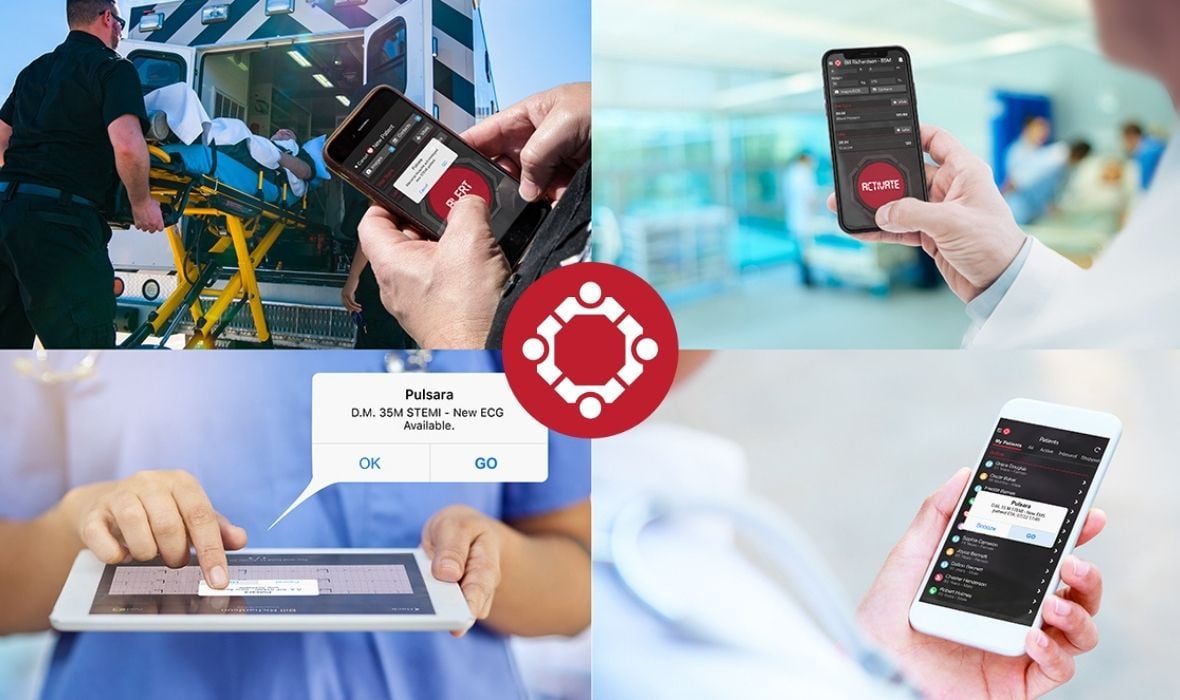
TigerConnect Pre-Hospital is a secure, HIPAA-compliant communication solution designed to eliminate communication gaps between Emergency Medical Services (EMS) and hospital staff, particularly the Emergency Department (ED) and specialized service lines (e.g., Stroke, STEMI, Trauma). Traditional methods like radio calls and pagers often lead to bottlenecks, miscommunication, and delays in critical care.
Product Overview and Key Benefits The platform accelerates emergency care by ensuring ED teams receive comprehensive, real-time patient data before arrival. This allows for better preparation, quicker activation of the right care teams, and faster time-to-treatment, which ultimately improves patient outcomes and reduces ED bottlenecks.
Main Features and Capabilities
- Powerful, Easy-to-Use Interface: EMS providers can send detailed patient information from any smartphone, tablet, or computer in under 30 seconds using configurable, no-typing buttons.
- Robust, HIPAA-Compliant Communication: Easily share critical clinical information such as trauma scene photos, stroke assessment videos, real-time EKGs, and initiate live telehealth consults securely.
- Real-Time ETA and Tracking: Monitor incoming ambulances from a comprehensive dashboard with GPS-tracked ETAs to improve situational awareness and mobilize response teams accordingly.
- Configurable Emergency Protocols: Create customized workflows for high-acuity scenarios like STEMIs, strokes, and trauma to ensure ED teams have the information needed for quick and effective care.
- Data Capture for Case Reviews: Securely stores and archives all case details, including call recordings and time-stamped texts, for quality assurance (QA) and performance analysis.
- Role-Based Messaging: Facilitates intra-hospital activation of care teams and allows for quick lookup and messaging of the right staff member by role, often integrating with scheduling solutions.
Target Users and Use Cases The primary users are EMS Providers and Hospital Staff, specifically in the Emergency Department (ED), Trauma, Stroke, and STEMI service lines. The core use case is enhancing EMS-to-ED communication and streamlining patient handoffs to reduce door-to-treatment times and improve patient flow.