Pulsara logo

Pulsara

by Pulsarapulsara.com
VISIT OFFICIAL WEBSITE →
Disclaimer: This page is an independent third-party listing and is not affiliated with, sponsored by, or endorsed by Pulsara or Pulsara. All product names, logos, and brands are property of their respective owners.

OVERVIEW

Secure, real-time communication and logistics platform uniting the entire healthcare team across organizations for time-sensitive patient events.

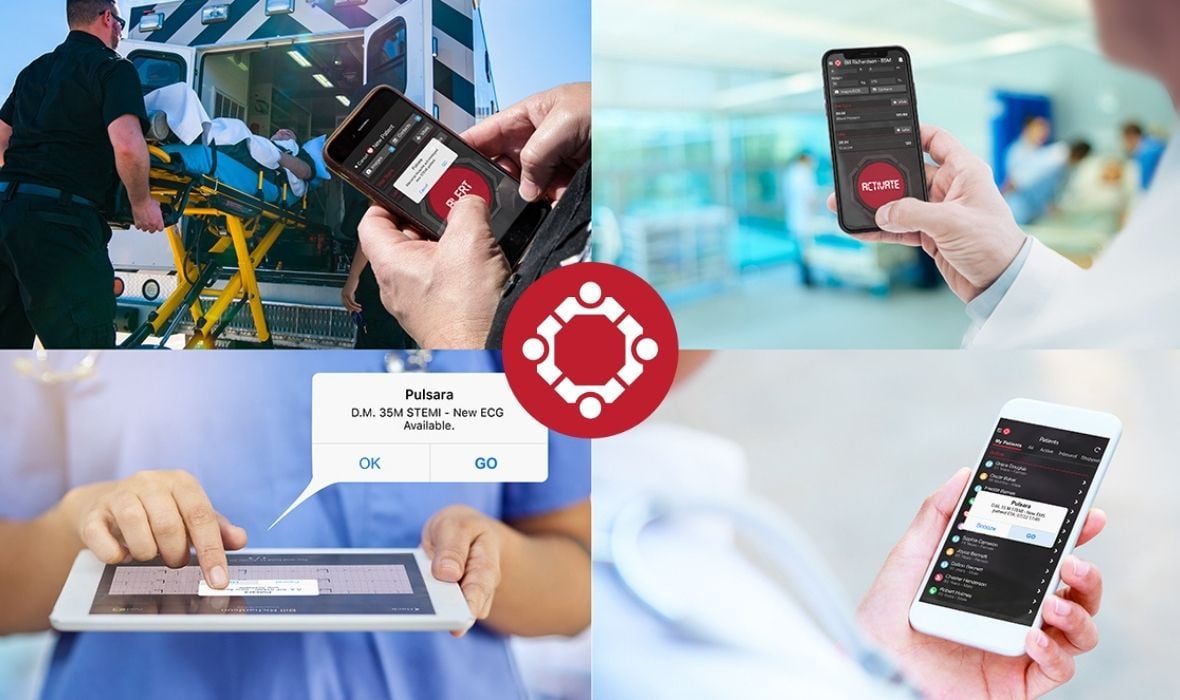
Pulsara is a secure, HIPAA-compliant telehealth and communication platform designed to unite the entire patient care team—including EMS, hospitals, urgent care, and specialty teams—across different departments and organizations. It replaces outdated communication methods like multiple phone calls, radio reports, faxes, and pagers with a single, unified, time-stamped patient channel. This streamlined workflow is proven to reduce miscommunication, decrease treatment times (e.g., for STEMI, Stroke, Sepsis, and Trauma), and lower costs.

Key Features & Capabilities:

  • Unified Patient Channel: Centralized communication for every patient event, regardless of arrival method.
  • Telehealth & Group Video Conferencing: Secure live audio and video calls, including group conferencing with patients and family members (Pulsara PATIENT).
  • Dynamic Team Building: Clinicians can add any team member, organization, or specialist to the patient channel on the fly.
  • Real-Time Data Sharing: Secure image sharing (ECGs, monitor screens, injuries, driver's licenses for pre-registration), audio clips, and instant messaging.
  • Pulsara HQ: A browser-based command center for hospital and EMS admins to track units, monitor patient status, view hospital availability, and manage Mass Casualty Incidents (MCIs).
  • Universal Clock & Benchmarks: Automatically captures key time stamps for compliance reporting and quality assurance (QA/QI).

Target Users & Use Cases:

  • Target Users: EMS/Ambulance, Hospital Staff (ED, Cath Lab, Stroke Team, Trauma Team, Registration), Urgent Care, Public Health, and Emergency Management.
  • Use Cases: Time-Sensitive Emergencies (STEMI, Stroke, Sepsis, Trauma), Inter-Facility Patient Transfers, Mobile Integrated Health (MIH)/Community Paramedicine (CP), and Mass Casualty Incident (MCI) management.

RATING & STATS

User Rating
4.8/5.0
1571 reviews
Customers
1,000+
Founded
2013

KEY FEATURES

  • Unified Patient Channel
  • Group Video Conferencing/Telehealth
  • Secure Image & ECG Sharing
  • Dynamic Team Building (Cross-Organizational)
  • Pulsara HQ (Admin Dashboard)
  • Universal Clock & Benchmarks
  • Driver's License Scanning for Pre-Registration

PRICING

Model: enterprise
Pricing is customized and based on the facility's Emergency Department (ED) volume and other unique factors. Pulsara ONE (the out-of-hospital solution for communication between EMS and the ED) is offered for free.
FREE TIER

TECHNICAL DETAILS

Deployment: cloud, saas
Platforms: web, ios, android
📱 Mobile Apps🔌 API Available

USE CASES

Time-Sensitive Emergencies (STEMI, Stroke, Sepsis, Trauma)Inter-Facility Patient TransferMobile Integrated Health / Community ParamedicineMass Casualty Incident (MCI) Management

INTEGRATIONS

ePCR Systems (e.g., ZOLL emsCharts, AngelTrack)Cardiac MonitorsStroke AI (e.g., RapidAI, Aidoc)Imaging SoftwareExternal Software Systems (via Public API)

COMPLIANCE & SECURITY

Compliance:
HIPAASOC 2 Type IIISO 27001TX-RAMP
Security Features:
  • 🔒Encryption in transit and at rest
  • 🔒Role-based access
  • 🔒Activity logs (immutable)
  • 🔒Annual Penetration Testing

SUPPORT & IMPLEMENTATION

Support: email, phone
Target Company Size: small, medium, enterprise
TRAINING AVAILABLE

PROS & CONS

✓ Pros:
  • +Significantly reduces treatment times (e.g., door-to-needle, door-to-puncture)
  • +Unifies communication across multiple, separate organizations (EMS/Hospitals)
  • +Replaces outdated and slow communication methods (radio/fax/pager)
  • +HIPAA-compliant image and data sharing without storing data on personal devices
✗ Cons:
  • -Can be challenging to use in high-stress, hands-on critical care scenarios
  • -Potential for double-documentation if radio reports are still required
  • -May be difficult for some target demographics (e.g., elderly patients in CP) to adopt

ABOUT PULSARA