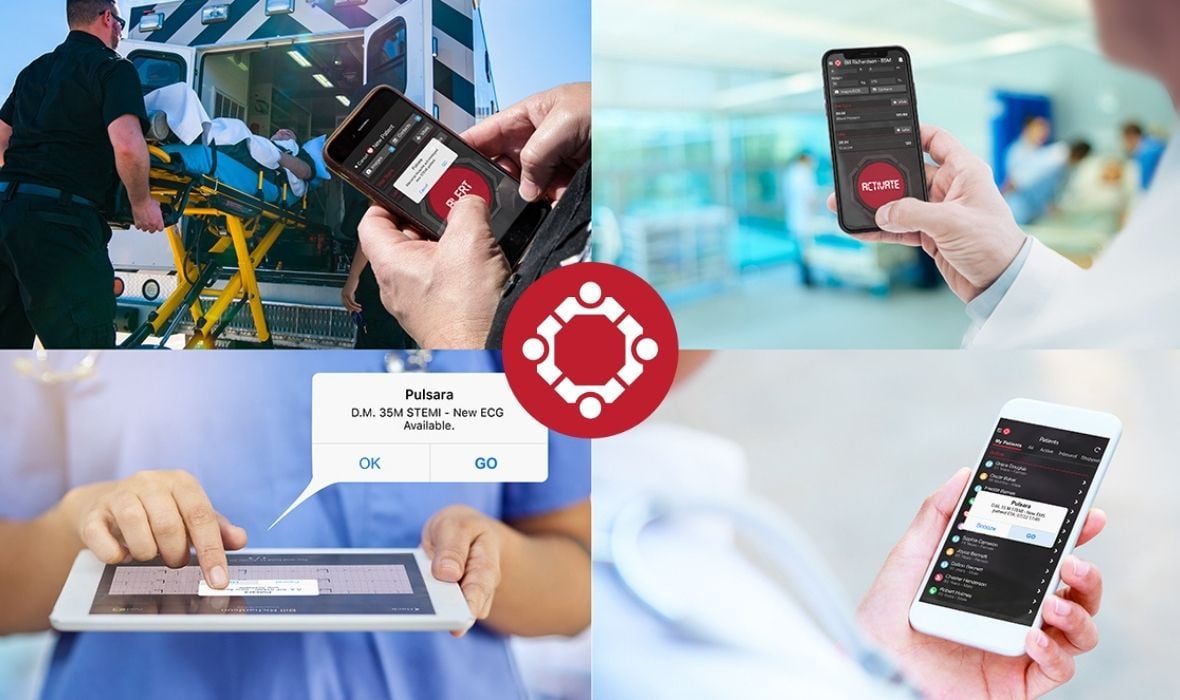
ESO Alerting is a critical component of the ESO Hospital Suite, designed to bridge the communication gap between Emergency Medical Services (EMS)/first responders and hospital emergency departments (EDs) and specialty teams. The software enables EMS professionals to securely and efficiently communicate vital patient information, photos, and videos to the hospital while the patient is still in transit, allowing hospital staff to prepare rooms and activate specialty teams (e.g., STEMI, Stroke, Trauma, Sepsis) before arrival.
Key Benefits and Capabilities:
- Early Notification & Preparation: Hospitals receive alerts on case types in advance, enabling them to prepare rooms and rally specialized care teams, which is crucial for time-sensitive emergencies like STEMI and stroke.
- Real-Time Data Exchange: EMS crews can capture critical patient information at the scene using smartphones and tablets, including vitals, assessments, photos, and videos, and wirelessly transmit this data to the hospital ED.
- Rapid Data Entry: Features like “One-touch Assessments” and configurable points of entry eliminate time-consuming verbal reports and streamline data capture in the field. The system integrates with the EMS ePCR (EHR) to prevent duplicate data entry.
- Specialty Team Activation: The system allows hospitals to create specialty teams with role-based access and notify staff via text message (SMS alerts). Staff can accept calls and update travel times with ETAs.
- Critical Timestamps: The software automatically measures and pinpoints timestamps for critical cases, such as door-to-balloon times, turnaround times, and points of contact, which is essential for quality reviews, accreditation activities, and meeting core metric requirements.
- Data Interoperability: ESO Alerting is integrated with the ESO Health Data Exchange (HDE) platform, which facilitates secure, auditable, and bi-directional data sharing between EMS and the hospital EHR/EMR.
Target Users:
- EMS Agencies and First Responders
- Hospital Emergency Departments (ED)
- Hospital Specialty Teams (Cath Lab, Stroke Team, Trauma Team)
- Hospital Administrators and Quality Improvement Teams